Where to go now
AxeOS/esp-miner, open source design and single/multi-chip derivative boards continue to develop, mature mainline and untested prototypes must be read separately.


 Bitaxe Manufacturer Profile
Max, Ultra, Supra, and Gamma use BM1397, BM1366, BM1368, and BM1370 in sequence; UltraHex, Gamma Turbo, and Naja extend to multi-chip and new chip research.

AxeOS/esp-miner, open source design and single/multi-chip derivative boards continue to develop, mature mainline and untested prototypes must be read separately.
Bitaxe is an open source design, and the finished product assembler, cooling and power supply are different, and the project name cannot be regarded as a single retail specification.
The official design files and GitHub information are complete. This site gives priority to official company, technical or regulatory information; when there is insufficient public history, only verifiable product nodes are described.
There may still be differences in air cooling, hydro cooling, hashrate and voltage within the same series; the series is just for finding the direction, and the complete model is the specification unit.
Using S17/T17's BM1397, establish an open source single-chip SHA-256 board route.
Switch to the BM1366 of S19 XP/S19k Pro, and push the ESP32 and AxeOS ecosystem to a more mature usage.
Switching to S21's BM1368, the hashrate and energy efficiency continue to improve.
Using S21 Pro's BM1370, a single chip can reach approximately 1.2 TH/s.
UltraHex studies six BM1366s; Gamma Turbo GT801 brings dual BM1370s into the newer open source multi-chip route.
Naja uses dual BM1340, which is clearly marked untested by the official; this type of board is used to track hardware development and should not be regarded as mass-produced products.
Cross-series of the same brand are arranged in reverse order of production/release time, and then divided into years. Click on the individual machine page to view specifications, risks, position in the same series and data sources.
The release order within the year is still from newest to oldest; the actual delivery batch and regional launch time may be different.
About 15 W / Please use the complete hashrate version and wall power consumption to convert
About 26 W / Please use the full hashrate version and wall power consumption to convert
12 V input, subject to assembly and adjustment/no unified official measured value yet
The release order within the year is still from newest to oldest; the actual delivery batch and regional launch time may be different.
The release order within the year is still from newest to oldest; the actual delivery batch and regional launch time may be different.
Approximately 22 W / Please use the complete hashrate version and wall power consumption to convert
Approx. 18–30 W (depending on calibration and power supply) / Approx. 15–25 J/TH
About 17 W / Please use the complete hashrate version and wall power consumption to convert
About 14 W / Please use the full hashrate version and wall power consumption to convert
About 15 W or more / About 21–25 J/TH
The release order within the year is still from newest to oldest; the actual delivery batch and regional launch time may be different.
The release order within the year is still from newest to oldest; the actual delivery batch and regional launch time may be different.
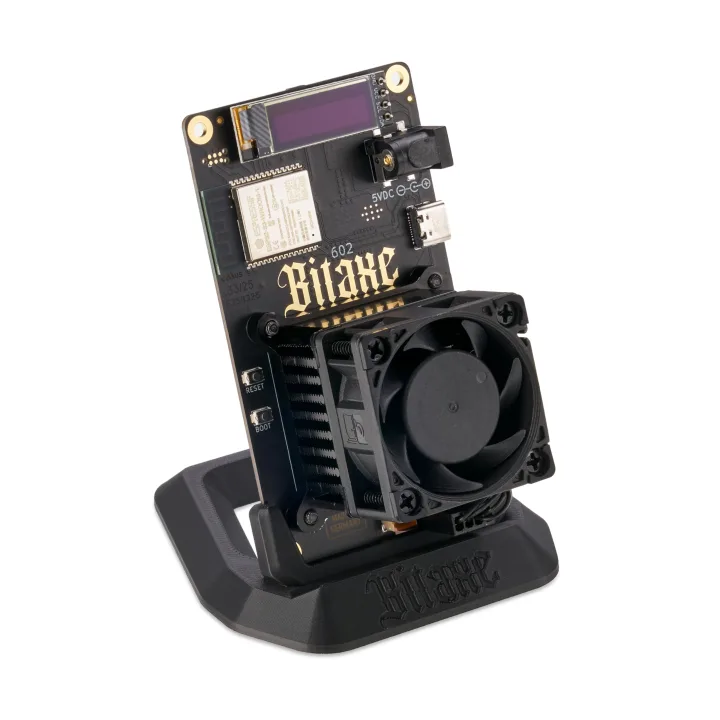 About 1.3T
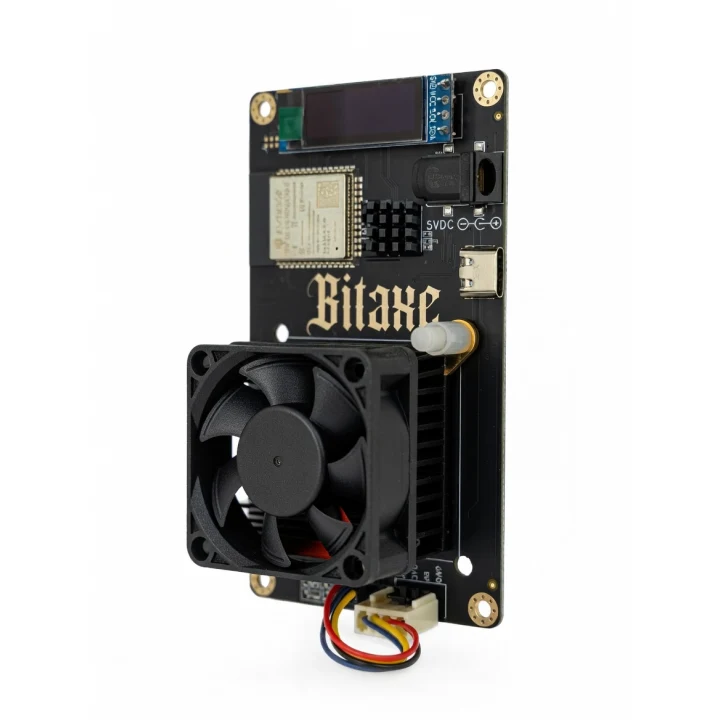 About 1.6T
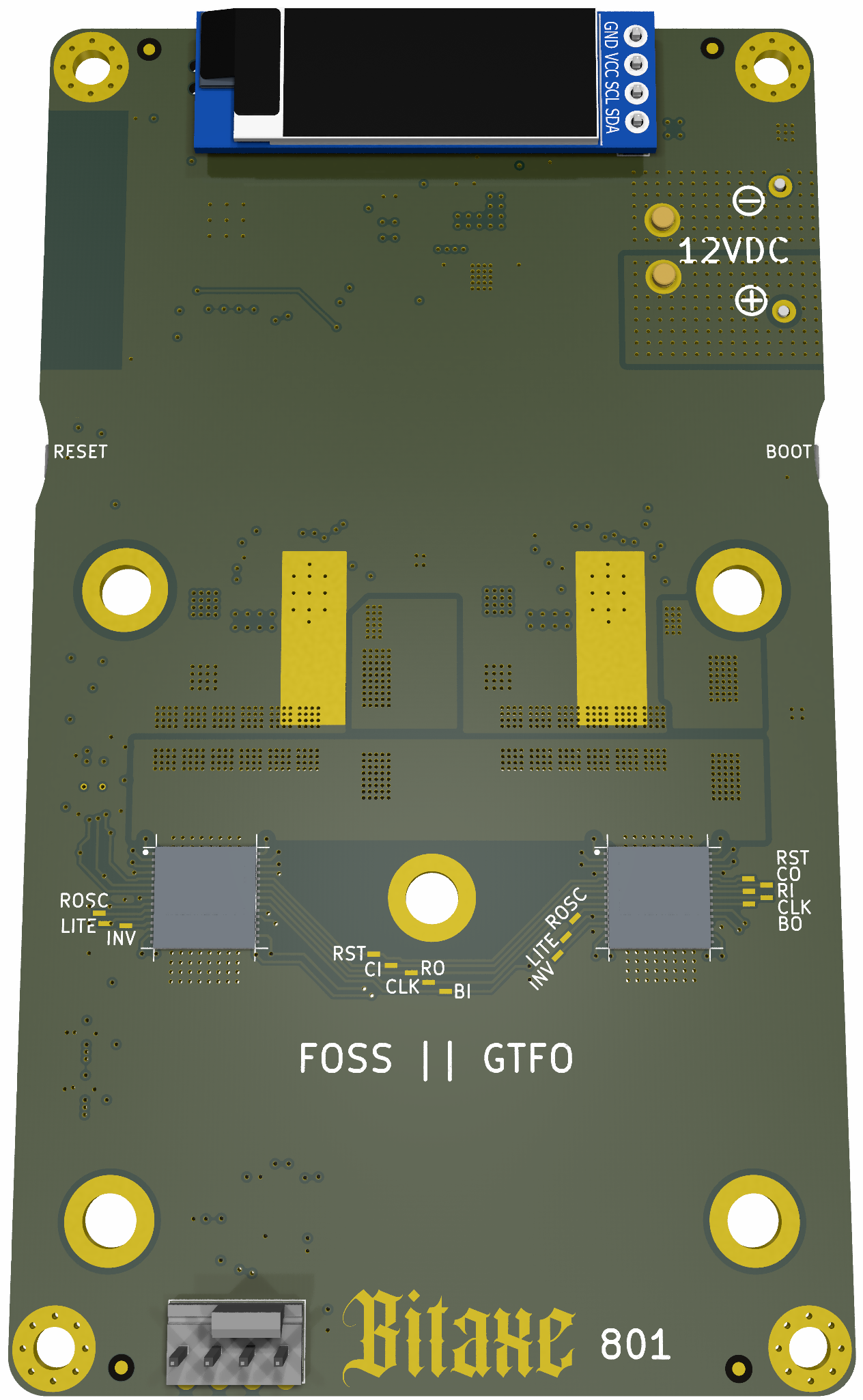 Depends on firmware, power supply and heat dissipation adjustments, the official has not announced a fixed mass production value
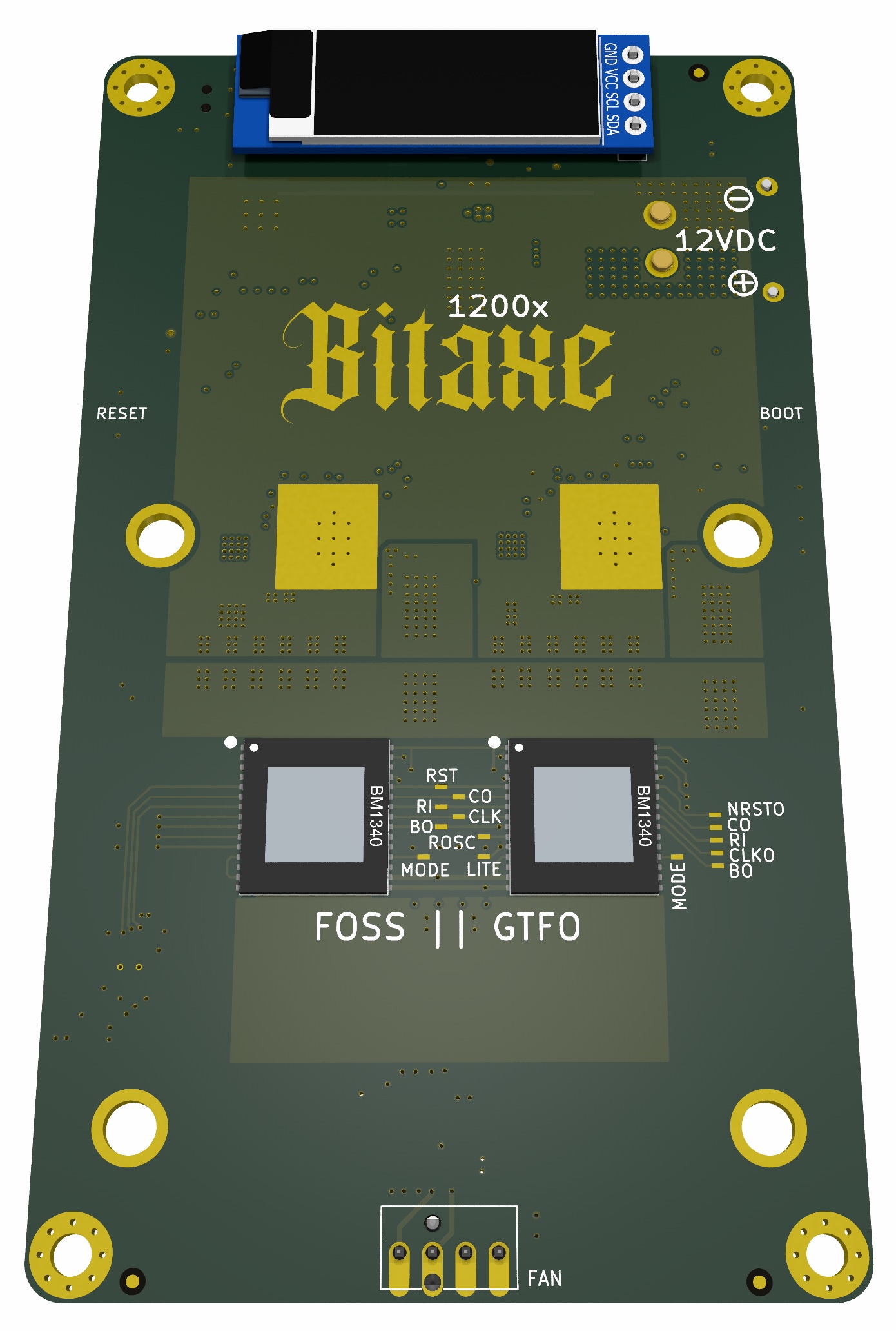 Not announced; not tested prototype
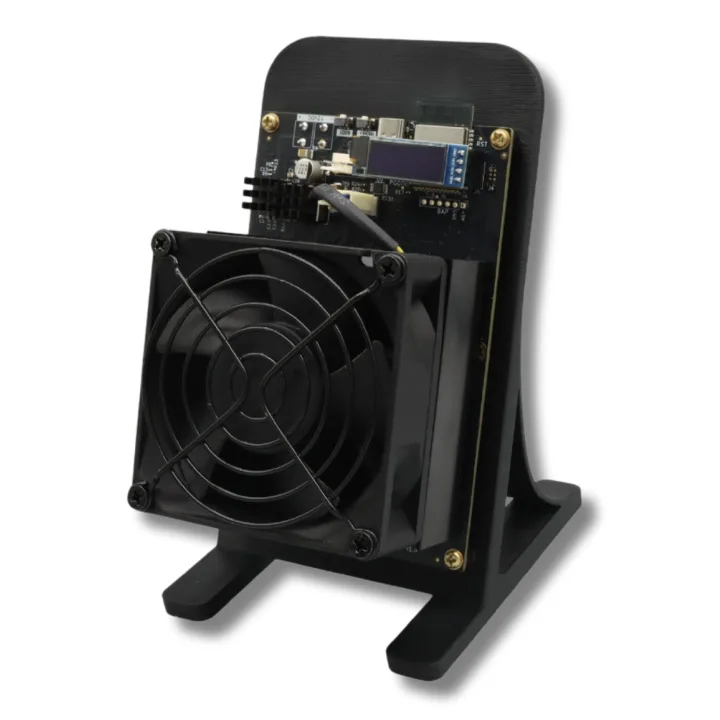 About 4.2T
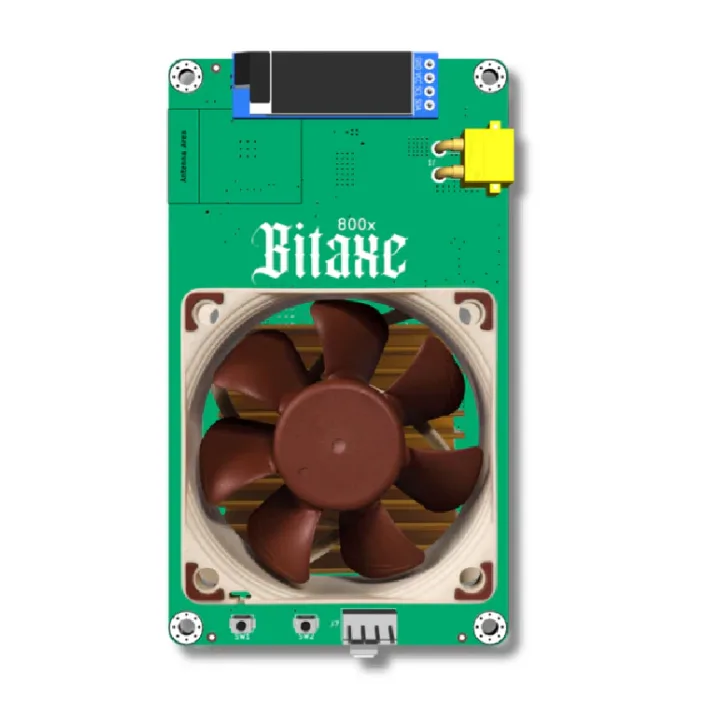 About 2.4T
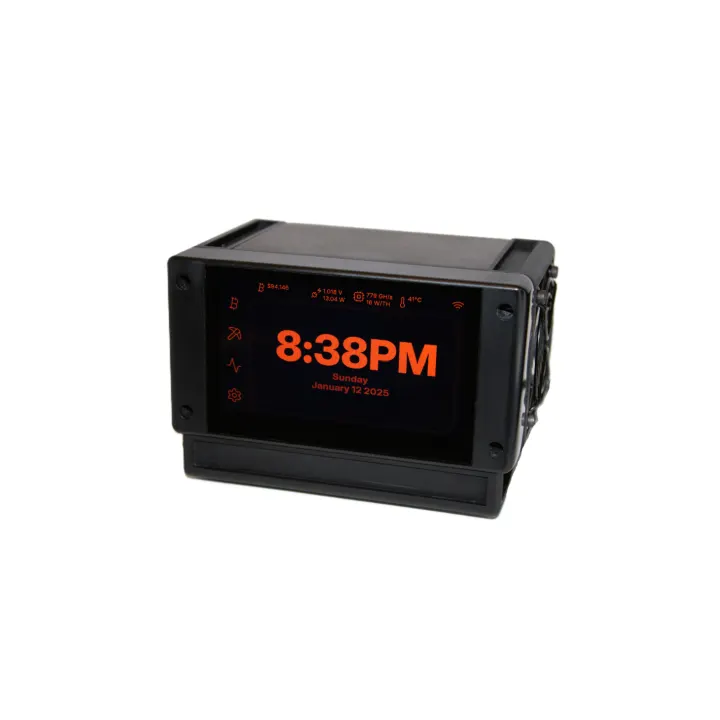 About 1.6T
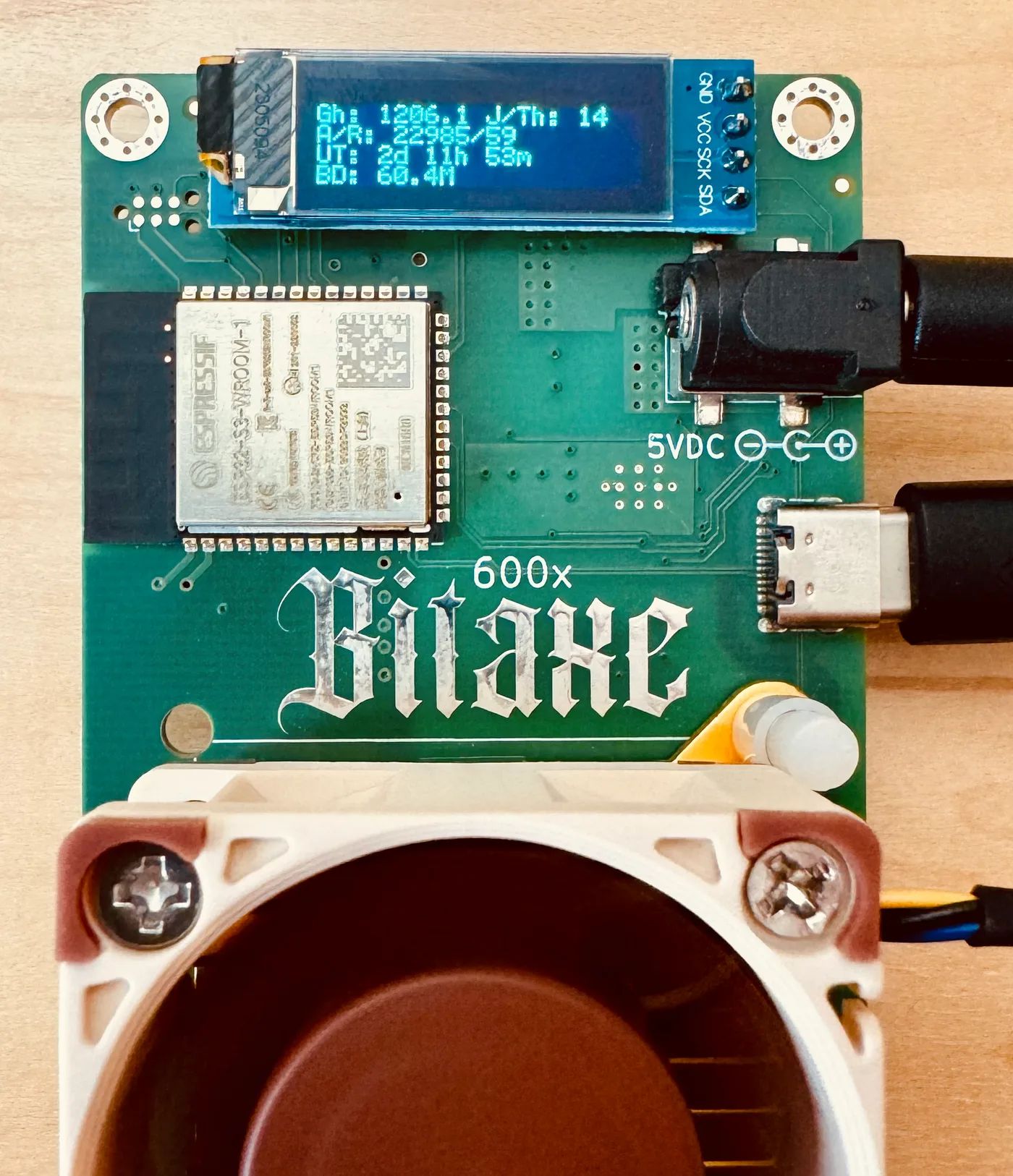 Approximately 1.2 TH/s
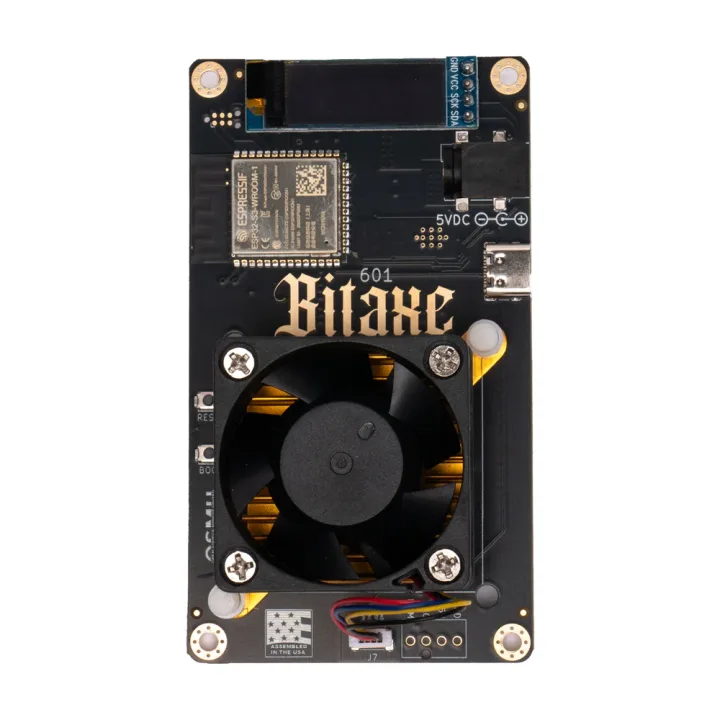 About 1.2T
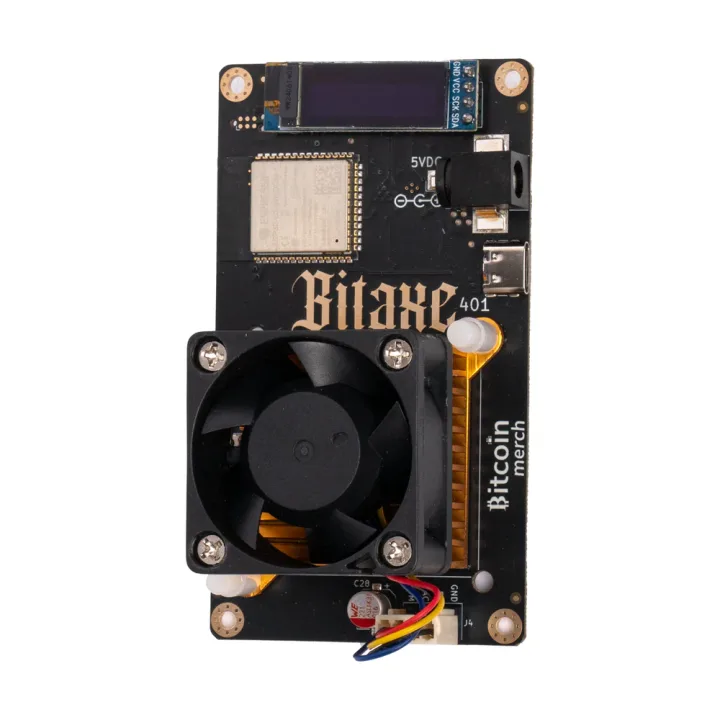 About 600G
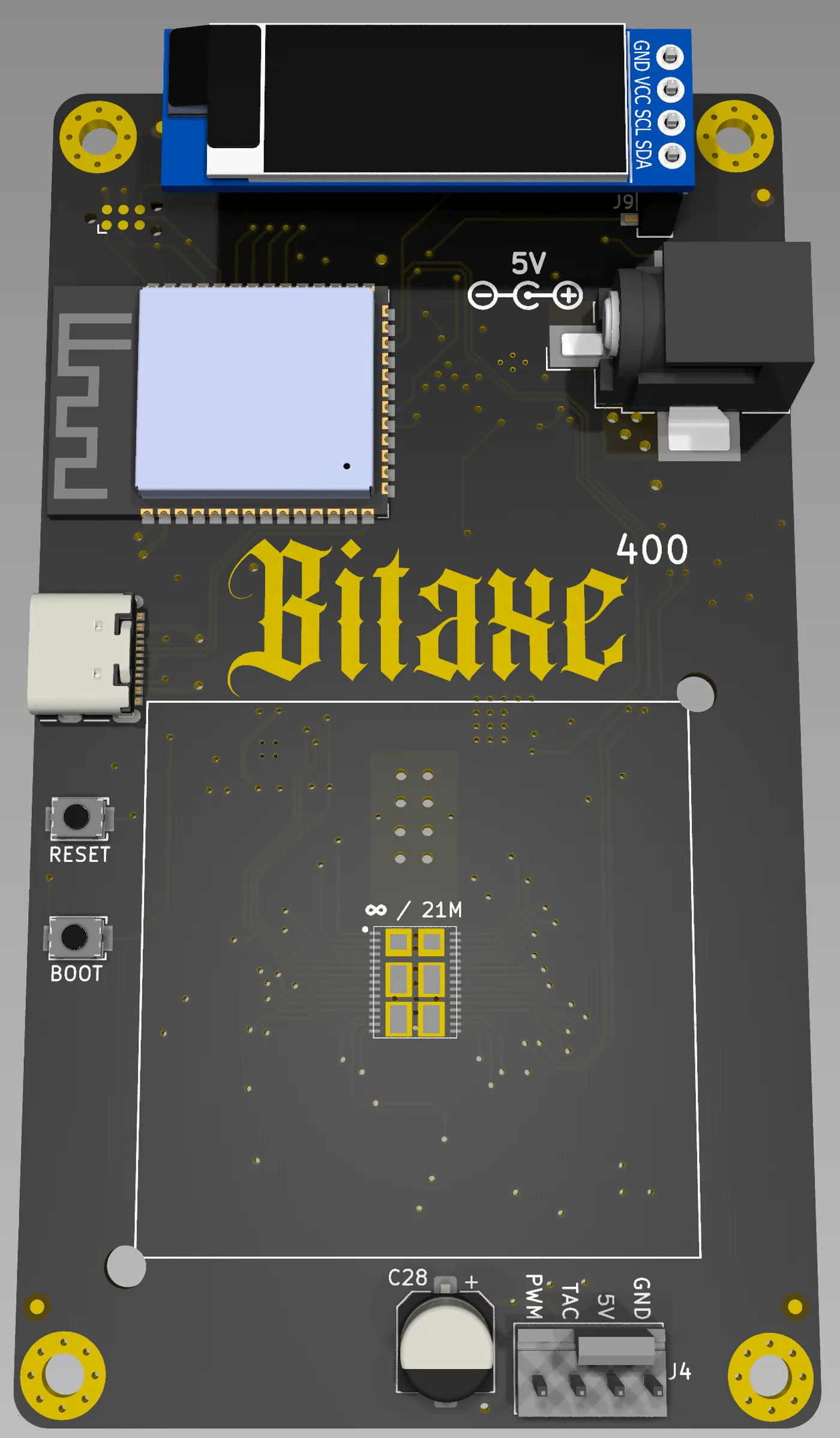 About 600–700 GH/s
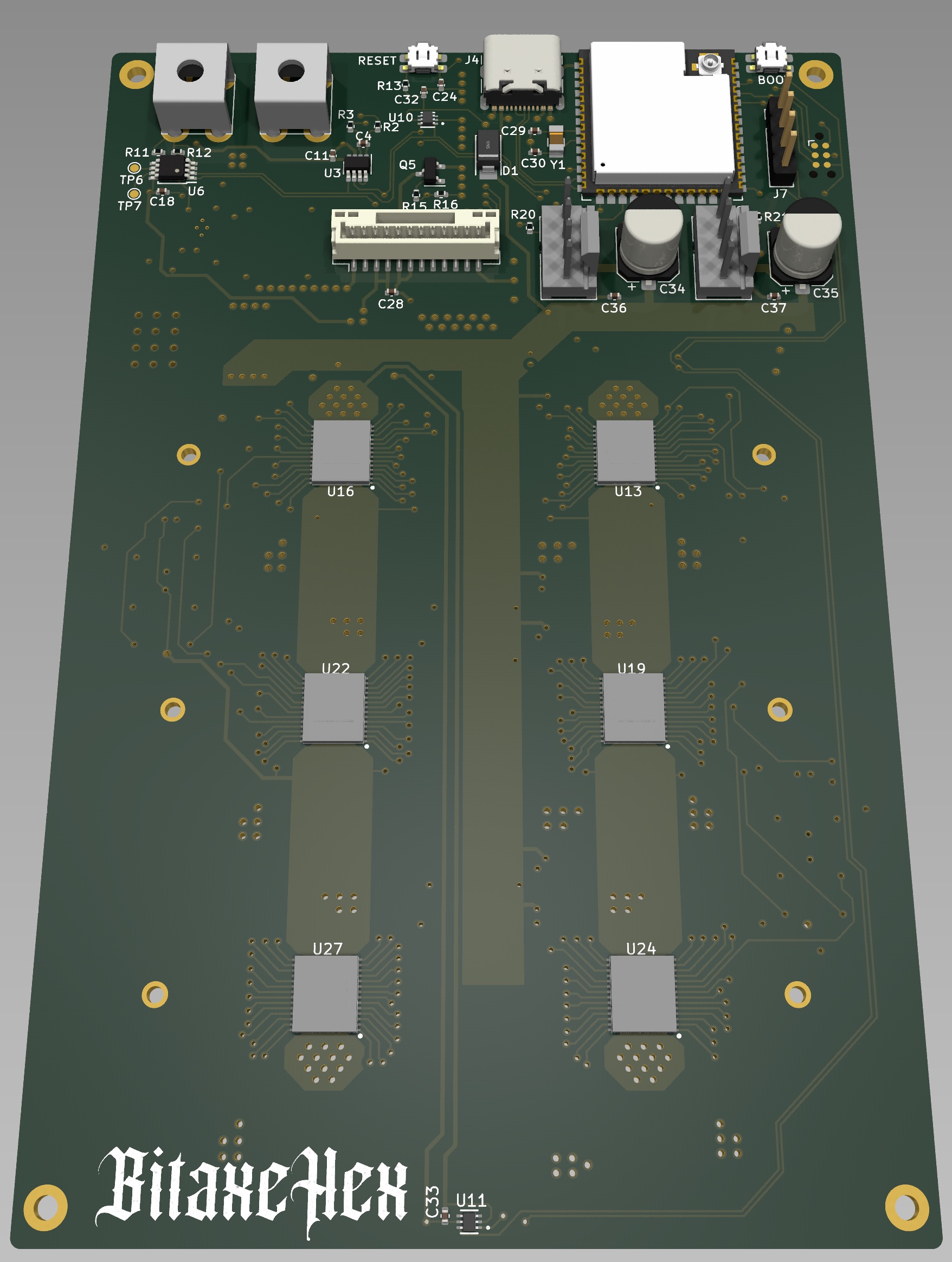 According to board revision and adjustment, there is no official fixed finished product value.
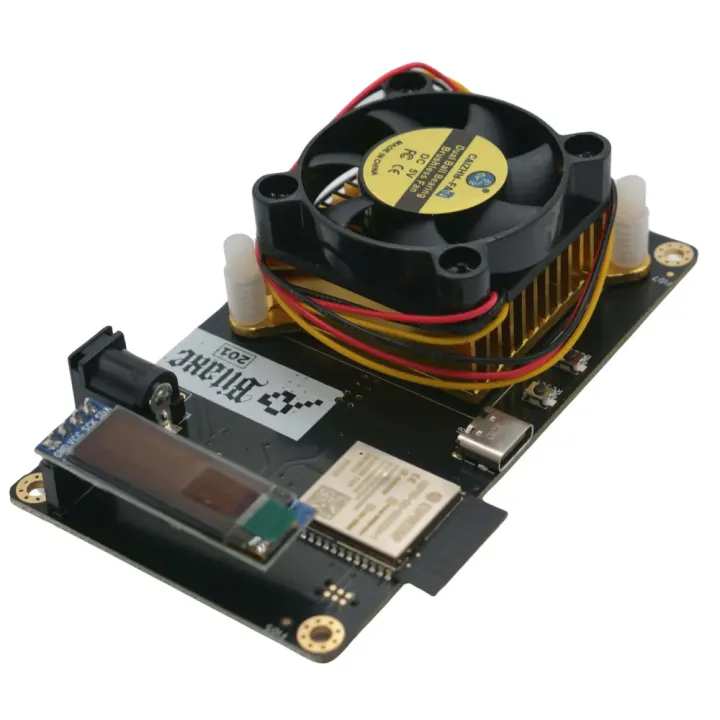 Approximately 425 GH/s
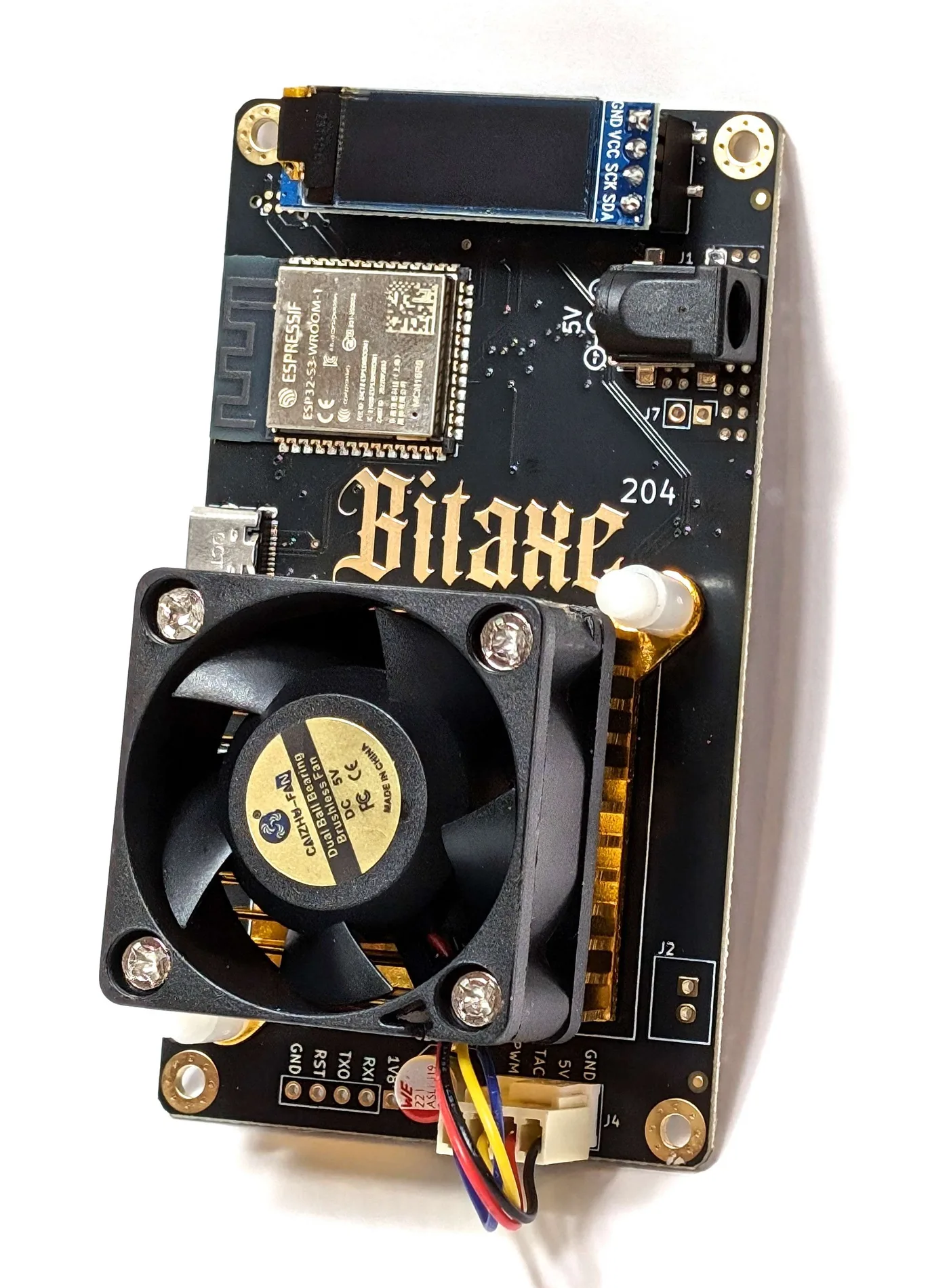 About 500 GH/s
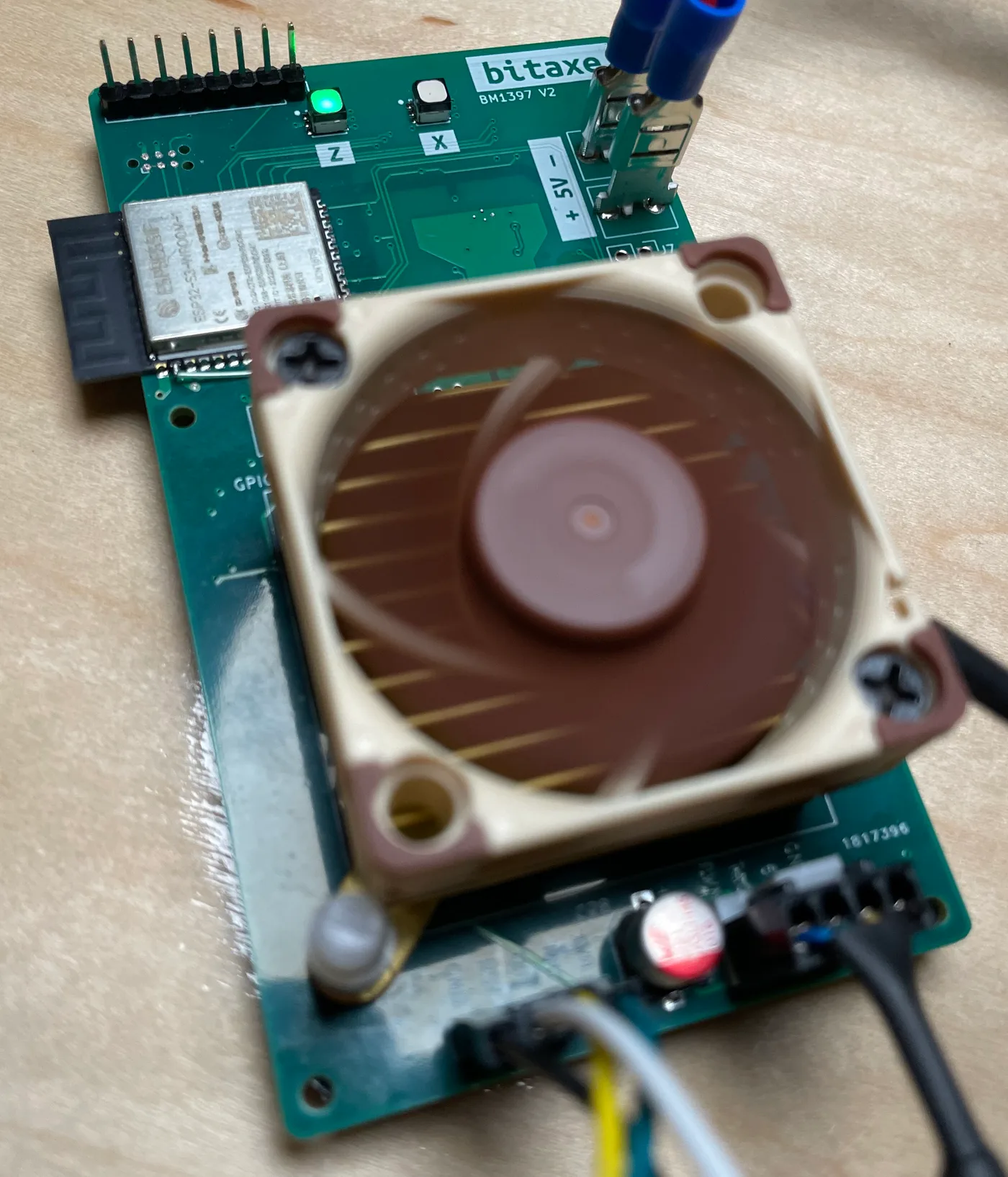 About 400 GH/s