

Bitcoin Mining: From a Block to a miner
First use one route to understand the principles, and then check the miners, mining pools, custody or income according to your questions. There is no need to read the entire textbook from the beginning.
How a miner participates in the Bitcoin network
What problem do you most want to solve right now?
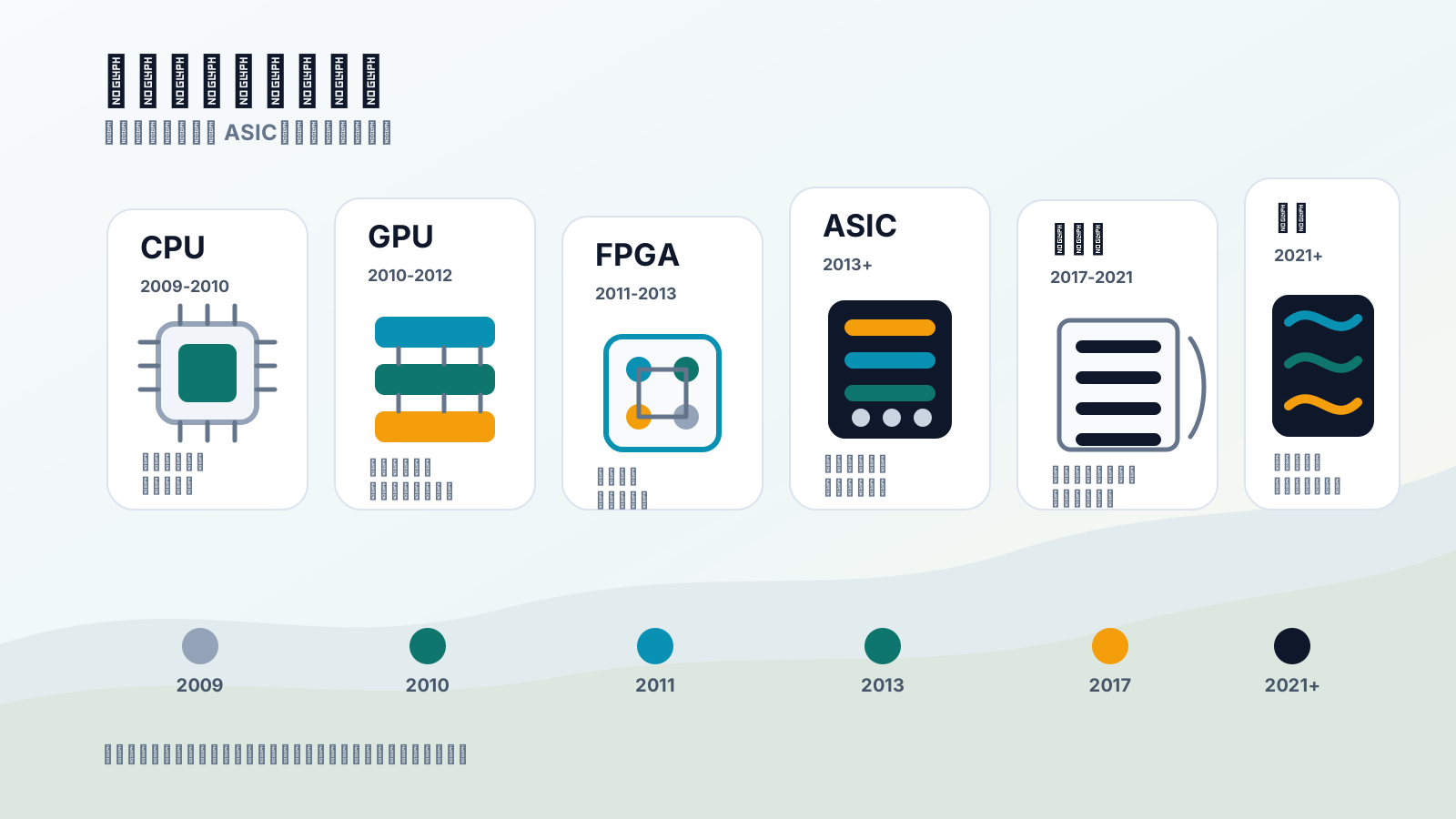
Use pictures to see what blocks, PoW, hashrate and miners are doing.
Start reading →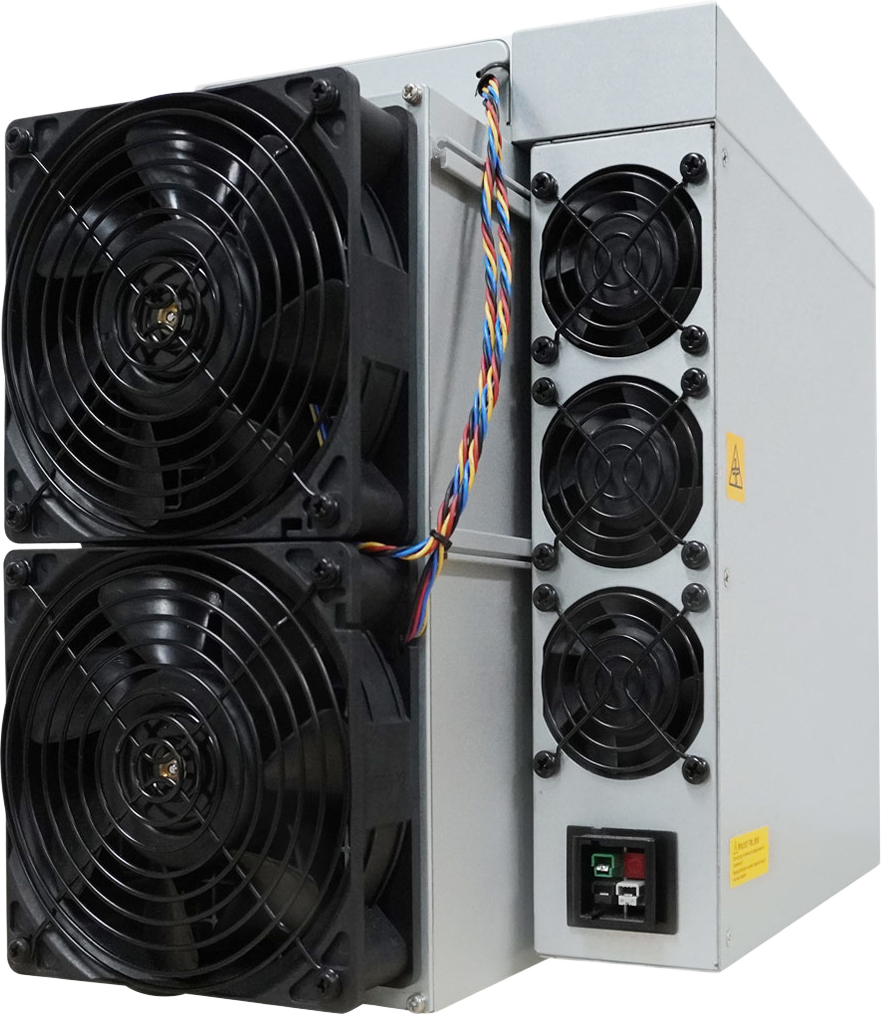
Put hashrate, power consumption, J/TH and cooling methods together.
Start reading →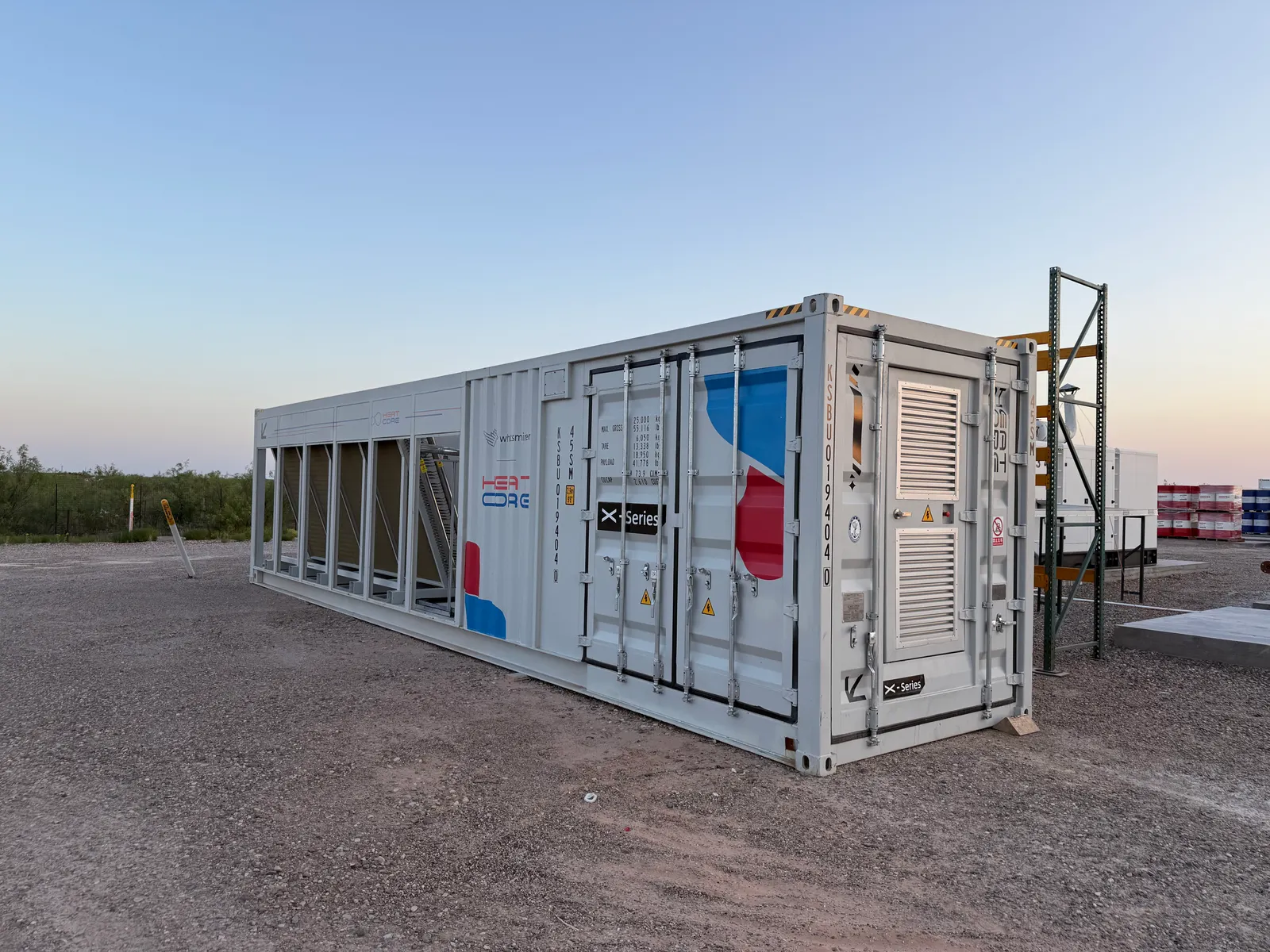
The estimation results are based on the hashrate of the miner, the difficulty of the entire network and the electricity price.
Start reading →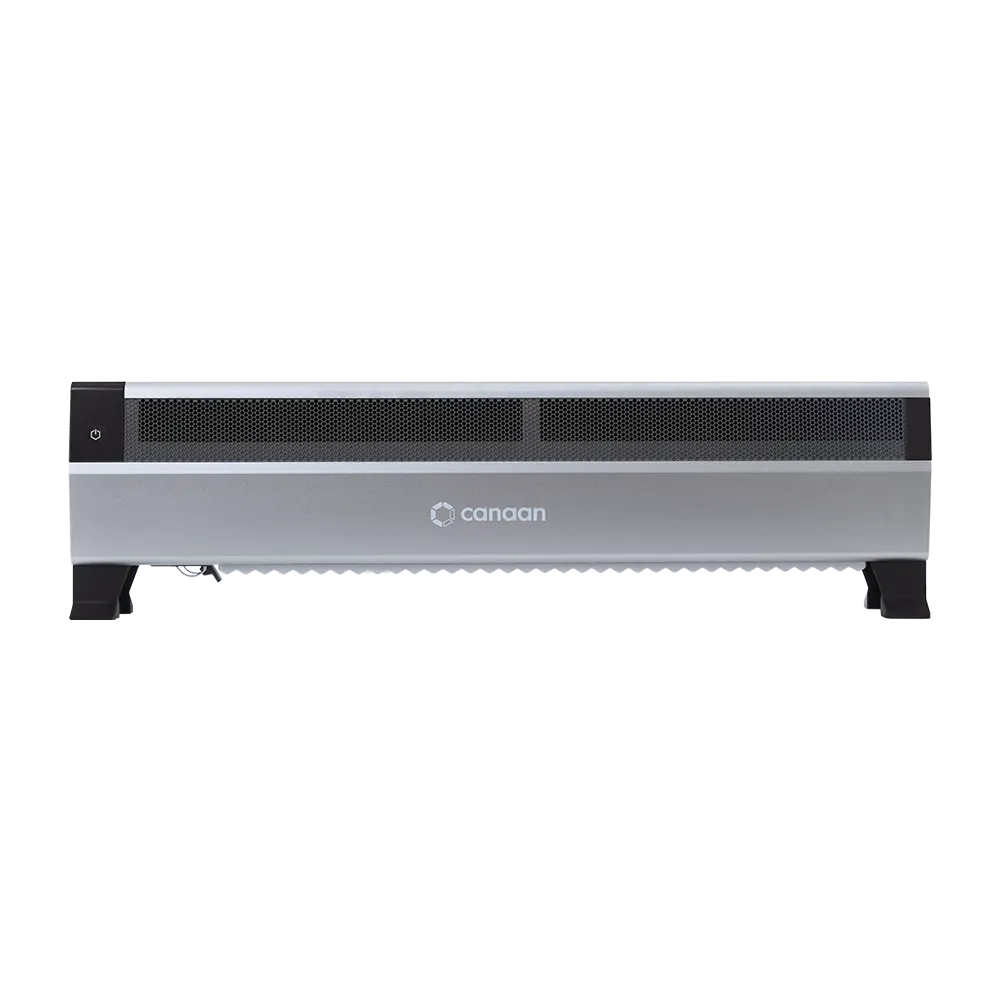
Let’s first look at the hit probability, and then get to know the home and desktop small miners.
Start reading →Understanding the Internet and the Past
First understand why miners are needed, and then look at how the hardware moves from CPU to ASIC.
It explains Bitcoin mining, PoW, block rewards, network hashrate, miners and mining pools from a miner's perspective to help retail investors judge whether they are suitable for investment.
Organize the evolution of Bitcoin mining from early personal computers, GPUs, FPGAs to ASIC professional miners, so that miners can understand the changes in the industry.
Equipment selection and deployment
First break down the algorithm, and then put together J/TH, cooling, electricity price and miner hosting conditions.
Explain the differences between BTC ASIC miners, hashrate, power consumption, energy efficiency, air cooling, hydro cooling and algorithms to help retail miners compare miners.
Mining hosting quotes cannot be compared on electricity rate alone. Use the same miner to check the all-in rate, uptime, downtime billing, deposit, setup and exit fees.
Calculating income and gameplay
Generally, mining pools and Solo are two types of fluctuations; electricity costs, downtime and depreciation are also deducted from the income.
Explain the differences between Solo Mining, Lottery Miner, Solo Pool, Avalon Home, Lucky Miner and general mining pool mining.
Explain how miners use hashrate, electricity prices, custody fees, BTC prices, difficulty, downtime rates and machine depreciation to evaluate Bitcoin mining profits.
Connect knowledge to materials and tools
The difficulty of the entire network, miner models, mining pools and policies will all change your judgment.
Calculate the costs clearly first, and then look at the actual deployment
After understanding the miners, electricity prices, custody and revenue models, then use the main site calculator to bring in your own equipment conditions.
- 01Research
- 02Run the Numbers
- 03Review Deployment