Where to go now
NerdOS, Stratum, monitoring and 1/4/8/12 chip boards are developing in parallel, and power supply and cooling requirements are also moving from the display level to the advanced assembly level.


 NerdMiner Manufacturer Profile
NerdMiner v2 first uses ESP32 to display the Solo Mining process, and then NerdNOS, NerdAxe, NerdQaxe, NerdQX, NerdOctaxe and NerdEKO will be added to the real BM13xx ASIC.
NerdOS, Stratum, monitoring and 1/4/8/12 chip boards are developing in parallel, and power supply and cooling requirements are also moving from the display level to the advanced assembly level.
Only NerdMiner v2 is non-ASIC; other Nerd* boards are reviewed individually by die count, PCB revision, power supply, and cooling.
Official GitHub and community documents. This site gives priority to official company, technical or regulatory information; when there is insufficient public history, only verifiable product nodes are described.
There may still be differences in air cooling, hydro cooling, hashrate and voltage within the same series; the series is just for finding the direction, and the complete model is the specification unit.
Early projects demonstrated Solo Mining and block search using ESP32.
NerdMiner v2 extends to multiple ESP32 display boards, web browsers, and community mining pools.
NerdNOS uses BM1397 to enter the ASIC; NerdAxe Ultra/Gamma uses BM1366 and BM1370 respectively.
The ecosystem has gradually expanded to 4, 8, and 12 chip boards, and the power supply and heat dissipation have also been upgraded from USB-C to XT30/XT60 and high-current 12 V.
Cross-series of the same brand are arranged in reverse order of production/release time, and then divided into years. Click on the individual machine page to view specifications, risks, position in the same series and data sources.
The release order within the year is still from newest to oldest; the actual delivery batch and regional launch time may be different.
About 76 W / Please use the full hashrate version and wall power consumption to convert
About 103 W / Please use the full hashrate version and wall power consumption to convert
About 103 W / Please use the full hashrate version and wall power consumption to convert
About 240 W / Please use the full hashrate version and wall power consumption to convert
The release order within the year is still from newest to oldest; the actual delivery batch and regional launch time may be different.
About 160 W / Please use the full hashrate version and wall power consumption to convert
Approx. 200 W / Approx. 16.7–20.8 J/TH
About 60 W / Please use the complete hashrate version and wall power consumption to convert
Approx. 150 W / Approx. 18.8–25 J/TH
Approx. 7–8 W (USB-C) / Approx. 54–100 J/TH
The release order within the year is still from newest to oldest; the actual delivery batch and regional launch time may be different.
Approx. 230 W / Approx. 16.4 J/TH
Depending on the board and adjustment, the official ecological page does not list a unified value/cannot be calculated based on unannounced power consumption
Approx. 70.6 W / Approx. 11.8–14.7 J/TH
About 20 W / About 16.7 J/TH
Depending on the board and adjustment, the official ecological page does not list a unified value/cannot be calculated based on unannounced power consumption
The release order within the year is still from newest to oldest; the actual delivery batch and regional launch time may be different.
Depending on the board and adjustment, the official ecological page does not list a unified value/cannot be calculated based on unannounced power consumption
According to the board and screen, the official ecological page indicates about 20 W / not suitable for comparison with ASIC in J/TH
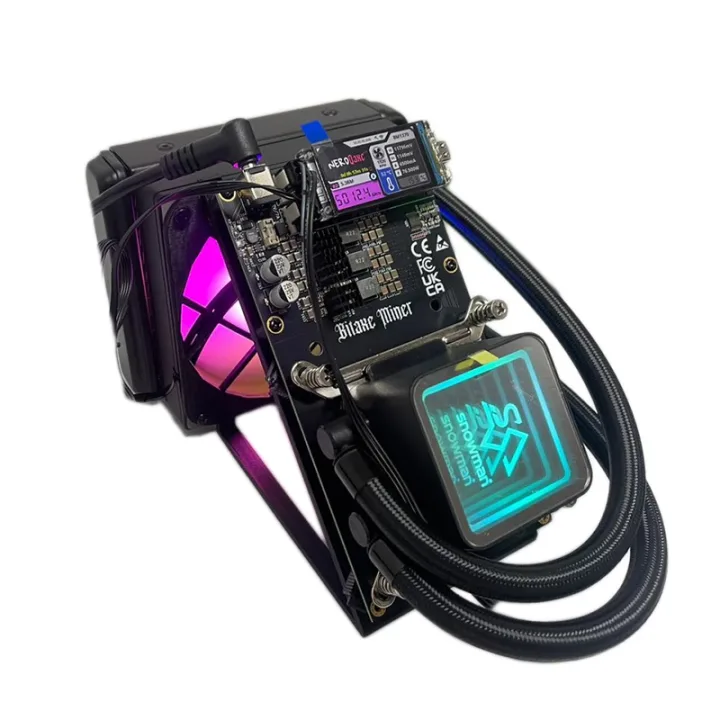 About 4.8T
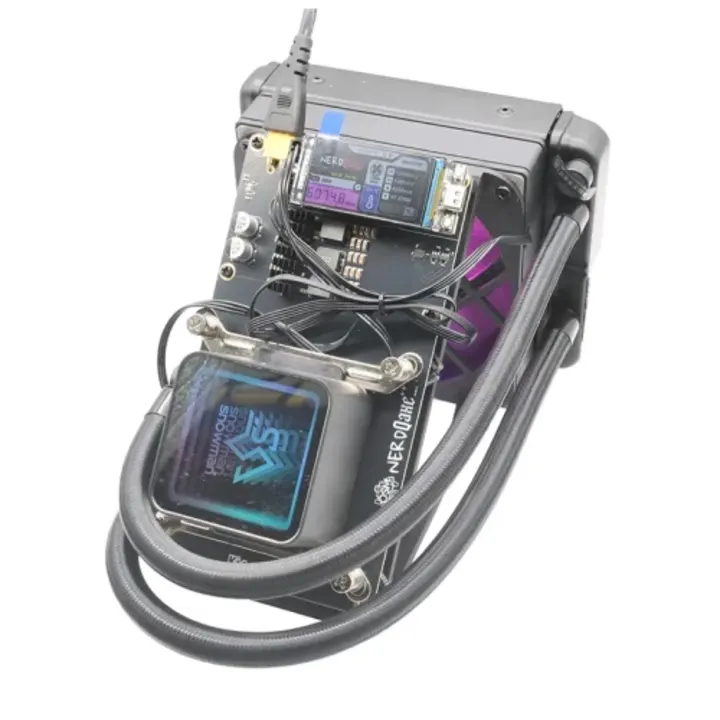 About 6T
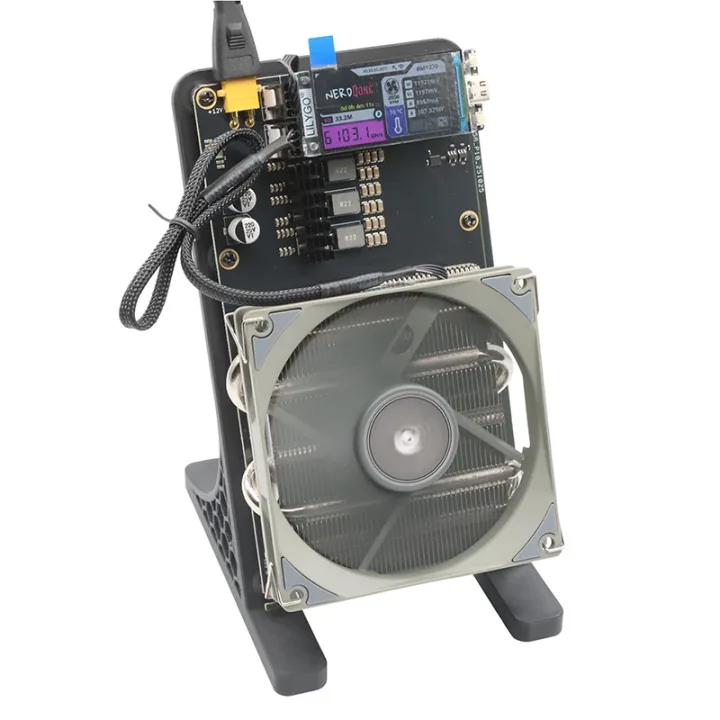 About 6T
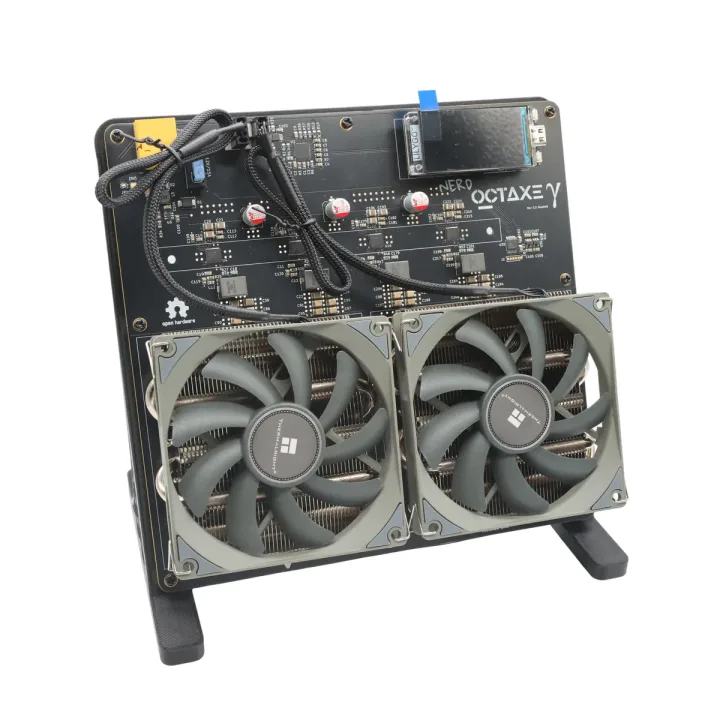 About 12T
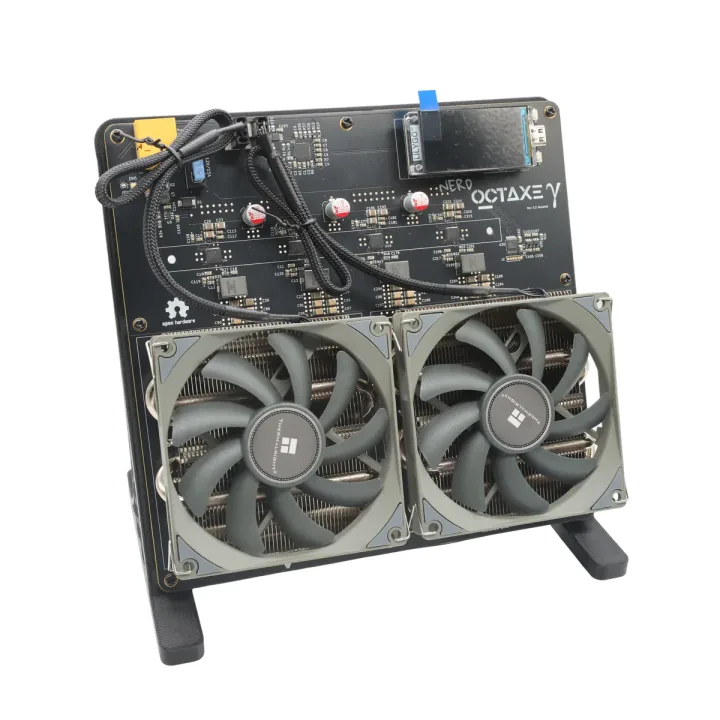 About 9.6T
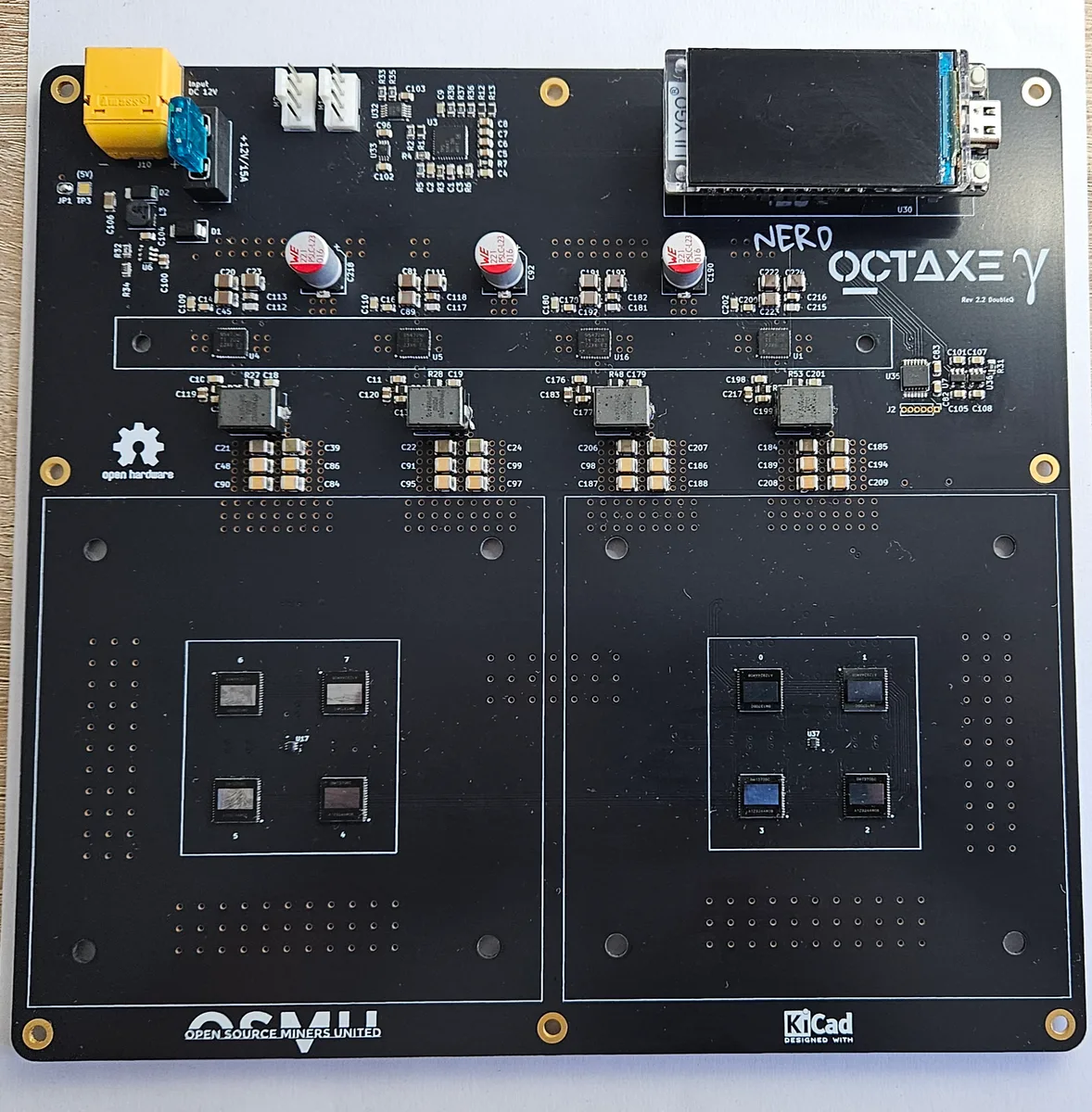 About 9.6–12 TH/s
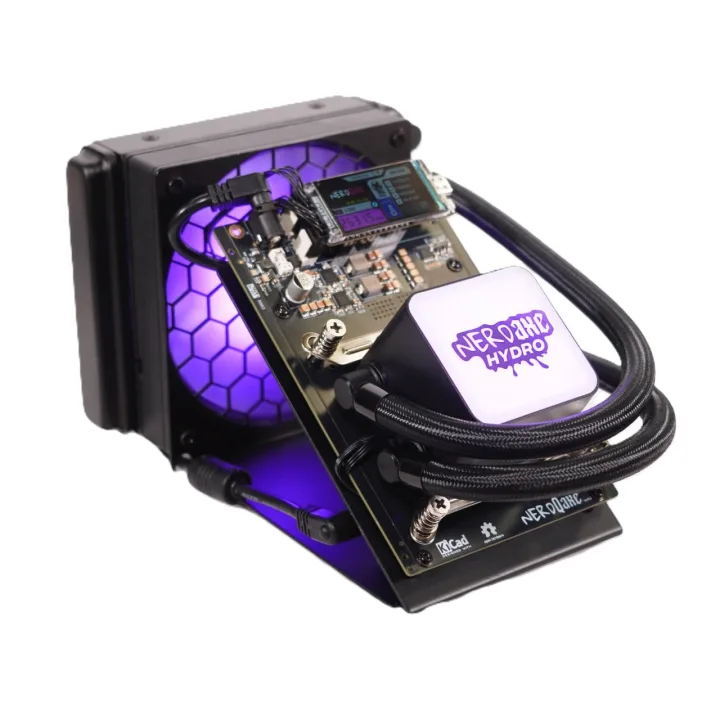 About 2.5T
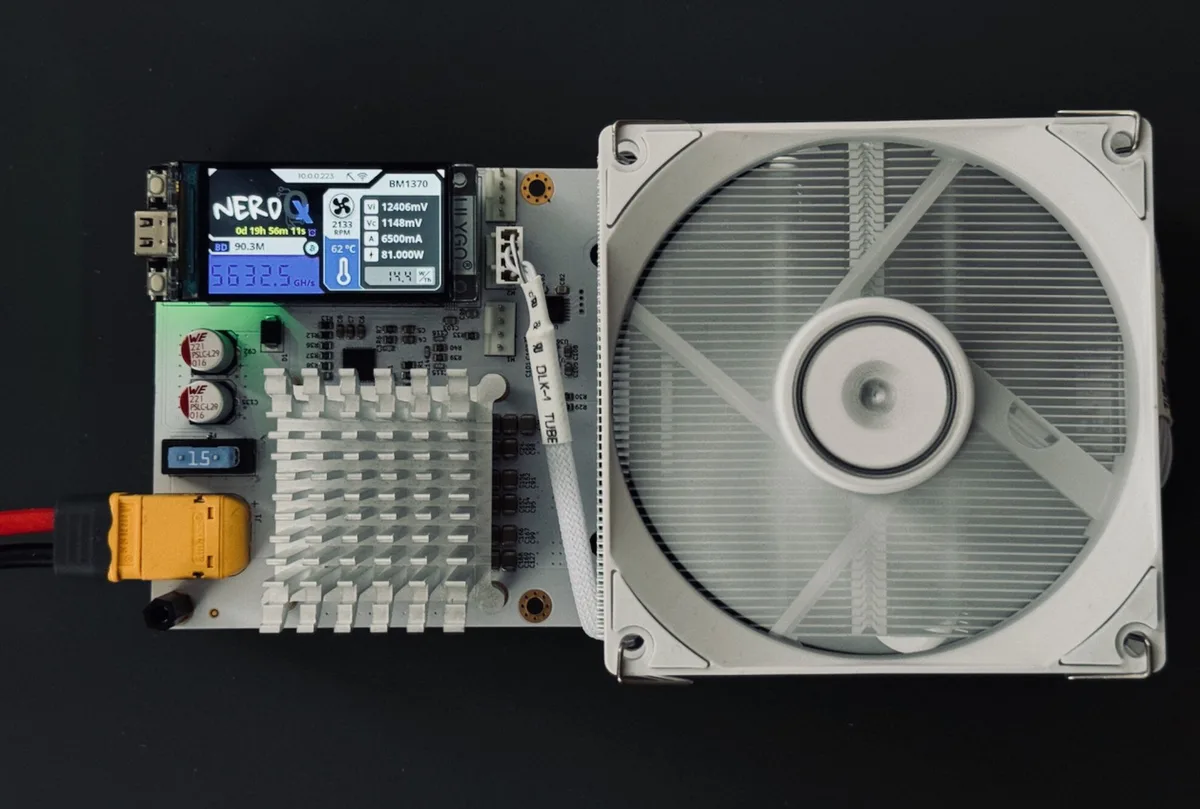 About 6–8 TH/s
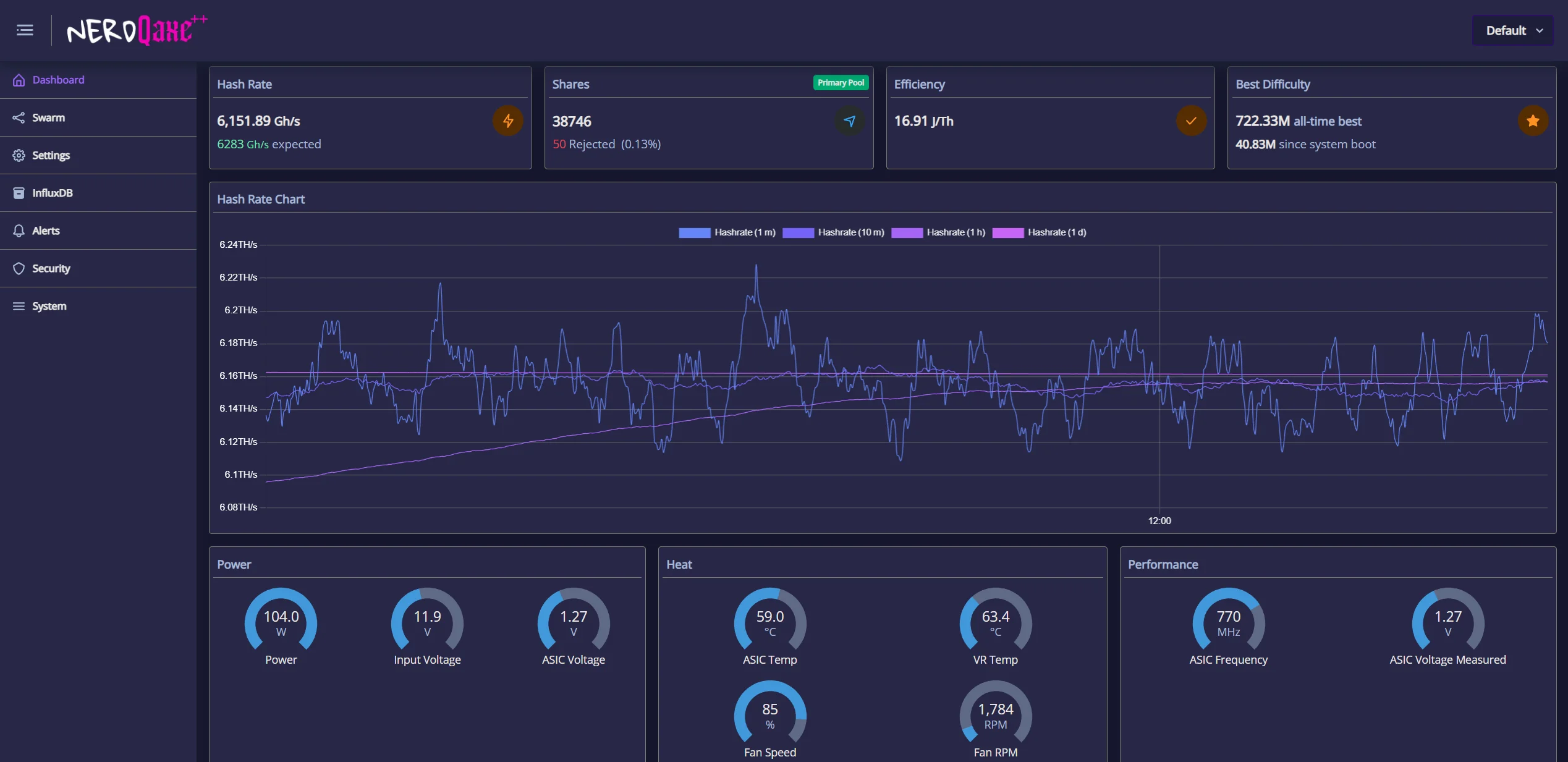 About 80–130 GH/s
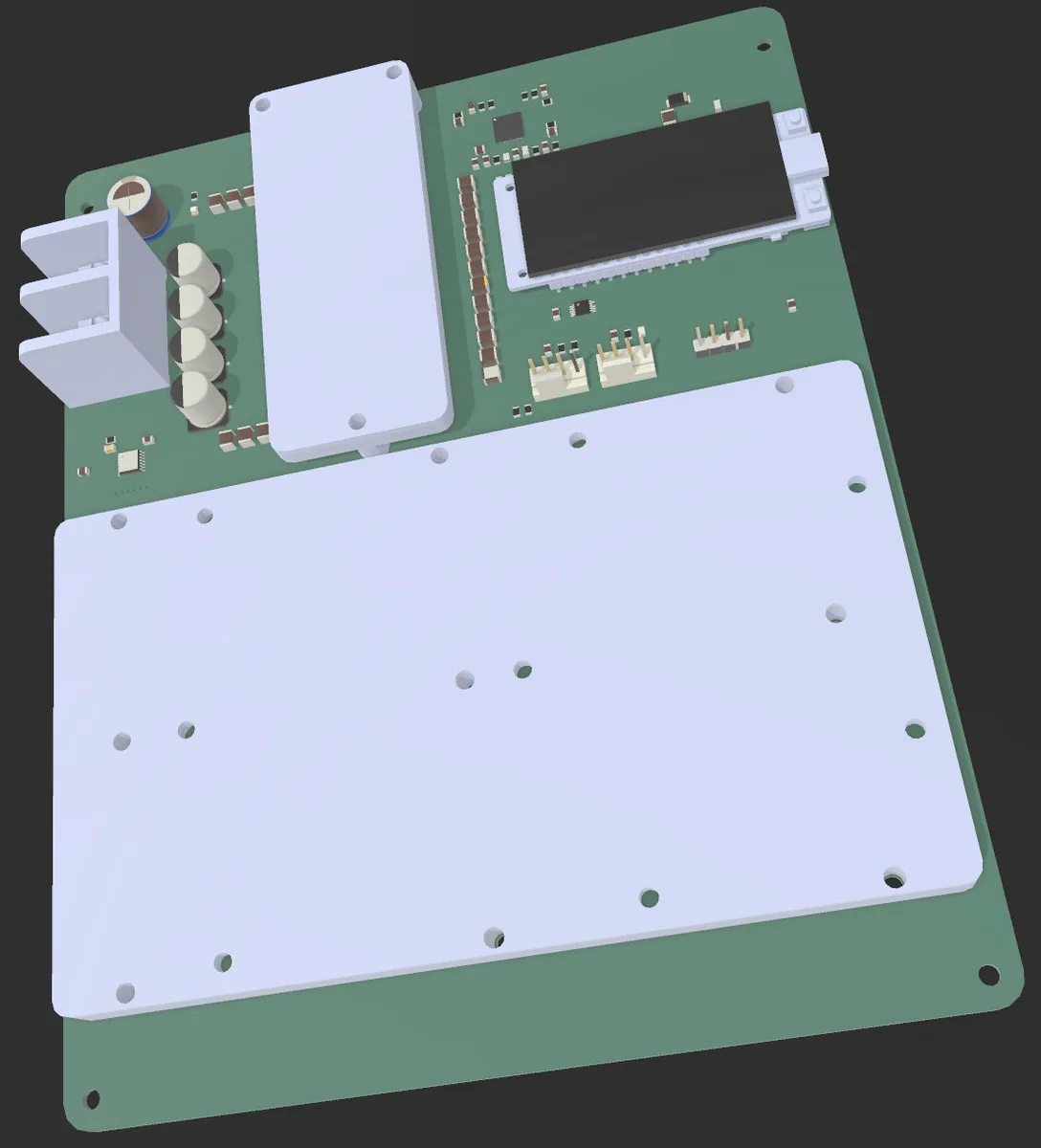 About 14 TH/s
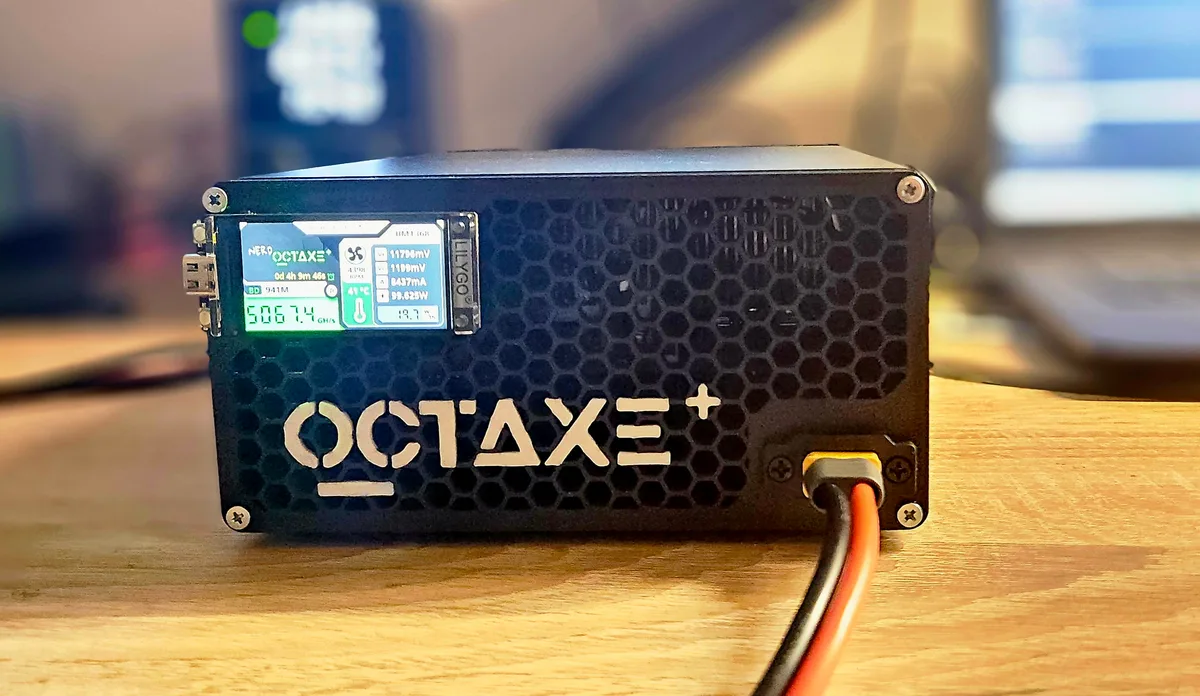 About 5 TH/s
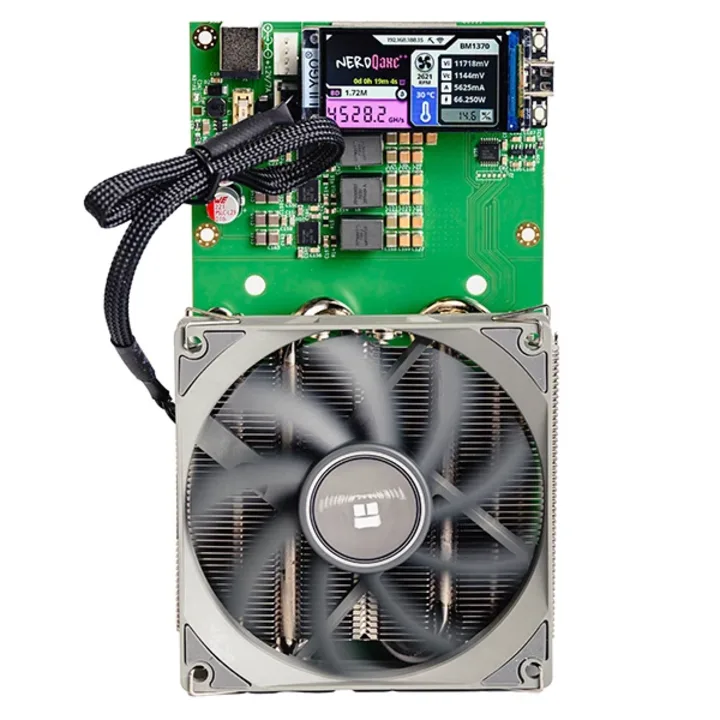 About 4.8–6 TH/s
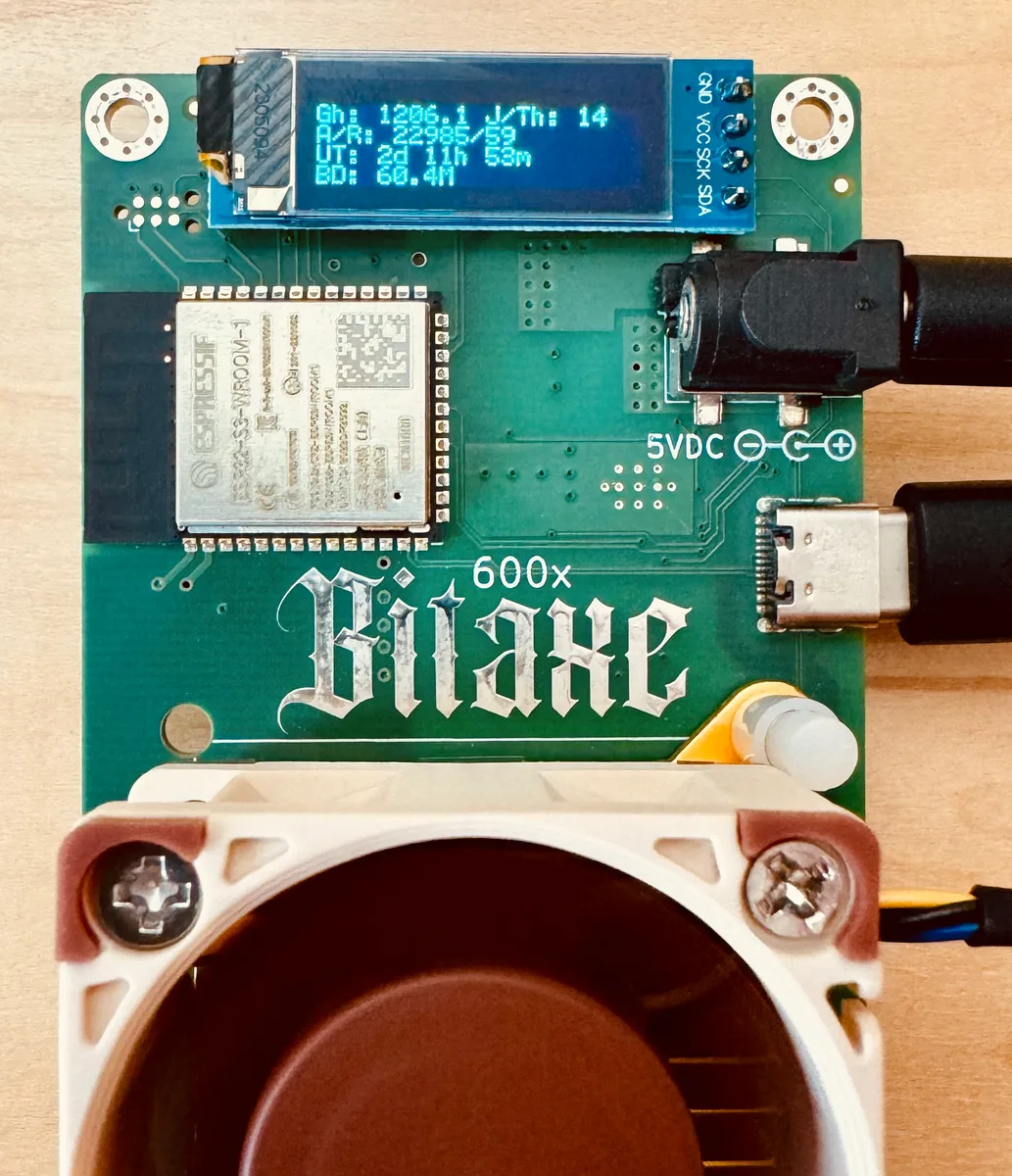 Approximately 1.2 TH/s
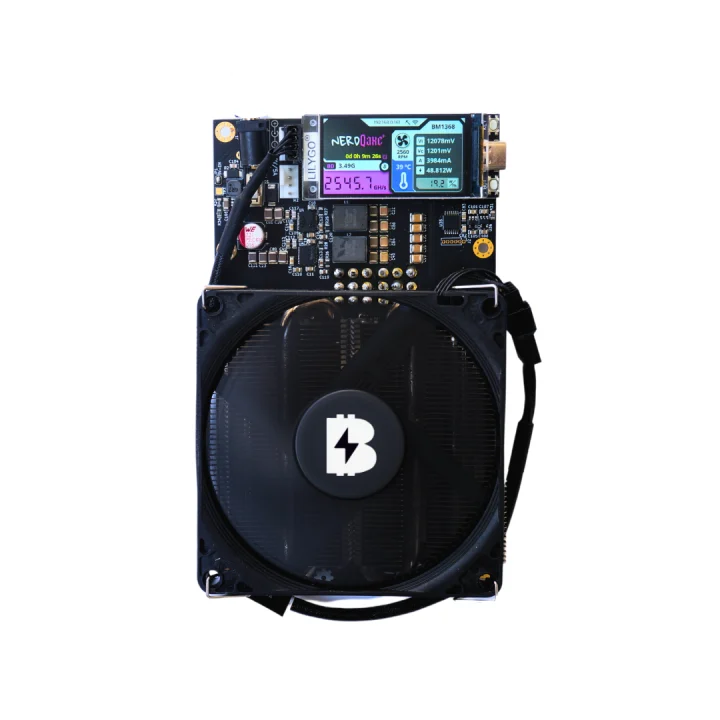 About 2.4 TH/s
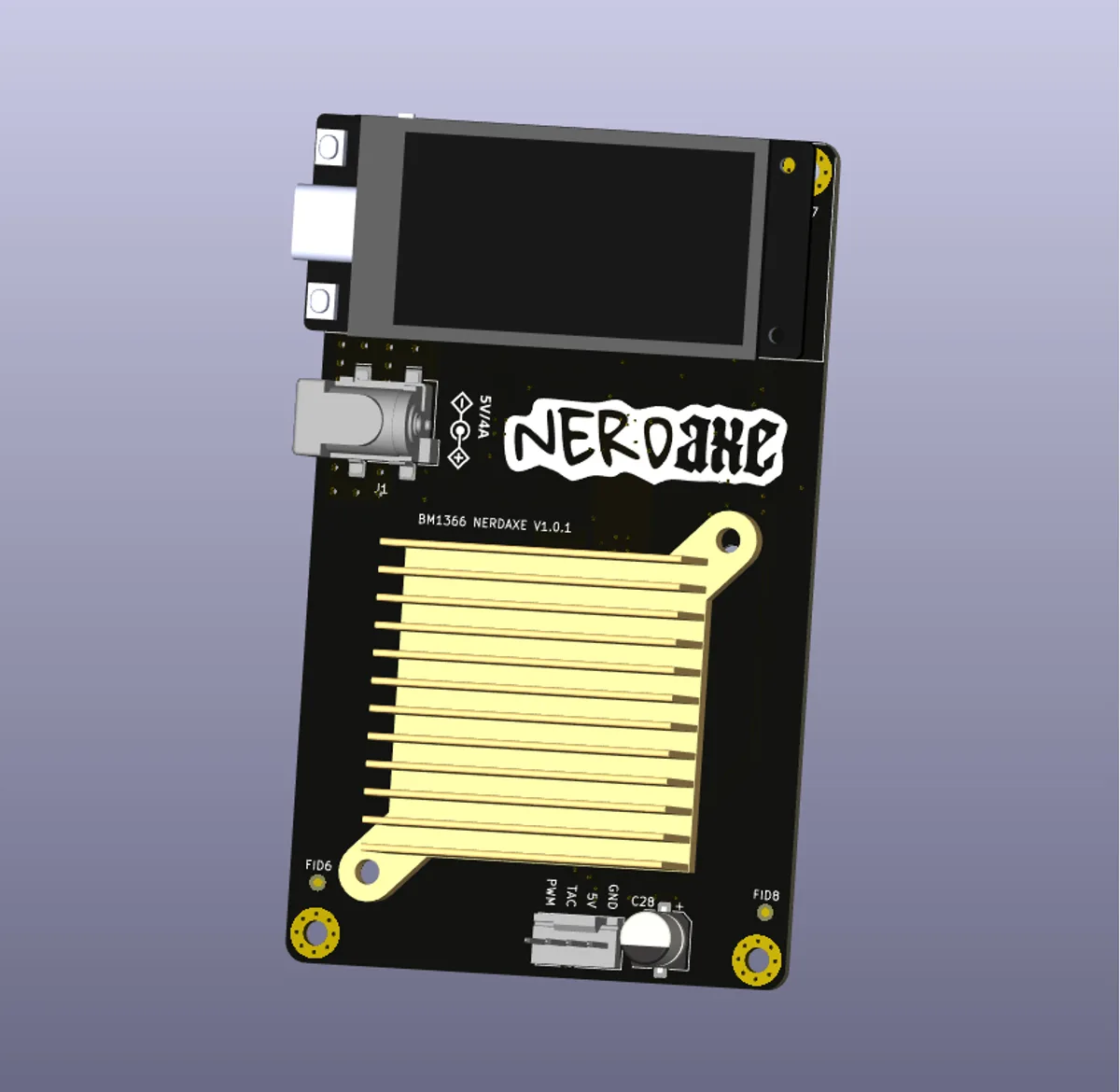 About 0.5 TH/s
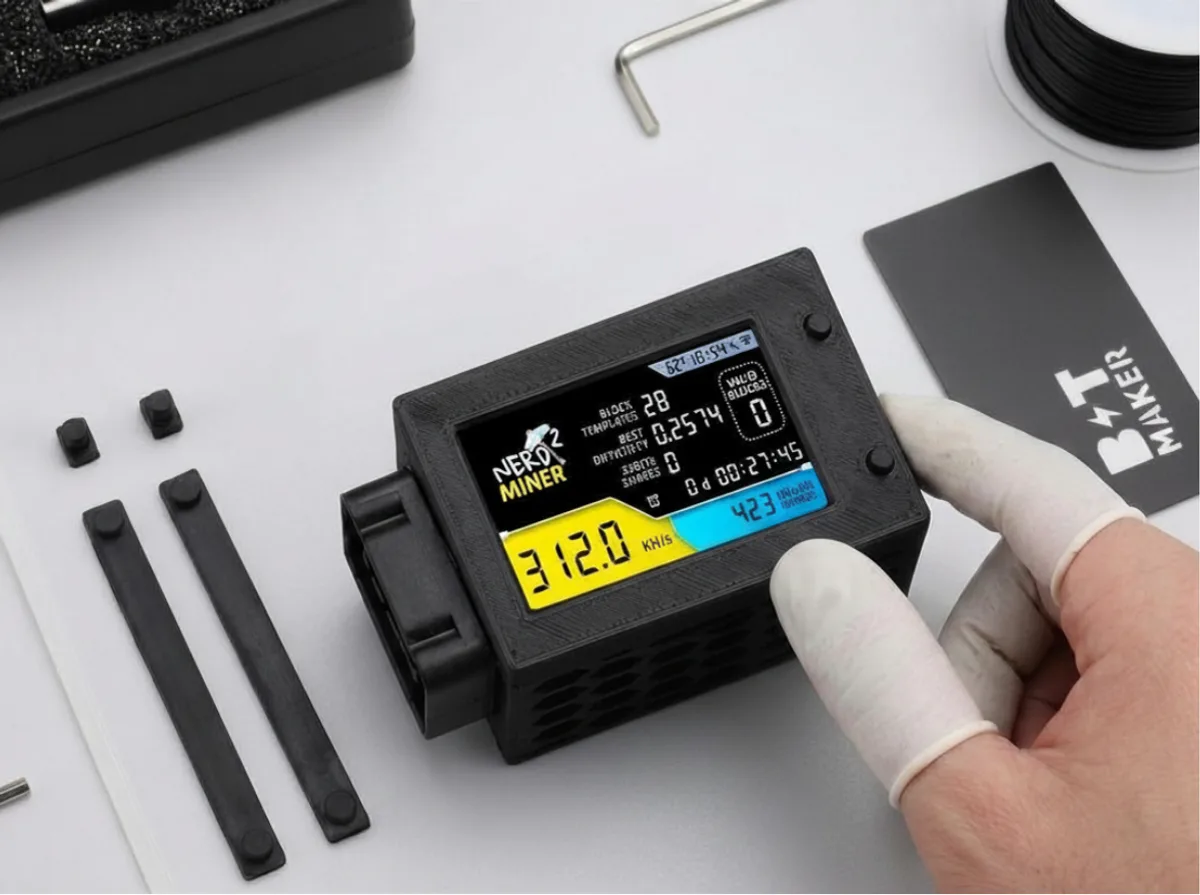 The official ecological page indicates about 250 KH/s; it varies depending on the ESP32 board.