

Ethereum Classic continues the original transaction history before the 2016 fork, retaining the PoW and smart contract execution layers. To understand ETC, we must simultaneously see the consensus selection and the subsequent diversion of ETH to PoS.
← Return to Currency Encyclopedia  ETCEthereum Classic
 How to mine Ethereum Classic?
Ethereum Classic shares an early history with Ethereum in 2015-2016; after the DAO fork, ETC continued the original chain and PoW, while ETH stopped PoW mining after The Merge in 2022.
This mining route
- ETCCoin
- EtchashOperation
- Need to check DAG and Etchash firmwareDevice relationship
- 41 models6 manufacturers
Proof of Work
Hardware Compatibility
Both belong to the Ethash family, but they still have to pass three levels: DAG, firmware and mining pool.
The following devices are algorithm candidates and are not an unconditional compatibility list. Especially for early Ethash ASICs, it is necessary to confirm the available memory, Etchash firmware and current mining pool.
Miners look here first
What does this coin represent in the miner?
Today's EtHash/Etchash ASIC mainly targets networks such as ETC that still retain PoW. Whether old ETH miners can be converted to ETC still depends on memory, DAG, firmware and mining pool support.
Get to know this chain first
Ethereum Classic is more than just a miner tag
Let’s first look at what the network is going to do, and then look at how hashrate is involved. In this way, the only question left is "can we dig today?"
Miners use Etchash to protect transaction and contract status. In addition to algorithm compatibility, the device must also accommodate the continuously growing DAG. This is the practical threshold most often encountered by the old Ethash ASIC.
Calculate DAG first, then look at firmware and mining pools. Nominal memory capacity does not equal the full available capacity, and leaving 0.5 to 1 GiB available is usually safer than being stuck at a critical value.
01The current branch was formed in 2016
02Etchash has one valid epoch every 60,000 blocks
03DAG will phase out devices with insufficient memory
How to separate ETH and ETC common starting point Ethereum Classic Ethereum
It was a common history before 2016, and then it was two different chains
2015: Ethereum was launched with PoW, and both GPUs and subsequent EtHash ASICs originated from this common hardware history.
ETC: Keep the original chain that has not been rolled back and continue to use PoW; Etchash miners can still be used to participate today.
ETH: DAO adopted a fork later, and The Merge was changed to PoS in 2022; the main network no longer produces blocks by miners.
Three checks before starting up 01 02 03
First confirm that the firmware supports Etchash and the current DAG
Separate ETH historical returns from today's ETC returns
When comparing J/MH or J/GH, unify the units first.
Related Hardware
41 models ETC related equipment in the database
The following devices are algorithm candidates and are not an unconditional compatibility list. Especially for early Ethash ASICs, it is necessary to confirm the available memory, Etchash firmware and current mining pool. The following are arranged from newest to oldest according to release/factory time.
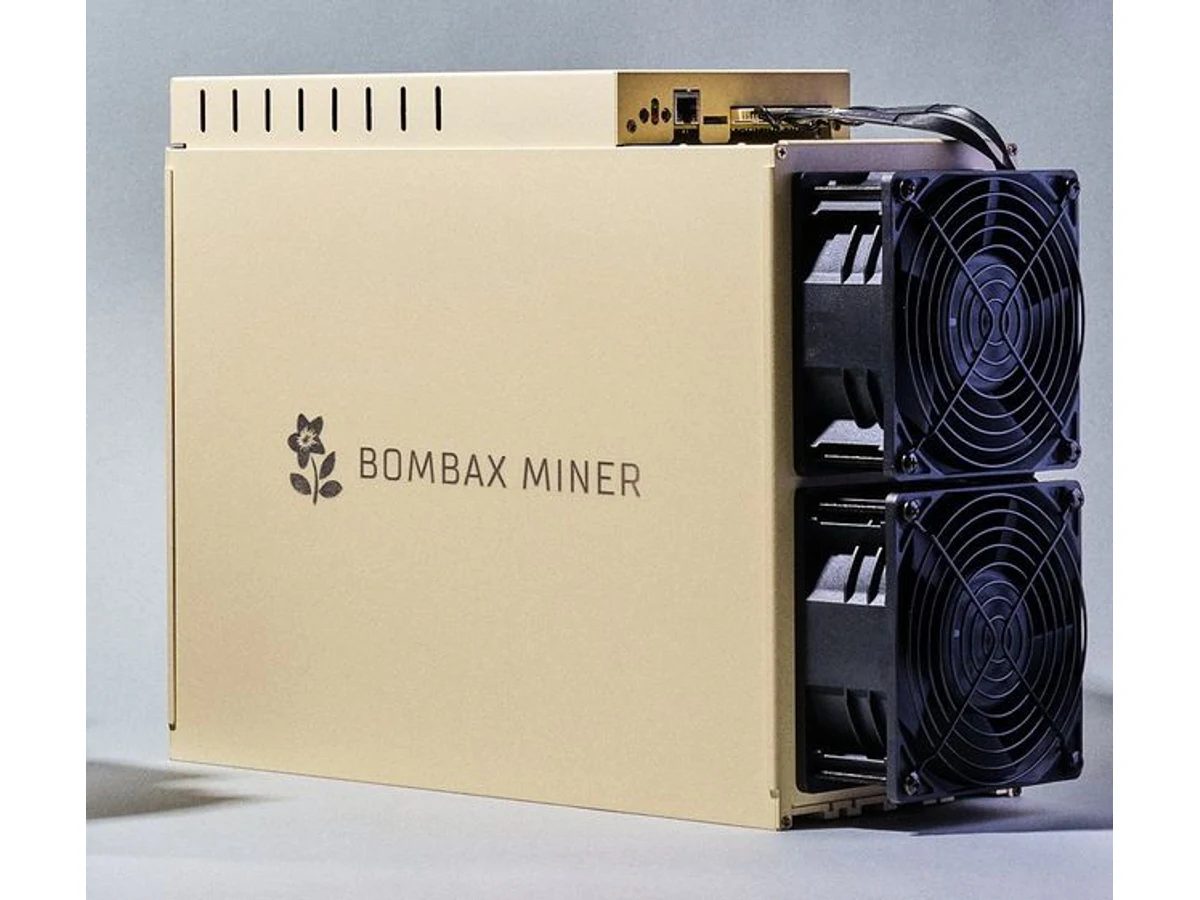 About 15.5 GH/s

Bombax Miner EZ100-PRO
Approx. 3,100 W / Approx. 0.20 J/MH (Approx. 200 J/GH)
Same-algorithm Alternatives 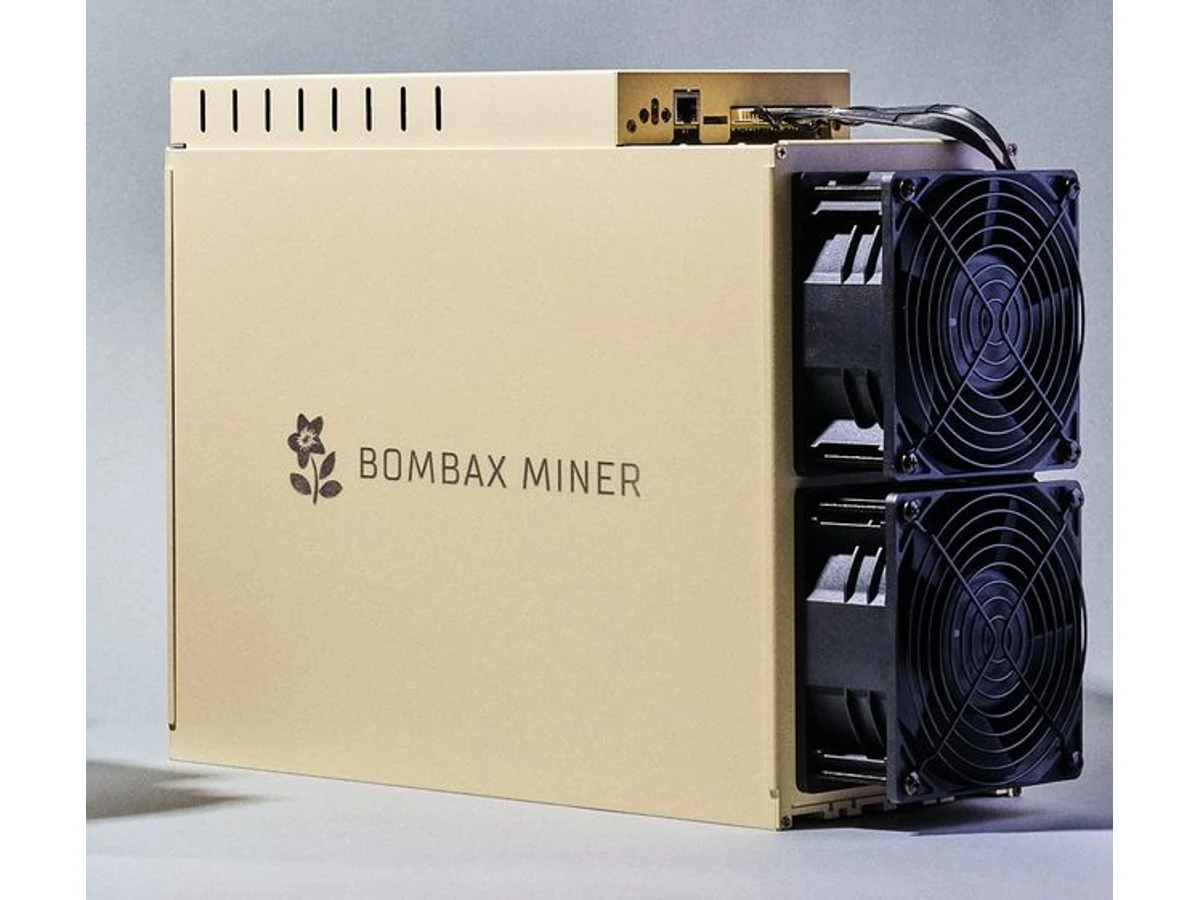 About 12.5 GH/s
Bombax Miner EZ100
Approx. 2,300 W / Approx. 0.18 J/MH (Approx. 184 J/GH)
Same-algorithm Alternatives 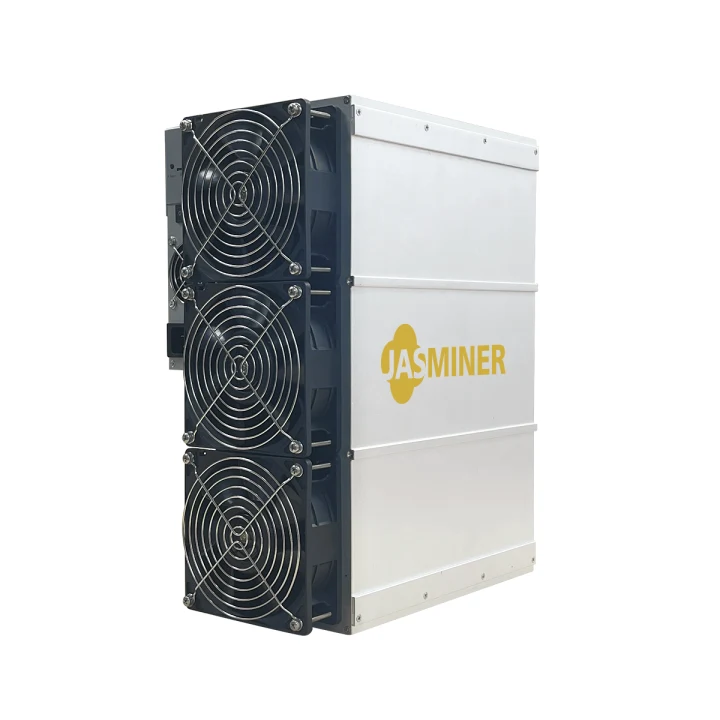 About 23.4T

Jasminer X44-P
Approximately 2550 W / Please use the complete hashrate version and the wall power consumption to convert
Same-algorithm Alternatives 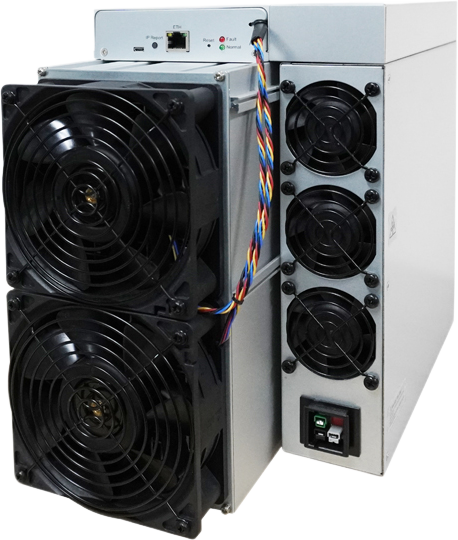 About 9 GH/s

Antminer E11
About 2340 W / About 0.26 J/MH
Same-algorithm Alternatives 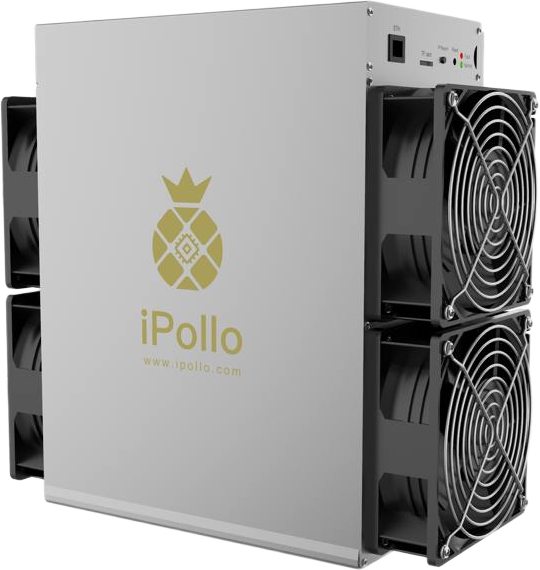 About 10 GH/s

iPollo V2
About 1500 W / About 0.15 J/MH
Same-algorithm Alternatives 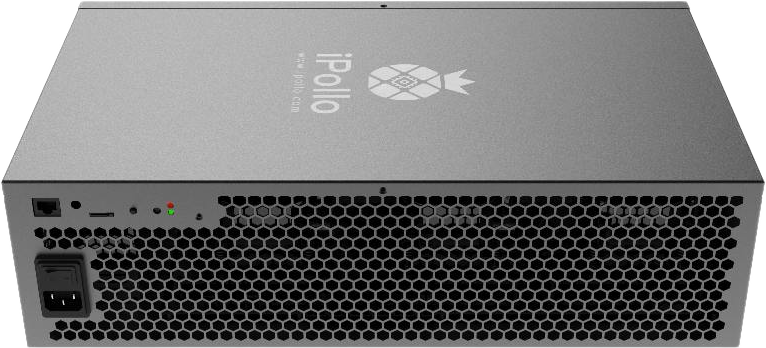 About 3.4 GH/s
iPollo V2H
About 475 W / About 0.14 J/MH
Same-algorithm Alternatives 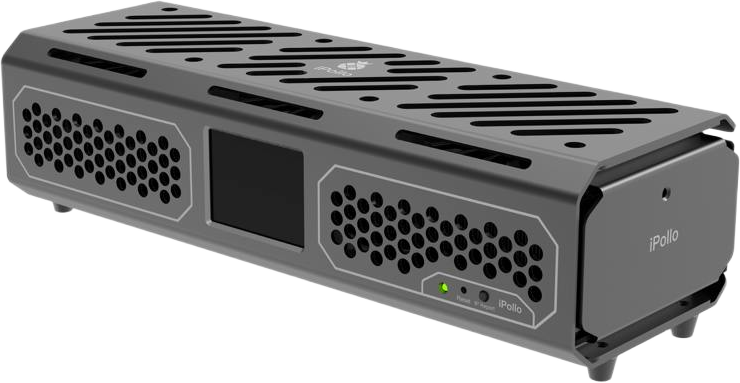 About 1.2 GH/s
iPollo V2X
About 165 W / About 0.14 J/MH
Same-algorithm Alternatives 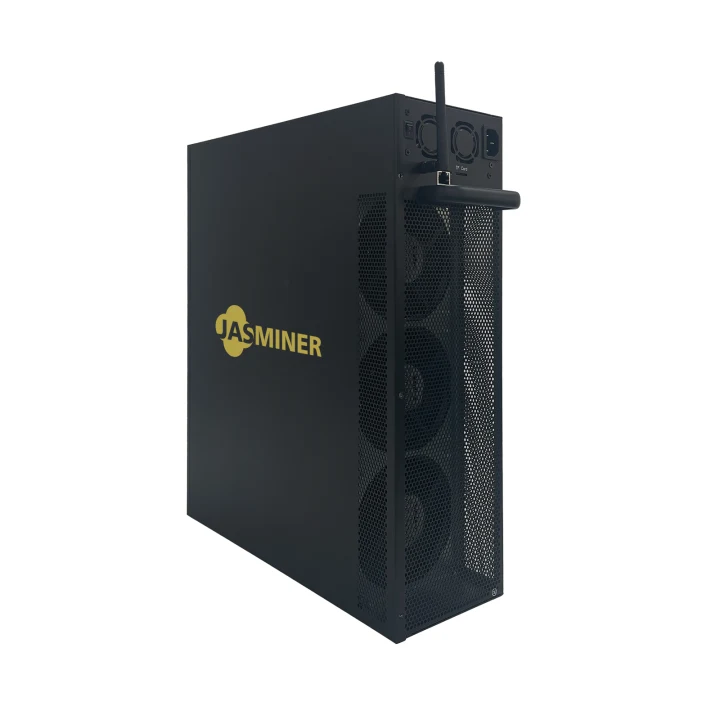 About 2T
Jasminer X16-Q Pro
Approximately 520 W / Please use the complete hashrate version and wall power consumption to convert
Same-algorithm Alternatives 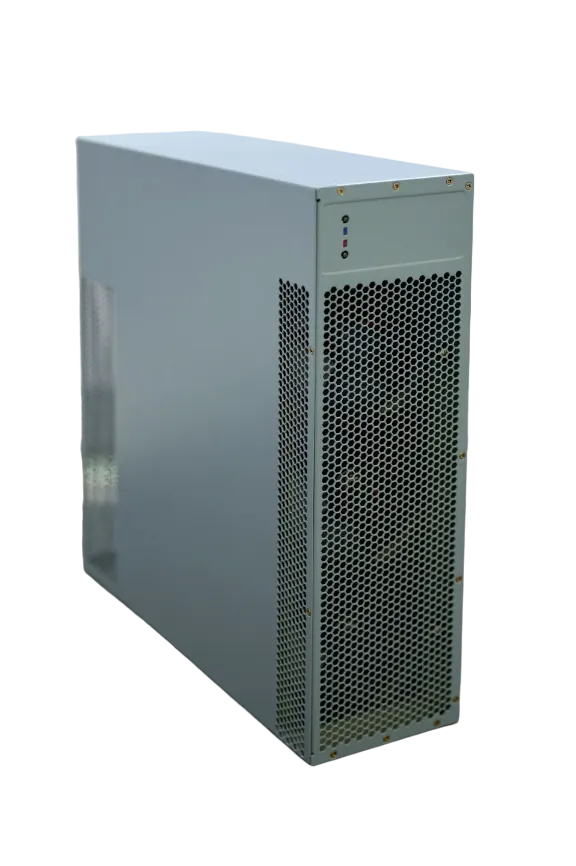 About 3.8 GH/s
Bombax Miner EZ100-C
Approx. 760 W / Approx. 0.2 J/MH (Approx. 200 J/GH)
Same-algorithm Alternatives 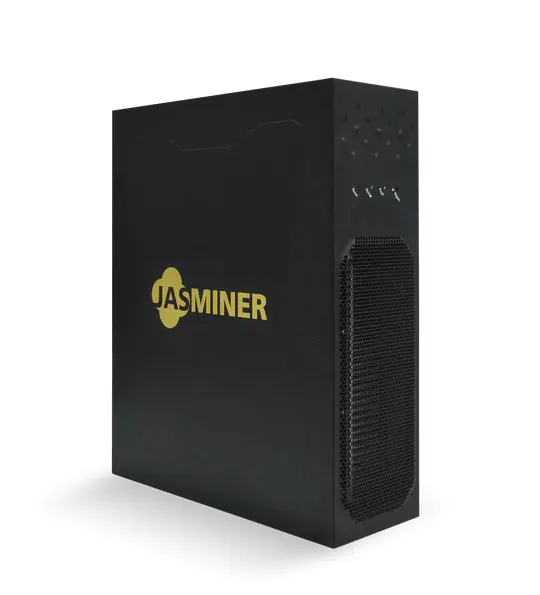 Depends on model
Jasminer Q Series
Depends on model / Depends on model
Same-algorithm Alternatives 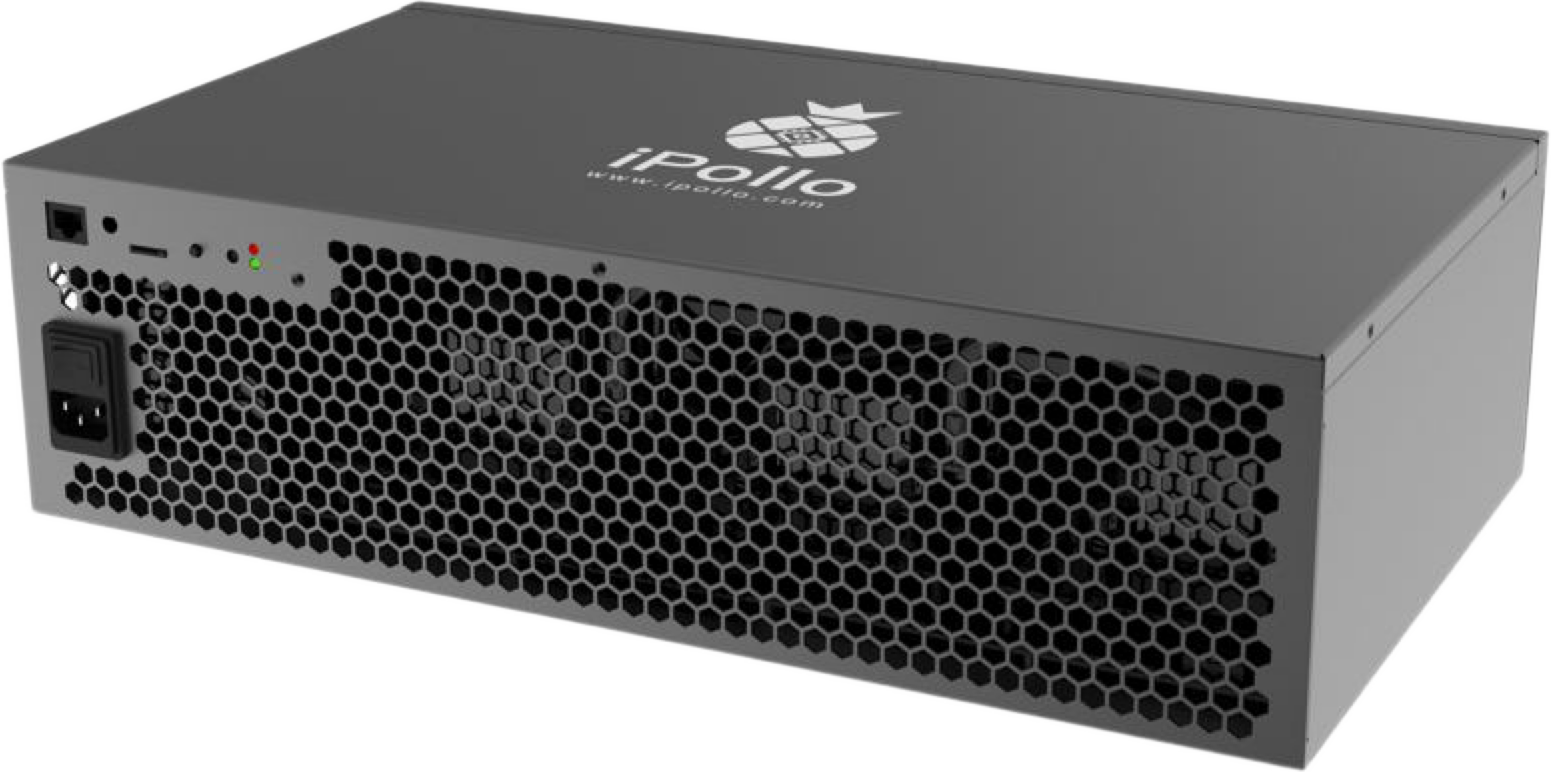 About 950 MH/s
iPollo V1H
About 750 W / About 0.79 J/MH
Same-algorithm Alternatives 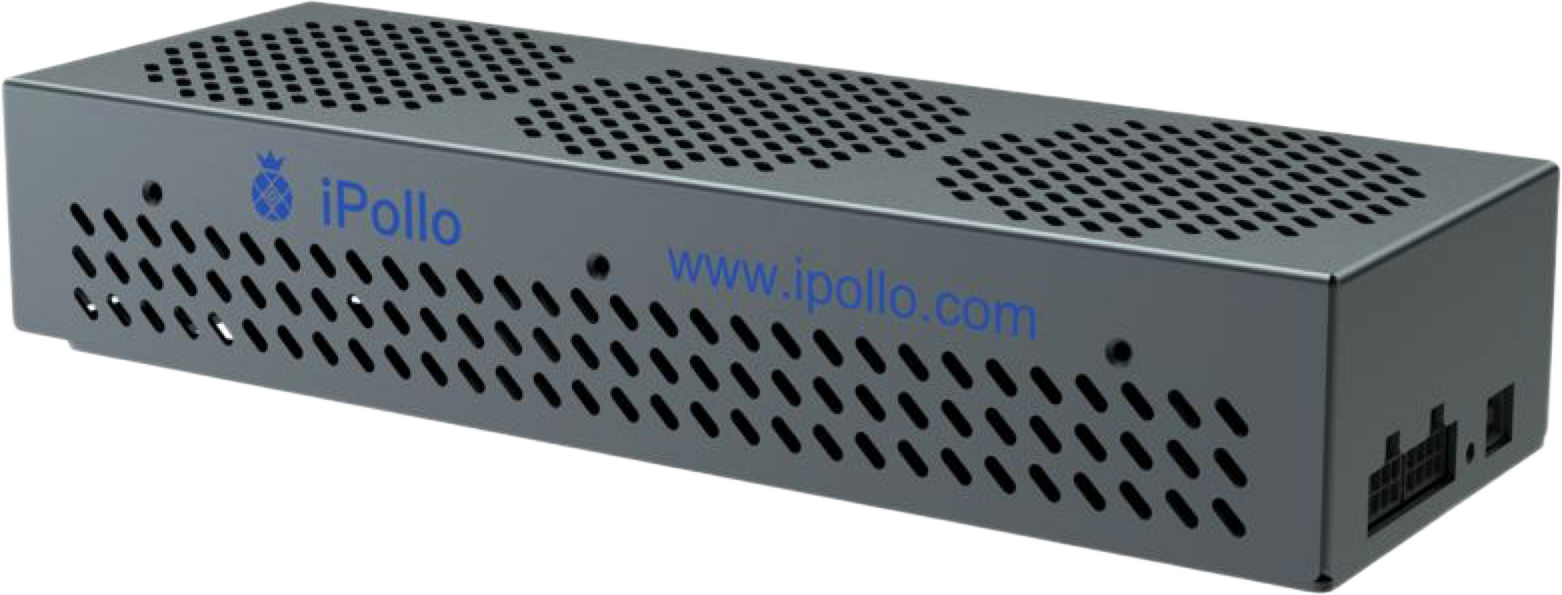 About 330 MH/s
iPollo X1
About 240 W / About 0.73 J/MH
Same-algorithm Alternatives 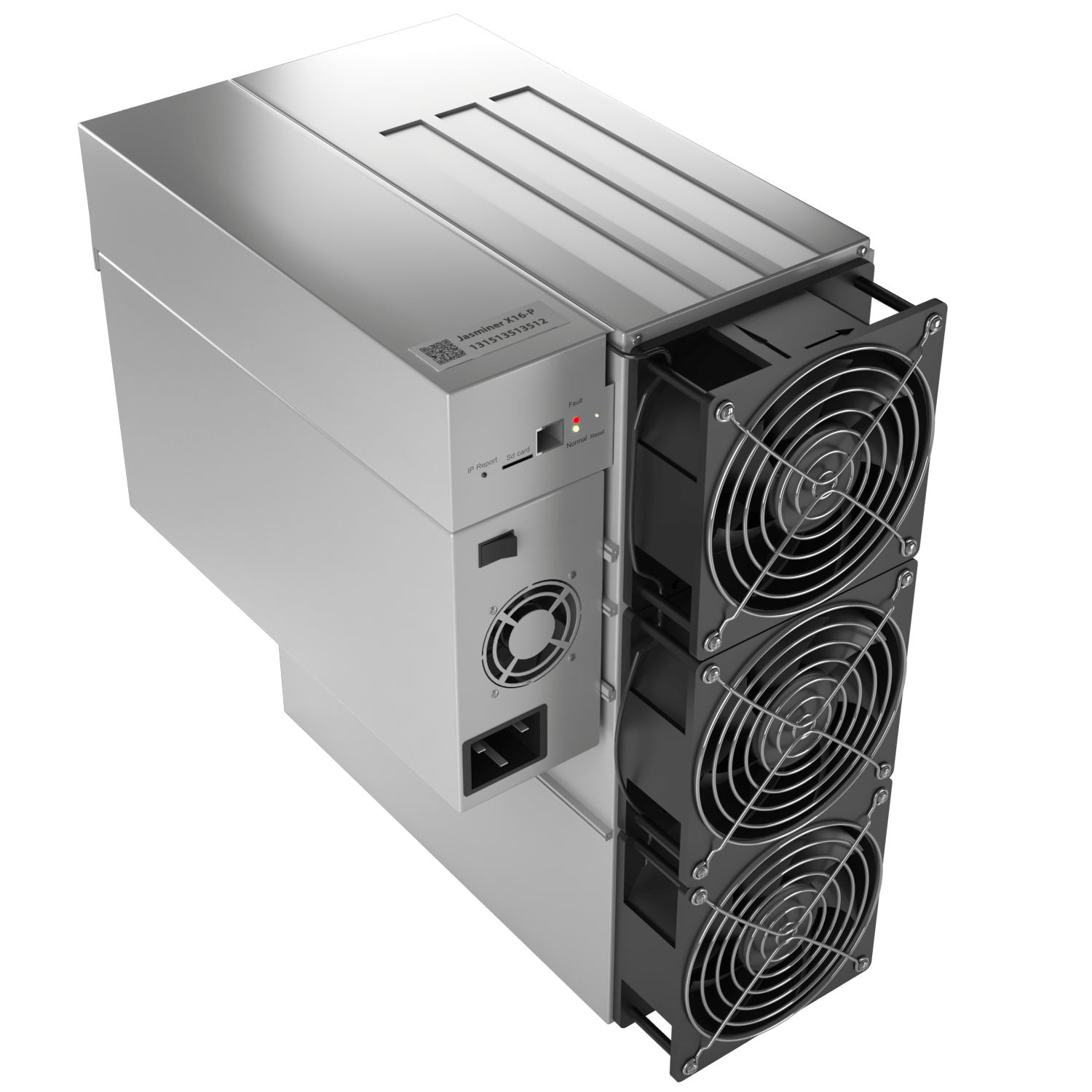 About 5.8 GH/s
JASMINER X16-P
About 1900 W / About 0.33 J/MH
Same-algorithm Alternatives 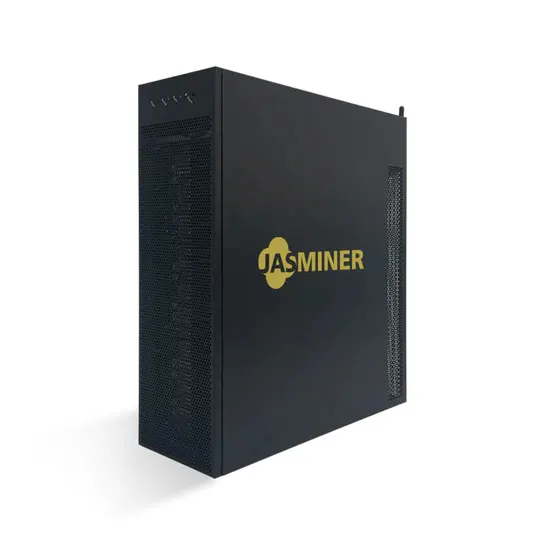 About 1.75 GH/s
Jasminer X16-QE
Approx. 550 W / Approx. 314 J/GH
Same-algorithm Alternatives 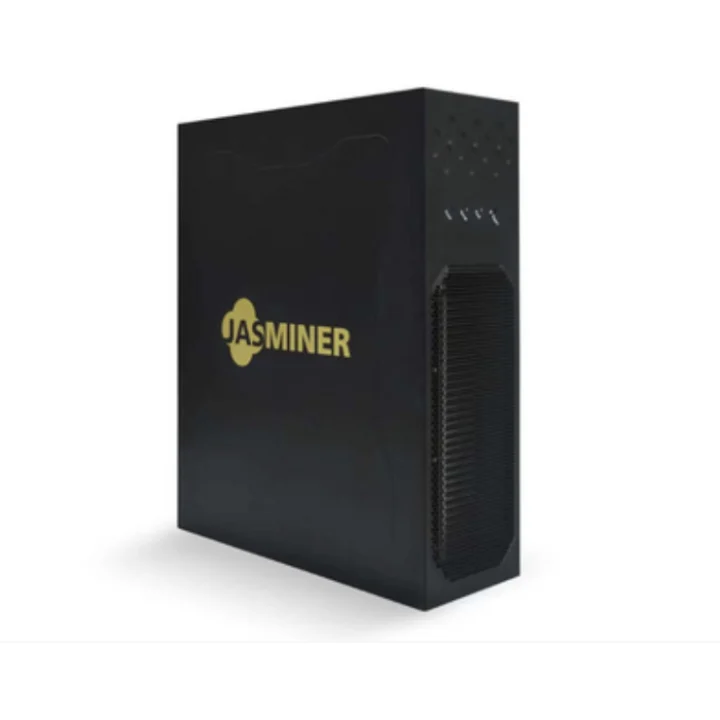 About 1.95GH/s
Jasminer X16-Q
Approximately 620 W / Please use the complete hashrate version and wall power consumption to convert
Same-algorithm Alternatives 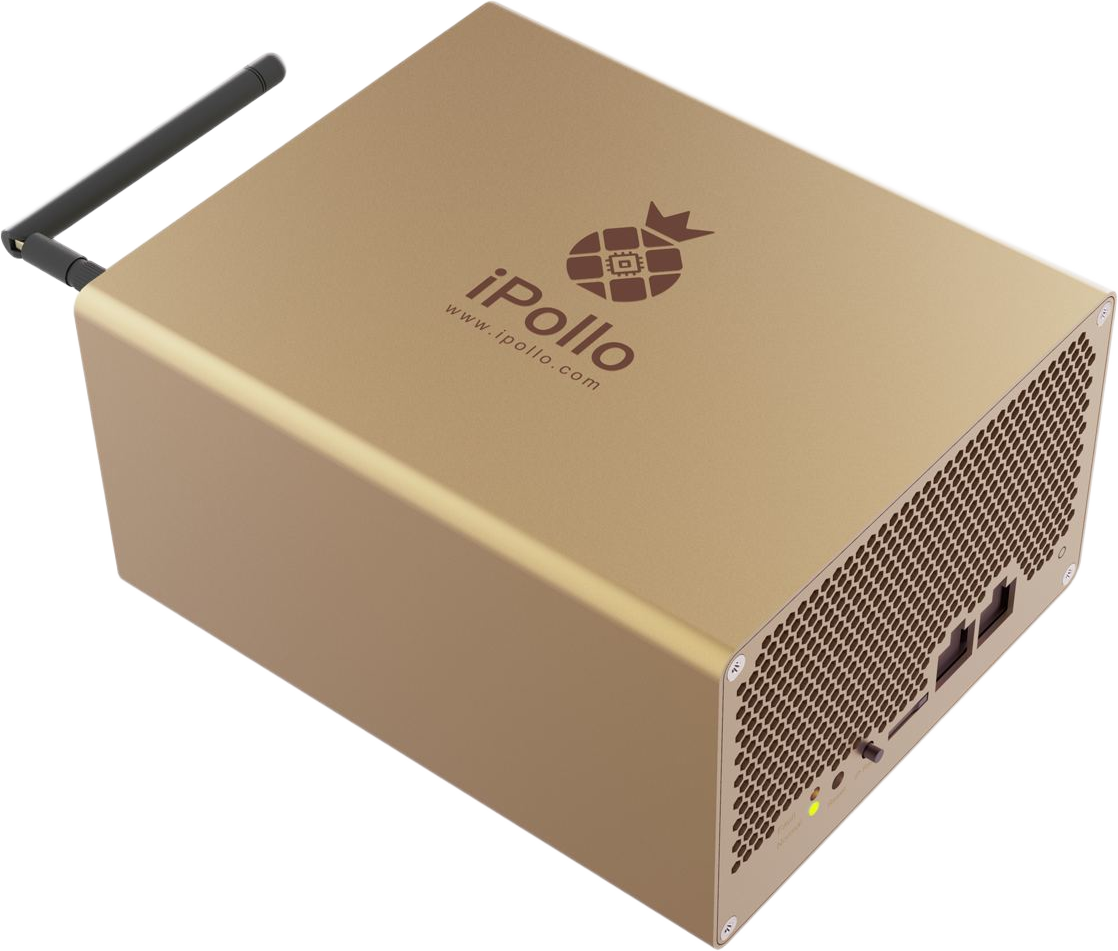 About 260 MH/s
iPollo V1 Mini WiFi 260M
About 220 W / About 0.85 J/MH
Same-algorithm Alternatives 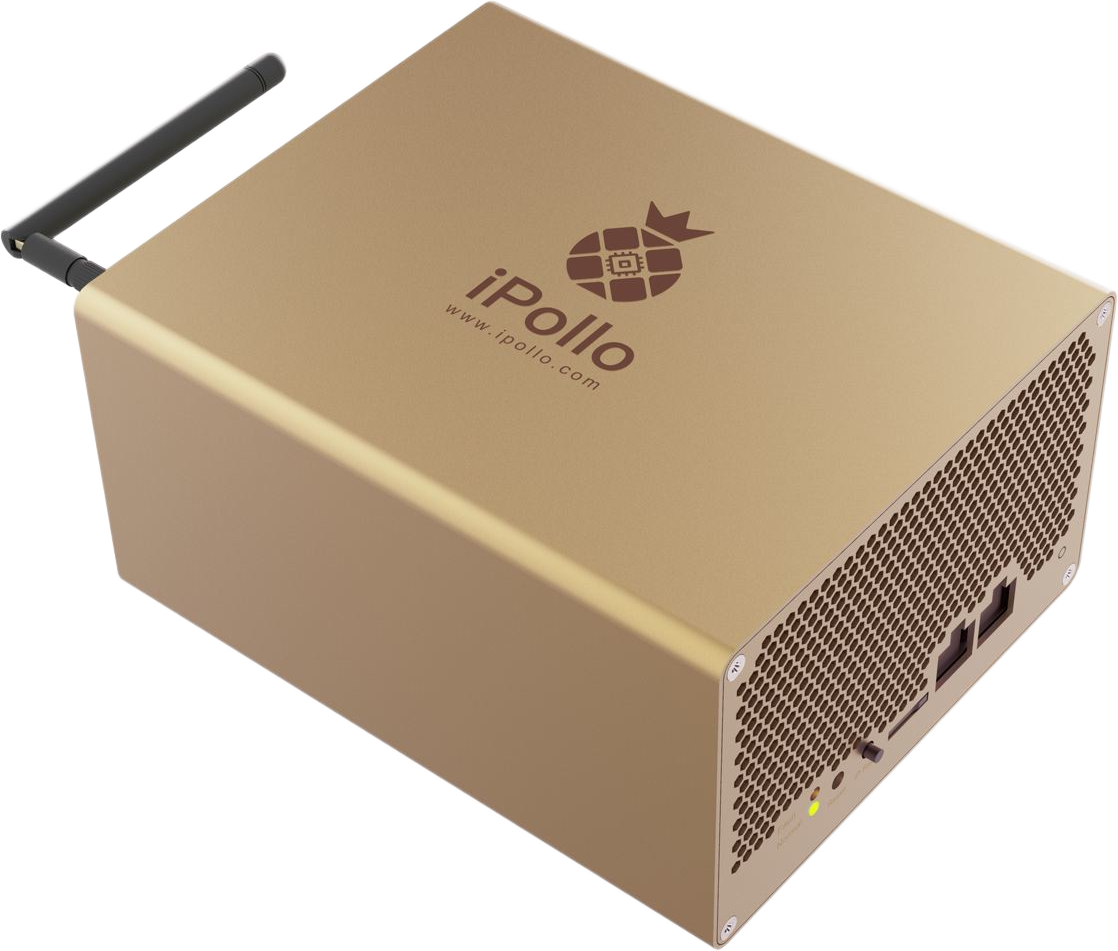 About 280 MH/s
iPollo V1 Mini WiFi 280M
About 220 W / About 0.79 J/MH
Same-algorithm Alternatives 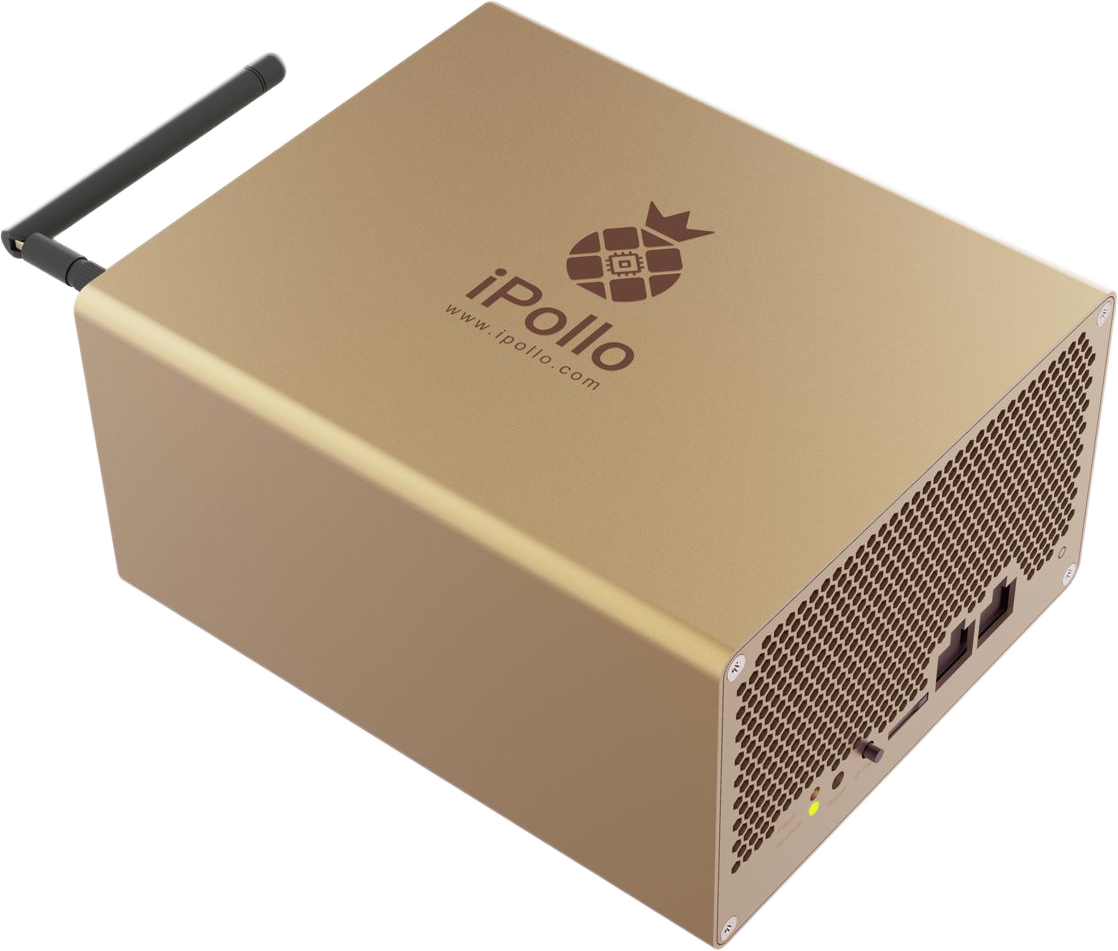 About 330 MH/s
iPollo V1 Mini WiFi 330M
About 240 W / About 0.73 J/MH
Same-algorithm Alternatives 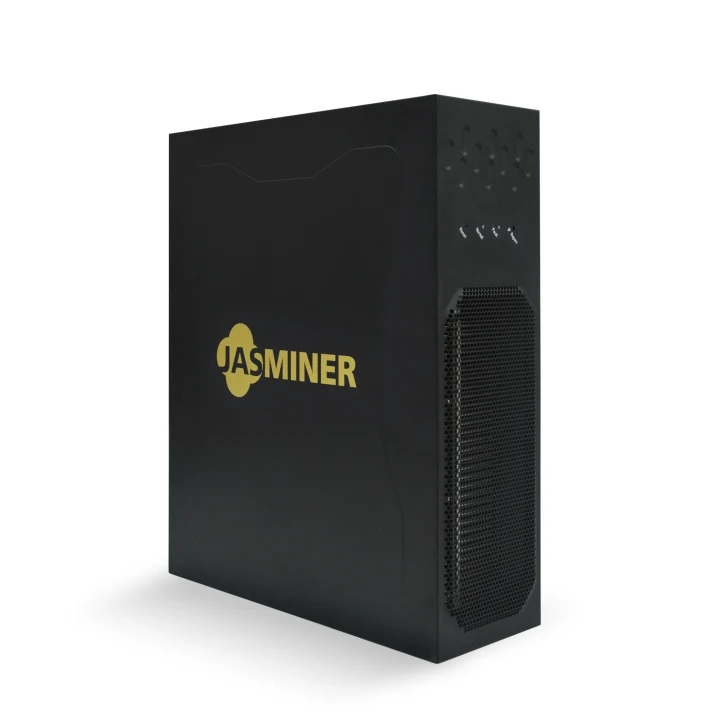 About 840MH/s
Jasminer X4-QZ
About 340 W / Please use the full hashrate version and wall power consumption to convert
Same-algorithm Alternatives 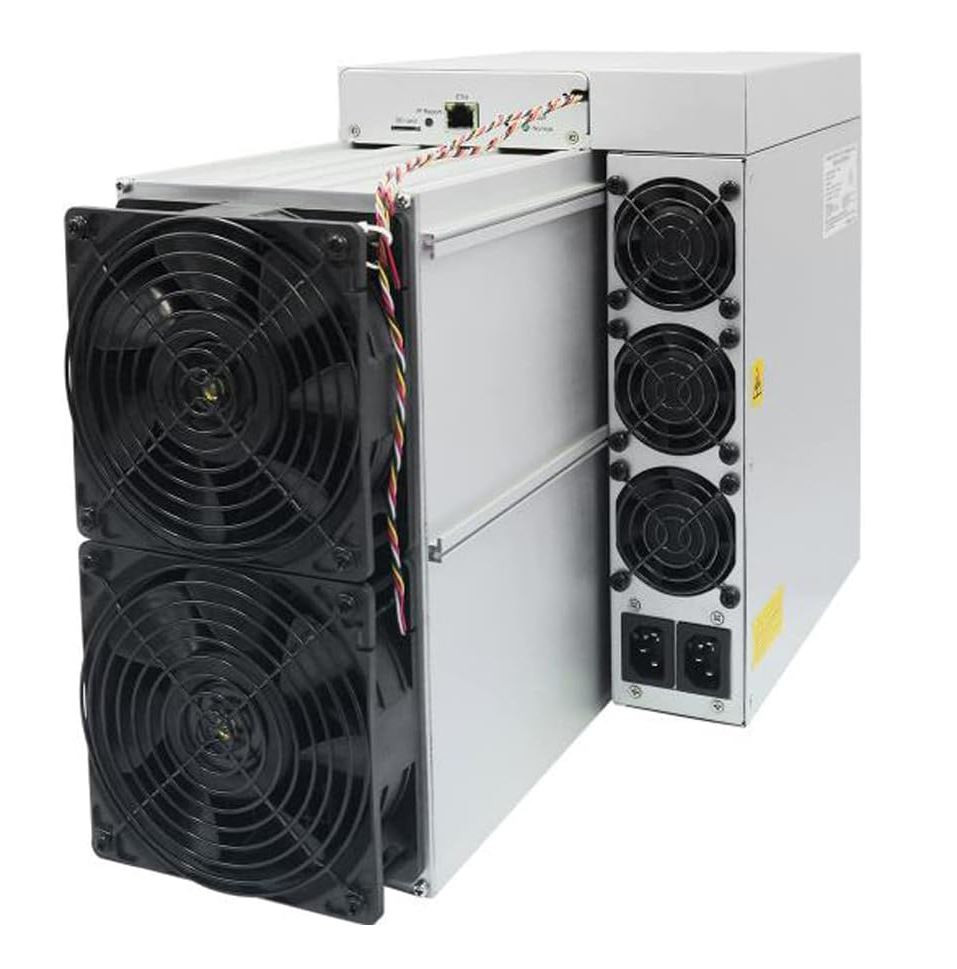 About 3.68 GH/s
Antminer E9 Pro
About 2200 W / About 0.6 J/MH
Same-algorithm Alternatives 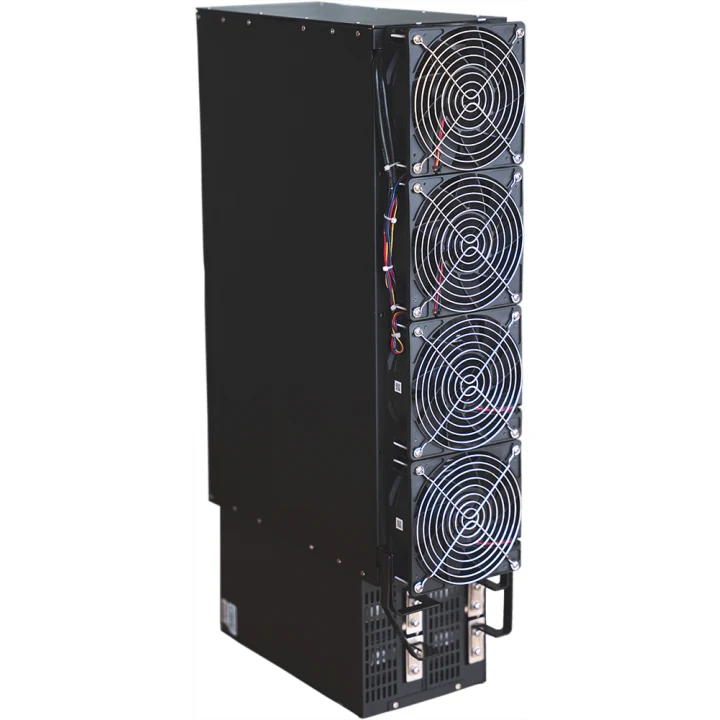 About 4.25GH/s

ForestMiner EPU XC
Approximately 3315 W / Please use the complete hashrate version and the wall power consumption to convert
Same-algorithm Alternatives  About 200 MH/s
iPollo V1 Mini SE
About 116 W / About 0.58 J/MH
Same-algorithm Alternatives  About 400 MH/s
iPollo V1 Mini SE Plus
About 232 W / About 0.58 J/MH
Same-algorithm Alternatives 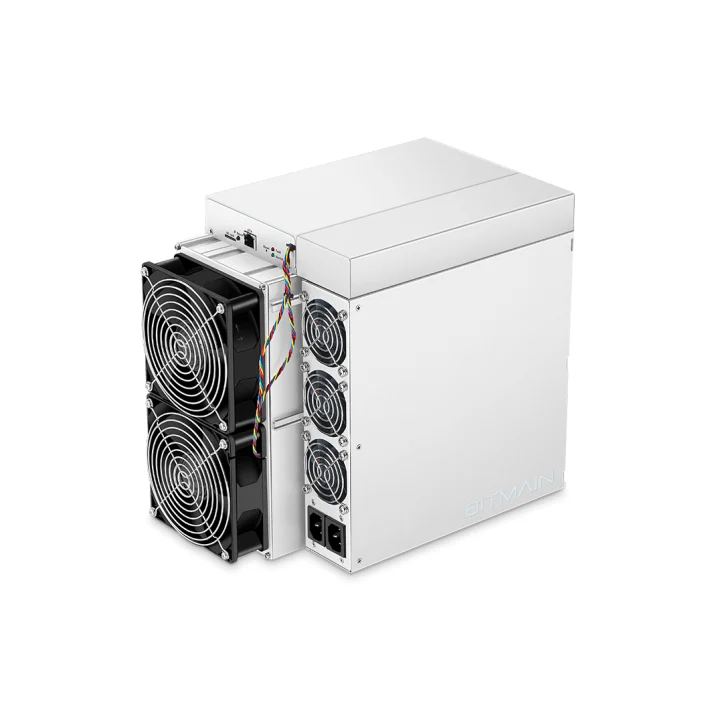 About 2.4GH/s
Antminer E9
Approximately 1920 W / Please use the complete hashrate version and wall power consumption to convert
Same-algorithm Alternatives 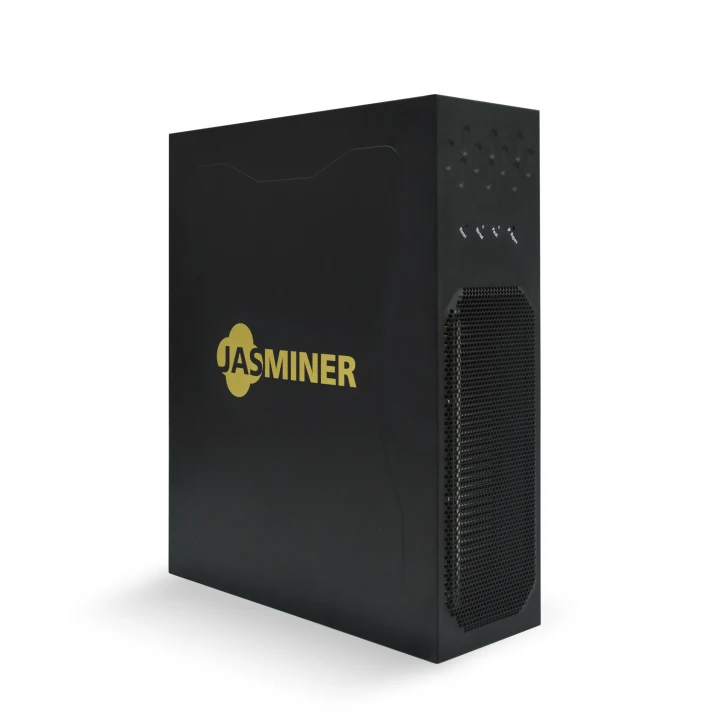 About 1.04GH/s
Jasminer X4-Q
Approximately 480 W / Please use the complete hashrate version and wall power consumption to convert
Same-algorithm Alternatives 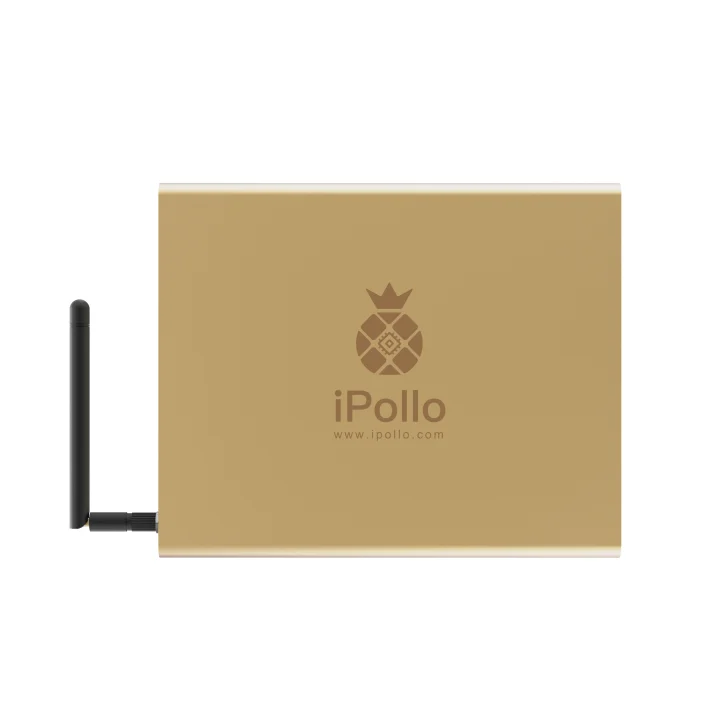 About 300MH/s
iPollo V1 Mini
About 240 W / Please use the full hashrate version and wall power consumption to convert
Same-algorithm Alternatives 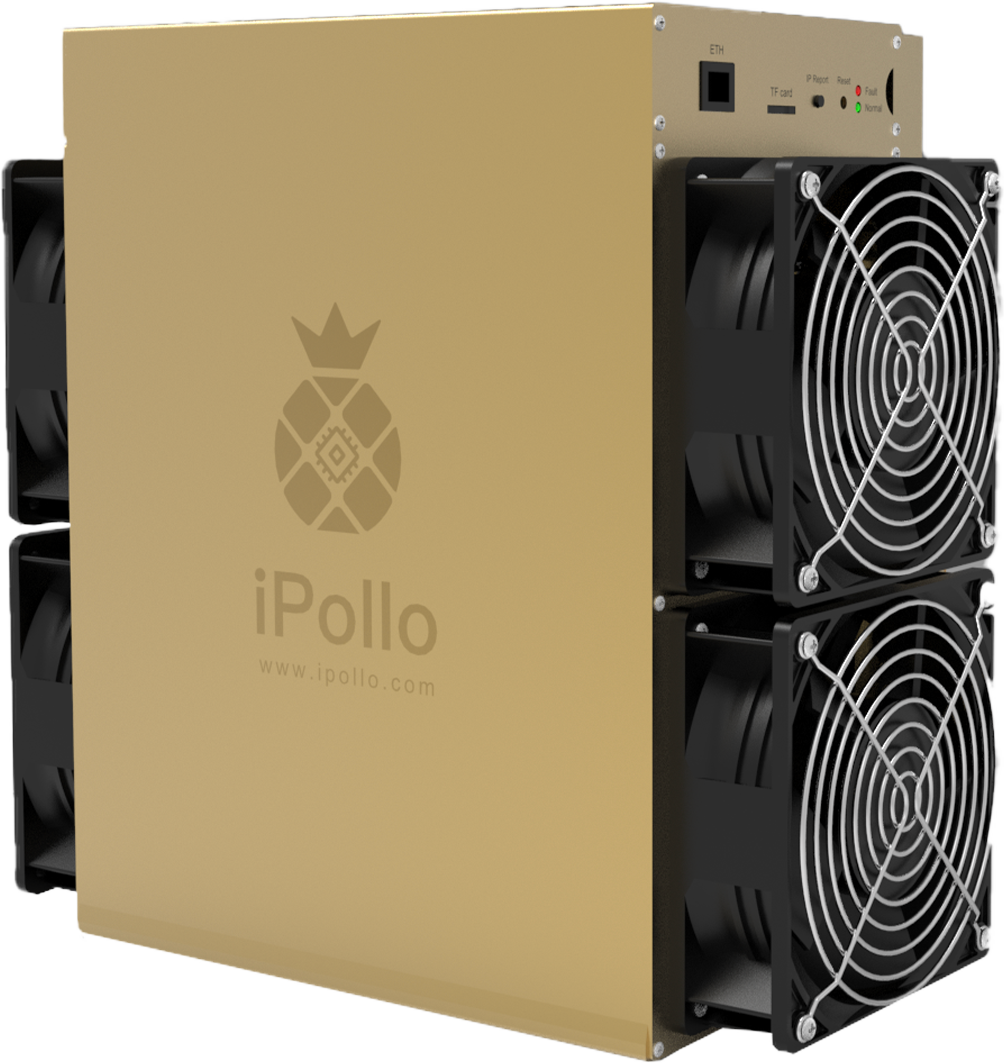 About 3.6 GH/s
iPollo V1
About 3100 W / About 0.86 J/MH
Same-algorithm Alternatives 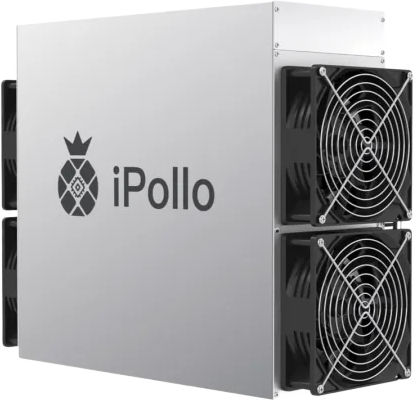 About 1.55 GH/s
iPollo V1 Classic
About 1240 W / About 0.8 J/MH
Same-algorithm Alternatives  About 300 MH/s
iPollo V1 Mini 300M
Approx. 240 W / Approx. 0.8 J/MH
Same-algorithm Alternatives  About 130 MH/s
iPollo V1 Mini Classic
About 104 W / About 0.8 J/MH
Same-algorithm Alternatives  About 280 MH/s
iPollo V1 Mini Classic Plus
About 270 W / About 0.96 J/MH
Same-algorithm Alternatives 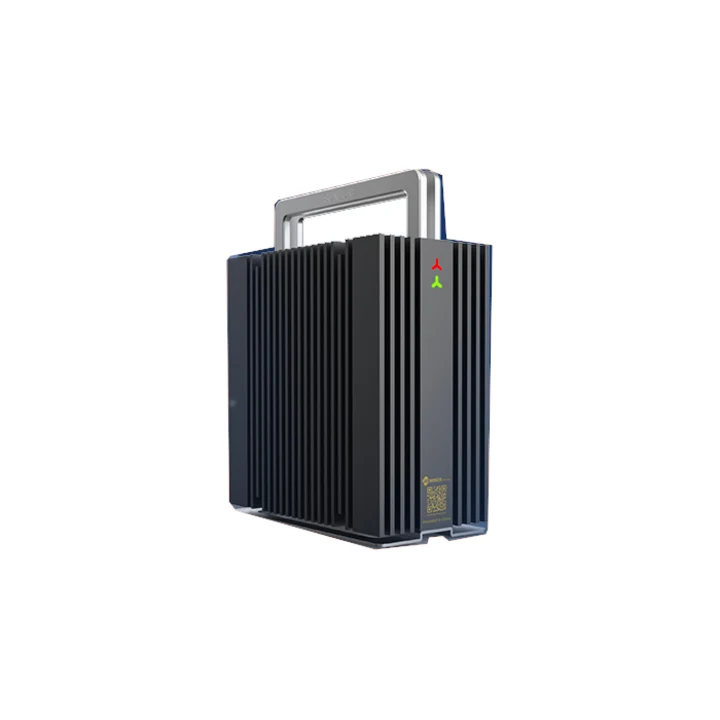 About 65MH/s
Jasminer X4 BRICK
About 30 W / Please use the full hashrate version and wall power consumption to convert
Same-algorithm Alternatives 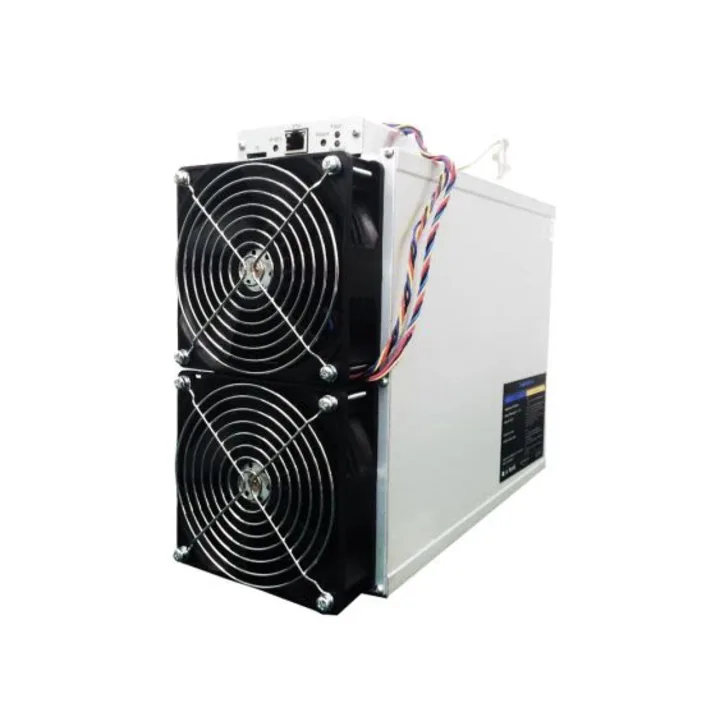 About 1.5GH/s

Innosilicon A11 Pro ETH
Approximately 2350 W / Please use the complete hashrate version and wall power consumption to convert
Same-algorithm Alternatives 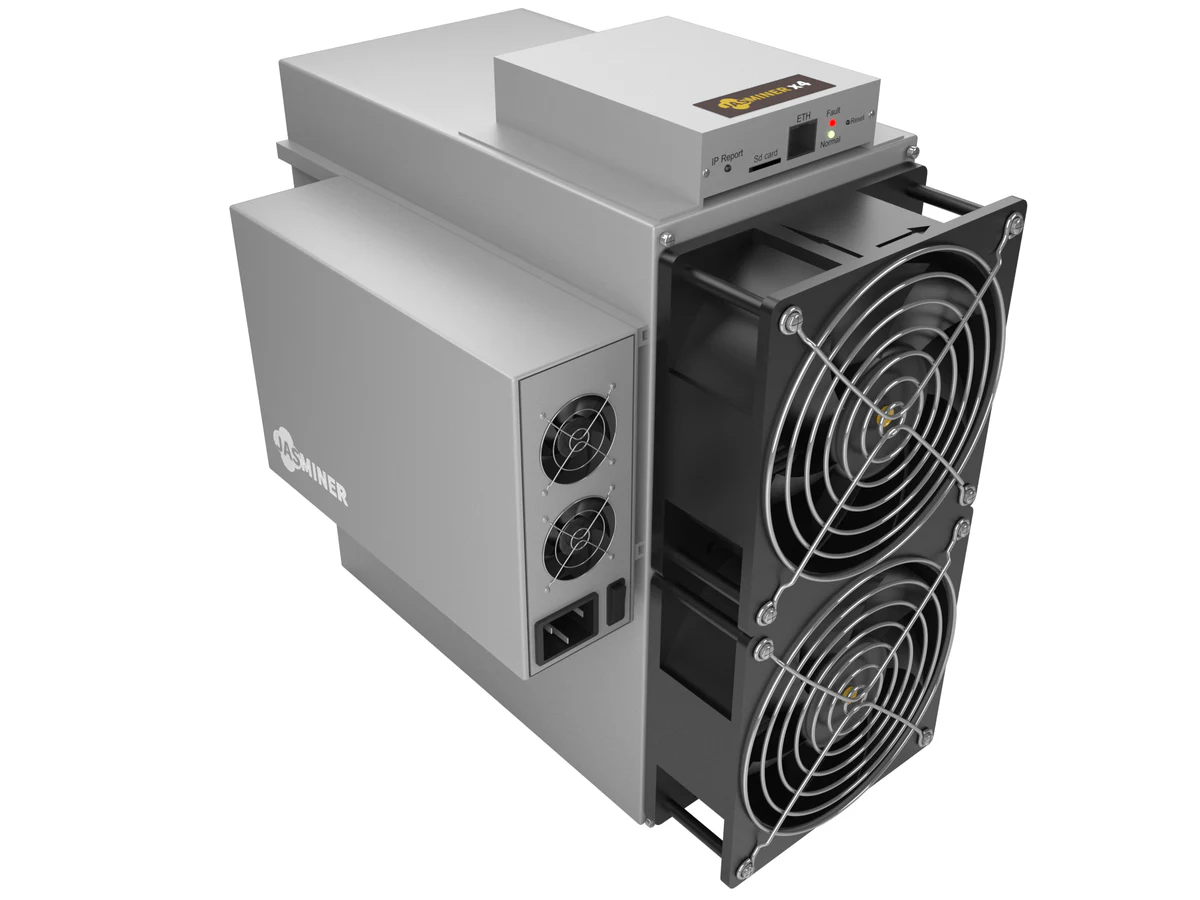 About 2.5 GH/s
JASMINER X4
About 1200 W / About 0.48 J/MH
Same-algorithm Alternatives 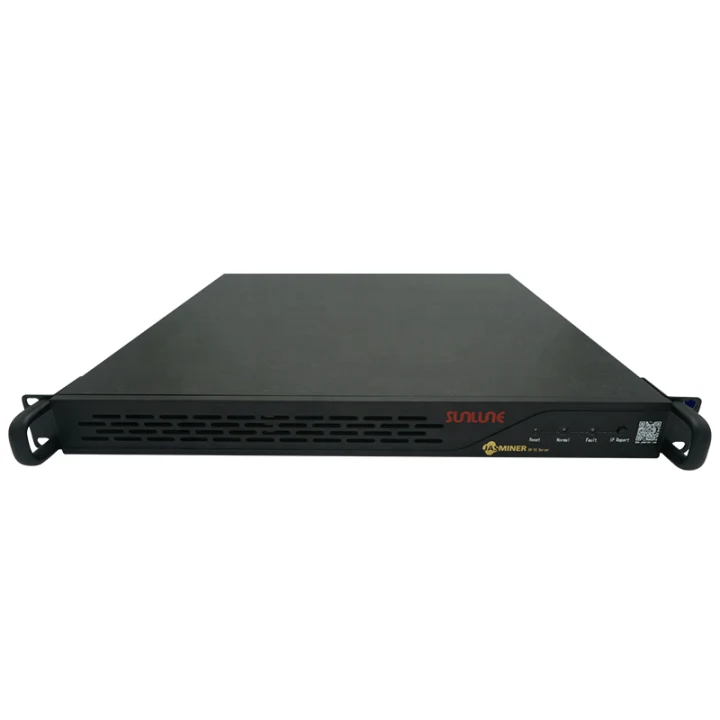 About 520MH/s
Jasminer X4-1U
About 240 W / Please use the full hashrate version and wall power consumption to convert
Same-algorithm Alternatives 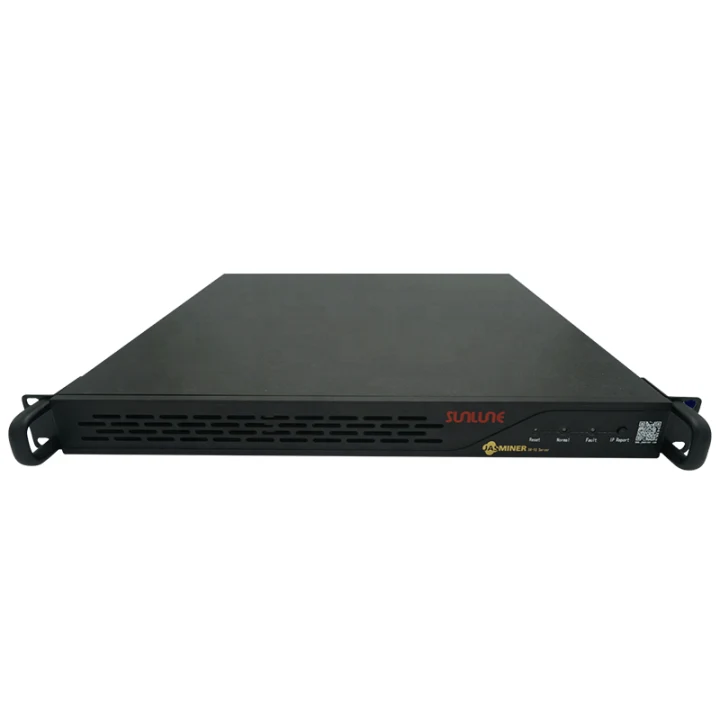 About 450MH/s
Jasminer X4-C 1U
About 240 W / Please use the full hashrate version and wall power consumption to convert
Same-algorithm Alternatives 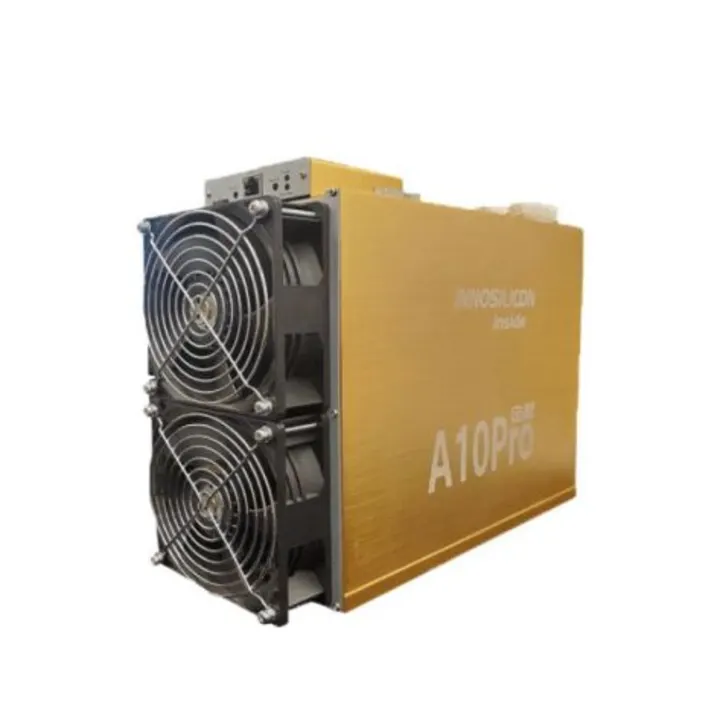 About 750MH/s
Innosilicon A10 Pro+ ETH
Approximately 1350 W / Please use the complete hashrate version and wall power consumption to convert
Same-algorithm Alternatives 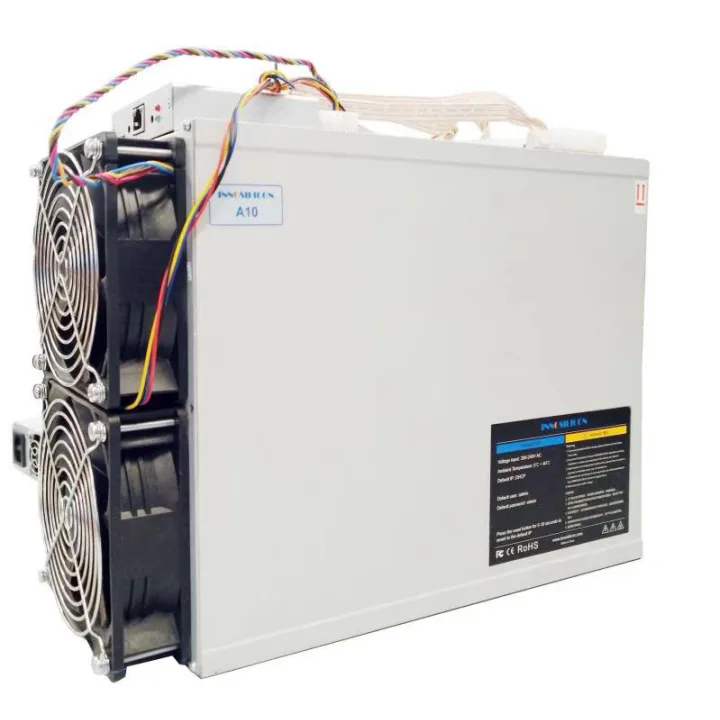 About 500MH/s
Innosilicon A10 Pro ETH
Approximately 960 W / Please use the complete hashrate version and wall power consumption to convert
Same-algorithm Alternatives 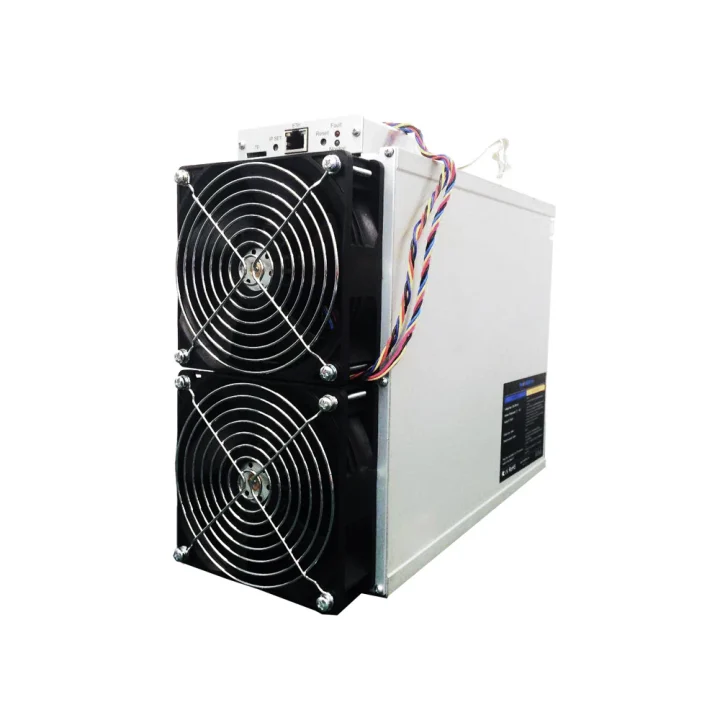 About 500MH/s
Innosilicon A10 ETHMaster
About 750 W / Please use the full hashrate version and wall power consumption to convert
Same-algorithm Alternatives 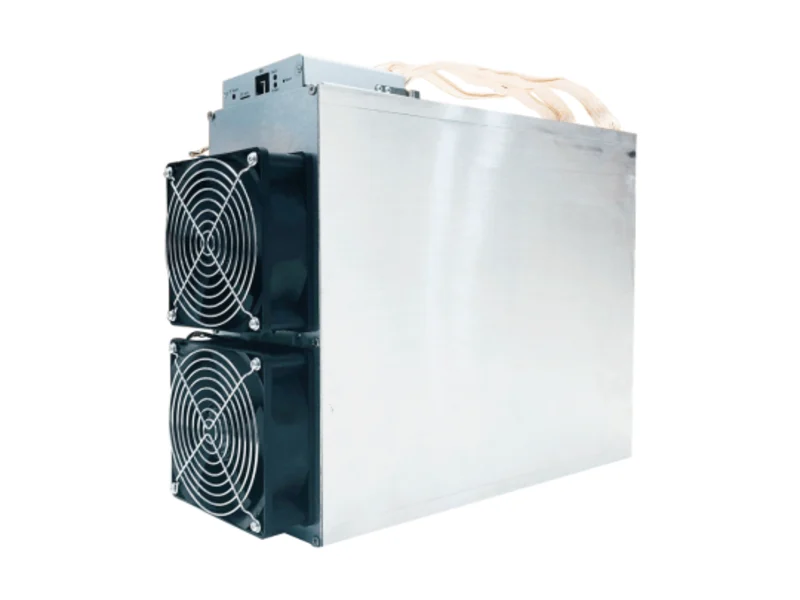 About 190 MH/s
Antminer E3
Approx. 760 W / Approx. 4 J/MH
Same-algorithm Alternatives 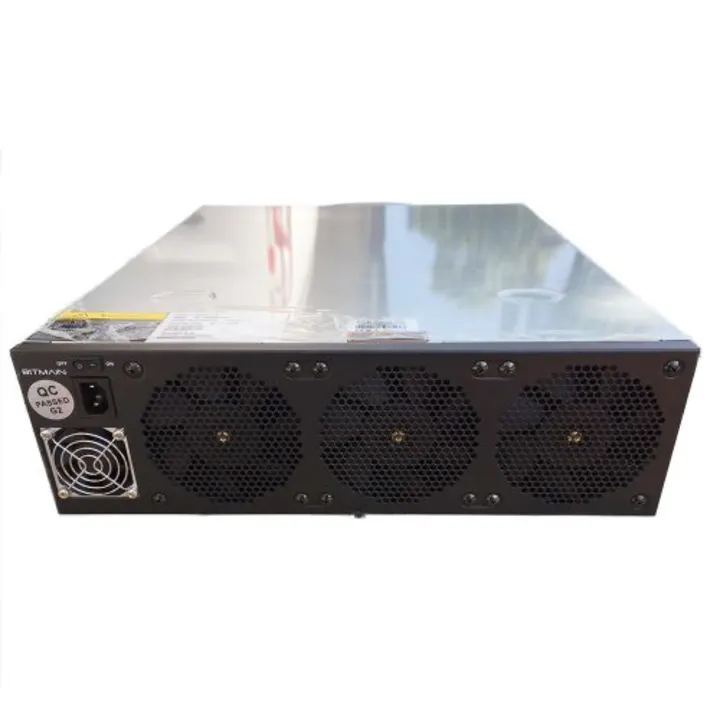 About 220MH/s
Antminer G2
About 1200 W / Please use the complete hashrate version and wall power consumption to convert
Same-algorithm Alternatives Manufacturer Routes
Which manufacturers have done this hardware route?
Here, candidate equipment manufacturers are recommended based on the same algorithm, which does not mean that each company currently provides firmware, after-sales or revenue guarantees for ETC.
BOMBAX MINER
BOMBAX MINER is based on EtHash/Etchash ASIC. The EZ100 series currently covers low-power EZ100-C, standard performance EZ100 and high hashrate EZ100-PRO.
JASMINER
JASMINER is operated by Sunlune Ltd. and mainly provides EtHash/Etchash ASIC. Its products include high-power air-cooled machines, rack-mounted models and low-noise Q series.
BITMAIN/ANTMINER
BITMAIN was established in 2013. In addition to the SHA-256 main line of S1, S2, S3, S4, S5, S7, S9 to S23, ANTMINER has also entered X11, Blake2B, DCR, CKB, KDA, EtHash, Equihash, Scrypt, KAS and ALPH with D, A, DR, K, KA, E, Z, L, KS, AL and other series.
iPollo
The product history of iPollo extends from G1/G1 Mini and B1L to the V1, V1 Mini, X1 and V2 generations; among them, the V series has long focused on EtHash/Etchash, forming a complete range from low power consumption on the desktop to high hashrate in the computer room.
ForestMiner
ForestMiner currently includes 1 hardware family, and the public product time extends from approximately 2023 to 2023, covering EtHash.
Innosilicon
Innosilicon is a chip company with high-speed interface IP and custom ASIC design as its core. Its mining products have spanned multiple PoW routes such as BTC, LTC, DASH, ZEC, DCR, SC, XMR and ETH/ETC. This site contains 31 hardware families.
Network & Mining History
How did Ethereum’s classic mining route get to where it is today?
Ethereum Classic entered PoW history in 2016. The hardware turn on this route is closely tied to display memory, DAG size, firmware, and the history of Ethereum forks.
01dotcom
Shared Ethereum PoW starting point
The Ethereum mainnet was launched, and early GPUs and subsequent EtHash ASICs all started from this common history.
02Hardware transition
Etchash and DAG adjustments
ETC adjusts the mining route, and the compatibility of old hardware needs to be rechecked.
03What do you think of today?
Etchash ASIC Mainline
E, V, X, JASMINER and other devices are mainly evaluated on ETC and other compatible networks.
full timeline
Look at each turn one by one
The page retains the verified network and hardware nodes; protocols, consensus and mining pool status should still be returned to official sources for confirmation.
Shared Ethereum PoW starting point
The Ethereum mainnet was launched, and early GPUs and subsequent EtHash ASICs all started from this common history.
DAO fork and ETC continuation
After the DAO incident, Ethereum adopted a state rollback fork; the original chain that did not adopt a rollback was continued under the name of Ethereum Classic.
Etchash and DAG adjustments
ETC adjusts the mining route, and the compatibility of old hardware needs to be rechecked.
Ethereum The Merge
The Ethereum main network switched to Proof of Stake, and ETH PoW mining ended; ETC continues to use PoW.
Etchash ASIC Mainline
E, V, X, JASMINER and other devices are mainly evaluated on ETC and other compatible networks.
Primary Sources
Continue to check official information
Next Steps
First confirm that the currency and equipment are compatible, then calculate power and deployment
miner performance is only the first step; mining pools, difficulty, liquidity, electricity prices and on-site conditions will all determine whether it can operate in the long term.
- 01Research
- 02Run the Numbers
- 03Review Deployment