

Kaspa uses the BlockDAG route to allow multiple blocks to exist in parallel and then be sorted by consensus, instead of only retaining a single path. The focus is to improve the rhythm of block production while maintaining open verification of PoW.
← Return to Currency Encyclopedia  KASKaspa
 How to dig Kaspa?
Kaspa uses BlockDAG and kHeavyHash to quickly move from GPUs and FPGAs to dedicated ASICs, which is a PoW route that has seen significant changes in hardware generations in recent years.
This mining route
- KASCoin
- kHeavyHashOperation
- Explicitly Listed in the Equipment DataDevice relationship
- 24 styles6 manufacturers
Proof of Work / BlockDAG
Hardware Compatibility
The algorithm and currency specified in the model data shall prevail.
This route does not perform cross-model inference for the time being; algorithms with the same name or similar ones may have different parameters, bit streams, or firmware. You must still check the official documents and mining pools before starting the machine.
Miners look here first
What does this coin represent in the miner?
The KS series ASIC specializes in processing kHeavyHash; the energy efficiency gap between different generations is large, and the revenue of old machines will be quickly squeezed by the new hashrate coming online.
Get to know this chain first
Kaspa is more than just a miner tag
Let’s first look at what the network is going to do, and then look at how hashrate is involved. In this way, the only question left is "can we dig today?"
Miners calculate kHeavyHash, submit blocks and secure BlockDAG. The hardware quickly moved from early GPUs to dedicated ASICs, so the speed of changes in hashrate and difficulty is particularly noteworthy.
The generations of KAS miners change quickly. When comparing devices, time to market, energy efficiency, actual delivery and difficulty growth assumptions are often more important than paper daily revenue.
01Mainnet launch in 2021
02kHeavyHash
03Switching from GPU to ASIC is fast
Three checks before starting up 01 02 03
Confirm that it is kHeavyHash and not the algorithm with similar names
Pay attention to the growth of the hashrate of the entire network and the delivery of new machines
Household BOX and mining field machines cannot be directly compared.
Related Hardware
24 styles KAS related equipment in the database
This route does not perform cross-model inference for the time being; algorithms with the same name or similar ones may have different parameters, bit streams, or firmware. You must still check the official documents and mining pools before starting the machine. The following are arranged from newest to oldest according to release/factory time.
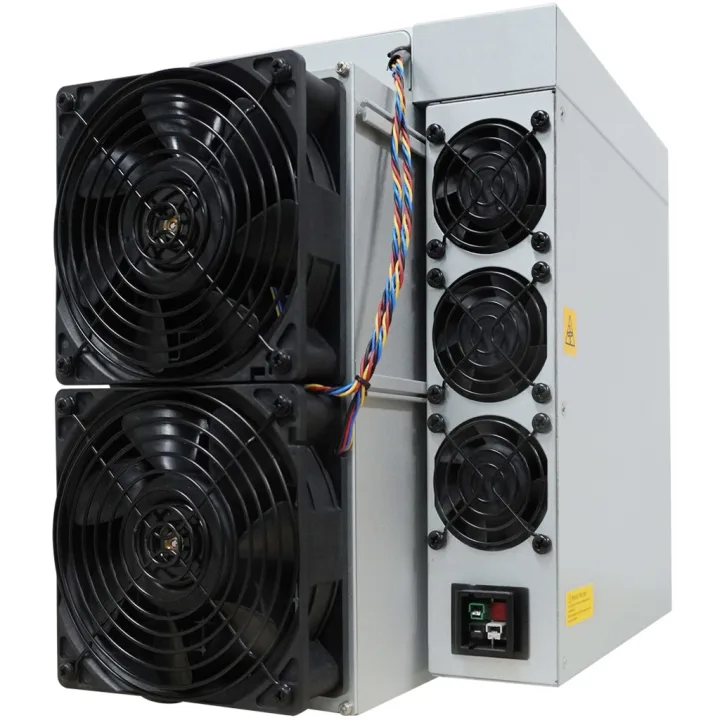 About 40T

Antminer KS7
Approximately 3080 to 3465 W / Please use the complete hashrate version and wall power consumption to convert
Explicitly Listed in the Equipment Data 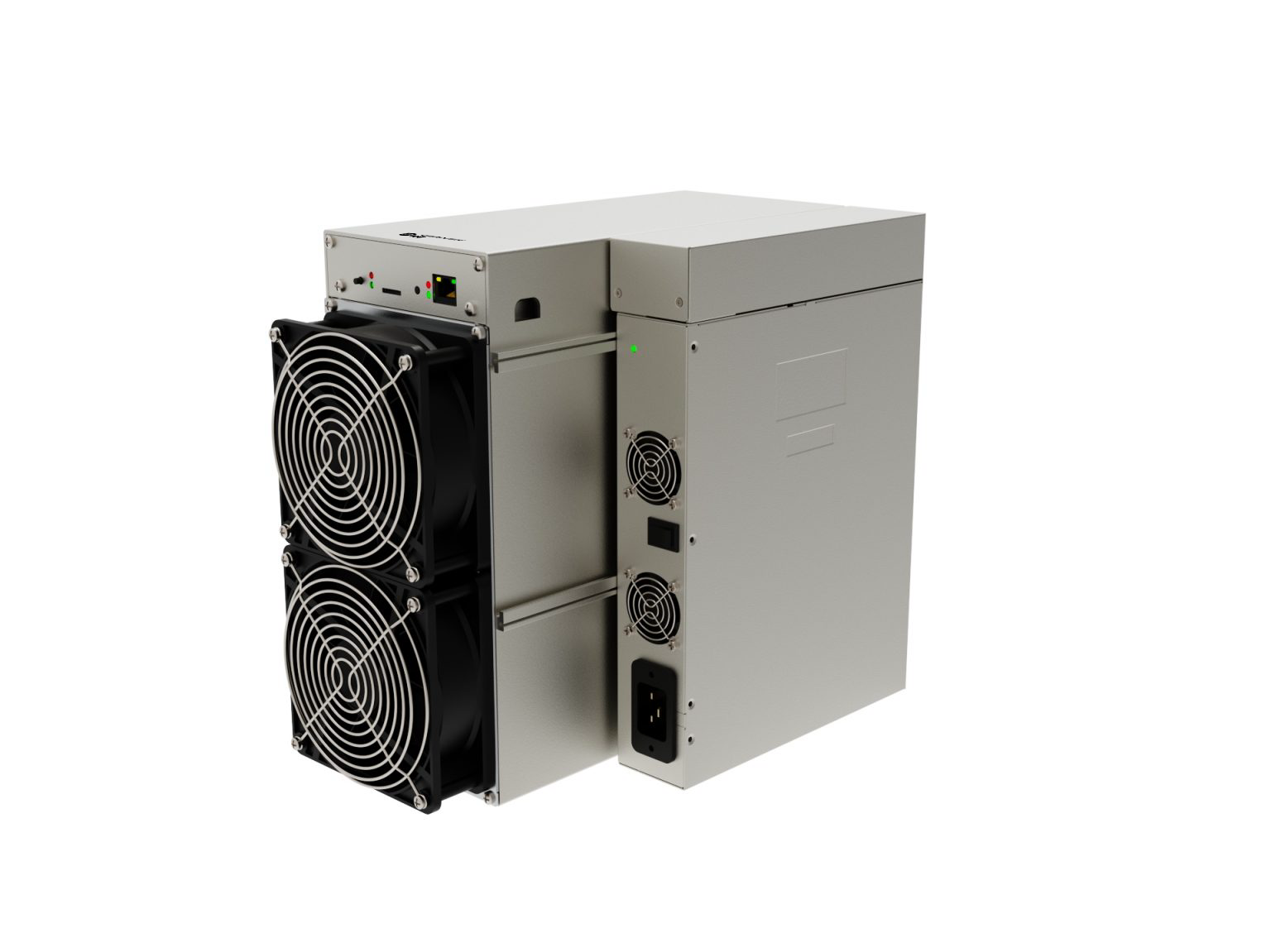 About 30 TH/s

ICERIVER KS7
About 3500 W / About 117 J/TH
Explicitly Listed in the Equipment Data 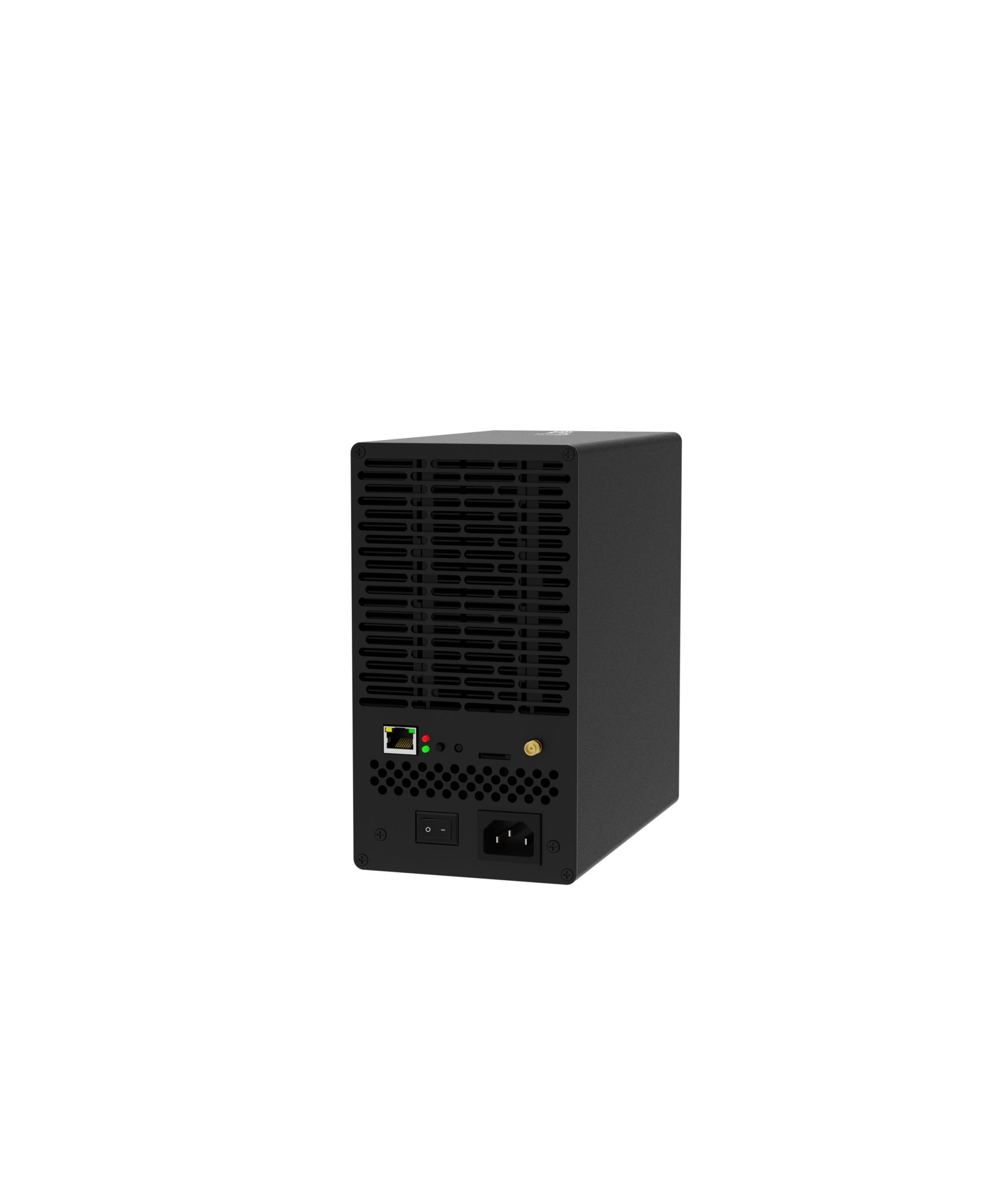 About 4.2 TH/s
ICERIVER KS7 Lite
About 500 W / About 119 J/TH
Explicitly Listed in the Equipment Data 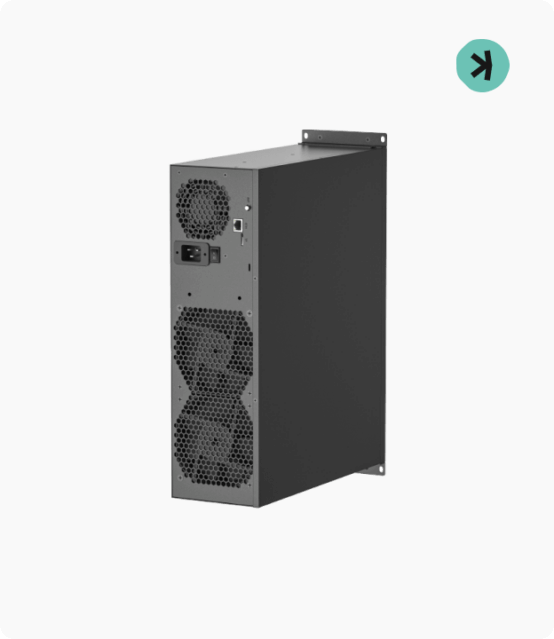 About 5.5 TH/s

Goldshell E-KA1M
About 1800 W / About 327 J/TH
Explicitly Listed in the Equipment Data 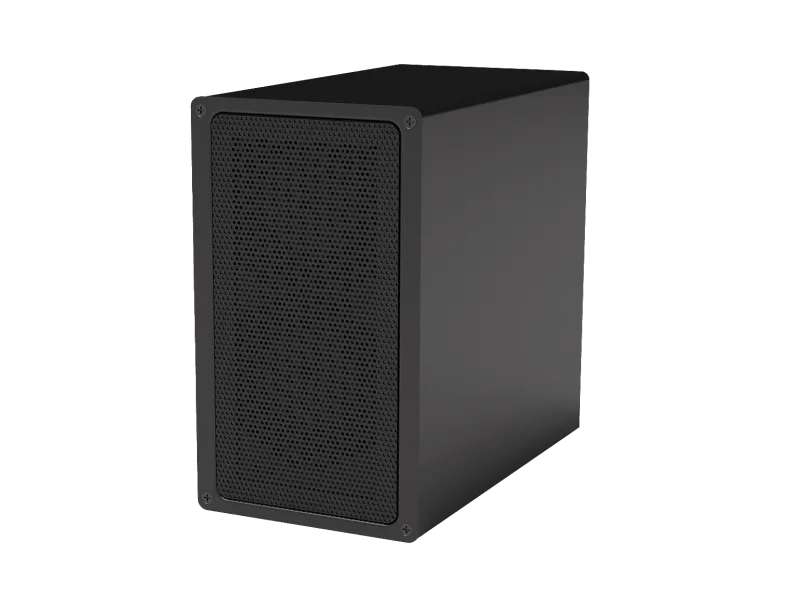 About 2 TH/s
ICERIVER KS2 Lite
About 500 W / About 250 J/TH
Explicitly Listed in the Equipment Data 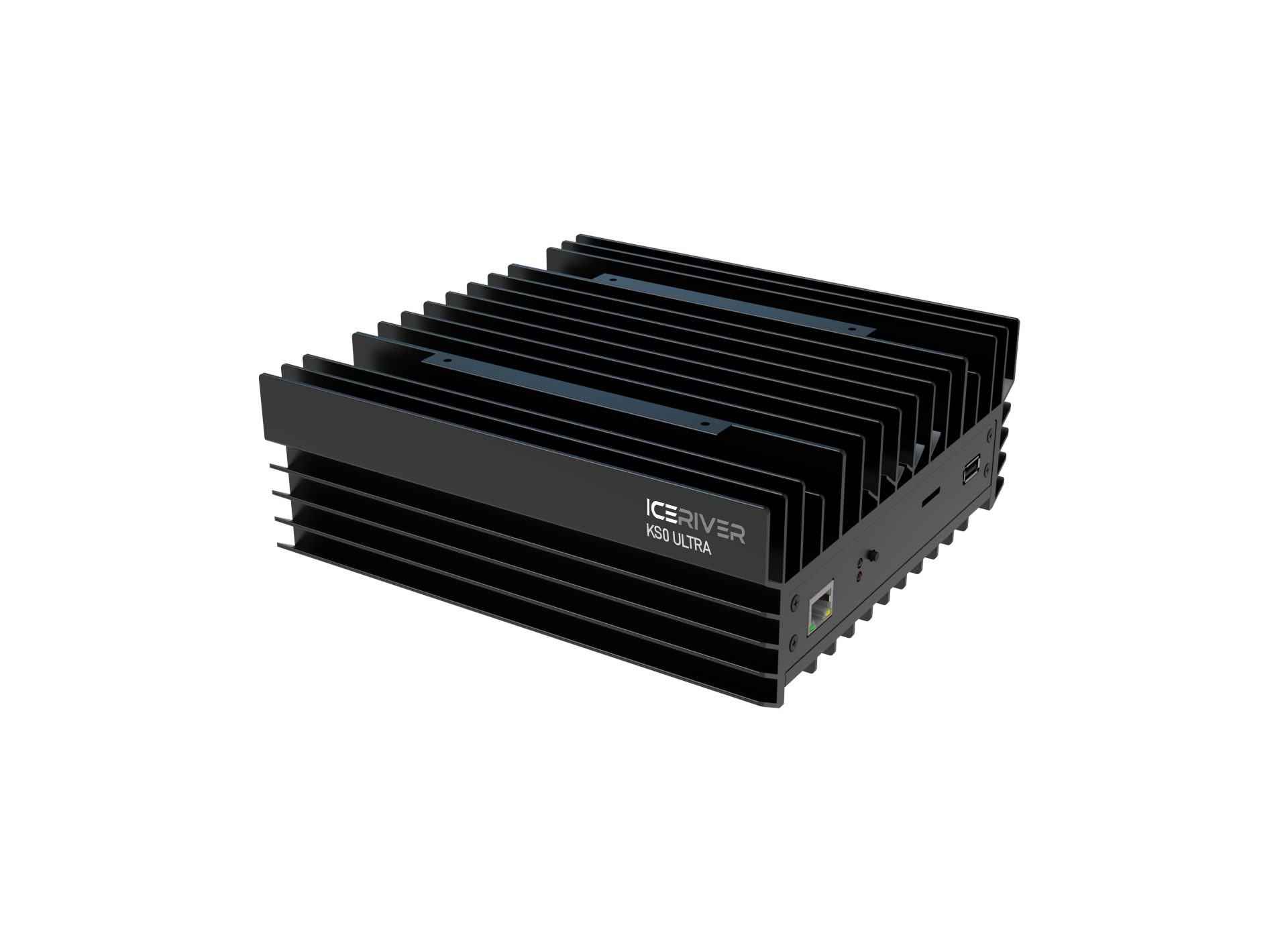 About 400 GH/s
ICERIVER KS0 Ultra
About 100 W / About 250 J/TH
Explicitly Listed in the Equipment Data 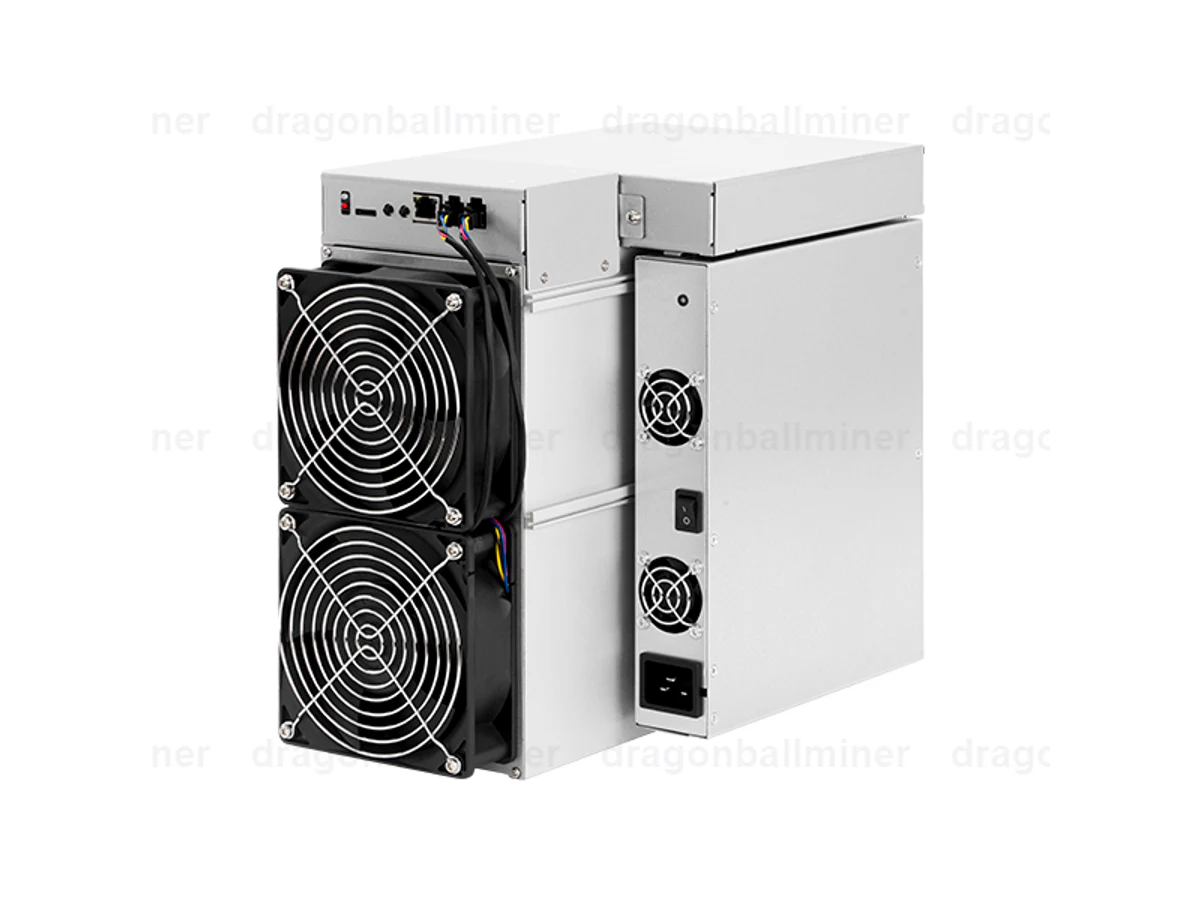 About 10.5T

DragonBall Miner KS6 Pro
About 3600 W / Please use the complete hashrate version and wall power consumption to convert
Explicitly Listed in the Equipment Data 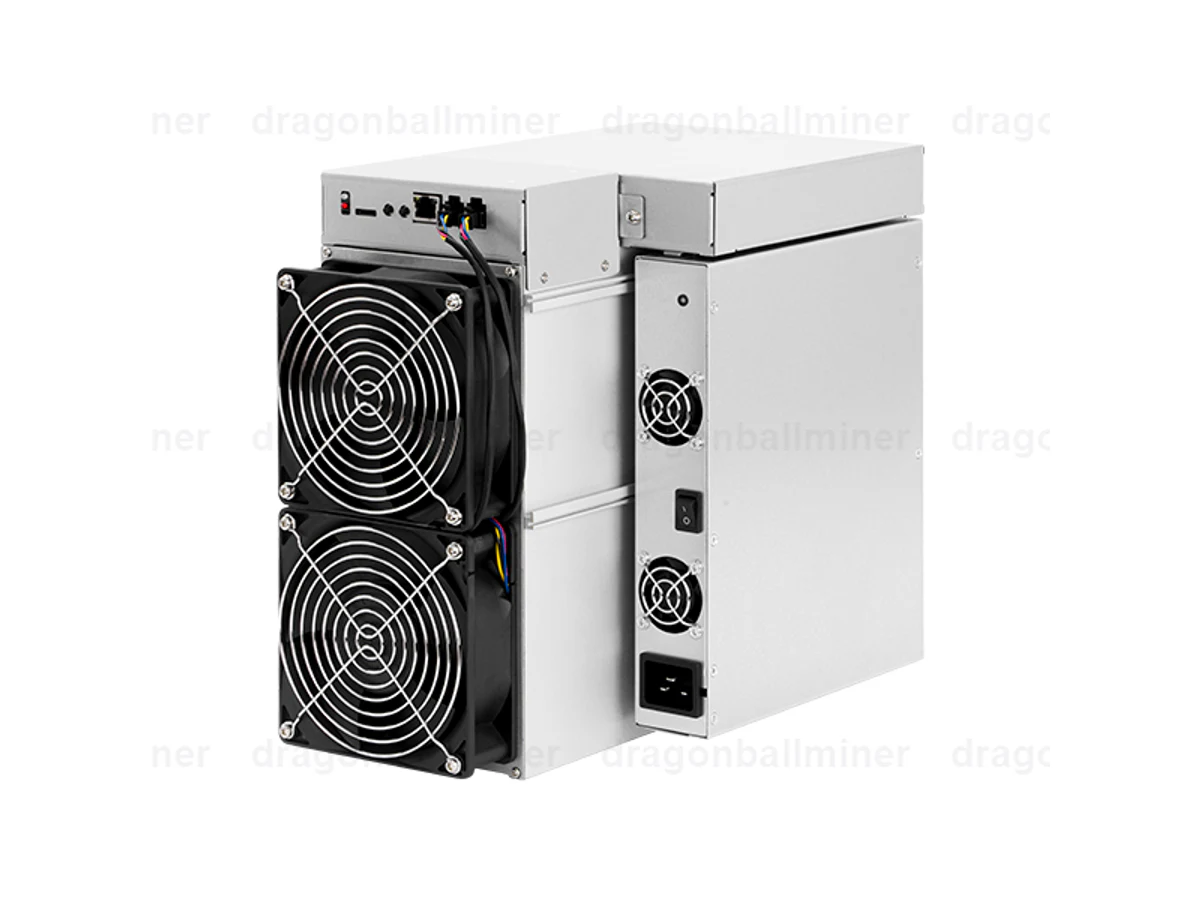 About 11T
DragonBall Miner KS6 Pro+
About 3600 W / Please use the complete hashrate version and wall power consumption to convert
Explicitly Listed in the Equipment Data 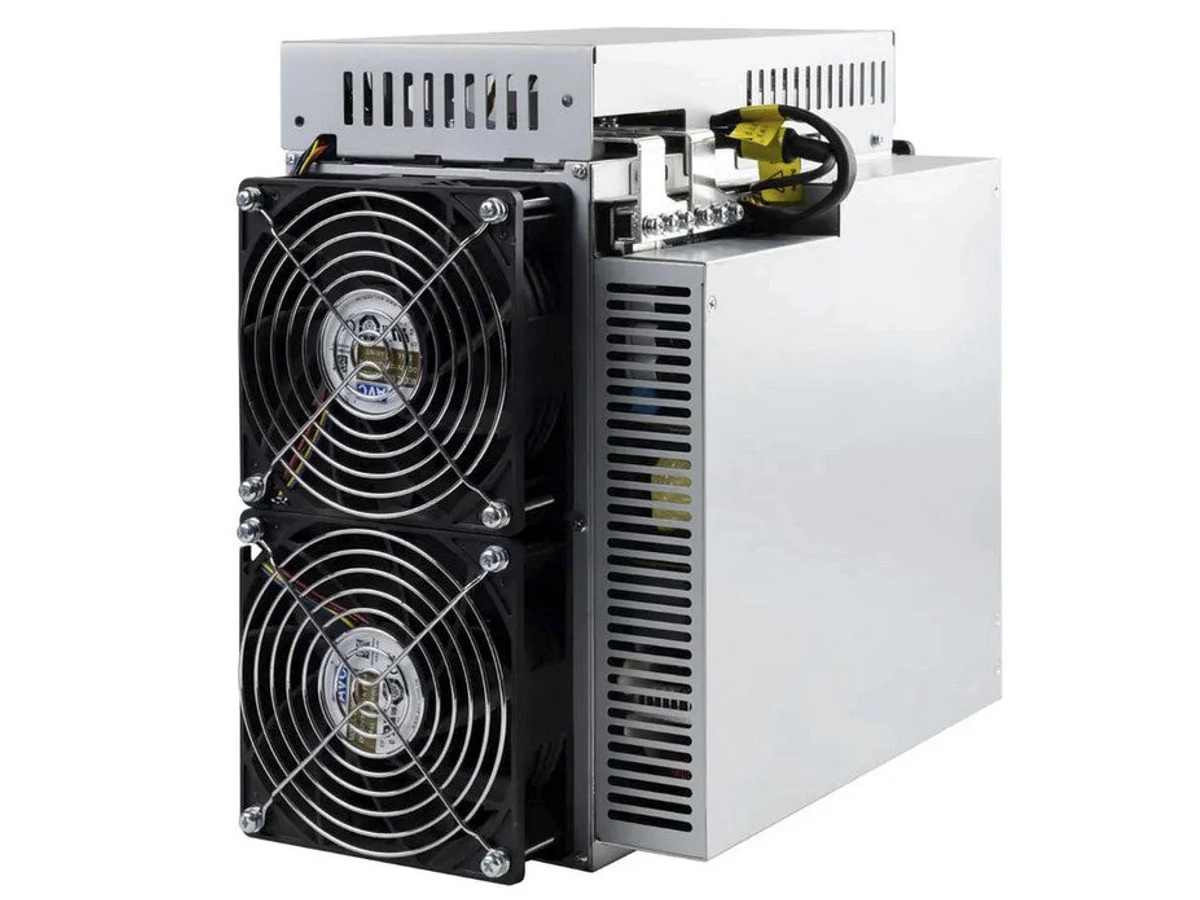 About 10.3–10.5 TH/s
TheWindMiner Explicitly Listed in the Equipment Data
TheWindMiner K9
Approx. 3300–3400 W / Approx. 320–324 J/TH
Explicitly Listed in the Equipment Data 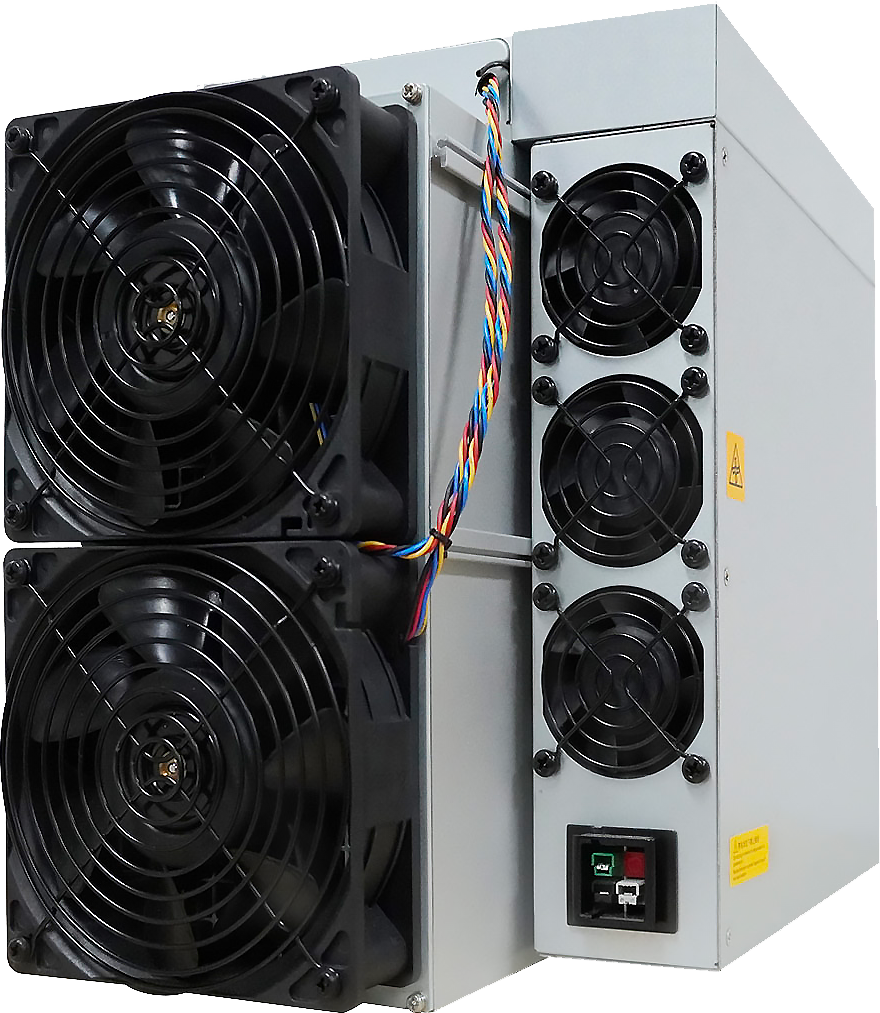 About 21 TH/s
Antminer KS5 Pro
About 3150 W / About 150 J/TH
Explicitly Listed in the Equipment Data 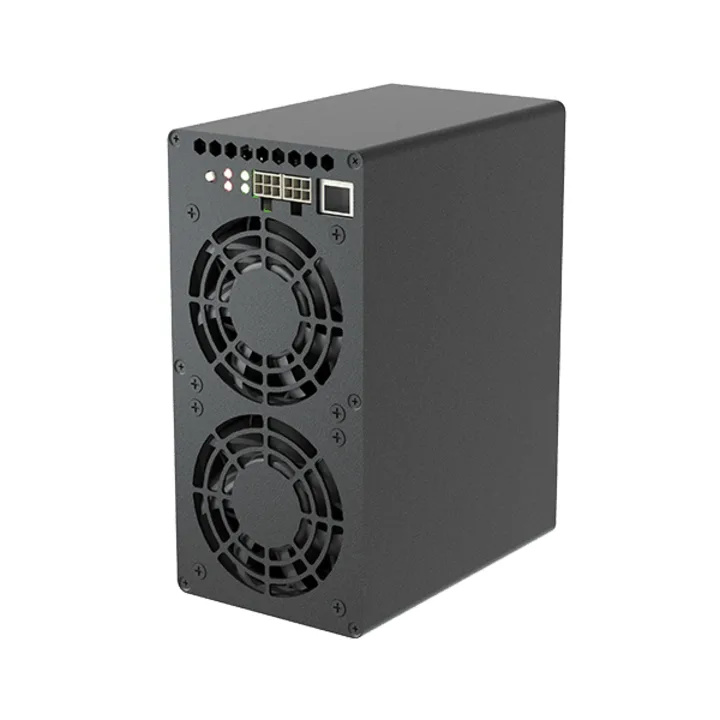 About 1.18TH/s
Goldshell KA-BOX
About 400 W / Please use the full hashrate version and the wall power consumption to convert
Explicitly Listed in the Equipment Data 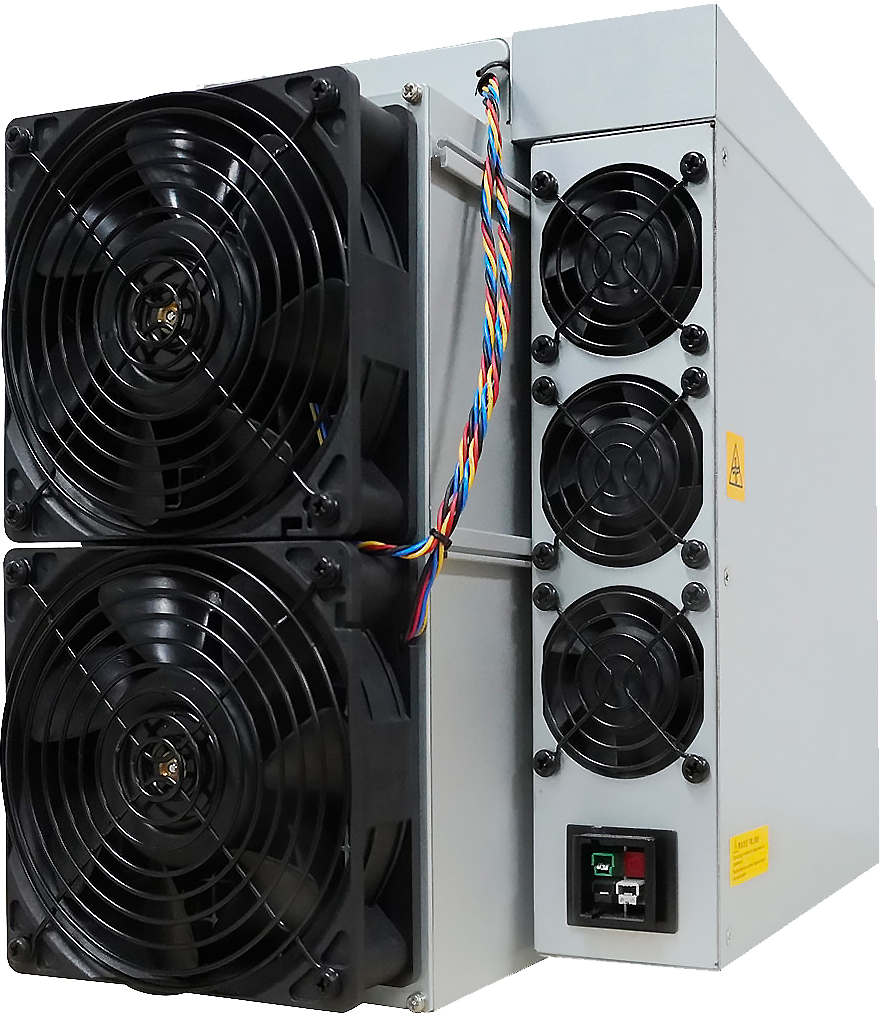 About 20 TH/s
Antminer KS5
About 3000 W / About 150 J/TH
Explicitly Listed in the Equipment Data 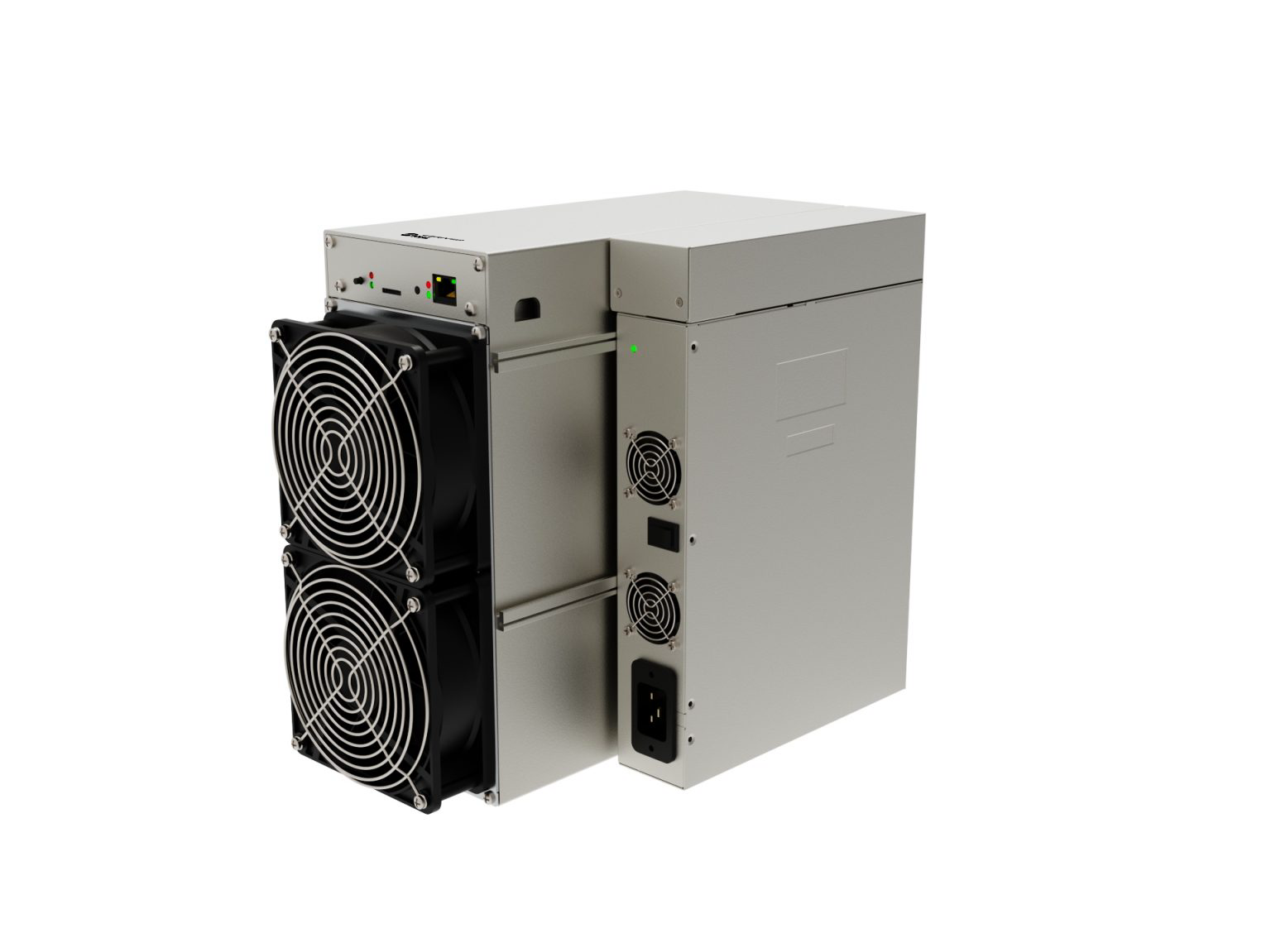 About 12 TH/s
ICERIVER KS5L
About 3400 W / About 283 J/TH
Explicitly Listed in the Equipment Data 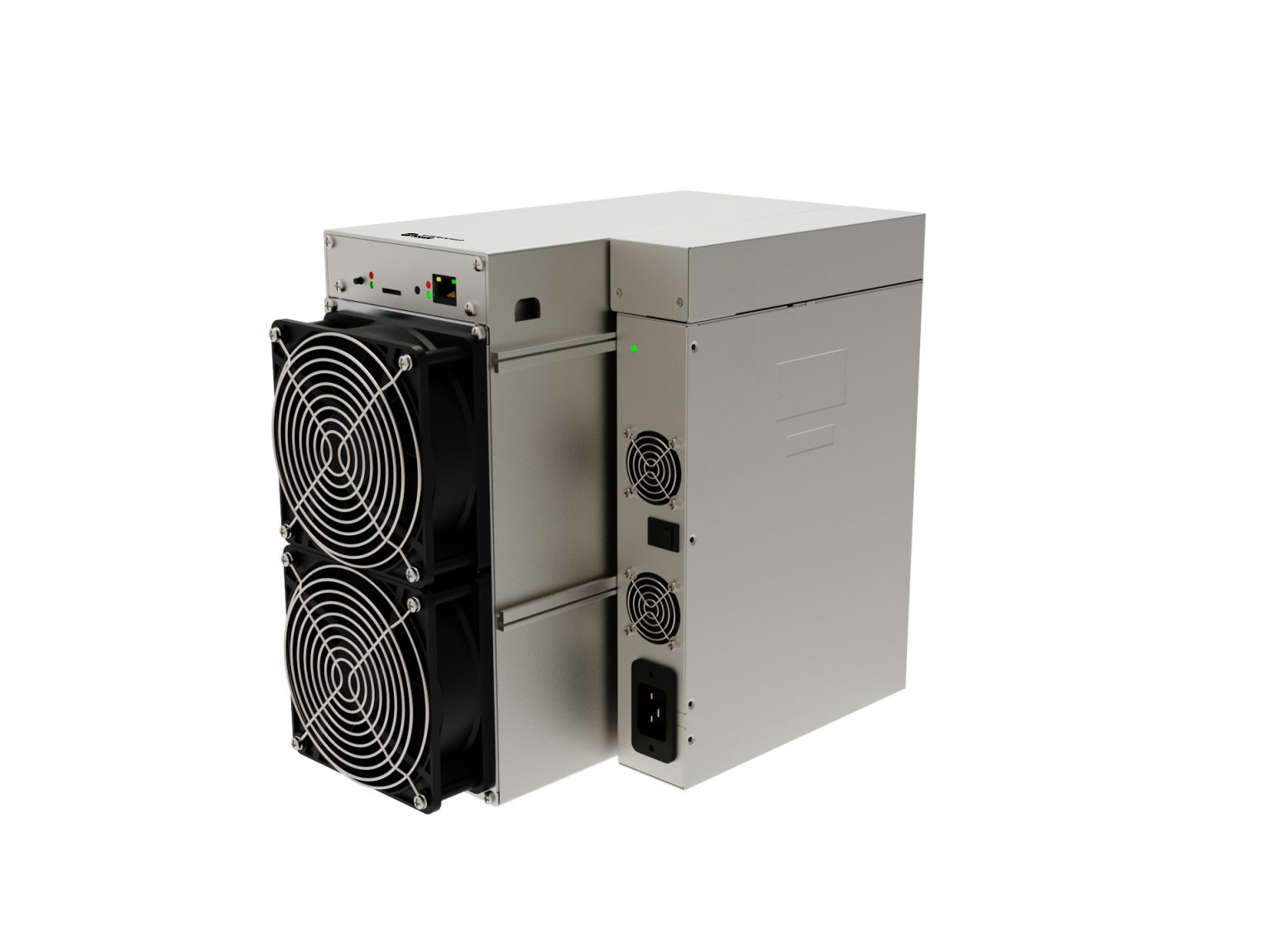 About 15 TH/s
ICERIVER KS5M
About 3400 W / About 227 J/TH
Explicitly Listed in the Equipment Data 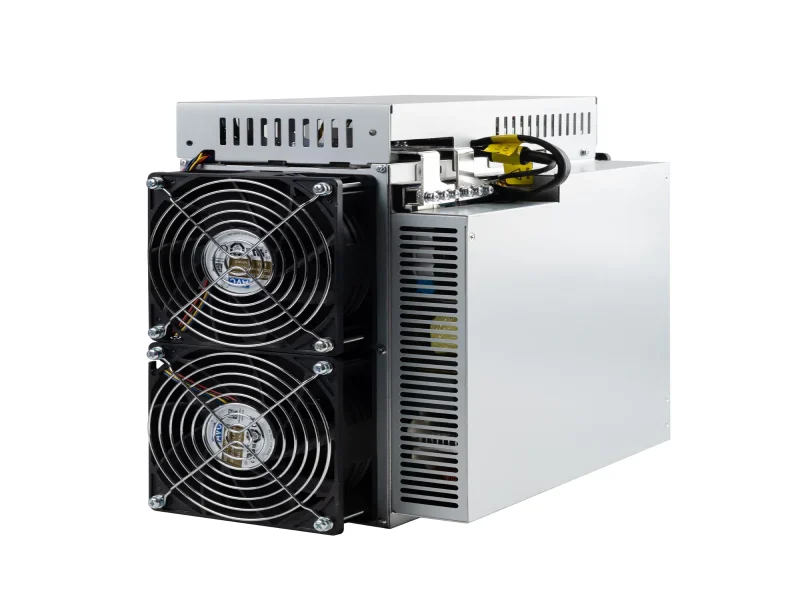 About 10.5 TH/s

iBeLink BM-KS Max
About 3400 W / About 324 J/TH
Explicitly Listed in the Equipment Data 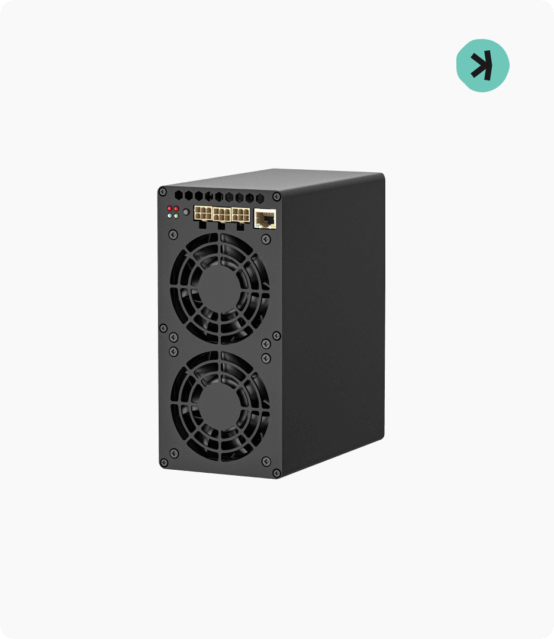 About 1.6 TH/s
Goldshell KA BOX PRO
About 600 W / About 375 J/TH
Explicitly Listed in the Equipment Data 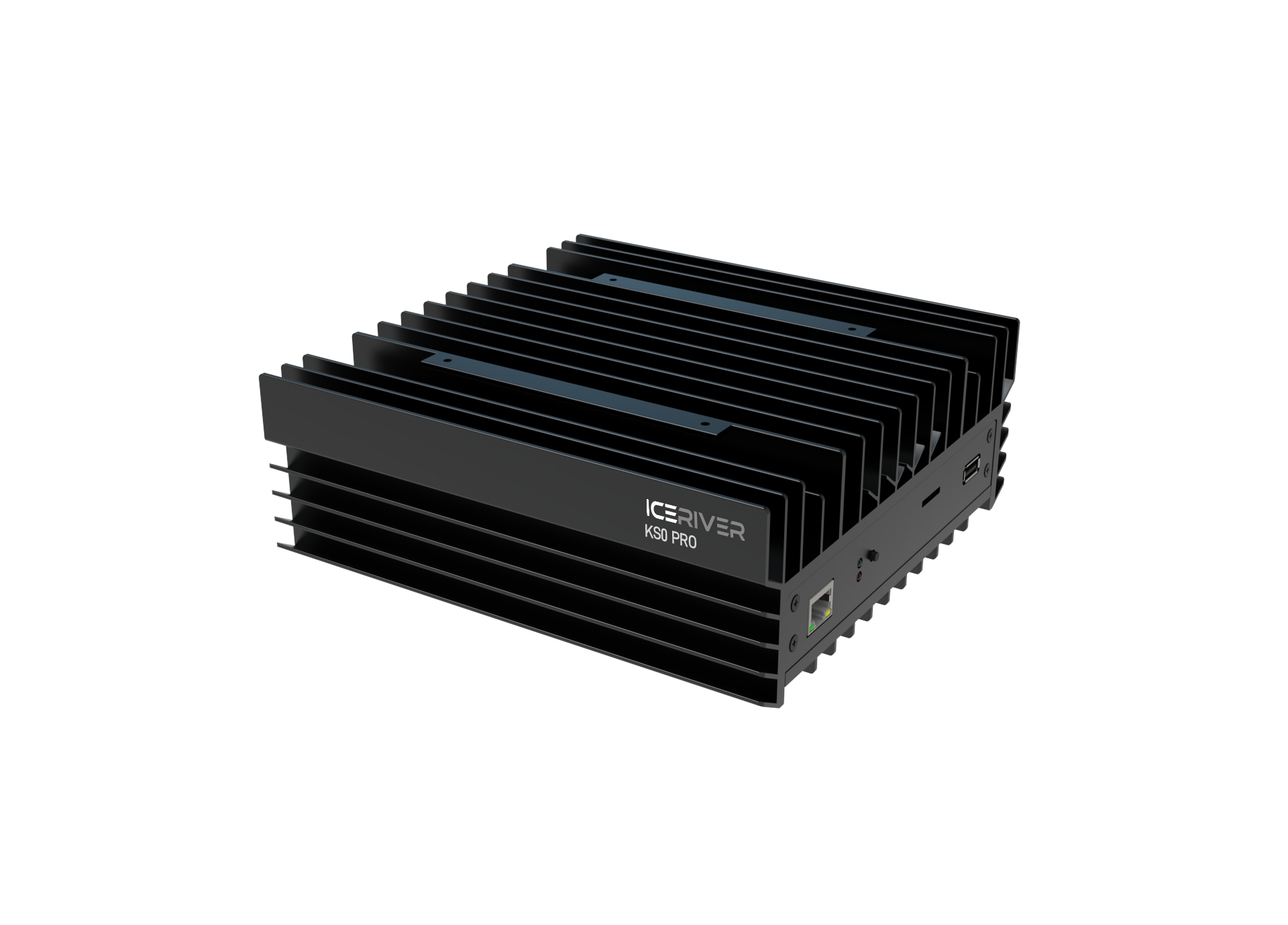 About 200 GH/s
ICERIVER KS0 Pro
About 100 W / About 500 J/TH
Explicitly Listed in the Equipment Data 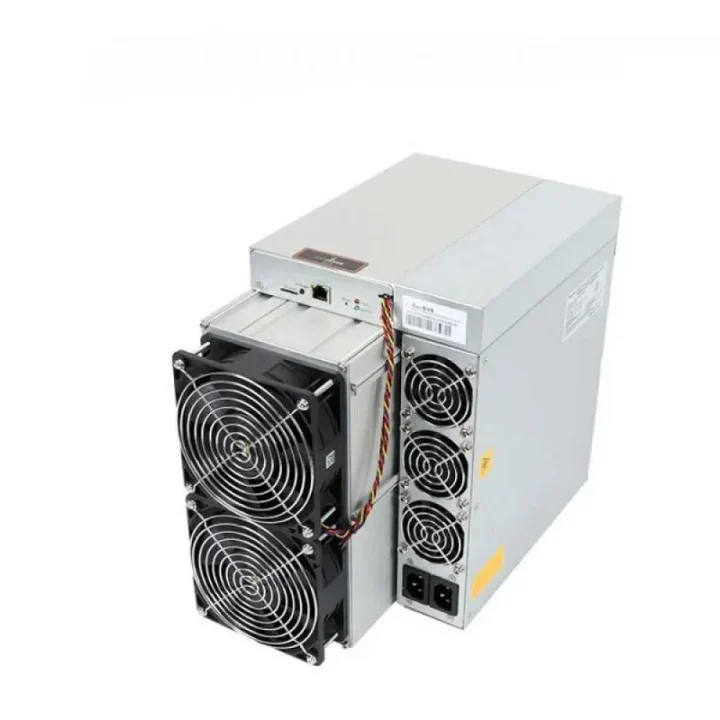 About 8.3TH/s to 9.4TH/s
Antminer KS3
Approximately 3188 to 3500 W / Please use the complete hashrate version and wall power consumption to convert
Explicitly Listed in the Equipment Data 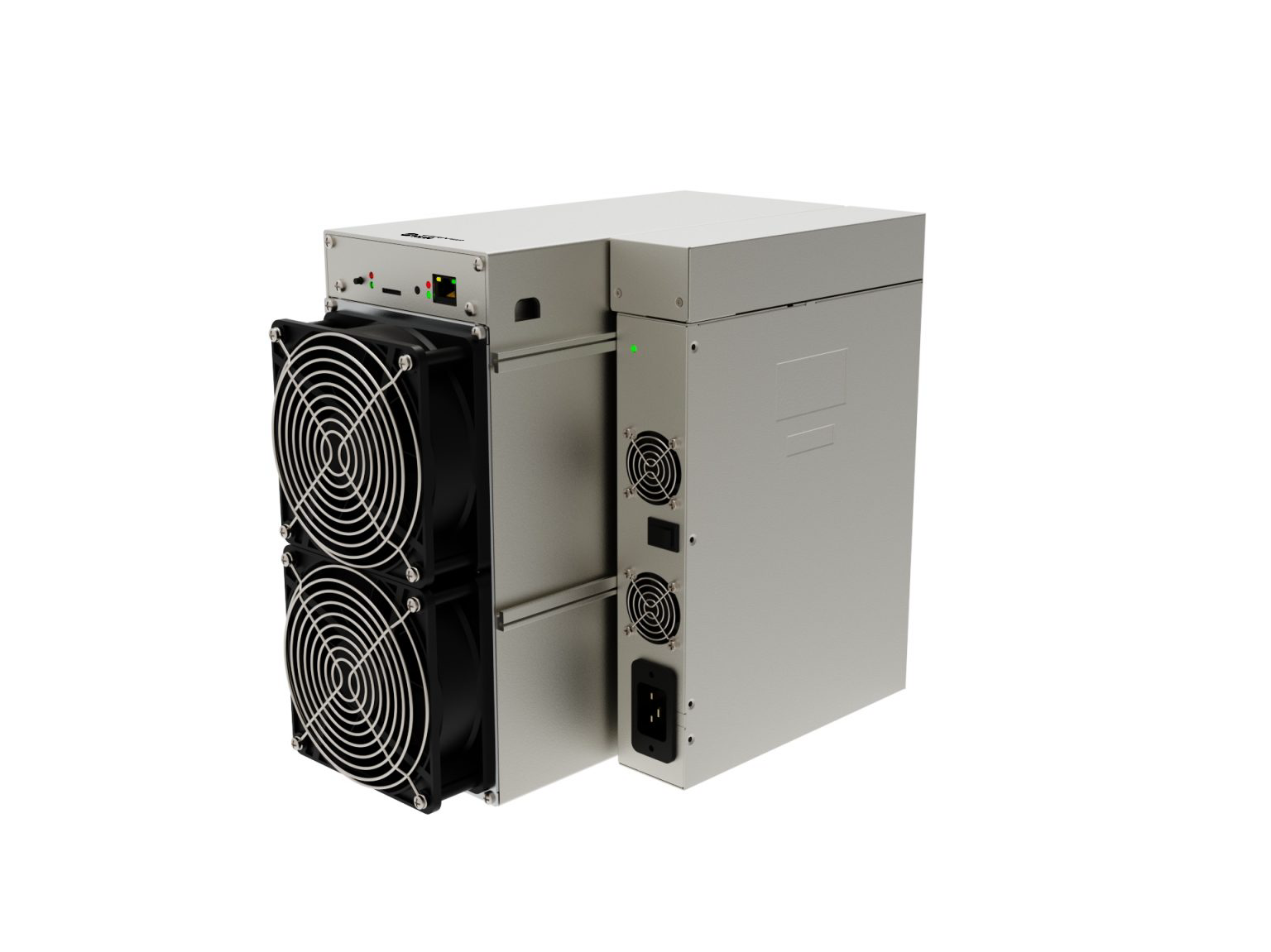 About 6 TH/s
ICERIVER KS3M
About 3400 W / About 567 J/TH
Explicitly Listed in the Equipment Data 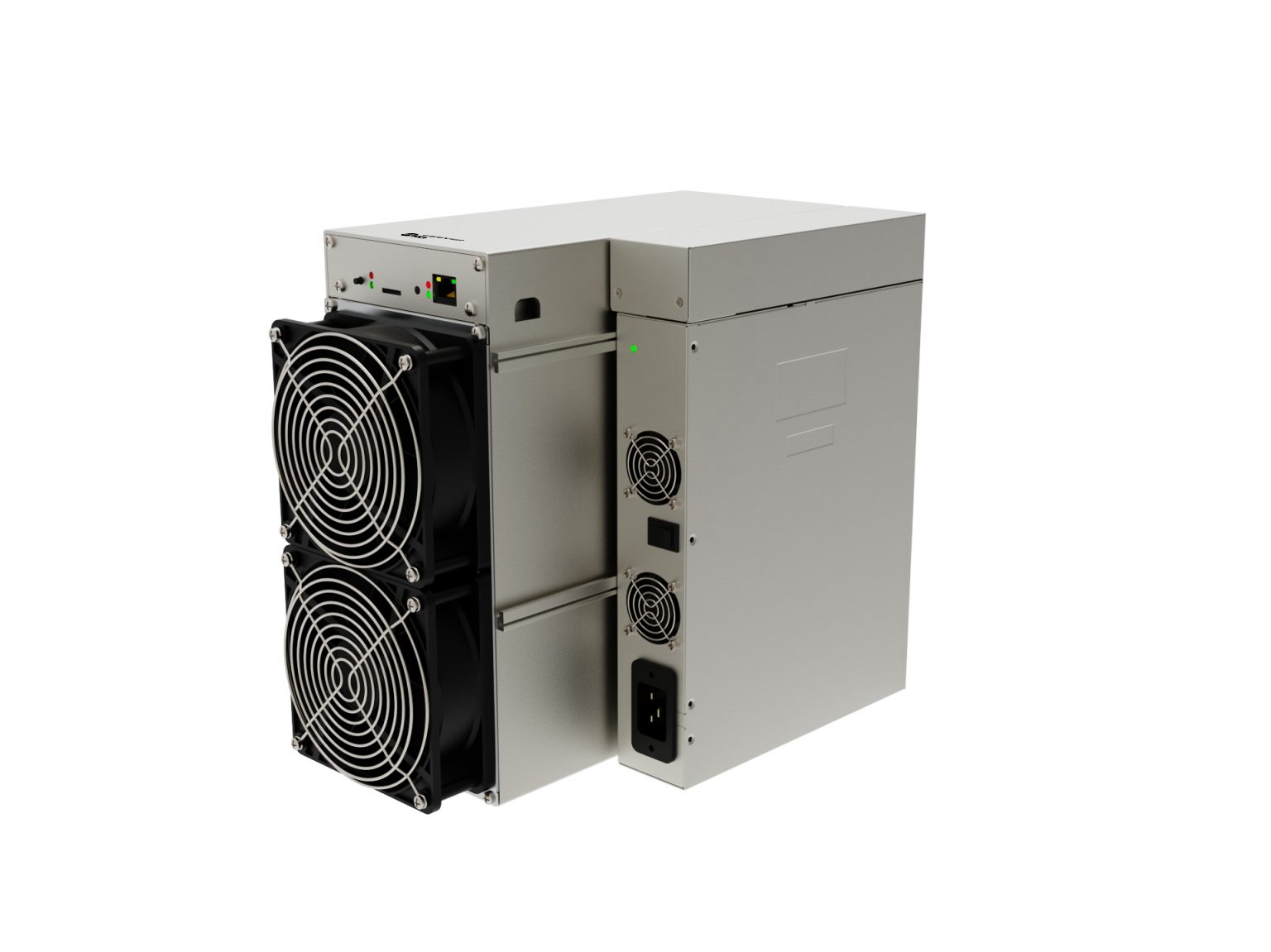 About 8 TH/s
ICERIVER KS3
About 3200 W / About 400 J/TH
Explicitly Listed in the Equipment Data 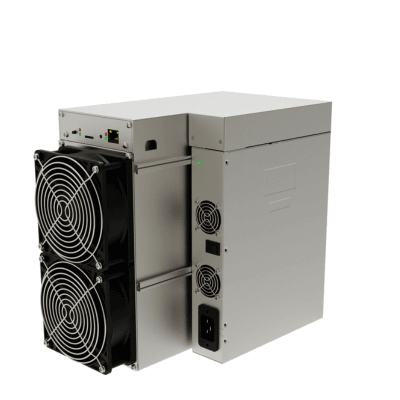 About 5 TH/s
ICERIVER KS3L
About 3200 W / About 640 J/TH
Explicitly Listed in the Equipment Data 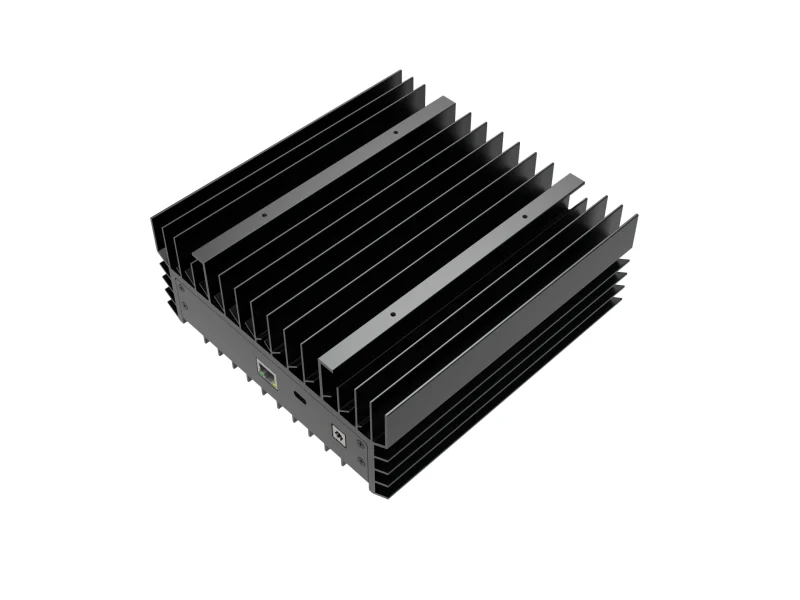 About 100 GH/s
ICERIVER KS0
About 65 W / About 650 J/TH
Explicitly Listed in the Equipment Data 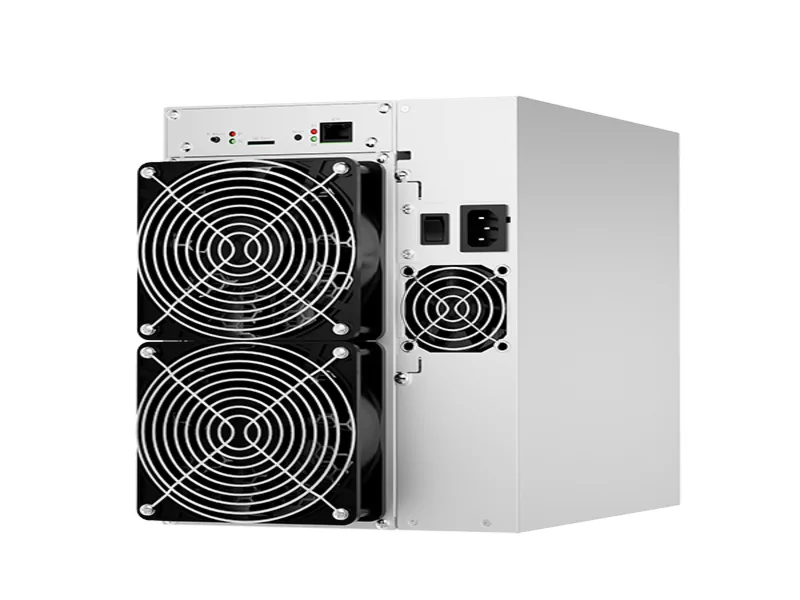 About 1 TH/s
ICERIVER KS1
About 600 W / About 600 J/TH
Explicitly Listed in the Equipment Data 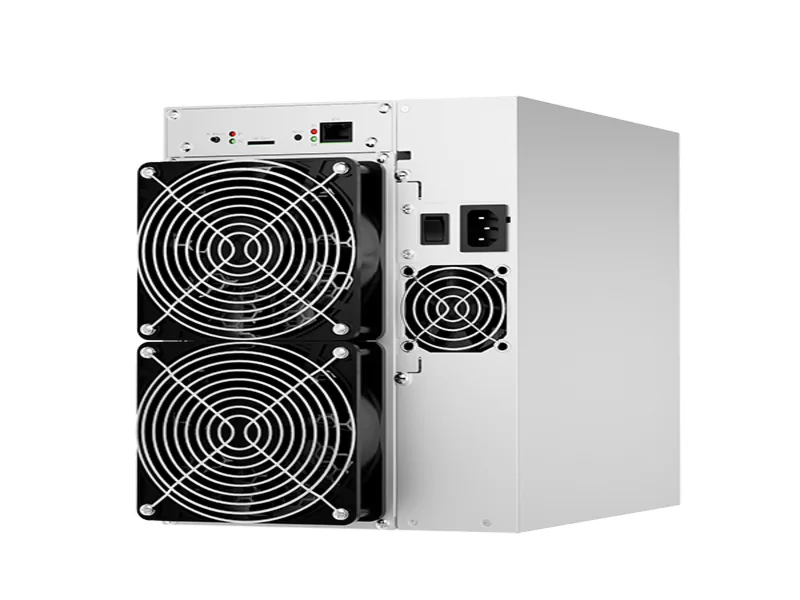 About 2 TH/s
ICERIVER KS2
About 1200 W / About 600 J/TH
Explicitly Listed in the Equipment Data Manufacturer Routes
Which manufacturers have done this hardware route?
Here, candidate equipment manufacturers are recommended based on the same algorithm, which does not mean that every company currently provides firmware, after-sales or revenue guarantees for KAS.
BITMAIN/ANTMINER
BITMAIN was established in 2013. In addition to the SHA-256 main line of S1, S2, S3, S4, S5, S7, S9 to S23, ANTMINER has also entered X11, Blake2B, DCR, CKB, KDA, EtHash, Equihash, Scrypt, KAS and ALPH with D, A, DR, K, KA, E, Z, L, KS, AL and other series.
ICERIVER/BGIN
ICERIVER started with KAS products such as KS0, KS1, KS2, and KS3 in 2023, and subsequently established KS5/KS7, and extended ALPH's AL series, ALEO's AE series, RXD's RX series, and XPHash's XP series.
Goldshell
Goldshell official information records that the brand was founded in 2017. Its products extend from professional multi-algorithm ASICs to BOX, LITE, MAX, ECHO and other different sizes and noise levels, with special emphasis on the user experience of home miners.
DragonBall Miner
DragonBall Miner currently includes 5 hardware families, and the public product time extends from approximately 2024 to 2024, covering SHA512256d, Blake3, KHeavyHash, and NexaPow.
TheWindMiner/WindMiner
TheWindMiner currently includes K9, and the KHeavyHash route can be checked on the brand product page and F2Pool, ViaBTC, and ANTPOOL; there are slight differences in hashrate and power consumption from different sources.
iBeLink/Fluxmind
iBeLink is one of the early multi-algorithm ASIC manufacturers, gradually expanding from DM series X11 and DSM series DCR to BM-K, BM-N, BM-S, BM-KS and BM-L series.
Network & Mining History
How did Kaspa’s mining route get to where it is today?
Kaspa entered PoW history in 2021. The new generation PoW network often completes hardware specialization in a short period of time, so the factory time and the change in the hashrate of the entire network are particularly important.
01dotcom
Kaspa mainnet launched
BlockDAG and PoW routes attract GPU miners to participate.
02Hardware transition
ASIC quick entry
Special equipment accelerates competition in network hashrate and hardware energy efficiency.
03What do you think of today?
Multi-vendor, multi-power consumption levels
miners, desktop equipment and home computers form different deployment markets.
Primary Sources
Continue to check official information
Next Steps
First confirm that the currency and equipment are compatible, then calculate power and deployment
miner performance is only the first step; mining pools, difficulty, liquidity, electricity prices and on-site conditions will all determine whether it can operate in the long term.
- 01Research
- 02Run the Numbers
- 03Review Deployment