

Litecoin starts from the Bitcoin code route, shortens the block time and adopts Scrypt, and is positioned as a daily transfer and payment test site. It also often enables some protocol features earlier than Bitcoin.
← Return to Currency Encyclopedia  LTCLitecoin
 How to mine Litecoin?
Litecoin is one of the most important reference networks for Scrypt miners. Merged mining with Dogecoin allows the same hashrate to obtain rewards from both chains at the same time.
This mining route
- LTCCoin
- ScryptOperation
- The same Scrypt hardwareDevice relationship
- 60 models15 manufacturers
Proof of Work
Hardware Compatibility
The Scrypt miner labeled DOGE is essentially also working on Litecoin calculations.
When LTC and DOGE are merged for mining, Scrypt miners usually work with Litecoin as the parent chain; the device name only says DOGE, which does not mean that the hardware cannot process LTC.
Miners look here first
What does this coin represent in the miner?
LTC ASIC operates on Scrypt; actual income usually depends on whether the mining pool supports merged mining such as DOGE and BELLS.
Get to know this chain first
Litecoin is more than just a miner tag
Let’s first look at what the network is going to do, and then look at how hashrate is involved. In this way, the only question left is "can we dig today?"
LTC miners use Scrypt ASIC to maintain the main chain; most large mining pools will submit the same work to AuxPoW chains such as DOGE at the same time, so the income interpretation cannot only look at the LTC column.
The core issue in the Scrypt market is the entire set of income: LTC main currency, settlement method of DOGE and other optional merged coins, wallet thresholds, and the power consumption of L-series miners.
01Launched in 2011
02It takes about 2.5 minutes to generate a block
03In-depth binding with Dogecoin’s AuxPoW route since 2014
Merged Mining / AuxPoW
View merged mining diagram LTC/DOGE is the most common Scrypt merged mining route
DOGE is the core additional reward; whether BELLS, LKY, PEP, JKC, DINGO, SHIC, etc. are paid depends on the current support of the mining pool.
Three checks before starting up 01 02 03
Confirm the pool’s combined mining and settlement methods
Comparing Scrypt Miners with MH/s vs J/MH
Valuate the main currency and additional rewards separately
Related Hardware
60 models LTC related equipment in the database
When LTC and DOGE are merged for mining, Scrypt miners usually work with Litecoin as the parent chain; the device name only says DOGE, which does not mean that the hardware cannot process LTC. The following are arranged from newest to oldest according to release/factory time.
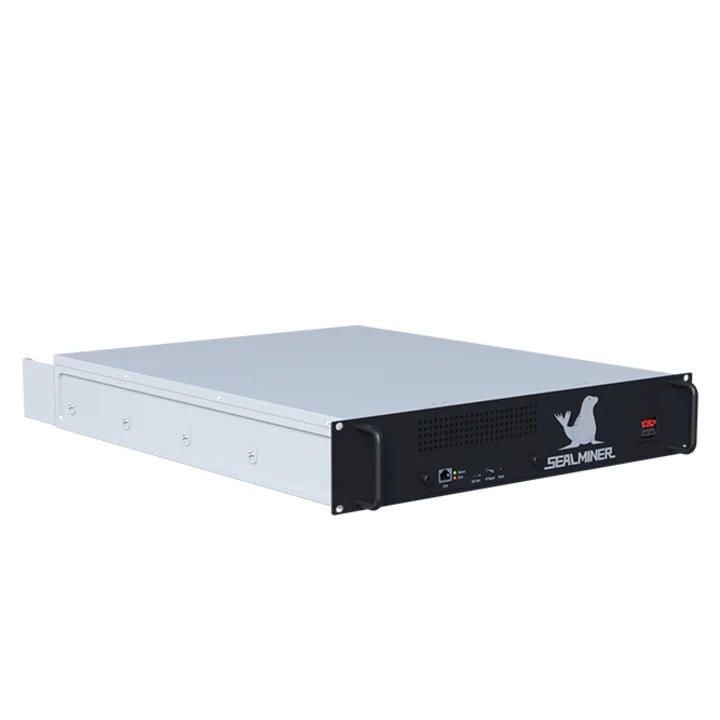 About 52.5G

SealMiner DL1 Hydro
Approximately 7823 W / Please use the complete hashrate version and the wall power consumption to convert
Same-algorithm Alternatives 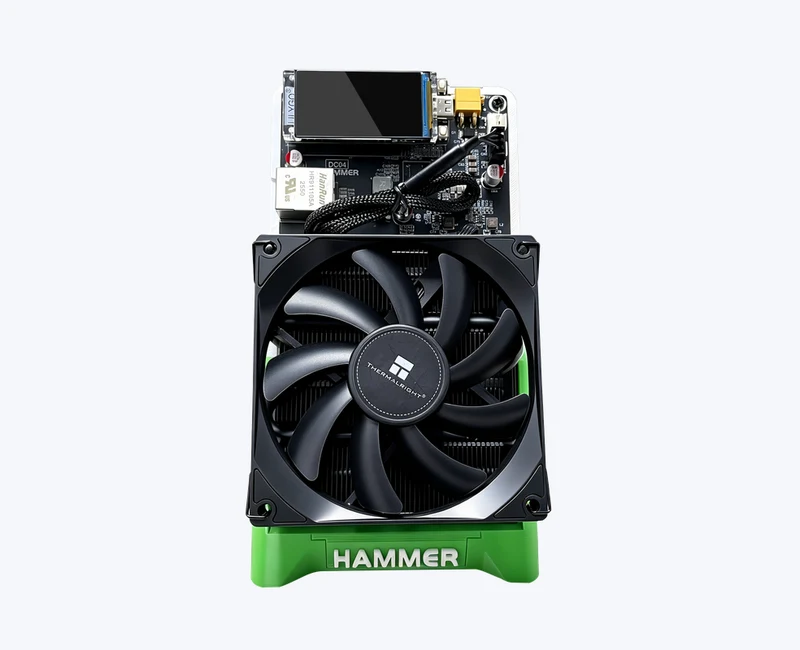 230 MH/s
Hammer Miner DC04
60 W (ASIC-only) / 0.261 J/MH (derived from ASIC-only draw)
Same-algorithm Alternatives 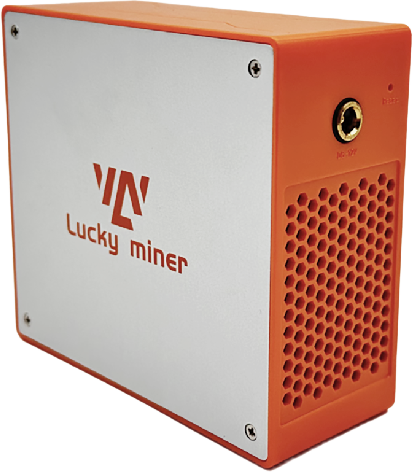 120 MH/s ±10%

Lucky Miner LG07 Pro
30 W ±10% / about 0.25 J/MH
Same-algorithm Alternatives 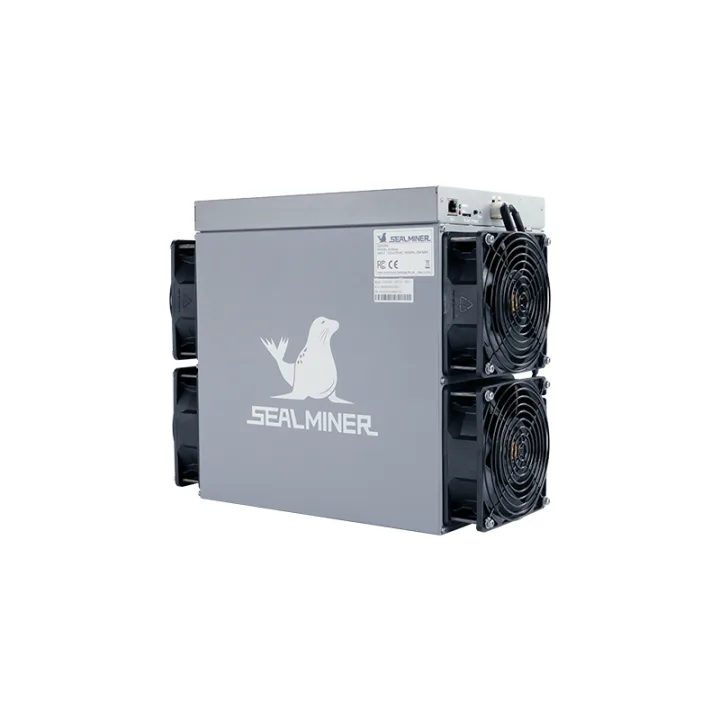 About 25G
SealMiner DL1 Air
Approximately 3725 W / Please use the complete hashrate version and the wall power consumption to convert
Same-algorithm Alternatives 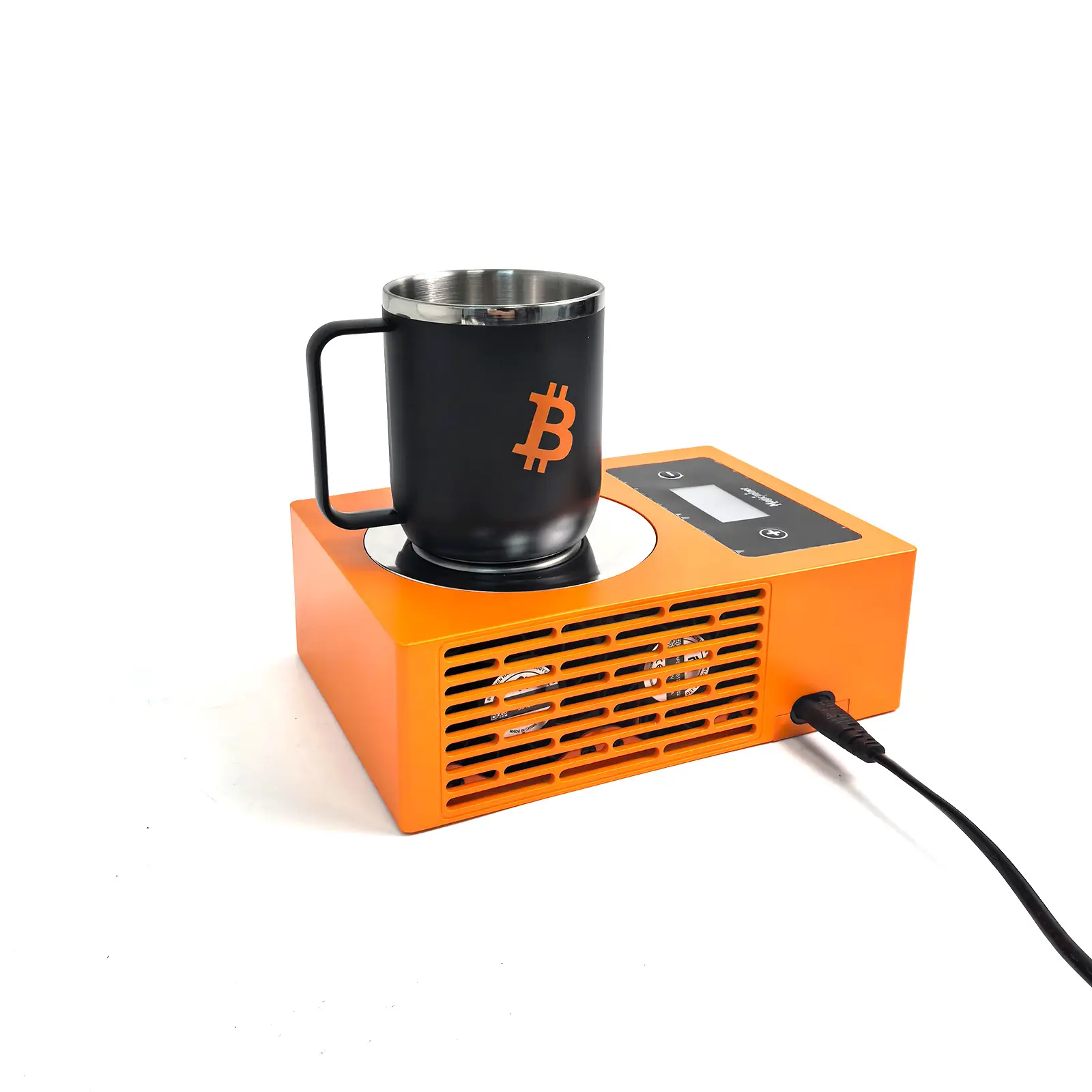 About 550 MH/s

Magicminer WM02 Pro
About 140 W / About 0.255 J/MH
Same-algorithm Alternatives 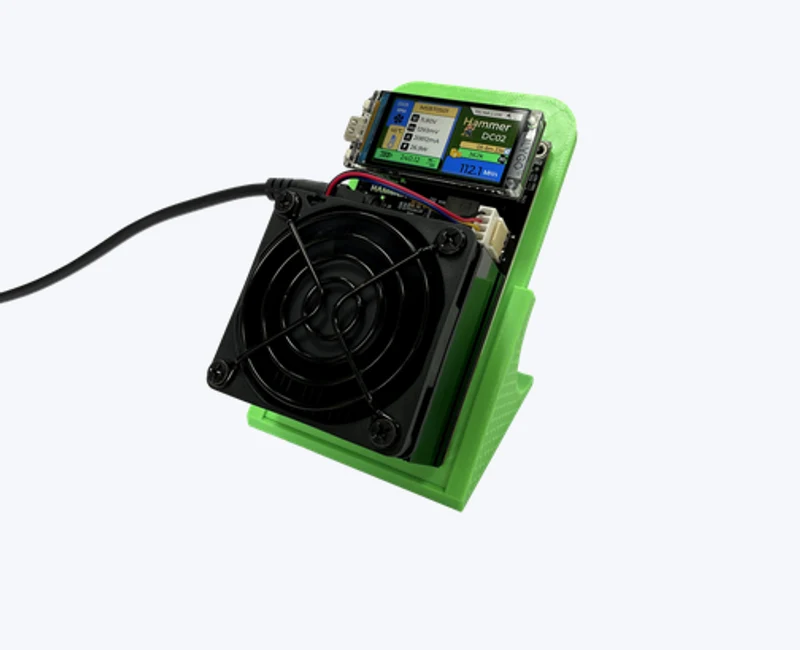 120 MH/s
Hammer Miner DC02
30 W (ASIC-only) / 0.25 J/MH (derived from ASIC-only draw)
Same-algorithm Alternatives 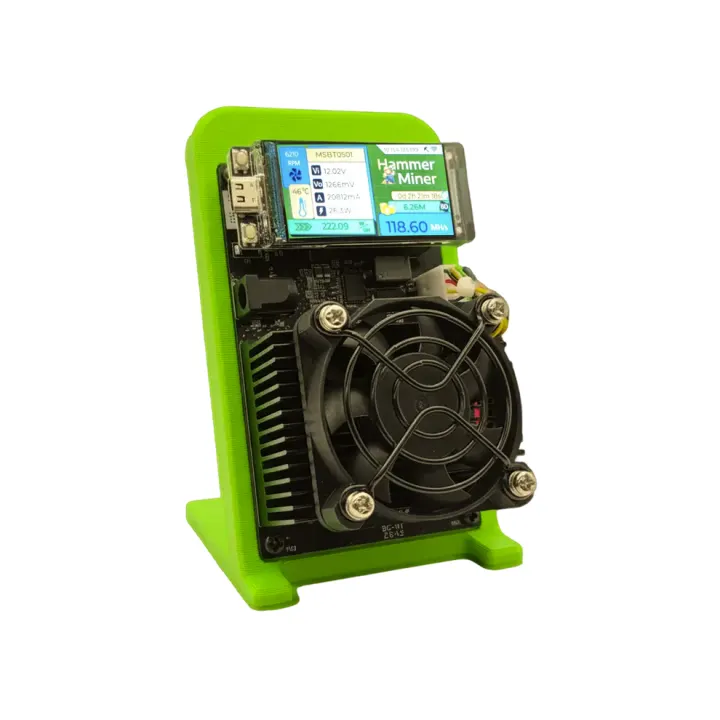 About 105 MH/s

PlebSource Hammer Miner Scrypt
About 25 W / About 0.24 J/MH (25 W/105 MH/s)
Same-algorithm Alternatives 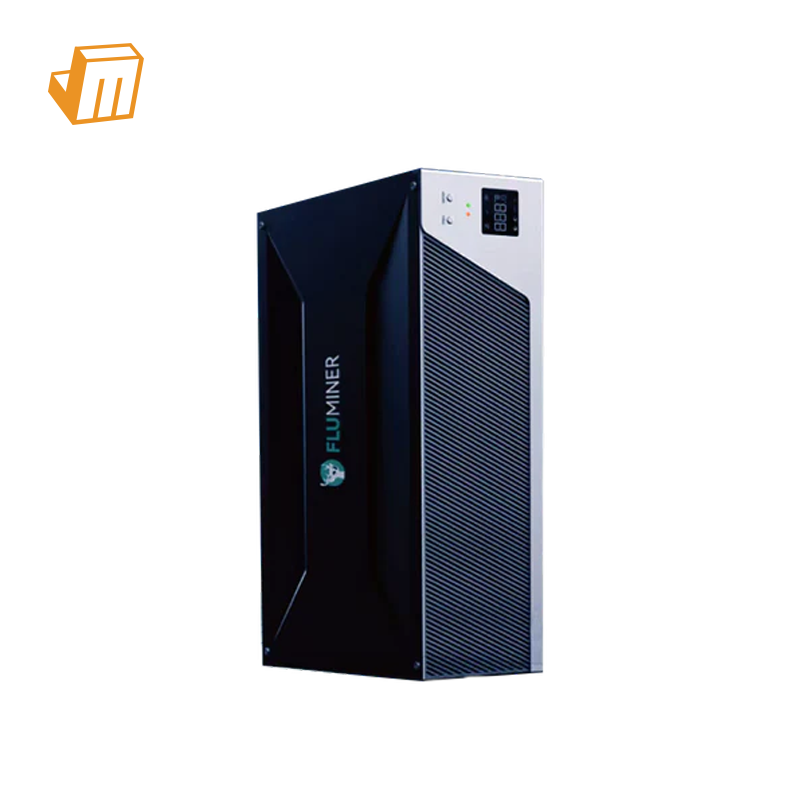 About 9.5 GH/s

FLUMINER L3
Approx. 1700 W / Approx. 179 J/GH
Same-algorithm Alternatives 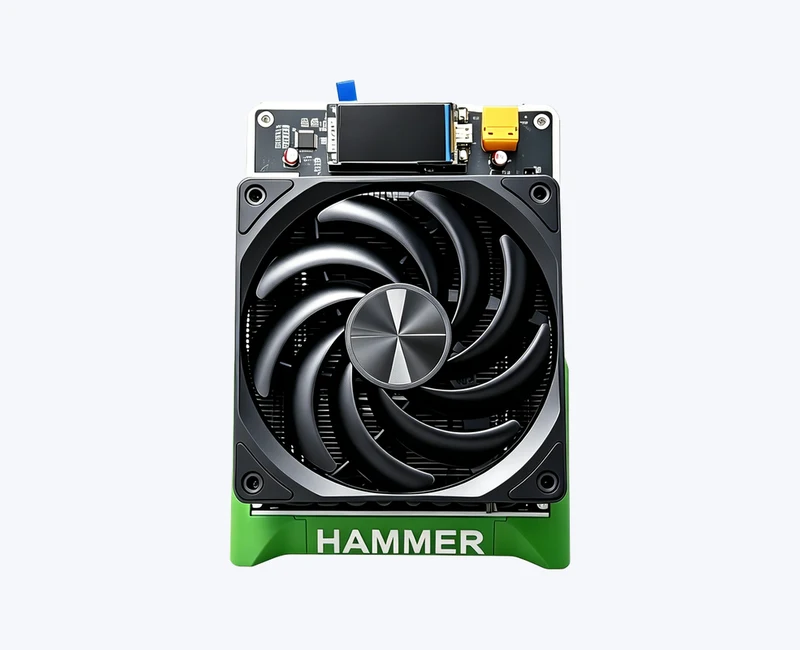 440 MH/s
Hammer Miner DC08
120 W (ASIC-only) / 0.273 J/MH (derived from ASIC-only draw)
Same-algorithm Alternatives 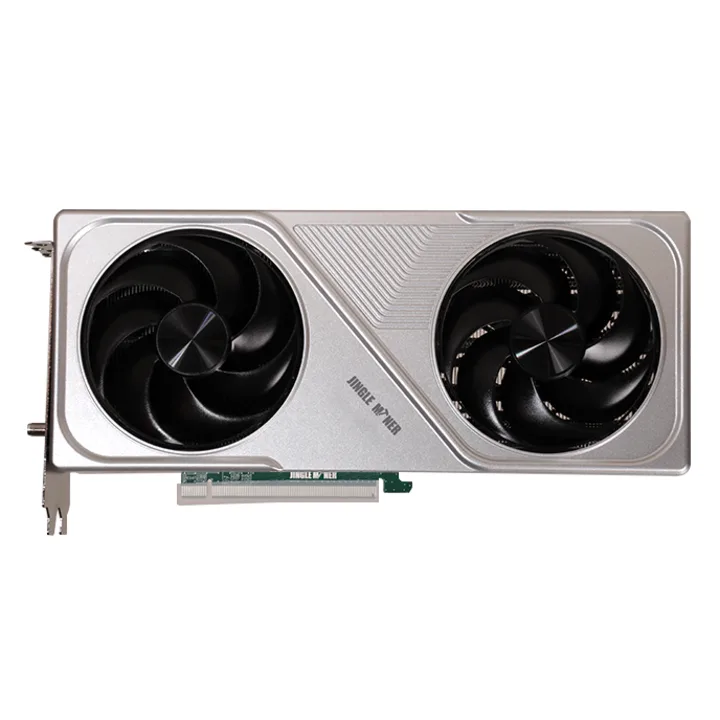 About 600M/s

Jingle Miner LTC-DOGE Hashcard
About 160 W / Please use the full hashrate version and wall power consumption to convert
Same-algorithm Alternatives 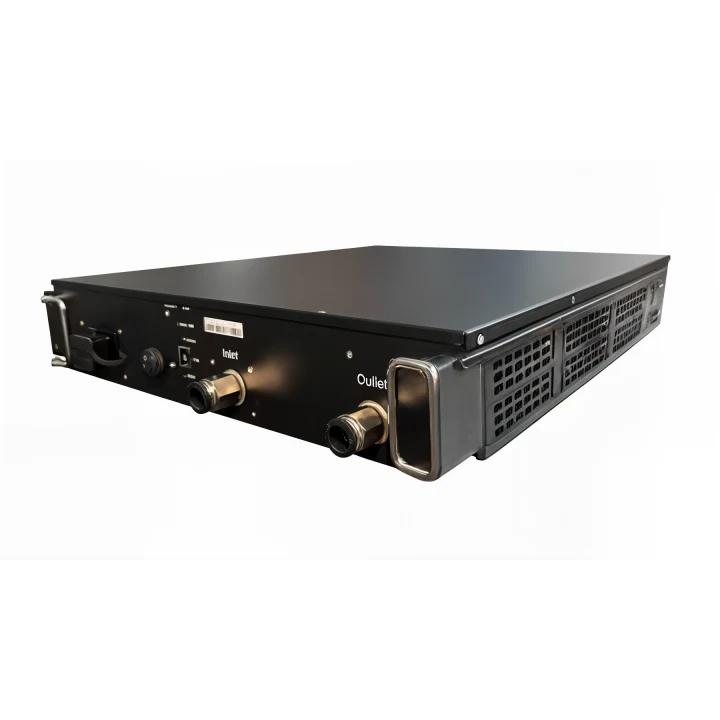 About 35G

Antminer L11 Hyd 2U
Approximately 5775 W / Please use the complete hashrate version and the wall power consumption to convert
Same-algorithm Alternatives 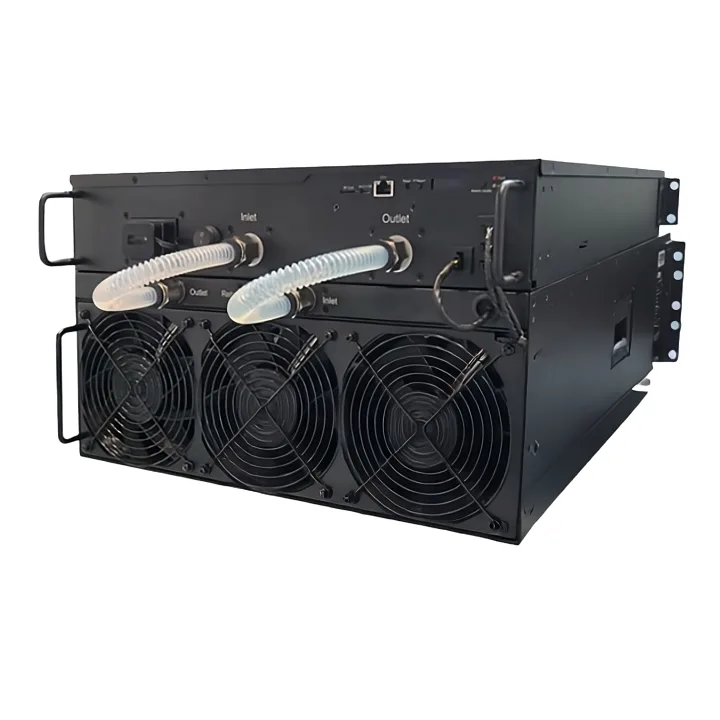 About 33G
Antminer L11 Hyd 6U
Approximately 5676 W / Please use the full hashrate version and the wall power consumption to convert
Same-algorithm Alternatives 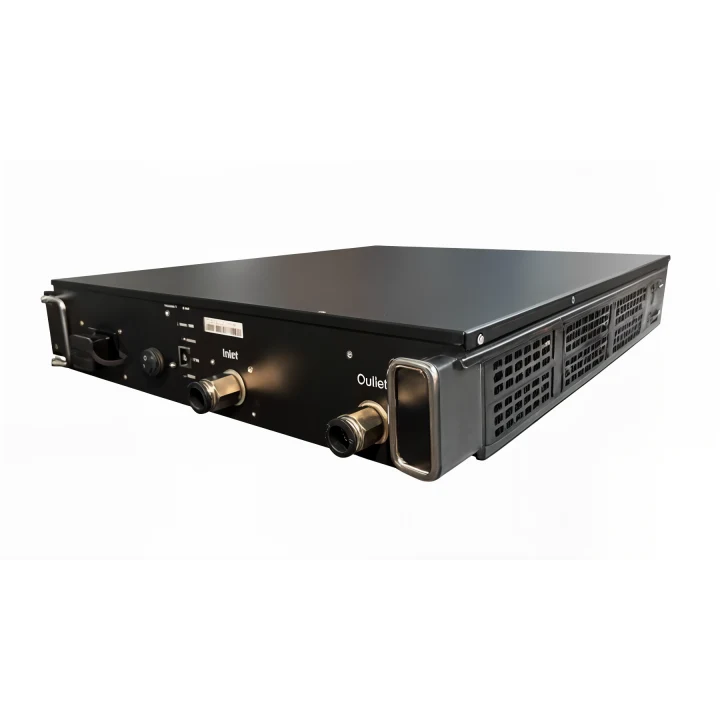 About 27G
Antminer L9 Hyd 2U
Approximately 5670 W / Please use the complete hashrate version and the wall power consumption to convert
Same-algorithm Alternatives 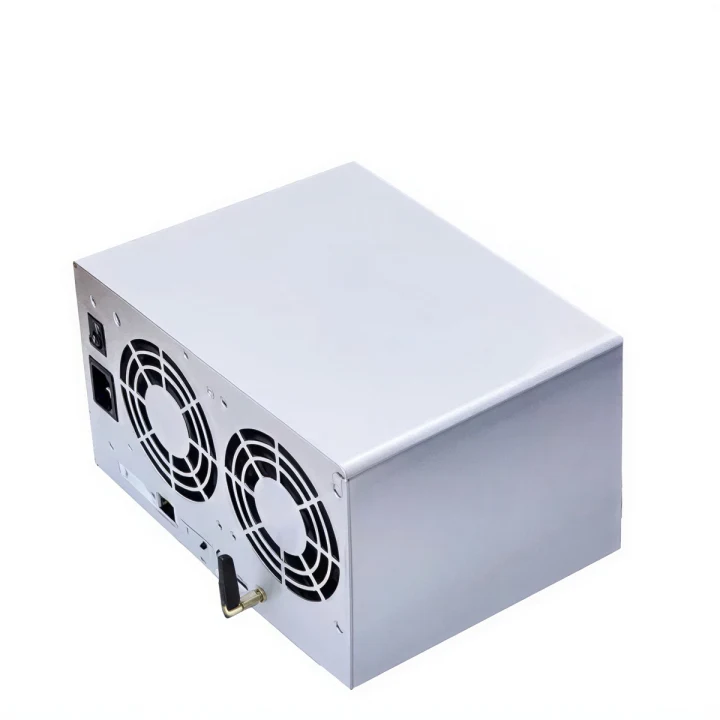 About 2.4G

ElphaPex DG2 Mini
Approximately 530 W / Please use the complete hashrate version and wall power consumption to convert
Same-algorithm Alternatives 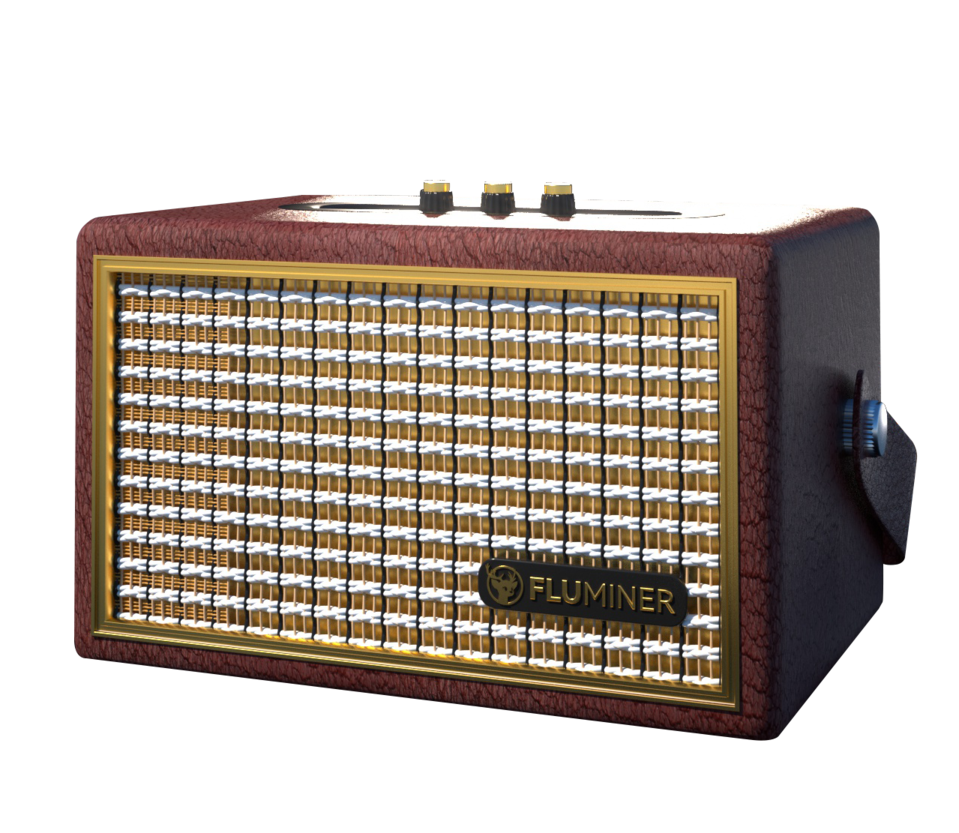 About 1.2 GH/s
FLUMINER L2
About 280 W / About 0.23 J/MH (233 J/GH)
Same-algorithm Alternatives 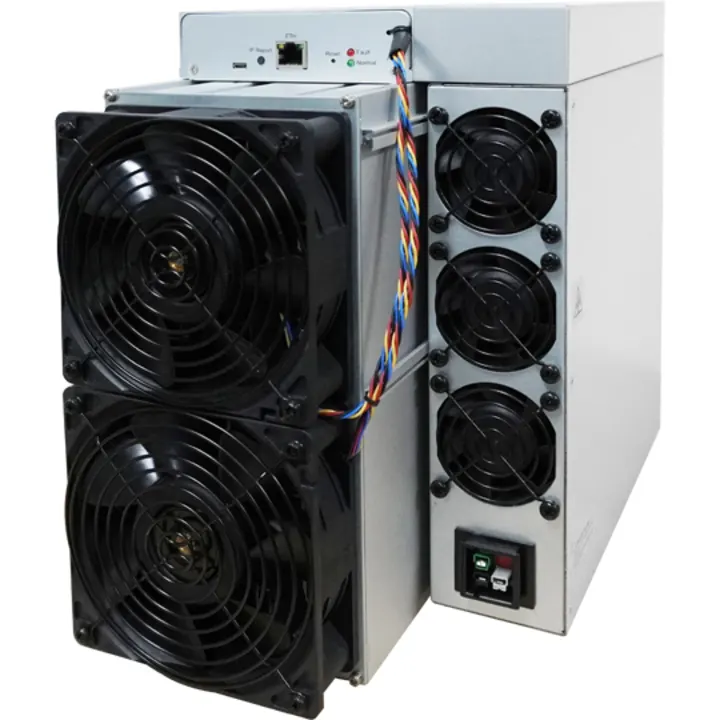 About 20G
Antminer L11
Approximately 3680 W / Please use the complete hashrate version and wall power consumption to convert
Same-algorithm Alternatives 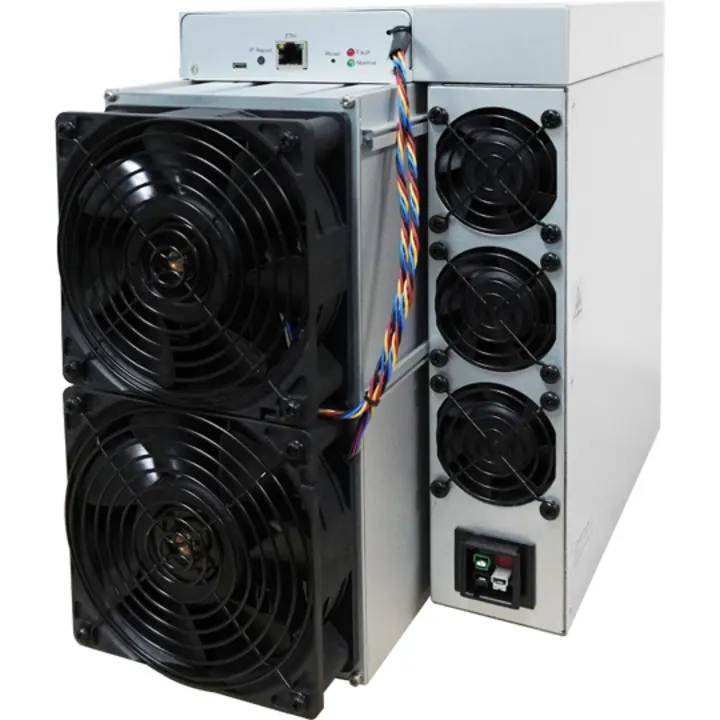 About 21G
Antminer L11 Pro
Approximately 3612 W / Please use the complete hashrate version and wall power consumption to convert
Same-algorithm Alternatives 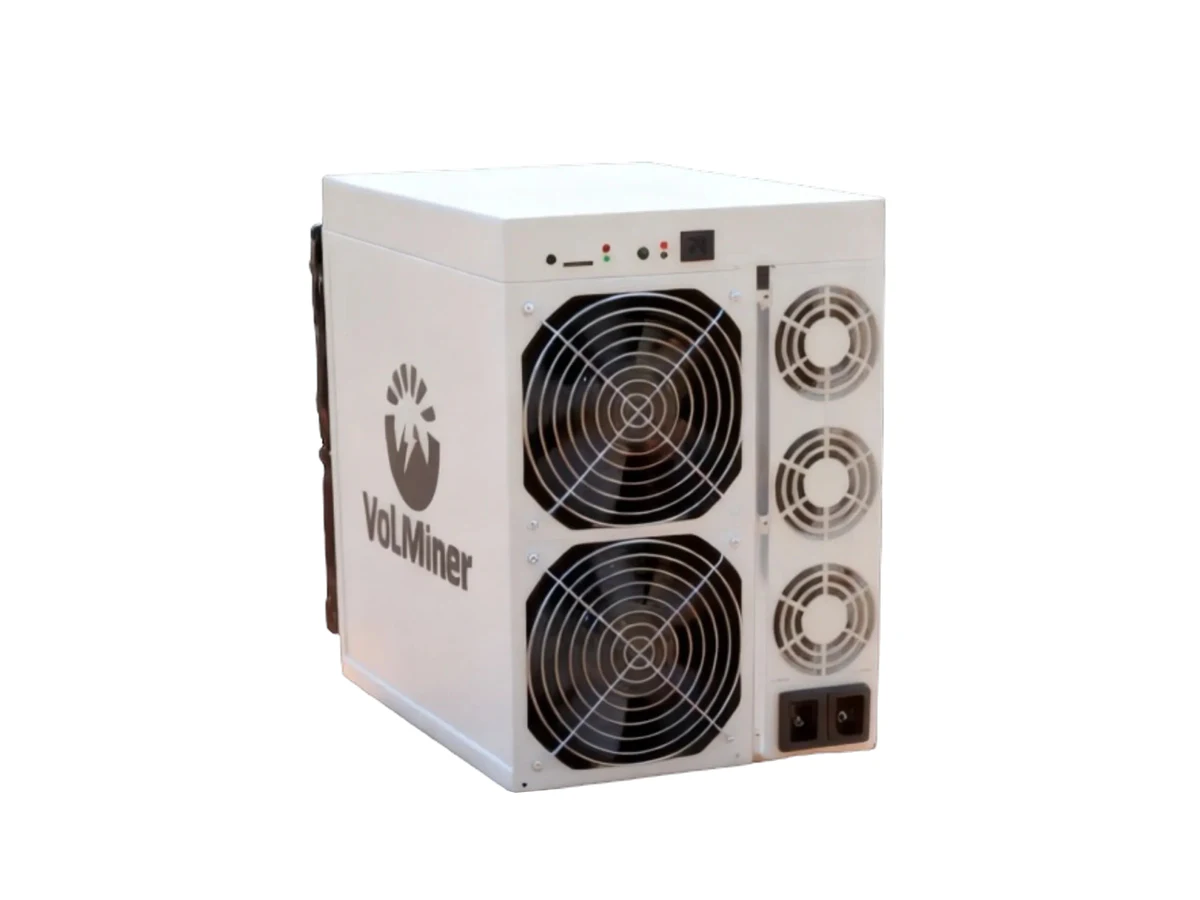 About 20 GH/s

VolcMiner D3
Approx. 3580 W / Approx. 179 J/GH
Same-algorithm Alternatives 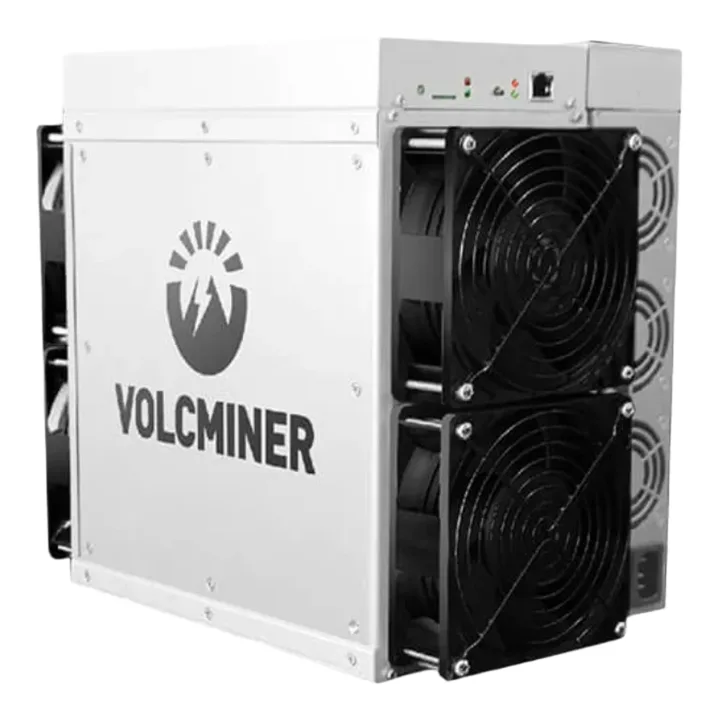 About 20G
VolcMiner D1 Pro
Approximately 3700 W / Please use the complete hashrate version and wall power consumption to convert
Same-algorithm Alternatives 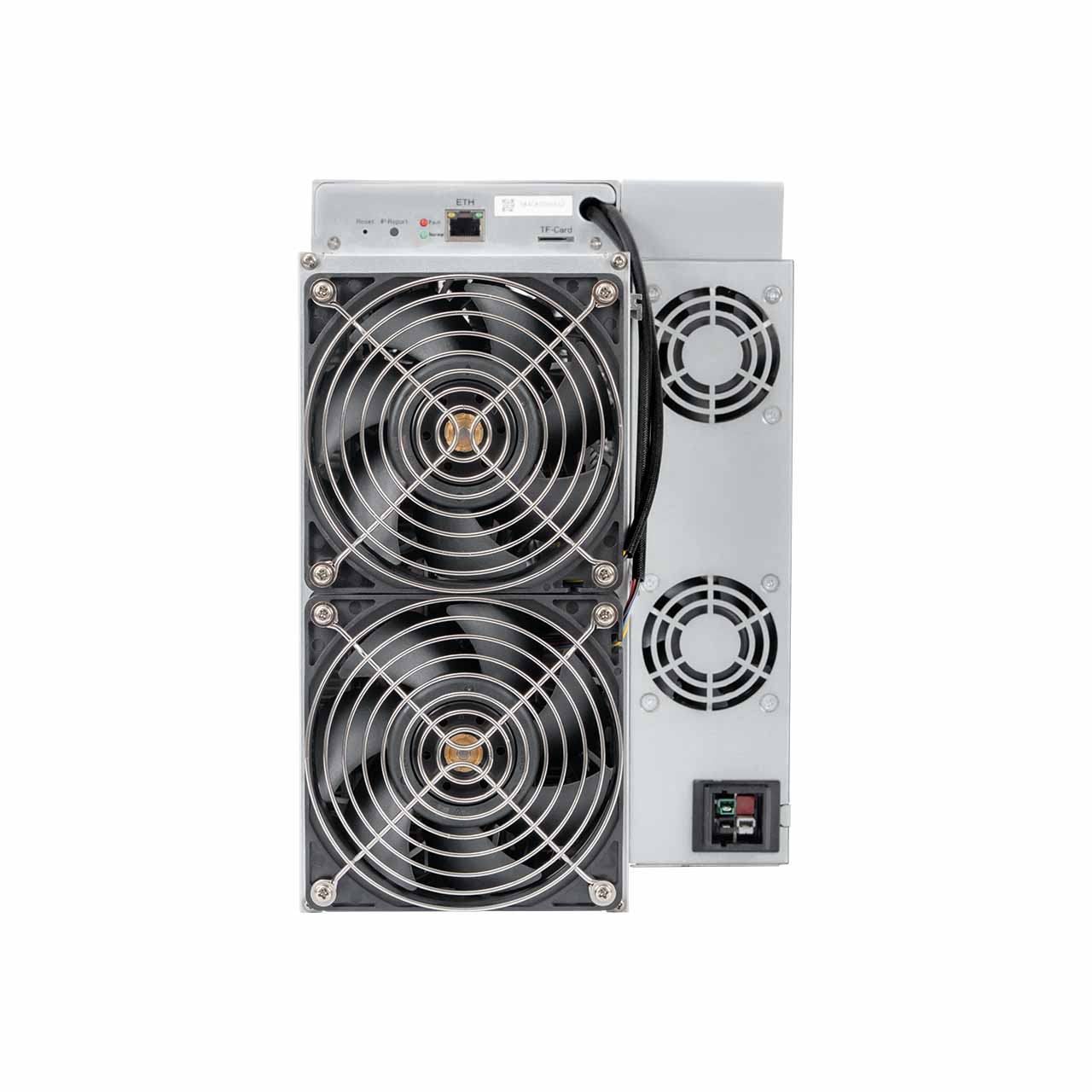 About 18 GH/s
ElphaPex DG2
Approx. 3960 W / Approx. 220 J/GH
Same-algorithm Alternatives 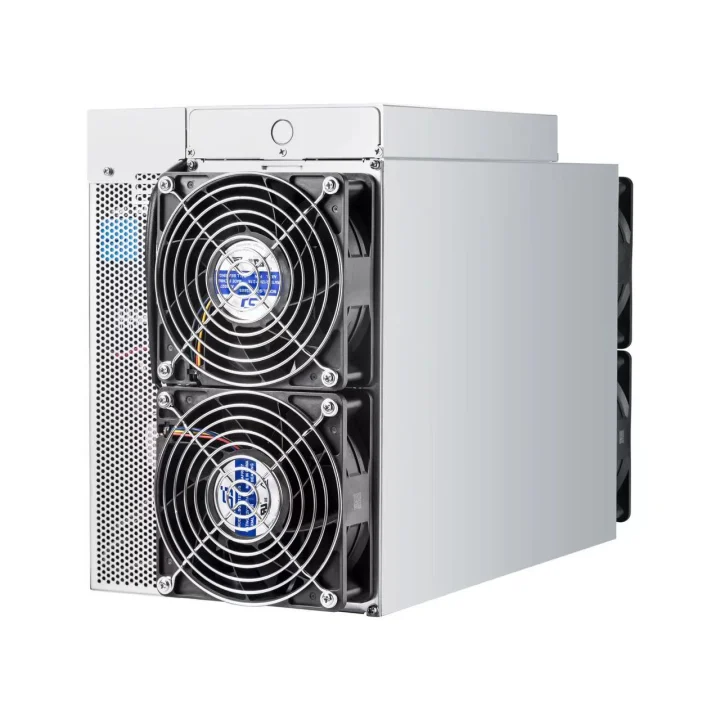 About 11G
ElphaPex DG1 Lite
Approximately 3410 W / Please use the complete hashrate version and wall power consumption to convert
Same-algorithm Alternatives 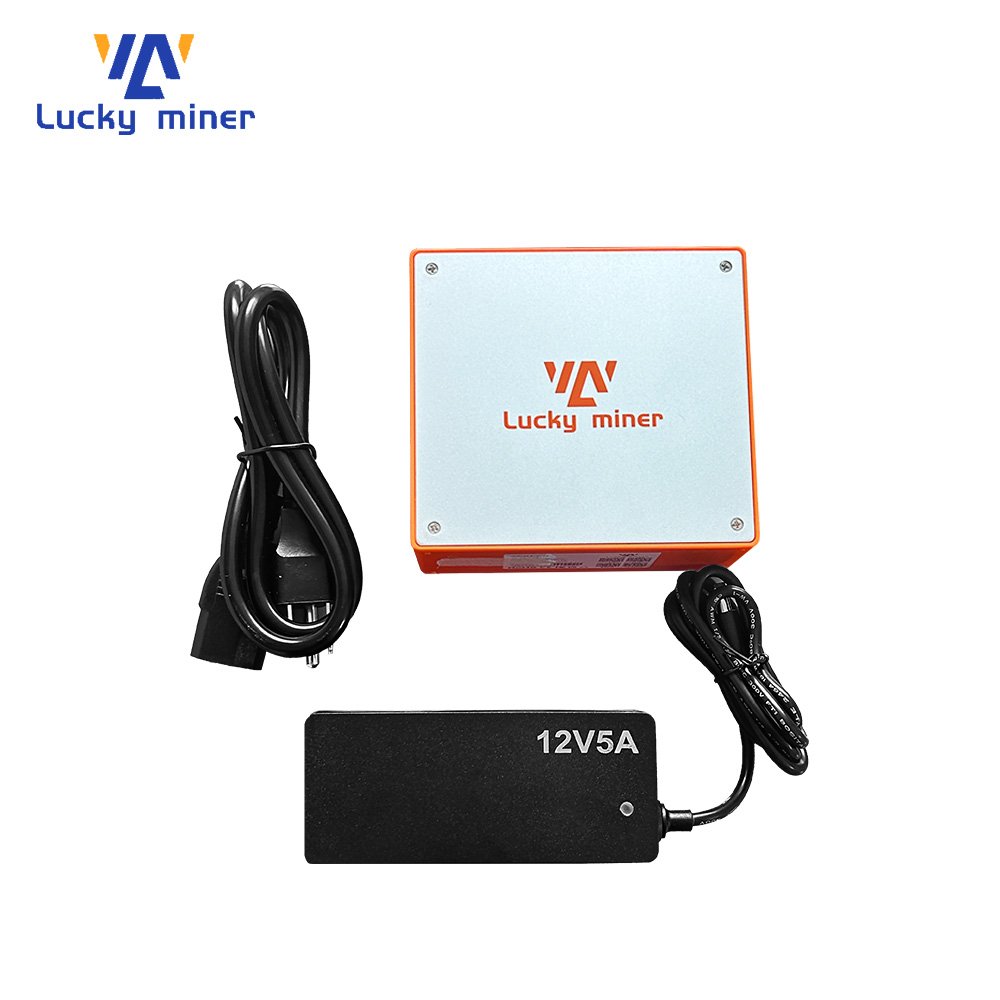 11 MH/s ±10%
Lucky Miner LG07
12–27 W (official page caliber varies) / about 1.1–2.5 J/MH
Same-algorithm Alternatives 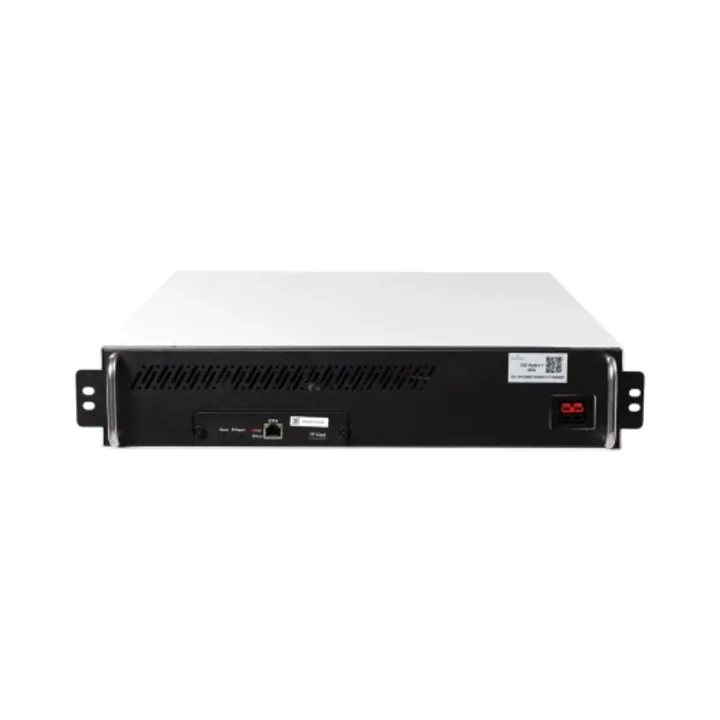 About 10G
ElphaPex DG1S
Approximately 3100 W / Please use the complete hashrate version and wall power consumption to convert
Same-algorithm Alternatives 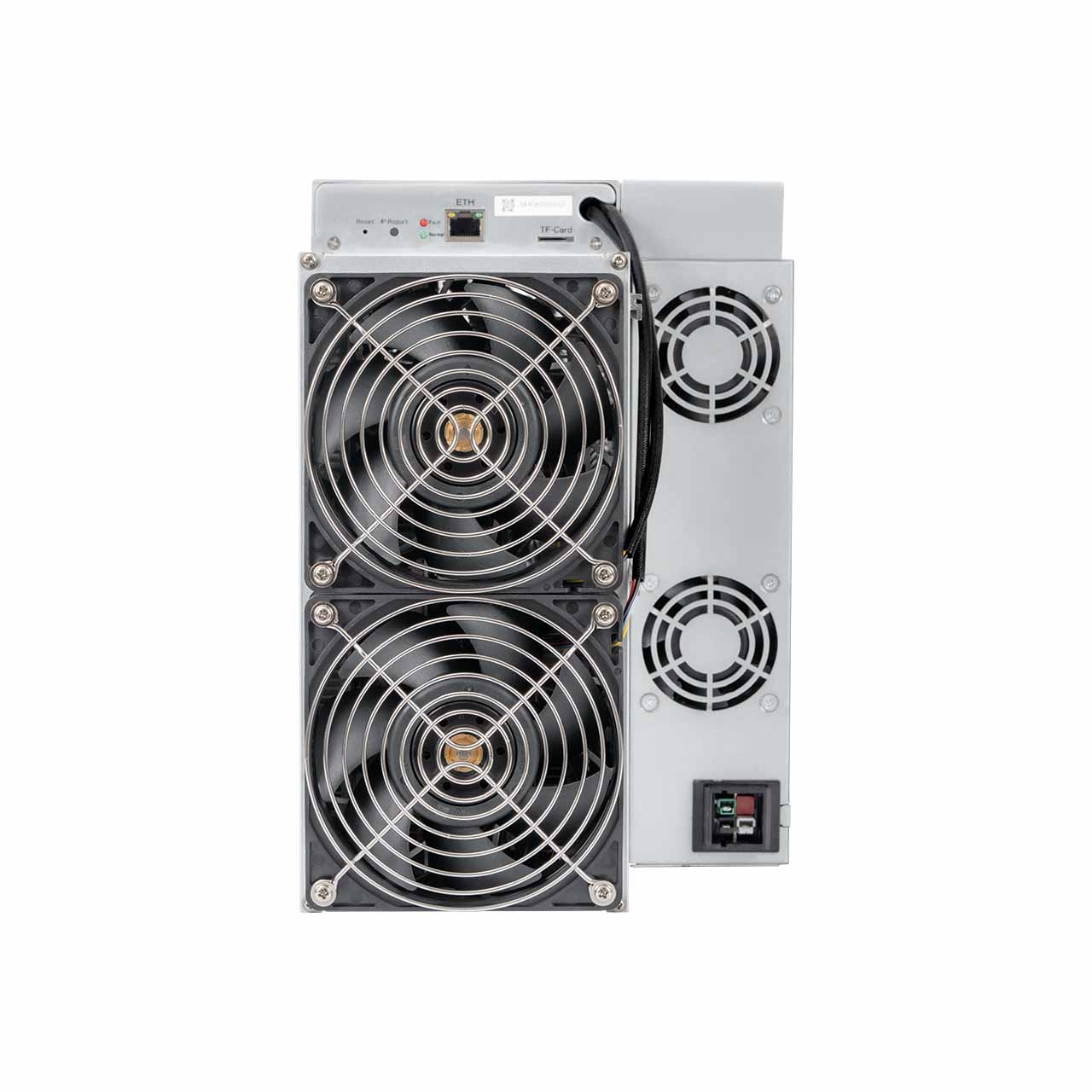 About 20.5 GH/s
ElphaPex DG2+
Approx. 3900 W / Approx. 190 J/GH
Same-algorithm Alternatives 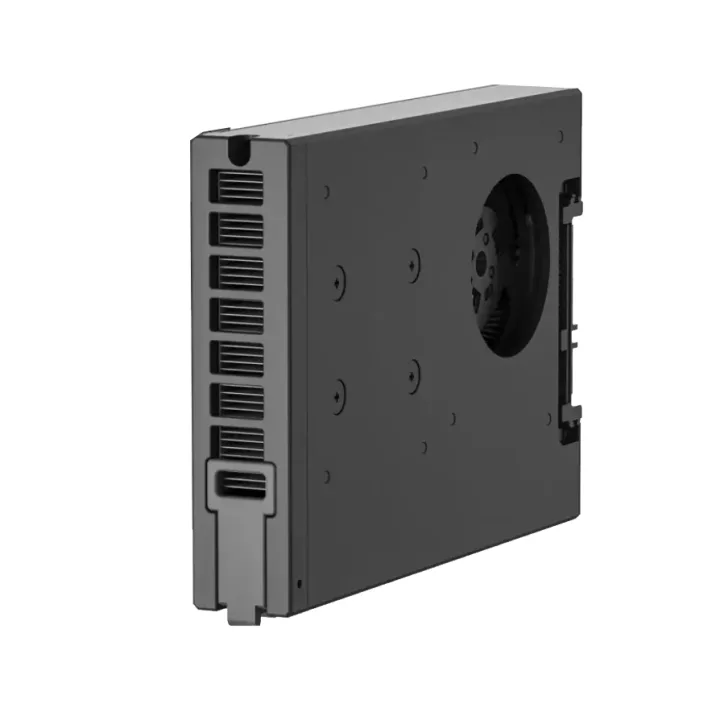 About 80M/s

Goldshell DG Card
About 65 W / Please use the complete hashrate version and wall power consumption to convert
Same-algorithm Alternatives 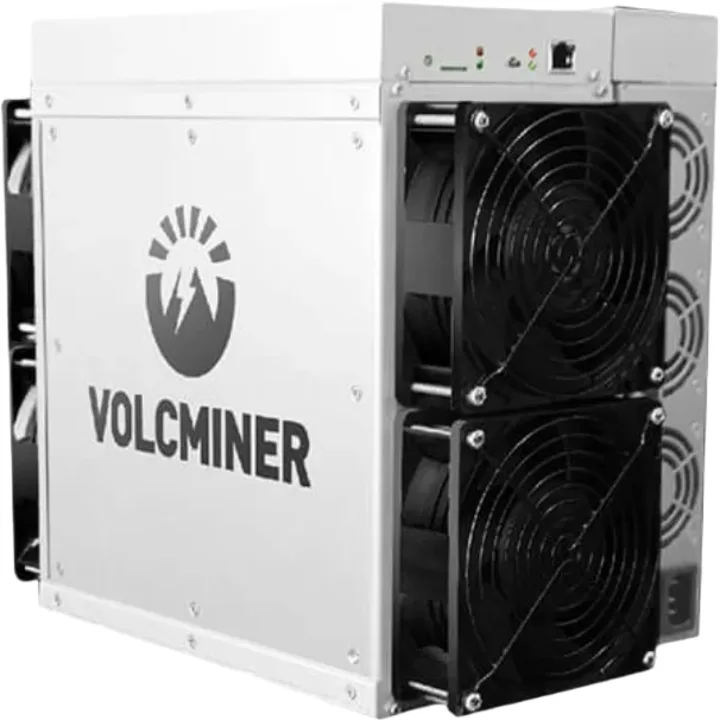 About 14G
VolcMiner D1 Lite
Approximately 4150 W / Please use the complete hashrate version and wall power consumption to convert
Same-algorithm Alternatives 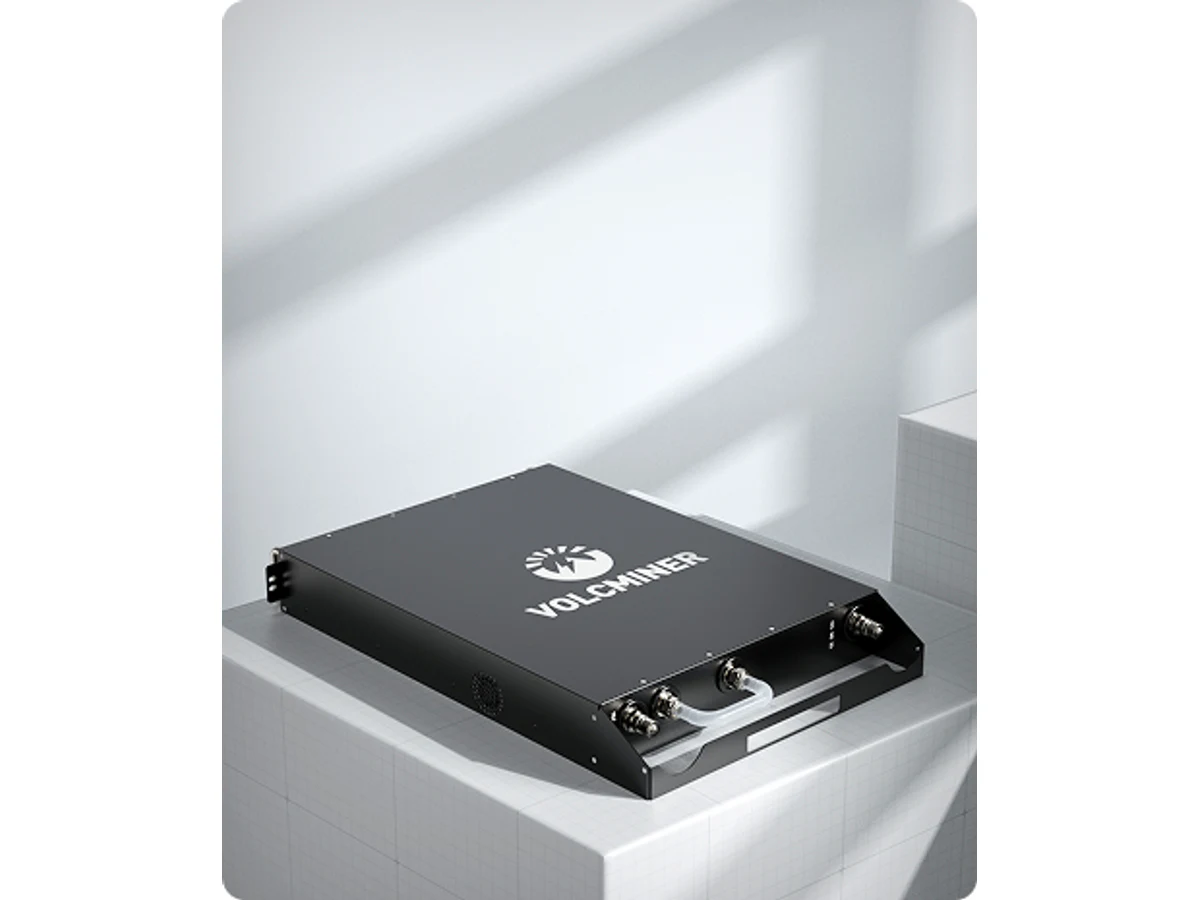 About 32 GH/s
VolcMiner D1 Hydro
Approx. 7950 W / Approx. 250 J/GH
Same-algorithm Alternatives 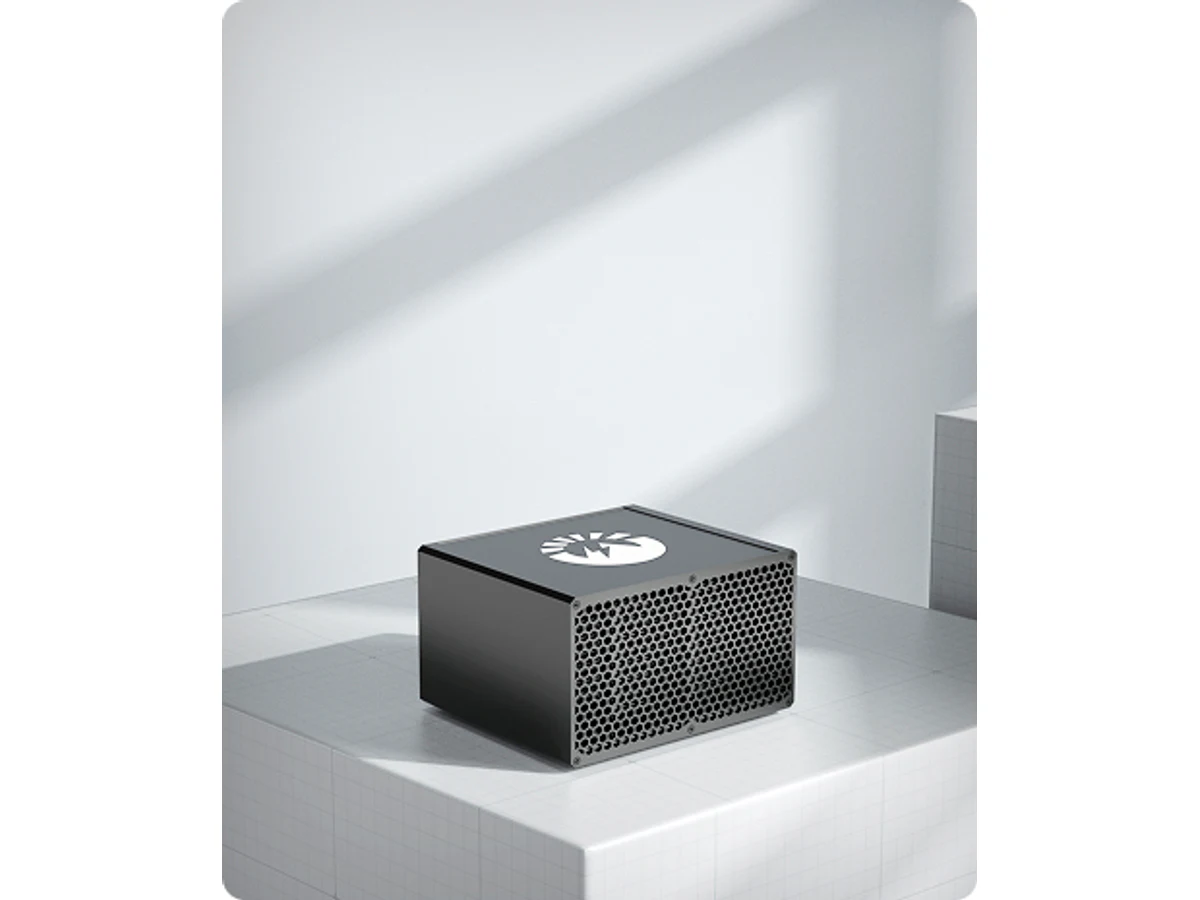 About 2.2 GH/s
D1 Mini Pre
About 500 W / About 227-229 J/GH
Same-algorithm Alternatives 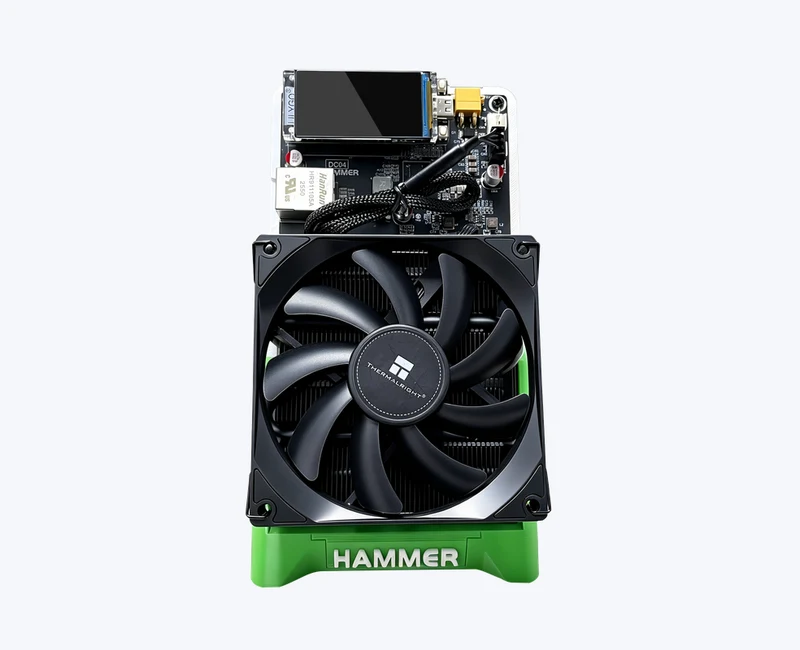 330 MH/s
Hammer Miner DC06
90 W (ASIC-only) / 0.273 J/MH (derived from ASIC-only draw)
Same-algorithm Alternatives 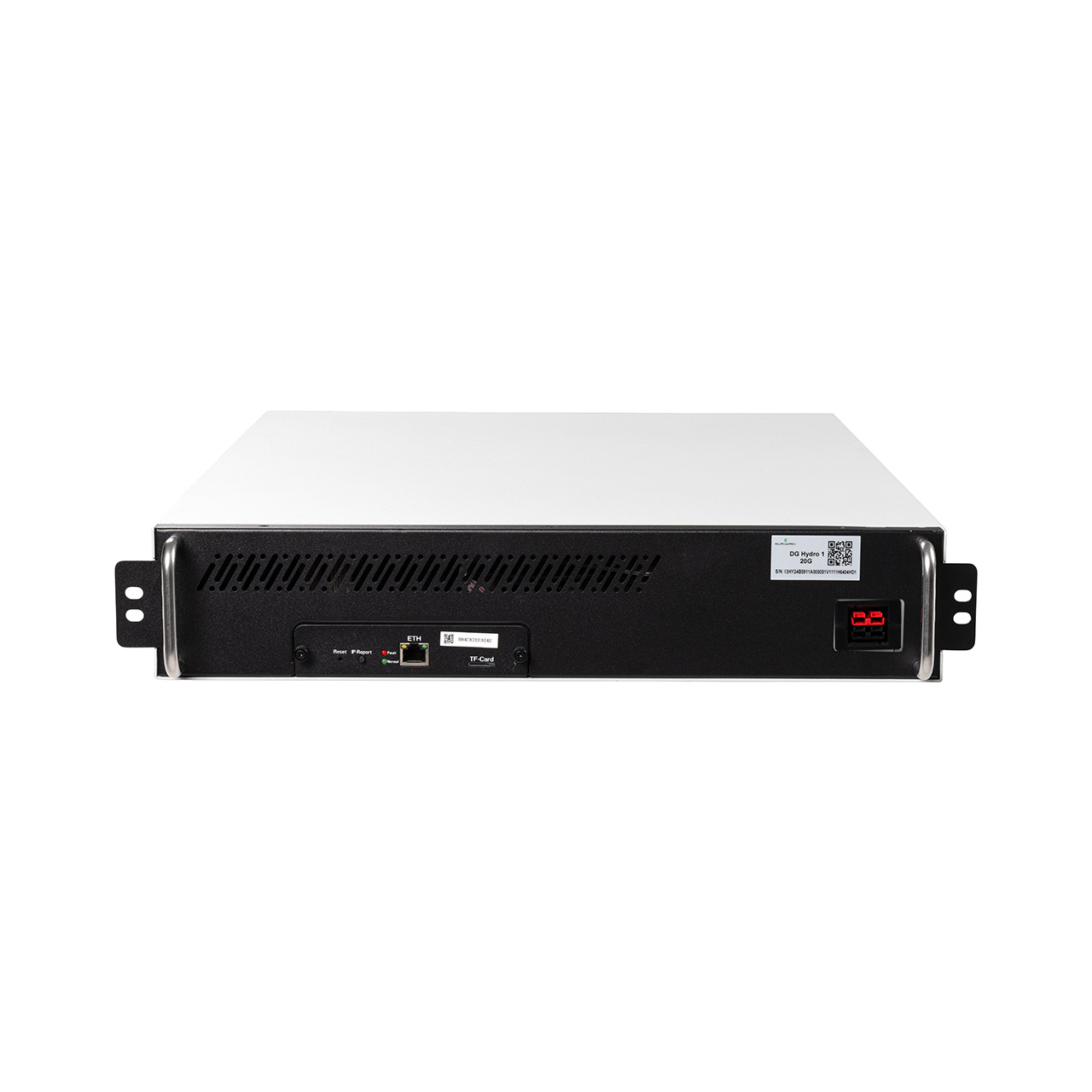 About 20 GH/s
ElphaPex DG Hydro 1
Approx. 6200 W / Approx. 310 J/GH
Same-algorithm Alternatives 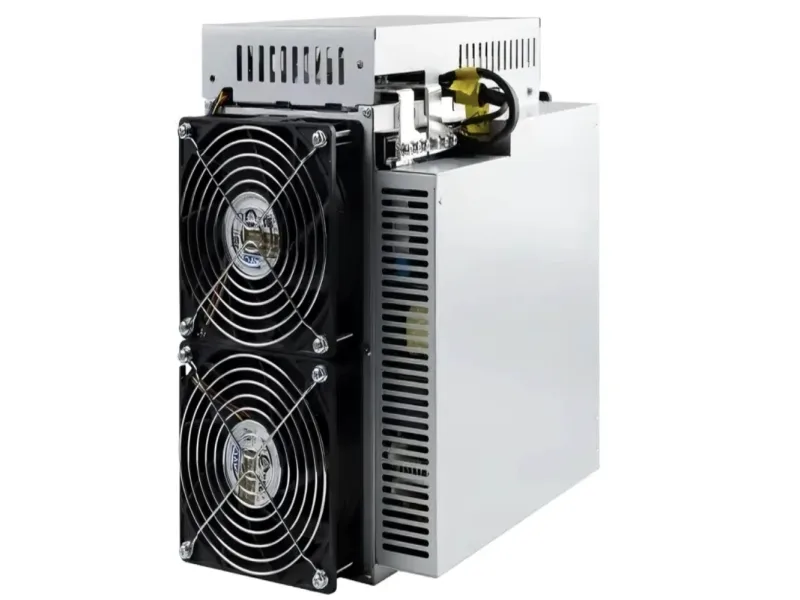 About 3.2 GH/s

iBeLink BM-L3
About 3000 W / About 938 J/GH
Same-algorithm Alternatives 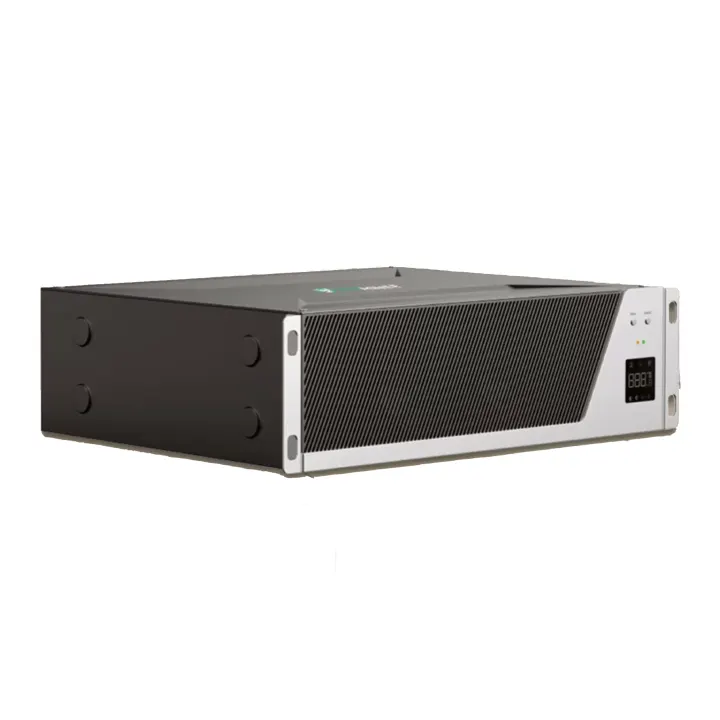 About 5.3G
Fluminer L1
About 1200 W / Please use the complete hashrate version and wall power consumption to convert
Same-algorithm Alternatives 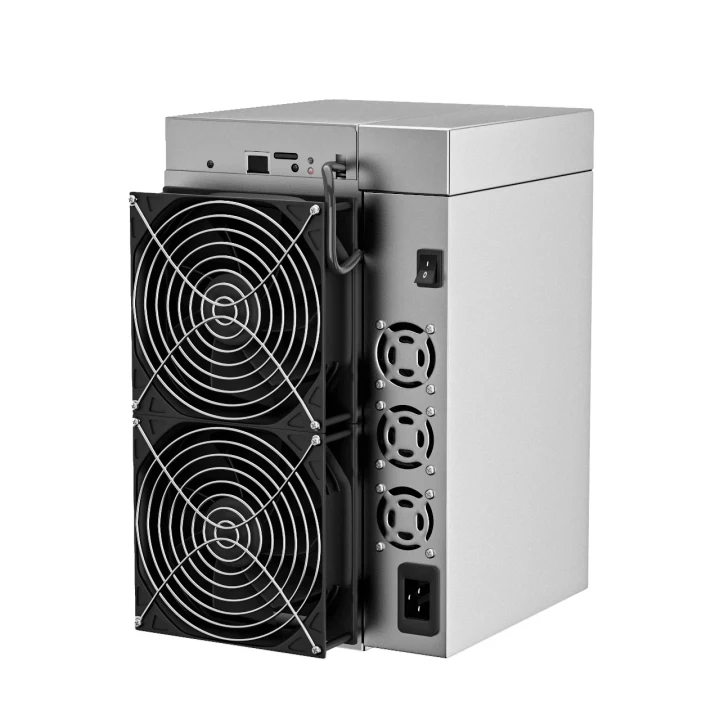 About 6.5G
Goldshell DG Max
About 3400 W / Please use the full hashrate version and wall power consumption to convert
Same-algorithm Alternatives 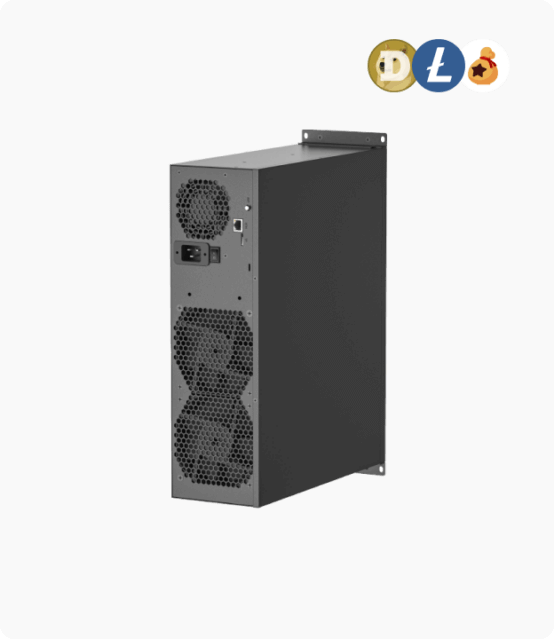 About 3.4 GH/s
Goldshell E-DG1M
About 1800 W / About 0.53 J/MH
Same-algorithm Alternatives 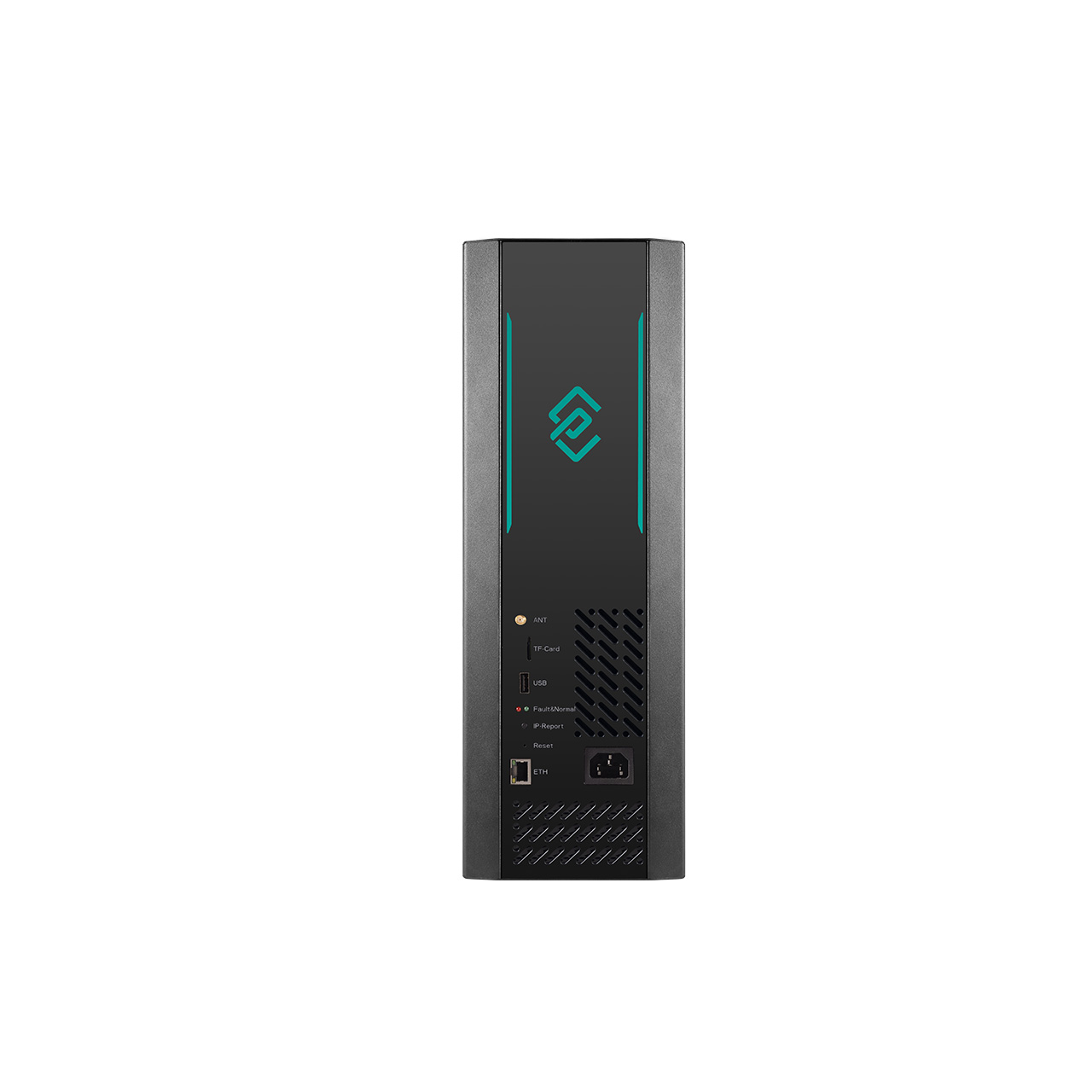 About 2.1 GH/s
ElphaPex DG Home 1
Approx. 630 W / Approx. 300 J/GH
Same-algorithm Alternatives 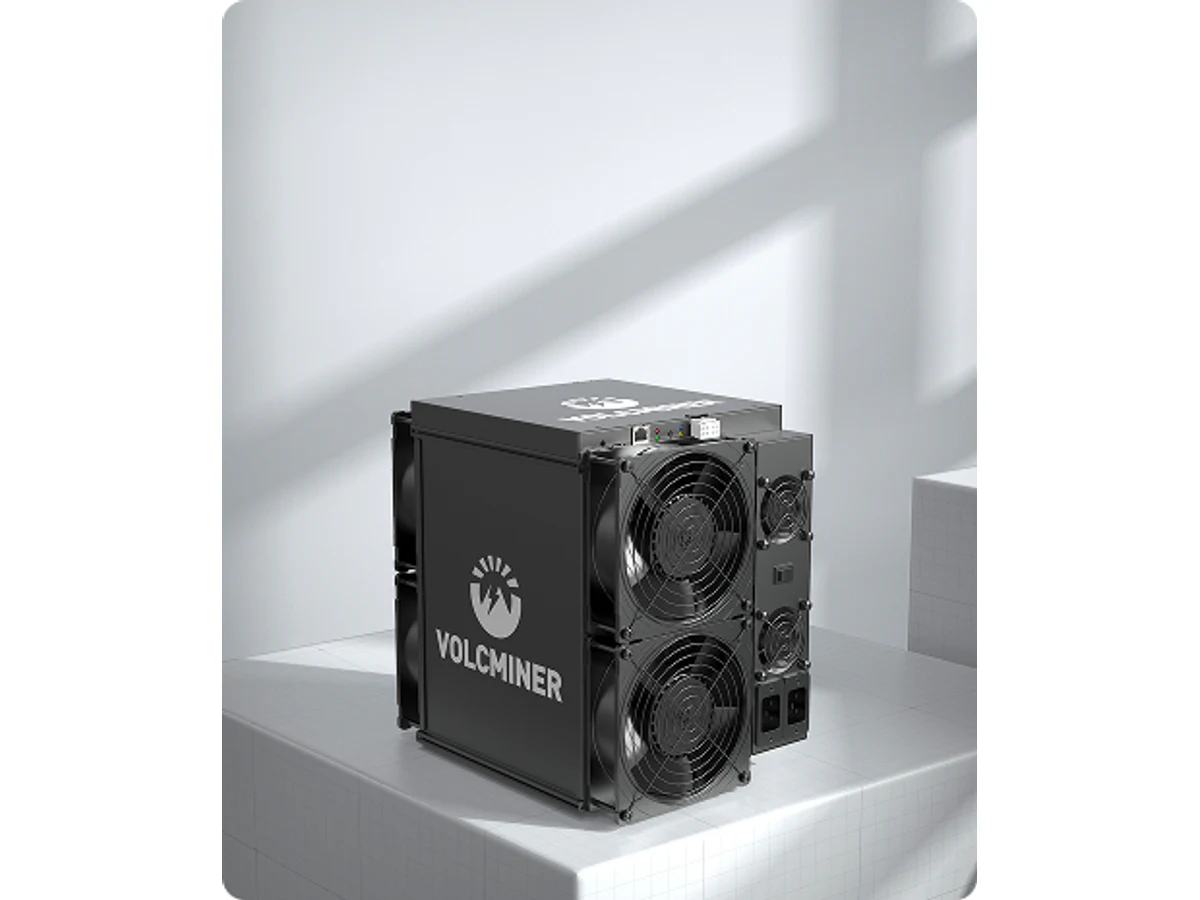 About 16 GH/s
VolcMiner D1
Approx. 3725 W / Approx. 229 J/GH
Same-algorithm Alternatives 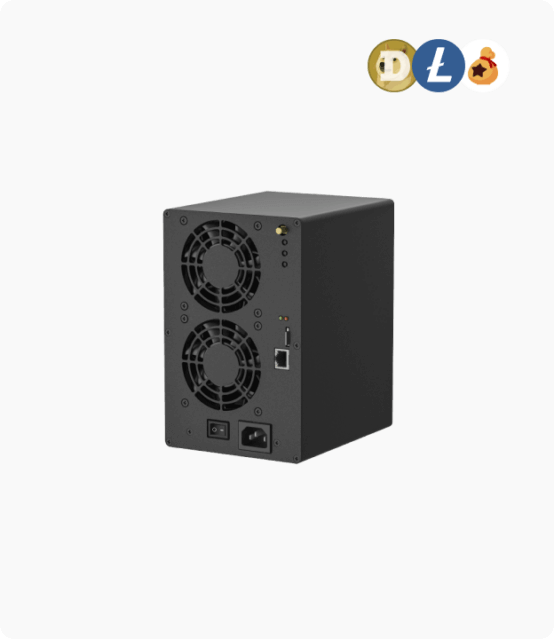 About 810 MH/s
Goldshell MINI DOGE III PLUS
About 500 W / About 0.62 J/MH
Same-algorithm Alternatives 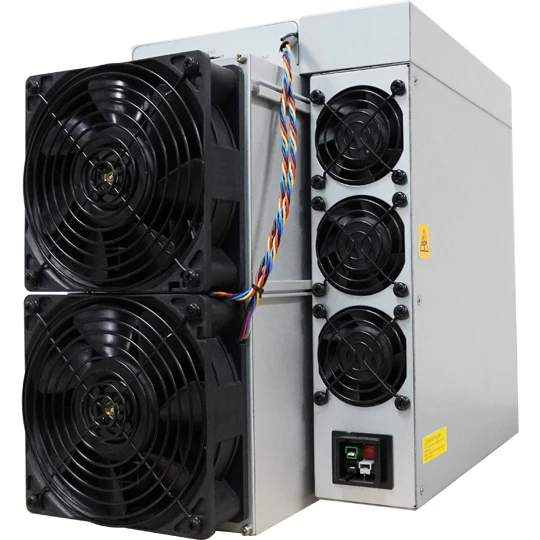 About 16 GH/s
Antminer L9
Approx. 3360 W / Approx. 210 J/GH
Same-algorithm Alternatives 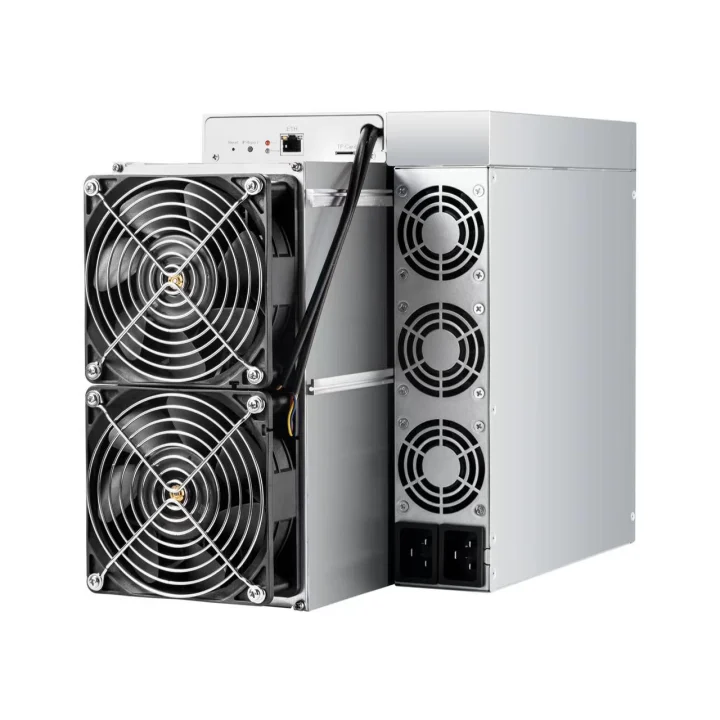 About 14 GH/s
ElphaPex DG1+
Approx. 3920 W / Approx. 280 J/GH
Same-algorithm Alternatives 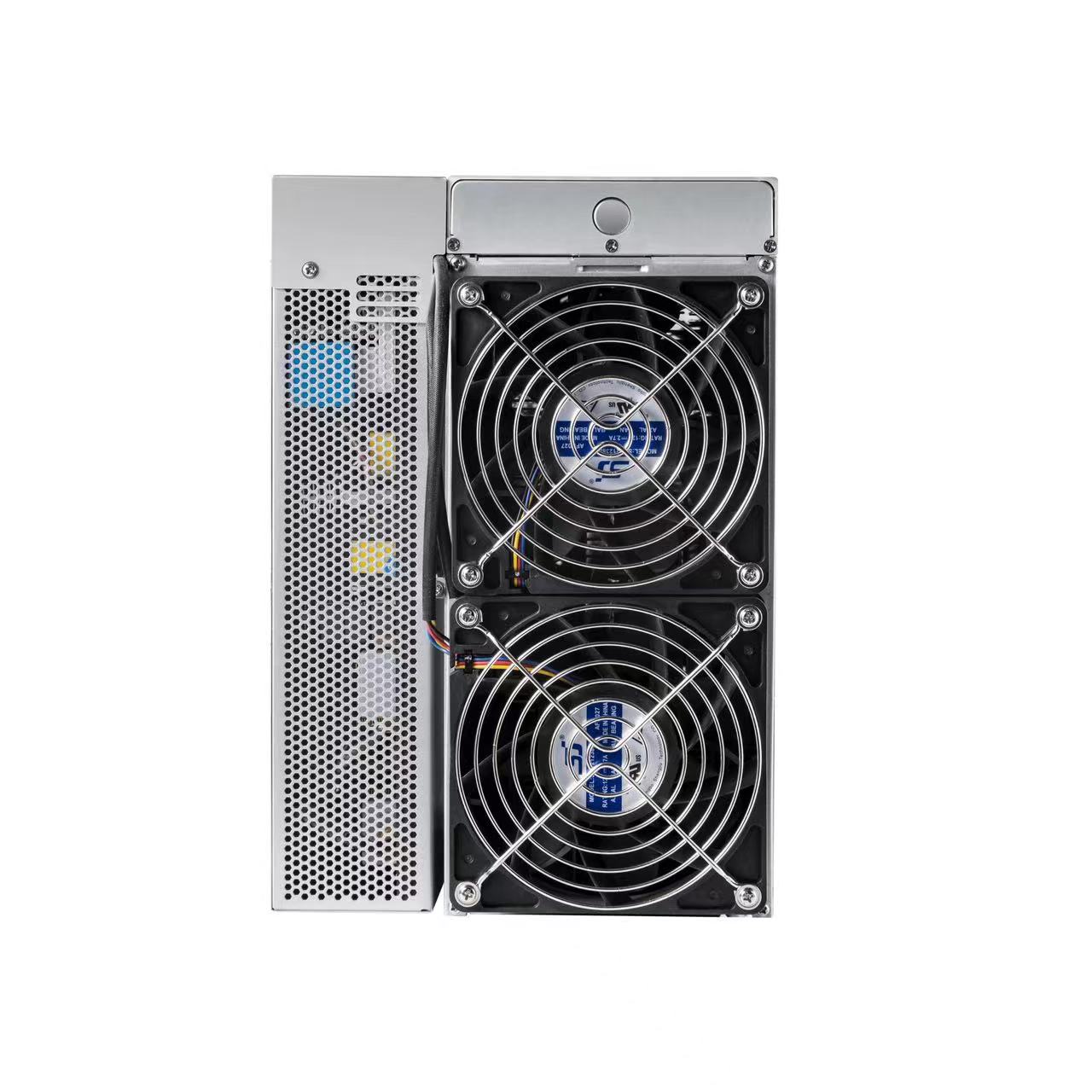 About 11 GH/s
ElphaPex DG1
Approx. 3410 W / Approx. 310 J/GH
Same-algorithm Alternatives 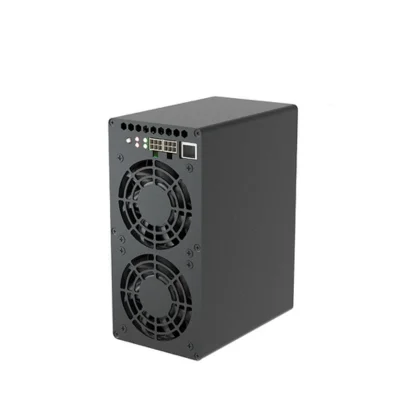 About 700 MH/s
Goldshell MINI DOGE III
About 400 W / About 0.57 J/MH
Same-algorithm Alternatives 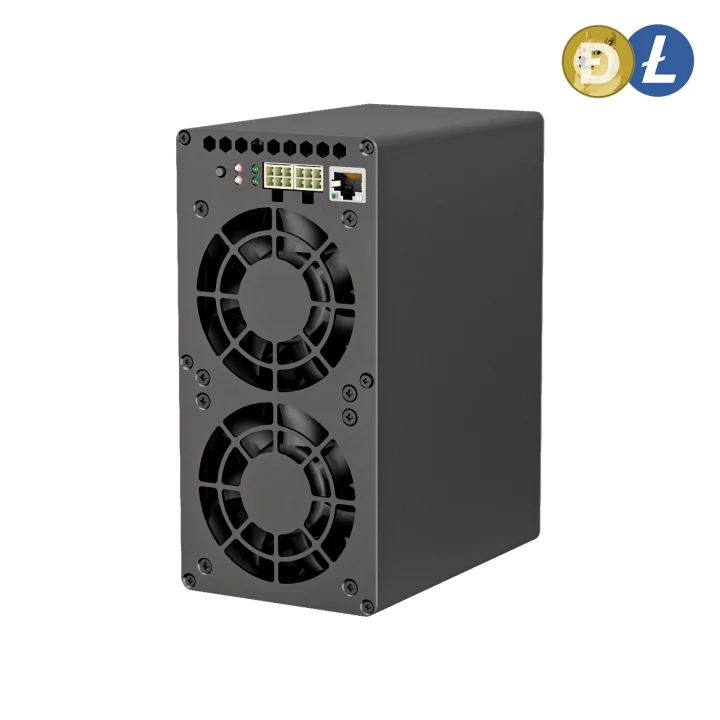 About 420MH/s
Goldshell Mini-DOGE II
About 400 W / Please use the full hashrate version and the wall power consumption to convert
Same-algorithm Alternatives 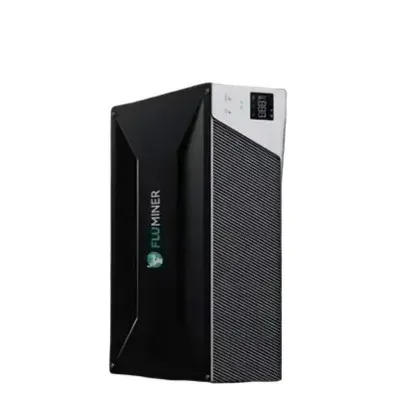 About 6 GH/s
L1 Pro
Approx. 1400 W / Approx. 233 J/GH
Same-algorithm Alternatives 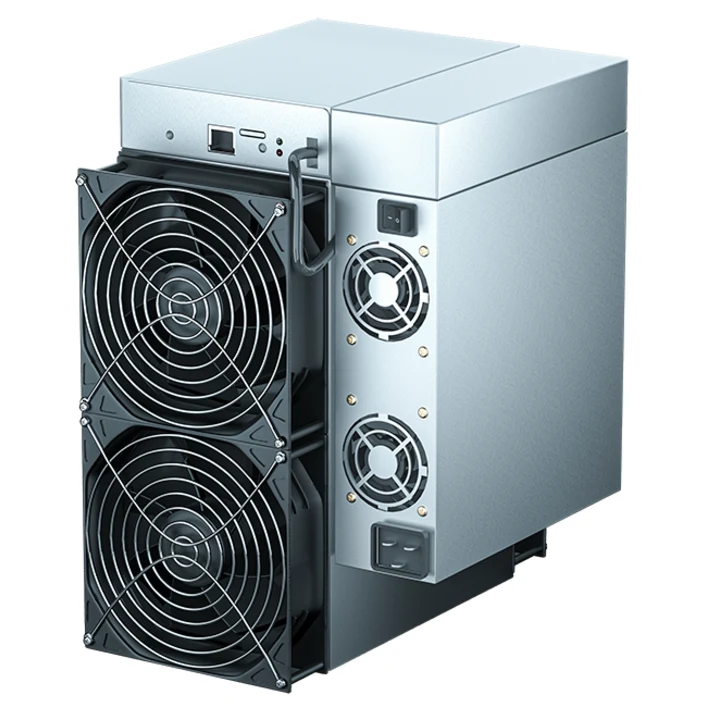 About 1.62GH/s
Goldshell LT Lite
Approximately 1450 W / Please use the complete hashrate version and wall power consumption to convert
Same-algorithm Alternatives 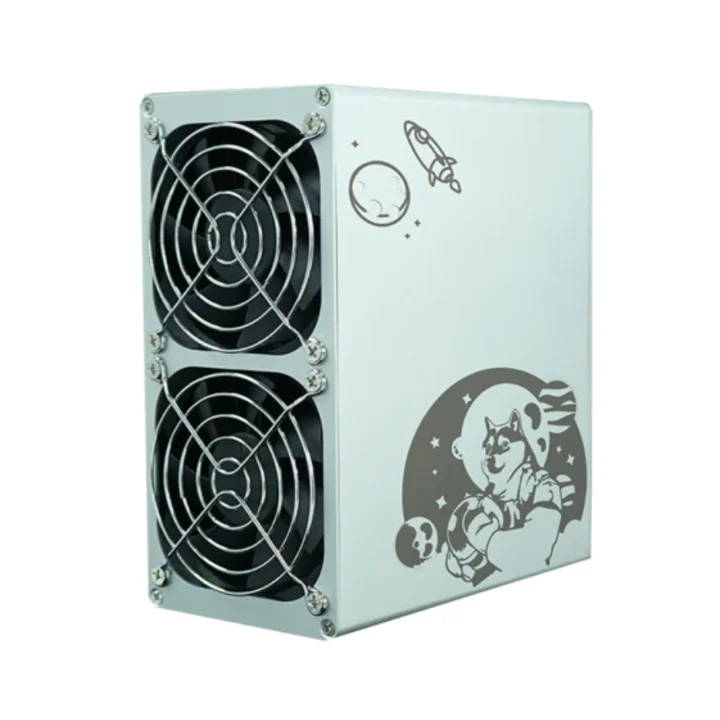 About 205MH/s
Goldshell Mini-DOGE Pro
About 220 W / Please use the full hashrate version and wall power consumption to convert
Same-algorithm Alternatives 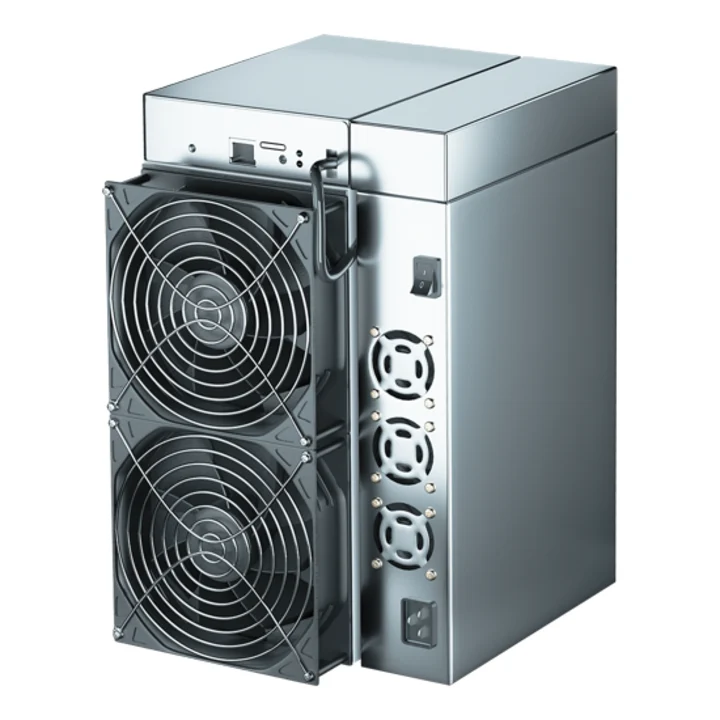 About 3.35GH/s
Goldshell LT6
Approximately 3200 W / Please use the complete hashrate version and wall power consumption to convert
Same-algorithm Alternatives 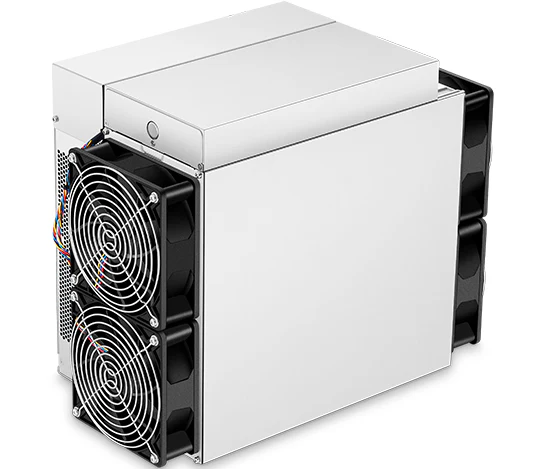 About 9.5 GH/s
Antminer L7
Approx. 3425 W / Approx. 361 J/GH
Same-algorithm Alternatives 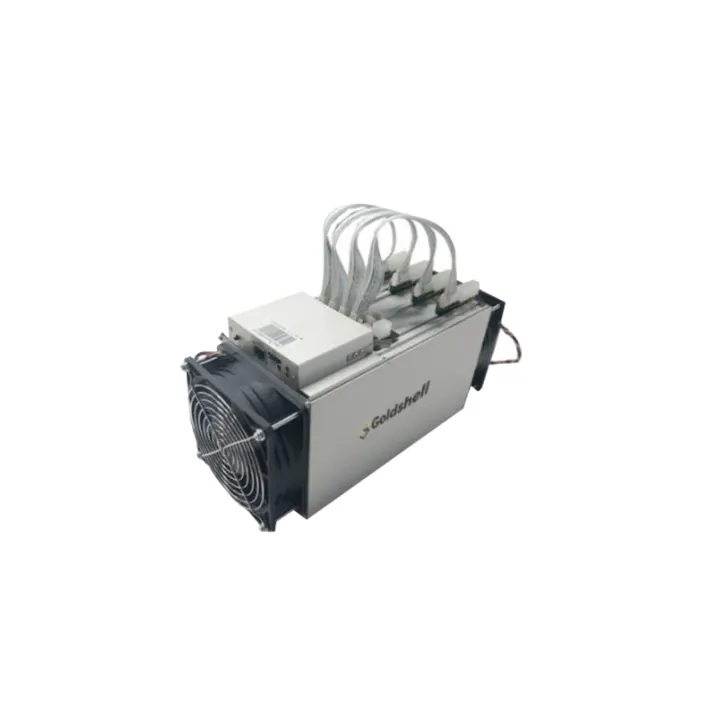 About 1.36GH/s
Goldshell X5S
Approximately 1850 W / Please use the complete hashrate version and wall power consumption to convert
Same-algorithm Alternatives 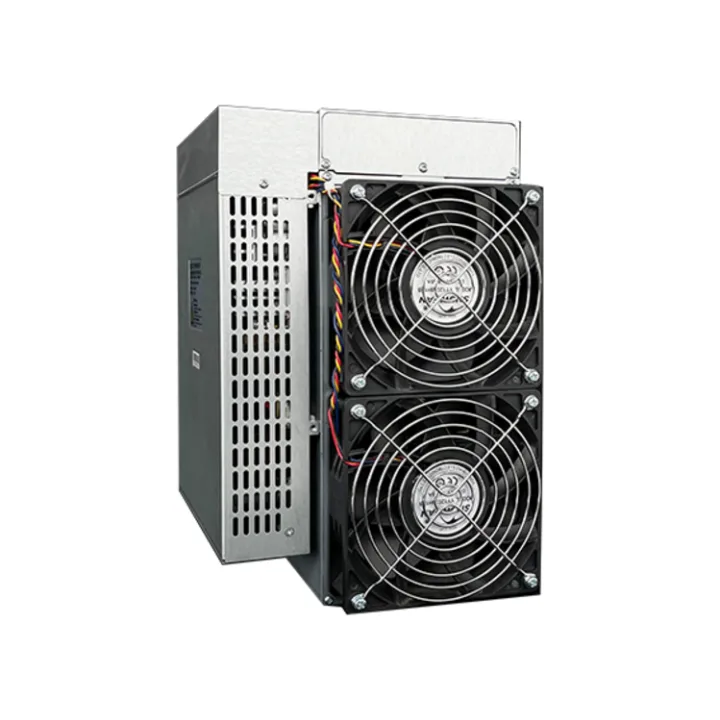 About 2.45GH/s
Goldshell LT5 Pro
Approximately 3100 W / Please use the complete hashrate version and wall power consumption to convert
Same-algorithm Alternatives 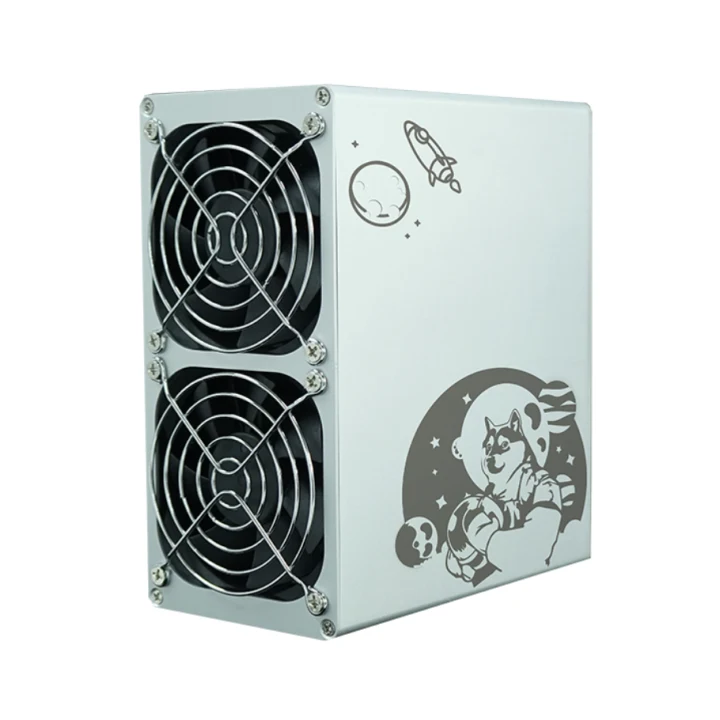 About 185MH/s
Goldshell Mini-DOGE
Approximately 233 W / Please use the complete hashrate version and wall power consumption to convert
Same-algorithm Alternatives  About 850MH/s
Goldshell X5
Approximately 1450 W / Please use the complete hashrate version and wall power consumption to convert
Same-algorithm Alternatives 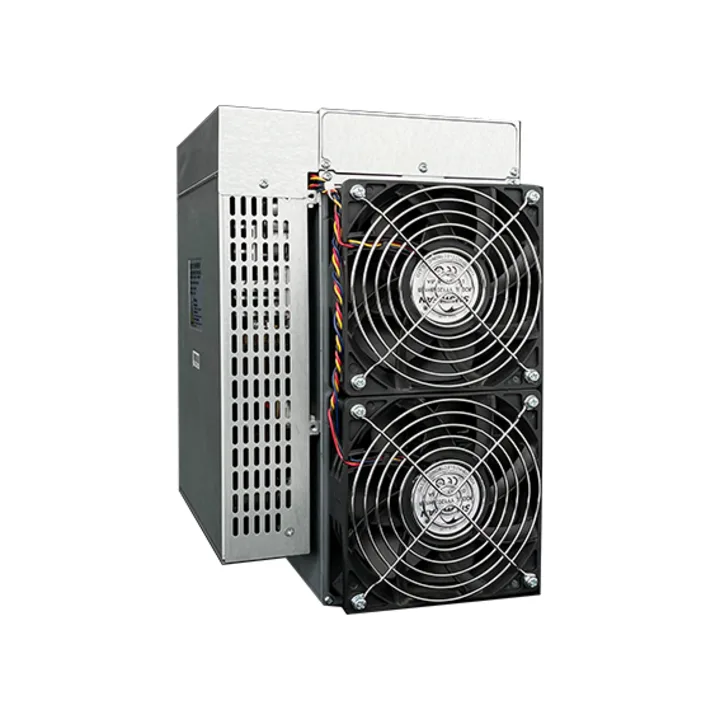 About 2.05GH/s
Goldshell LT5
Approximately 2080 W / Please use the complete hashrate version and the wall power consumption to convert
Same-algorithm Alternatives 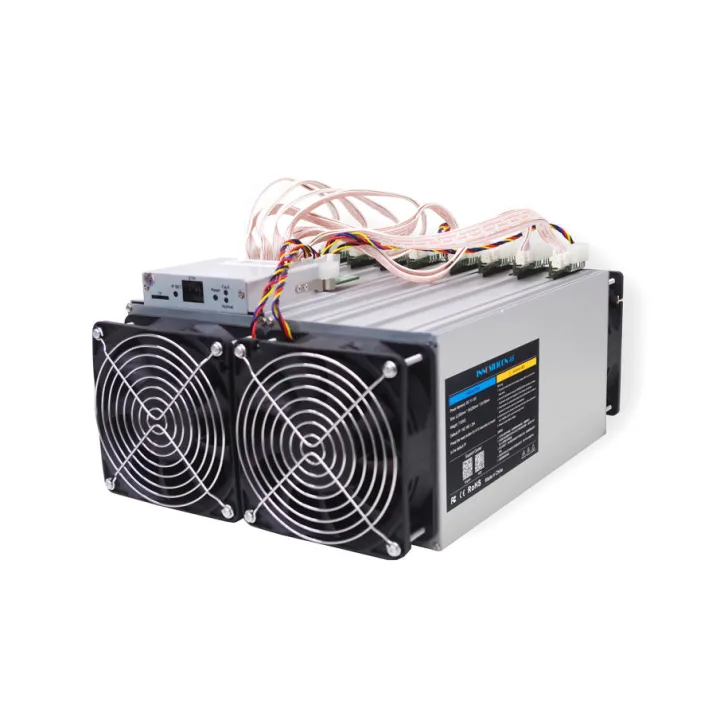 About 2.2GH/s

Innosilicon A6+ LTCMaster
Approximately 2100 W / Please use the complete hashrate version and wall power consumption to convert
Same-algorithm Alternatives 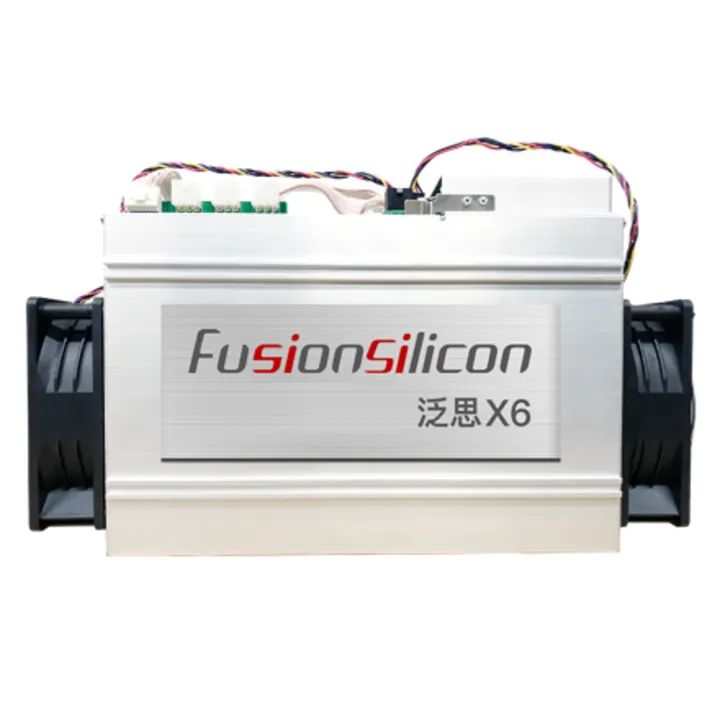 About 860MH/s

FusionSilicon X6 Miner
Approximately 1079 W / Please use the complete hashrate version and the wall power consumption to convert
Same-algorithm Alternatives 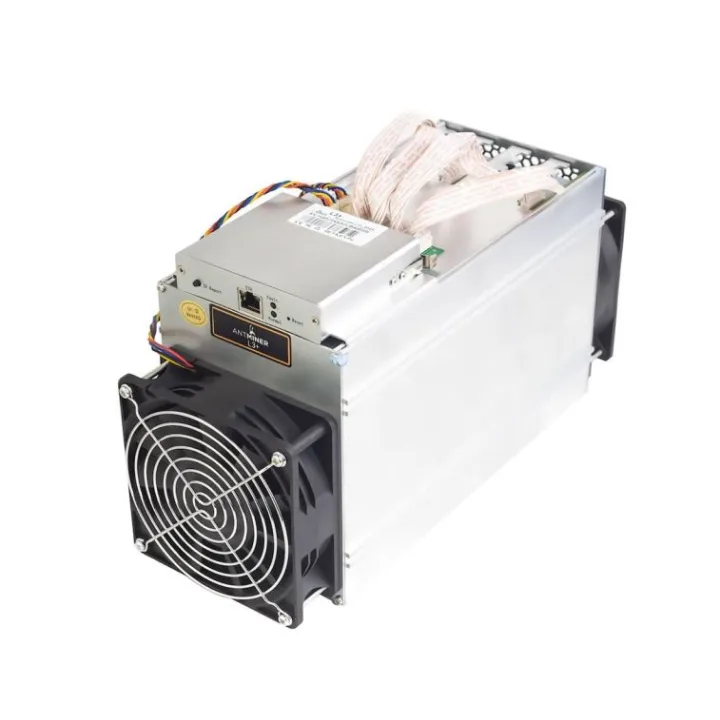 About 580MH/s to 596MH/s
Antminer L3++
Approximately 942 to 1050 W / Please use the complete hashrate version and wall power consumption to convert
Same-algorithm Alternatives 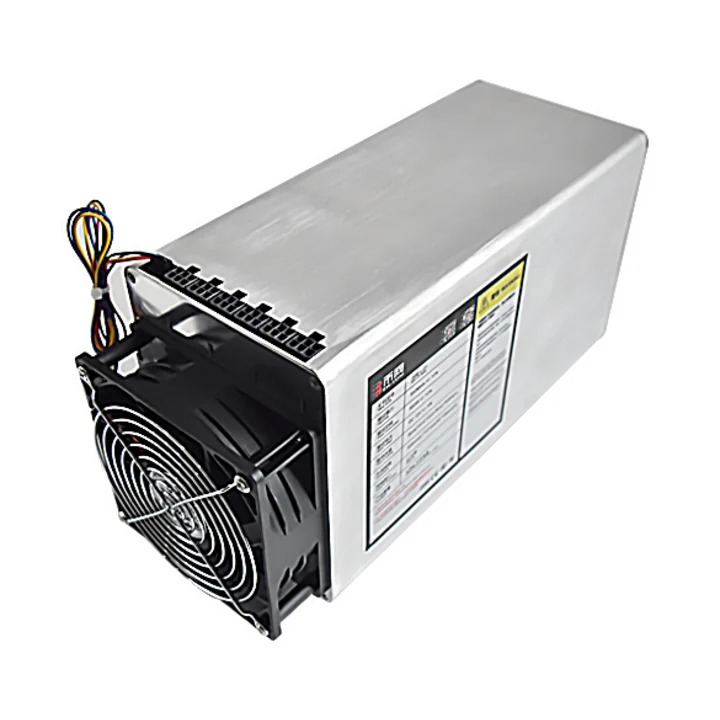 About 550MH/s

BW L21
About 950 W / Please use the complete hashrate version and wall power consumption to convert
Same-algorithm Alternatives 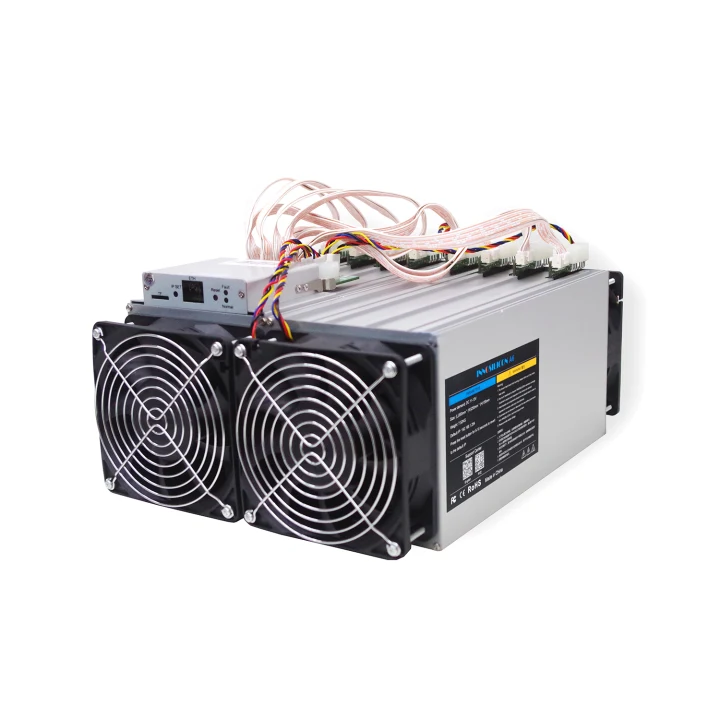 About 1.23GH/s
Innosilicon A6 LTCMaster
About 1500 W / Please use the complete hashrate version and the wall power consumption to convert
Same-algorithm Alternatives 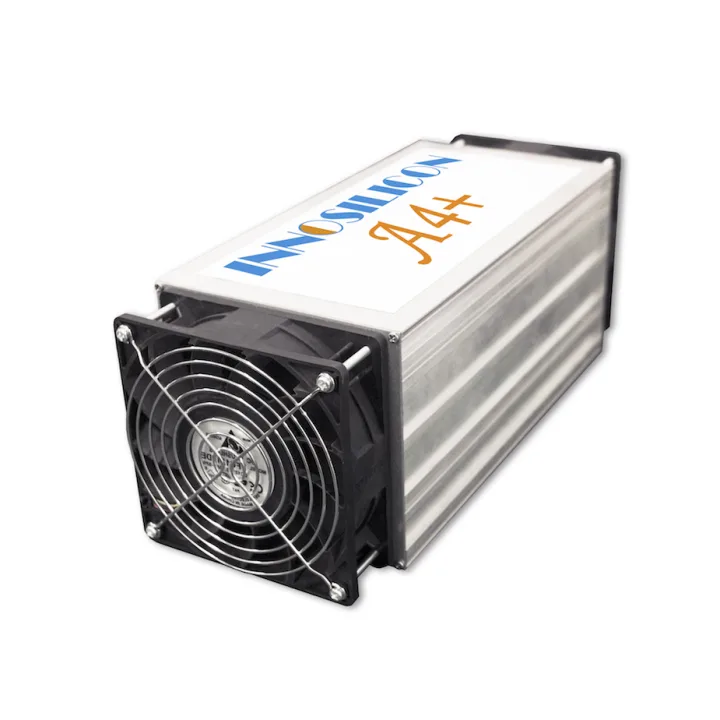 About 620MH/s
Innosilicon A4+ LTCMaster
About 750 W / Please use the full hashrate version and wall power consumption to convert
Same-algorithm Alternatives 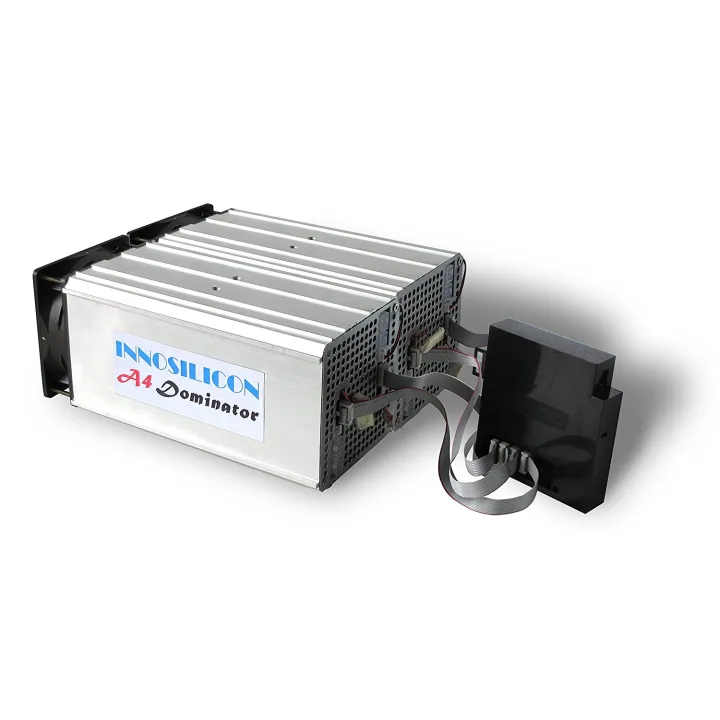 About 280MH/s
Innosilicon A4 Dominator
Approximately 1050 W / Please use the complete hashrate version and wall power consumption to convert
Same-algorithm Alternatives 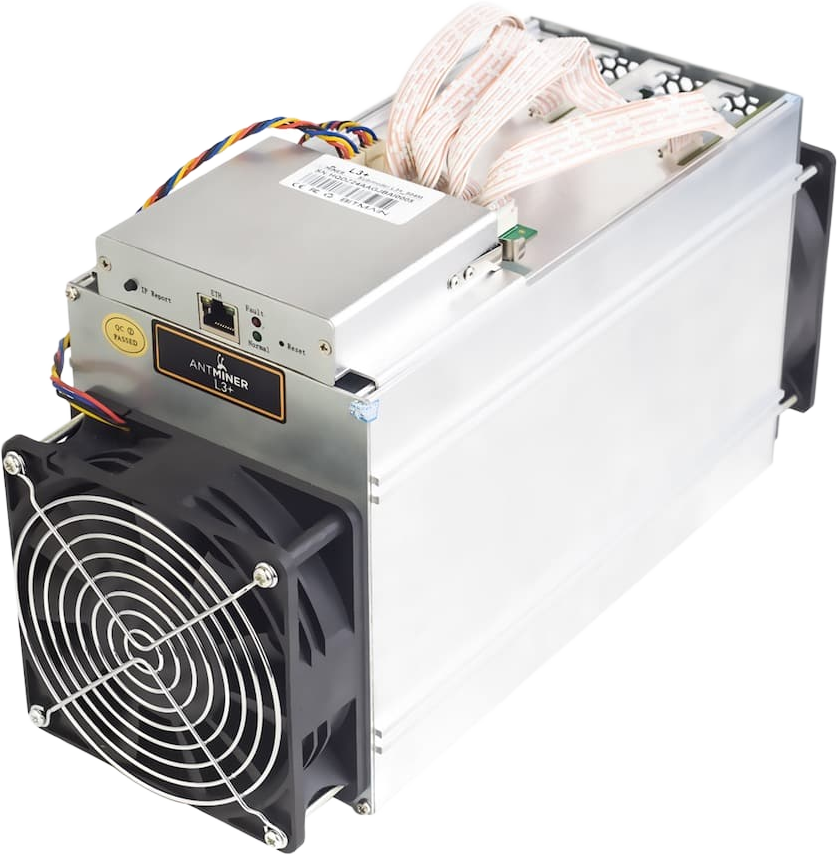 About 504 MH/s
Antminer L3+
About 800 W / About 1.6 J/MH
Same-algorithm Alternatives Manufacturer Routes
Which manufacturers have done this hardware route?
Here, candidate equipment manufacturers are recommended based on the same algorithm, which does not mean that every company currently provides firmware, after-sales or revenue guarantees for LTC.
Bitdeer/SEALMINER
Bitdeer is a Nasdaq-listed company whose business spans Bitcoin self-operated mining, data centers and miner research and development. Starting from 2024, we will establish our own ASIC product line with SEAL chips and SEALMINER.
Hammer Miner
Hammer Miner is an OnestopMining hardware brand. Its current official catalog has three families: THOR and BC for SHA-256 / BTC, and DC for Scrypt / LTC + DOGE. Hashrates from different algorithms are not directly comparable.
Lucky Miner
Lucky Miner's existing public products can be divided into three tiers: LV02/03/04 teaching demonstration, LV06/07/08 and Pro desktop BTC ASIC, and LG07/LG07 Pro home Scrypt.
Magicminer
Magicminer repackages mining hardware for home use: the BG series adopts a GPU-shaped SHA-256 board, FM combines heating and humidification, and WM combines coaster constant temperature and Scrypt.
PlebSource
The Hammer Miner Scrypt currently included in PlebSource is a 105 MH/s, 25 W-class desktop device. The product positioning is biased towards home use and low-power Scrypt learning.
FLUMINER
FLUMINER is operated by Fulu Electronic Technology (Hong Kong) Co., Ltd. L1/L1 Pro, L2, and L3 form the main line of Scrypt, while T3 enters the SHA-256 household low-noise market.
Jingle Miner
Jingle Miner is Jingle Mining's own and co-branded home miner product line, covering Mini Lottery, Solo Pro and BTC Hashcard. The main axis is low power consumption, desktop and Solo Mining.
BITMAIN/ANTMINER
BITMAIN was established in 2013. In addition to the SHA-256 main line of S1, S2, S3, S4, S5, S7, S9 to S23, ANTMINER has also entered X11, Blake2B, DCR, CKB, KDA, EtHash, Equihash, Scrypt, KAS and ALPH with D, A, DR, K, KA, E, Z, L, KS, AL and other series.
ElphaPex/DG Series
ElphaPex enters the market with DG series Scrypt miners. The product line ranges from DG1, DG Home 1 to DG Hydro 1, DG2/DG2+. The core is the combined mining power of LTC, DOGE and other Scrypt currencies.
VolcMiner
VolcMiner is based on Scrypt ASIC, and the D1 product line covers different deployment levels such as large air cooling, hydro cooling, Mini Pre and D3.
Goldshell
Goldshell official information records that the brand was founded in 2017. Its products extend from professional multi-algorithm ASICs to BOX, LITE, MAX, ECHO and other different sizes and noise levels, with special emphasis on the user experience of home miners.
iBeLink/Fluxmind
iBeLink is one of the early multi-algorithm ASIC manufacturers, gradually expanding from DM series X11 and DSM series DCR to BM-K, BM-N, BM-S, BM-KS and BM-L series.
Innosilicon
Innosilicon is a chip company with high-speed interface IP and custom ASIC design as its core. Its mining products have spanned multiple PoW routes such as BTC, LTC, DASH, ZEC, DCR, SC, XMR and ETH/ETC. This site contains 31 hardware families.
FusionSilicon
FusionSilicon currently includes 3 hardware families, and the public product time extends from approximately 2018 to 2019, covering X11, Lyra2REv2, and Scrypt.
BW
BW currently includes 1 hardware family, and the public product time extends from approximately 2018 to 2018, covering Scrypt.
Network & Mining History
How did Litecoin’s mining route get to where it is today?
Litecoin entered PoW history in 2011. The mining history of Scrypt is not just one miner versus one chain, but also includes the revenue relationship between the LTC parent chain and multiple auxiliary chains.
01dotcom
Litecoin Launch
The Scrypt route has become one of the most important PoW hardware branches besides SHA-256.
02Hardware transition
Merged mining with Dogecoin
The same Scrypt job can assist two networks at the same time, changing the mining pool and revenue composition.
03What do you think of today?
Scrypt ASIC Long Term Evolution
L3+, L7, L9 and products from many new manufacturers form a cross-generation market.
Primary Sources
Continue to check official information
Next Steps
First confirm that the currency and equipment are compatible, then calculate power and deployment
miner performance is only the first step; mining pools, difficulty, liquidity, electricity prices and on-site conditions will all determine whether it can operate in the long term.
- 01Research
- 02Run the Numbers
- 03Review Deployment