

Monero takes default privacy as its core, hiding transaction amounts and participating addresses, and continuously adjusts mining algorithms to reduce the monopoly of dedicated hardware.
← Return to Currency Encyclopedia  XMRMonero
 How to mine Monero?
Monero is a PoW network that values privacy and the participation of general computing hardware. Before the introduction of RandomX in 2019, CryptoNight was adjusted several times to combat specialized ASICs.
This mining route
- XMRCoin
- RandomXOperation
- Explicitly Listed in the Equipment DataDevice relationship
- 2 styles1 manufacturer
Proof of Work
Hardware Compatibility
The algorithm and currency specified in the model data shall prevail.
This route does not perform cross-model inference for the time being; algorithms with the same name or similar ones may have different parameters, bit streams, or firmware. You must still check the official documents and mining pools before starting the machine.
Miners look here first
What does this coin represent in the miner?
XMR now uses RandomX. CryptoNight ASICs such as Antminer X3 and A8 CryptoMaster in 2018 are historical branches and cannot be directly regarded as today's XMR miners.
Get to know this chain first
Monero is more than just a miner tag
Let’s first look at what the network is going to do, and then look at how hashrate is involved. In this way, the only question left is "can we dig today?"
RandomX deliberately follows the execution characteristics of general-purpose CPUs. Miners more often compare CPU, memory channel and overall machine power consumption, rather than ASIC TH/s.
Being able to mine the CPU does not mean there is a profit. Calculate the entire host wall power consumption, memory configuration, heat dissipation and second-hand residual value.
01Launched in 2014
02RandomX is CPU biased
03Privacy and exchange availability need to be confirmed by region
Three checks before starting up 01 02 03
Confirmed it's RandomX and not the old CryptoNight
Check whether the mining pool supports the current Monero mainnet
Compare CPUs, specialized hardware, and historical ASICs separately
Related Hardware
2 styles XMR related equipment in the library
This route does not perform cross-model inference for the time being; algorithms with the same name or similar ones may have different parameters, bit streams, or firmware. You must still check the official documents and mining pools before starting the machine. The following are arranged from newest to oldest according to release/factory time.
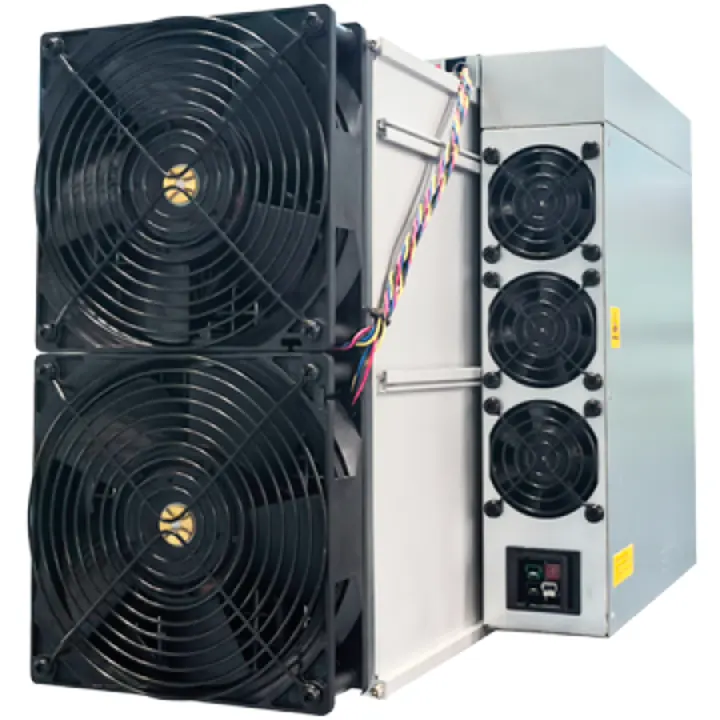 Approx. 1 MH/s
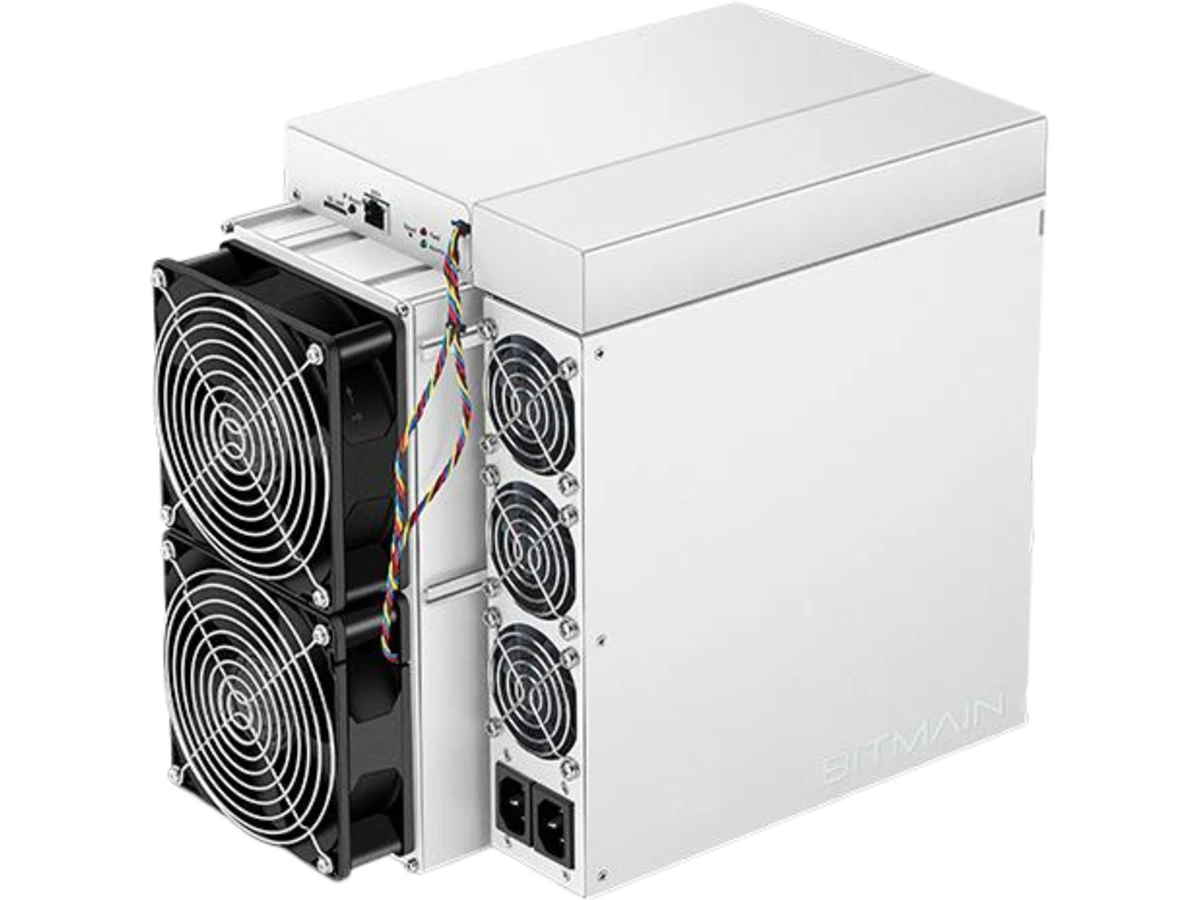 212 KH/s
Manufacturer Routes
Which manufacturers have done this hardware route?
Here, candidate equipment manufacturers are recommended based on the same algorithm, which does not mean that each company currently provides firmware, after-sales or revenue guarantees for XMR.

BITMAIN/ANTMINER
BITMAIN was established in 2013. In addition to the SHA-256 main line of S1, S2, S3, S4, S5, S7, S9 to S23, ANTMINER has also entered X11, Blake2B, DCR, CKB, KDA, EtHash, Equihash, Scrypt, KAS and ALPH with D, A, DR, K, KA, E, Z, L, KS, AL and other series.
Network & Mining History
How did Monero’s mining route get to where it is today?
Monero entered PoW history in 2014. Whether the hardware is accepted by the network is itself an important part of the history of privacy coin mining.
01dotcom
Monero launch
Early adopter of CryptoNight, emphasizing privacy and PoW that can be widely participated.
02Hardware transition
CryptoNight ASICs and Forks
After the emergence of ASICs such as X3 and A8, Monero maintains its anti-ASIC route through algorithm adjustments.
03What do you think of today?
Specialized equipment appears again
X5, X9 and other products claim to be for RandomX, and miners need to check the mainnet compatibility and delivery status individually.
full timeline
Look at each turn one by one
The page retains the verified network and hardware nodes; protocols, consensus and mining pool status should still be returned to official sources for confirmation.
Monero launch
Early adopter of CryptoNight, emphasizing privacy and PoW that can be widely participated.
CryptoNight ASICs and Forks
After the emergence of ASICs such as X3 and A8, Monero maintains its anti-ASIC route through algorithm adjustments.
RandomX is online
RandomX replaces CryptoNight and refocuses on general-purpose CPU and memory workloads.
Specialized equipment appears again
X5, X9 and other products claim to be for RandomX, and miners need to check the mainnet compatibility and delivery status individually.
Primary Sources
Continue to check official information
Next Steps
First confirm that the currency and equipment are compatible, then calculate power and deployment
miner performance is only the first step; mining pools, difficulty, liquidity, electricity prices and on-site conditions will all determine whether it can operate in the long term.
- 01Research
- 02Run the Numbers
- 03Review Deployment