receive transaction
The mining pool organizes the pending transactions into candidate blocks.


The miners keep trying different numbers. Whoever calculates the result that meets the difficulty of the entire network first can write the next batch of transactions into the blockchain and obtain the reward for that block.
8fa4c9d7...too big13bd0a62...too big00000000...efficientThe mining pool organizes the pending transactions into candidate blocks.
The miner constantly replaces the nonce and block content.
Use SHA-256 to get a new result each time.
If the result is lower than the target value, the block will be sent to the Internet.
Each hash is like drawing a 256-bit number. The entire network will set a target line, and success will be considered if a number smaller than the target is drawn. The higher the difficulty, the narrower the target range.
Bitcoin adjusts difficulty approximately every 2,016 blocks, and the goal is still to produce a block every 10 minutes on average.
The subsidy is determined by the protocol; the handling fee is determined by the transactions received in the block, so the total reward for each block may be different.
Recent example: Block #957953, mined by Foundry USA, contains 5,565 transactions. Data cutoff: 10:44 on July 15, 2026 (Taipei time).
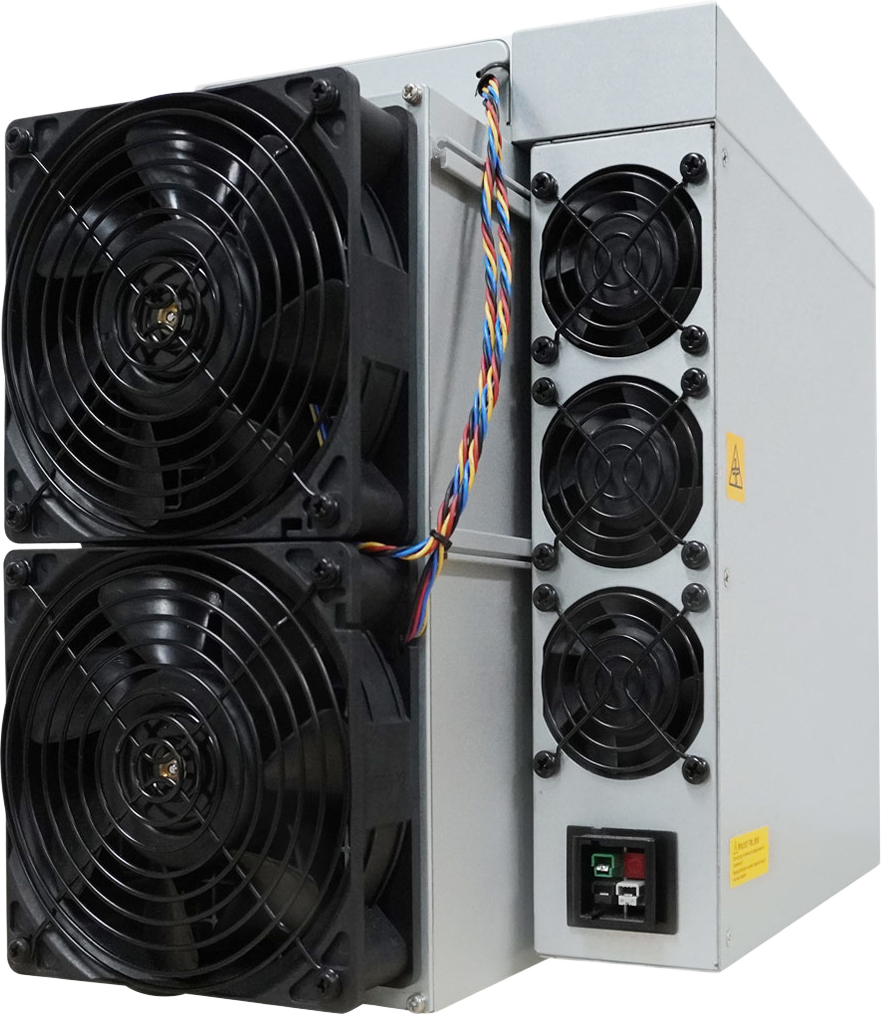
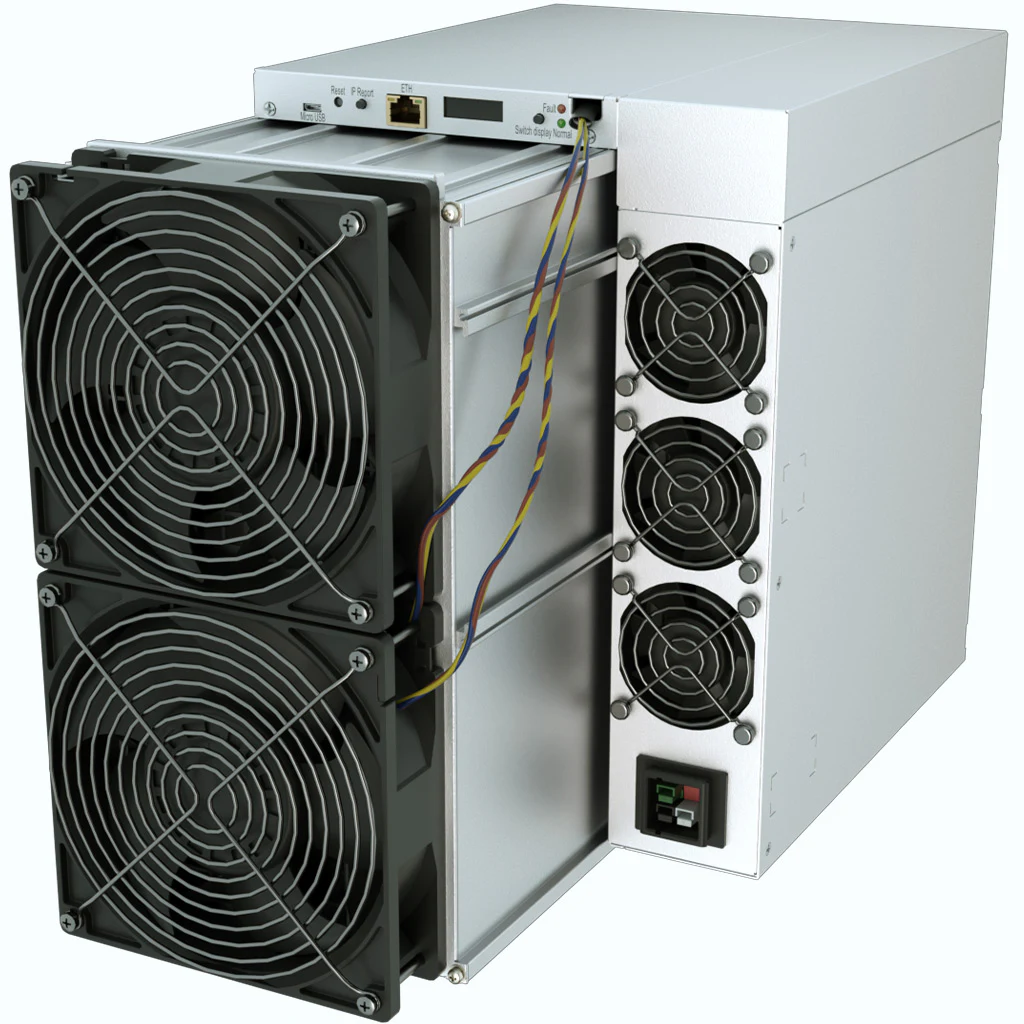
On the formula page, you can switch between S23, S21+, S19 K Pro and small household miners, and directly check the hashrate ratio, daily electricity consumption and break-even electricity price.