

DigiByte also uses five PoW algorithms to decentralize hashrate sources; among them, SHA-256 and Scrypt can be participated by corresponding ASICs. Only by understanding the problems that the network is trying to solve can we know what the hashrate provided by miners is protecting.
← Return to Currency Encyclopedia  DGBDigiByte
 How to mine DigiByte?
DigiByte also uses five PoW algorithms to decentralize hashrate sources; among them, SHA-256 and Scrypt can be participated by corresponding ASICs.
This mining route
- DGBCoin
- SHA-256/Scrypt/Skein/Qubit/OdocryptOperation
- Two ASIC routesDevice relationship
- 365 models42 manufacturers
Multi-algorithm Proof of Work
Hardware Compatibility
DigiByte needs to select the algorithm first and then the miner.
DGB has five algorithmic routes of independent difficulty. The database can directly correspond to SHA-256 and Scrypt ASIC; Skein, Qubit, and Odocrypt require additional matching GPU, FPGA, bit stream, or special equipment.
Miners look here first
What does this coin represent in the miner?
The same DGB can be mined by different algorithms, but the miner can only connect to the algorithm port it supports.
Get to know this chain first
DigiByte is more than just a miner tag
Let’s first look at what the network is going to do, and then look at how hashrate is involved. In this way, the only question left is "can we dig today?"
The same DGB can be mined by different algorithms, but the miner can only connect to the algorithm port it supports.
First identify whether the mining pool port is SHA-256, Scrypt, Skein, Qubit or Odocrypt, and then set up the miner.
01Entering the public internet route in 2014
02Mining/Historical Algorithm: SHA-256/Scrypt/Skein/Qubit/Odocrypt
03The device must pass SHA-256/Scrypt/Skein/Qubit/Odocrypt, firmware and mining pool checks at the same time.
Three checks before starting up 01 02 03
Confirm the mining algorithm
Don't mix different ports
View difficulty and hashrate by algorithm
Related Hardware
365 models DGB related equipment in the database
DGB has five algorithmic routes of independent difficulty. The database can directly correspond to SHA-256 and Scrypt ASIC; Skein, Qubit, and Odocrypt require additional matching GPU, FPGA, bit stream, or special equipment. The following are arranged from newest to oldest according to release/factory time.
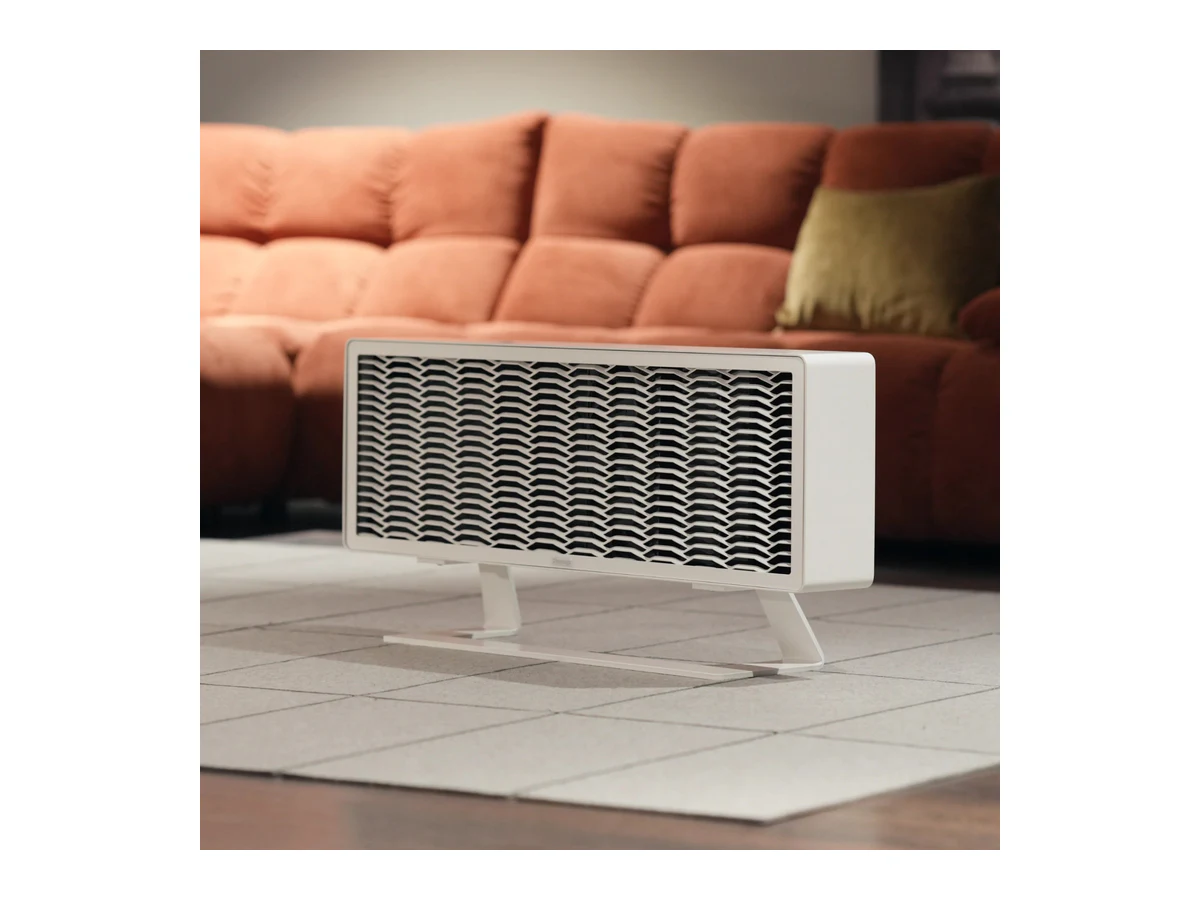 40 TH/s
21energy Ofen 3 Base
1000 W / 25 J/TH (calculated from rated device power)
Same-algorithm Alternatives 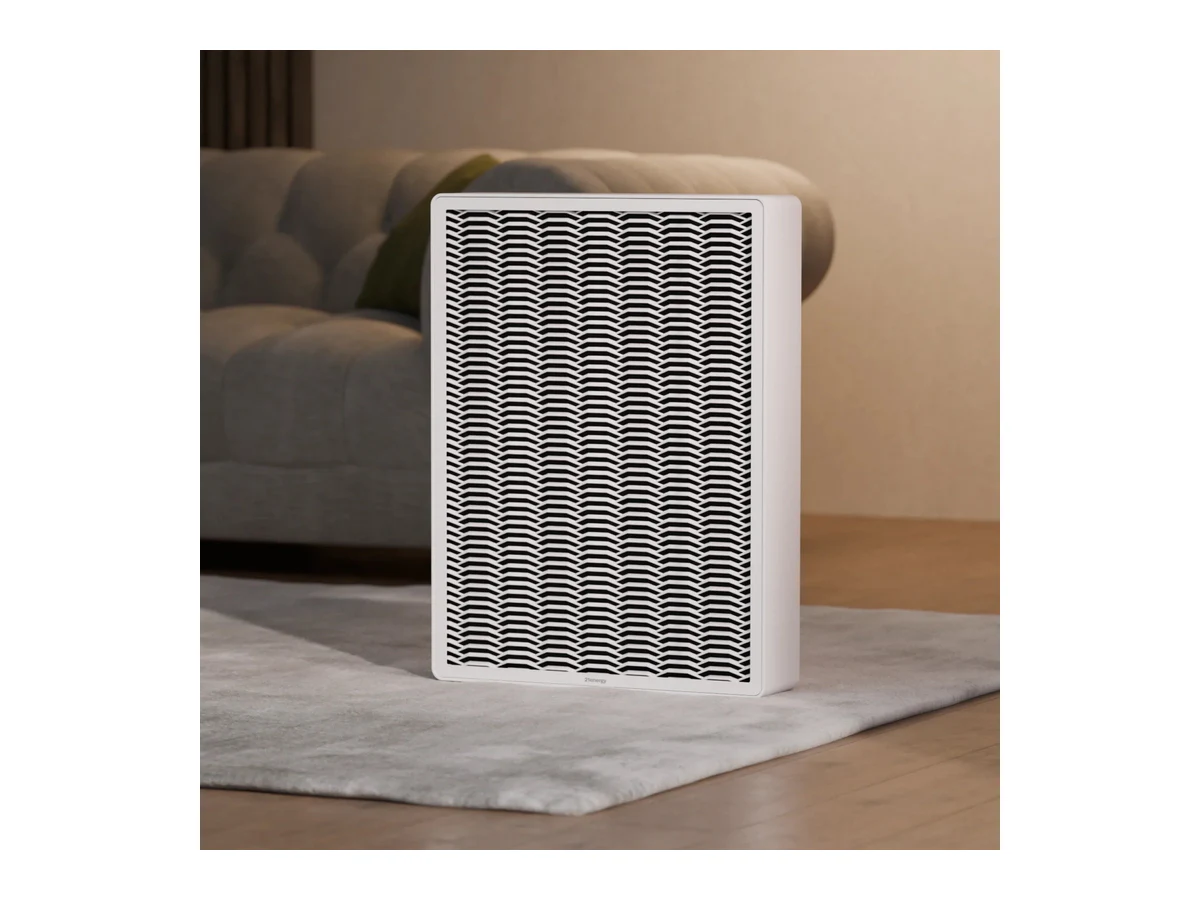 80 TH/s
21energy Ofen 3 Base XL
2000 W / 25 J/TH (calculated from rated device power)
Same-algorithm Alternatives 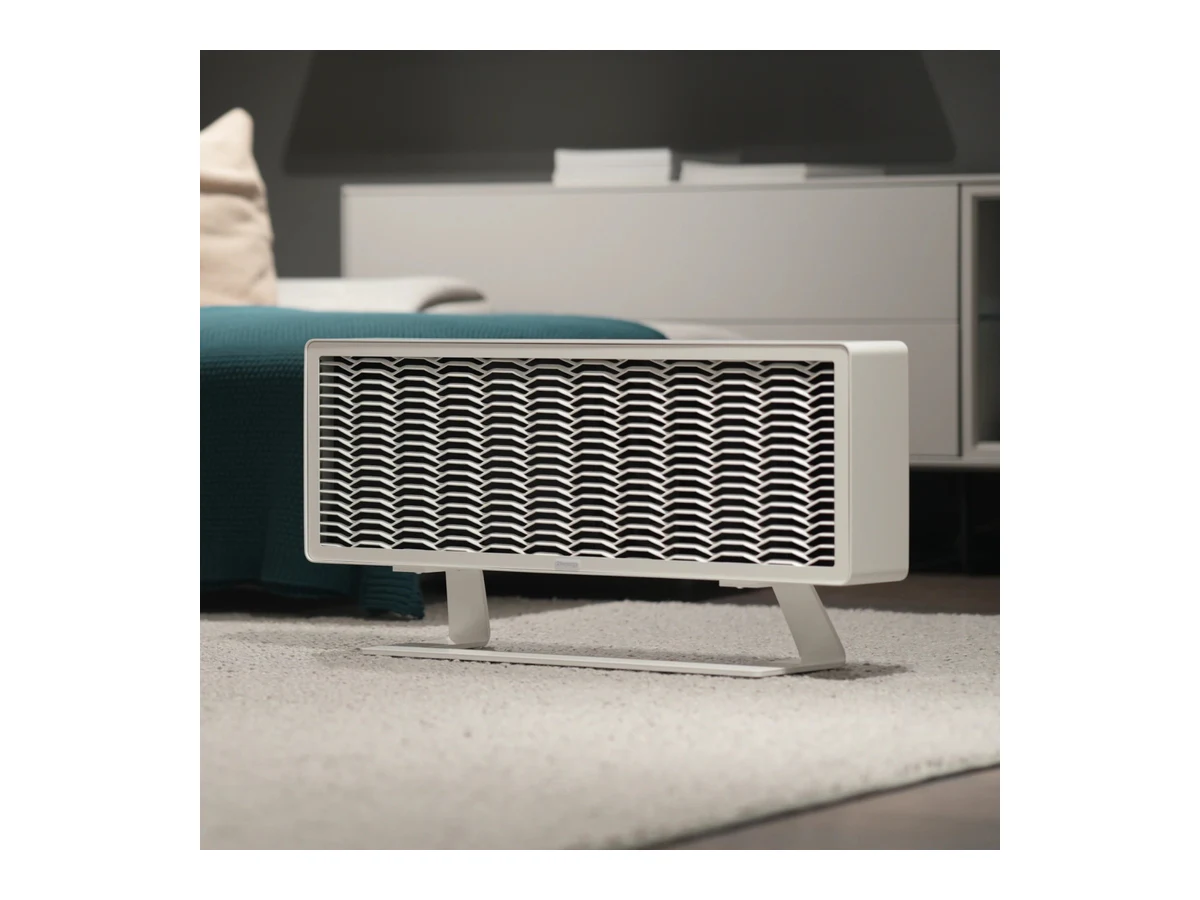 60 TH/s
21energy Ofen 3 Pro
1100 W / 18.33 J/TH (calculated from rated device power)
Same-algorithm Alternatives 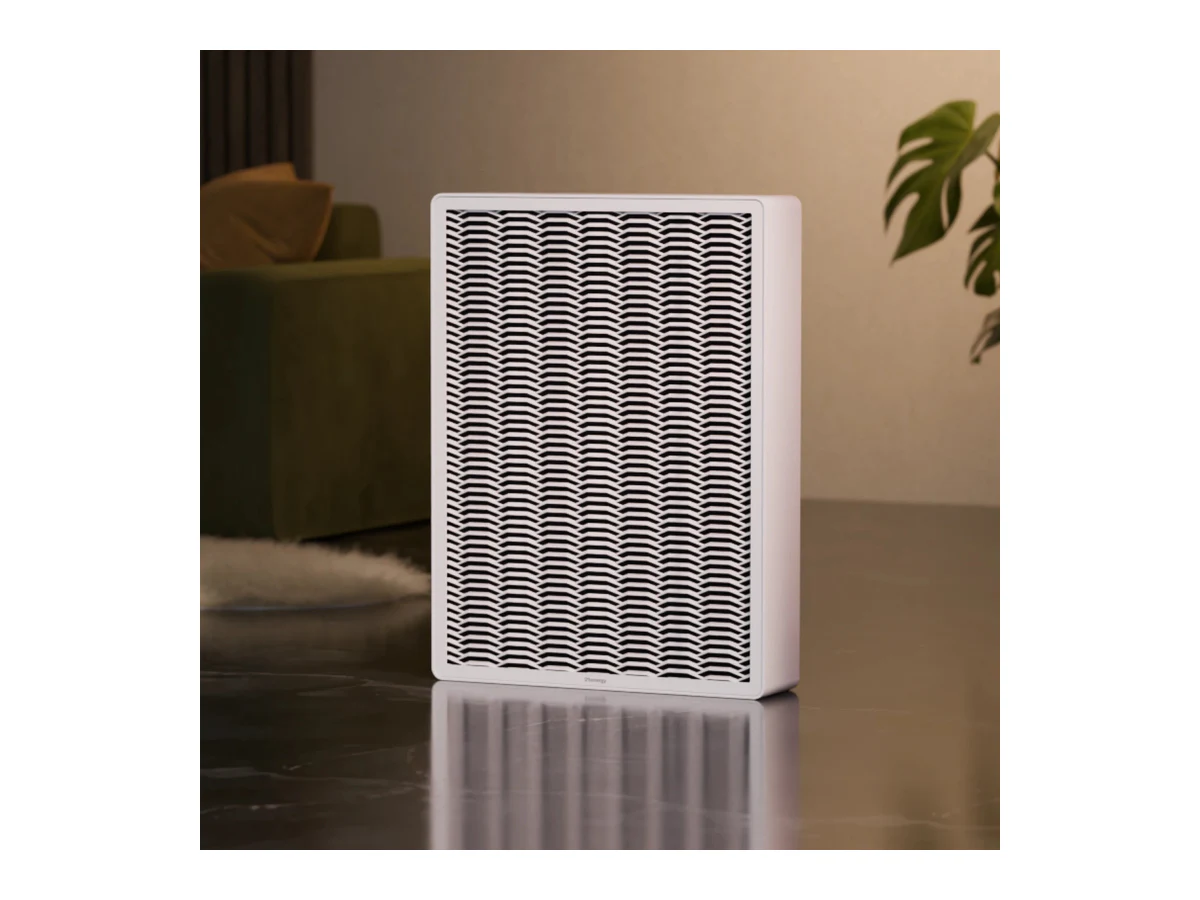 120 TH/s
21energy Ofen 3 Pro XL
2200 W / 18.33 J/TH (calculated from rated device power)
Same-algorithm Alternatives 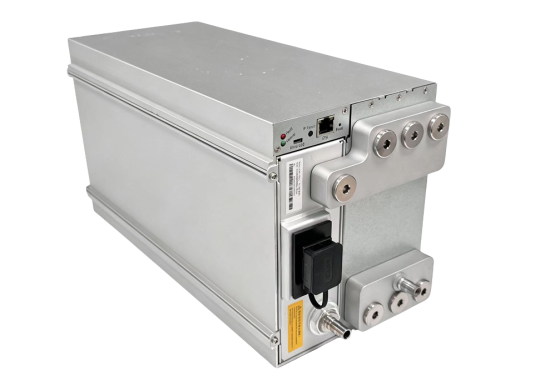 Approximately 600 TH/s

Antminer S23 XP Hyd.
Approximately 5340 W / Approximately 8.9 J/TH
Same-algorithm Alternatives 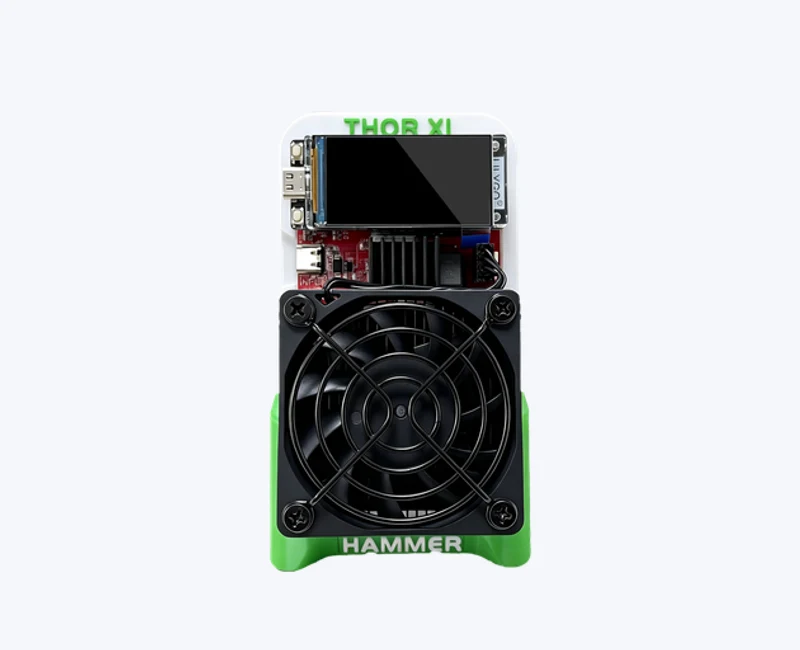 3.2 TH/s
Hammer Miner THOR X1
38 W (ASIC-only) / 11.875 J/TH (derived from ASIC-only draw)
Same-algorithm Alternatives 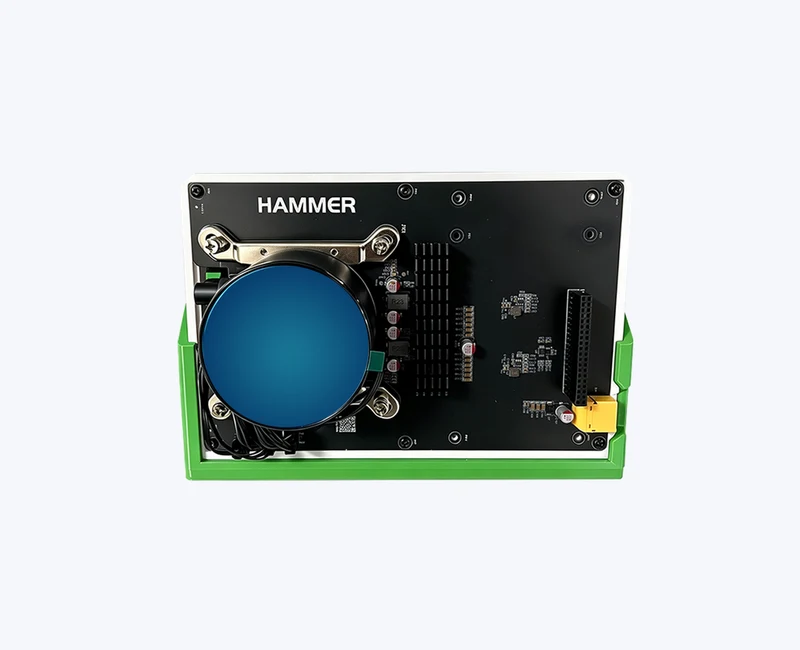 12 TH/s
Hammer Miner BC08
210 W (ASIC-only) / 17.5 J/TH (derived from ASIC-only draw)
Same-algorithm Alternatives 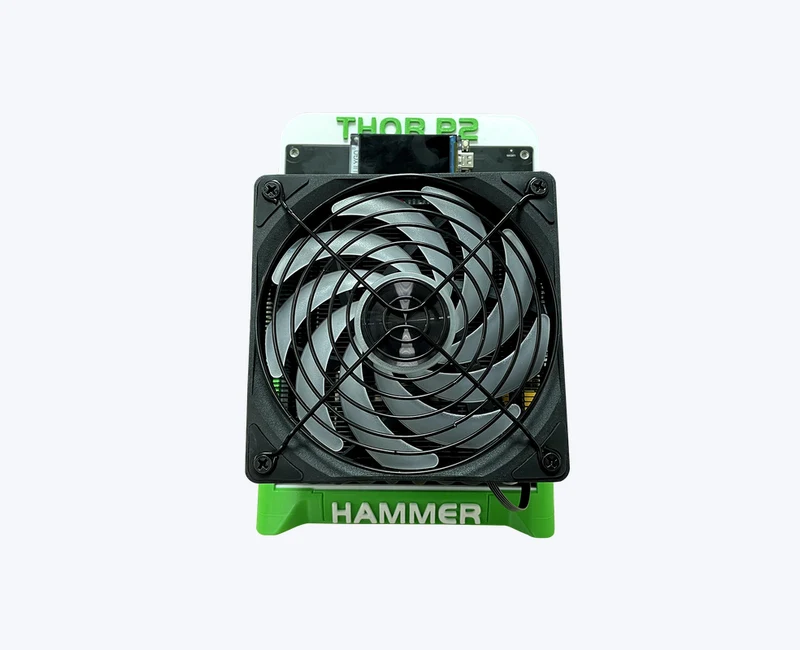 6.6 TH/s
Hammer Miner THOR P2
72.6 W (ASIC-only) / 11 J/TH (derived from ASIC-only draw)
Same-algorithm Alternatives 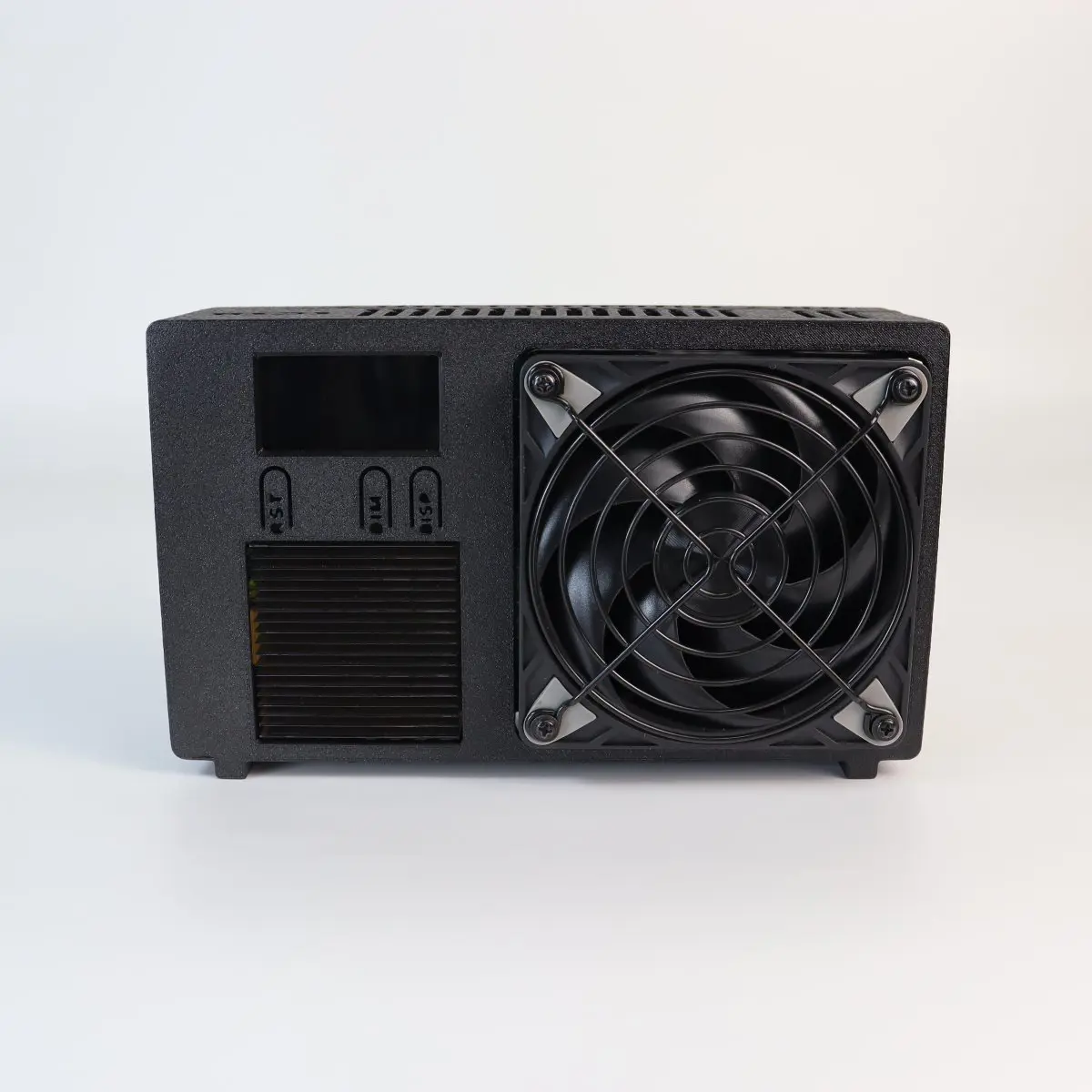 6 TH/s (Performance mode)
Luckyaxe Same-algorithm Alternatives
Luckyaxe B131
100 W ±10% (Performance mode) / 16.67 J/TH (calculated for Performance mode)
Same-algorithm Alternatives 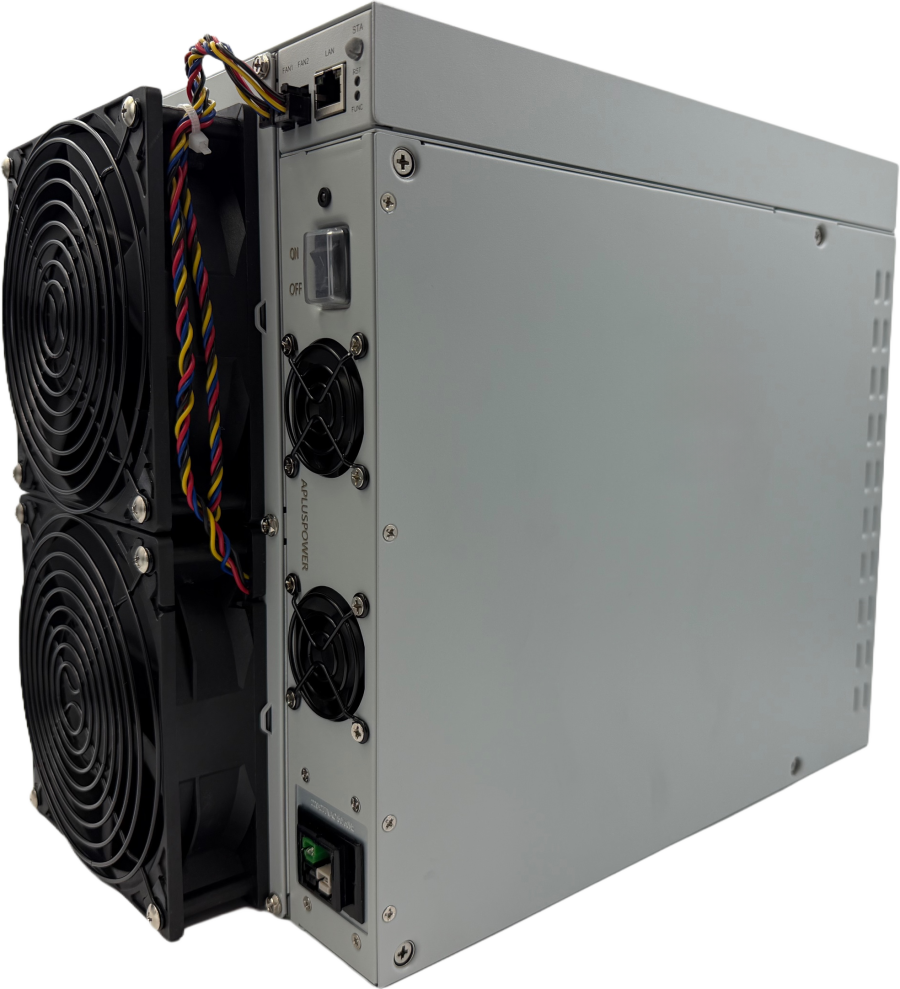 About 300 TH/s

AvalonMiner A16XP-300T
About 3850 W / About 12.8 J/TH
Same-algorithm Alternatives 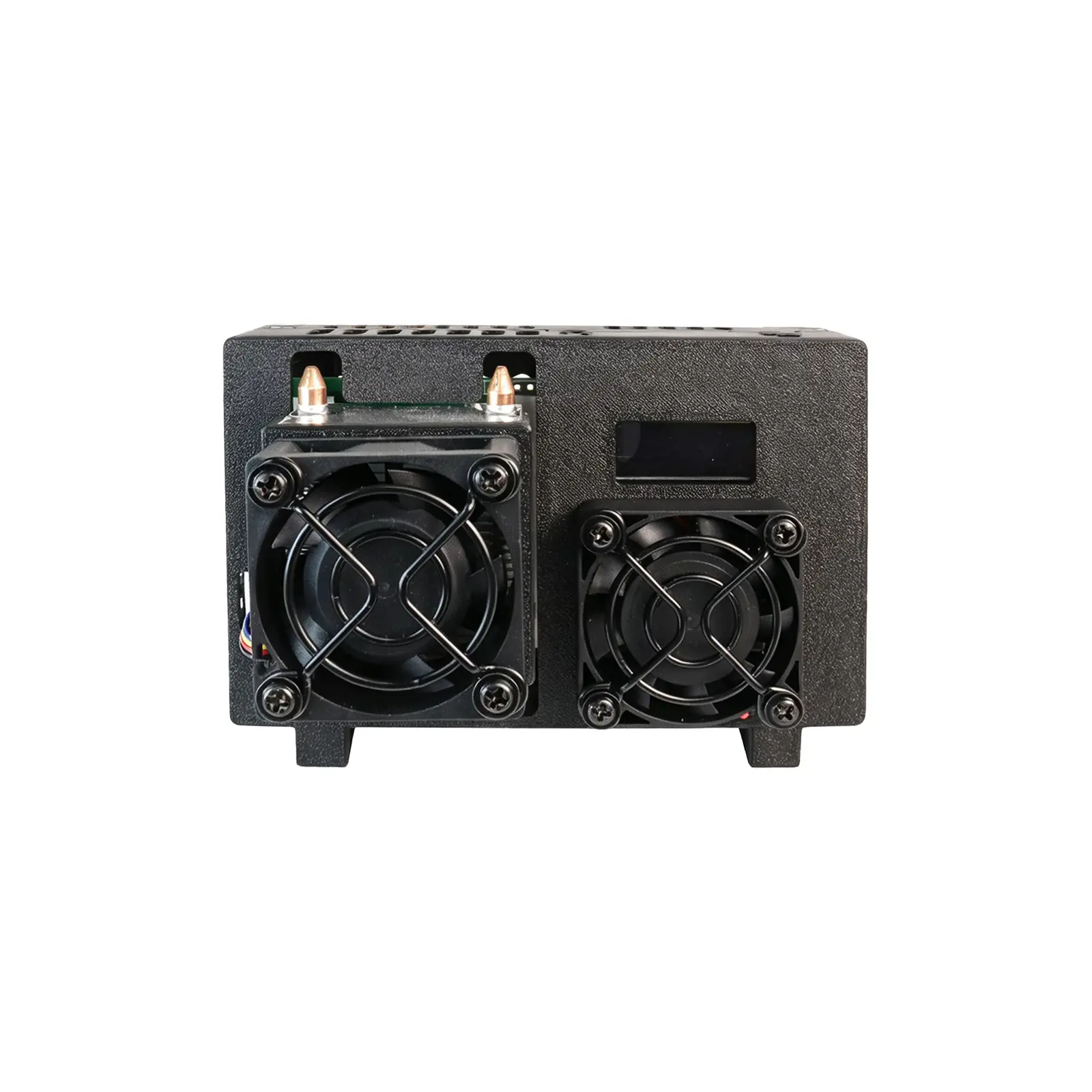 2 TH/s (upper rated endpoint)
Luckyaxe Same-algorithm Alternatives
Luckyaxe B101
40 W ±10% (manufacturer rating) / 20 J/TH (calculated at upper rated endpoint)
Same-algorithm Alternatives 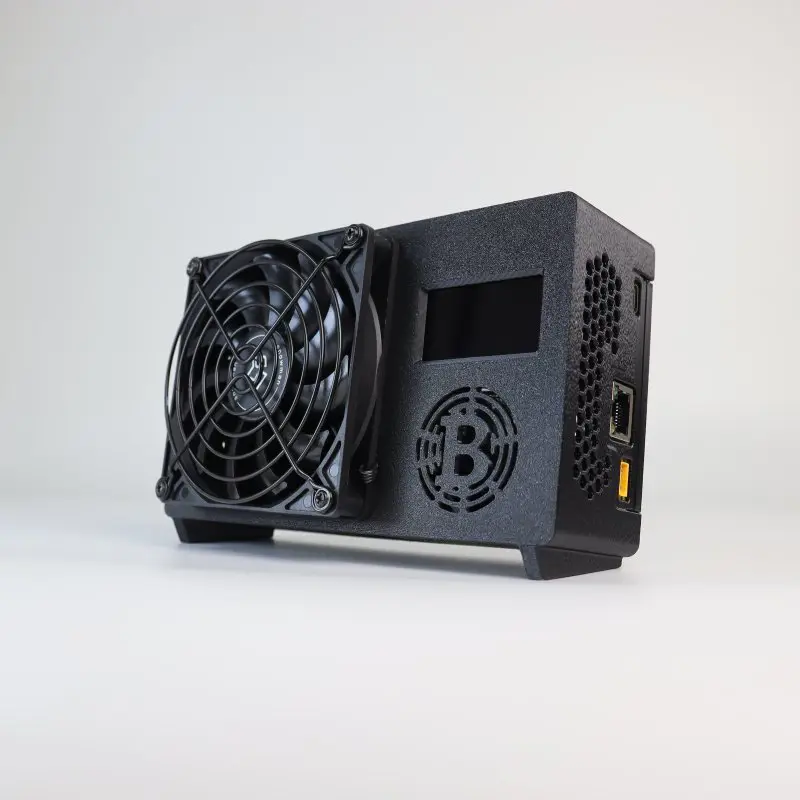 4 TH/s (upper rated endpoint)
Luckyaxe Same-algorithm Alternatives
Luckyaxe B201
80 W ±10% (manufacturer rating) / 20 J/TH (calculated at upper rated endpoint)
Same-algorithm Alternatives 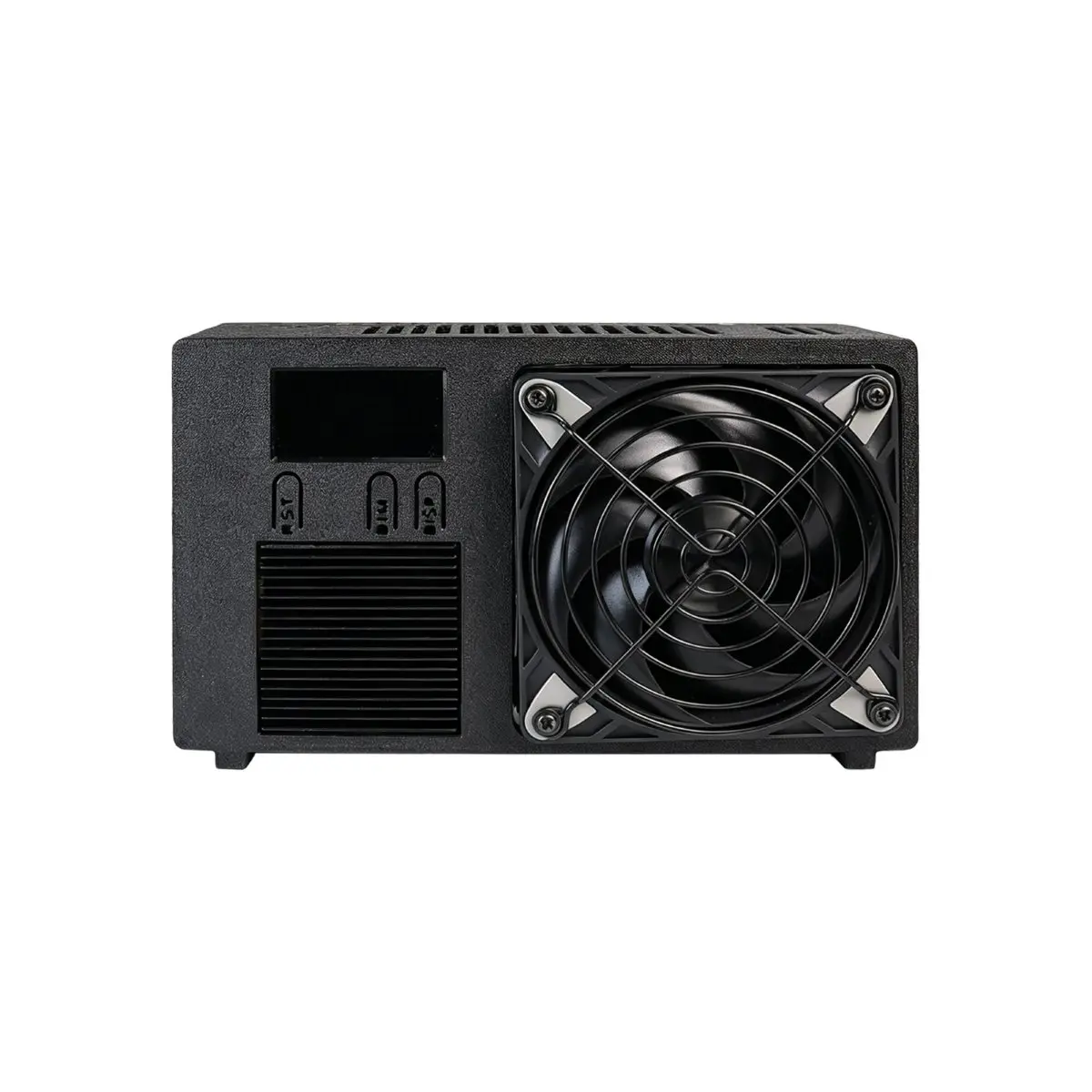 8 TH/s (upper rated endpoint)
Luckyaxe Same-algorithm Alternatives
Luckyaxe B401
160 W ±10% (manufacturer rating) / 20 J/TH (calculated at upper rated endpoint)
Same-algorithm Alternatives 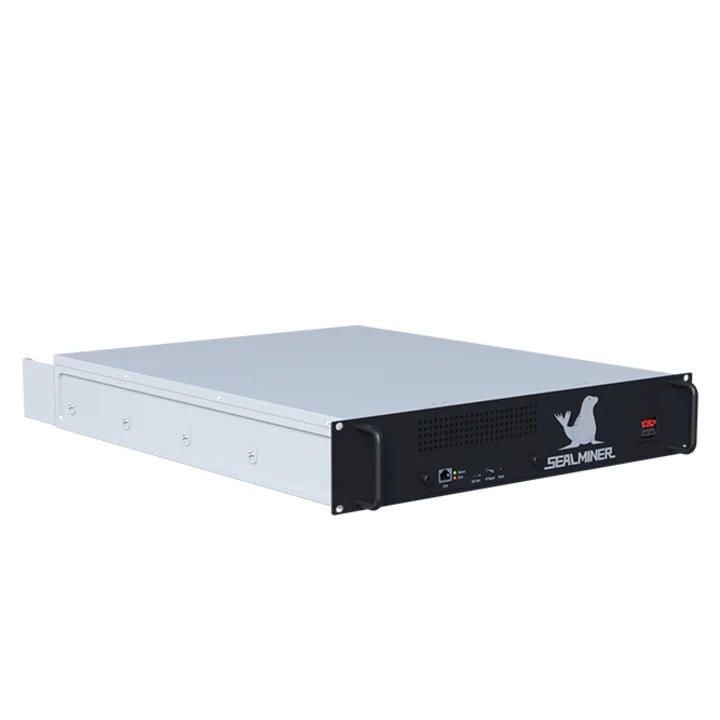 About 52.5G

SealMiner DL1 Hydro
Approximately 7823 W / Please use the complete hashrate version and the wall power consumption to convert
Same-algorithm Alternatives 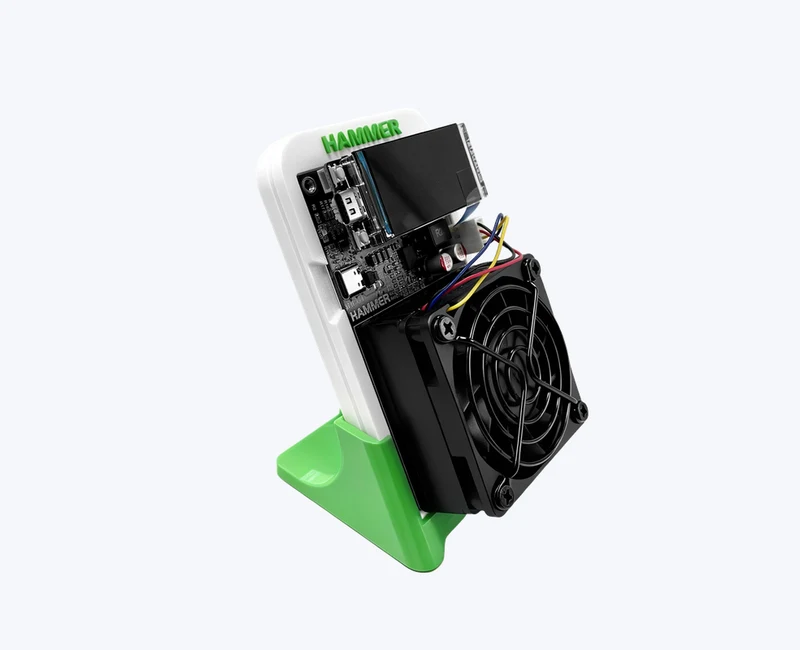 1.5 TH/s
Hammer Miner BC01
23 W (ASIC-only) / 15.333 J/TH (derived from ASIC-only draw)
Same-algorithm Alternatives 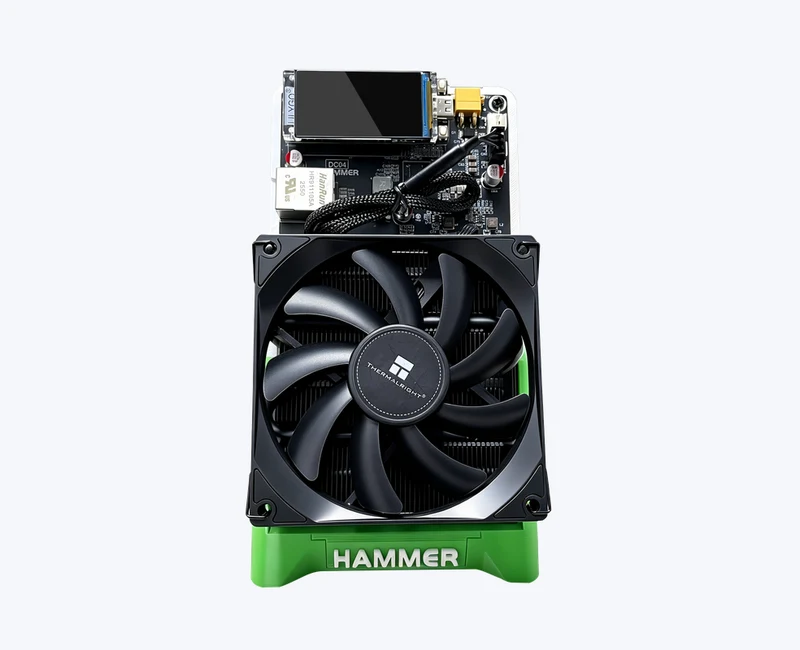 230 MH/s
Hammer Miner DC04
60 W (ASIC-only) / 0.261 J/MH (derived from ASIC-only draw)
Same-algorithm Alternatives 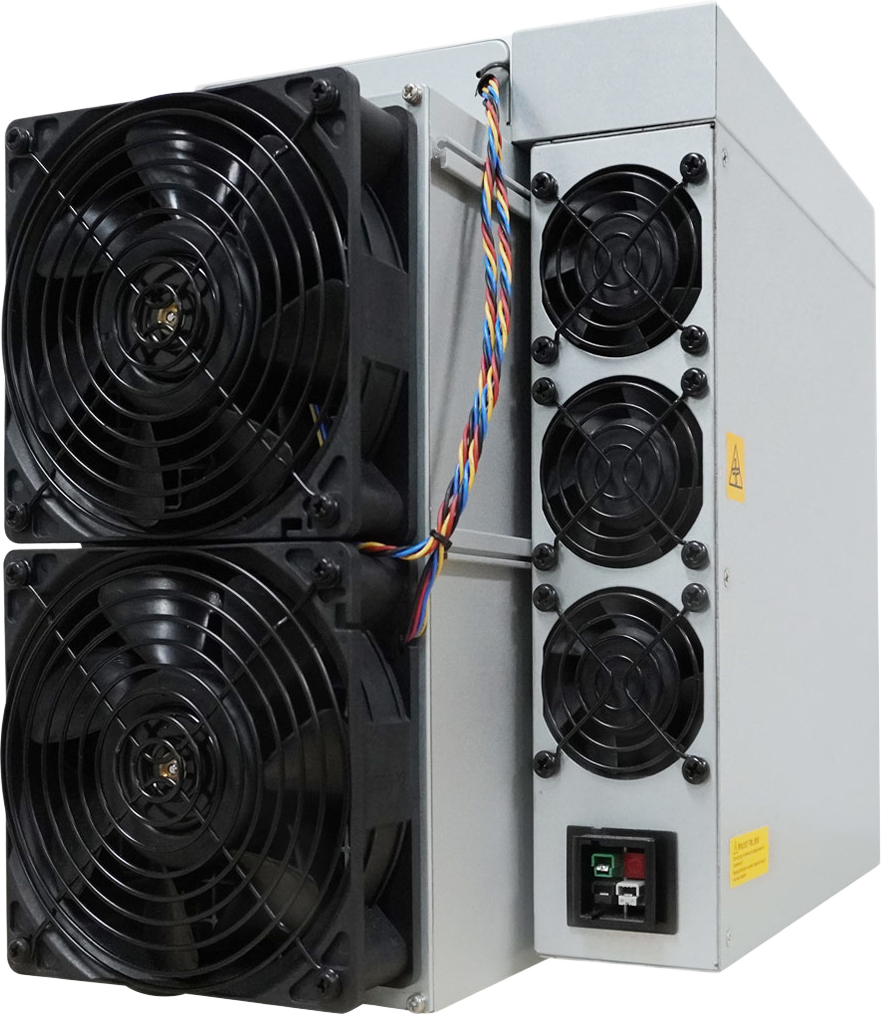 About 305 TH/s
Antminer S23
Approx. 3355 W / Approx. 11 J/TH
Same-algorithm Alternatives 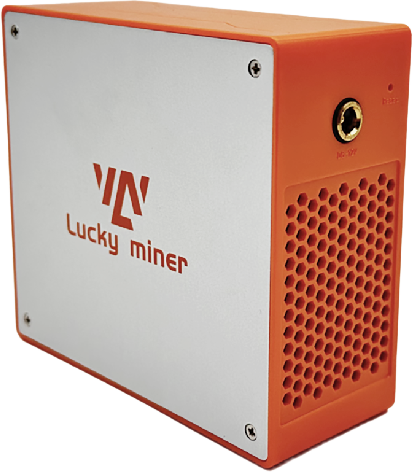 120 MH/s ±10%

Lucky Miner LG07 Pro
30 W ±10% / about 0.25 J/MH
Same-algorithm Alternatives 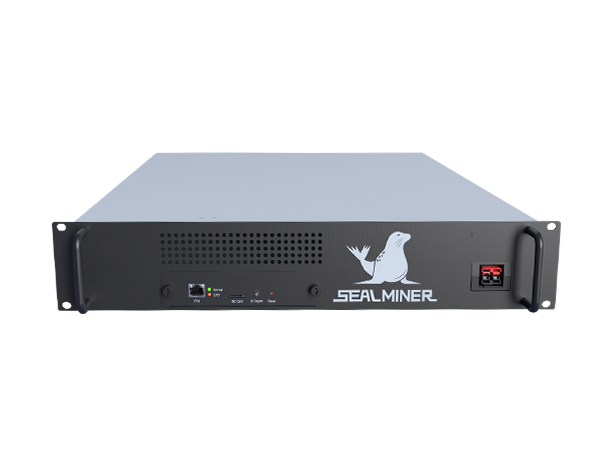 About 886 TH/s
SEALMINER A4 Ultra Hydro
About 8372.7 W / About 9.45 J/TH
Same-algorithm Alternatives 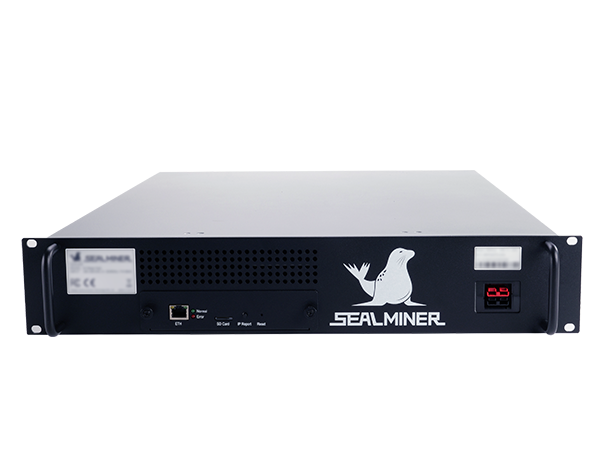 About 680 TH/s
SEALMINER A4 Pro Hydro
About 7412 W / About 10.9 J/TH
Same-algorithm Alternatives 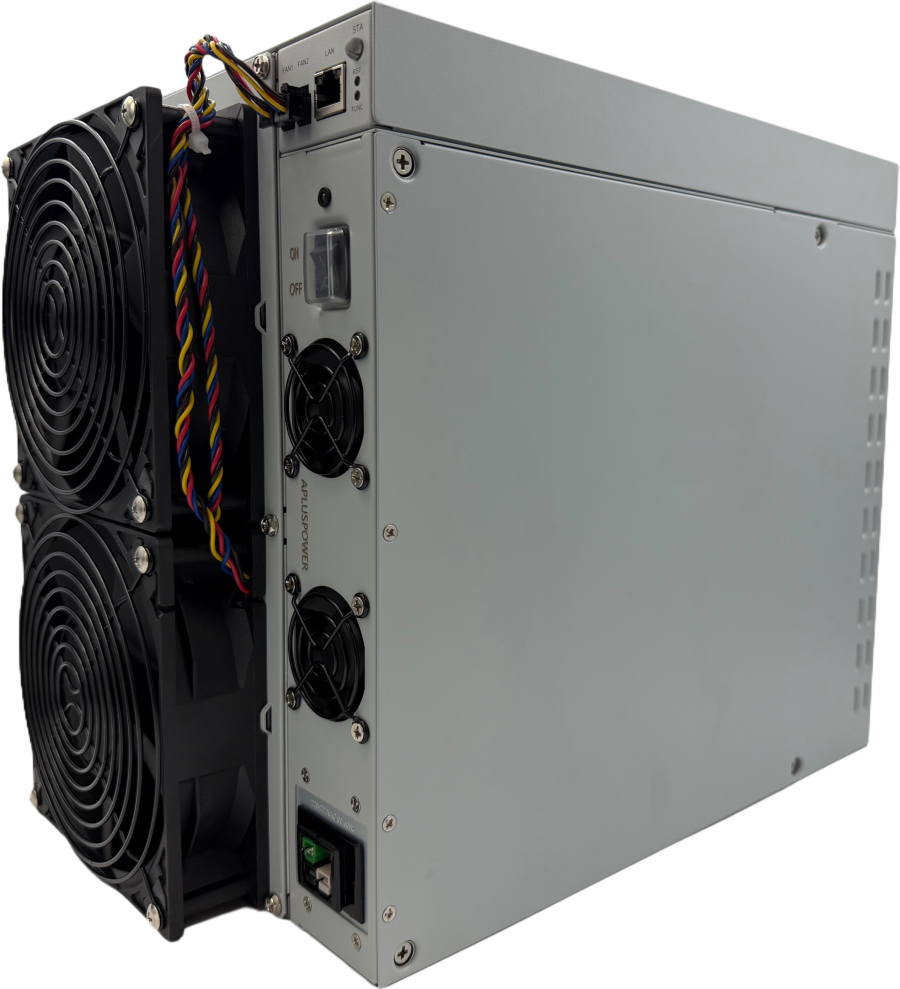 About 282 TH/s
AvalonMiner A16-282T
About 3900 W / About 13.8 J/TH
Same-algorithm Alternatives 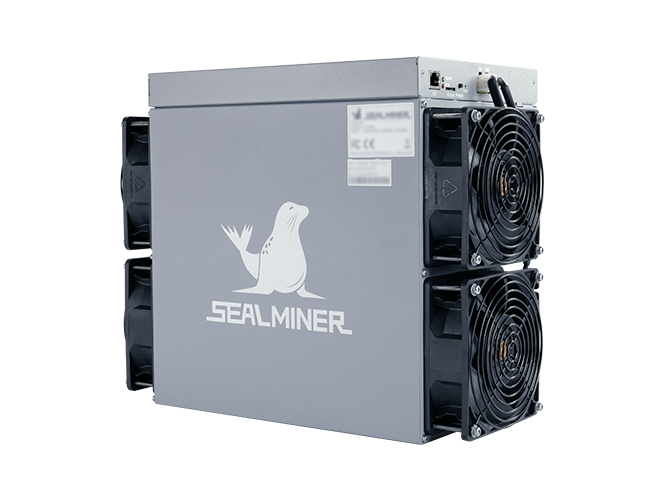 About 336 TH/s
SEALMINER A4 Pro Air
About 3662.4 W / About 10.9 J/TH
Same-algorithm Alternatives 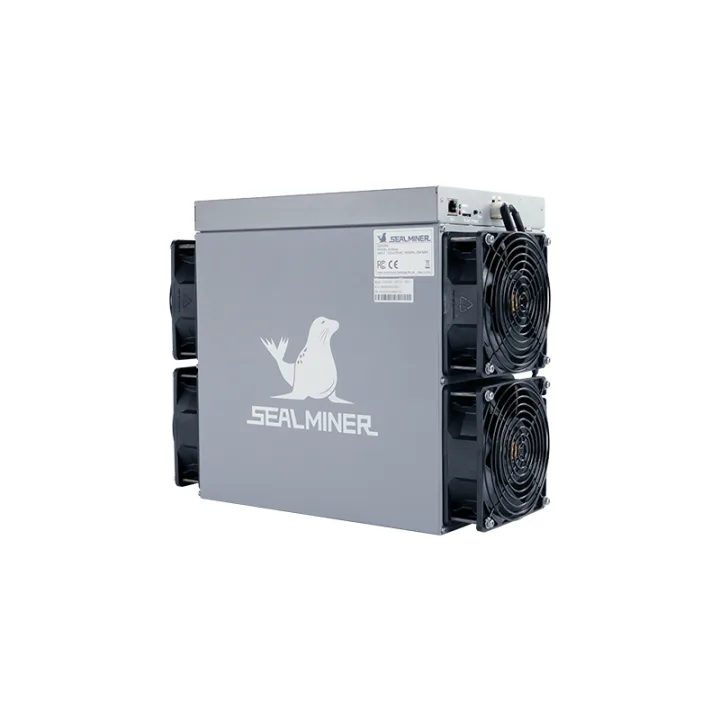 About 25G
SealMiner DL1 Air
Approximately 3725 W / Please use the complete hashrate version and the wall power consumption to convert
Same-algorithm Alternatives 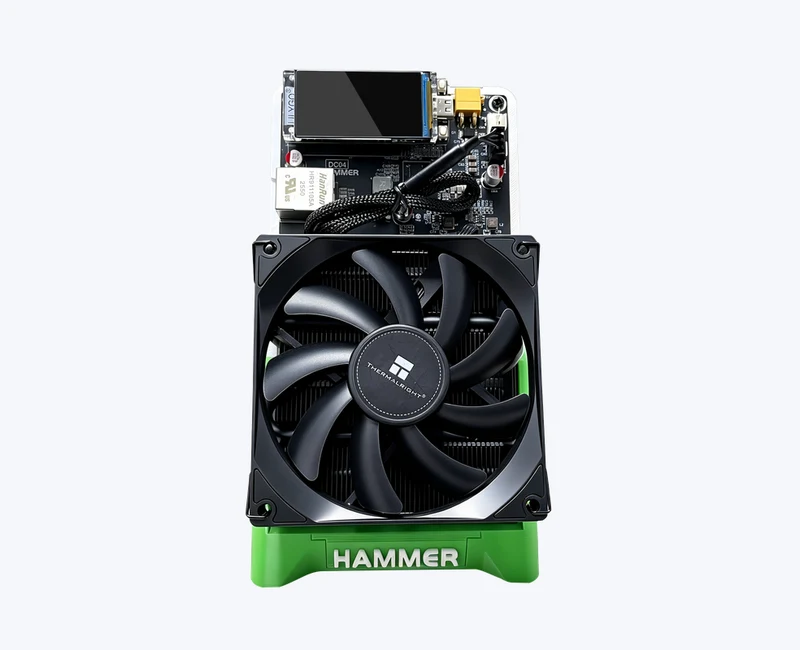 6 TH/s
Hammer Miner BC04
96 W (ASIC-only) / 16 J/TH (derived from ASIC-only draw)
Same-algorithm Alternatives 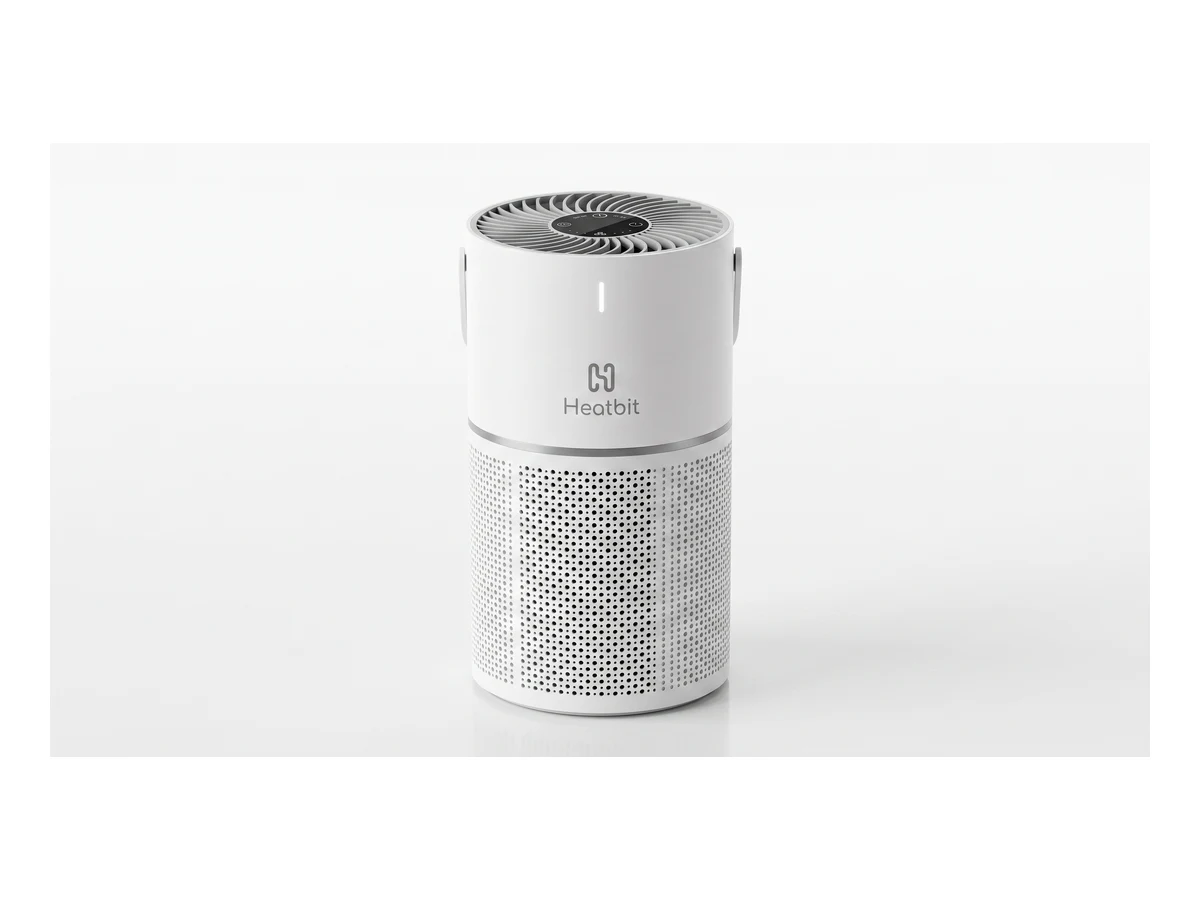 1.2 TH/s

Heatbit Bitair
25 W (whole device, max mode; chip 17 W) / 20.83 J/TH (calculated from maximum device power)
Same-algorithm Alternatives 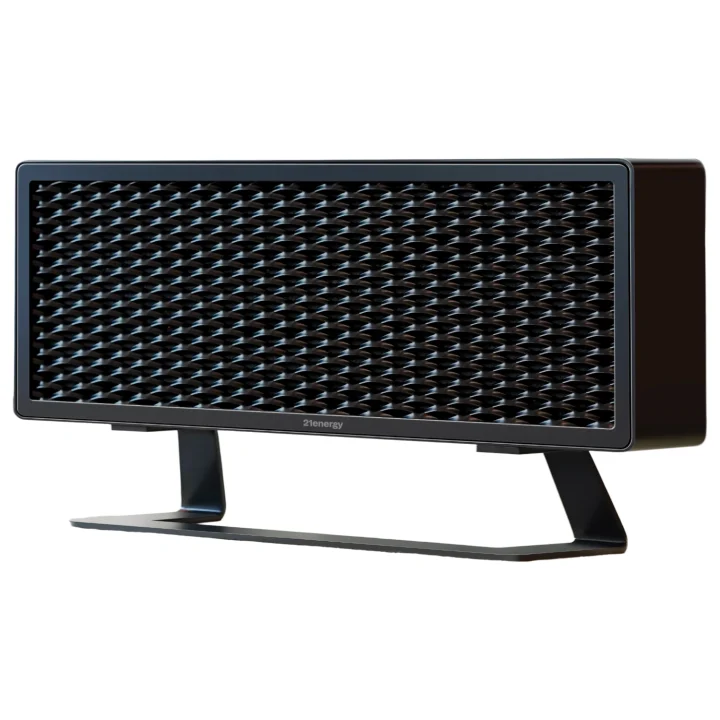 About 60T
21energy Ofen 2 Pro
About 1100 W / Please use the complete hashrate version and wall power consumption to convert
Same-algorithm Alternatives 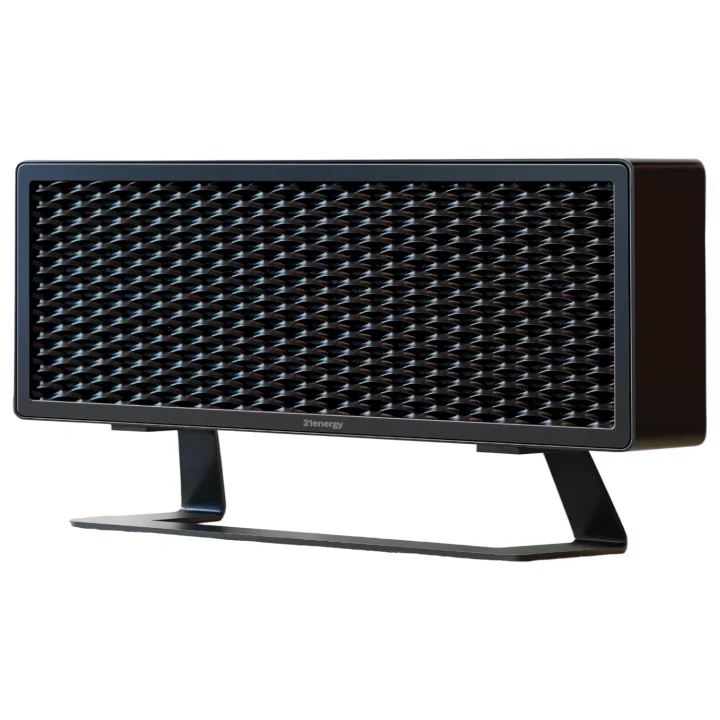 About 40T
21energy Ofen 2
About 1000 W / Please use the complete hashrate version and wall power consumption to convert
Same-algorithm Alternatives 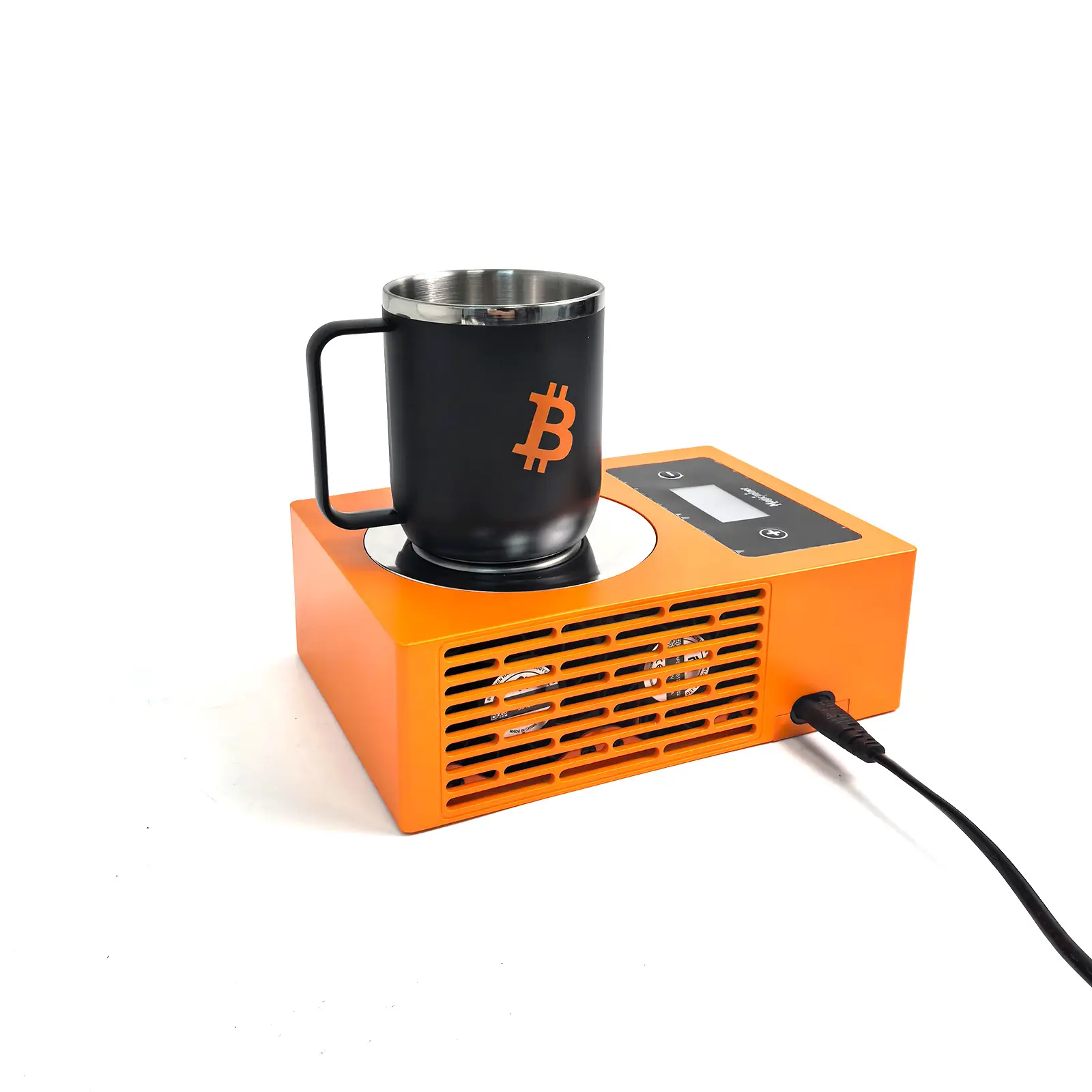 About 550 MH/s

Magicminer WM02 Pro
About 140 W / About 0.255 J/MH
Same-algorithm Alternatives 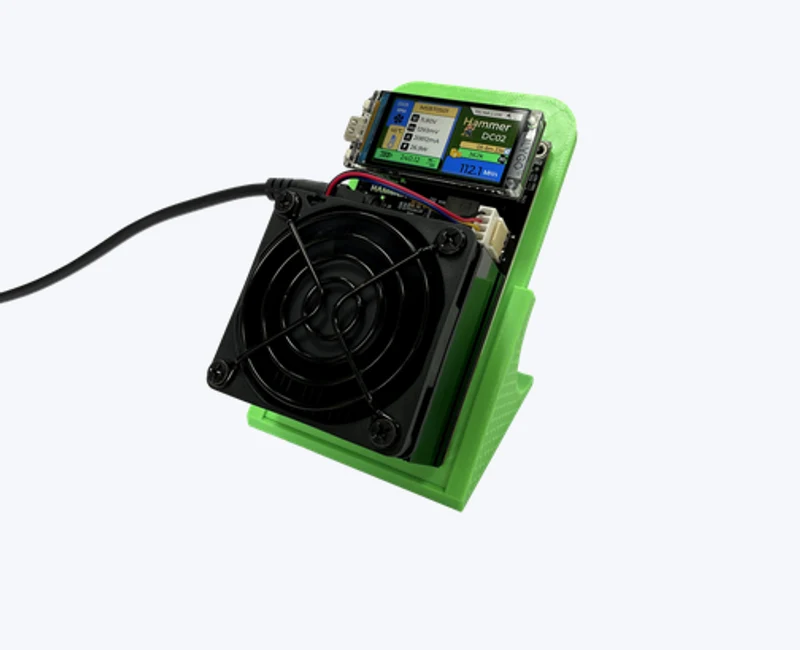 120 MH/s
Hammer Miner DC02
30 W (ASIC-only) / 0.25 J/MH (derived from ASIC-only draw)
Same-algorithm Alternatives 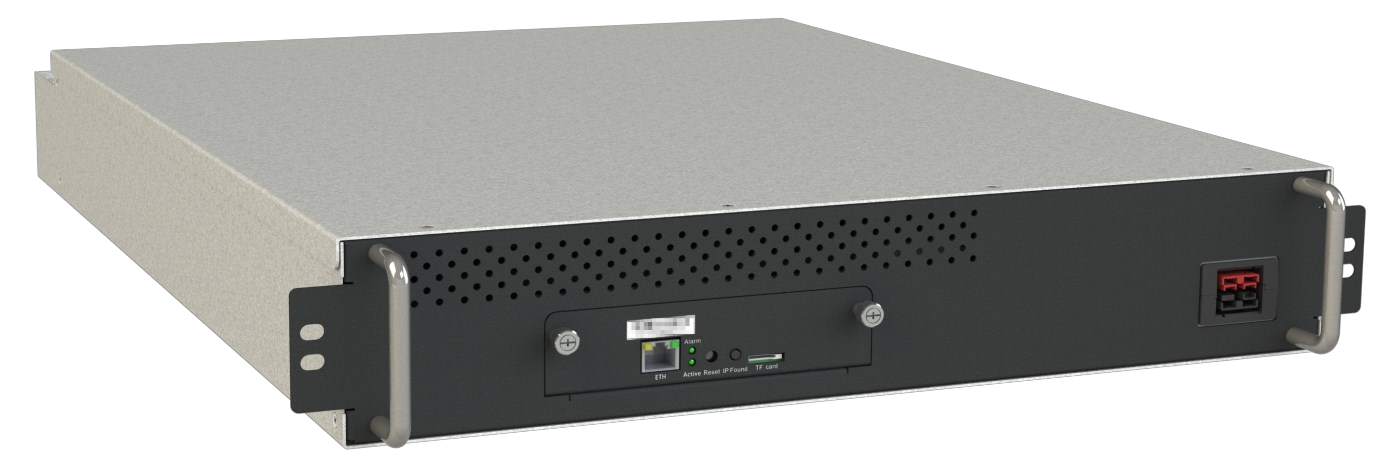 500–552 TH/s(±10%)

WhatsMiner M7AS
7200 W ±10% (normal); 10,000 W ±10% (high performance) / 13.5 J/TH (±5%)
Same-algorithm Alternatives 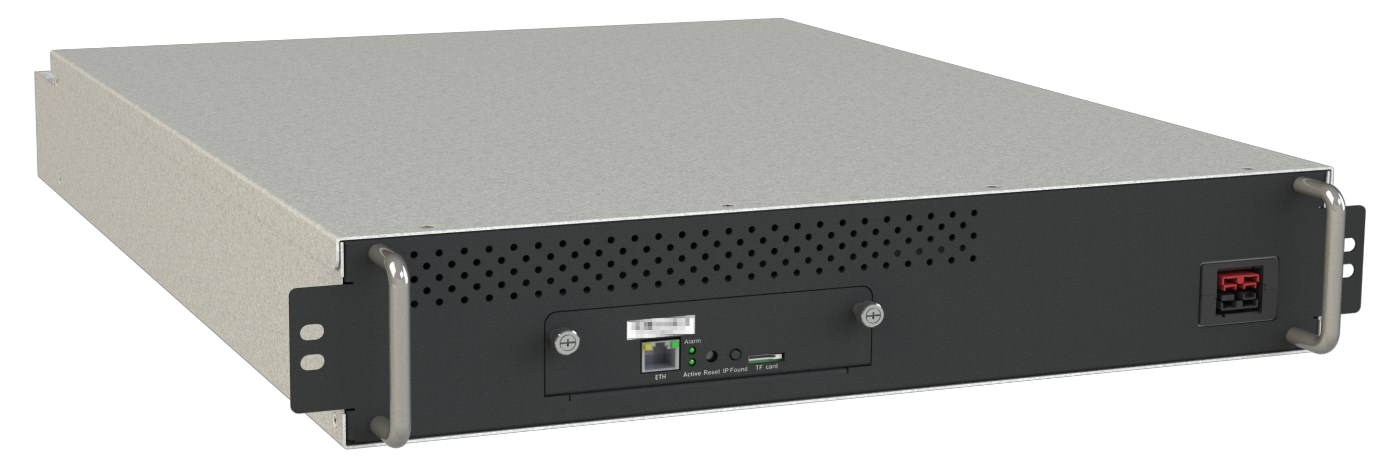 540–600 TH/s(±10%)
WhatsMiner M7AS+
7200 W ±10% (normal); 10,000 W ±10% (high performance) / 12.5 J/TH (±5%)
Same-algorithm Alternatives 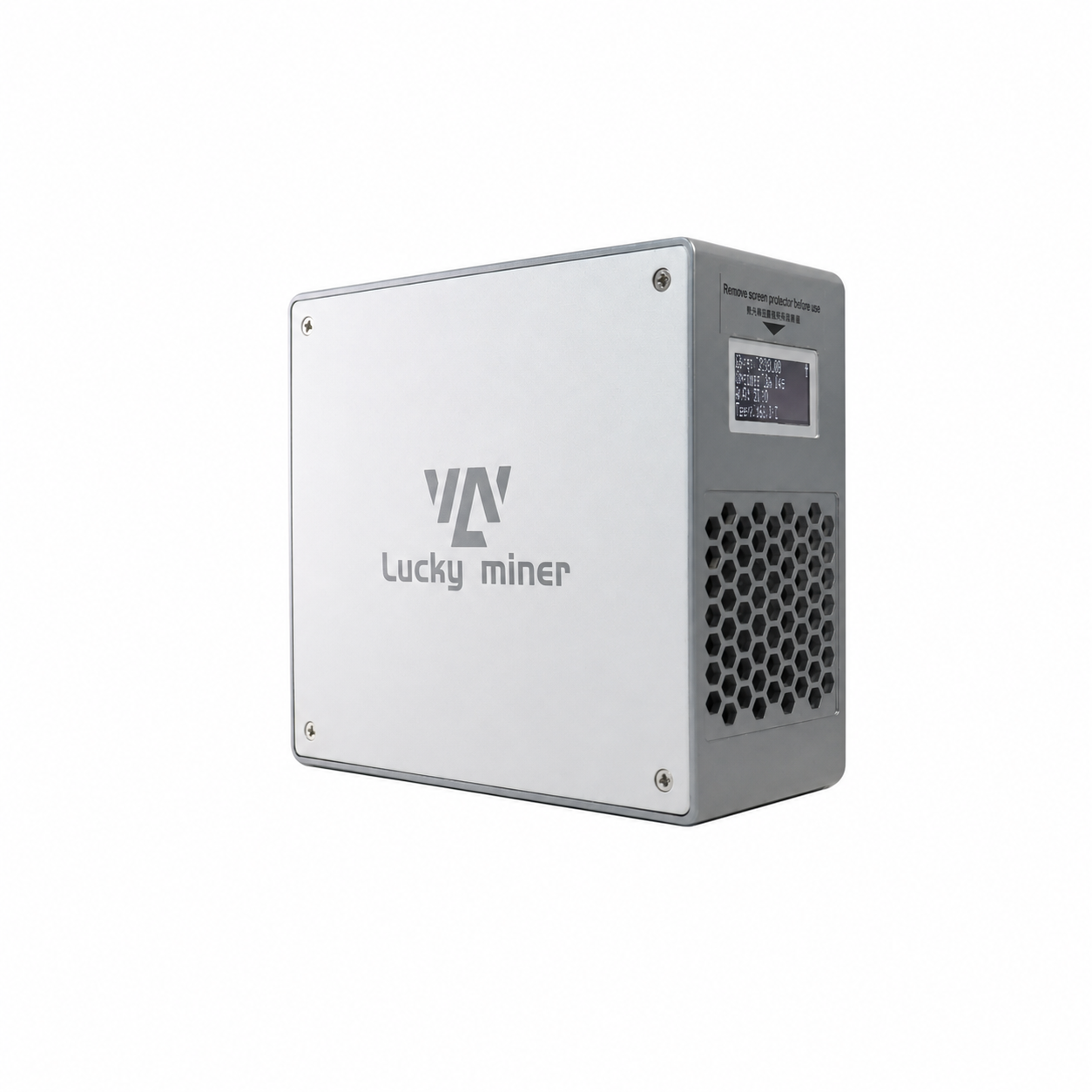 3 TH/s ±5%
Lucky Miner LV07 Pro
50 W ±10% / about 16.7 J/TH
Same-algorithm Alternatives 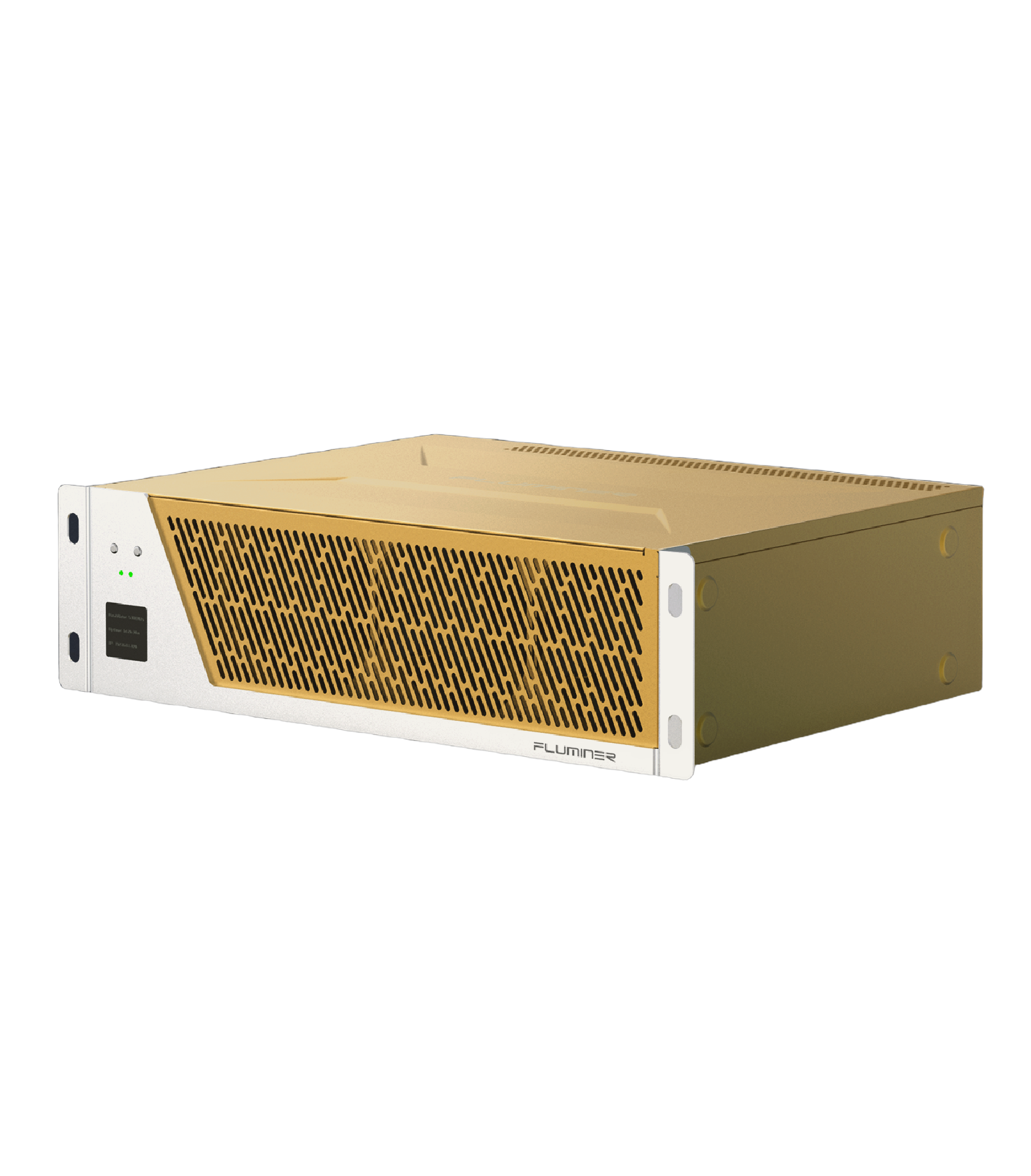 Approximately 105 TH/s; some manual versions are 115 TH/s

FLUMINER T3
Approximately 1650 W; some manual versions are 1700 W / approximately 15–15.7 J/TH
Same-algorithm Alternatives 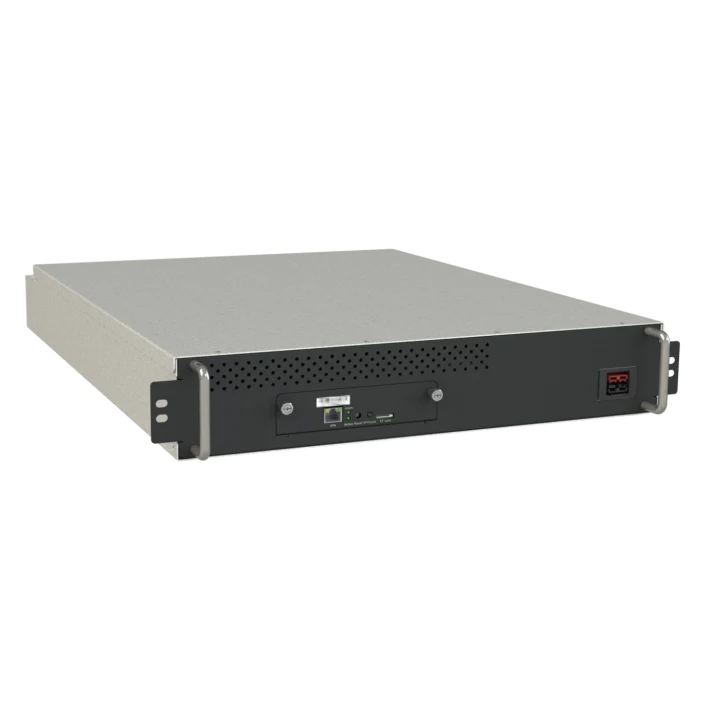 About 540T
WhatsMiner M6DS+
Approximately 9200 W / Please use the complete hashrate version and wall power consumption to convert
Same-algorithm Alternatives 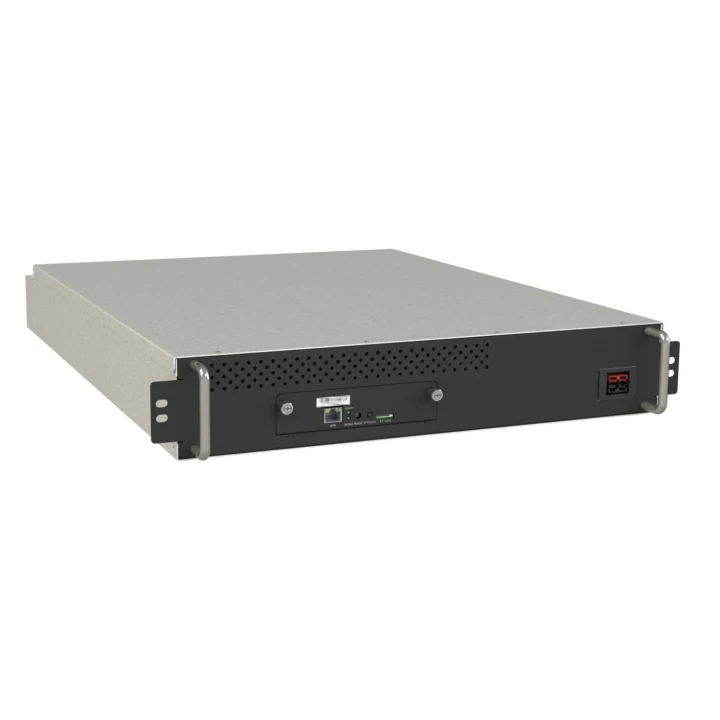 About 592T
WhatsMiner M6DS++
Approximately 9200 W / Please use the complete hashrate version and wall power consumption to convert
Same-algorithm Alternatives 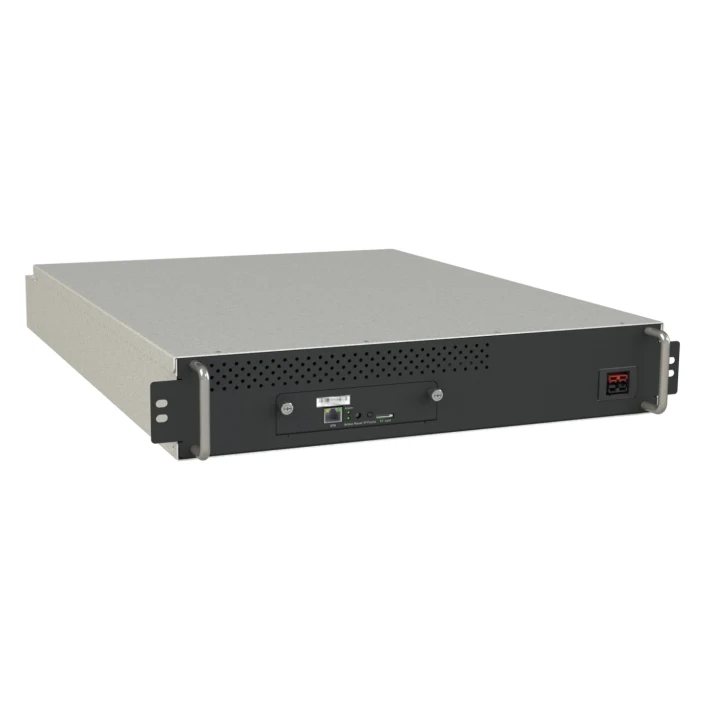 About 634T
WhatsMiner M7D
Approximately 9200 W / Please use the complete hashrate version and wall power consumption to convert
Same-algorithm Alternatives 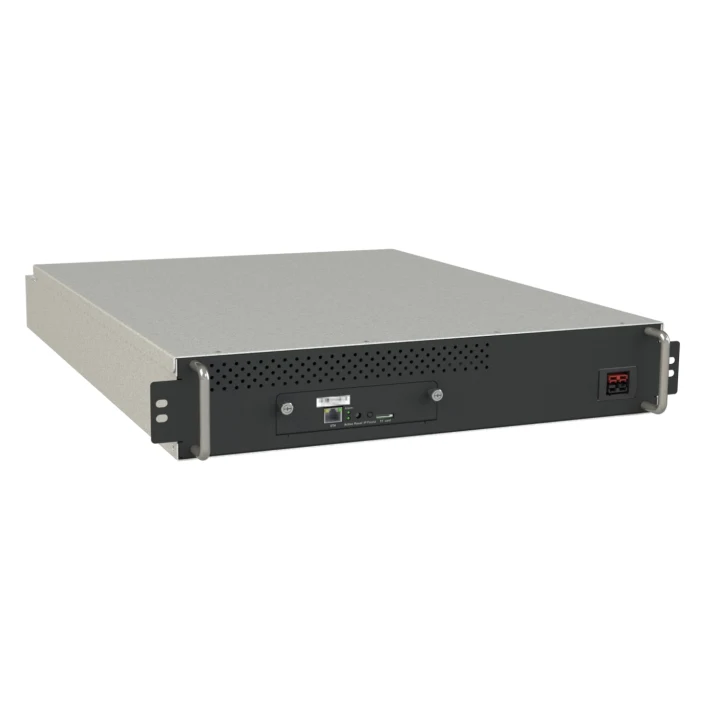 About 680T
WhatsMiner M7DS
Approximately 9200 W / Please use the complete hashrate version and wall power consumption to convert
Same-algorithm Alternatives 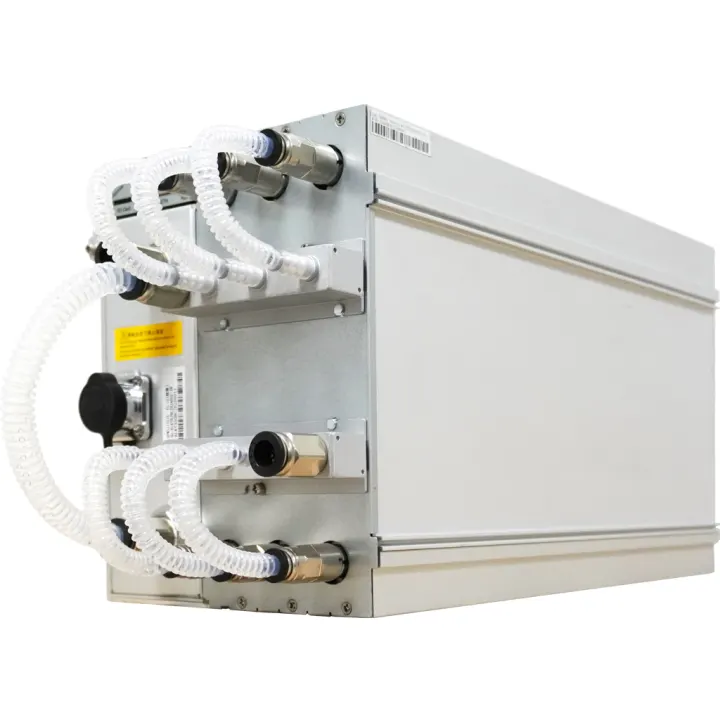 About 495 TH/s
Antminer S21j XP Hyd
About 5940 W / About 12 J/TH
Same-algorithm Alternatives 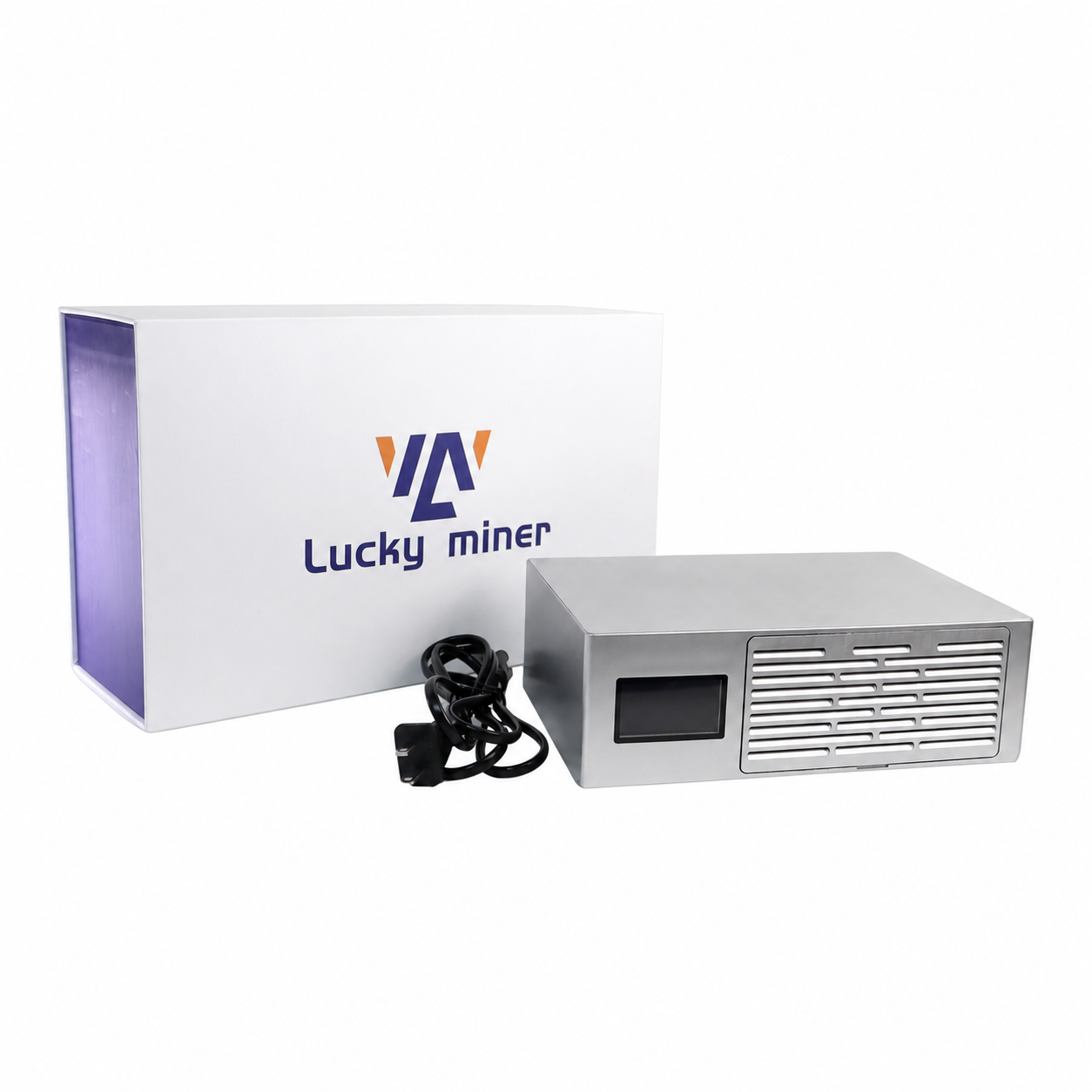 7 TH/s ±5%
Lucky Miner LV08 Pro
150 W ±10% / about 21.4 J/TH
Same-algorithm Alternatives 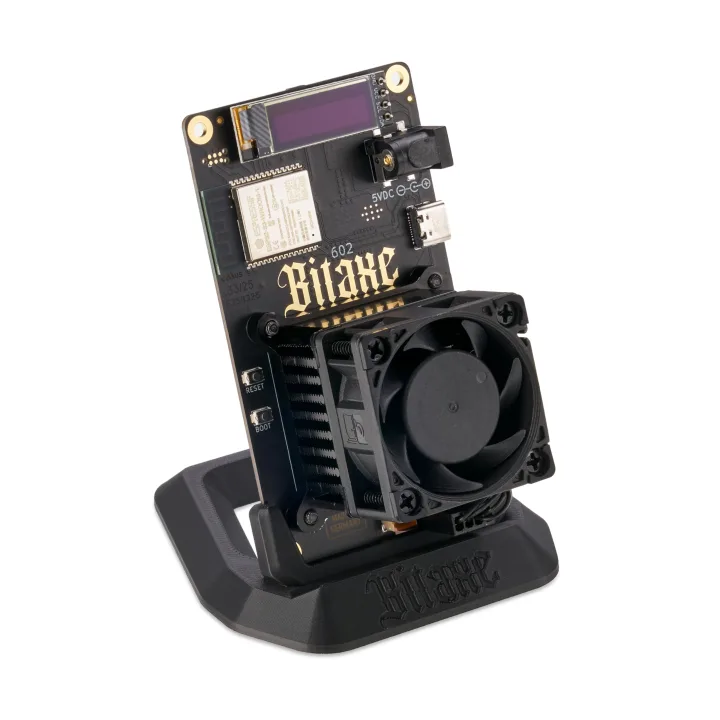 About 1.3T

Bitaxe Gamma 602
About 15 W / Please use the complete hashrate version and wall power consumption to convert
Same-algorithm Alternatives 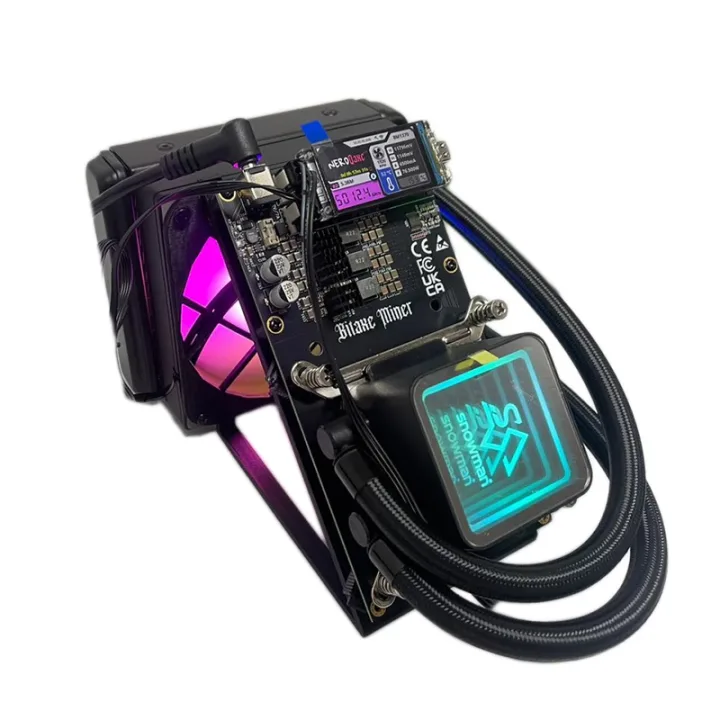 About 4.8T

NerdQaxe++ Hydro
About 76 W / Please use the full hashrate version and wall power consumption to convert
Same-algorithm Alternatives 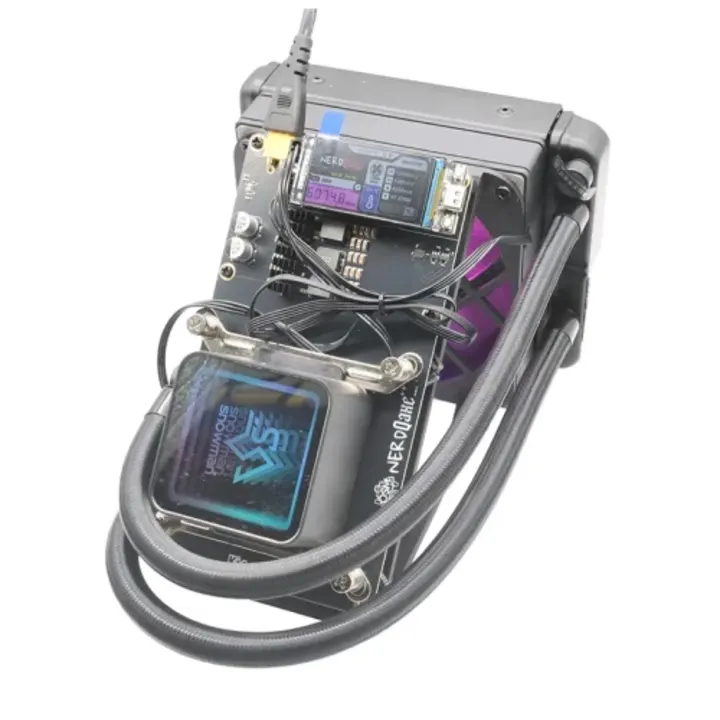 About 6T
NerdQaxe++ Hydro Rev 6.1
About 103 W / Please use the full hashrate version and wall power consumption to convert
Same-algorithm Alternatives 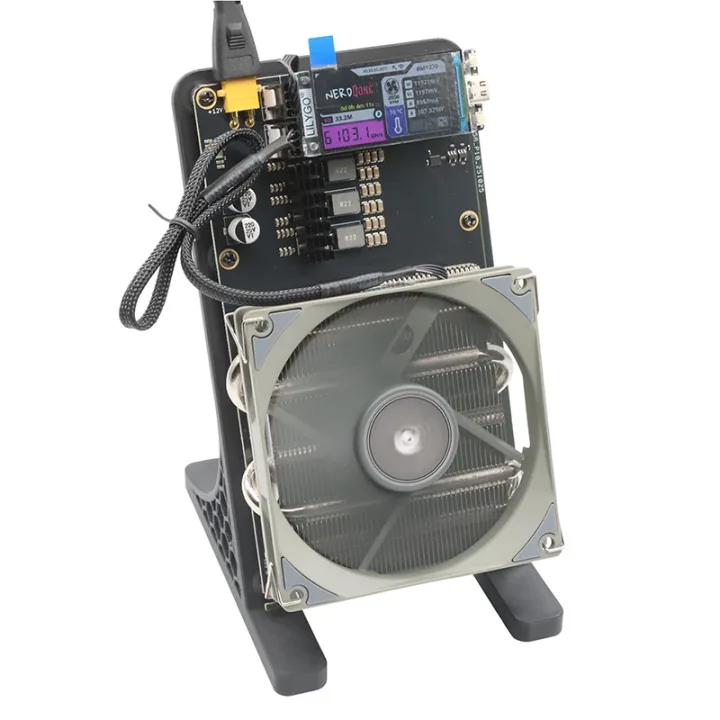 About 6T
NerdQaxe++ Rev 6.1
About 103 W / Please use the full hashrate version and wall power consumption to convert
Same-algorithm Alternatives 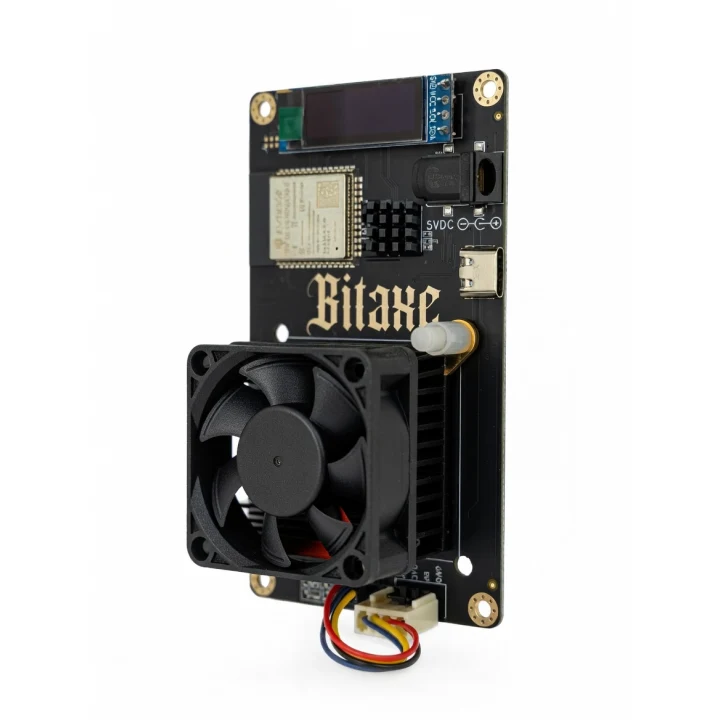 About 1.6T
Bitaxe Gamma Duo 650
About 26 W / Please use the full hashrate version and wall power consumption to convert
Same-algorithm Alternatives 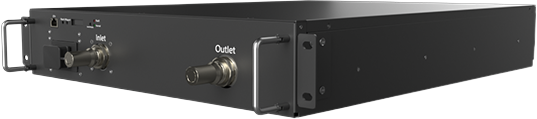 About 865 TH/s
Antminer S23e U2H
About 8650 W / About 10 J/TH
Same-algorithm Alternatives 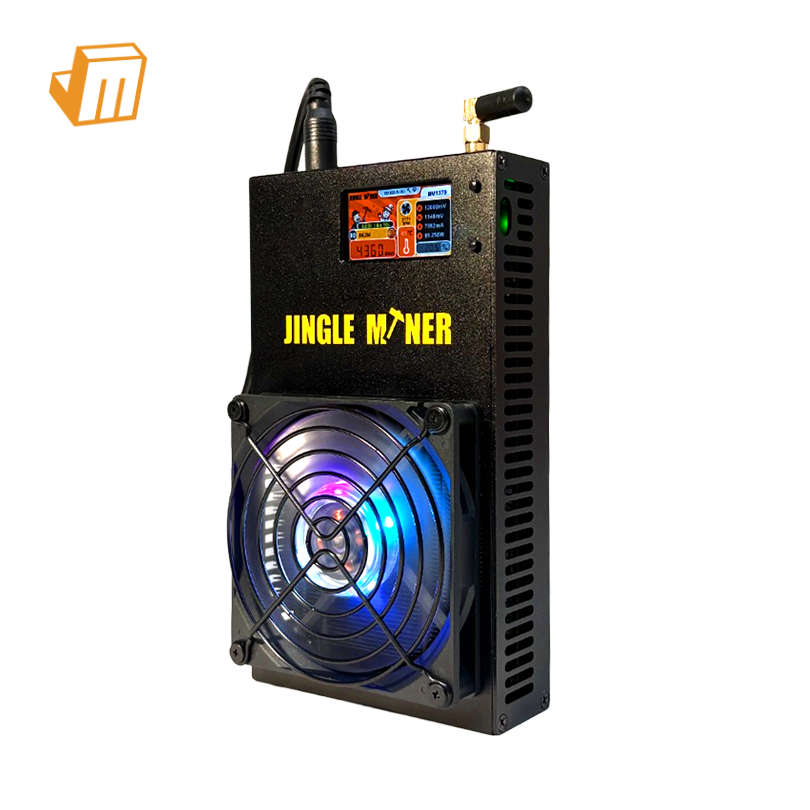 About 4.8 TH/s

Jingle Miner BTC Solo Pro 4.8T
About 96 W / About 20 J/TH
Same-algorithm Alternatives 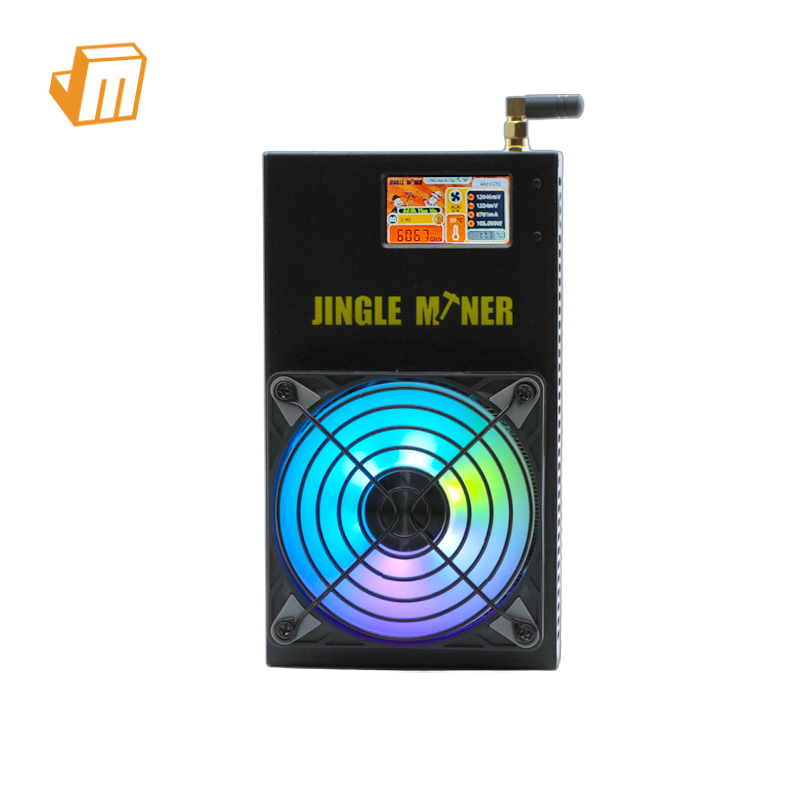 About 6 TH/s
Jingle Miner Solo Pro 6T RGB
About 120 W / About 20 J/TH
Same-algorithm Alternatives 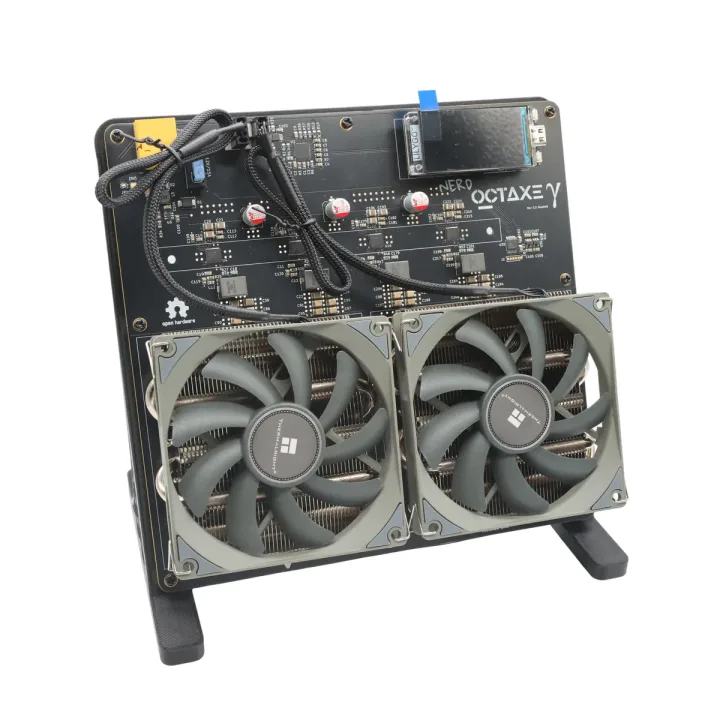 About 12T
NerdOCTAxe Rev 3.1
About 240 W / Please use the full hashrate version and wall power consumption to convert
Same-algorithm Alternatives 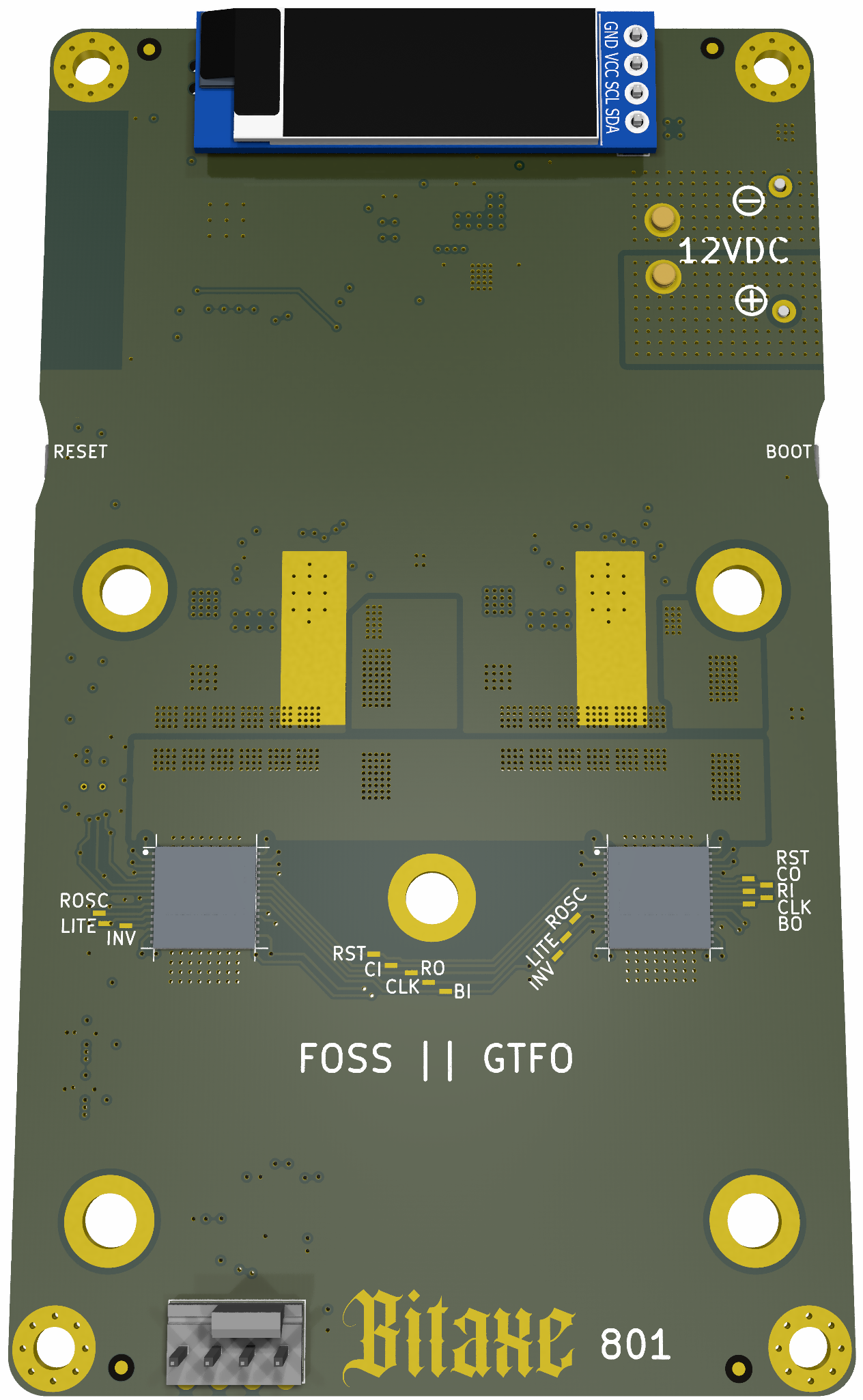 Depends on firmware, power supply and heat dissipation adjustments, the official has not announced a fixed mass production value
Bitaxe Gamma Turbo GT801
12 V input, subject to assembly and adjustment/no unified official measured value yet
Same-algorithm Alternatives 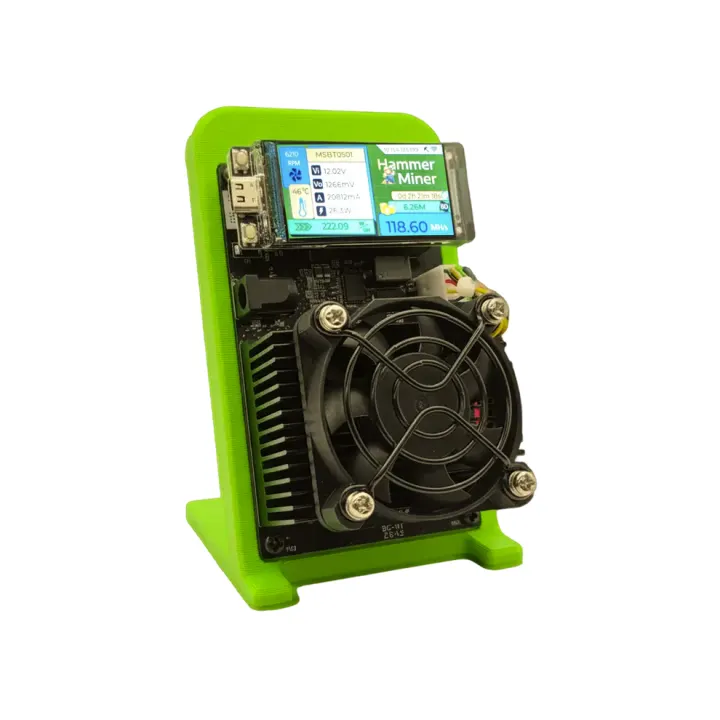 About 105 MH/s

PlebSource Hammer Miner Scrypt
About 25 W / About 0.24 J/MH (25 W/105 MH/s)
Same-algorithm Alternatives 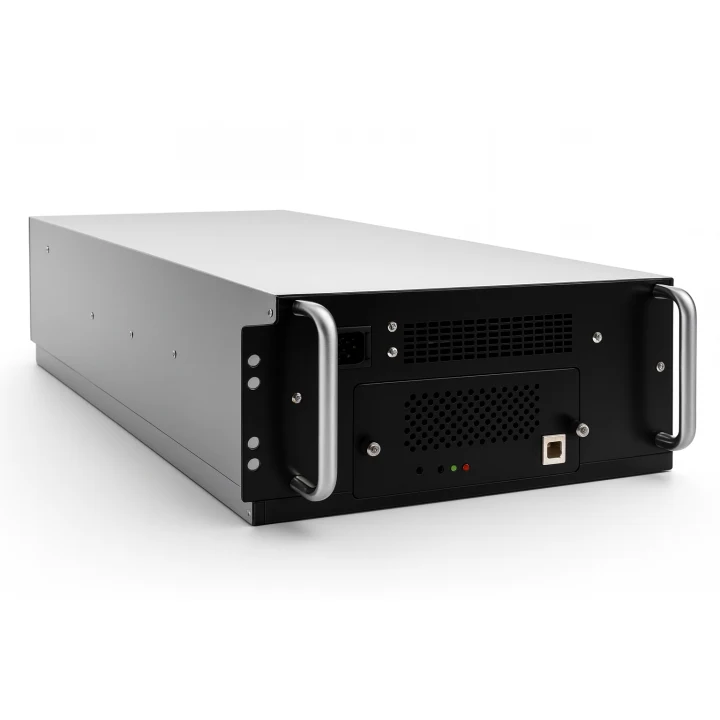 About 920T
WhatsMiner M79
Approximately 14500 W / Please use the complete hashrate version and the wall power consumption to convert
Same-algorithm Alternatives 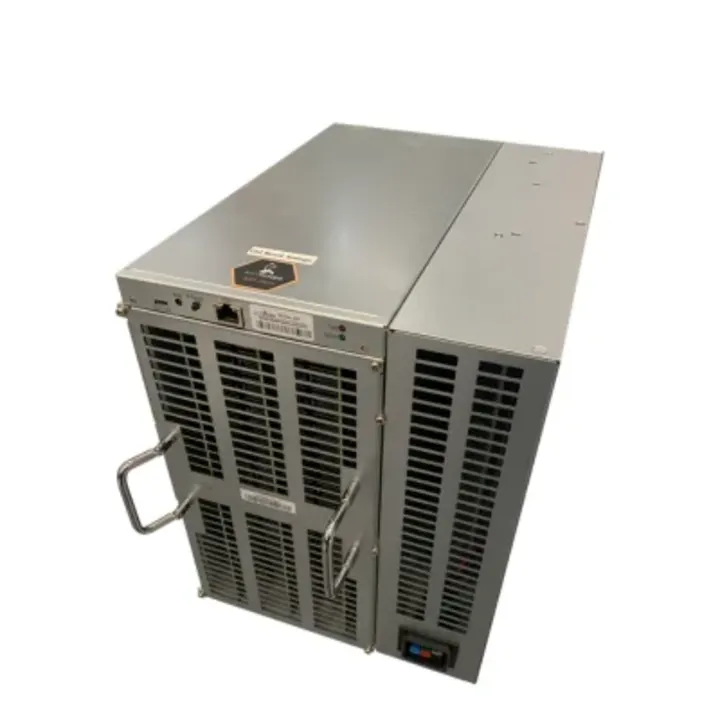 About 442T
Antminer S23 Immersion
Approximately 5304 W / Please use the complete hashrate version and the wall power consumption to convert
Same-algorithm Alternatives 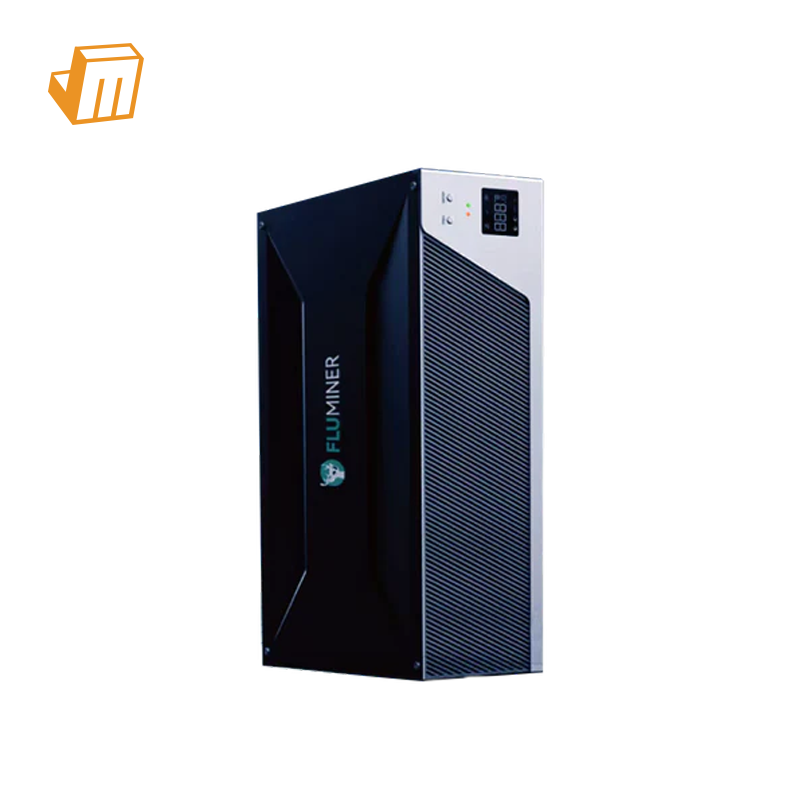 About 9.5 GH/s
FLUMINER L3
Approx. 1700 W / Approx. 179 J/GH
Same-algorithm Alternatives 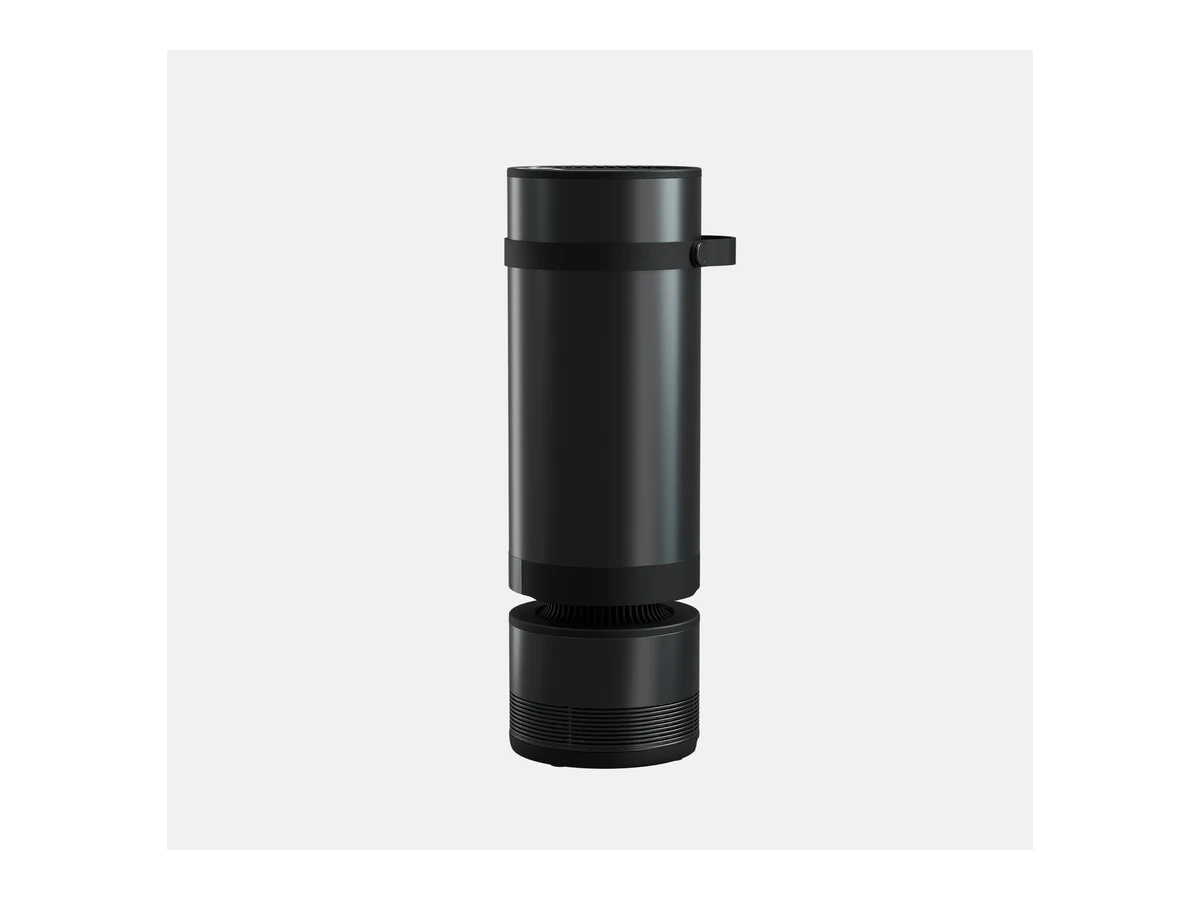 60 TH/s
Heatbit Maxi Pro
1500 W / 25 J/TH (calculated from rated device power)
Same-algorithm Alternatives 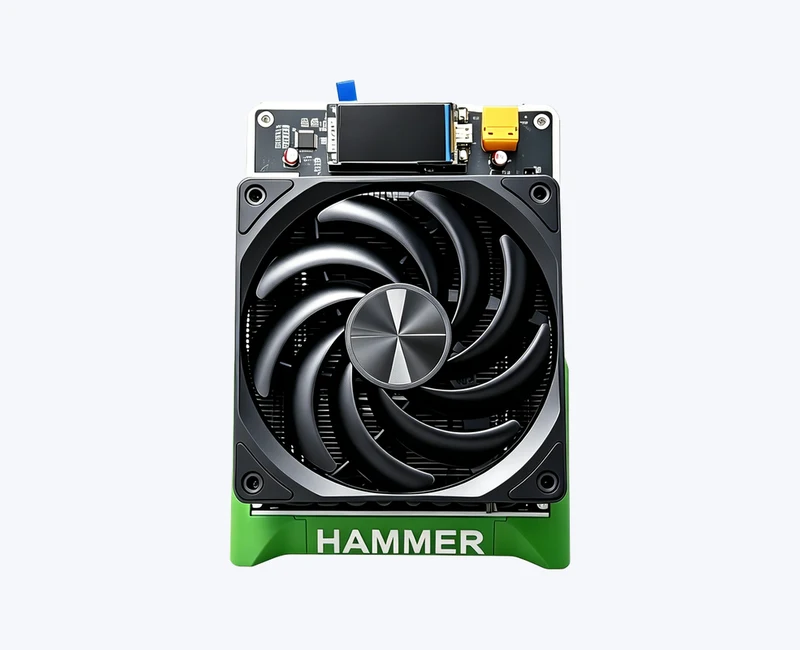 440 MH/s
Hammer Miner DC08
120 W (ASIC-only) / 0.273 J/MH (derived from ASIC-only draw)
Same-algorithm Alternatives 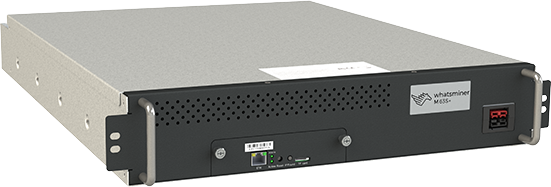 About 540-600 TH/s
WhatsMiner M73S+
About 7200 W, overclocking mode up to about 10000 W / about 12.5 J/TH
Same-algorithm Alternatives 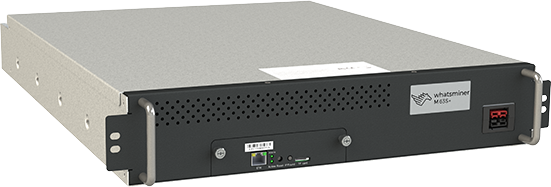 About 500-552 TH/s
WhatsMiner M73S
About 7200 W, overclocking mode up to about 10000 W / about 13.5 J/TH
Same-algorithm Alternatives 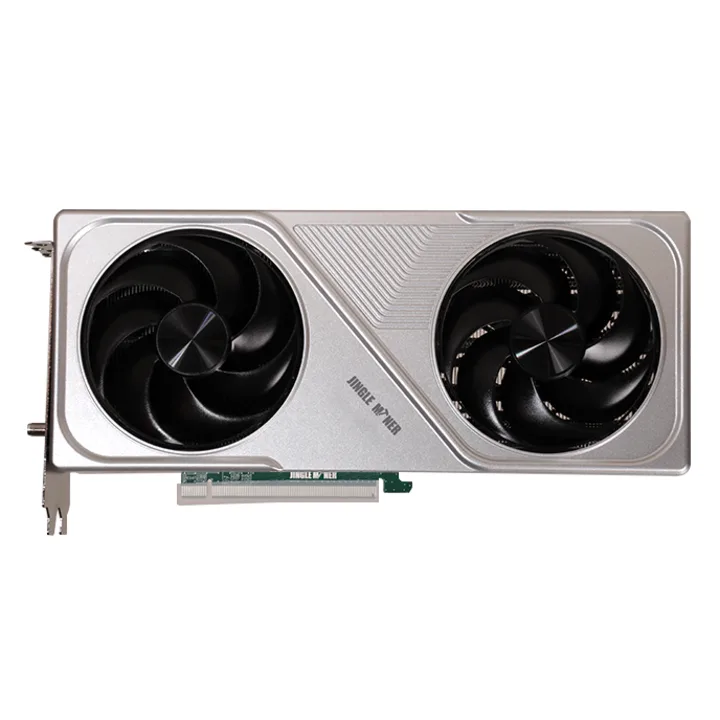 About 600M/s
Jingle Miner LTC-DOGE Hashcard
About 160 W / Please use the full hashrate version and wall power consumption to convert
Same-algorithm Alternatives 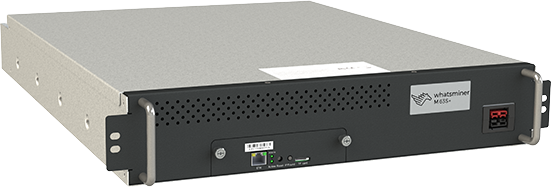 About 470-526 TH/s
WhatsMiner M73
About 7200 W, overclocking mode up to about 10000 W / about 14.5 J/TH
Same-algorithm Alternatives 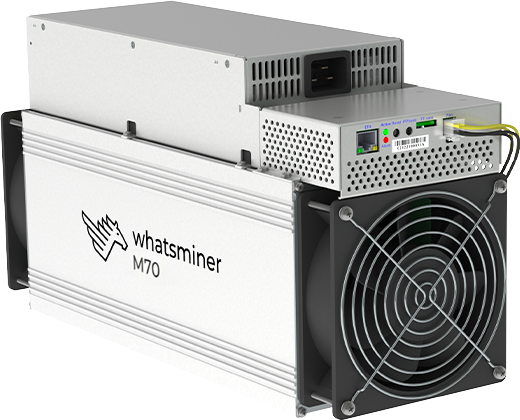 About 248 TH/s
WhatsMiner M70S
About 3348 W / About 13.5 J/TH
Same-algorithm Alternatives 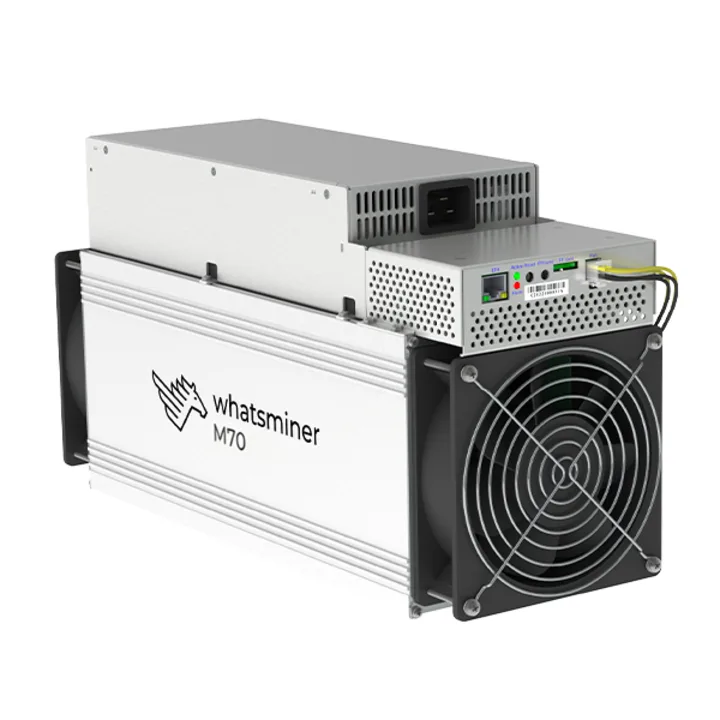 About 244TH/s
WhatsMiner M70S+
Approximately 3140 W / Please use the complete hashrate version and wall power consumption to convert
Same-algorithm Alternatives 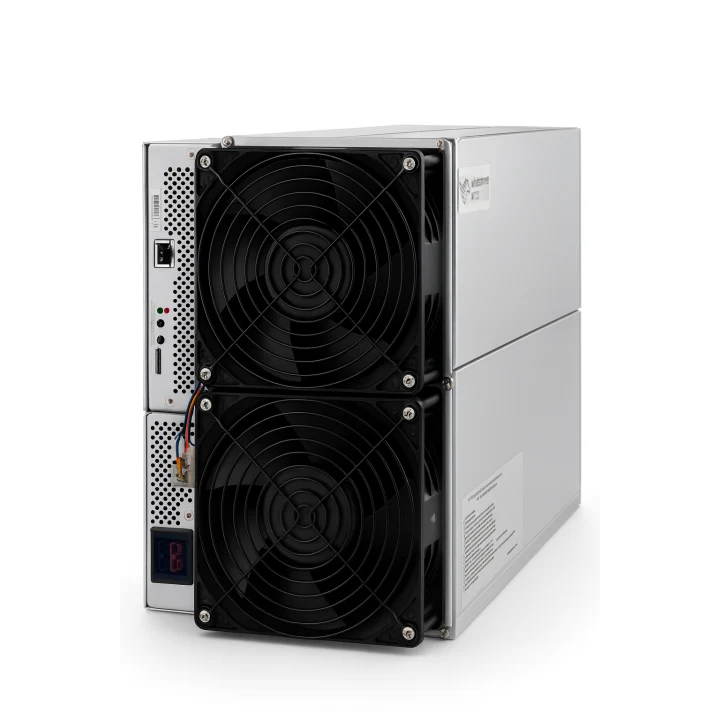 About 264T
WhatsMiner M72S
About 4000 W / Please use the full hashrate version and the wall power consumption to convert
Same-algorithm Alternatives 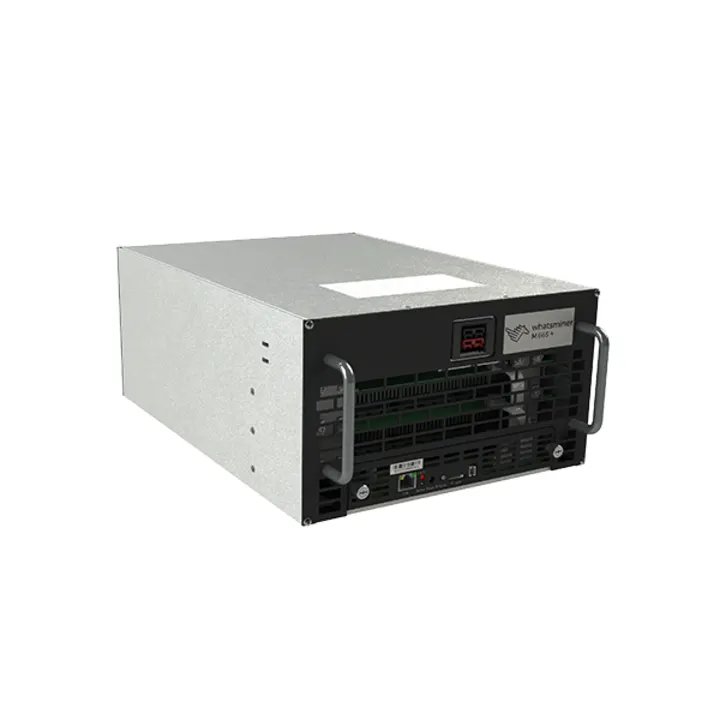 About 336T
WhatsMiner M76
Approximately 5200 W / Please use the complete hashrate version and wall power consumption to convert
Same-algorithm Alternatives 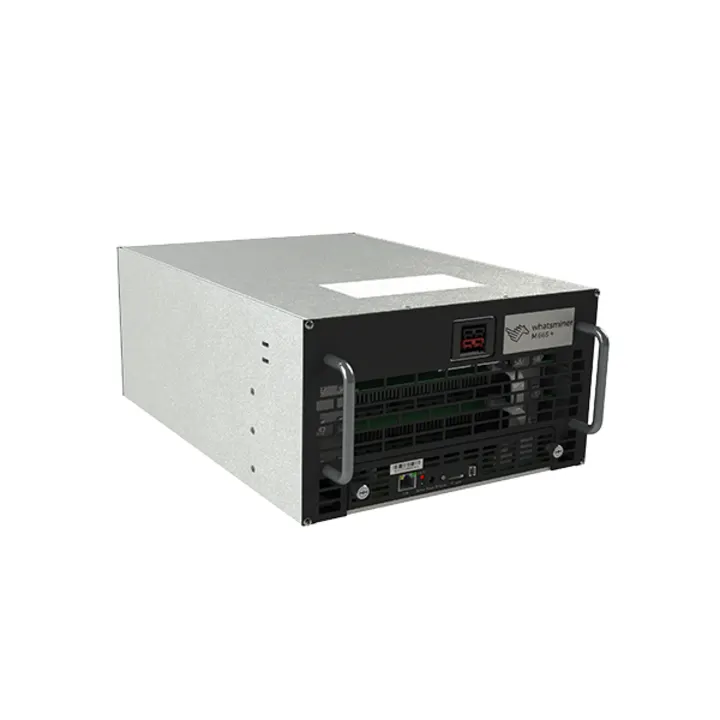 About 362T
WhatsMiner M76S
Approximately 5200 W / Please use the complete hashrate version and wall power consumption to convert
Same-algorithm Alternatives 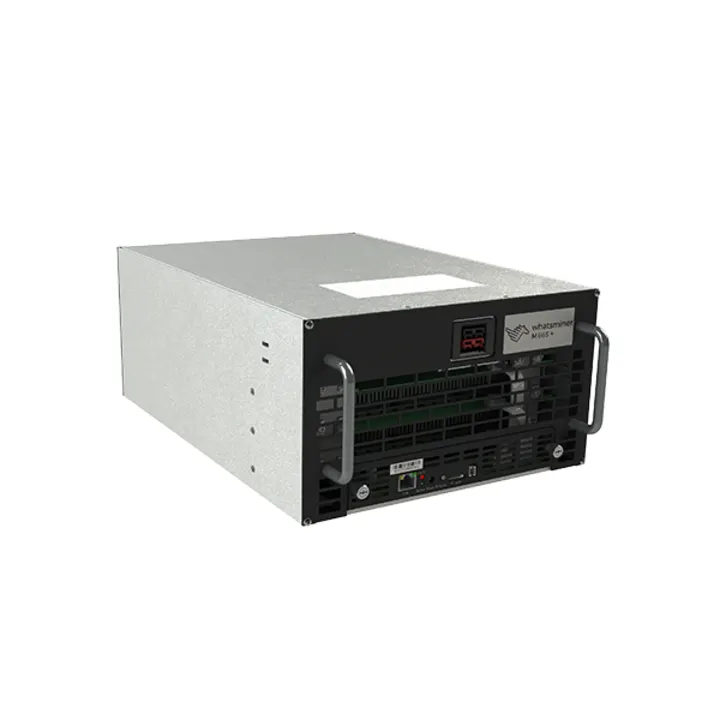 About 390T
WhatsMiner M76S+
Approximately 5200 W / Please use the complete hashrate version and wall power consumption to convert
Same-algorithm Alternatives 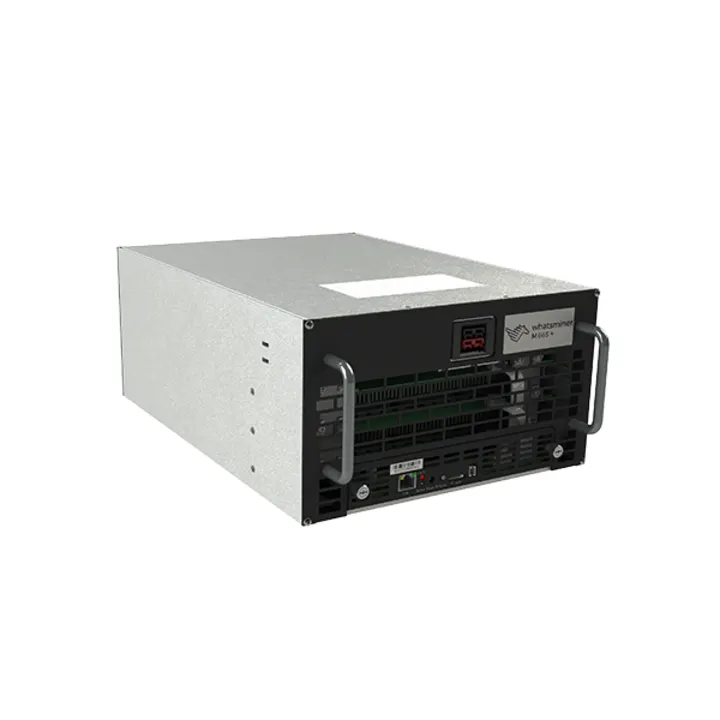 About 472T
WhatsMiner M78S
Approximately 6550 W / Please use the complete hashrate version and the wall power consumption to convert
Same-algorithm Alternatives 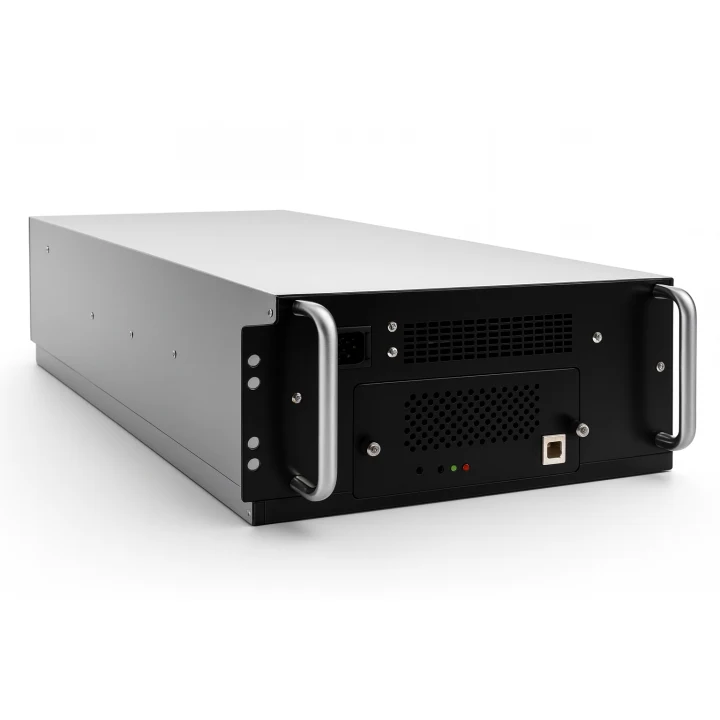 About 1350T
WhatsMiner M79S
Approximately 20,000 W / Please use the complete hashrate version and the wall power consumption to convert
Same-algorithm Alternatives 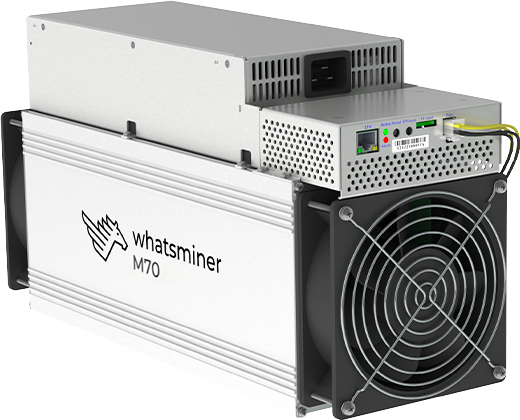 About 214-236 TH/s
WhatsMiner M70
About 3140 W / About 14.5 J/TH
Same-algorithm Alternatives 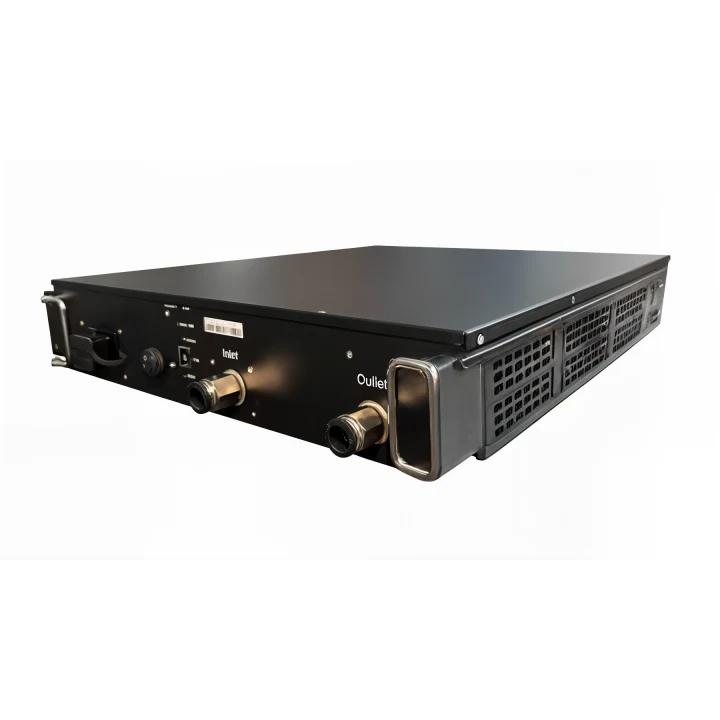 About 35G
Antminer L11 Hyd 2U
Approximately 5775 W / Please use the complete hashrate version and the wall power consumption to convert
Same-algorithm Alternatives 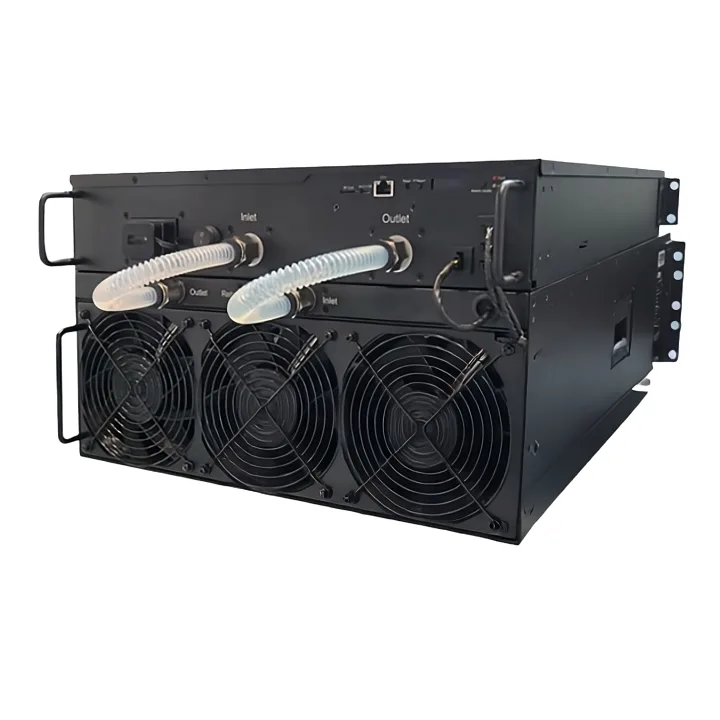 About 33G
Antminer L11 Hyd 6U
Approximately 5676 W / Please use the full hashrate version and the wall power consumption to convert
Same-algorithm Alternatives 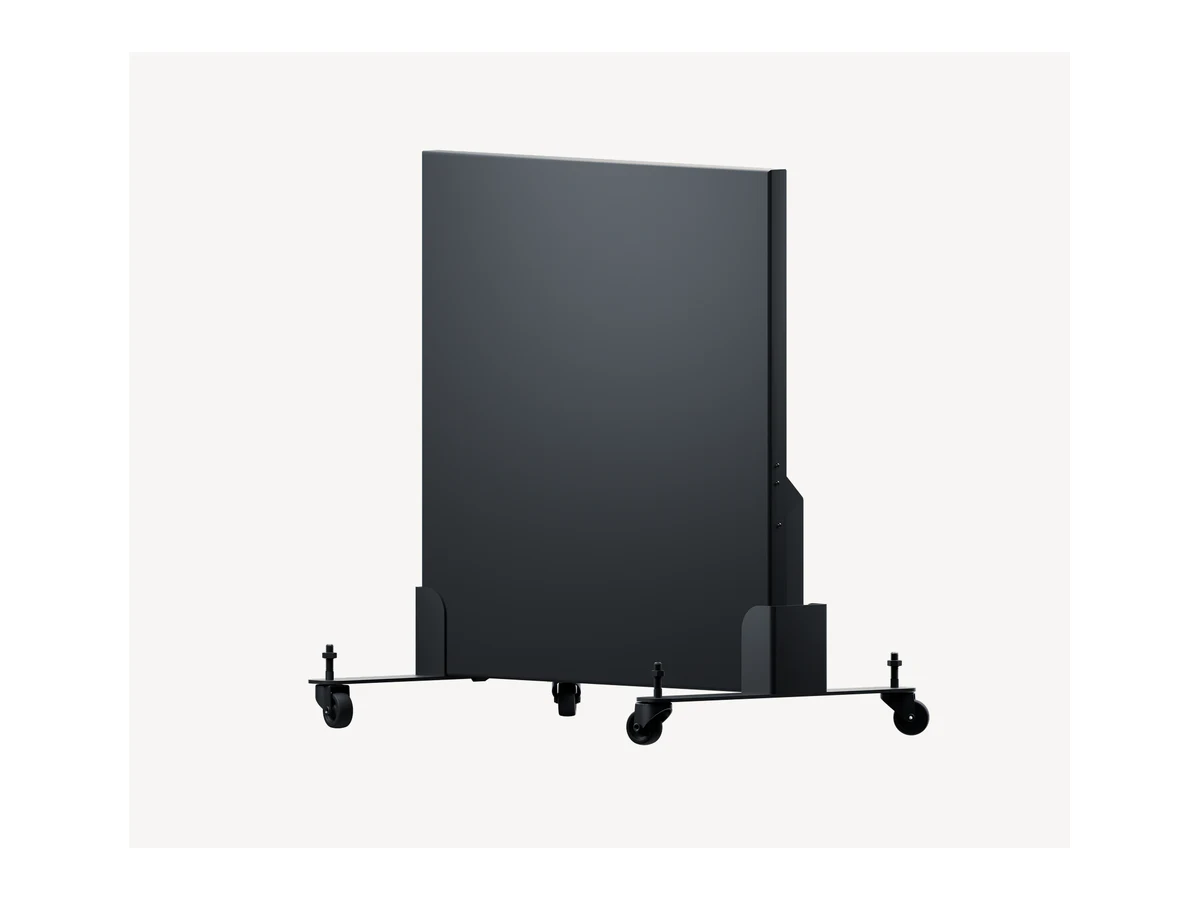 10 TH/s
Heatbit Canvas
300 W / 30 J/TH (calculated from rated device power)
Same-algorithm Alternatives 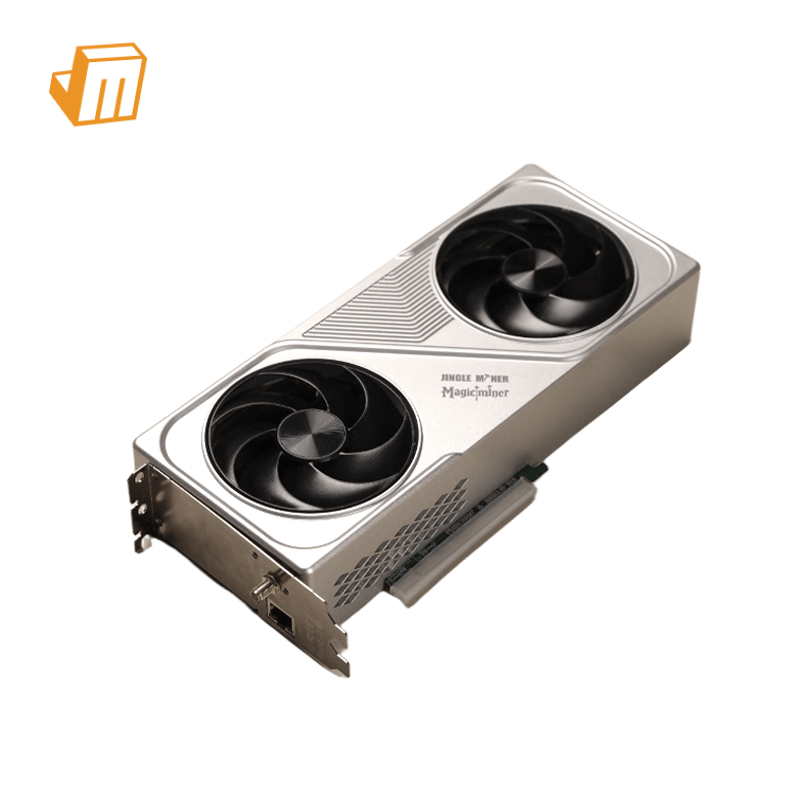 About 12.5 TH/s
Jingle Miner BTC Hashcard 12.5T
About 200 W / About 16 J/TH
Same-algorithm Alternatives 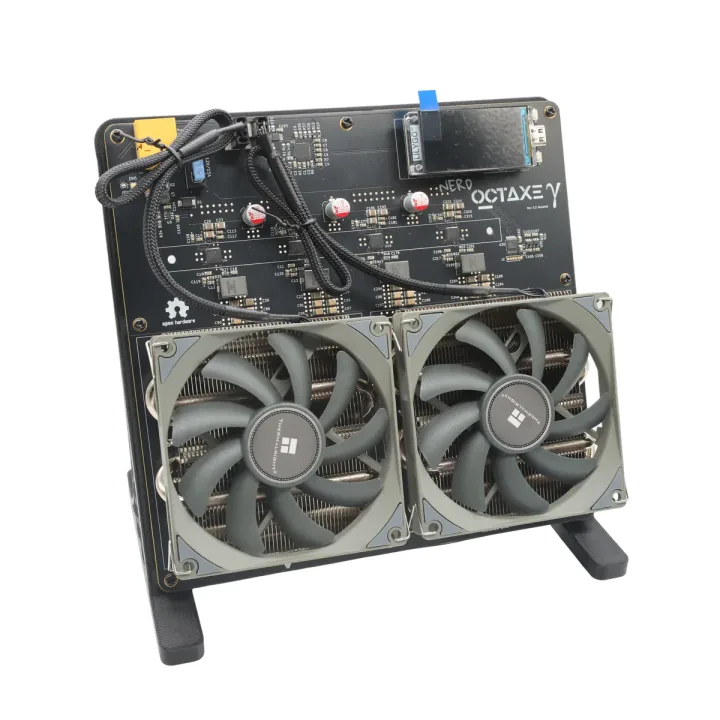 About 9.6T
NerdOCTAxe
About 160 W / Please use the full hashrate version and wall power consumption to convert
Same-algorithm Alternatives 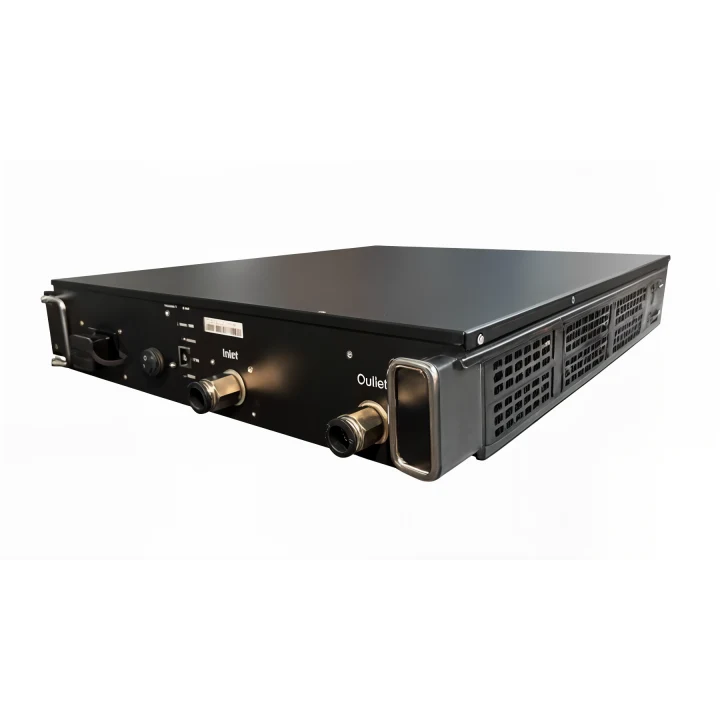 About 27G
Antminer L9 Hyd 2U
Approximately 5670 W / Please use the complete hashrate version and the wall power consumption to convert
Same-algorithm Alternatives 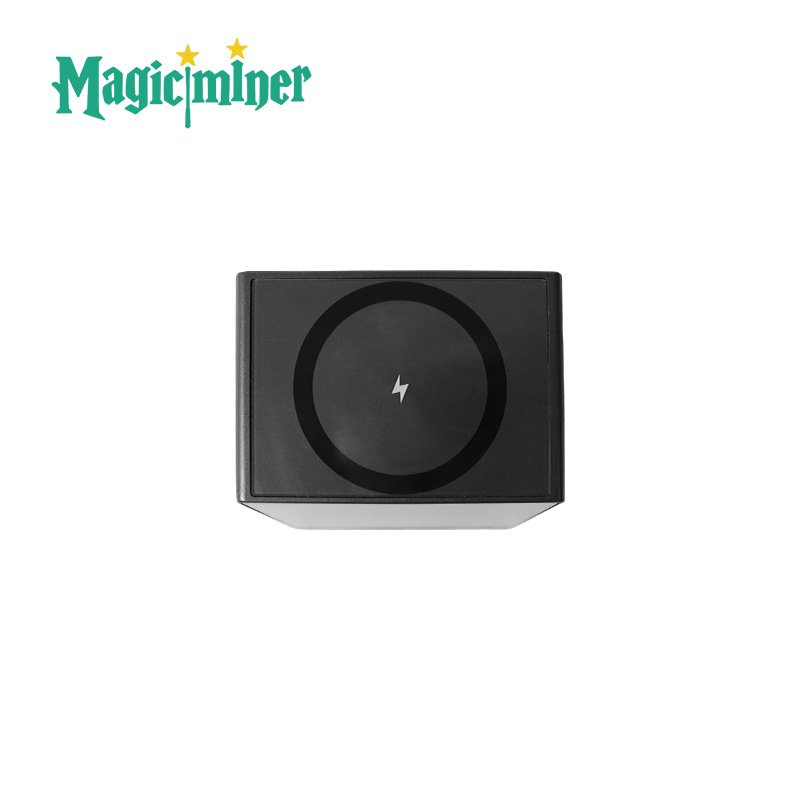 About 770 KH/s
Magicminer MO01
Up to about 17 W / Not suitable for comparison with ASIC in J/TH
Same-algorithm Alternatives 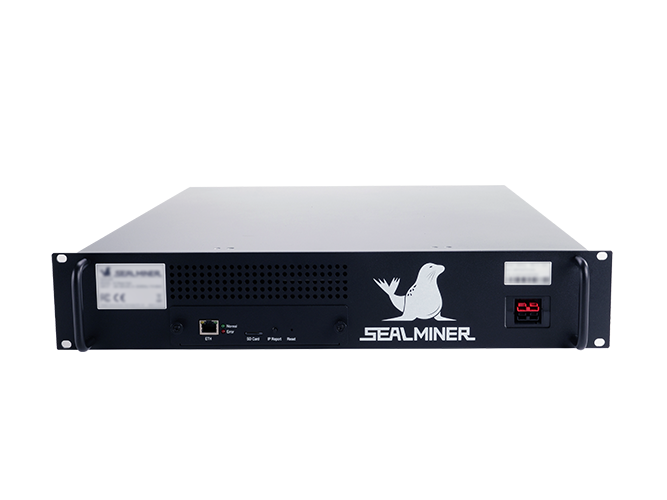 About 660 TH/s
SEALMINER A3 Pro Hydro
About 8250 W / About 12.5 J/TH
Same-algorithm Alternatives 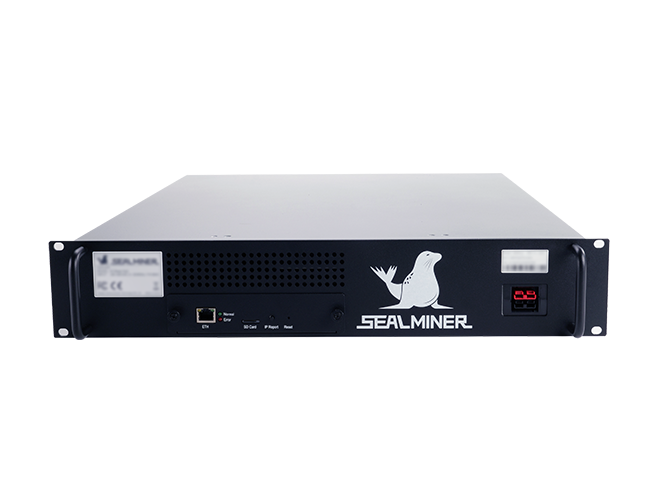 About 500 TH/s
SEALMINER A3 Hydro
About 6750 W / About 13.5 J/TH
Same-algorithm Alternatives 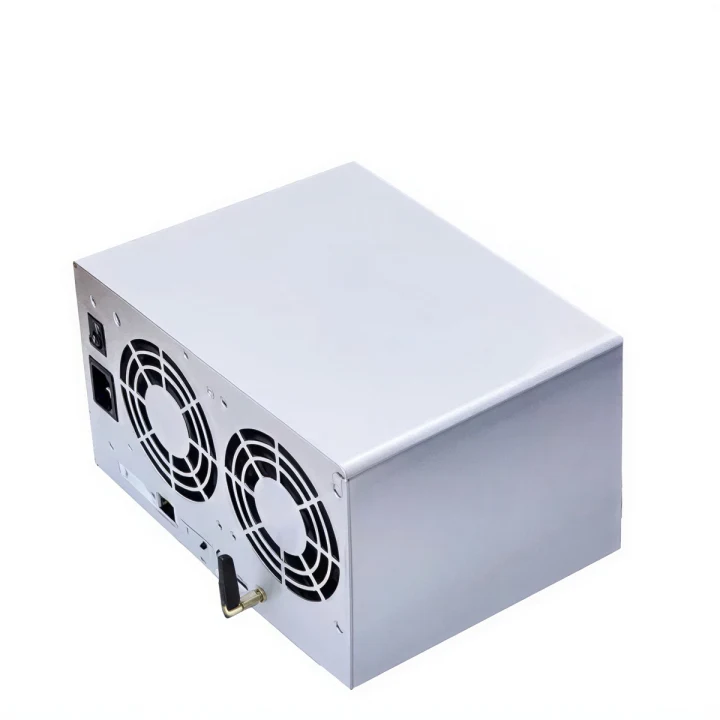 About 2.4G

ElphaPex DG2 Mini
Approximately 530 W / Please use the complete hashrate version and wall power consumption to convert
Same-algorithm Alternatives 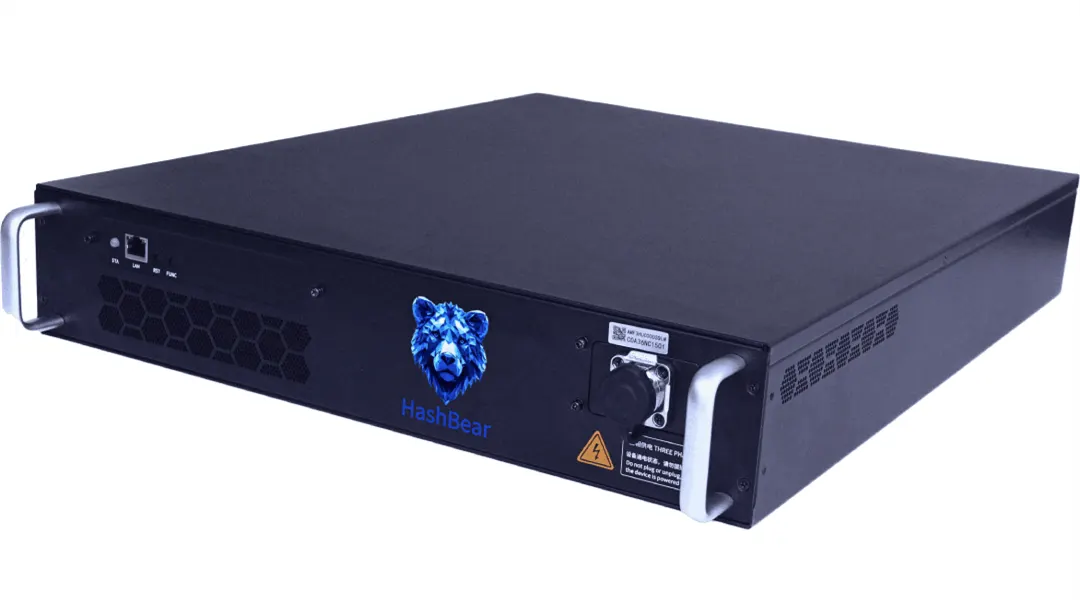 About 360 TH/s

HashBear 2U Hydro
About 6660 W / About 18.5 J/TH
Same-algorithm Alternatives 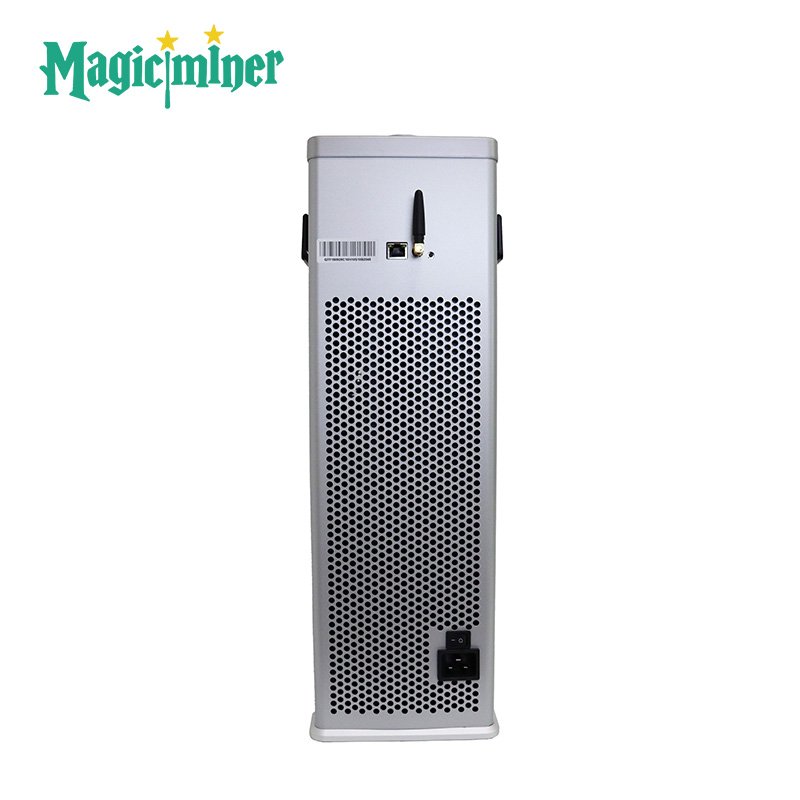 Approximately 28–35 TH/s (depending on mode)
Magicminer FM01
Approx. 950–1400 W (depending on mode) / Approx. 32–40 J/TH
Same-algorithm Alternatives 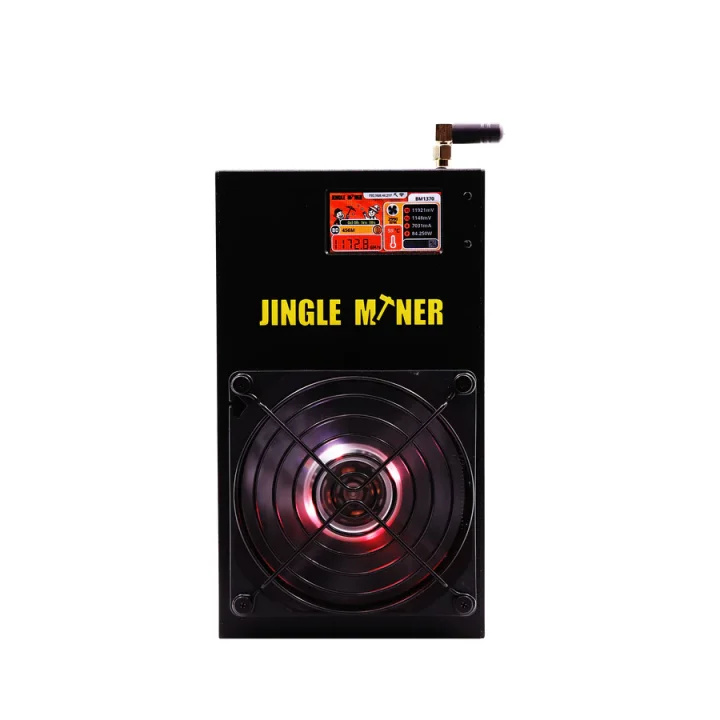 About 4.8T
Jingle Miner BTC Solo Pro
About 96 W / Please use the full hashrate version and wall power consumption to convert
Same-algorithm Alternatives 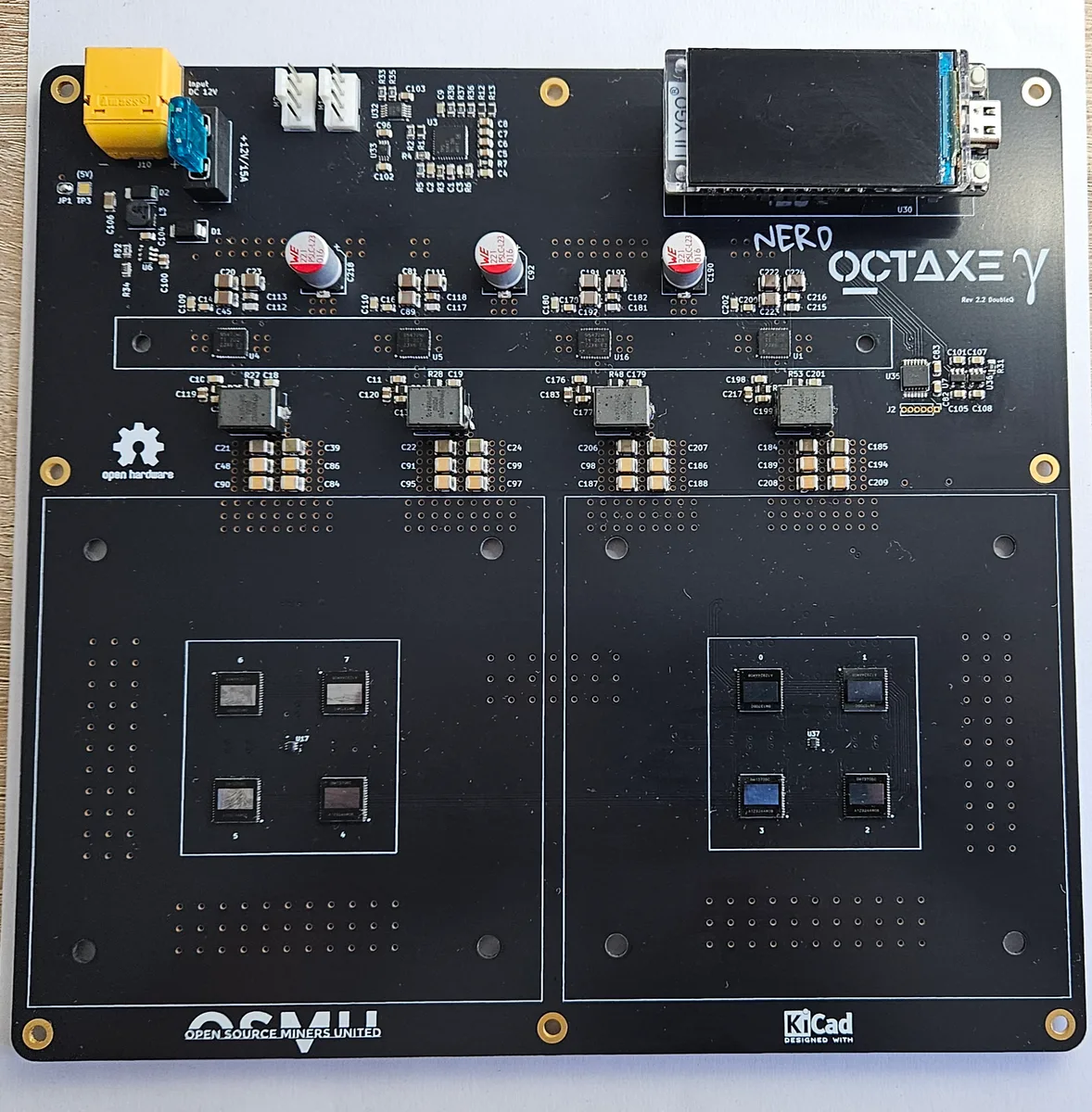 About 9.6–12 TH/s
NerdOctaxe Gamma
Approx. 200 W / Approx. 16.7–20.8 J/TH
Same-algorithm Alternatives 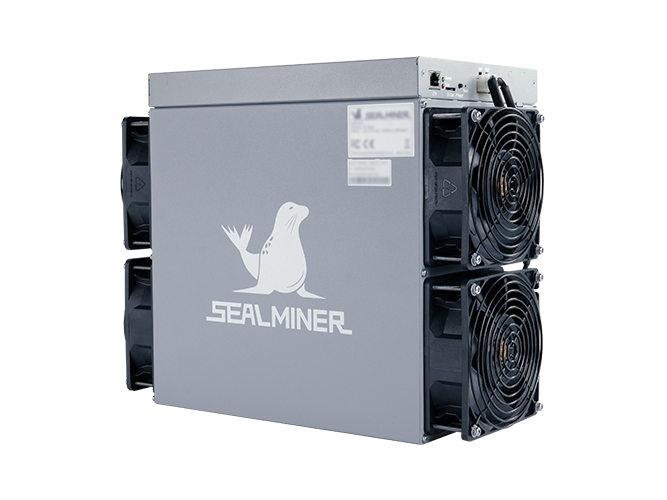 About 290 TH/s
SEALMINER A3 Pro Air
About 3625 W / About 12.5 J/TH
Same-algorithm Alternatives 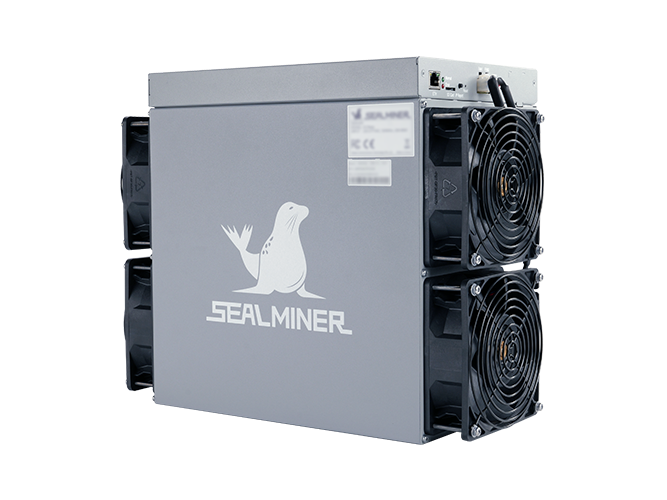 About 260 TH/s
SEALMINER A3 Air
About 3640 W / About 14 J/TH
Same-algorithm Alternatives 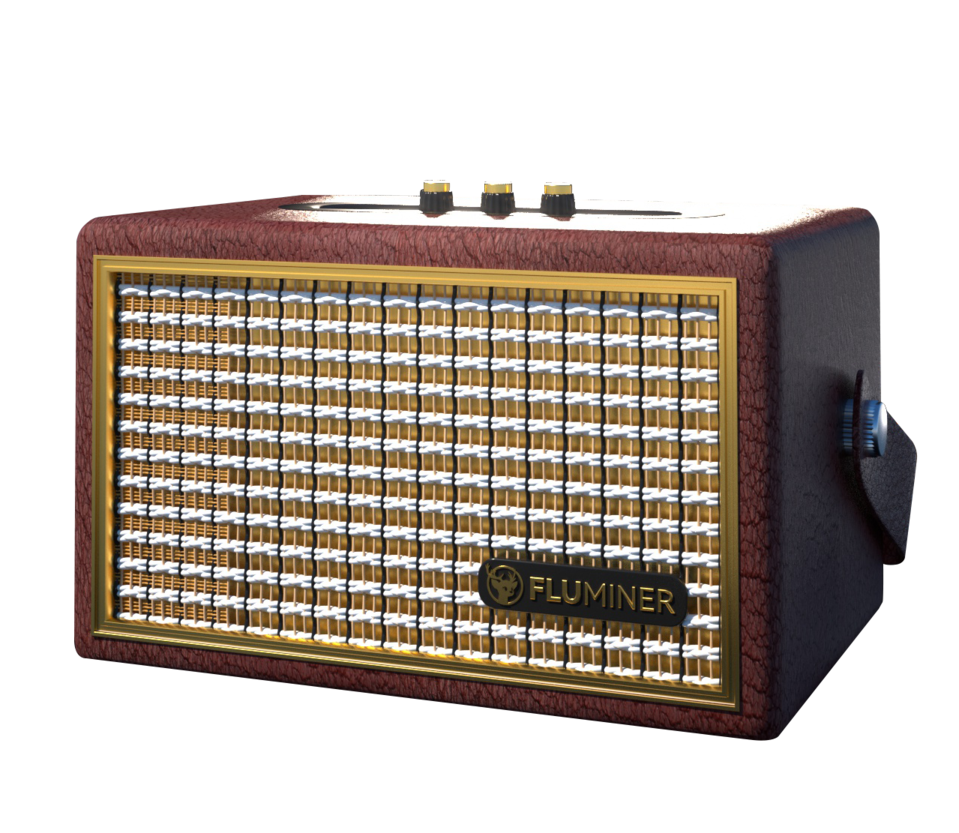 About 1.2 GH/s
FLUMINER L2
About 280 W / About 0.23 J/MH (233 J/GH)
Same-algorithm Alternatives 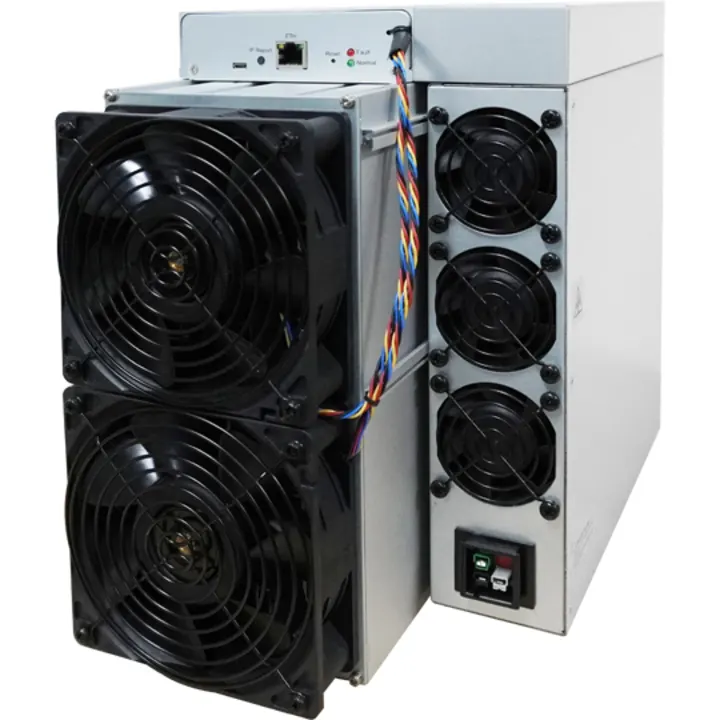 About 20G
Antminer L11
Approximately 3680 W / Please use the complete hashrate version and wall power consumption to convert
Same-algorithm Alternatives 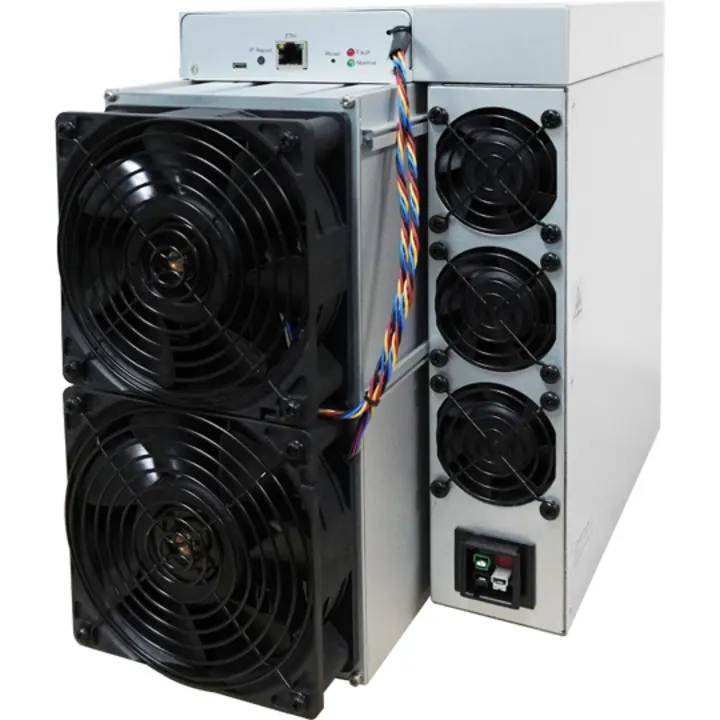 About 21G
Antminer L11 Pro
Approximately 3612 W / Please use the complete hashrate version and wall power consumption to convert
Same-algorithm Alternatives 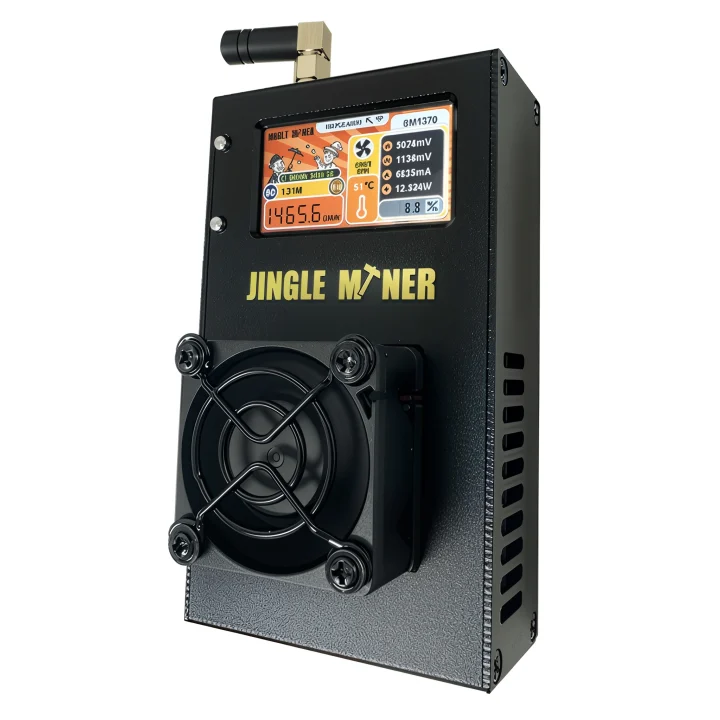 Approximately 1.2 TH/s
Jingle Miner BTC Solo Lite
About 23 W / About 19.17 J/TH (whole machine, ±10%)
Same-algorithm Alternatives 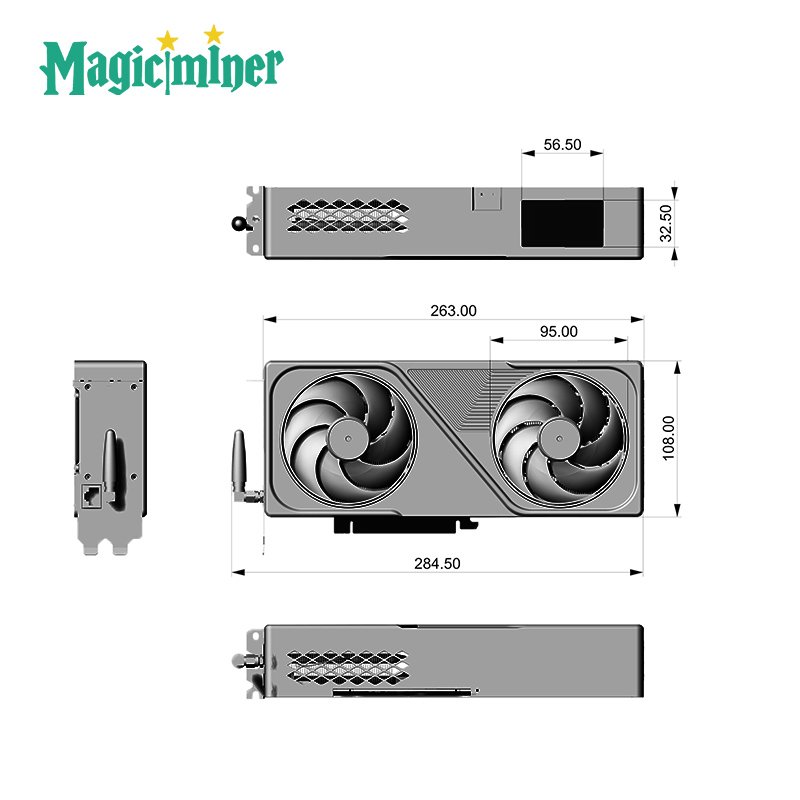 About 4.5 TH/s
Magicminer BG01
About 120 W / About 26.5 J/TH
Same-algorithm Alternatives 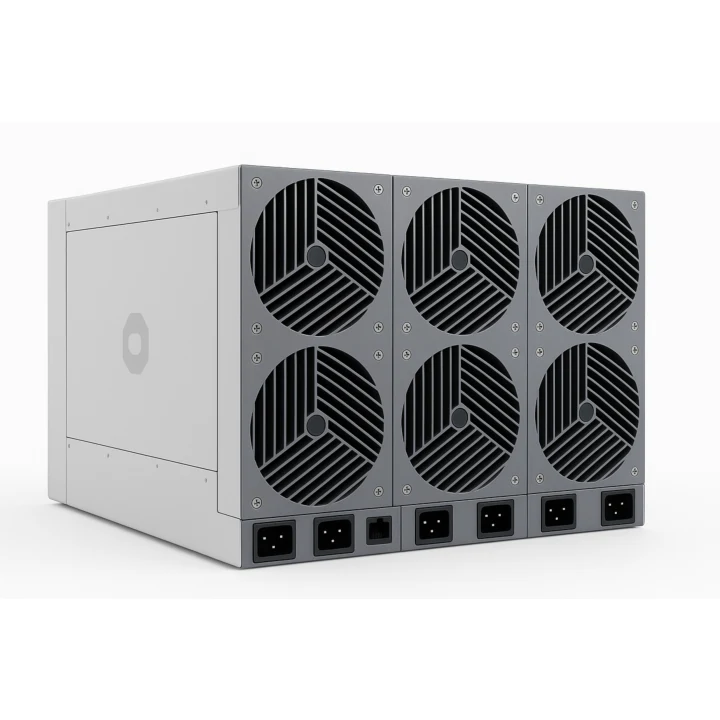 About 819T

Proto Rig
Approximately 12,000 W / Please use the complete hashrate version and the wall power consumption to convert
Same-algorithm Alternatives 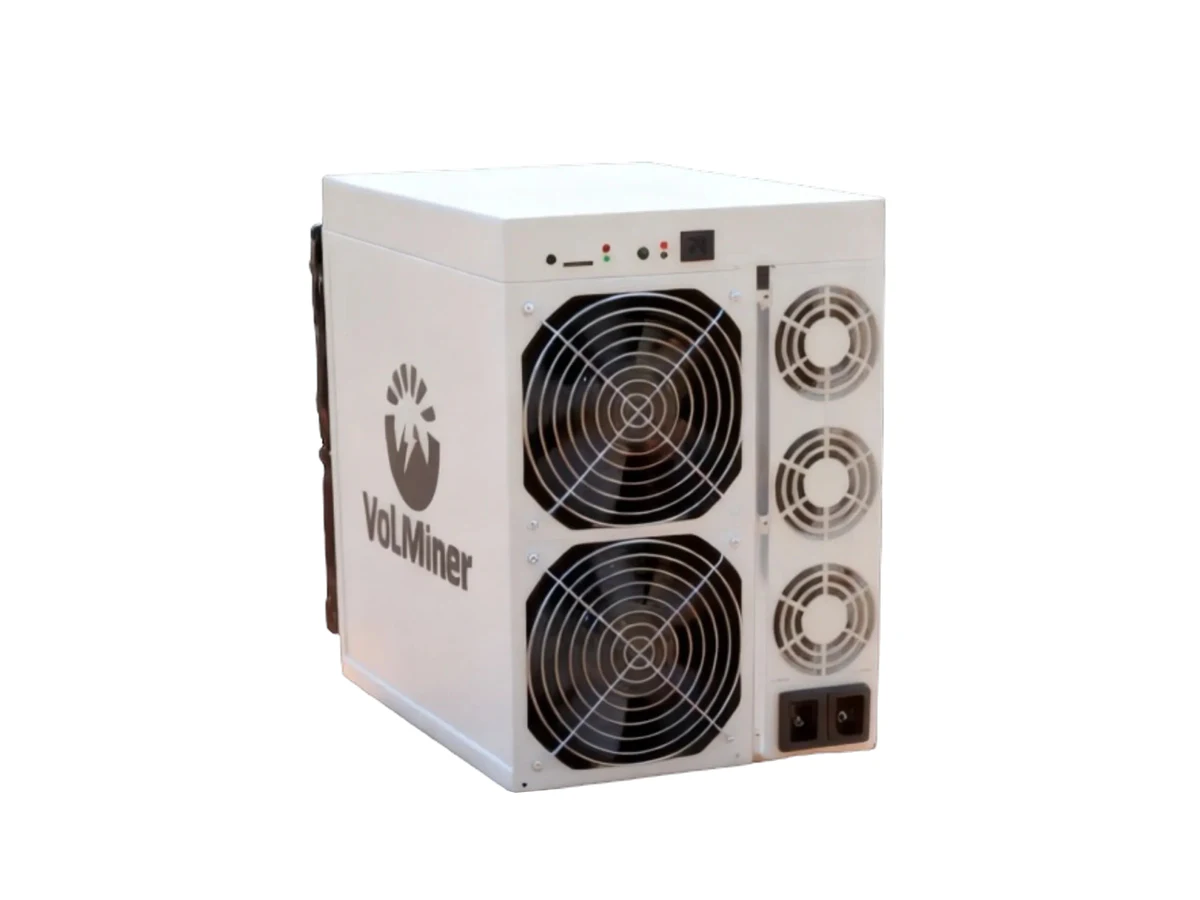 About 20 GH/s

VolcMiner D3
Approx. 3580 W / Approx. 179 J/GH
Same-algorithm Alternatives 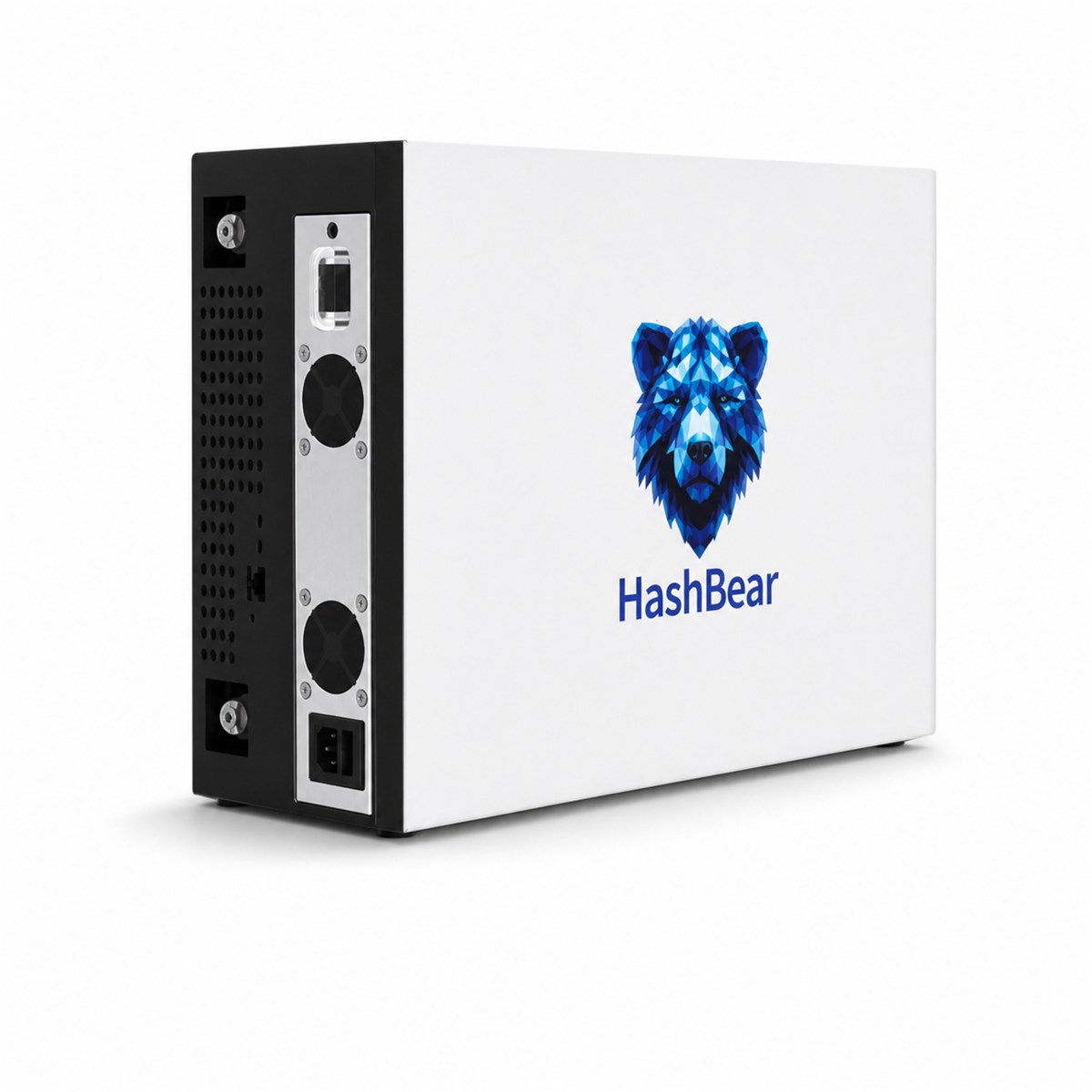 About 140 TH/s
HashBear B2
About 4200 W / About 30 J/TH
Same-algorithm Alternatives 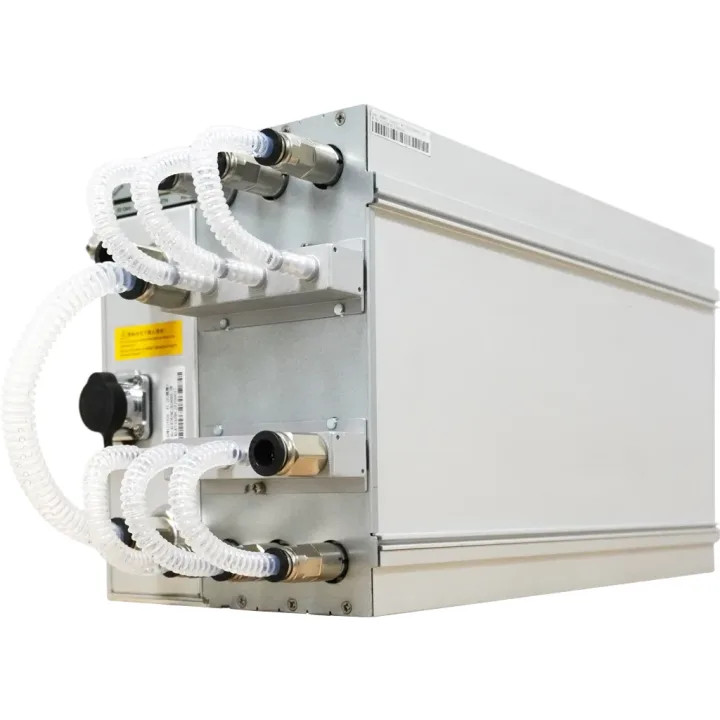 Approx. 319T to 395T
Antminer S21+ Hyd
Approx. 4785 to 5925 W / Check the exact hashrate version and wall power
Same-algorithm Alternatives 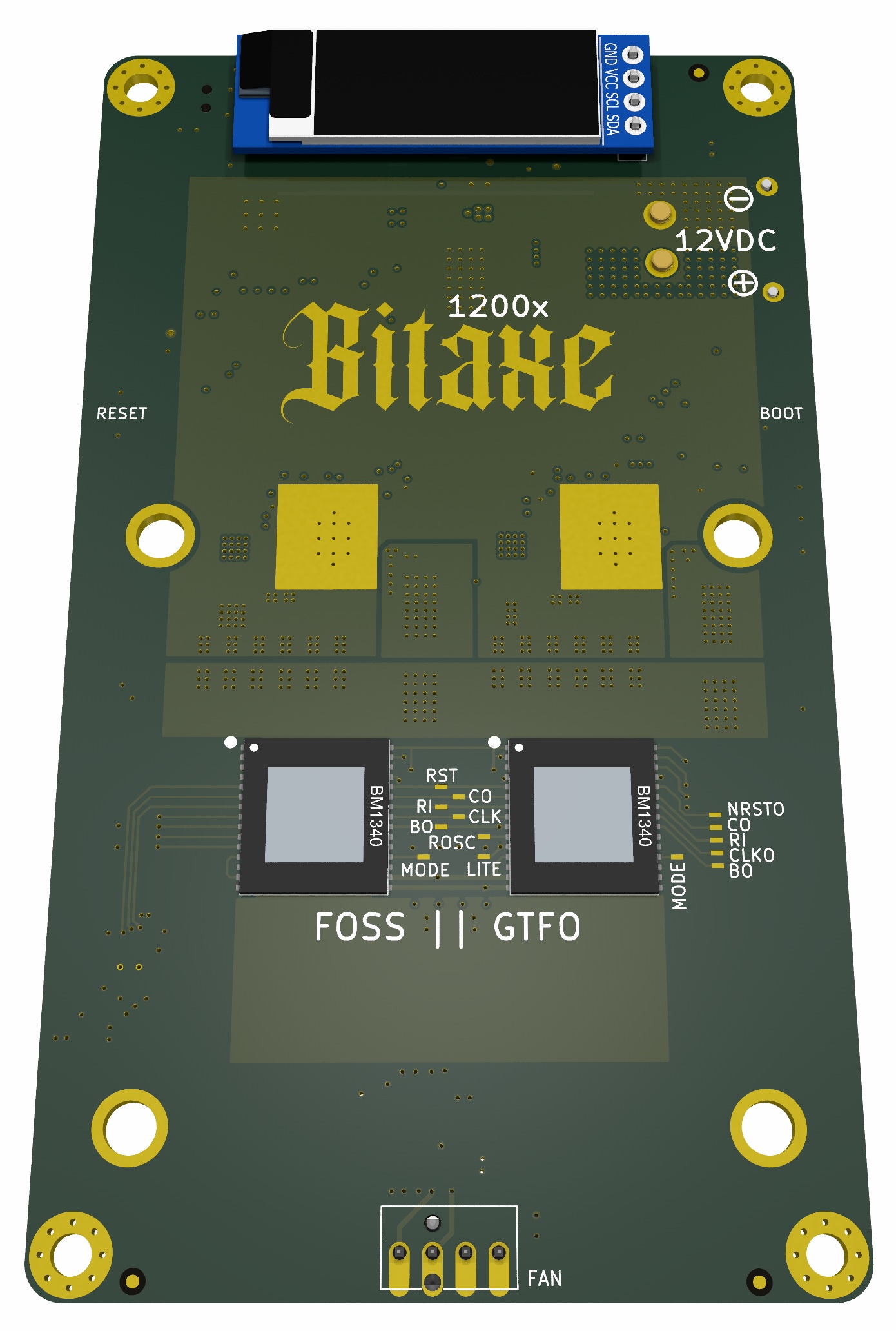 Not announced; not tested prototype
Bitaxe Naja
12 V prototyping/unannounced
Same-algorithm Alternatives 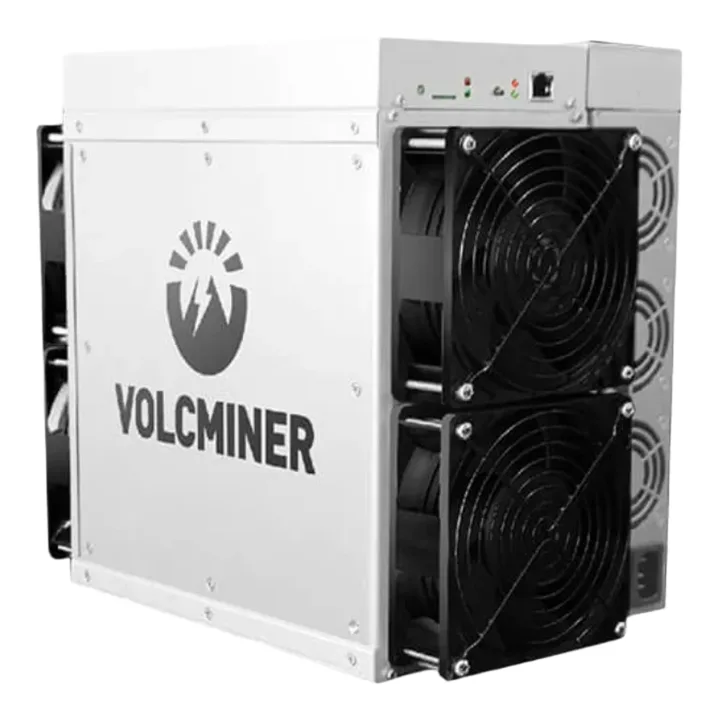 About 20G
VolcMiner D1 Pro
Approximately 3700 W / Please use the complete hashrate version and wall power consumption to convert
Same-algorithm Alternatives 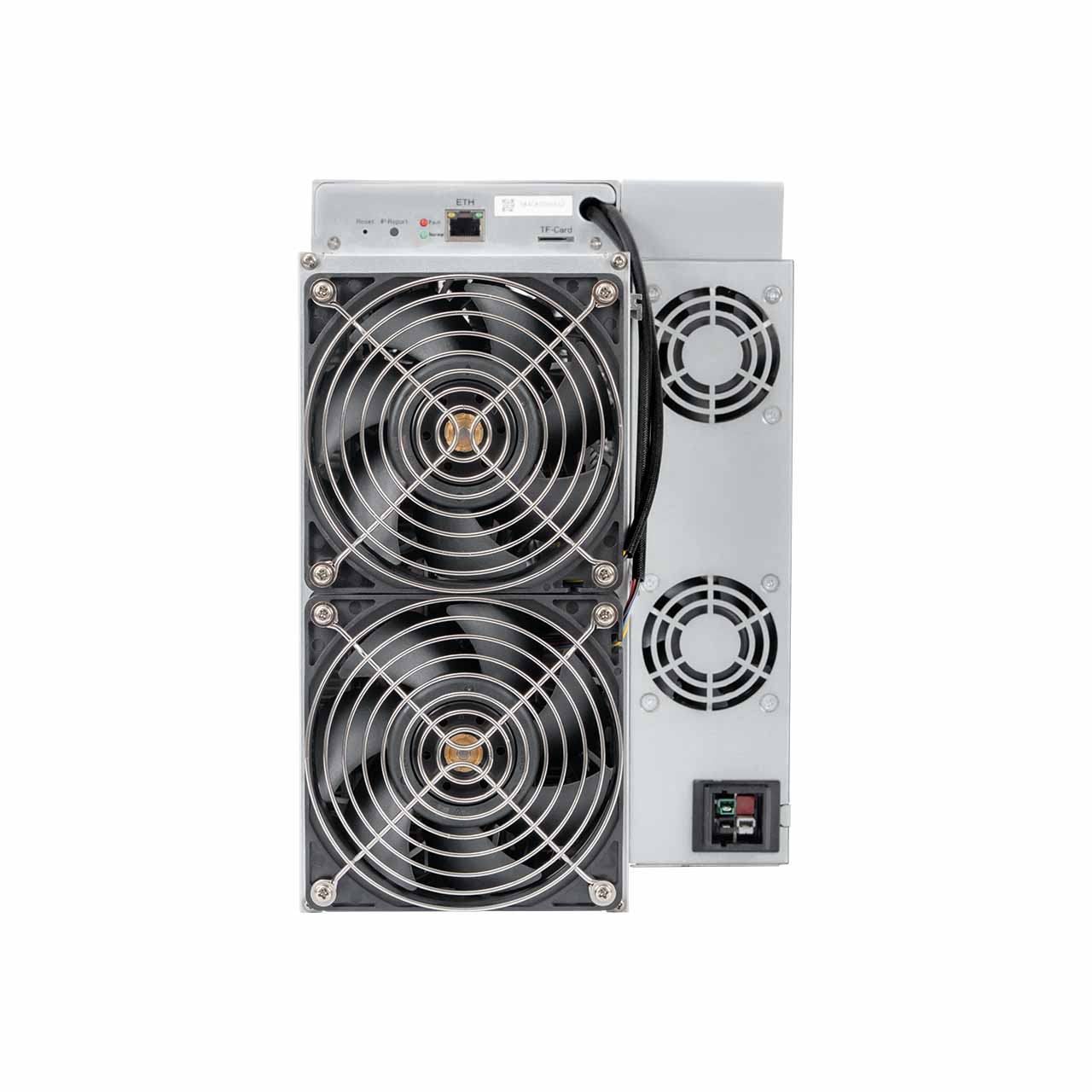 About 18 GH/s
ElphaPex DG2
Approx. 3960 W / Approx. 220 J/GH
Same-algorithm Alternatives 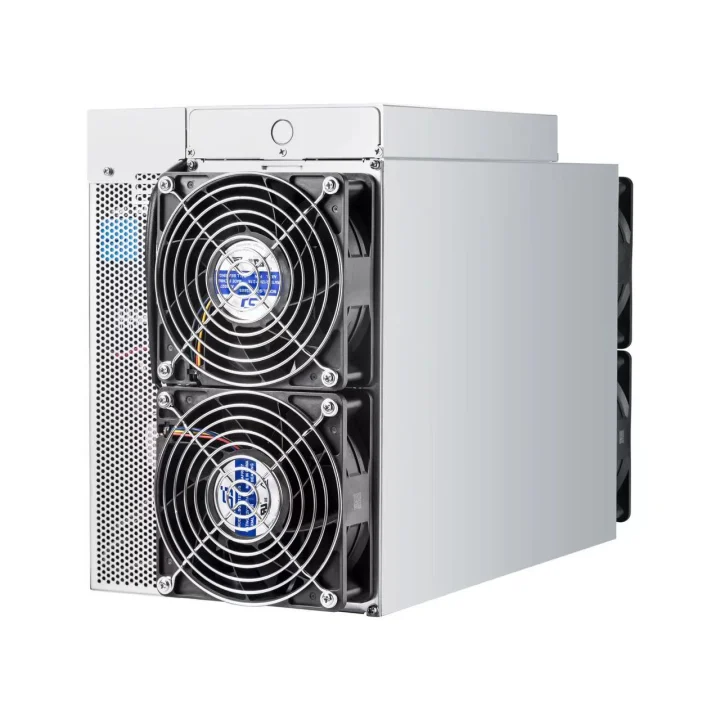 About 11G
ElphaPex DG1 Lite
Approximately 3410 W / Please use the complete hashrate version and wall power consumption to convert
Same-algorithm Alternatives 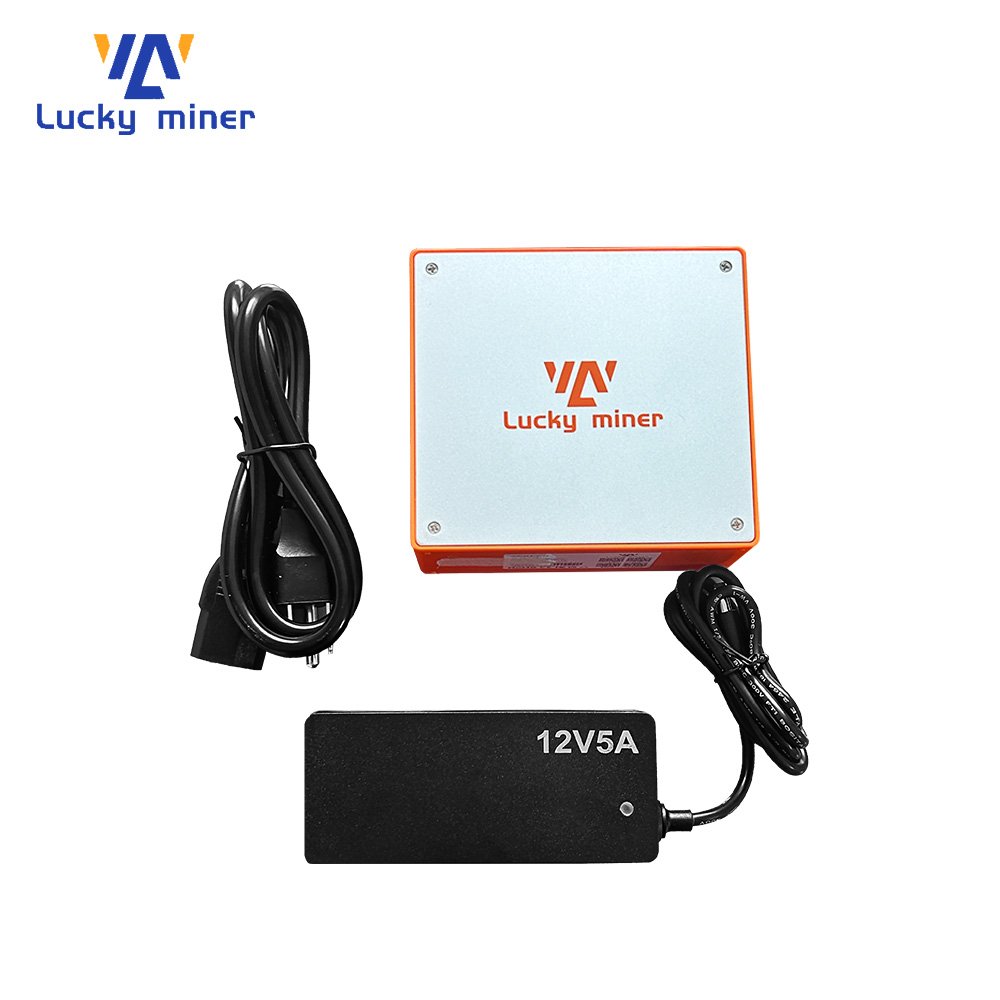 11 MH/s ±10%
Lucky Miner LG07
12–27 W (official page caliber varies) / about 1.1–2.5 J/MH
Same-algorithm Alternatives 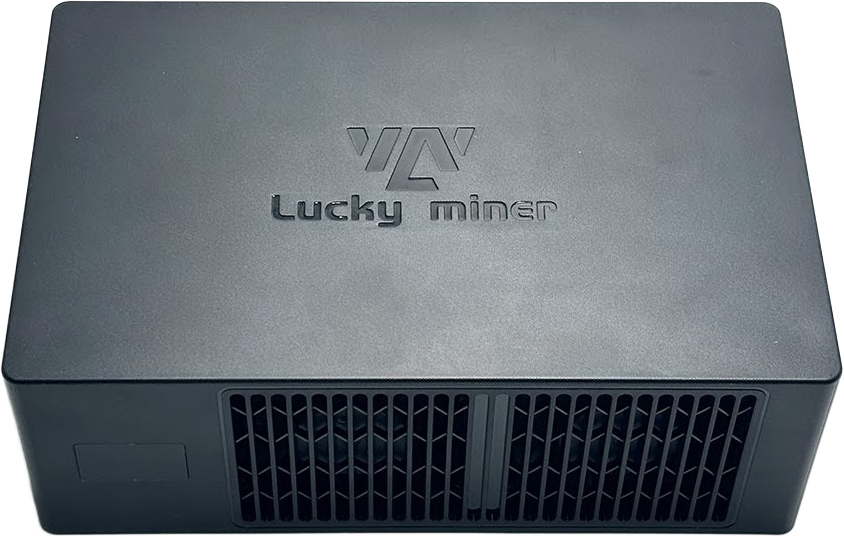 4.2 TH/s
Lucky Miner LV08
120 W / about 28.6 J/TH
Same-algorithm Alternatives 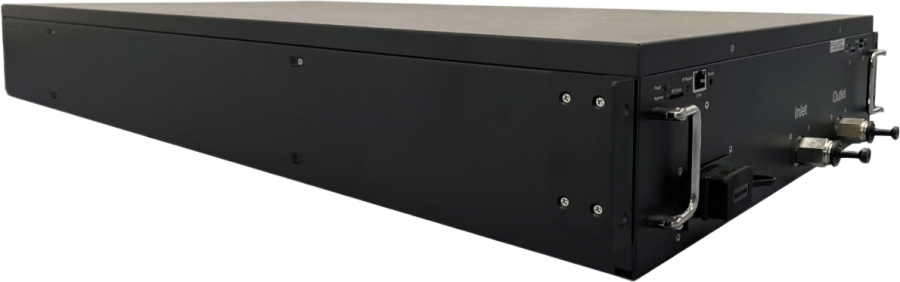 About 1.16 PH/s
Antminer S23 Hyd. 3U
About 11020 W / About 9.5 J/TH
Same-algorithm Alternatives  1 TH/s
Lucky Miner LV07
25 W / about 25 J/TH
Same-algorithm Alternatives 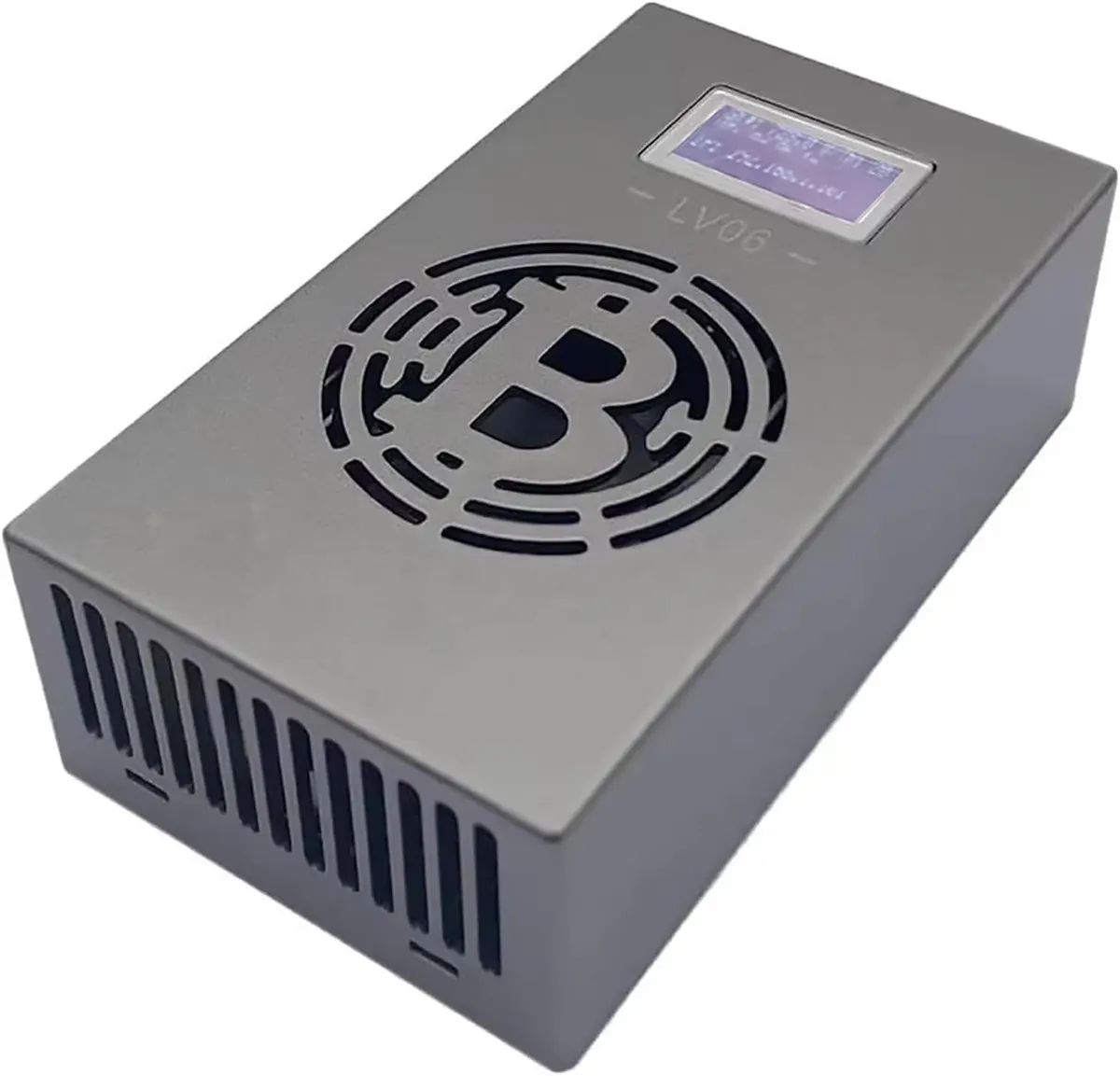 500 GH/s ±10%
Lucky Miner LV06
13–15 W (official page caliber varies) / about 26–30 J/TH
Same-algorithm Alternatives 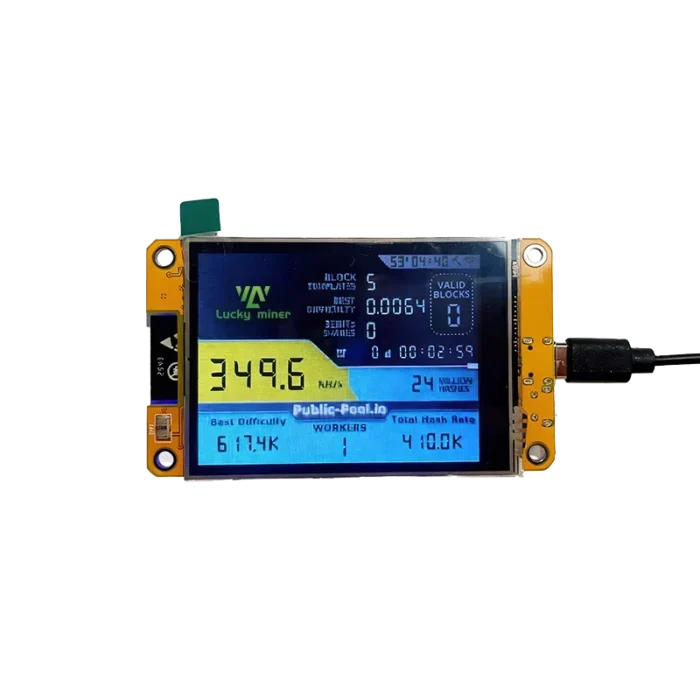 Up to about 1,000 KH/s (the official page retains the old value)
Lucky Miner LV04
About 2 W / non-ASIC, not compared in J/TH
Same-algorithm Alternatives 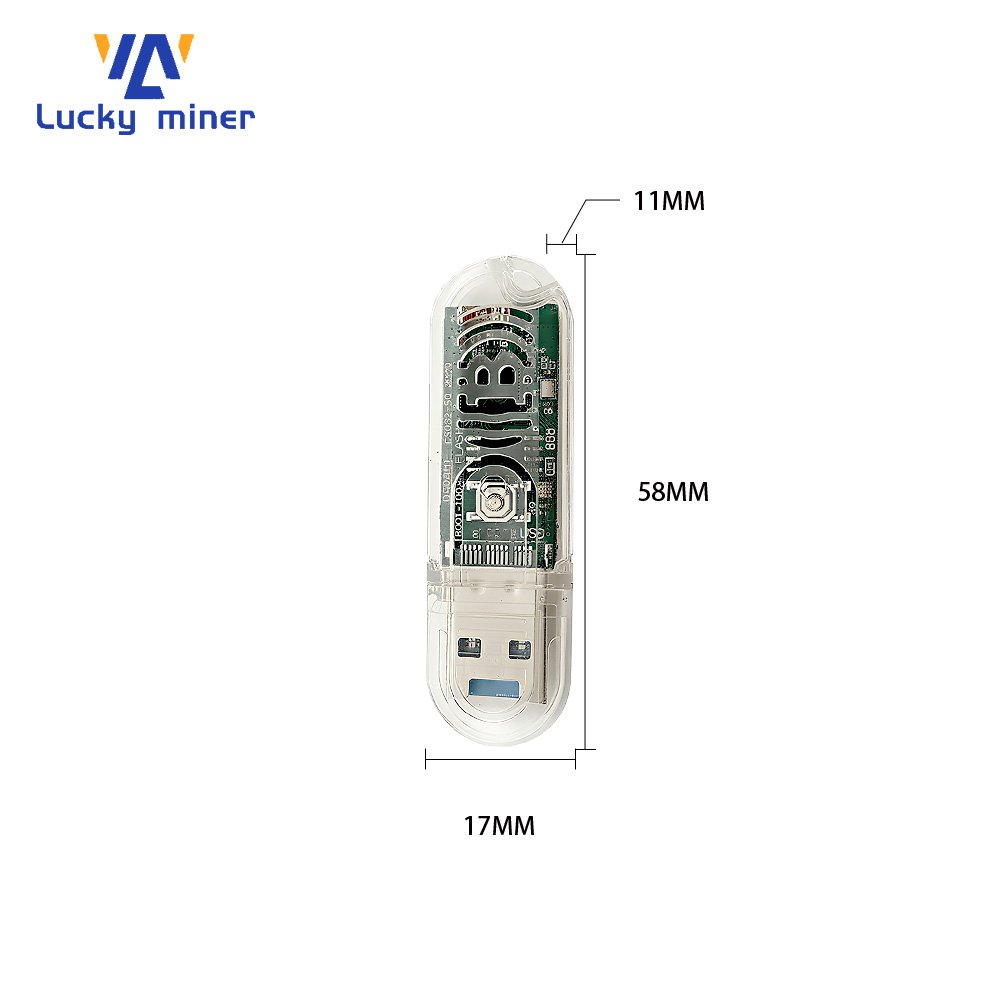 73–250 KH/s (the caliber on the official page varies)
Lucky Miner LV03
About 1 W / non-ASIC, not compared in J/TH
Same-algorithm Alternatives 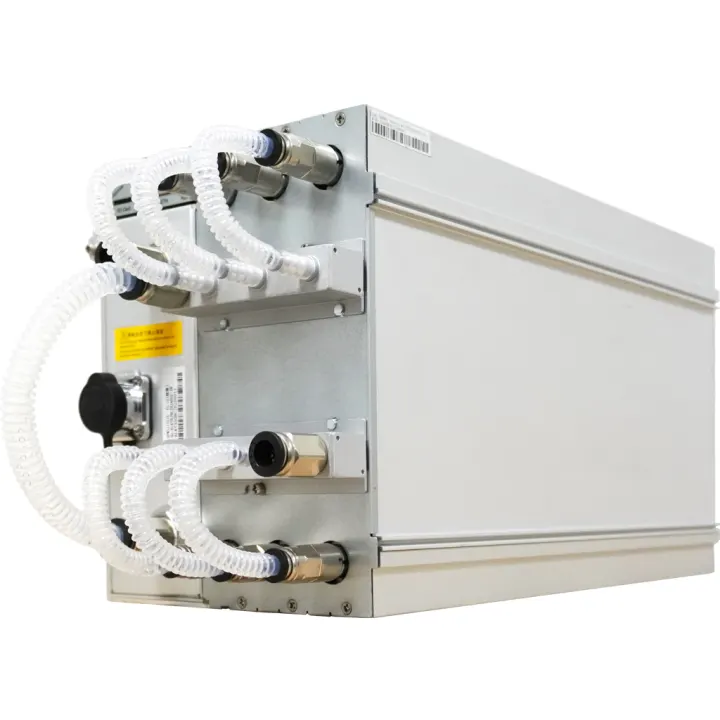 About 500T
Antminer S21 XP+ Hyd
About 5500 W / Please use the complete hashrate version and wall power consumption to convert
Same-algorithm Alternatives 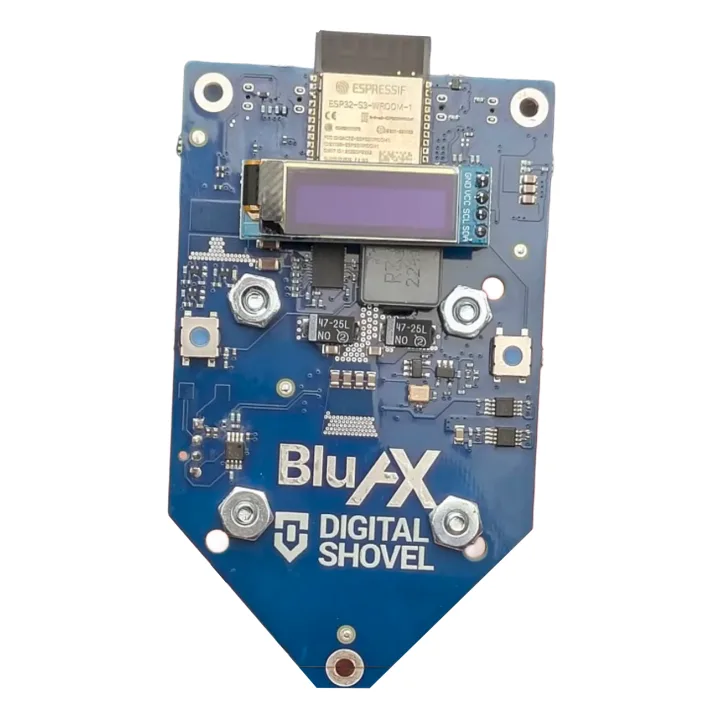 Approximately 1.2 TH/s

Digital Shovel BluAx
Approx. 18 W / Approx. 15 J/TH (18 W / 1.2 TH/s)
Same-algorithm Alternatives 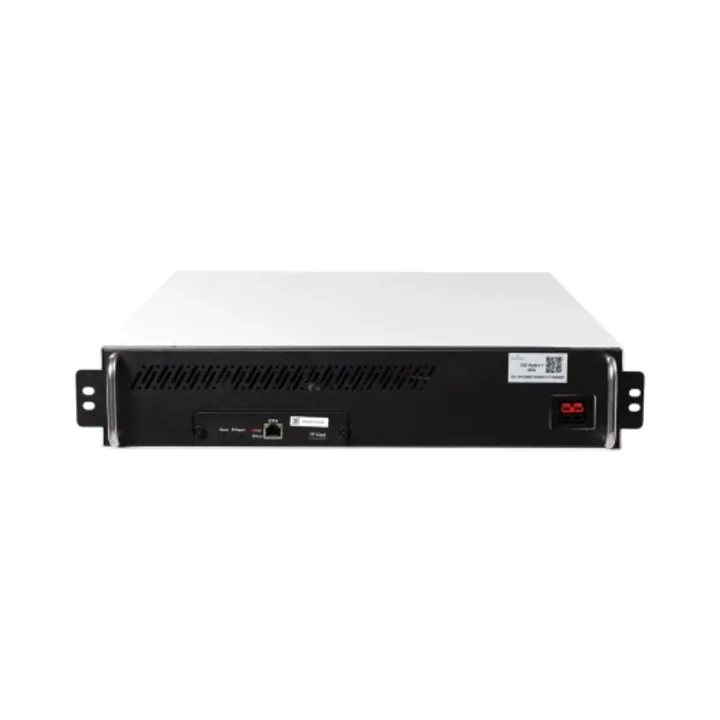 About 10G
ElphaPex DG1S
Approximately 3100 W / Please use the complete hashrate version and wall power consumption to convert
Same-algorithm Alternatives 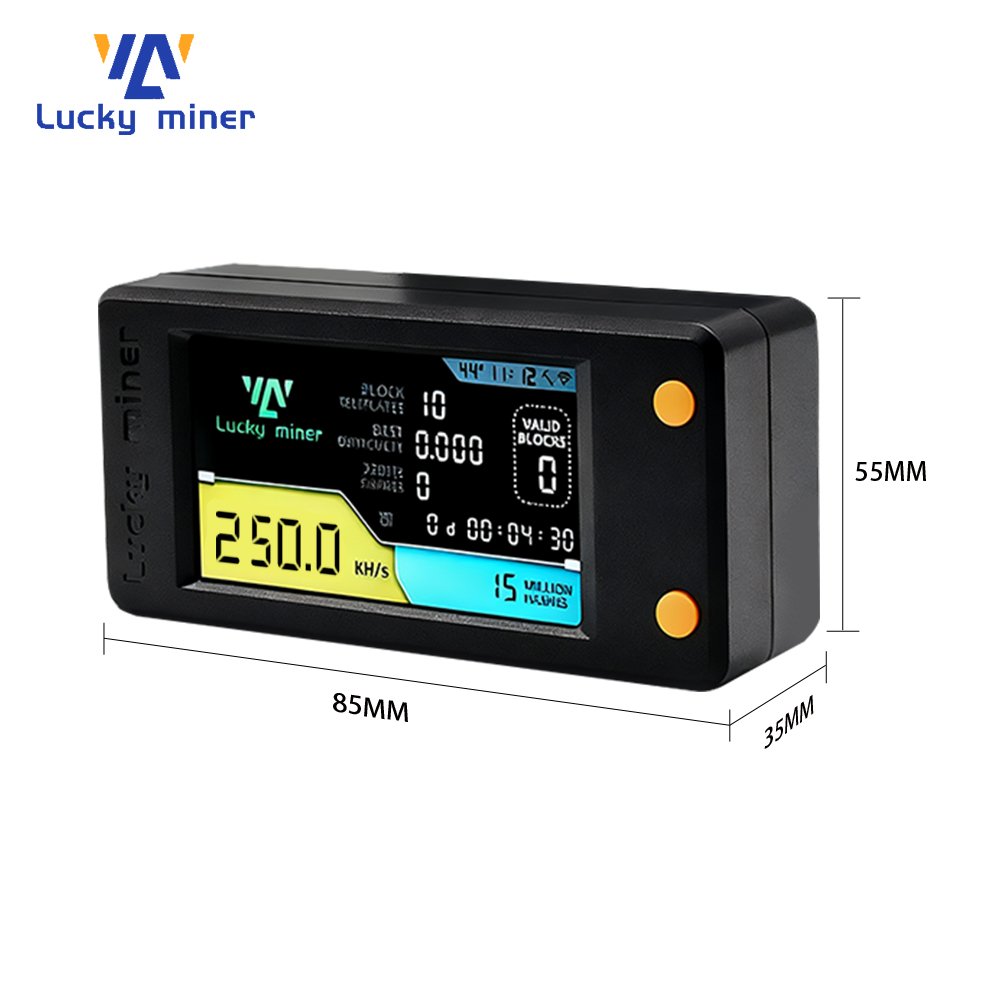 About 250 KH/s (official label)
Lucky Miner LV02
About 1 W / non-ASIC, not compared in J/TH
Same-algorithm Alternatives 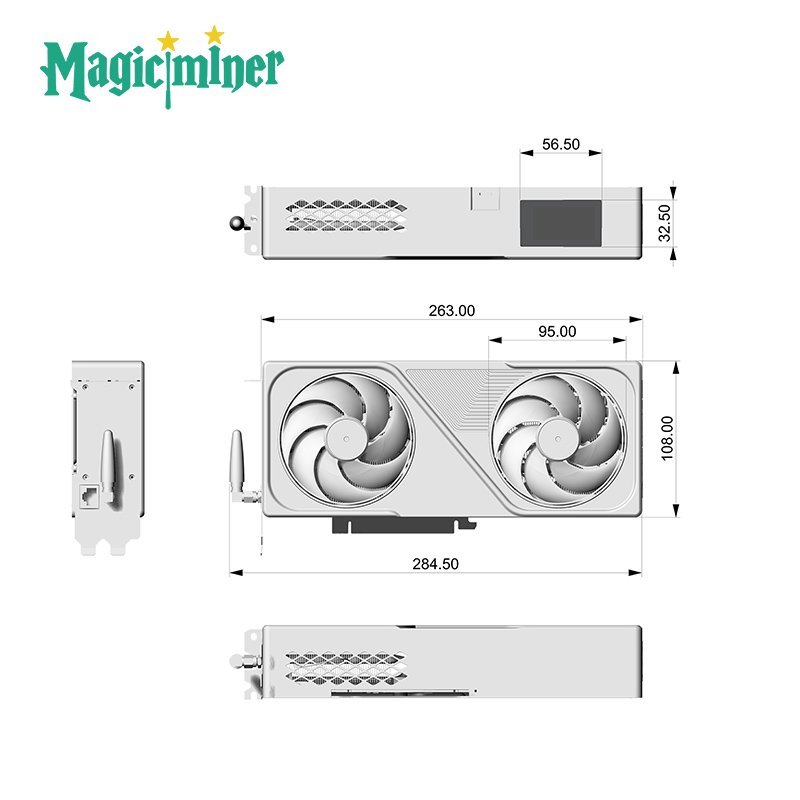 About 7 TH/s
Magicminer BG02
About 150 W / About 21.4 J/TH
Same-algorithm Alternatives 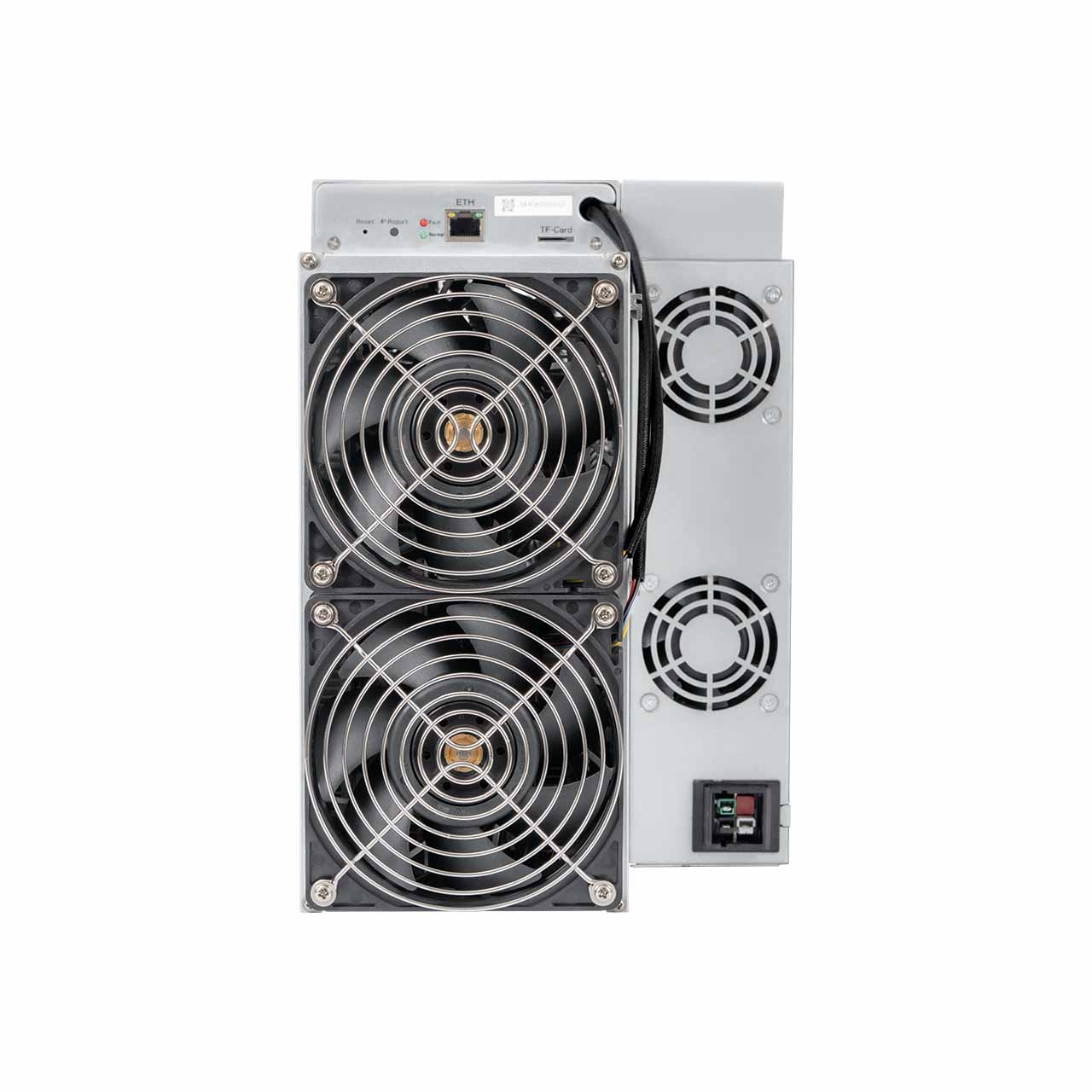 About 20.5 GH/s
ElphaPex DG2+
Approx. 3900 W / Approx. 190 J/GH
Same-algorithm Alternatives 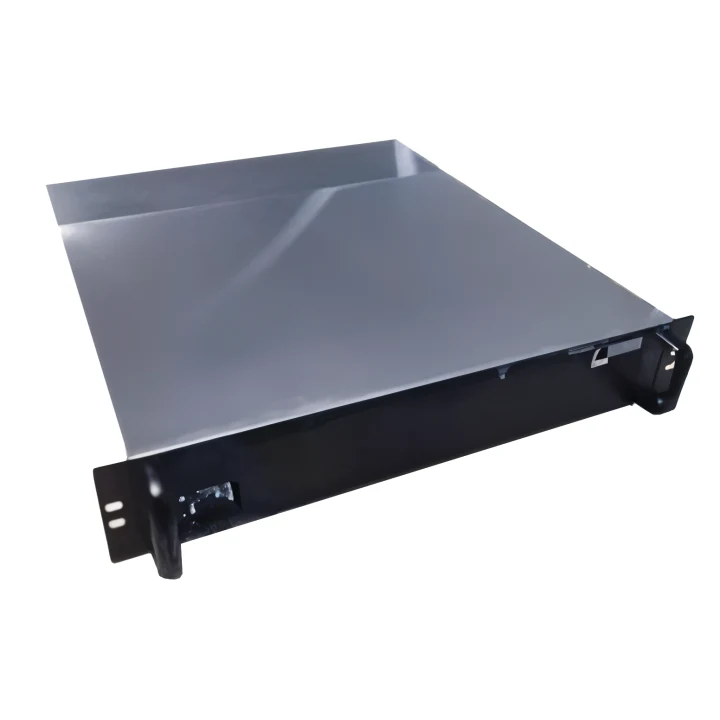 About 480T
Avalon A1566HA 2U
Approximately 8064 W / Please use the complete hashrate version and the wall power consumption to convert
Same-algorithm Alternatives 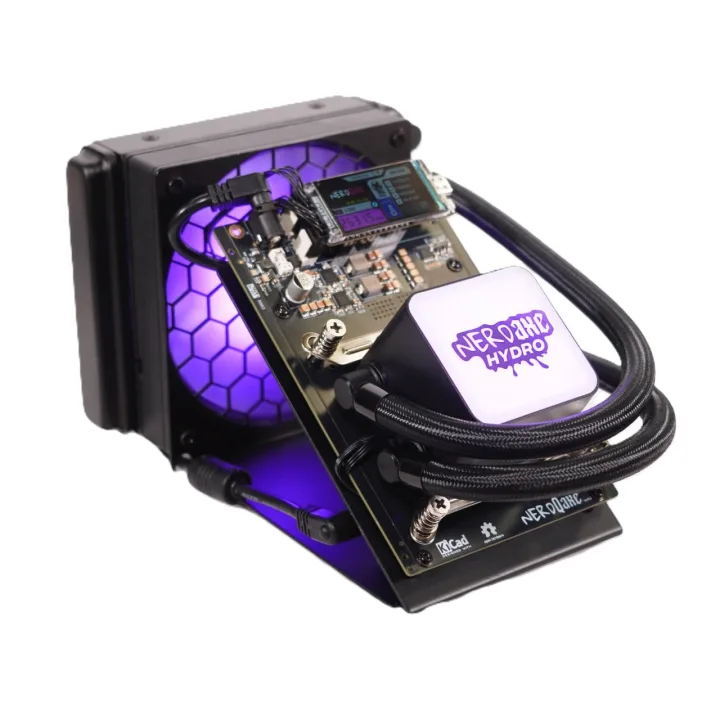 About 2.5T
NerdQaxe+ Hydro
About 60 W / Please use the complete hashrate version and wall power consumption to convert
Same-algorithm Alternatives 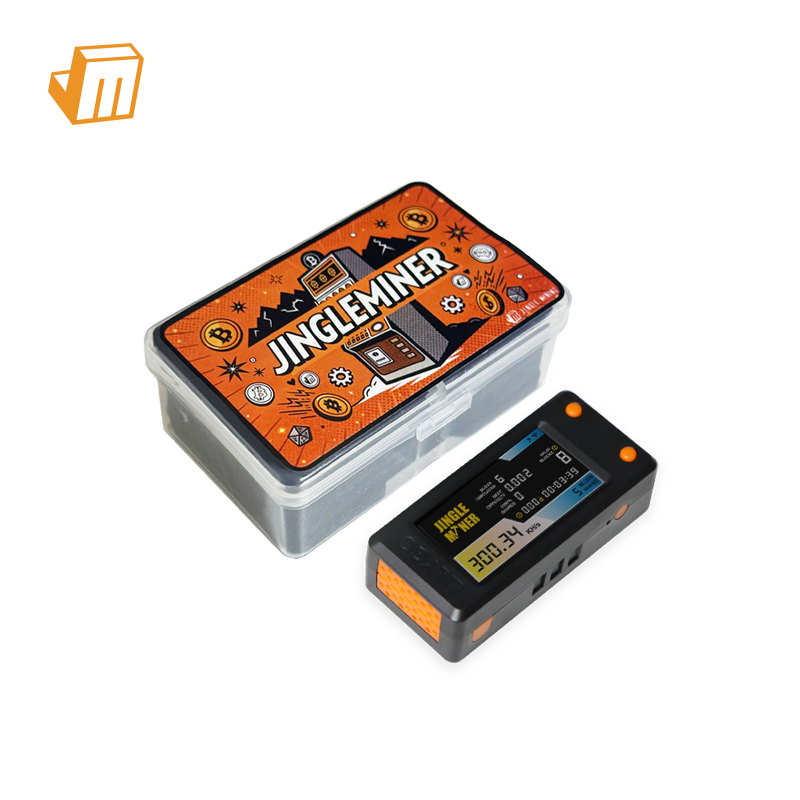 About 300 KH/s
Jingle Miner BTC Solo Mini Lottery
Approximately 1 W/KH/s level display equipment, not suitable for J/TH comparison
Same-algorithm Alternatives 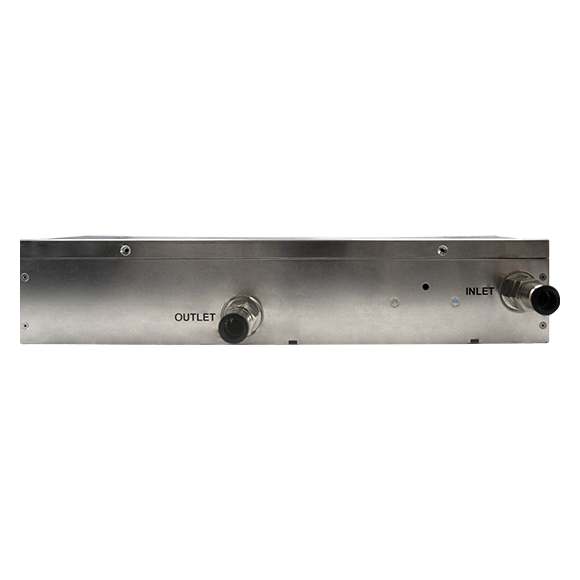 About 460–500 TH/s
AvalonMiner A1566HA
Approx. 7800–8064 W / Approx. 16.1–17.8 J/TH
Same-algorithm Alternatives 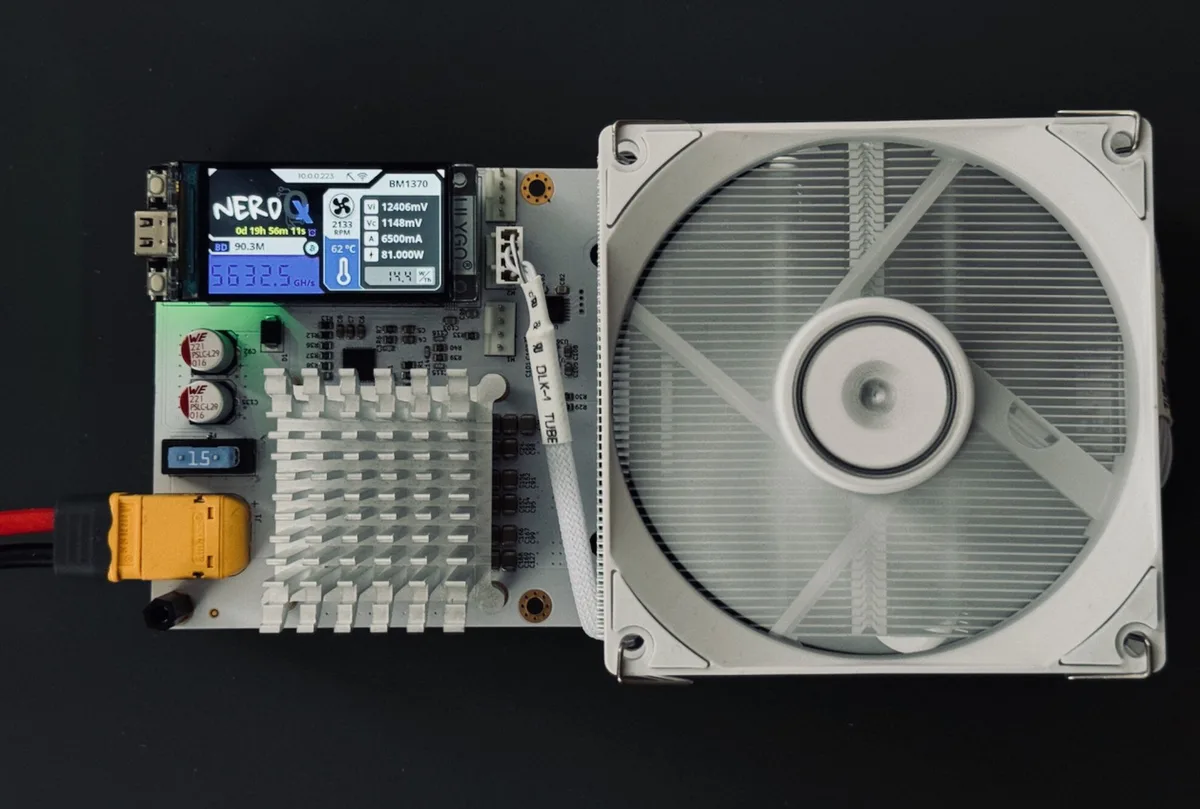 About 6–8 TH/s
NerdQX
Approx. 150 W / Approx. 18.8–25 J/TH
Same-algorithm Alternatives 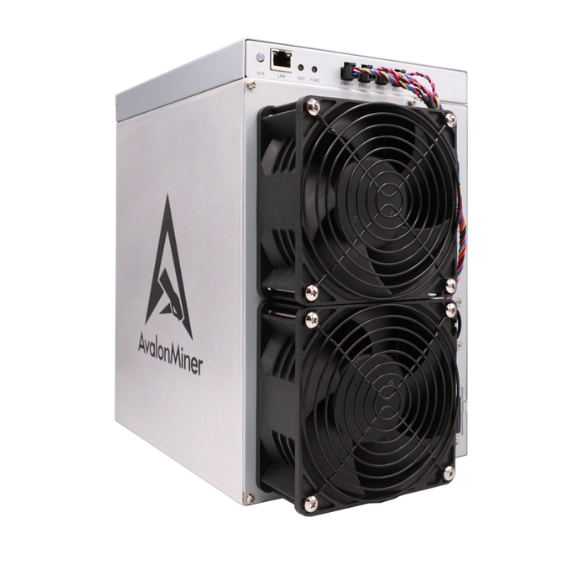 About 240 TH/s
AvalonMiner A15Pro+ 240T
About 3720 W / About 15.5 J/TH
Same-algorithm Alternatives 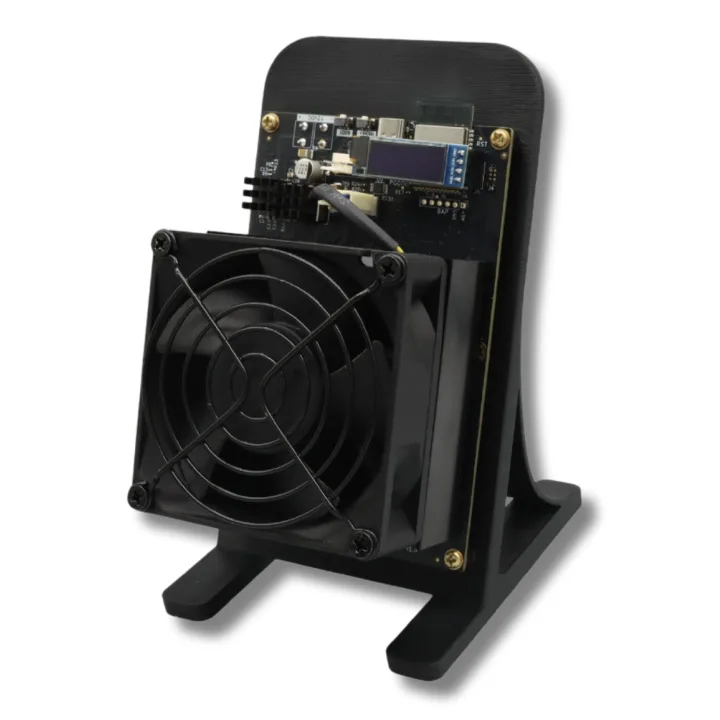 About 4.2T
Bitaxe Supra Hex 701
About 75 W / Please use the complete hashrate version and wall power consumption to convert
Same-algorithm Alternatives 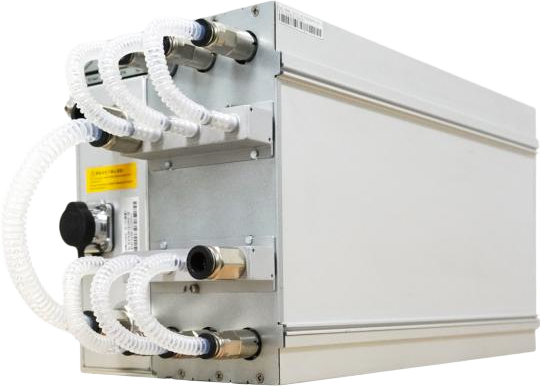 About 580 TH/s
Antminer S23 Hyd.
About 5510 W / About 9.5 J/TH
Same-algorithm Alternatives 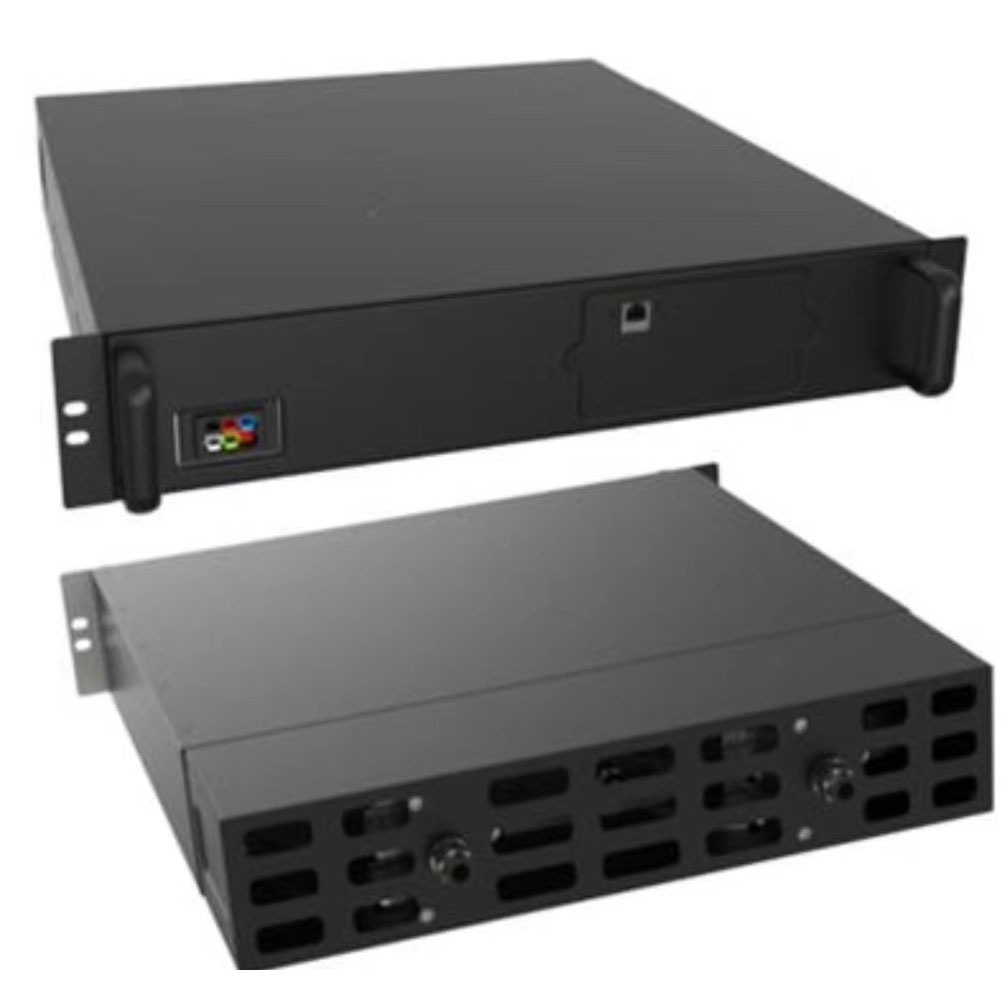 About 270 TH/s
AvalonMiner A1566HU
About 5076 W / About 18.8 J/TH
Same-algorithm Alternatives 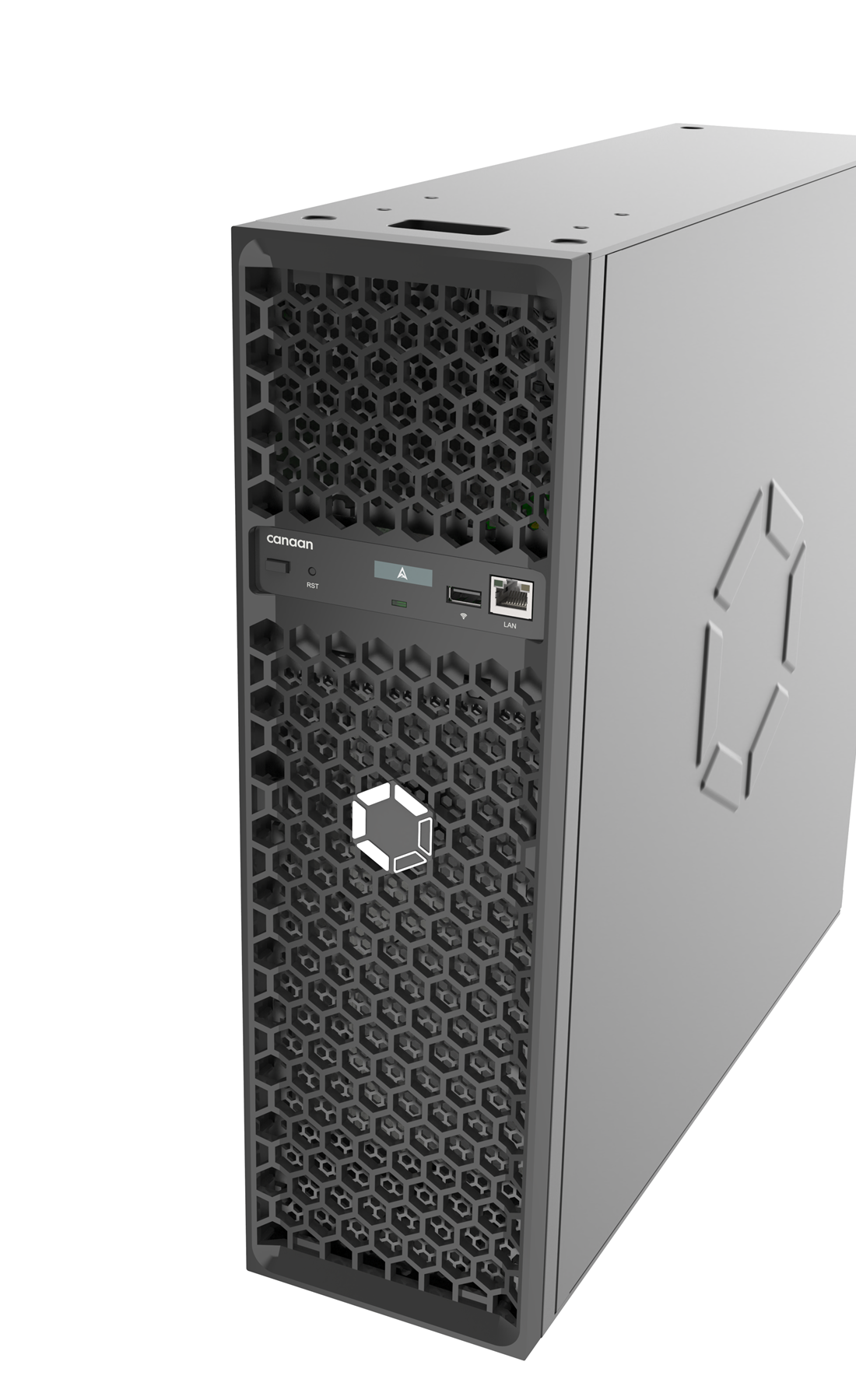 About 90 TH/s
Avalon Q
About 1674 W / About 18.6 J/TH
Same-algorithm Alternatives 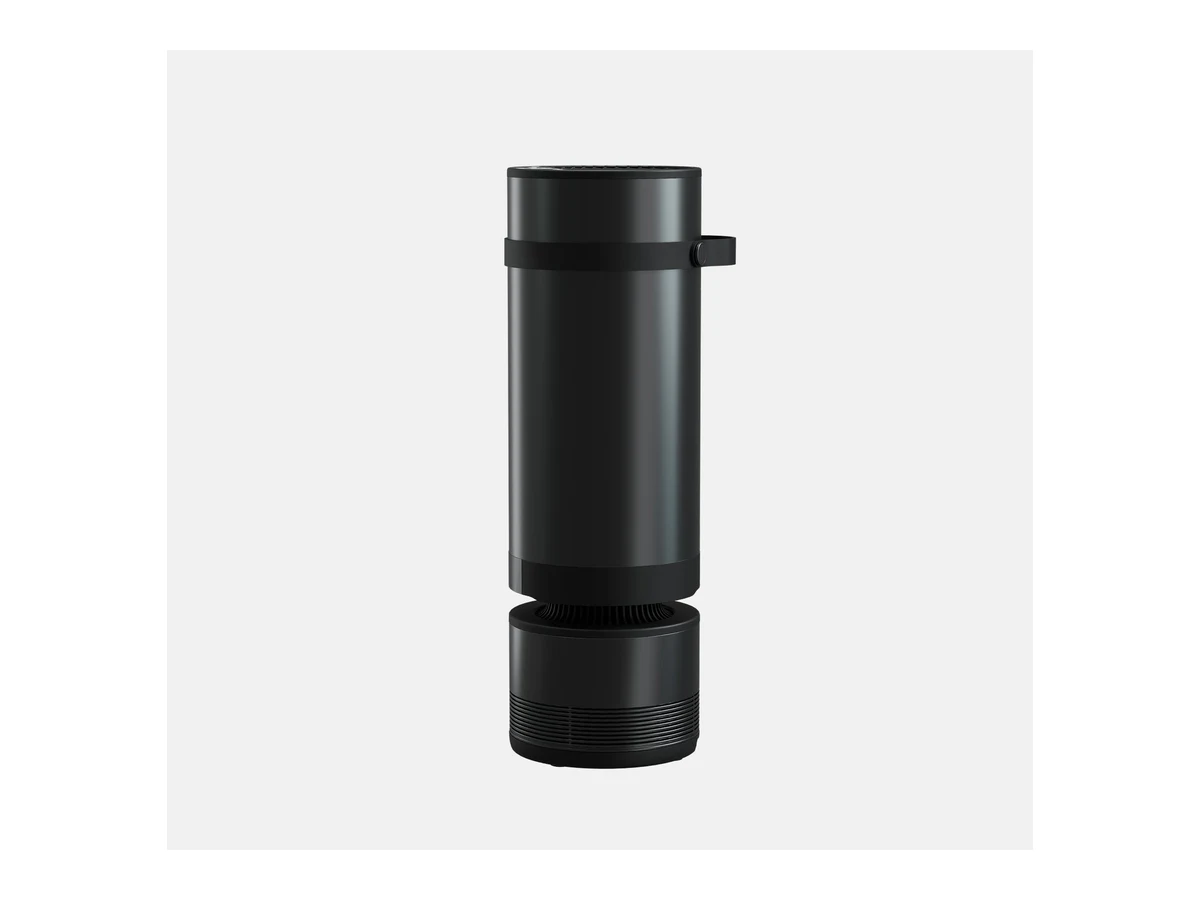 39 TH/s
Heatbit Maxi
1500 W / 38.46 J/TH (calculated from rated device power)
Same-algorithm Alternatives 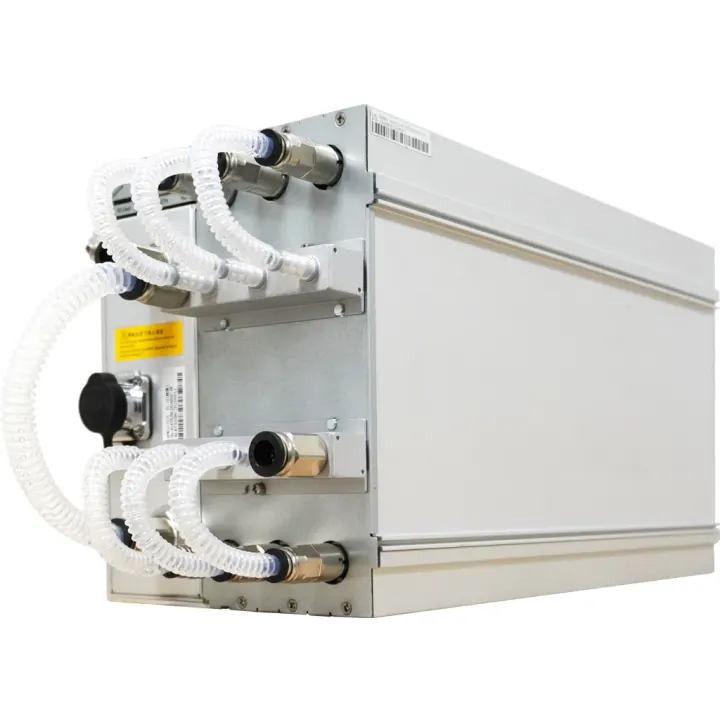 About 279T to 293T
Antminer S19 XP+ Hyd
Approximately 5301 to 5567 W / Please use the full hashrate version and the wall power consumption to convert
Same-algorithm Alternatives 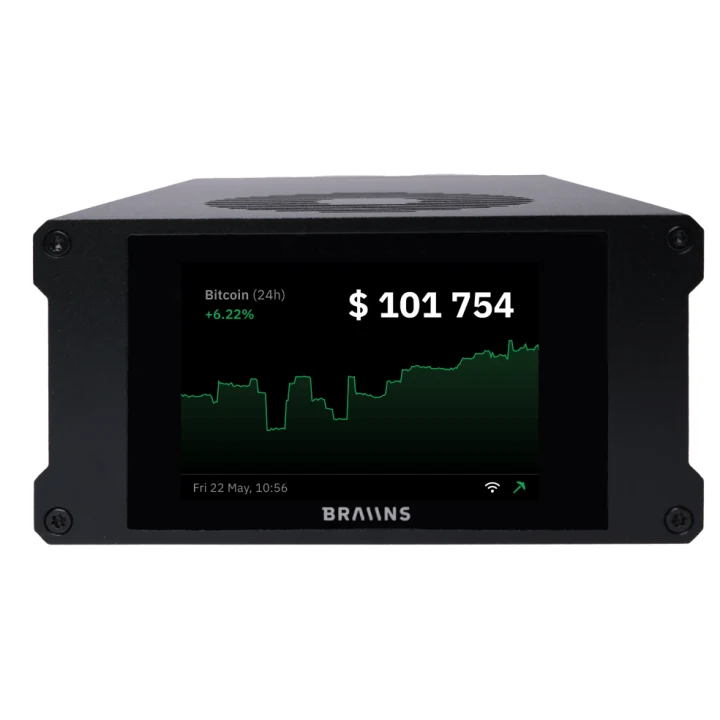 About 1 TH/s

Braiins BMM101
About 40 W / About 40 J/TH (40 W/1 TH/s)
Same-algorithm Alternatives 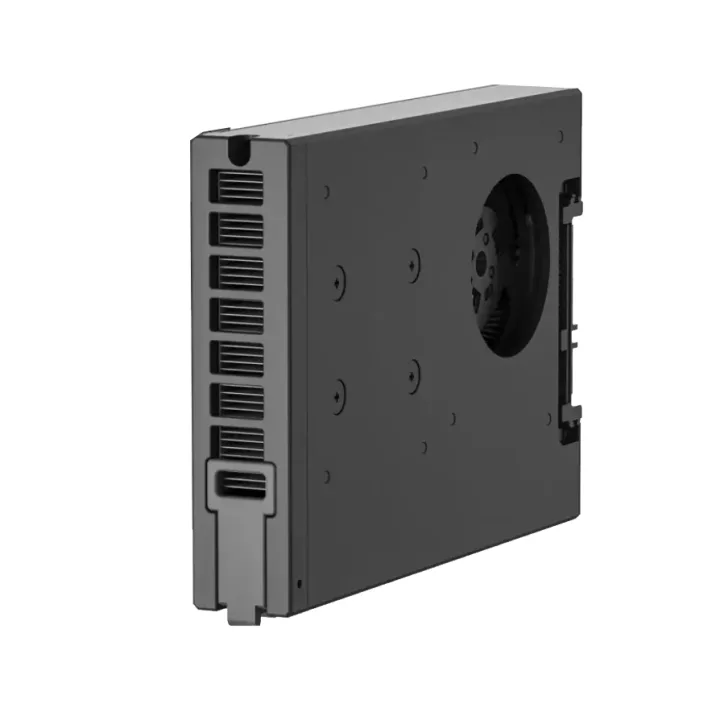 About 80M/s

Goldshell DG Card
About 65 W / Please use the complete hashrate version and wall power consumption to convert
Same-algorithm Alternatives 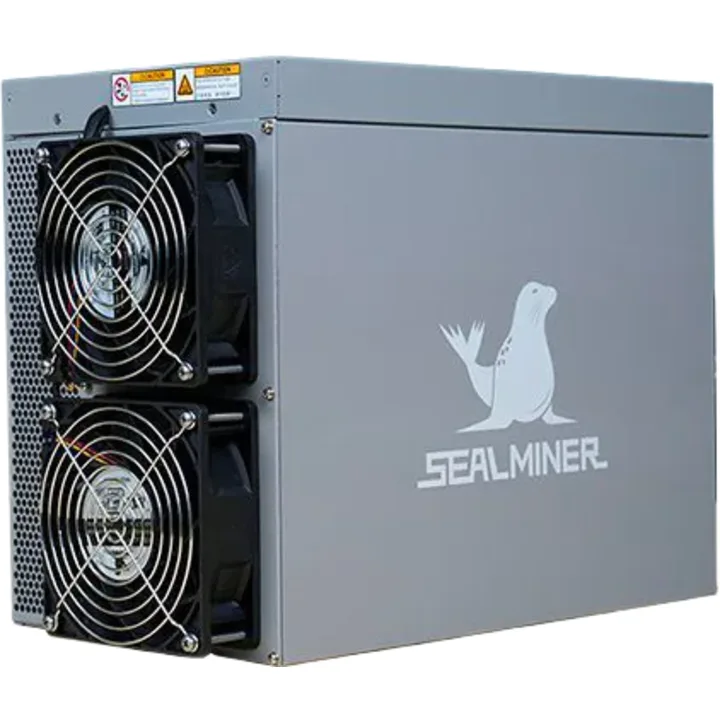 About 255T
SealMiner A2 Pro Air
Approximately 3790 W / Please use the complete hashrate version and the wall power consumption to convert
Same-algorithm Alternatives 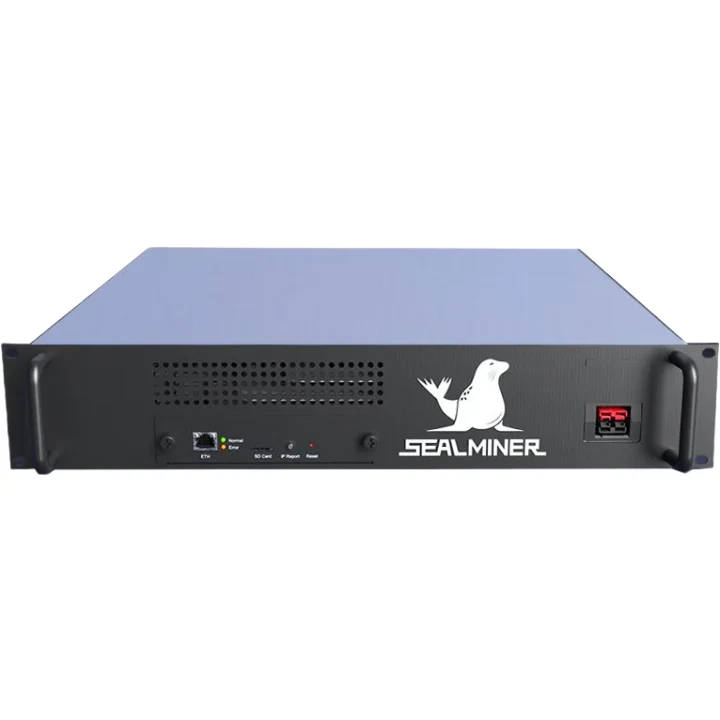 About 500T
SealMiner A2 Pro Hyd
Approximately 7450 W / Please use the complete hashrate version and the wall power consumption to convert
Same-algorithm Alternatives 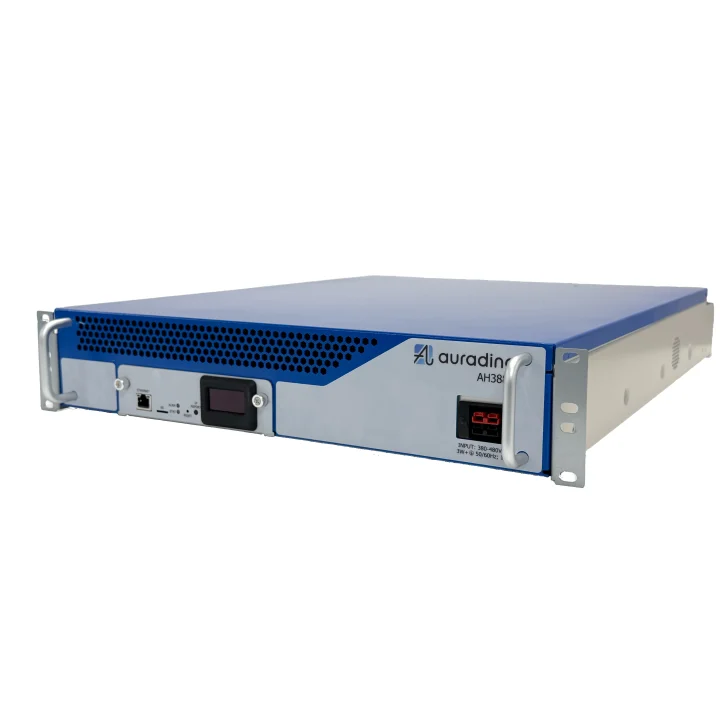 About 600T

Auradine Teraflux AH3880
Approximately 10740 W / Please use the complete hashrate version and wall power consumption to convert
Same-algorithm Alternatives 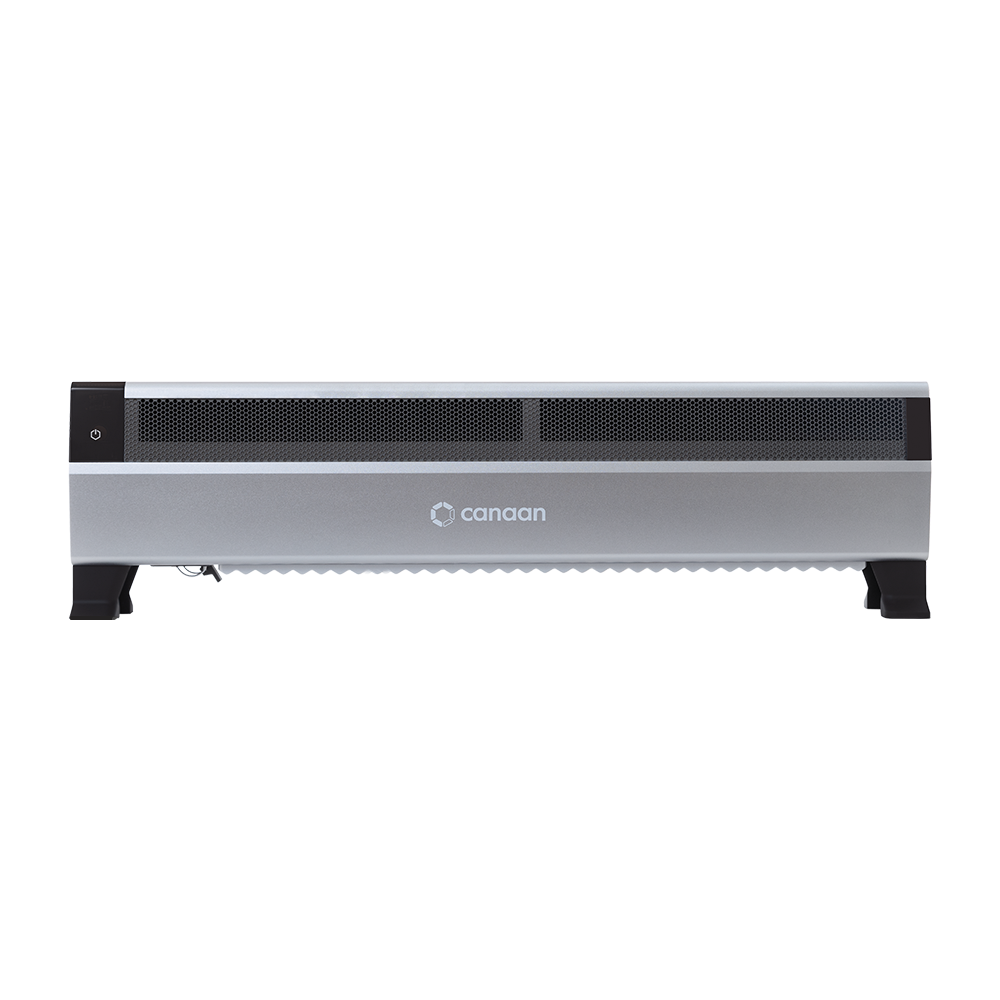 About 37.5 TH/s, depending on the version
Avalon Mini 3
About 800 W, depending on the mode / home heating type, depends on the usage situation
Same-algorithm Alternatives 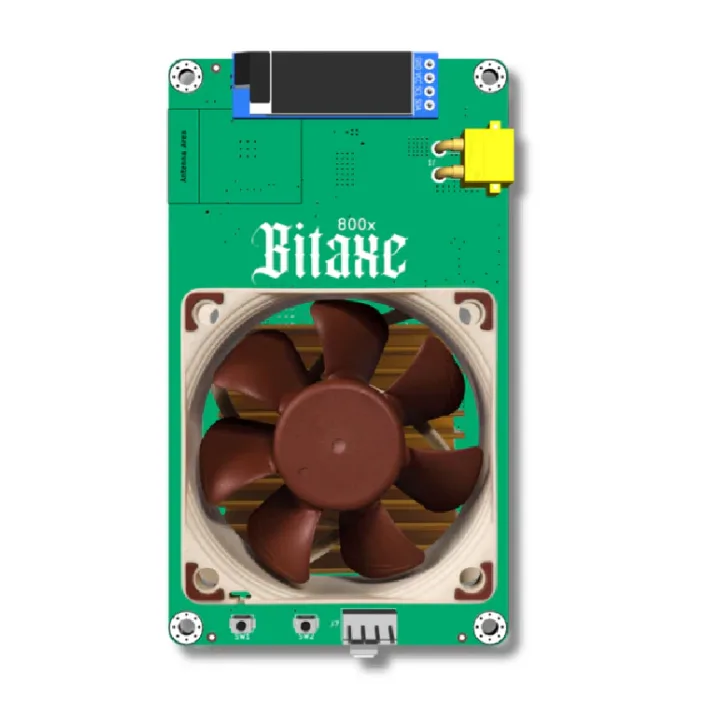 About 2.4T
Bitaxe Gamma Turbo
About 35 W / Please use the complete hashrate version and wall power consumption to convert
Same-algorithm Alternatives 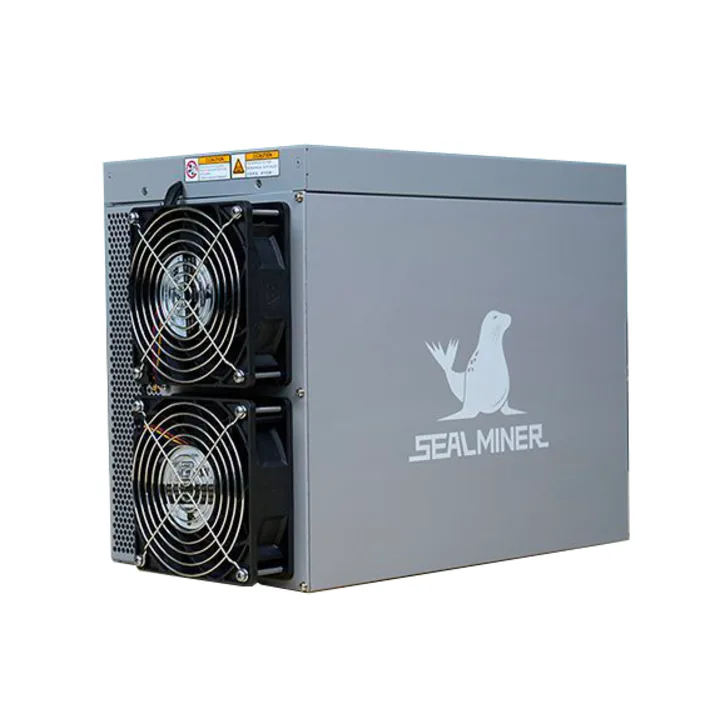 About 226T
SealMiner A2
Approximately 3730 W / Please use the complete hashrate version and the wall power consumption to convert
Same-algorithm Alternatives 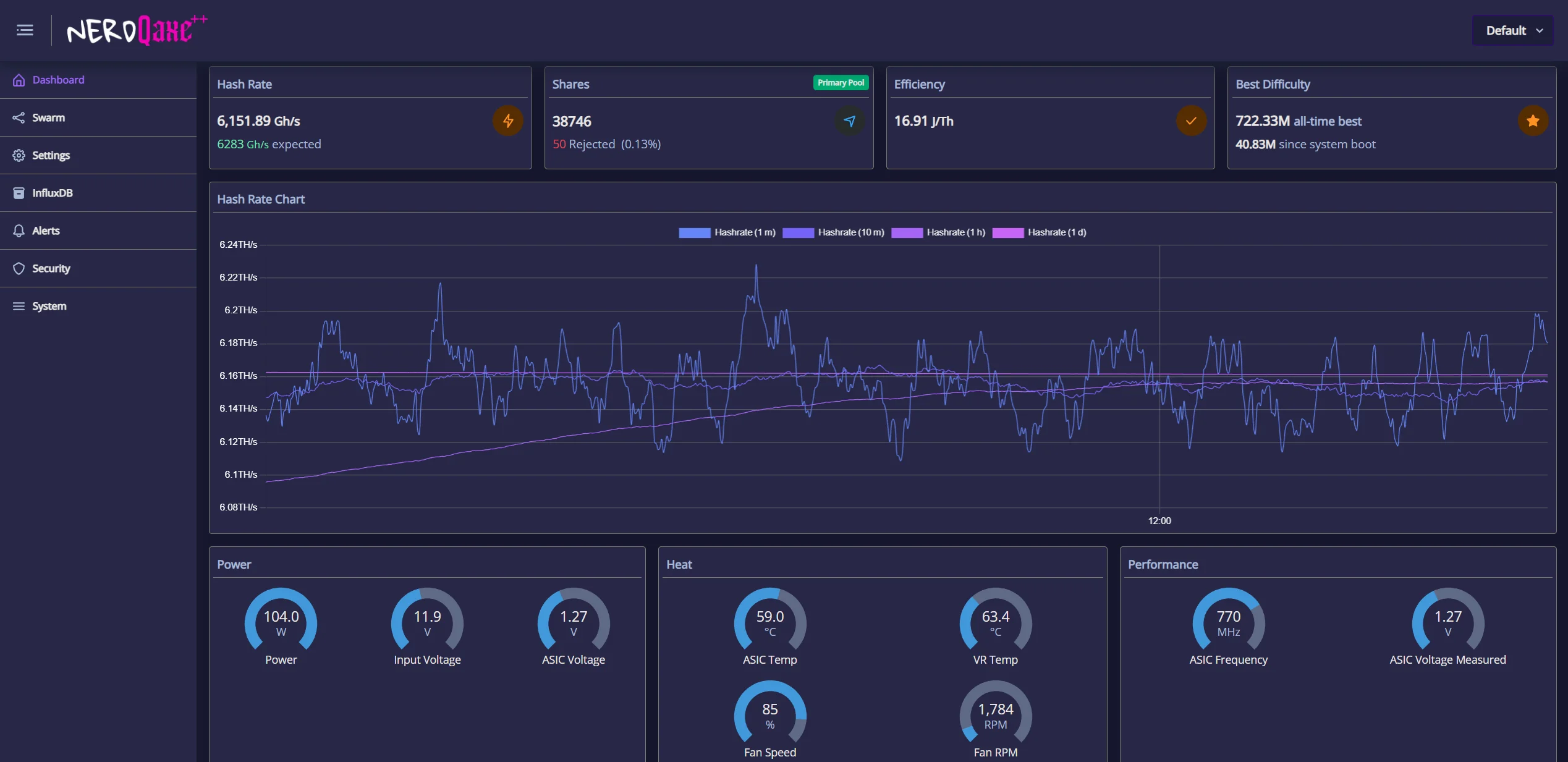 About 80–130 GH/s
NerdNOS
Approx. 7–8 W (USB-C) / Approx. 54–100 J/TH
Same-algorithm Alternatives 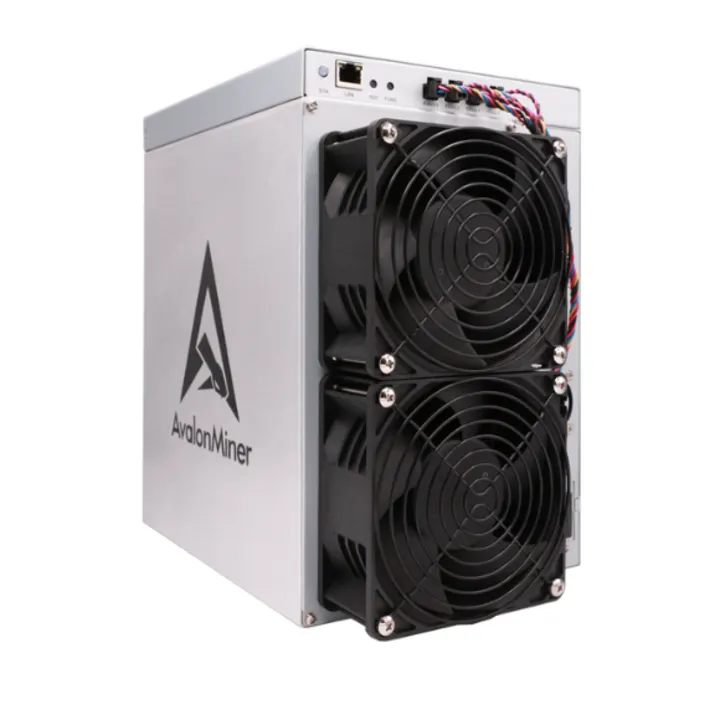 About 218T
Avalon A15Pro-218T
Approximately 3662 W / Please use the complete hashrate version and the wall power consumption to convert
Same-algorithm Alternatives 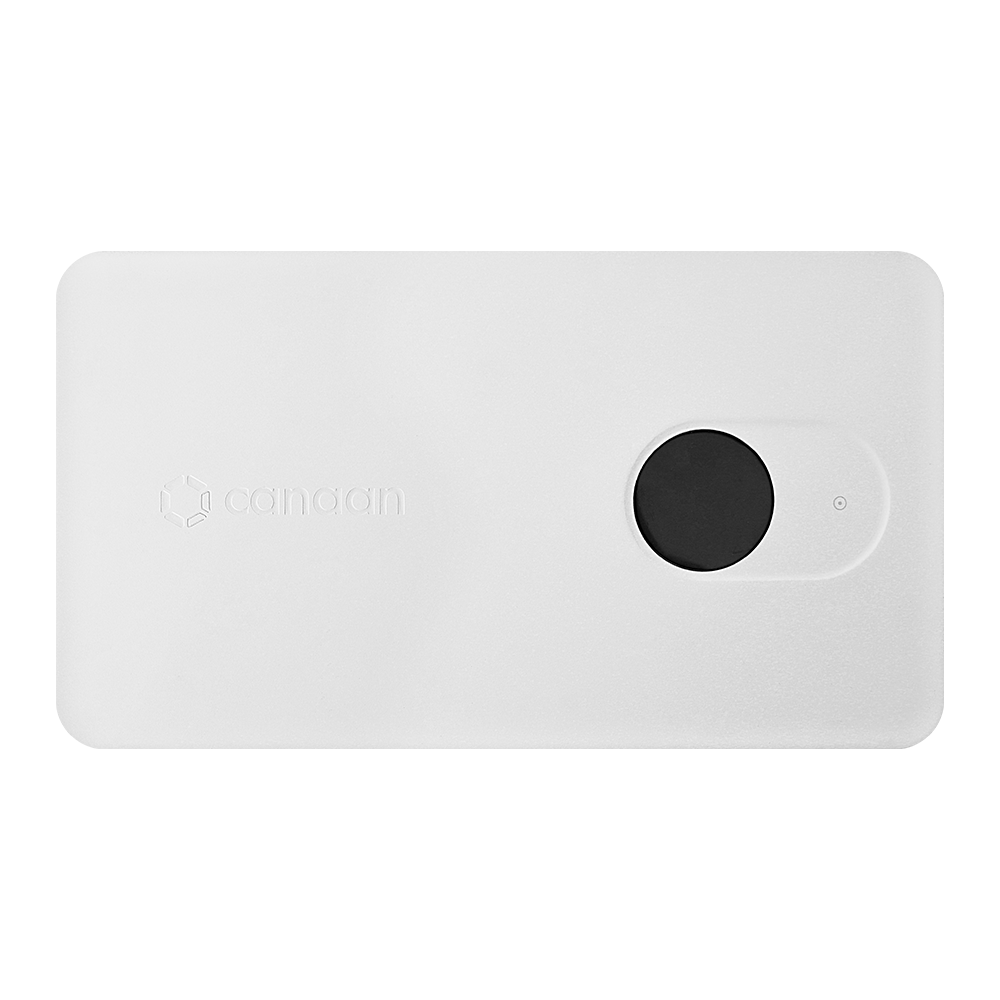 6 TH/s
Avalon Nano 3S
140 W Maximum / About 23.3 J/TH (Based on Maximum Power)
Same-algorithm Alternatives 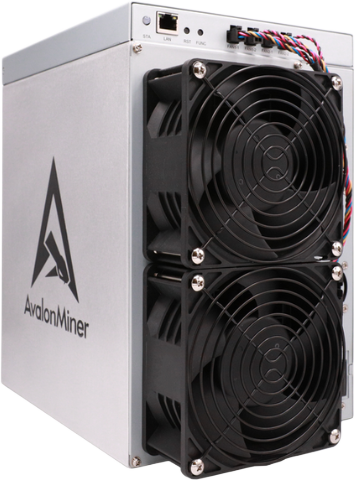 About 221 TH/s
AvalonMiner A15Pro-221T
About 3662 W / About 16.8 J/TH
Same-algorithm Alternatives 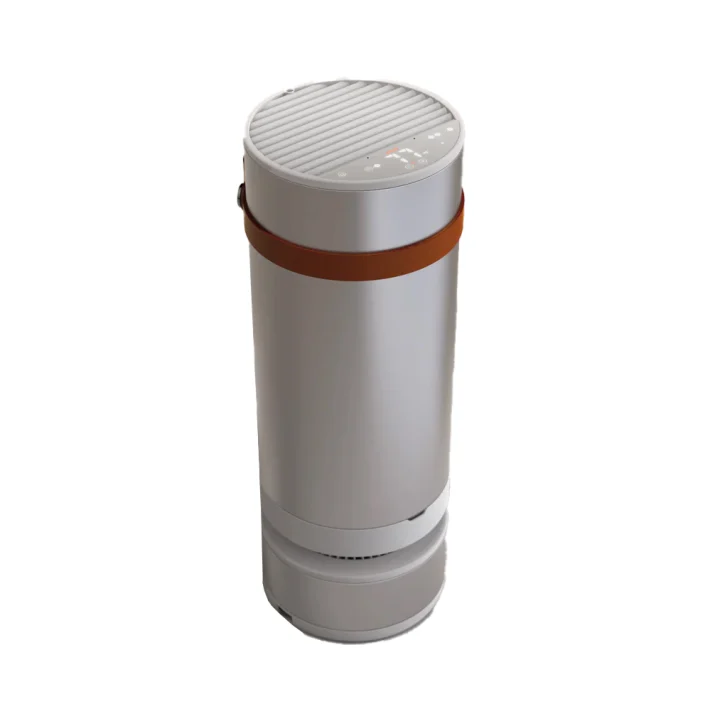 About 10T
Heatbit Trio
About 400 W / Please use the full hashrate version and the wall power consumption to convert
Same-algorithm Alternatives 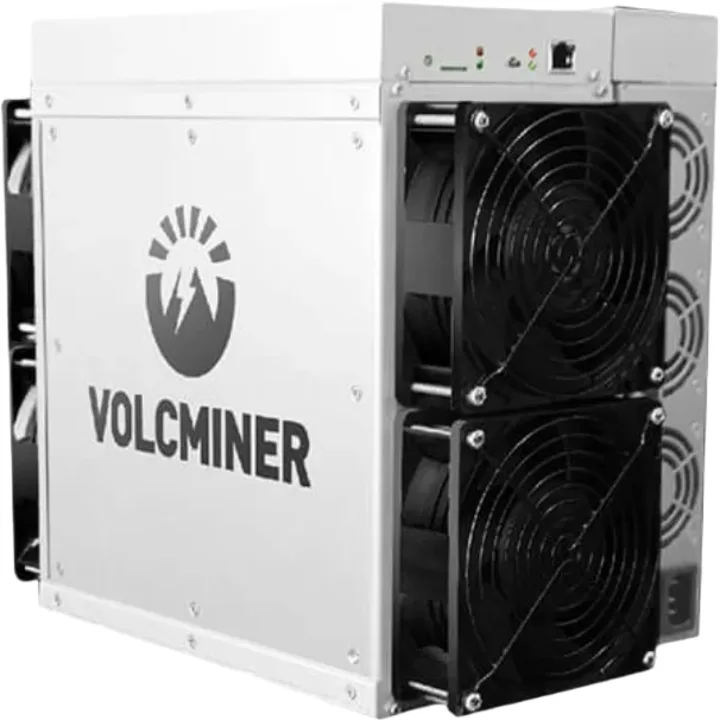 About 14G
VolcMiner D1 Lite
Approximately 4150 W / Please use the complete hashrate version and wall power consumption to convert
Same-algorithm Alternatives 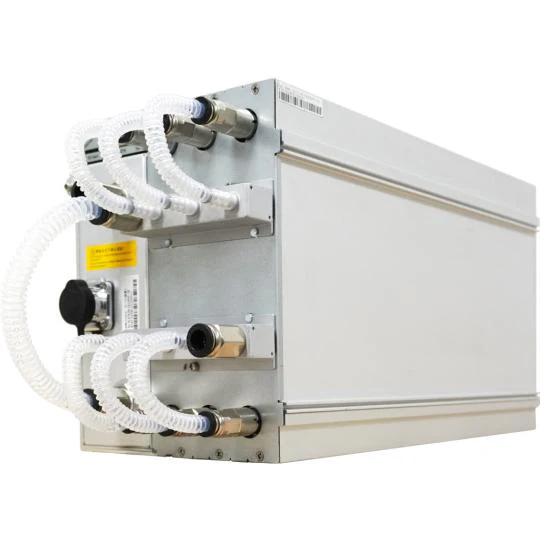 288–332 TH/s
Antminer S21e Hydro
- Hashrate
- 288–332 TH/s
- Power Consumption
- 4,896–5,644W @35°C
- Efficiency
- 17 J/TH
- Official variants
- 3 official variants
Same-algorithm Alternatives 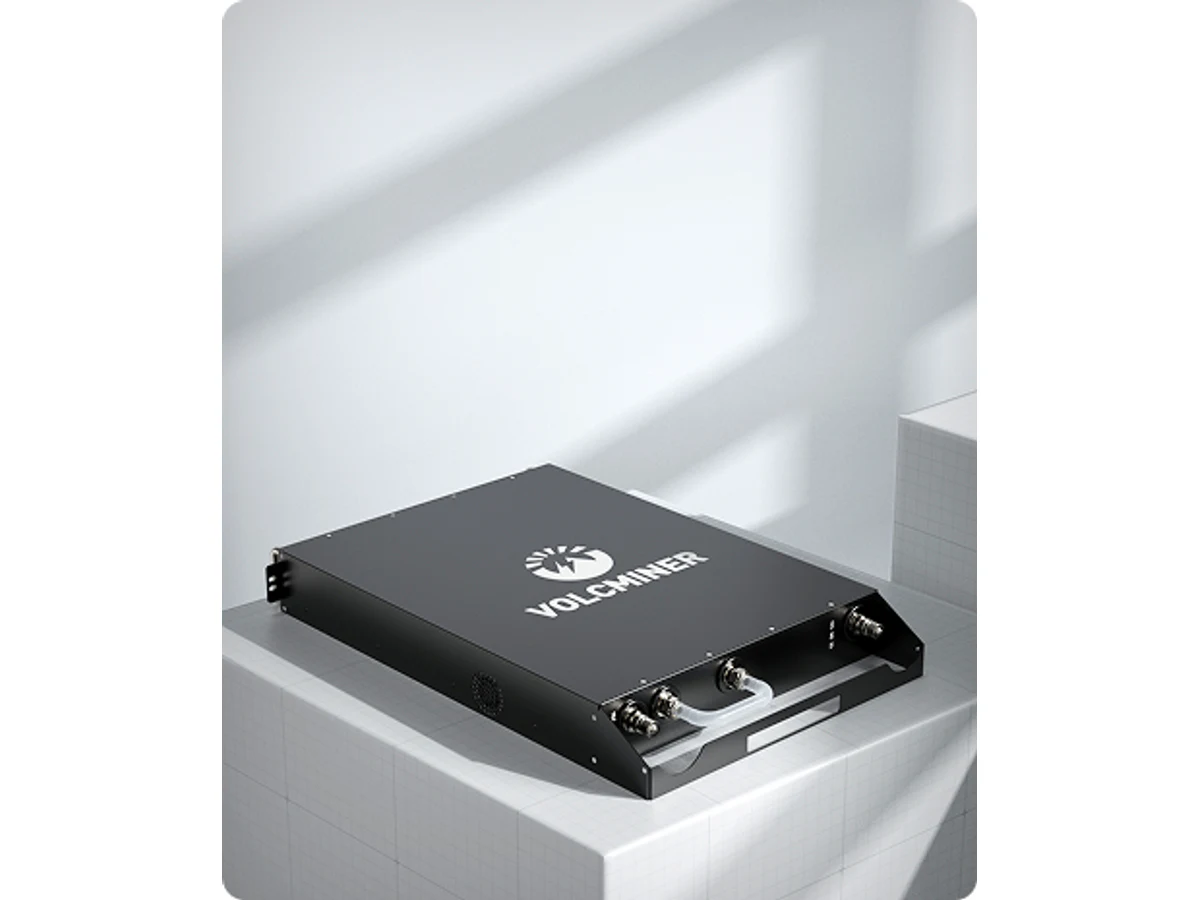 About 32 GH/s
VolcMiner D1 Hydro
Approx. 7950 W / Approx. 250 J/GH
Same-algorithm Alternatives 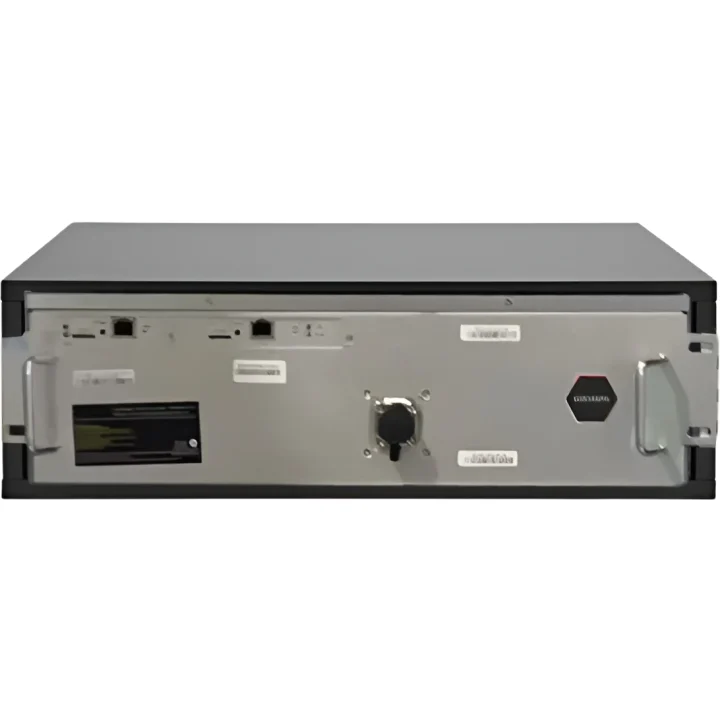 About 512TH/s
Antminer S19 XP Hyd 3U
Approximately 10600 W / Please use the complete hashrate version and wall power consumption to convert
Same-algorithm Alternatives 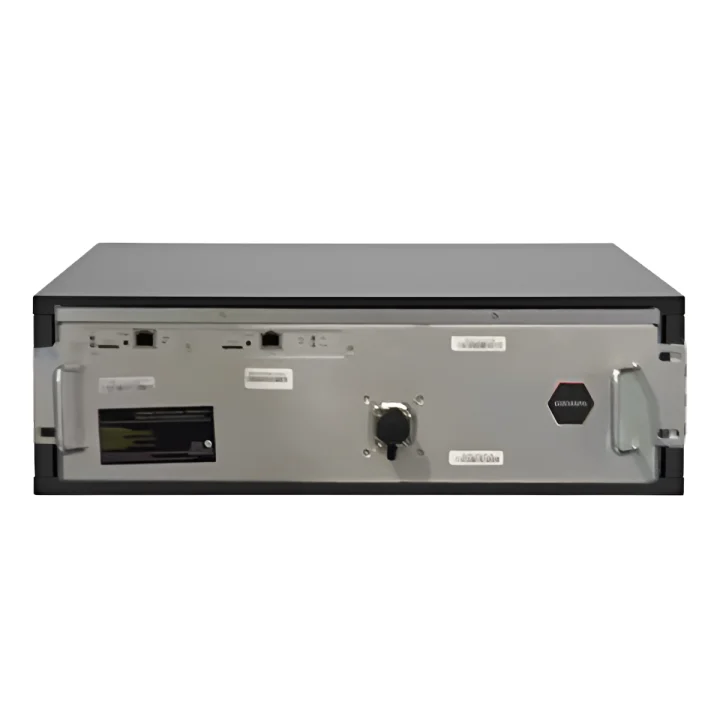 About 860T
Antminer S21e XP Hyd 3U
Approximately 11180 W / Please use the complete hashrate version and wall power consumption to convert
Same-algorithm Alternatives 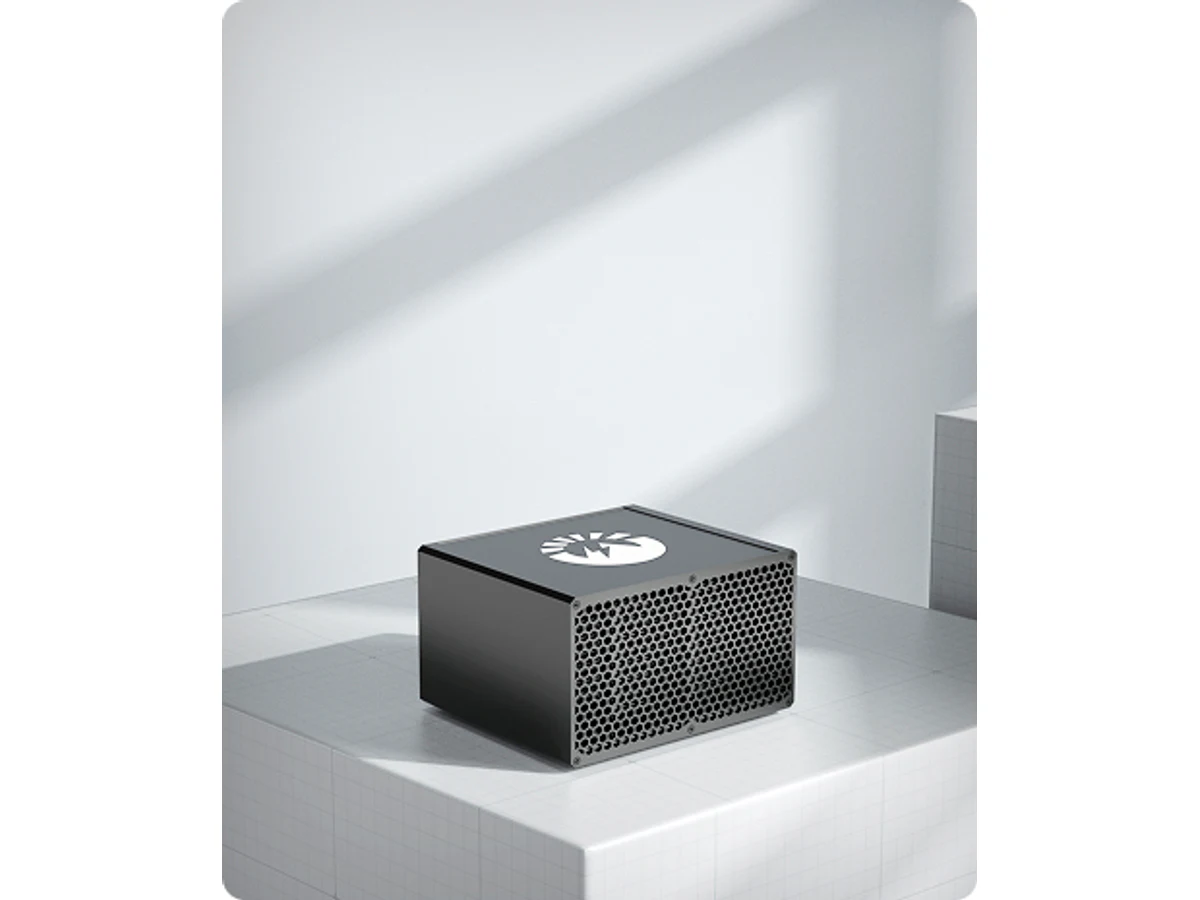 About 2.2 GH/s
D1 Mini Pre
About 500 W / About 227-229 J/GH
Same-algorithm Alternatives 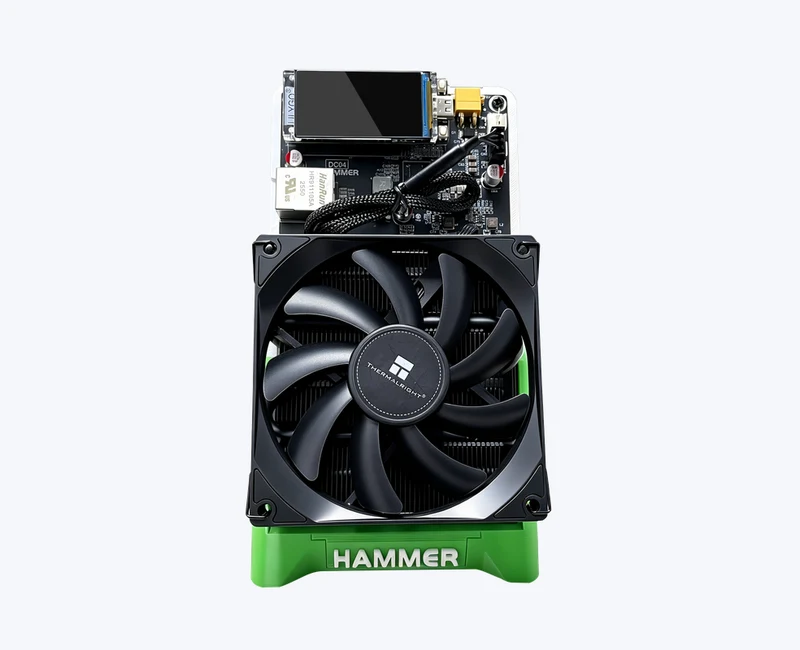 330 MH/s
Hammer Miner DC06
90 W (ASIC-only) / 0.273 J/MH (derived from ASIC-only draw)
Same-algorithm Alternatives 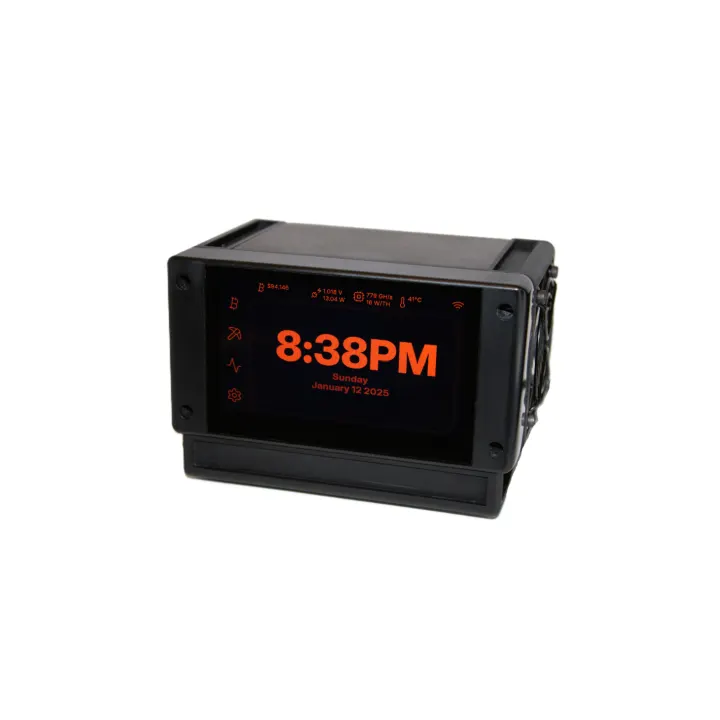 About 1.6T
Bitaxe Touch
Approximately 22 W / Please use the complete hashrate version and wall power consumption to convert
Same-algorithm Alternatives 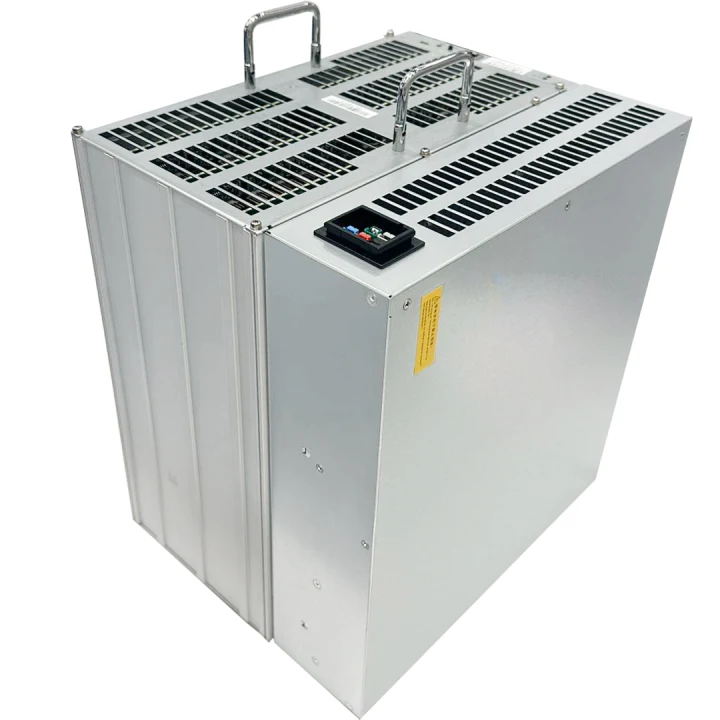 About 301T
Antminer S21 Immersion
Approximately 5569 W / Please use the complete hashrate version and the wall power consumption to convert
Same-algorithm Alternatives 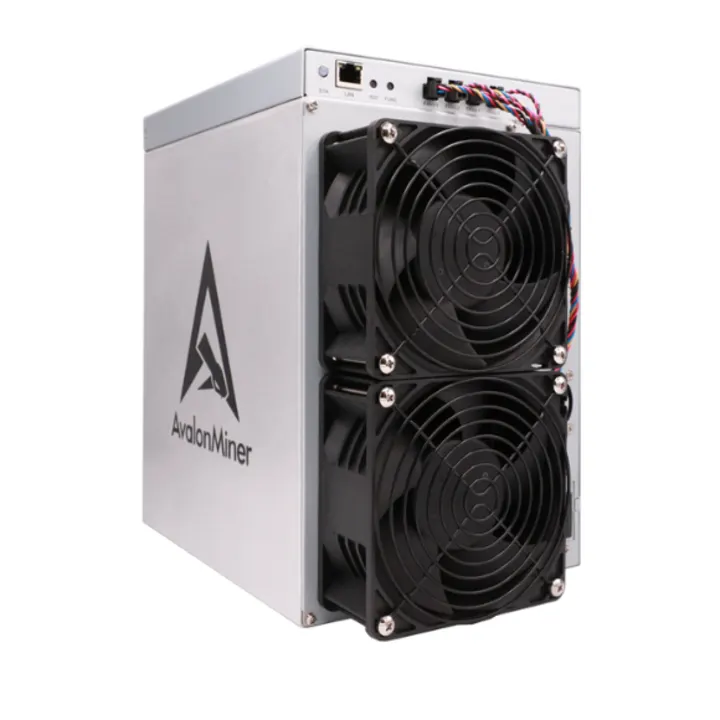 About 194T
Avalon A15-194T
Approximately 3647 W / Please use the complete hashrate version and the wall power consumption to convert
Same-algorithm Alternatives 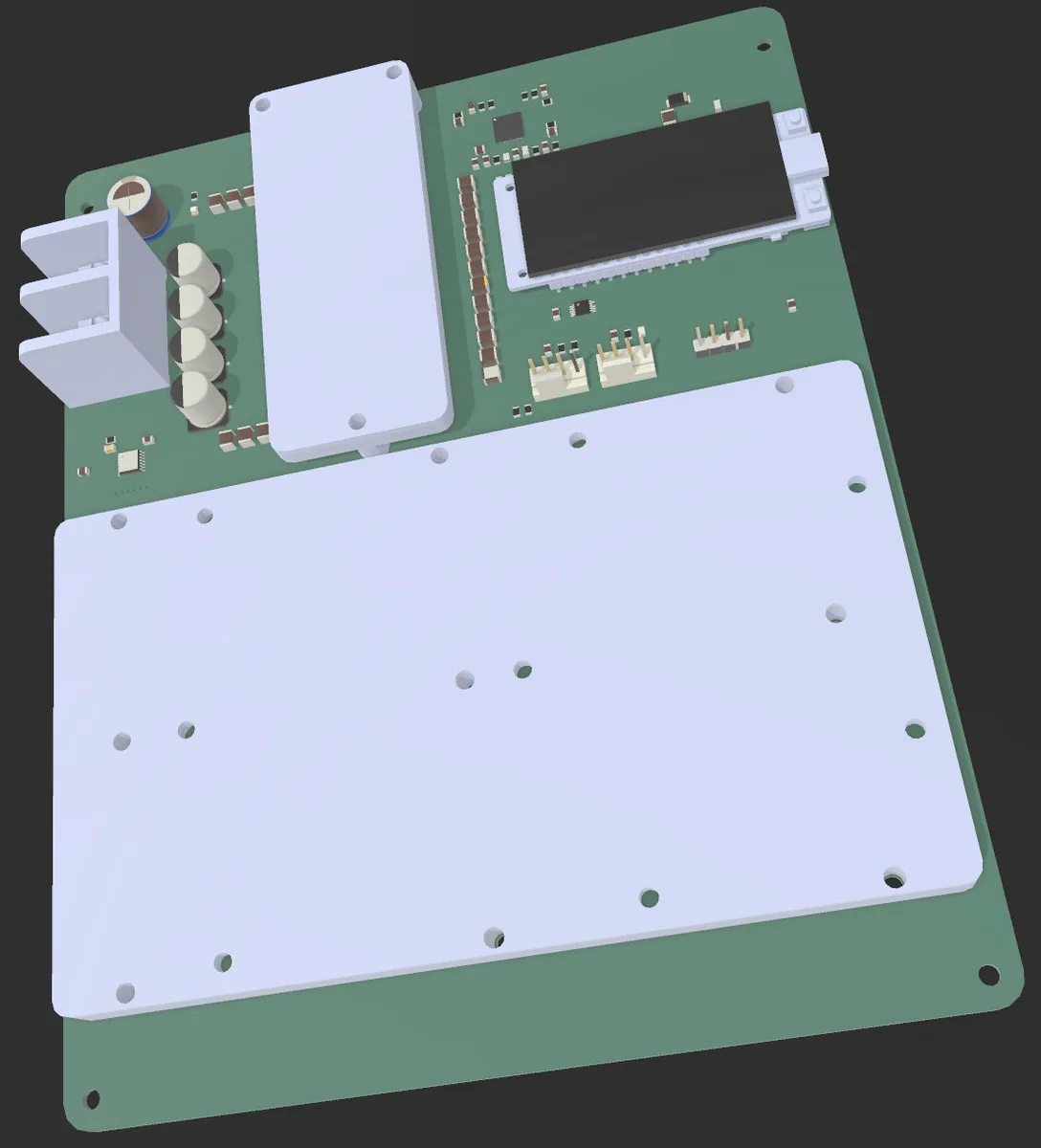 About 14 TH/s
NerdEKO Gamma
Approx. 230 W / Approx. 16.4 J/TH
Same-algorithm Alternatives 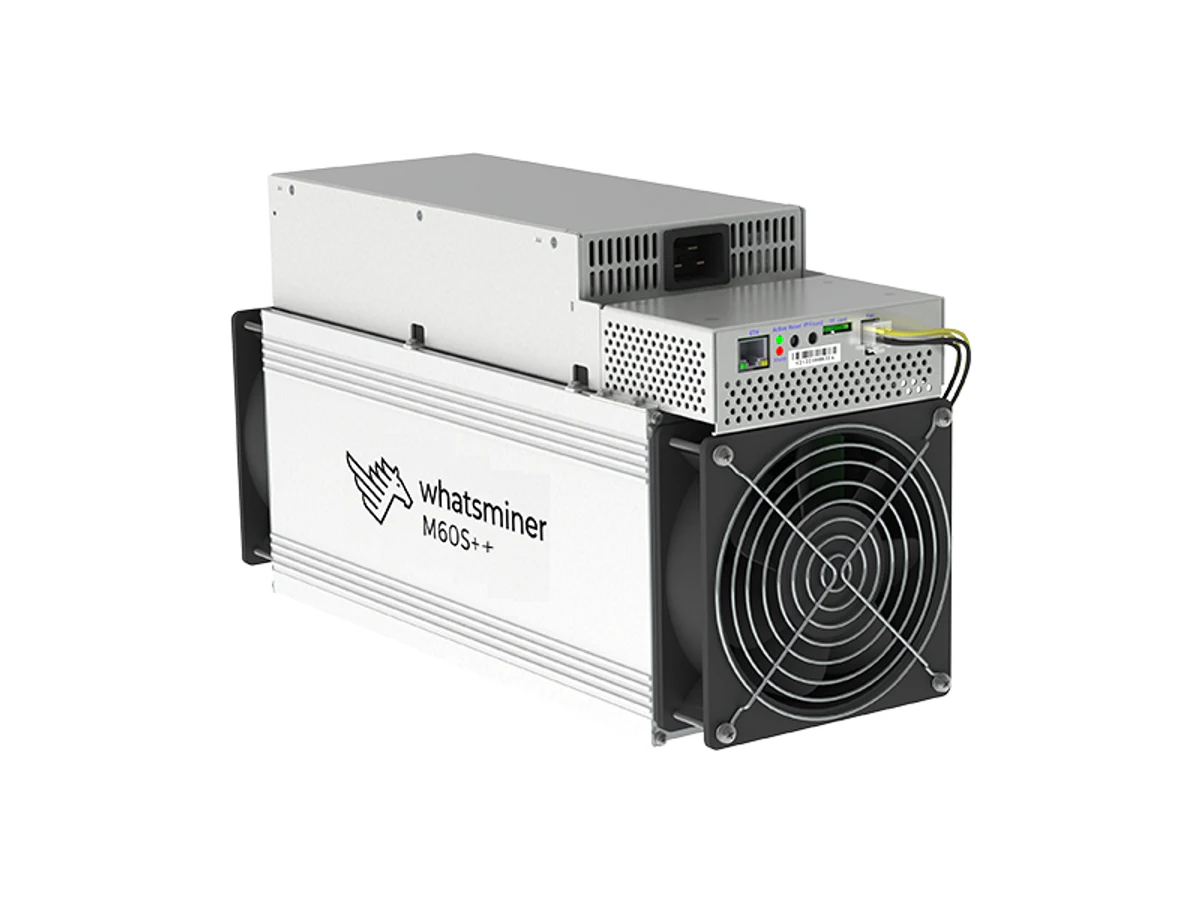 About 226 TH/s
WhatsMiner M60S++
About 3600 W / Please use the complete hashrate version and wall power consumption to convert
Same-algorithm Alternatives 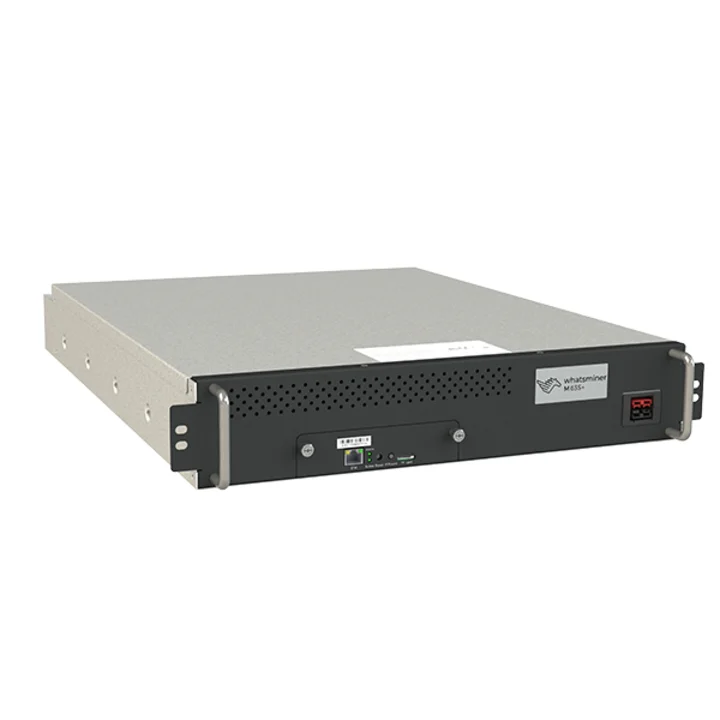 About 464T
WhatsMiner M63S++
About 7200 W / Please use the full hashrate version and wall power consumption to convert
Same-algorithm Alternatives 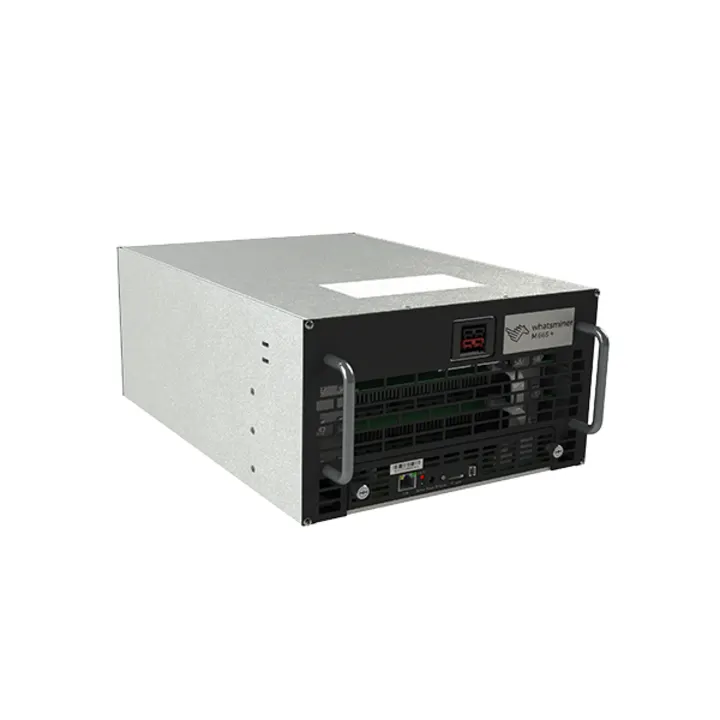 Approximately 356 TH/s
WhatsMiner M66S++
Approximately 5518 W / Approximately 15.5 J/TH
Same-algorithm Alternatives 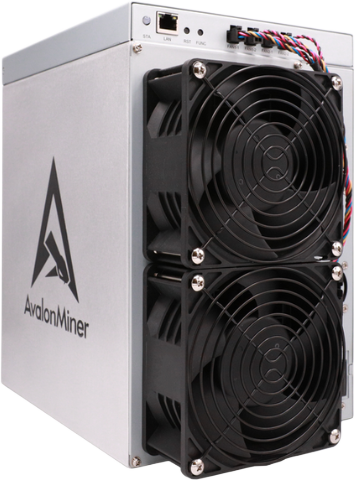 About 206 TH/s
AvalonMiner A15XP-206T
About 3667 W / About 17.8 J/TH
Same-algorithm Alternatives 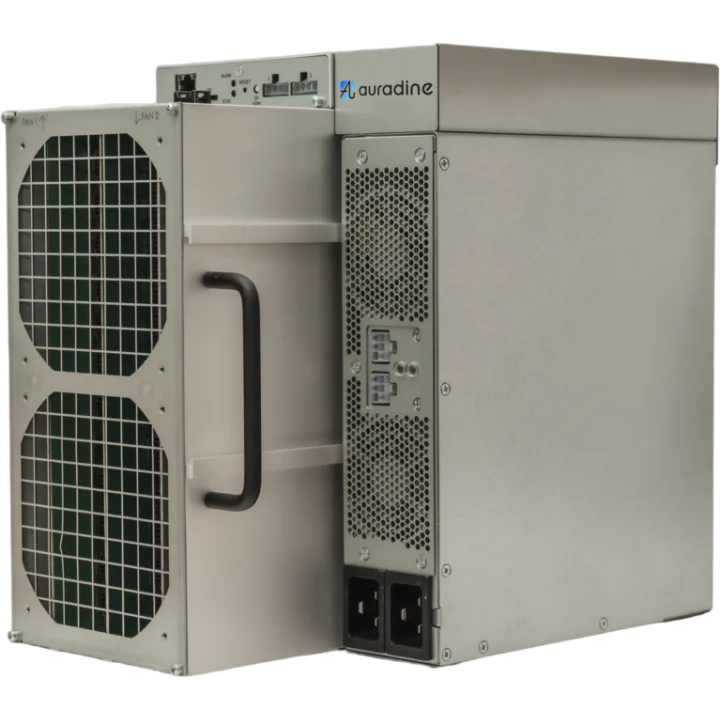 About 360T
Auradine Teraflux AI3680
Approximately 6840 W / Please use the complete hashrate version and wall power consumption to convert
Same-algorithm Alternatives 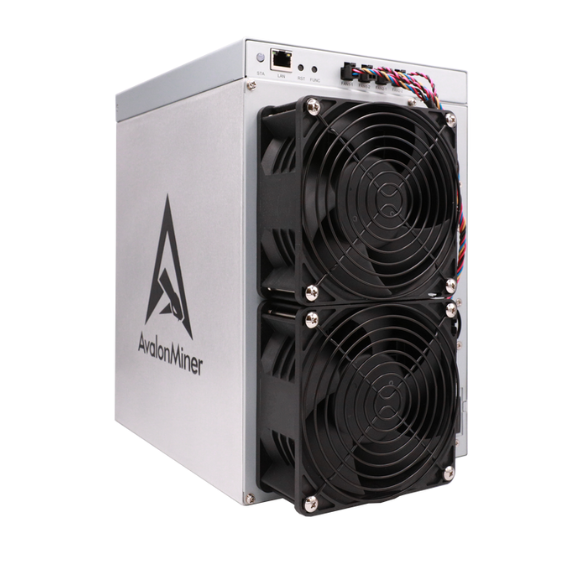 About 200 TH/s
AvalonMiner A15-200T
About 3760 W / About 18.8 J/TH
Same-algorithm Alternatives 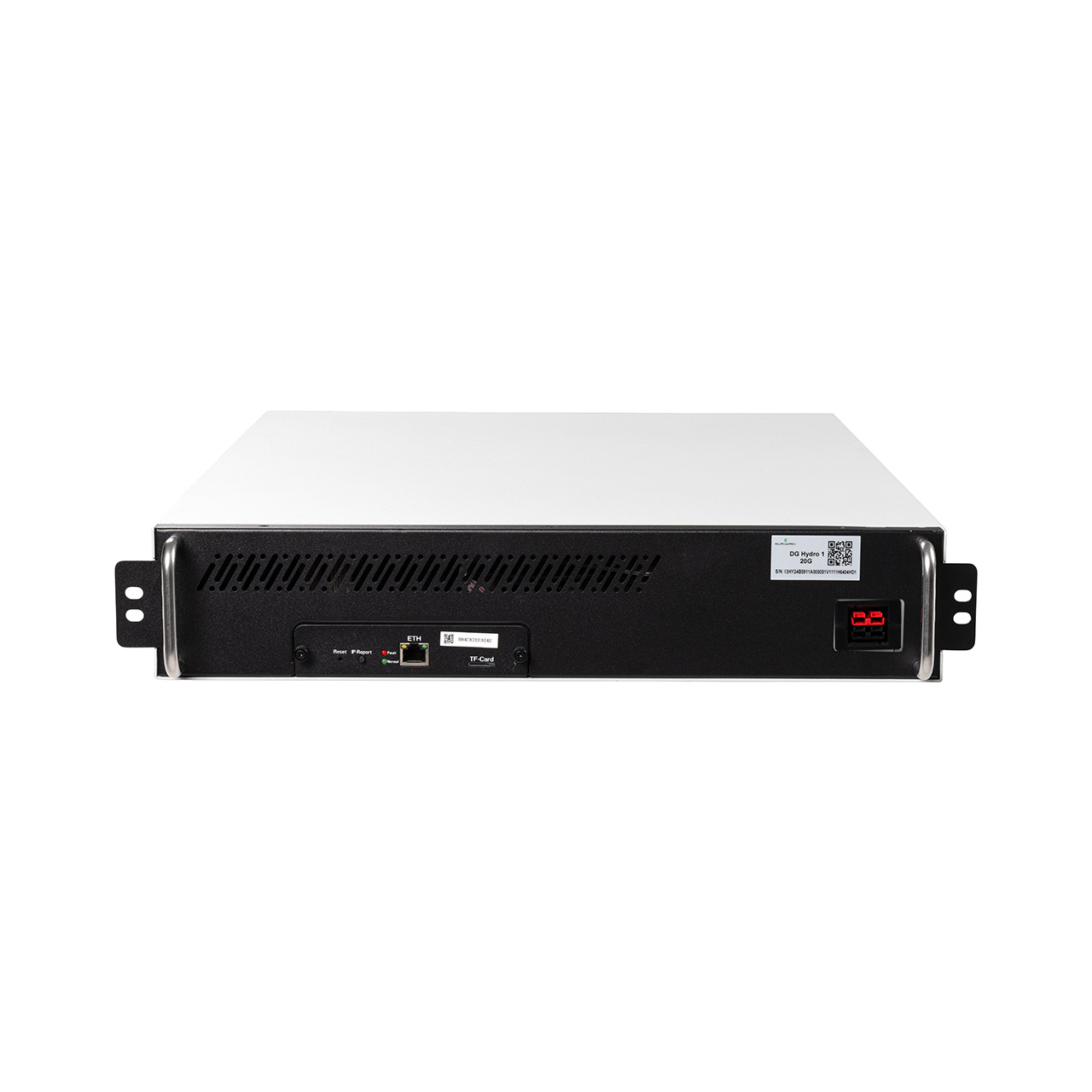 About 20 GH/s
ElphaPex DG Hydro 1
Approx. 6200 W / Approx. 310 J/GH
Same-algorithm Alternatives 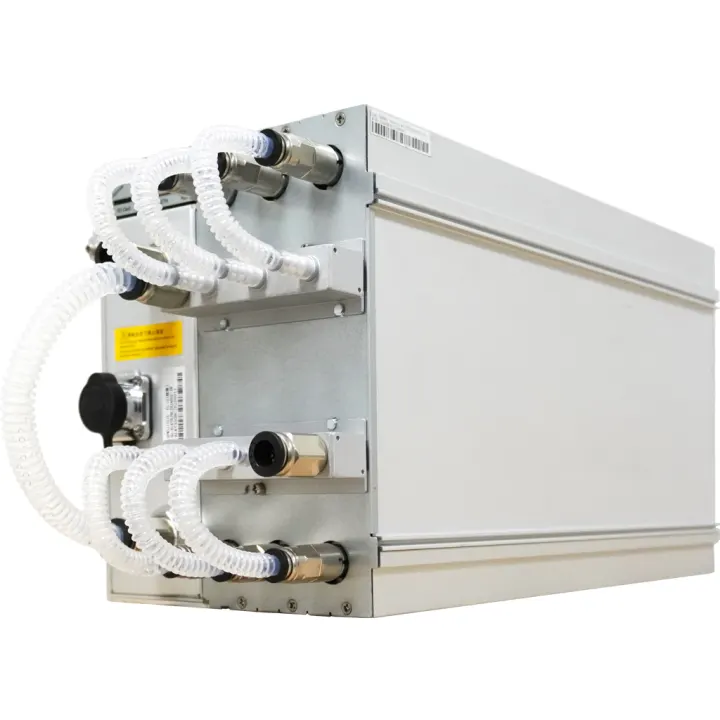 About 430T
Antminer S21e XP Hyd
Approximately 5590 W / Please use the complete hashrate version and the wall power consumption to convert
Same-algorithm Alternatives 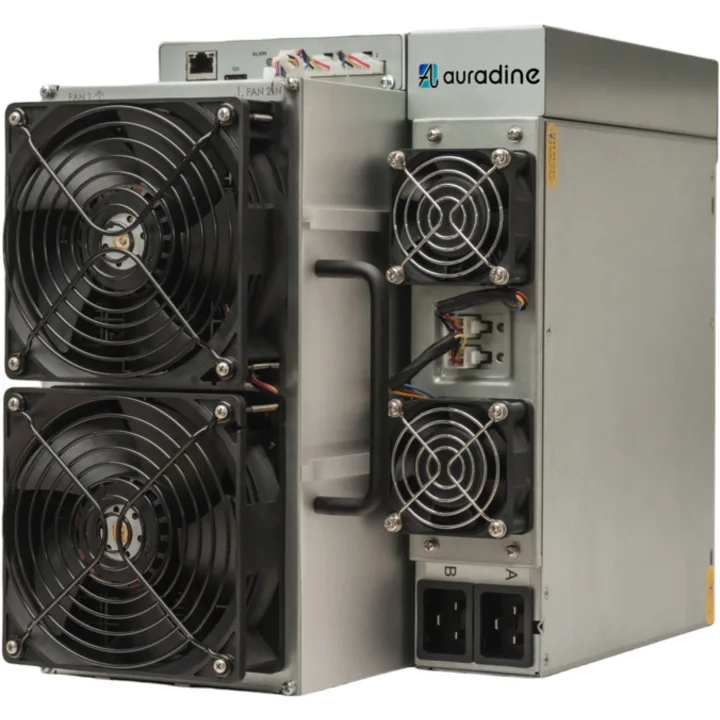 About 260T
Auradine Teraflux AT2880
Approximately 4680 W / Please use the complete hashrate version and wall power consumption to convert
Same-algorithm Alternatives 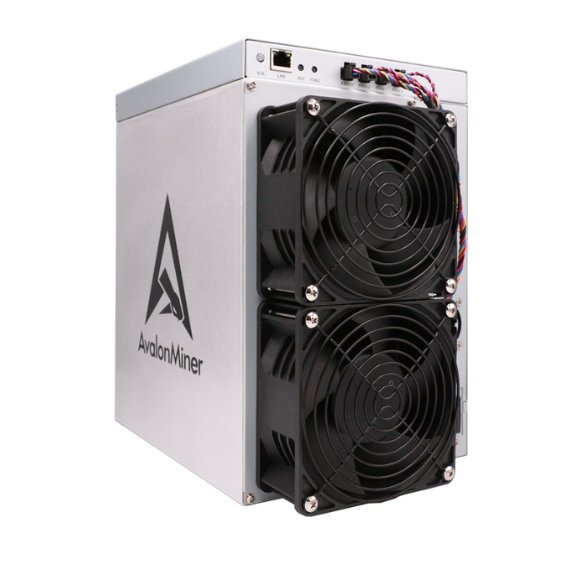 About 173 TH/s
AvalonMiner A15SE-173T
About 3562 W / About 19.9 J/TH
Same-algorithm Alternatives 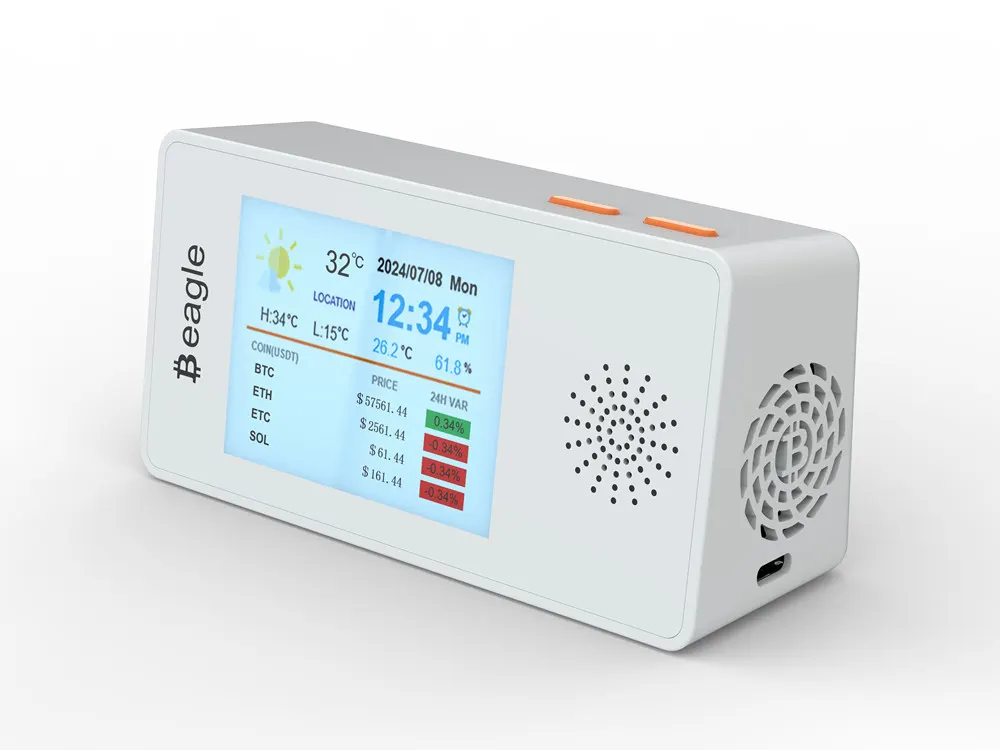 Small hashrate, depending on the version

Beagle BTC small miner
Low power consumption, depending on version/not suitable for large ASICs J/TH comparison
Same-algorithm Alternatives 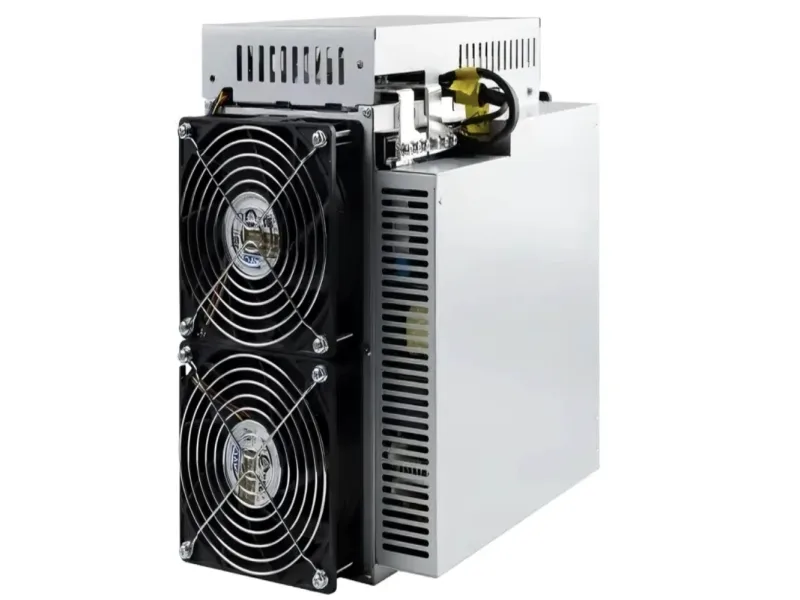 About 3.2 GH/s

iBeLink BM-L3
About 3000 W / About 938 J/GH
Same-algorithm Alternatives 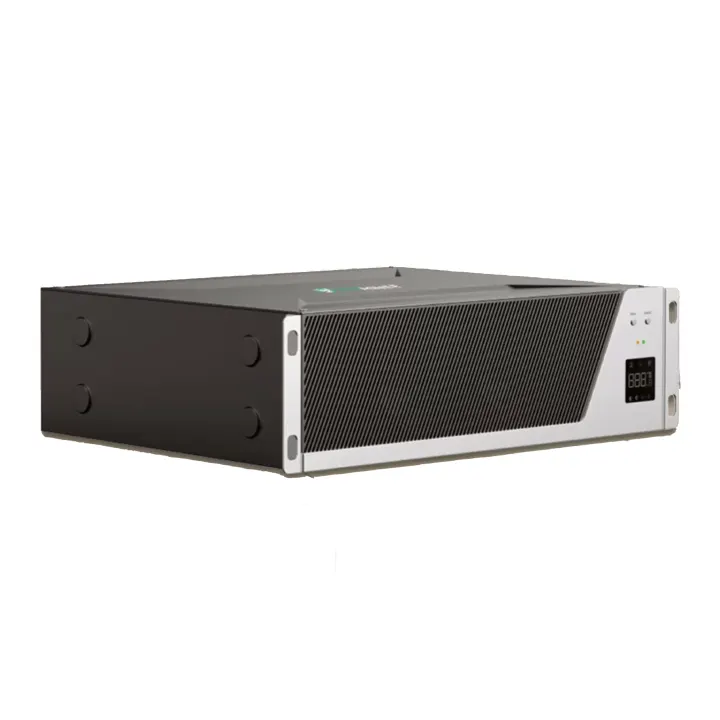 About 5.3G
Fluminer L1
About 1200 W / Please use the complete hashrate version and wall power consumption to convert
Same-algorithm Alternatives 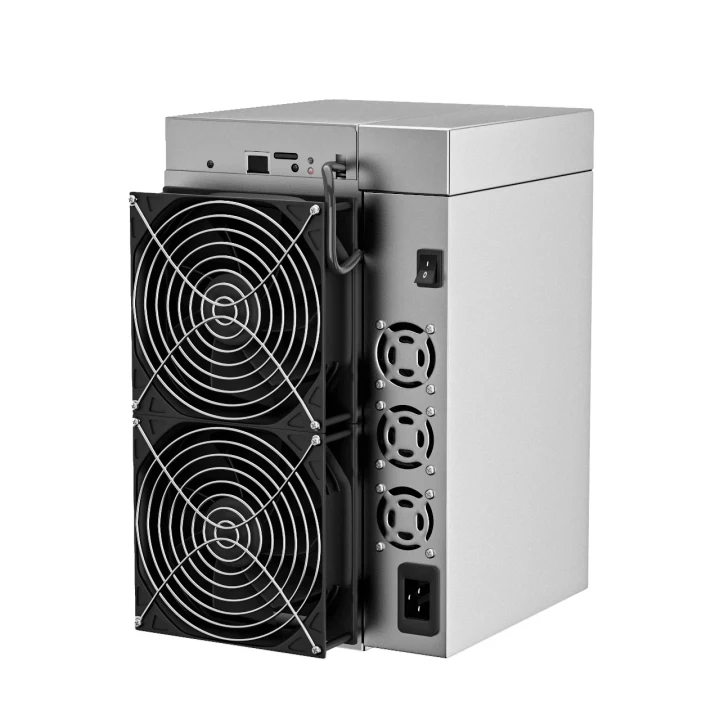 About 6.5G
Goldshell DG Max
About 3400 W / Please use the full hashrate version and wall power consumption to convert
Same-algorithm Alternatives 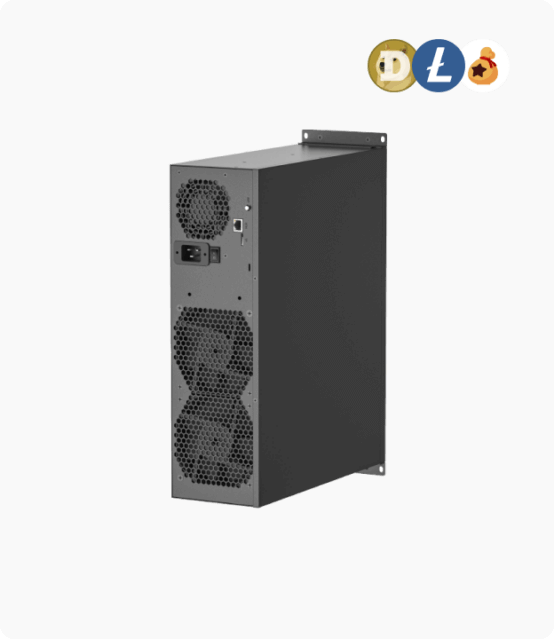 About 3.4 GH/s
Goldshell E-DG1M
About 1800 W / About 0.53 J/MH
Same-algorithm Alternatives 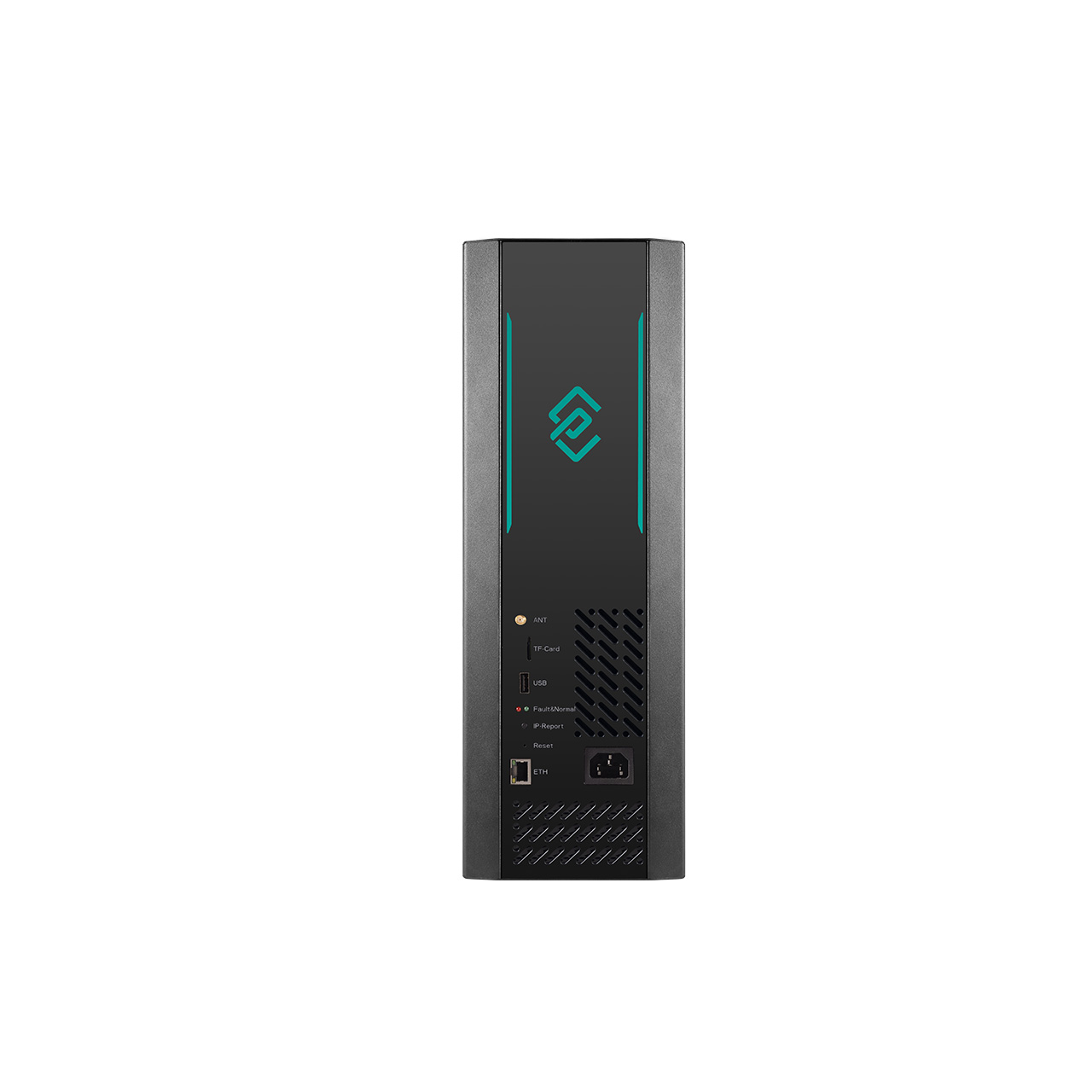 About 2.1 GH/s
ElphaPex DG Home 1
Approx. 630 W / Approx. 300 J/GH
Same-algorithm Alternatives 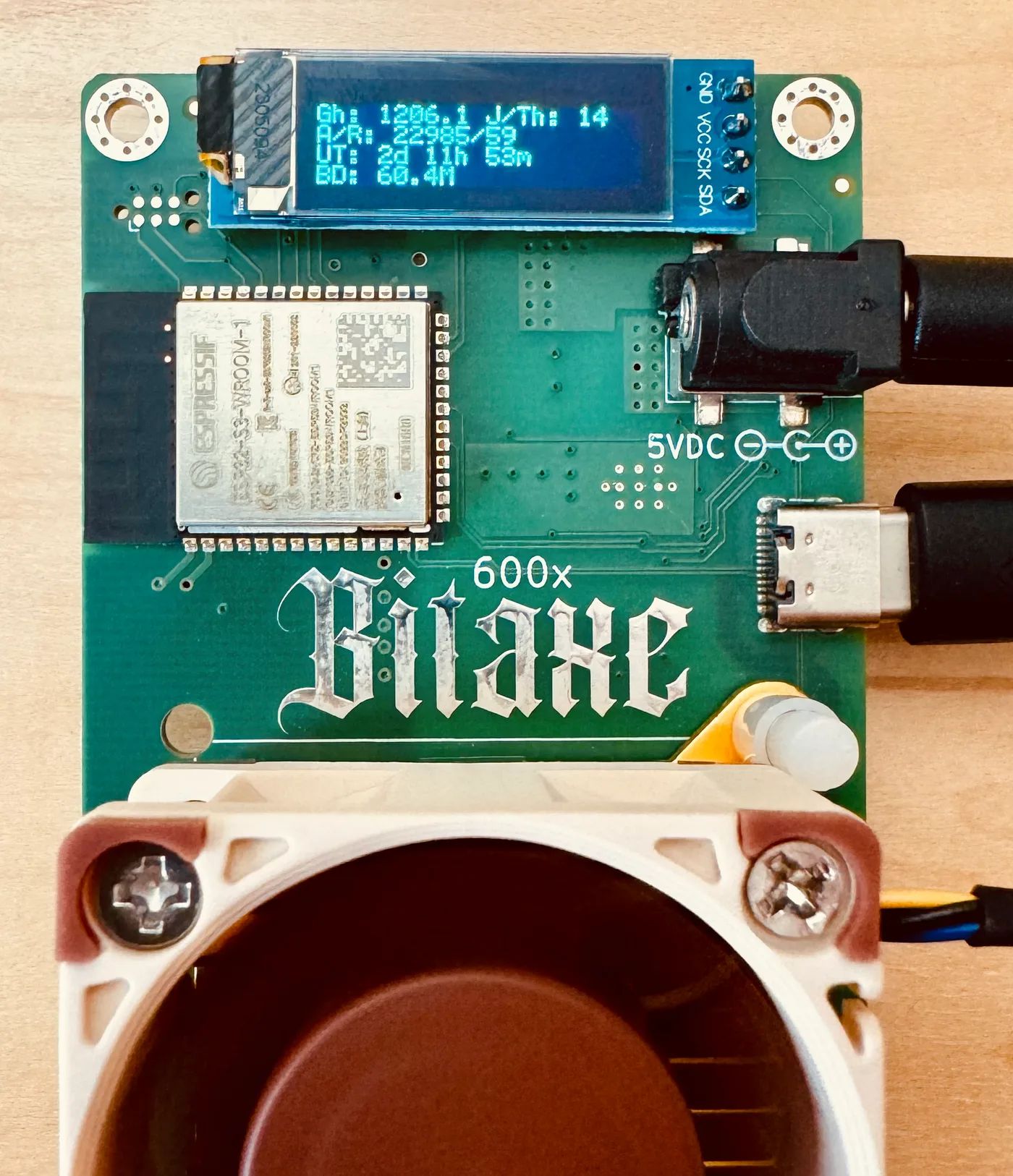 Approximately 1.2 TH/s
Bitaxe Gamma 600
Approx. 18–30 W (depending on calibration and power supply) / Approx. 15–25 J/TH
Same-algorithm Alternatives 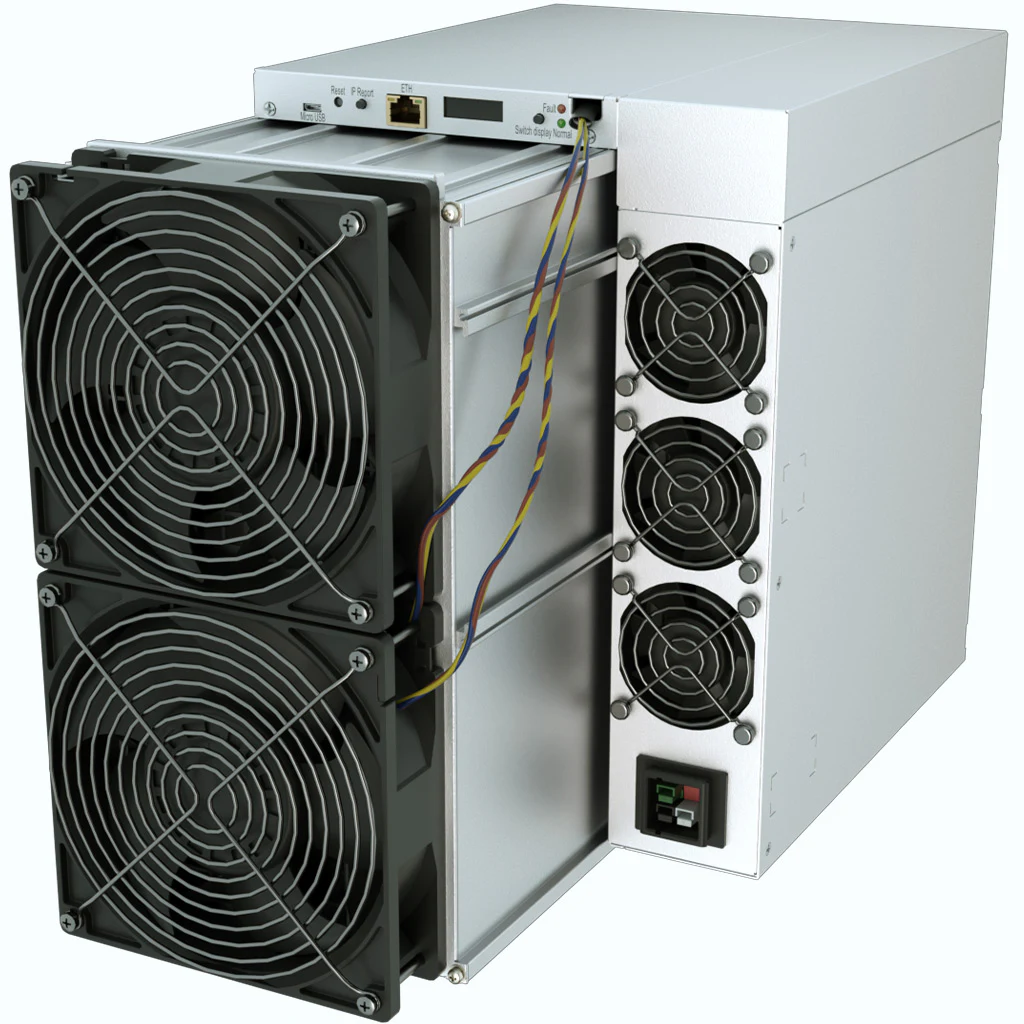 About 216 TH/s
Antminer S21+
About 3564 W / About 16.5 J/TH
Same-algorithm Alternatives 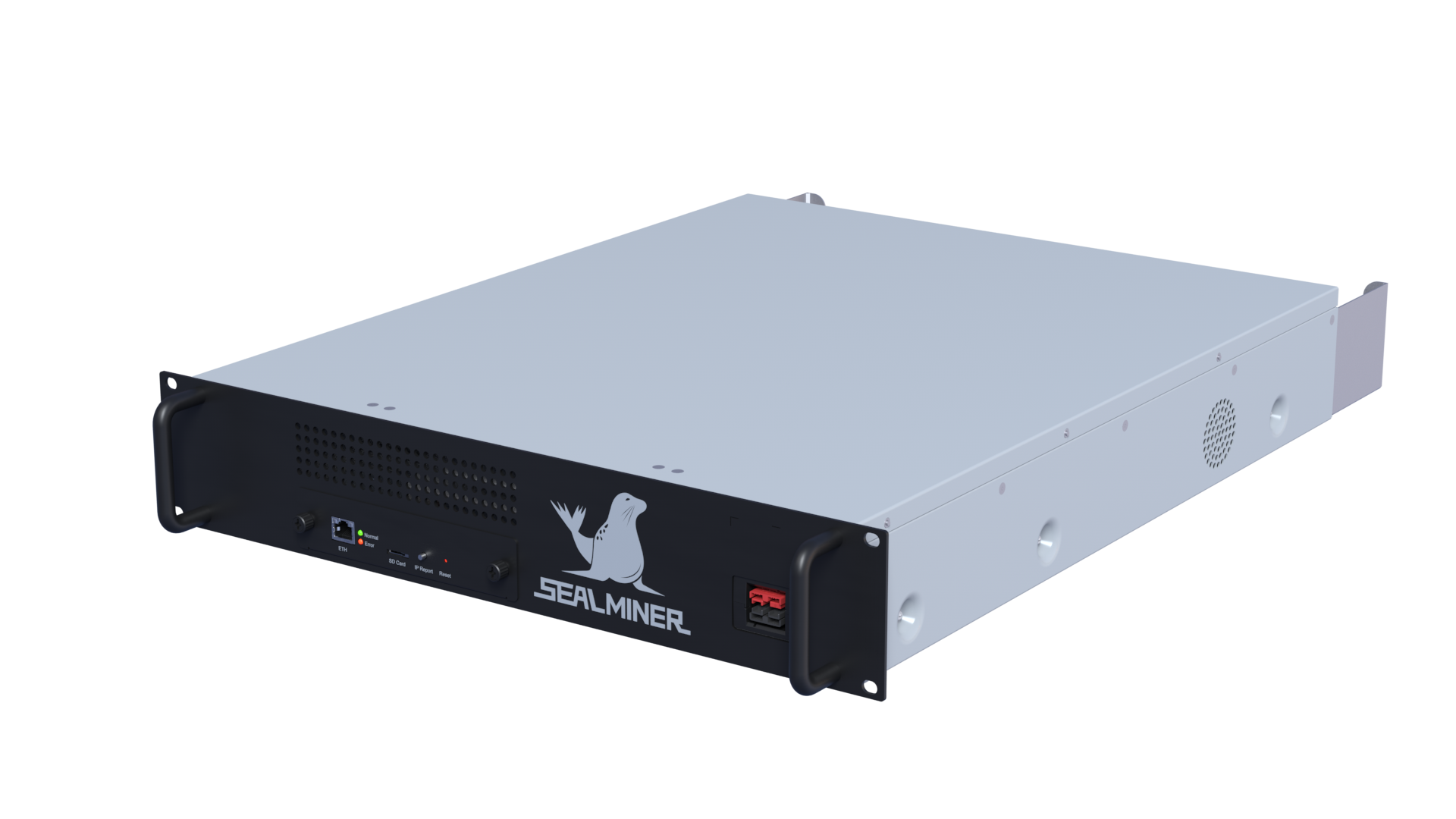 About 446 TH/s
Bitdeer SealMiner A2 Hydro
About 7360 W / About 16.5 J/TH
Same-algorithm Alternatives 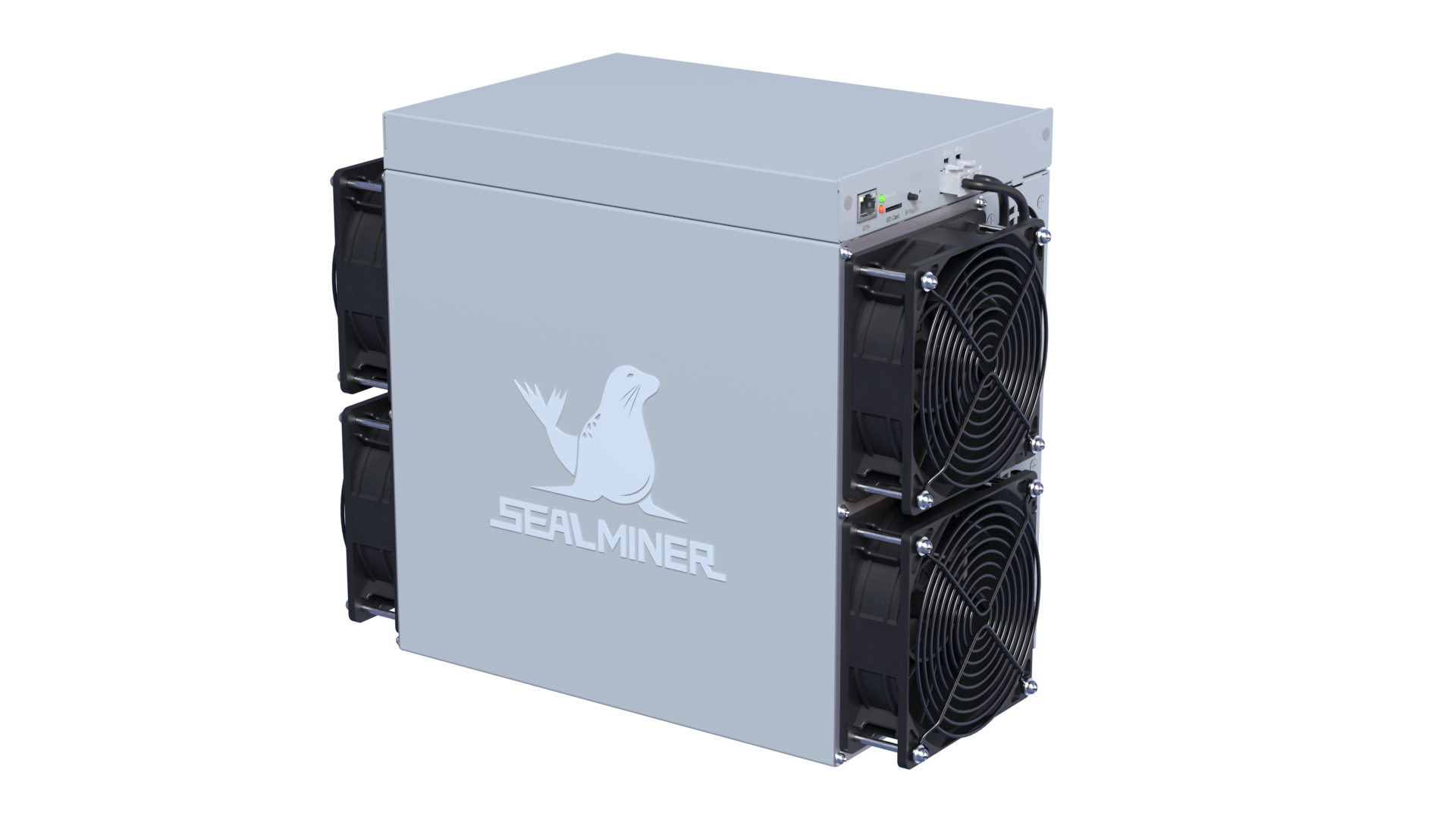 About 226 TH/s
SEALMINER A2 Air
About 3729 W / About 16.5 J/TH
Same-algorithm Alternatives 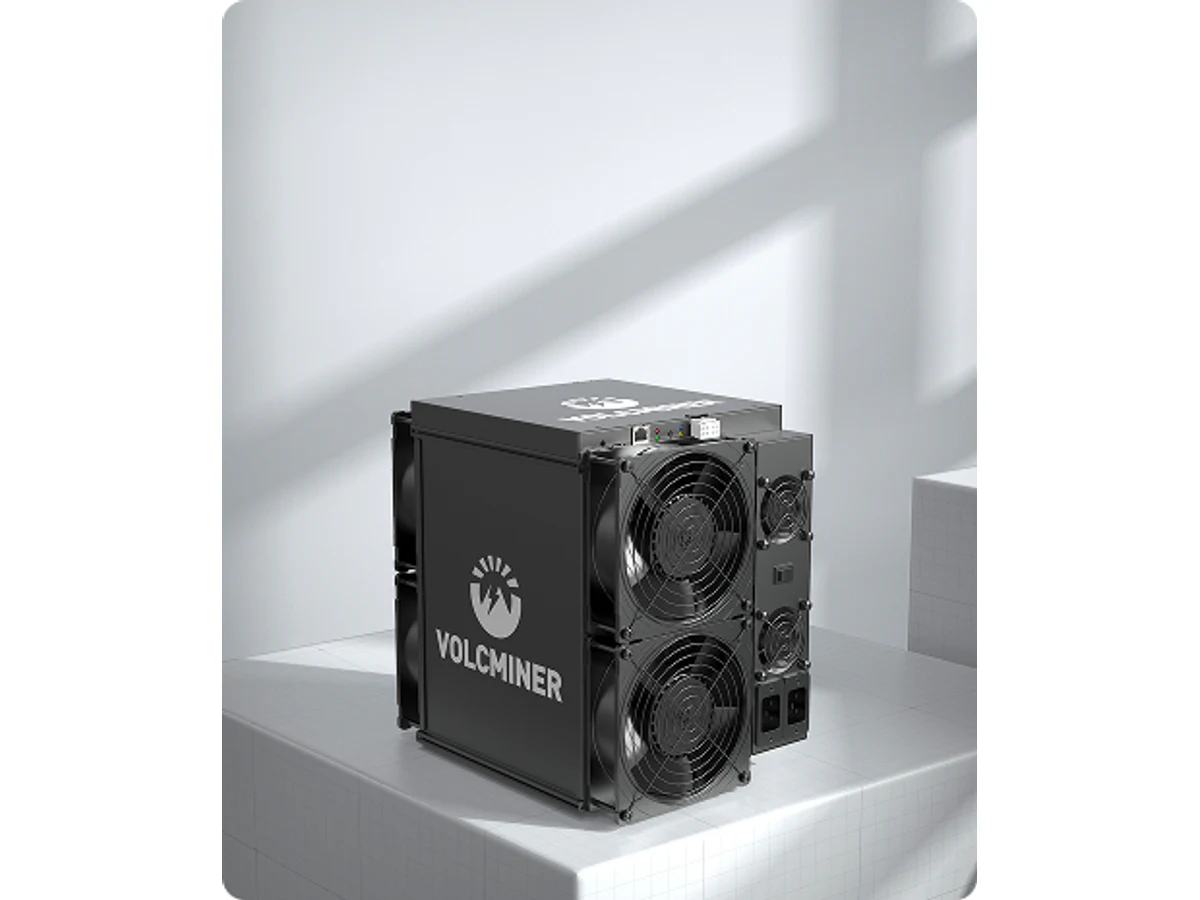 About 16 GH/s
VolcMiner D1
Approx. 3725 W / Approx. 229 J/GH
Same-algorithm Alternatives 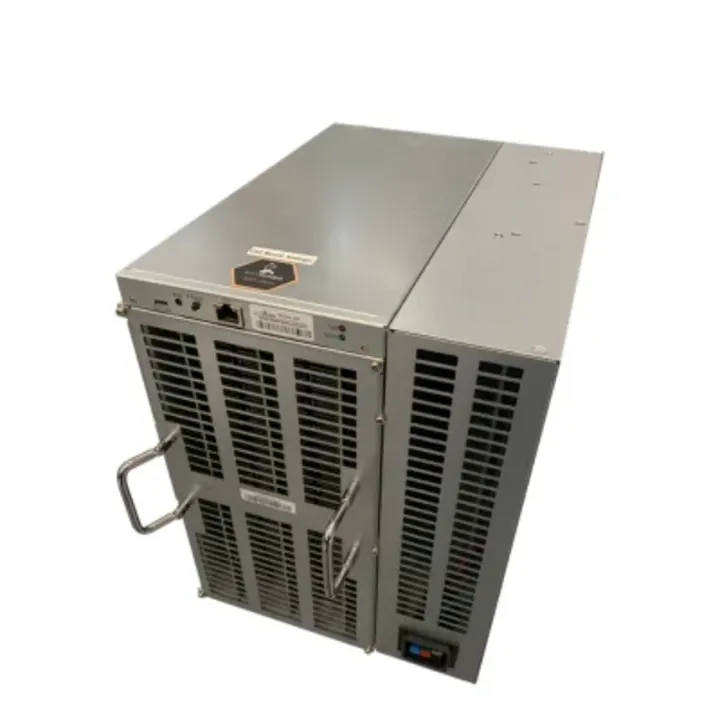 About 300T
Antminer S21 XP Immersion
Approximately 4050 W / Please use the complete hashrate version and the wall power consumption to convert
Same-algorithm Alternatives 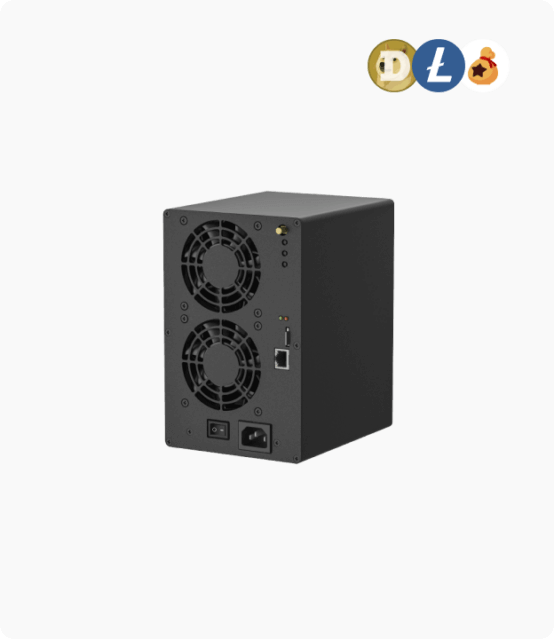 About 810 MH/s
Goldshell MINI DOGE III PLUS
About 500 W / About 0.62 J/MH
Same-algorithm Alternatives 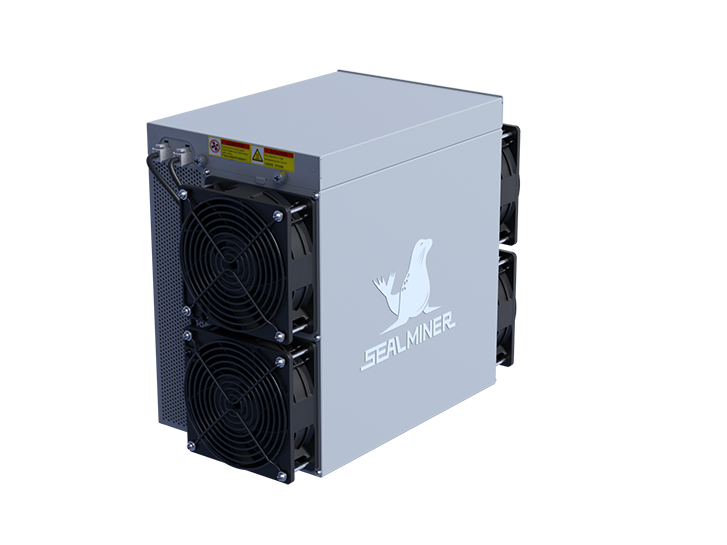 152 TH/s(±15%)
SEALMINER A1 Pro
Not listed on the official product page/Not listed on the official product page; A1 generation is about 21.5 J/TH
Same-algorithm Alternatives SEALMINER A1
Official undisclosed single machine nominal value/approximately 21.5 J/TH; early official range 20–23 J/TH
Same-algorithm Alternatives 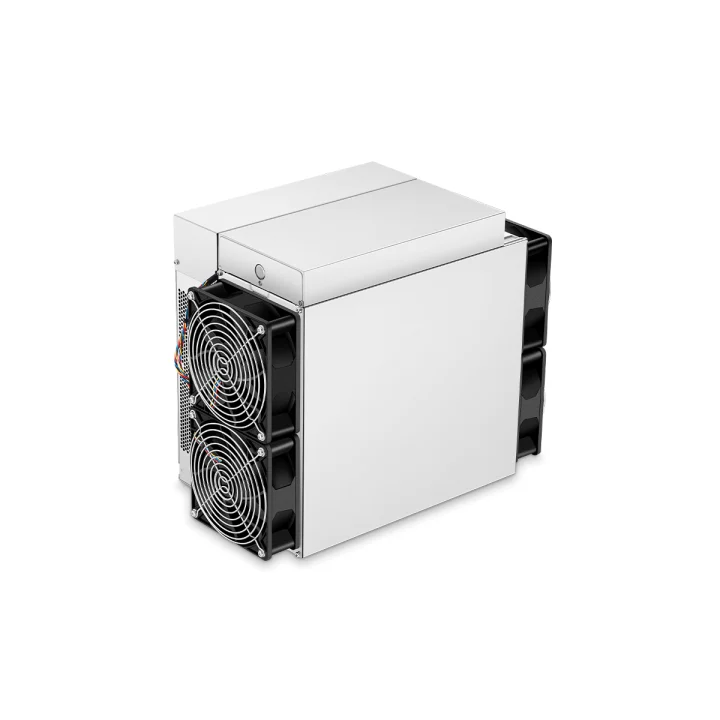 About 125T
Antminer S19 Pro++
Approximately 3250 W / Please use the complete hashrate version and wall power consumption to convert
Same-algorithm Alternatives 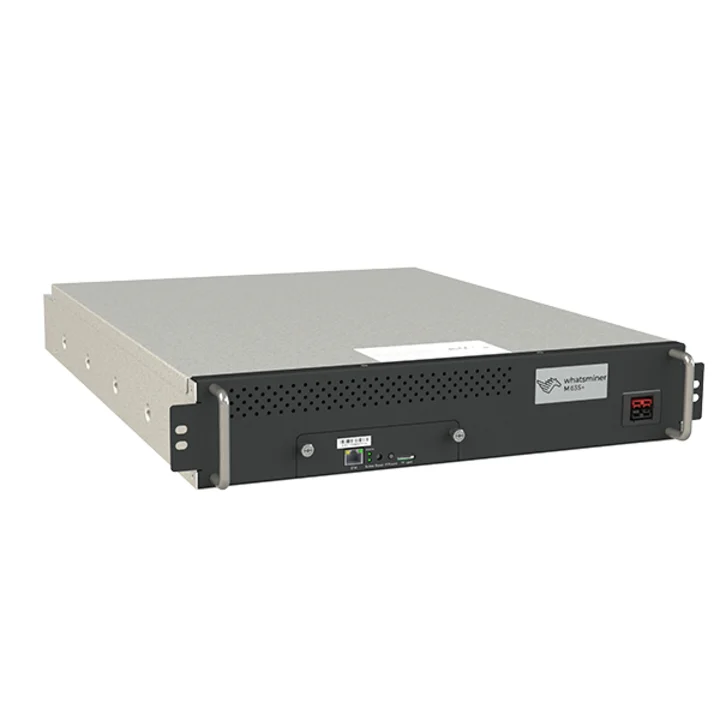 About 424T
WhatsMiner M63S+
Approximately 7208 W / Please use the complete hashrate version and the wall power consumption to convert
Same-algorithm Alternatives 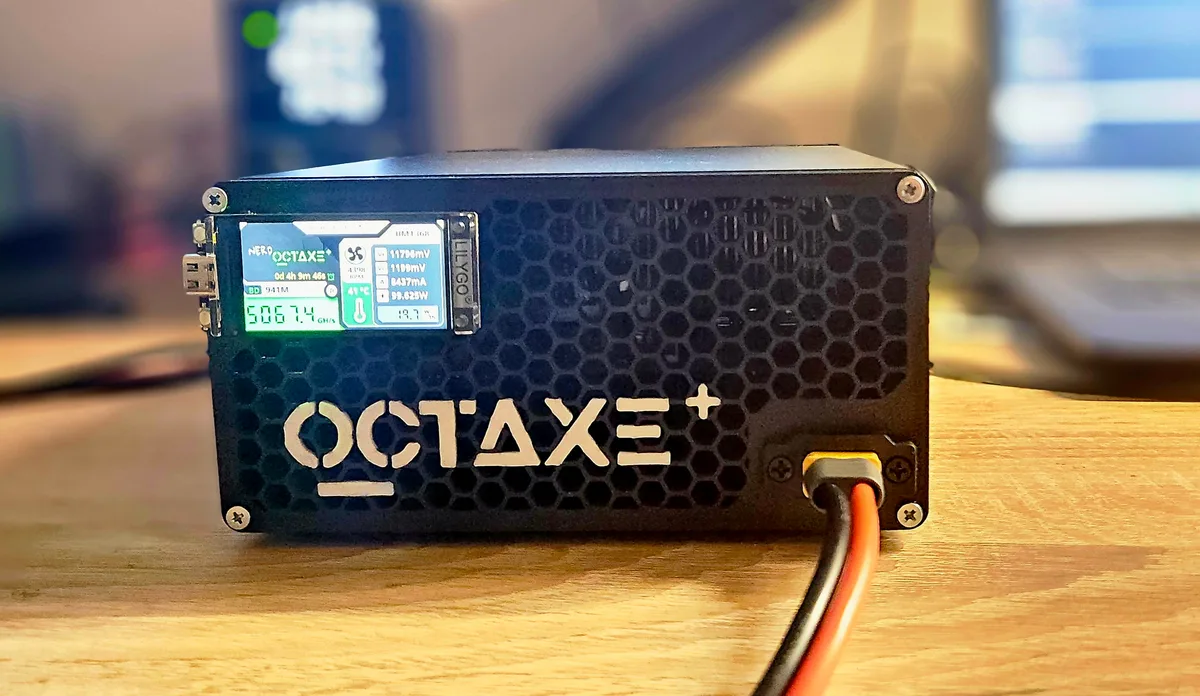 About 5 TH/s
NerdOctaxe Plus
Depending on the board and adjustment, the official ecological page does not list a unified value/cannot be calculated based on unannounced power consumption
Same-algorithm Alternatives 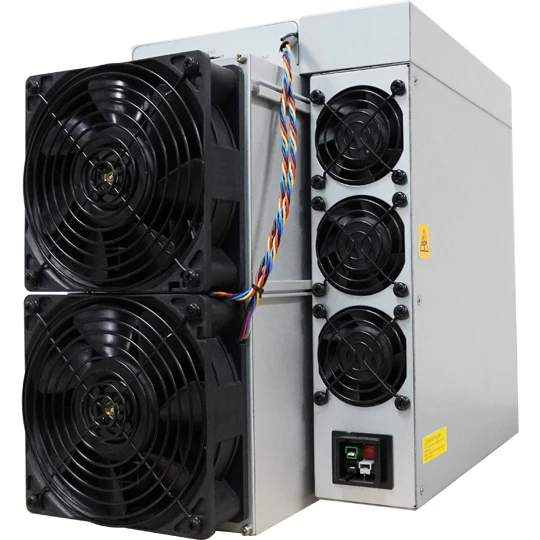 About 16 GH/s
Antminer L9
Approx. 3360 W / Approx. 210 J/GH
Same-algorithm Alternatives 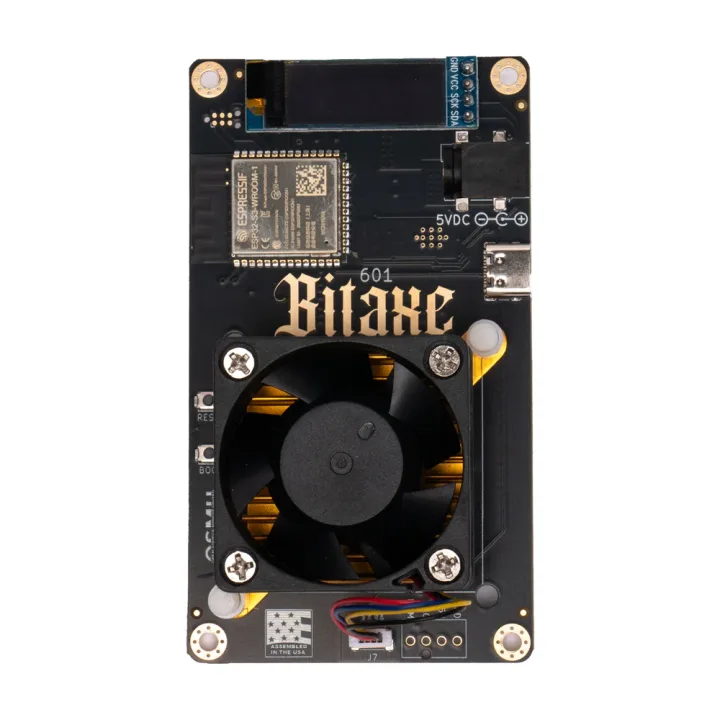 About 1.2T
Bitaxe Gamma 601
About 17 W / Please use the complete hashrate version and wall power consumption to convert
Same-algorithm Alternatives 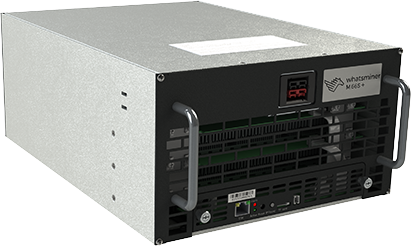 About 318 TH/s
WhatsMiner M66S+
Approx. 5406 W / Approx. 17 J/TH
Same-algorithm Alternatives 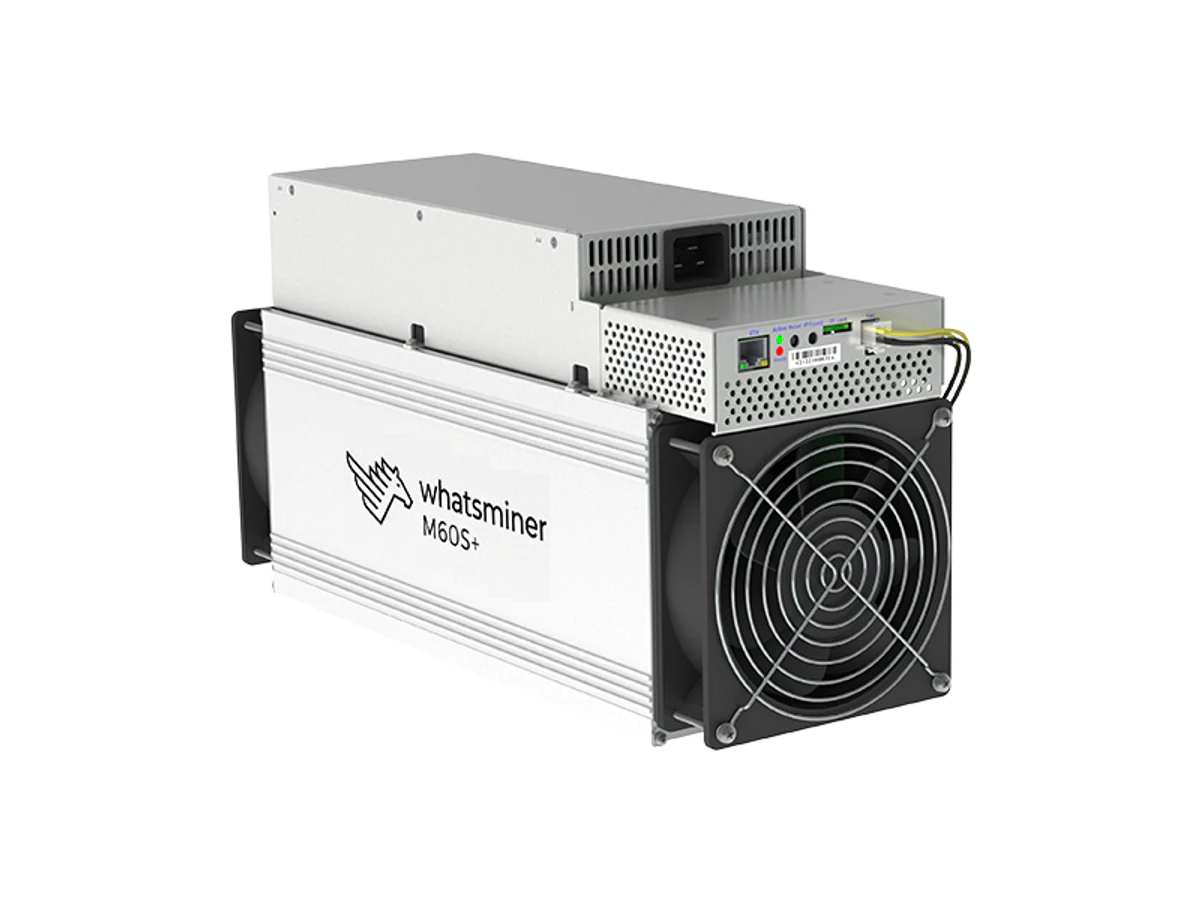 About 212 TH/s
WhatsMiner M60S+
About 3600 W / Please use the complete hashrate version and wall power consumption to convert
Same-algorithm Alternatives  About 261T
Avalon A1566I
About 4500 W / Please use the full hashrate version and wall power consumption to convert
Same-algorithm Alternatives 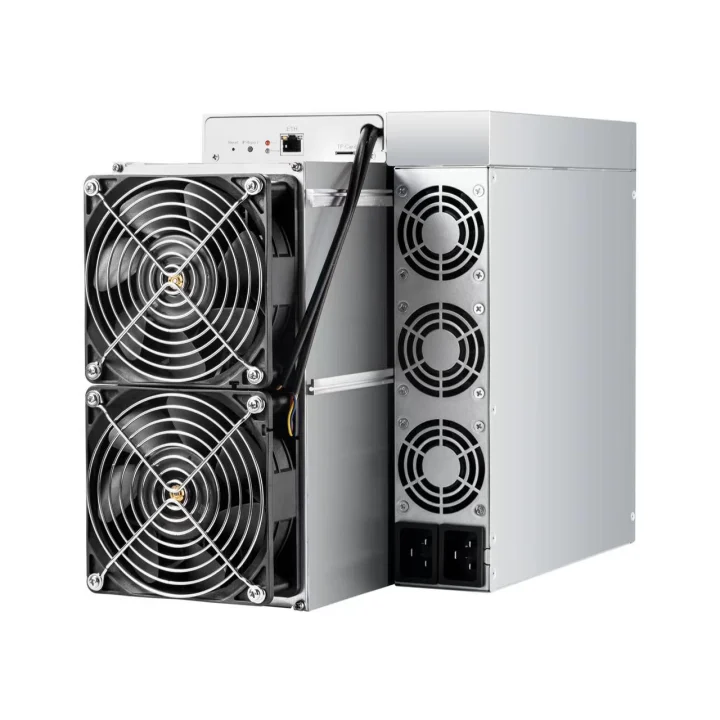 About 14 GH/s
ElphaPex DG1+
Approx. 3920 W / Approx. 280 J/GH
Same-algorithm Alternatives 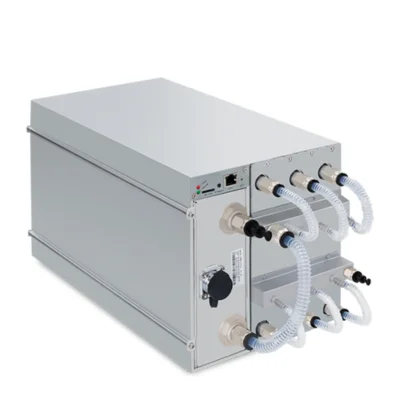 About 473 TH/s
Antminer S21 XP Hydro
About 5676 W / About 12 J/TH
Same-algorithm Alternatives 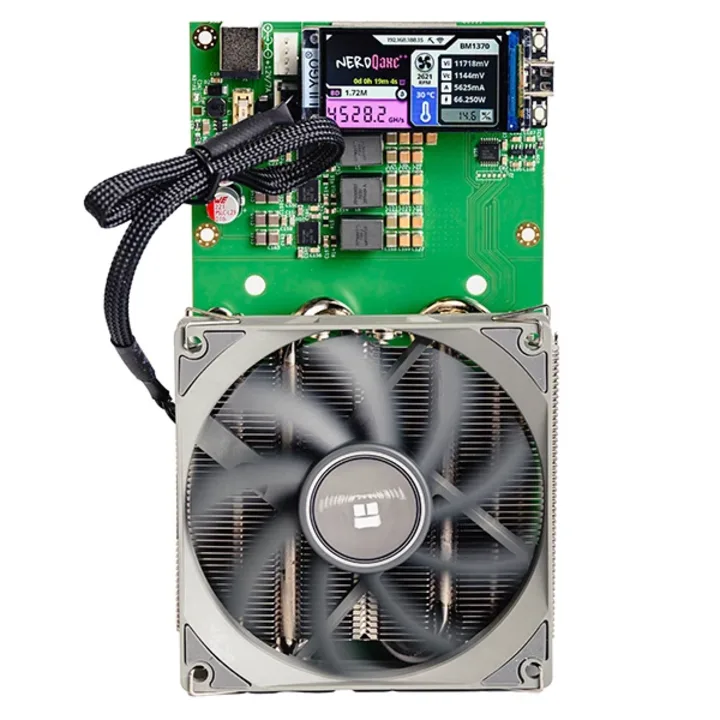 About 4.8–6 TH/s
NerdQaxe++
Approx. 70.6 W / Approx. 11.8–14.7 J/TH
Same-algorithm Alternatives 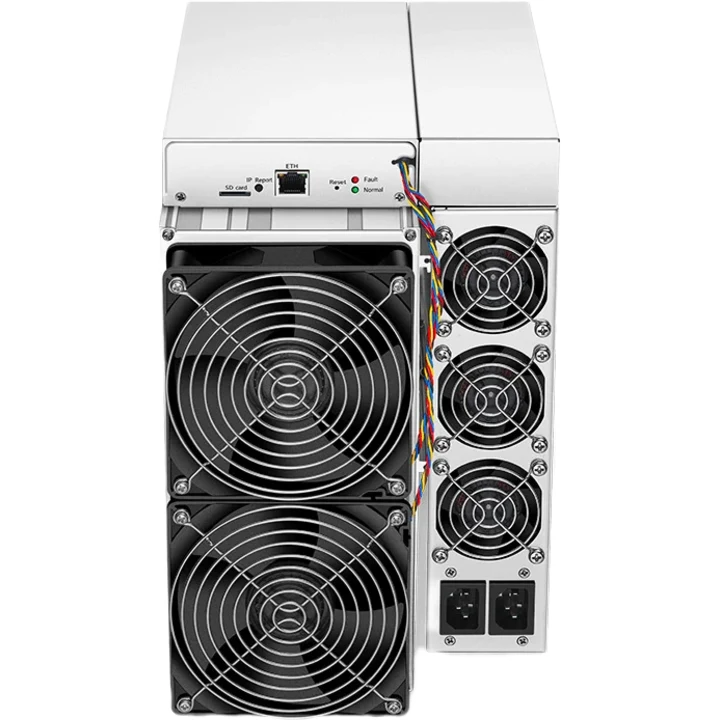 About 151T
Antminer S19j XP
Approximately 3247 W / Please use the complete hashrate version and the wall power consumption to convert
Same-algorithm Alternatives 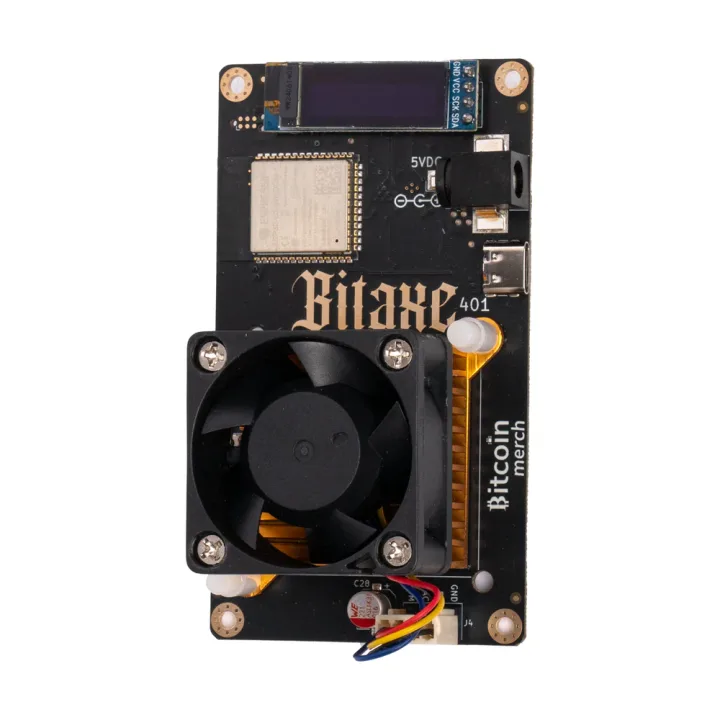 About 600G
Bitaxe Supra 401
About 14 W / Please use the full hashrate version and wall power consumption to convert
Same-algorithm Alternatives 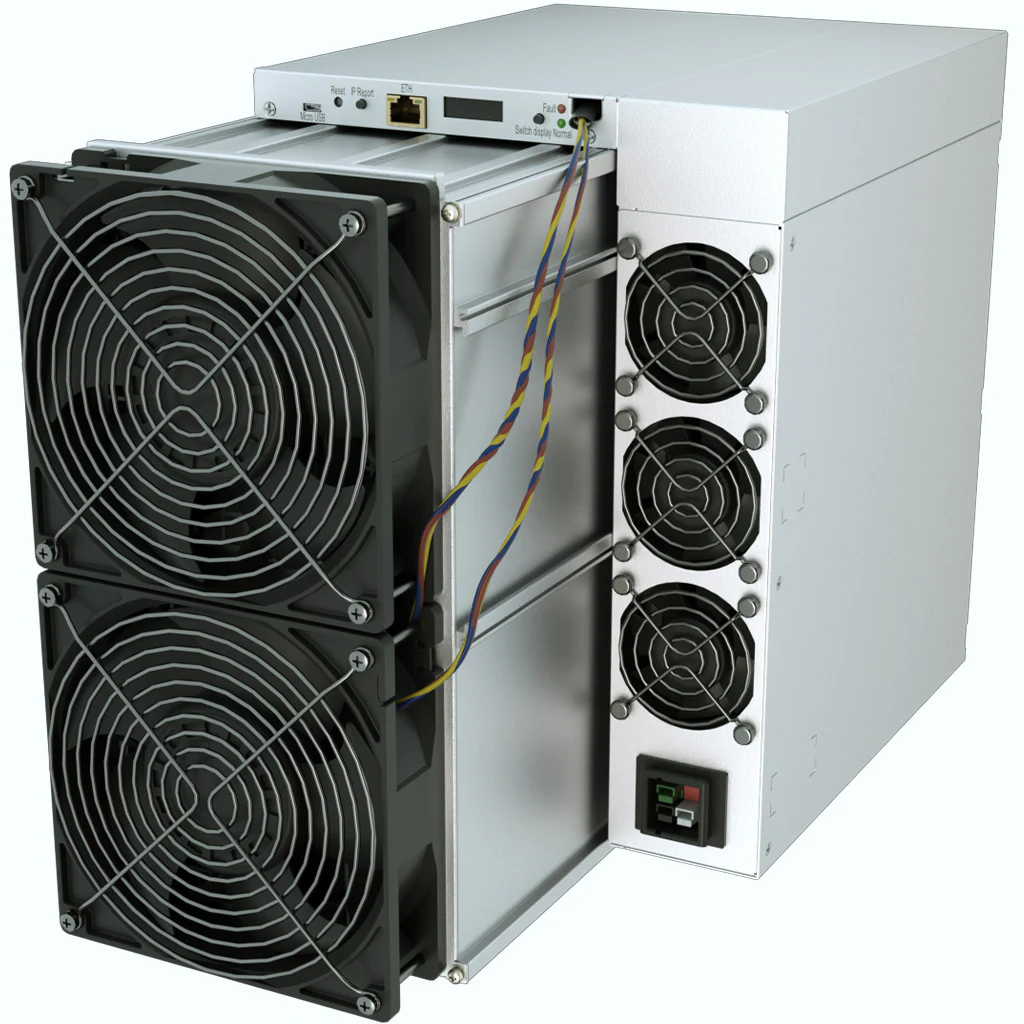 About 270 TH/s
Antminer S21 XP
About 3645 W / About 13.5 J/TH
Same-algorithm Alternatives 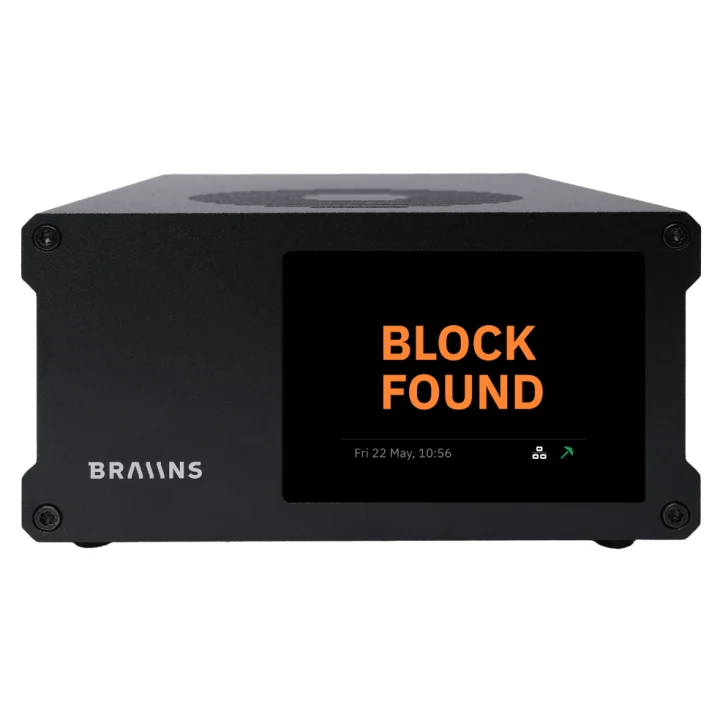 About 1 TH/s
Braiins BMM100
About 40 W / About 40 J/TH (40 W/1 TH/s)
Same-algorithm Alternatives 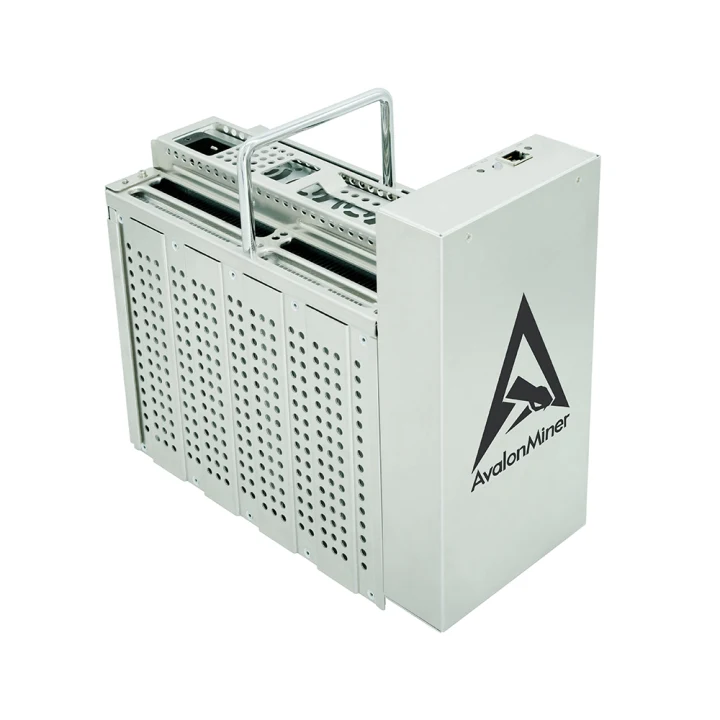 About 119T
Avalon Miner A1366I
Approximately 3570 W / Please use the complete hashrate version and the wall power consumption to convert
Same-algorithm Alternatives 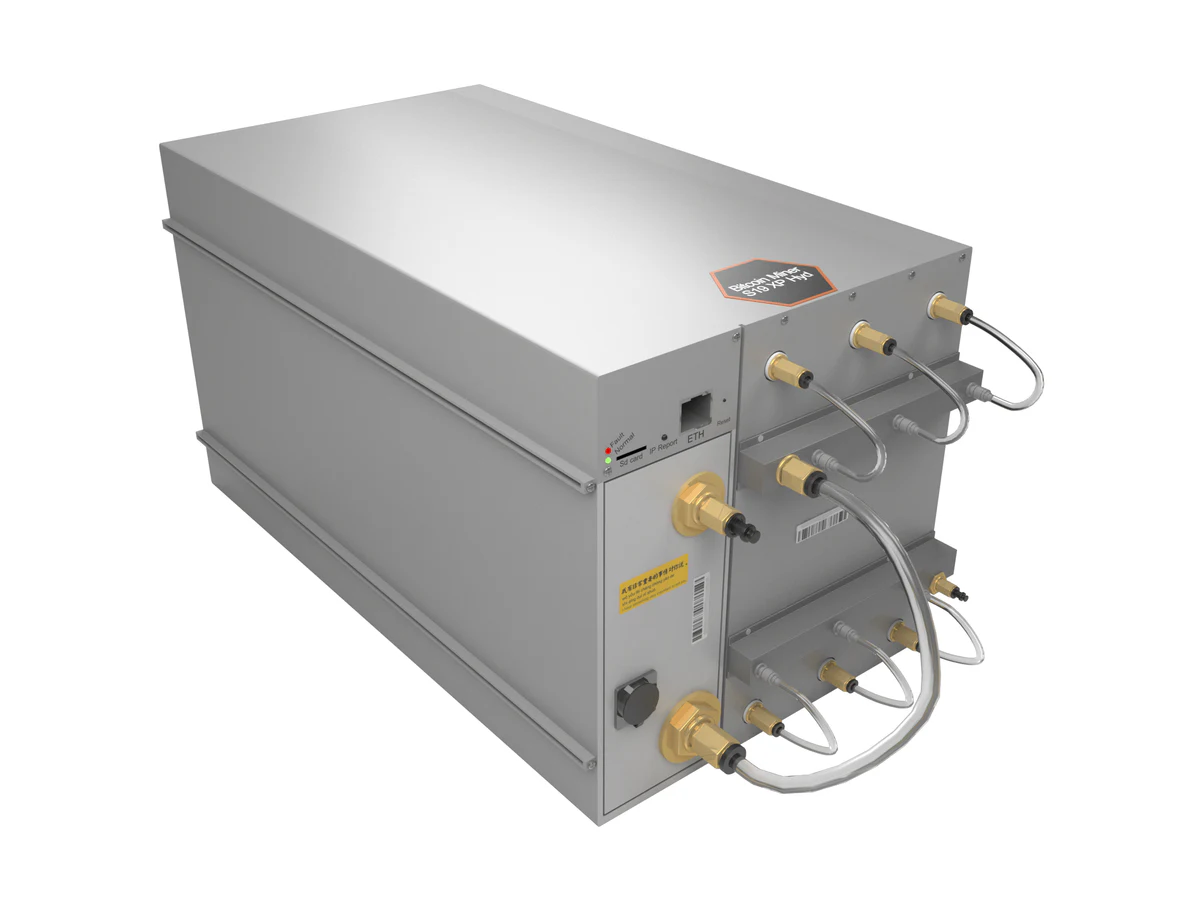 About 240–251 TH/s
Antminer S19e XP Hyd.
Approx. 5280–5522 W / Approx. 22 J/TH
Same-algorithm Alternatives 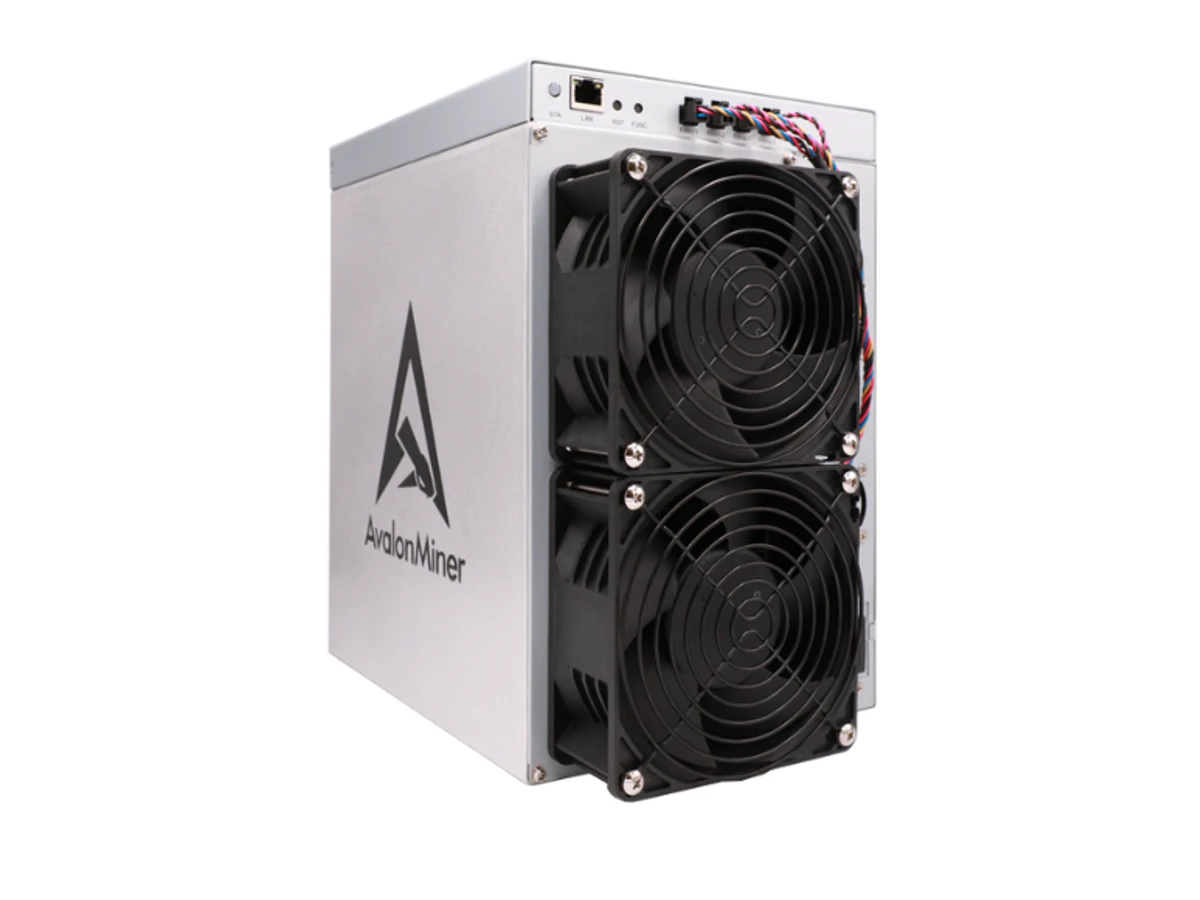 About 185 TH/s
AvalonMiner A1566
About 3420 W / About 18.5 J/TH
Same-algorithm Alternatives 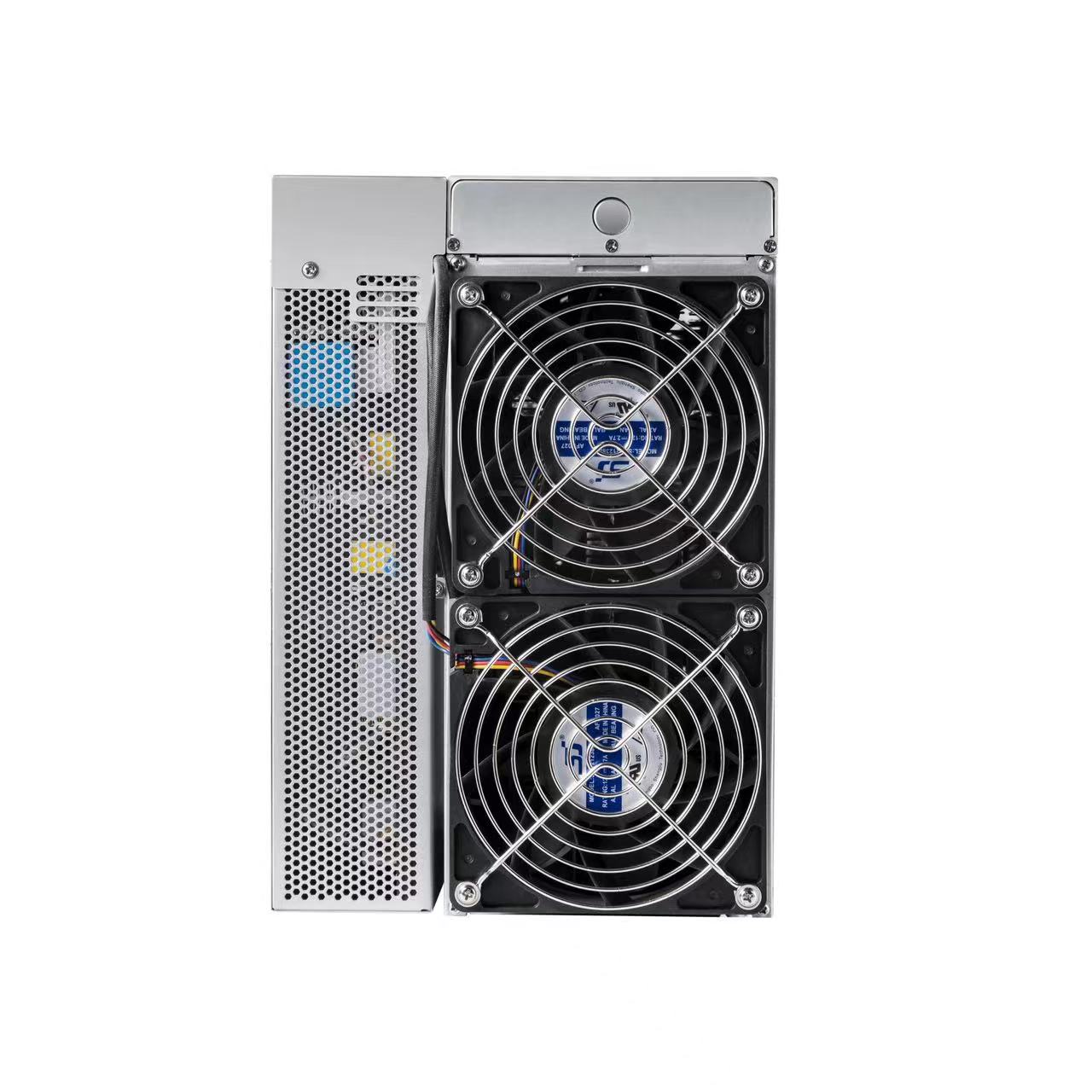 About 11 GH/s
ElphaPex DG1
Approx. 3410 W / Approx. 310 J/GH
Same-algorithm Alternatives 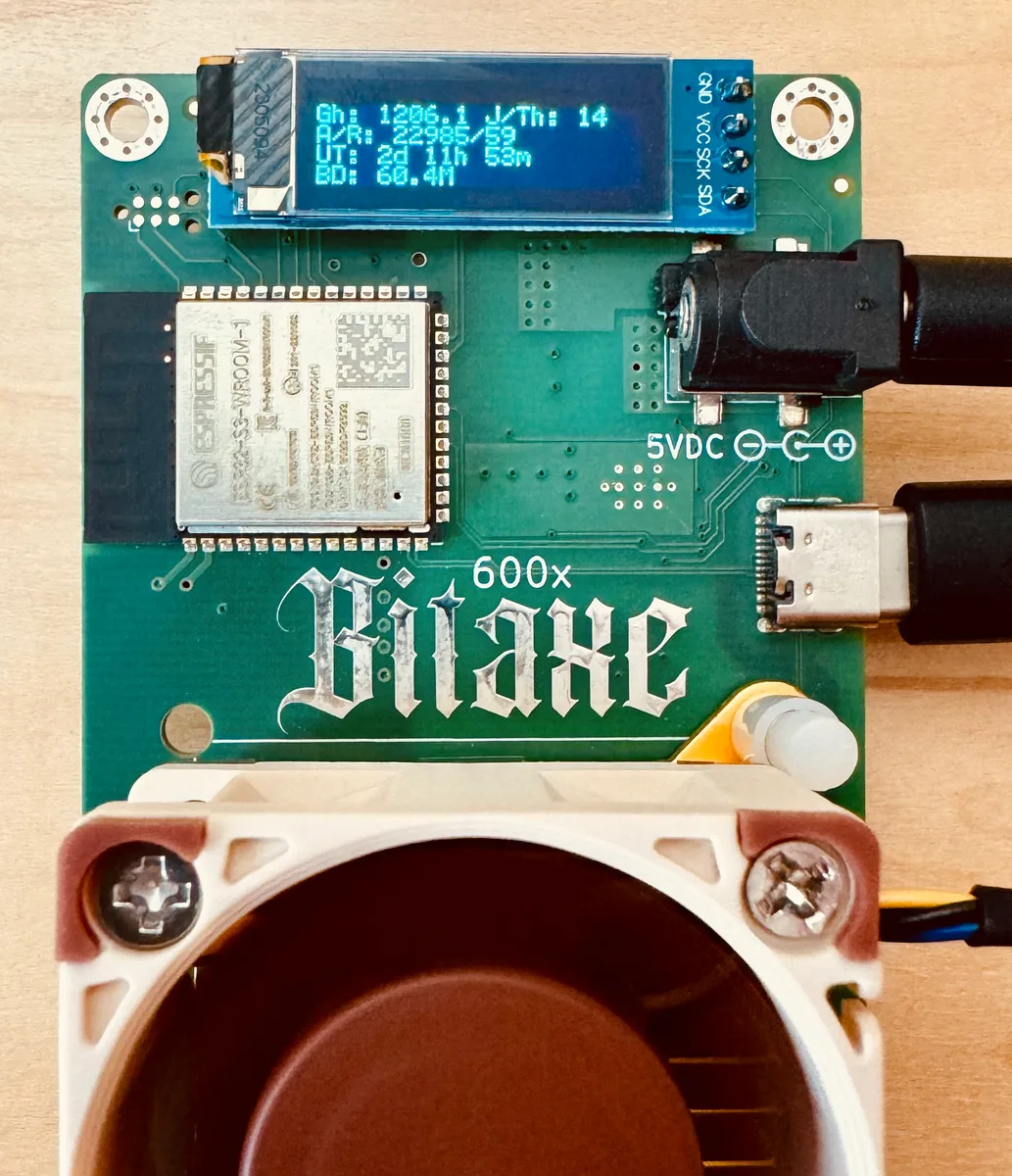 Approximately 1.2 TH/s
NerdAxe Gamma
About 20 W / About 16.7 J/TH
Same-algorithm Alternatives 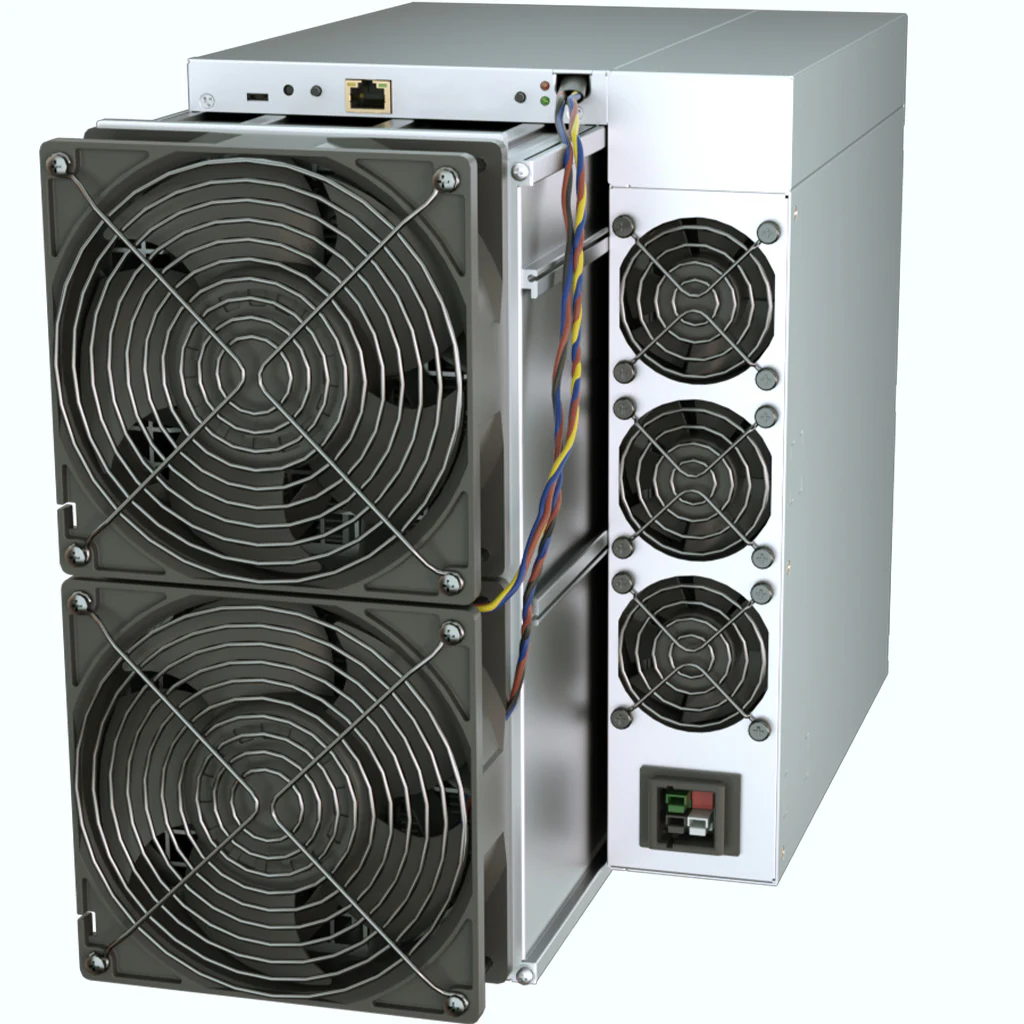 About 234 TH/s
Antminer S21 Pro
About 3510 W / About 15 J/TH
Same-algorithm Alternatives 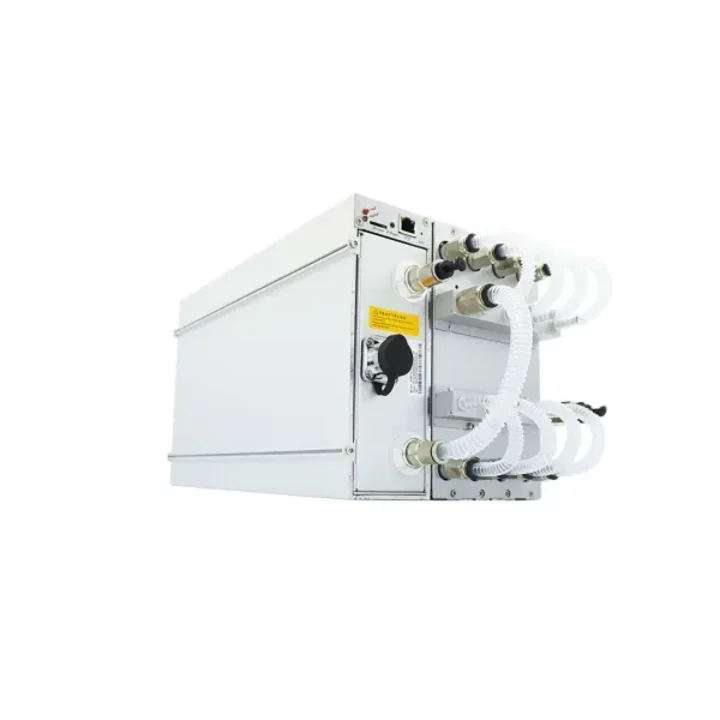 About 235TH/s
Antminer T19 Pro Hyd
Approximately 5170 W / Please use the complete hashrate version and the wall power consumption to convert
Same-algorithm Alternatives 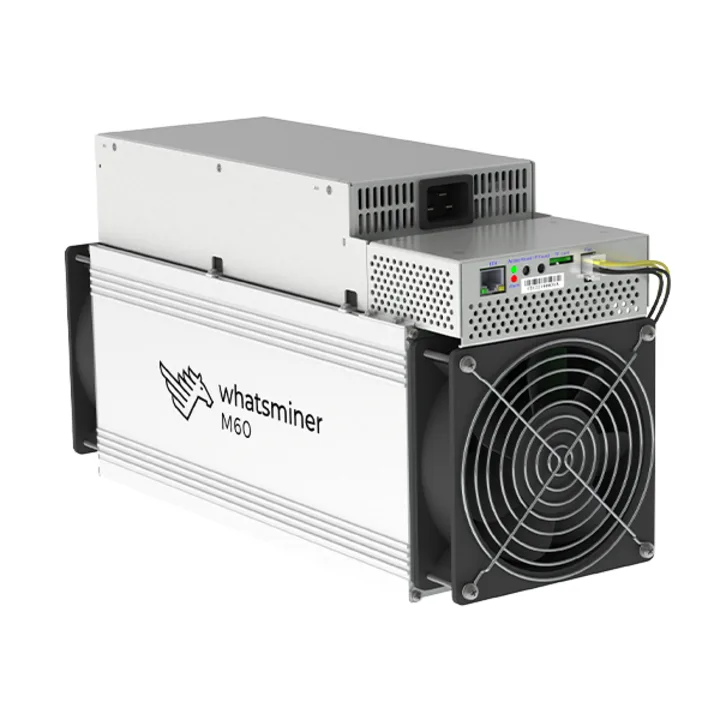 About 186TH/s
WhatsMiner M60S
Approximately 3441 W / Please use the complete hashrate version and the wall power consumption to convert
Same-algorithm Alternatives 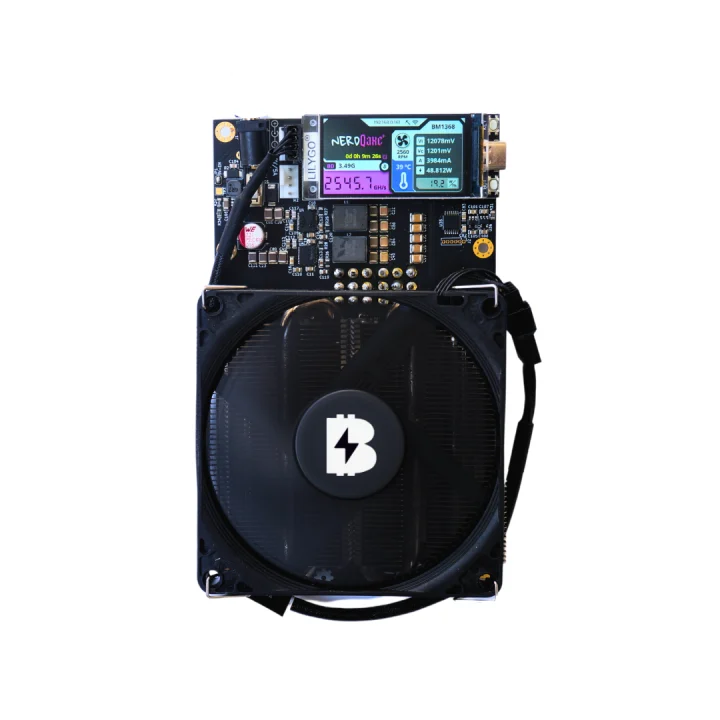 About 2.4 TH/s
NerdQaxe+
Depending on the board and adjustment, the official ecological page does not list a unified value/cannot be calculated based on unannounced power consumption
Same-algorithm Alternatives 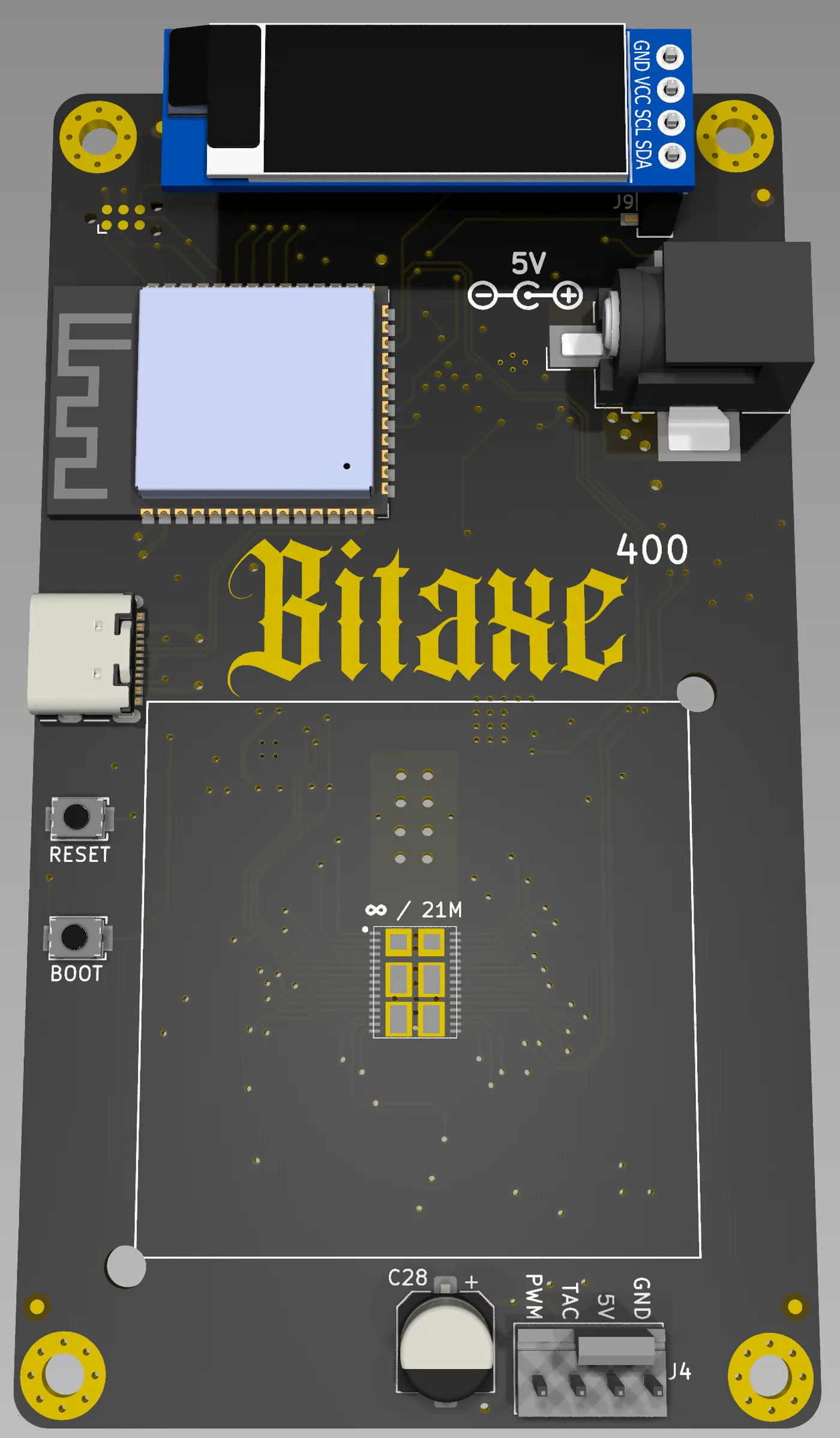 About 600–700 GH/s
Bitaxe Supra 400
About 15 W or more / About 21–25 J/TH
Same-algorithm Alternatives 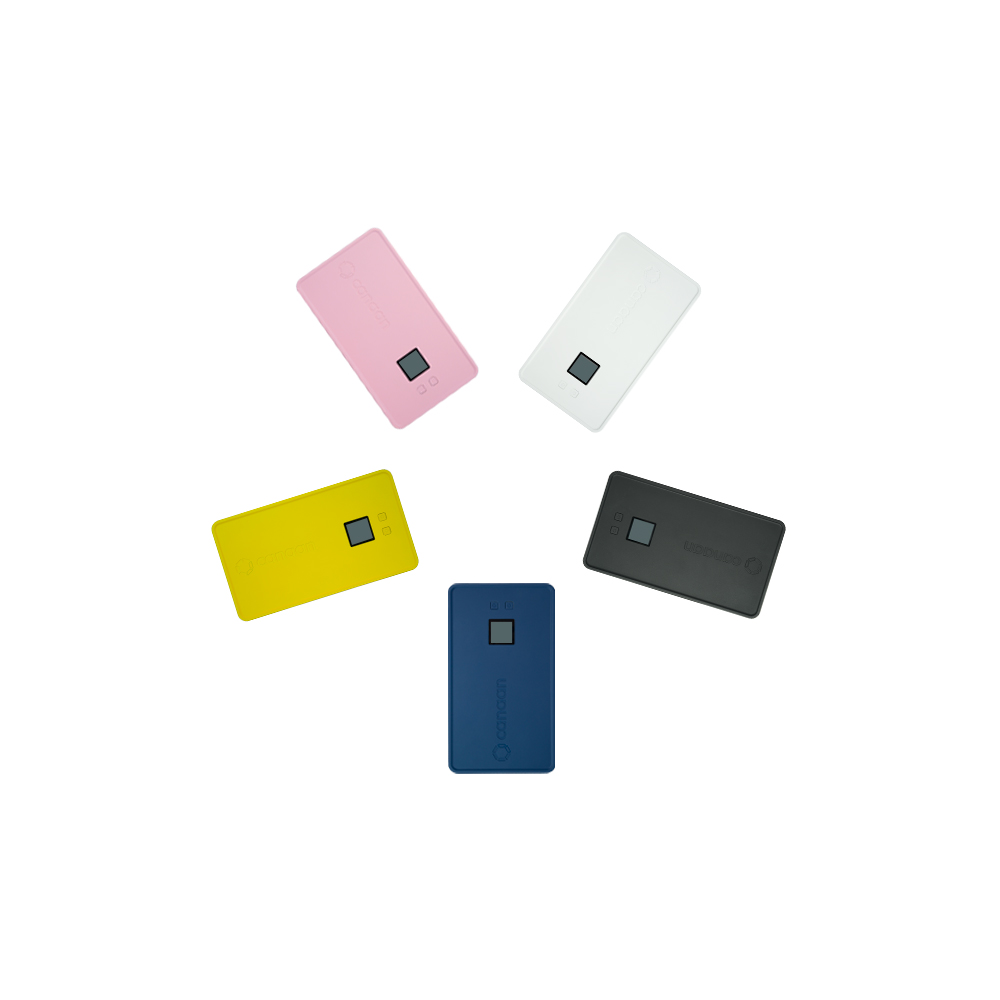 About 4 TH/s
Avalon Nano 3
Maximum 140 W, switchable 65/100/140 W / about 29 J/TH
Same-algorithm Alternatives 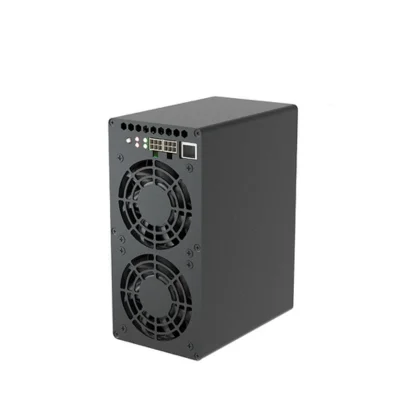 About 700 MH/s
Goldshell MINI DOGE III
About 400 W / About 0.57 J/MH
Same-algorithm Alternatives 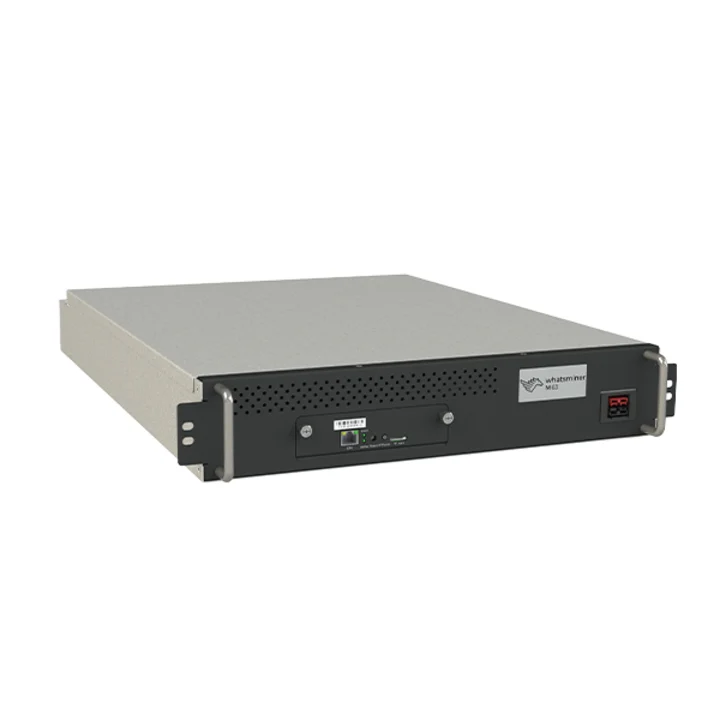 About 390TH/s
WhatsMiner M63S
Approximately 7215 W / Please use the complete hashrate version and the wall power consumption to convert
Same-algorithm Alternatives 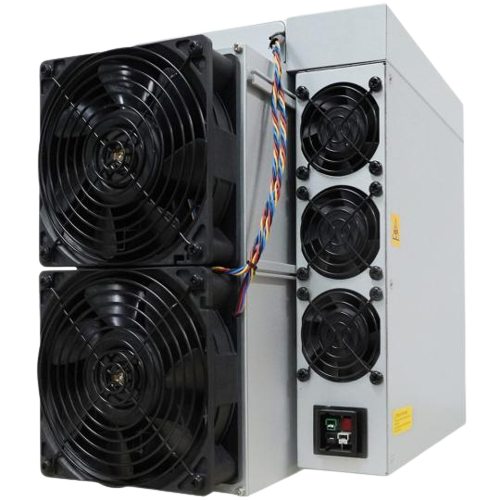 About 190 TH/s
Antminer T21
Approx. 3610 W / Approx. 19 J/TH
Same-algorithm Alternatives 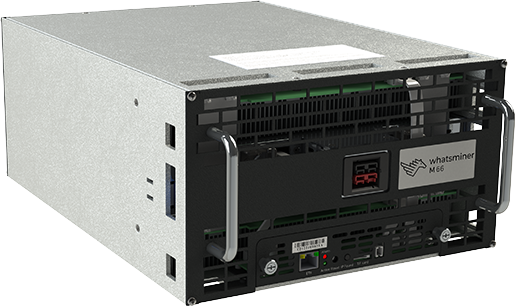 About 298 TH/s
WhatsMiner M66S
About 5513 W / About 18.5 J/TH
Same-algorithm Alternatives 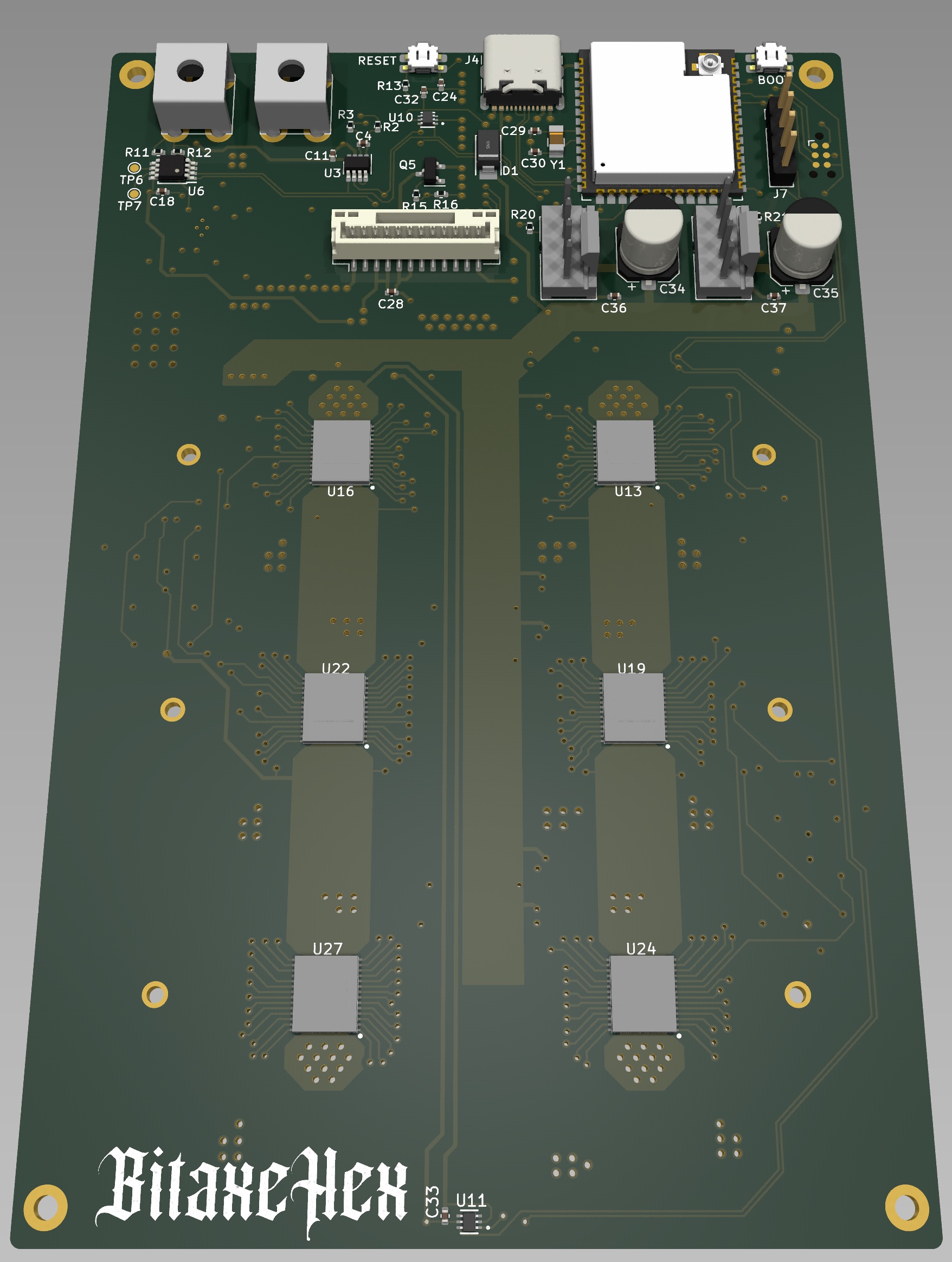 According to board revision and adjustment, there is no official fixed finished product value.
Bitaxe UltraHex 300
About 50 W (official project status description) / not compared with unfinalized data
Same-algorithm Alternatives 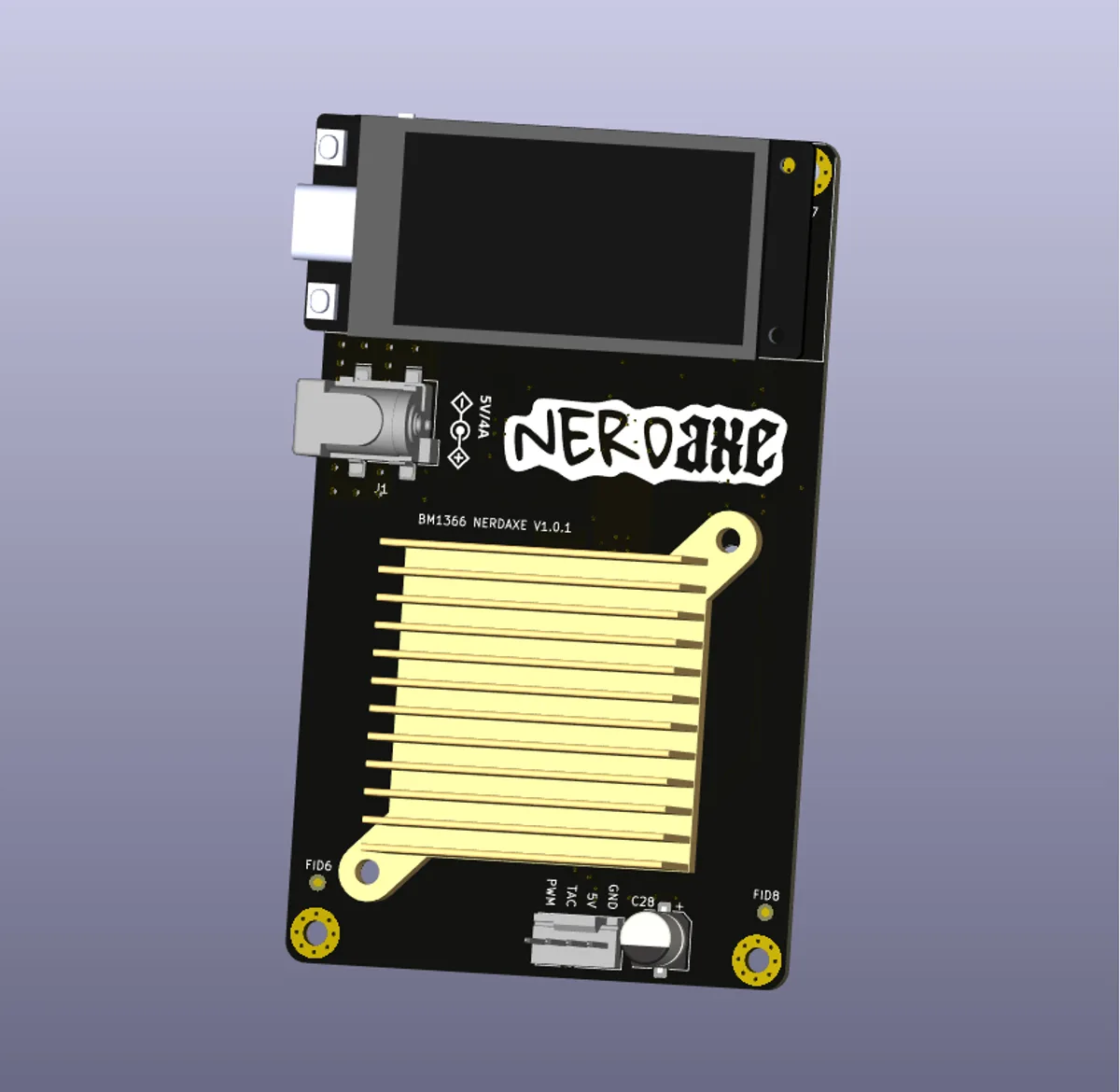 About 0.5 TH/s
NerdAxe Ultra
Depending on the board and adjustment, the official ecological page does not list a unified value/cannot be calculated based on unannounced power consumption
Same-algorithm Alternatives 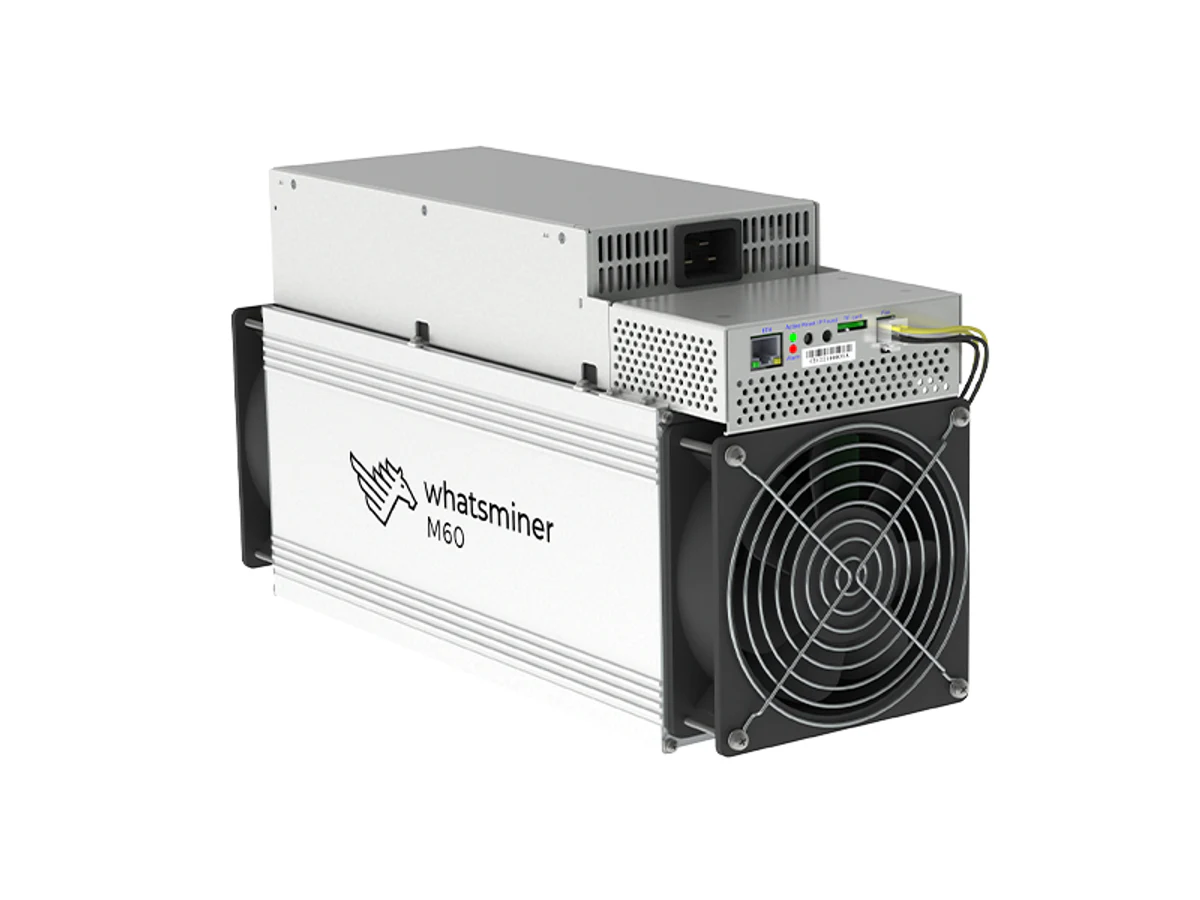 About 150-172 TH/s
Whatsminer M60
Approximately 2985-3422 W / Approximately 19.9 J/TH according to batch
Same-algorithm Alternatives 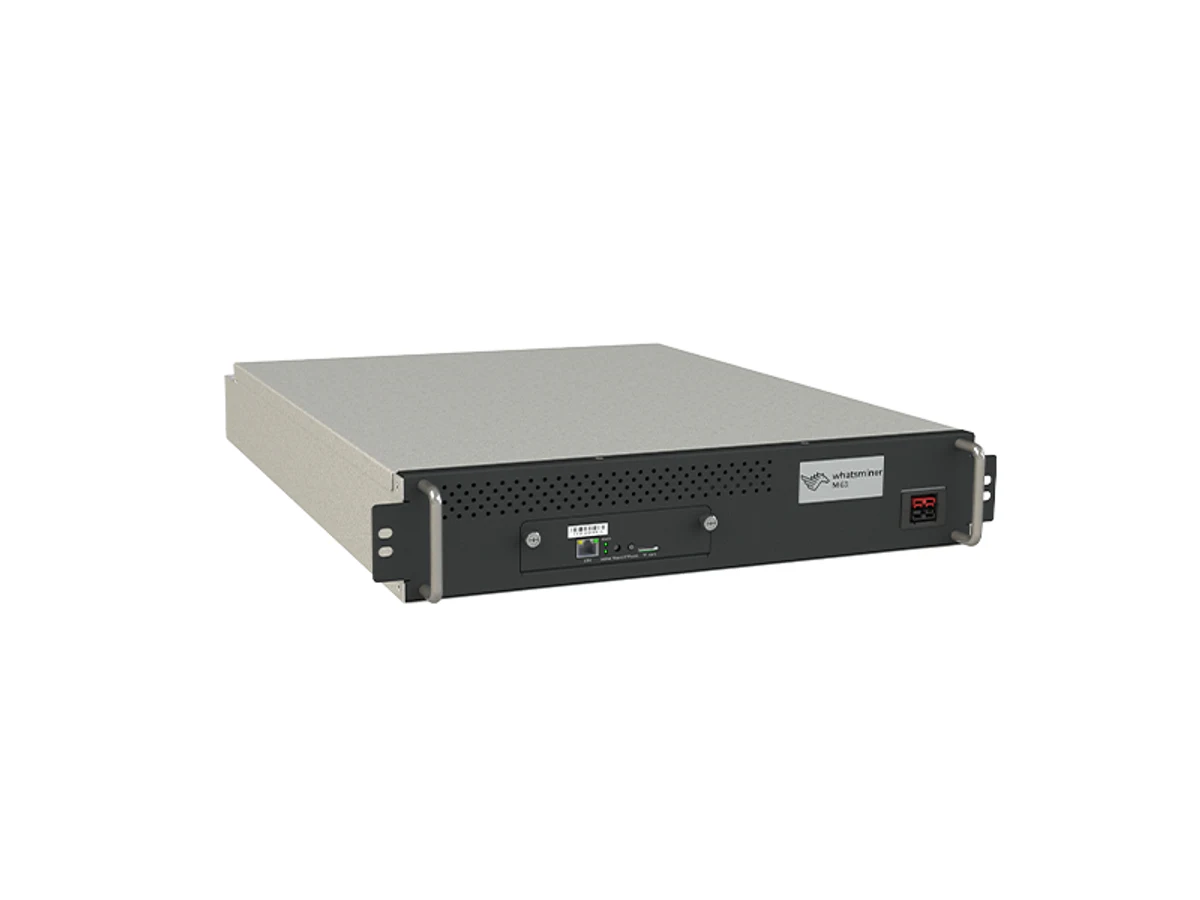 About 334 TH/s
Whatsminer M63
About 6647 W / About 19.9 J/TH
Same-algorithm Alternatives 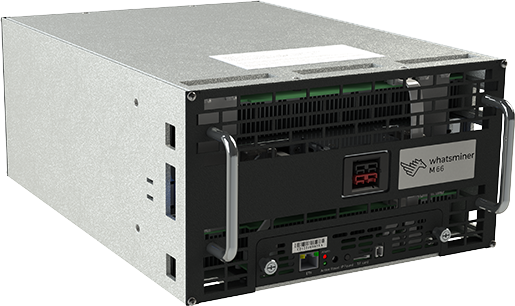 About 280 TH/s
WhatsMiner M66
About 5572 W / About 19.9 J/TH
Same-algorithm Alternatives 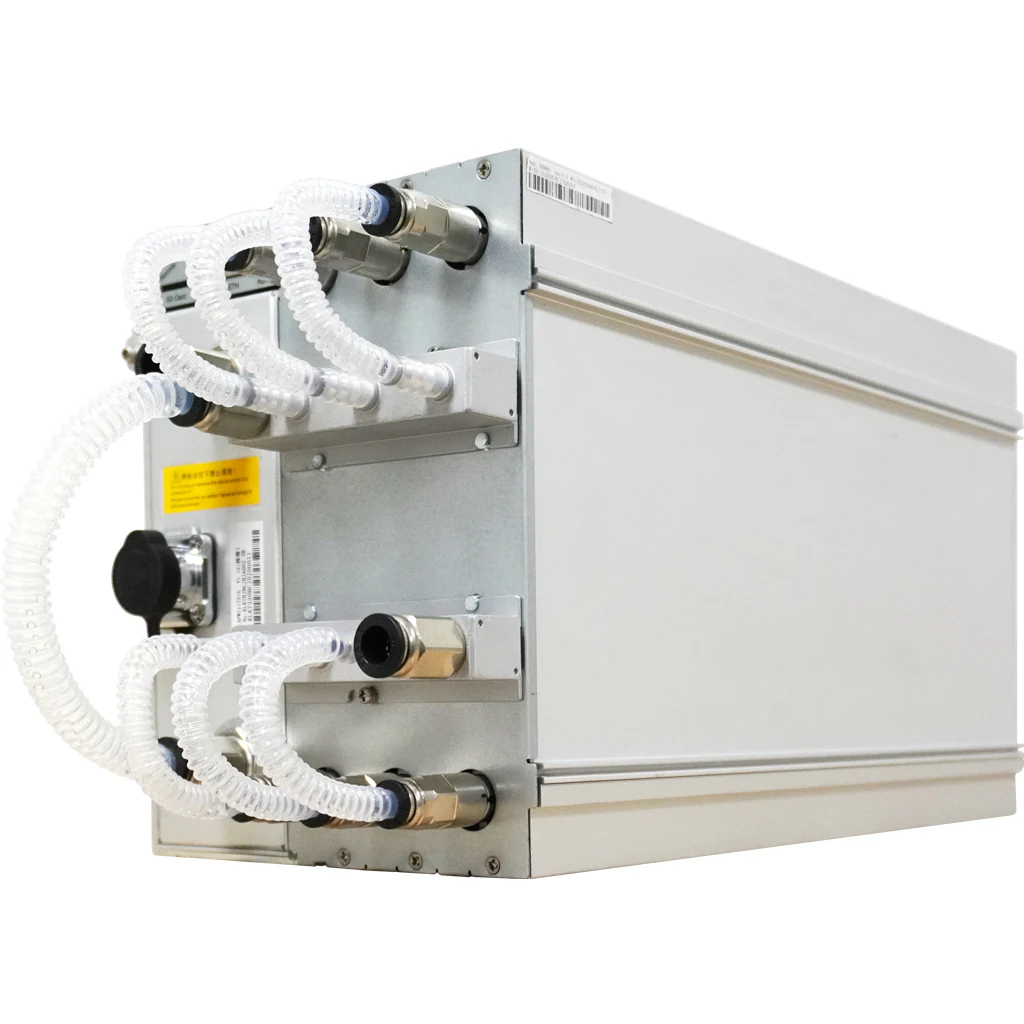 About 335 TH/s
Antminer S21 Hydro
About 5360 W / About 16 J/TH
Same-algorithm Alternatives 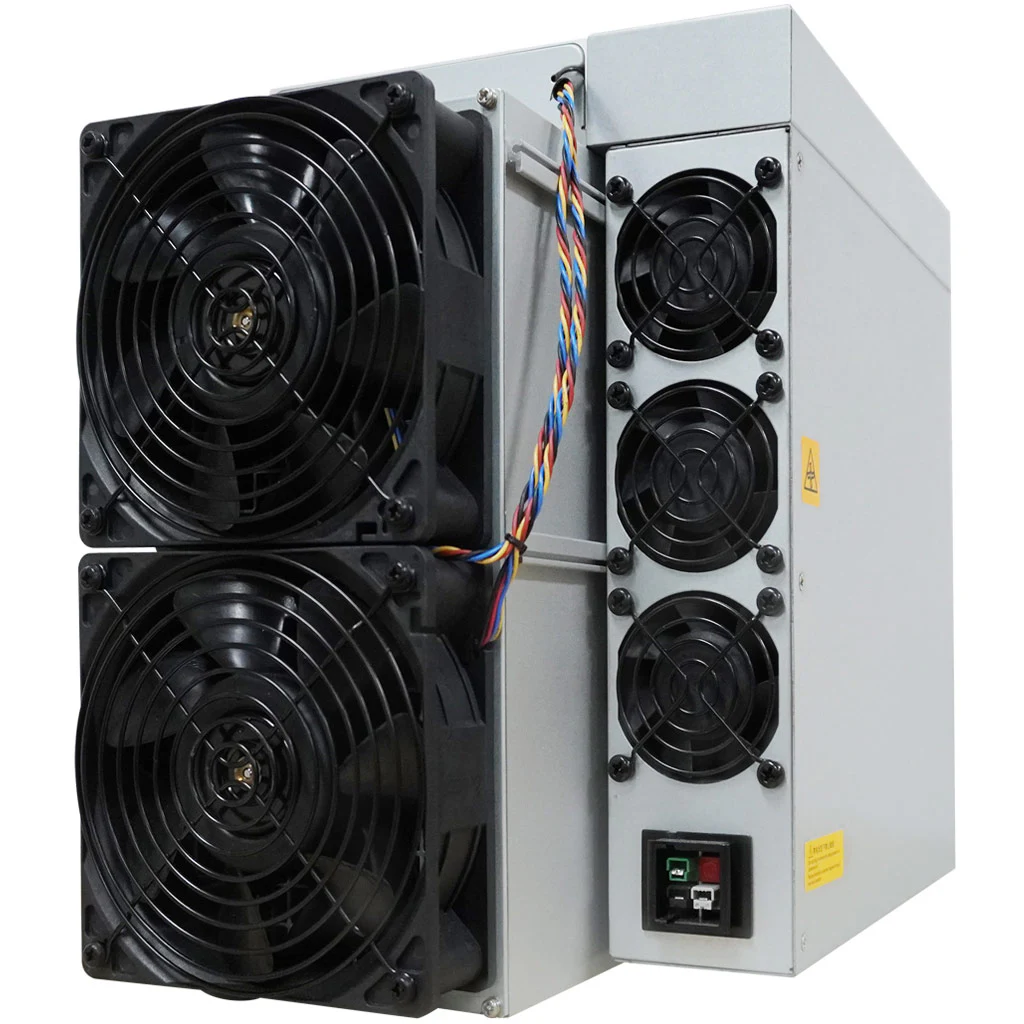 About 200 TH/s
Antminer S21
About 3500 W / About 17.5 J/TH
Same-algorithm Alternatives 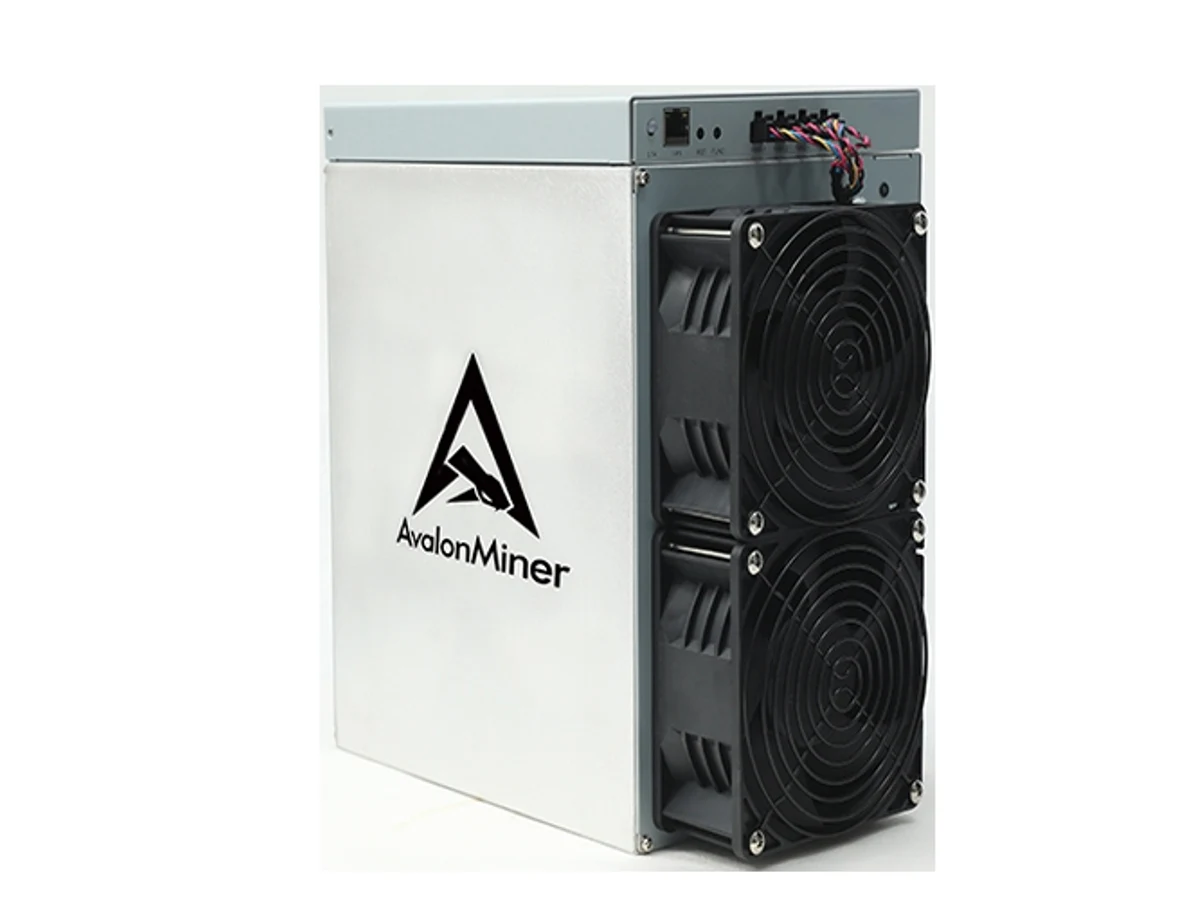 About 150TH/s
Avalon Made A1466
Approximately 3230 W / Please use the complete hashrate version and wall power consumption to convert
Same-algorithm Alternatives 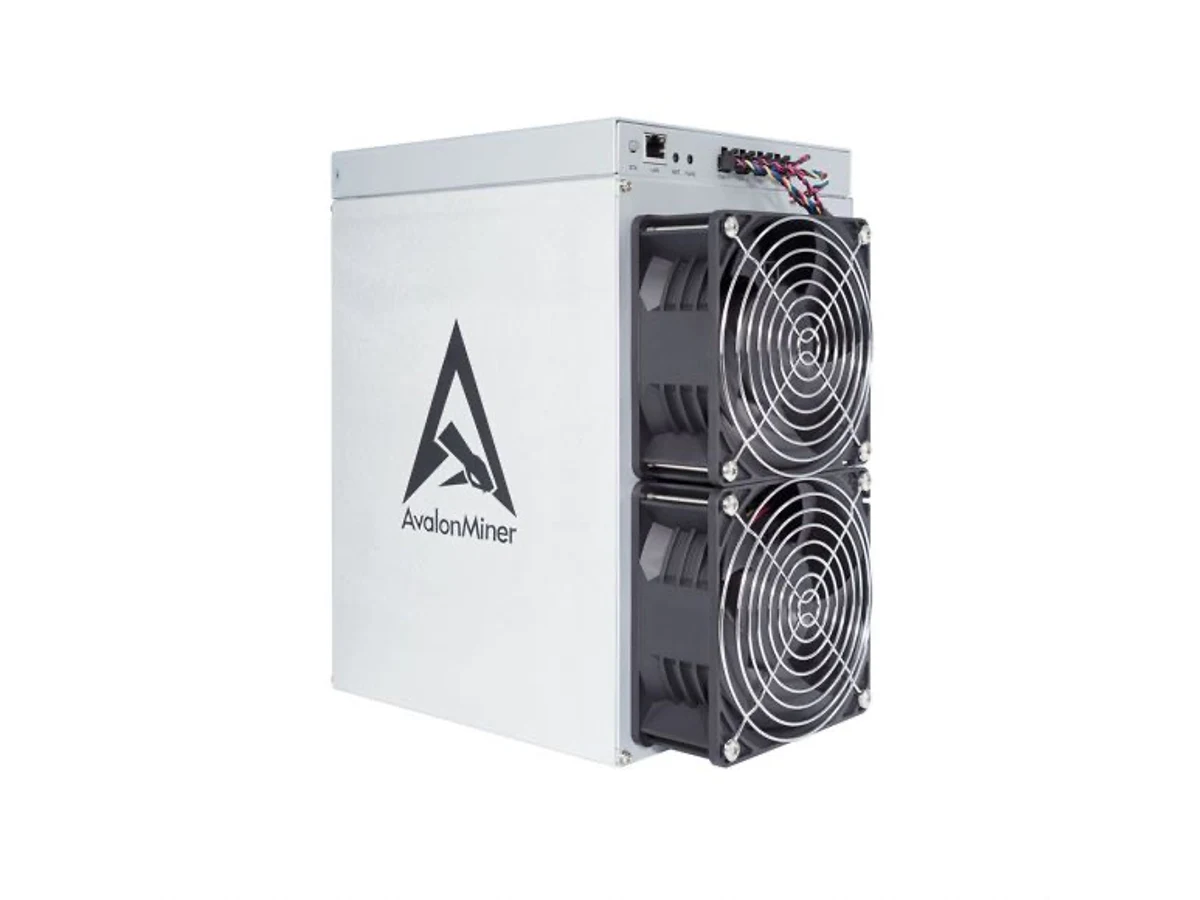 About 135 TH/s
AvalonMiner A1446
About 3310 W / About 24.5 J/TH
Same-algorithm Alternatives 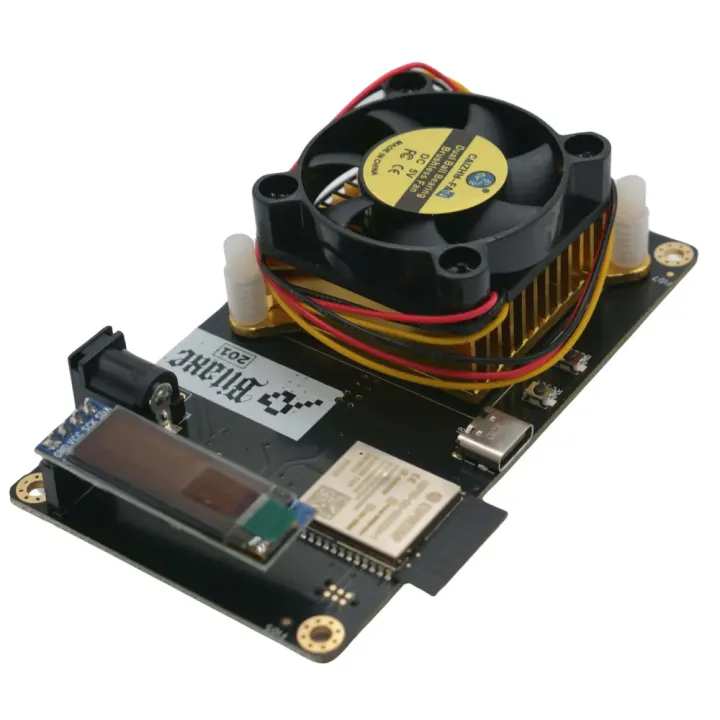 Approximately 425 GH/s
Bitaxe Ultra 1366
Approx. 11 W / Approx. 26 J/TH
Same-algorithm Alternatives 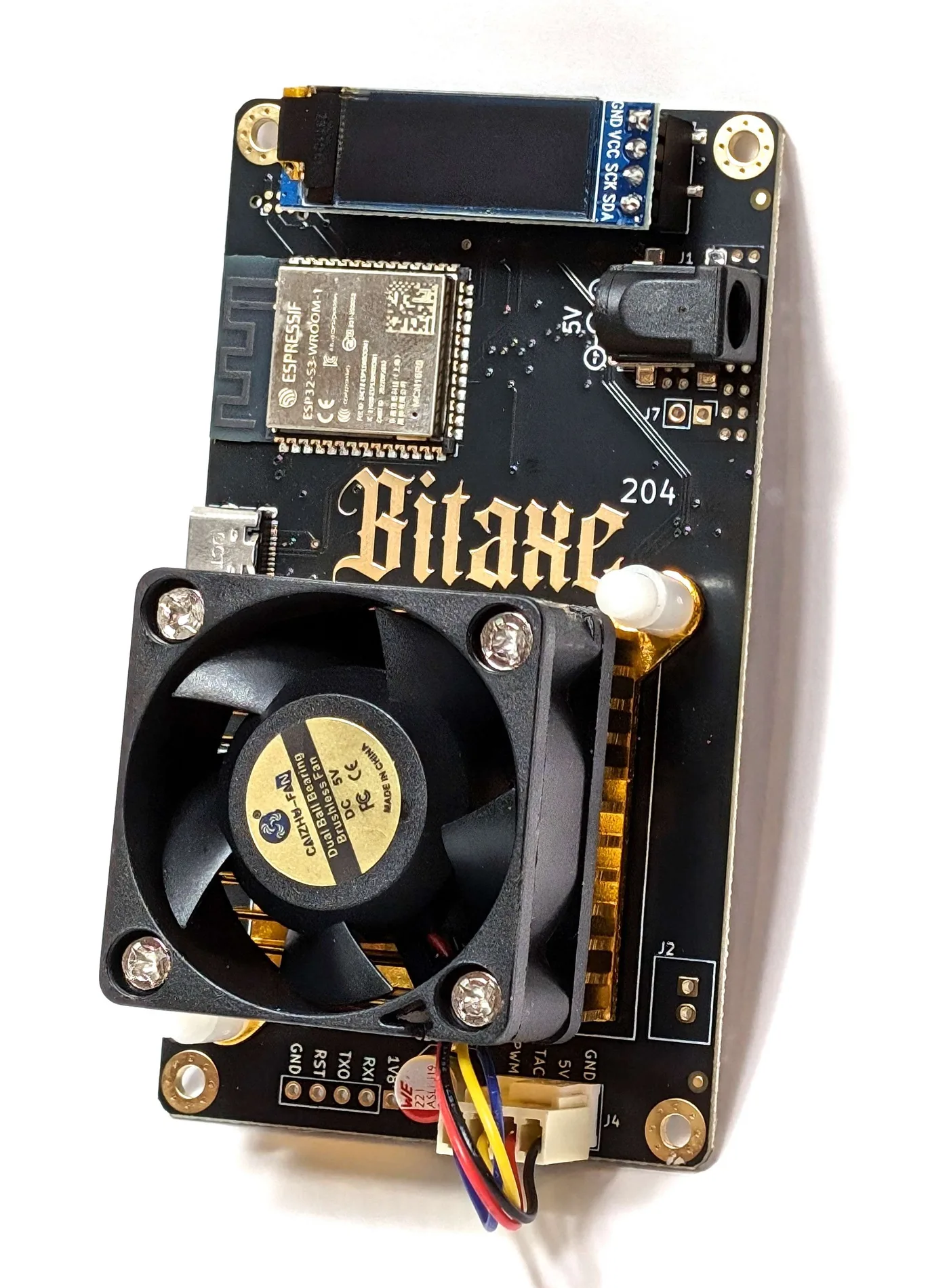 About 500 GH/s
Bitaxe Ultra 200
About 15 W or more / About 30 J/TH
Same-algorithm Alternatives 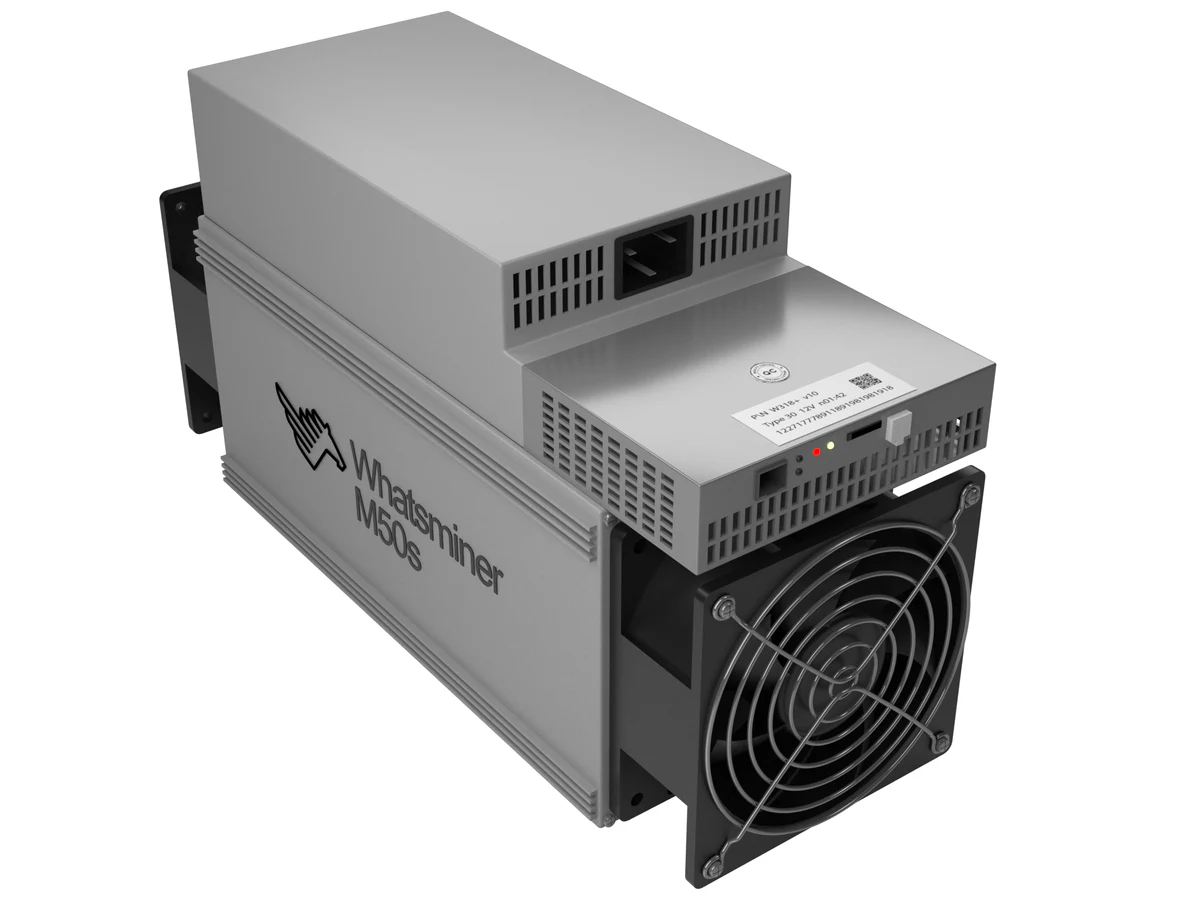 About 140–160 TH/s
WhatsMiner M50S++
Approx. 3080–3520 W / Approx. 22 J/TH
Same-algorithm Alternatives 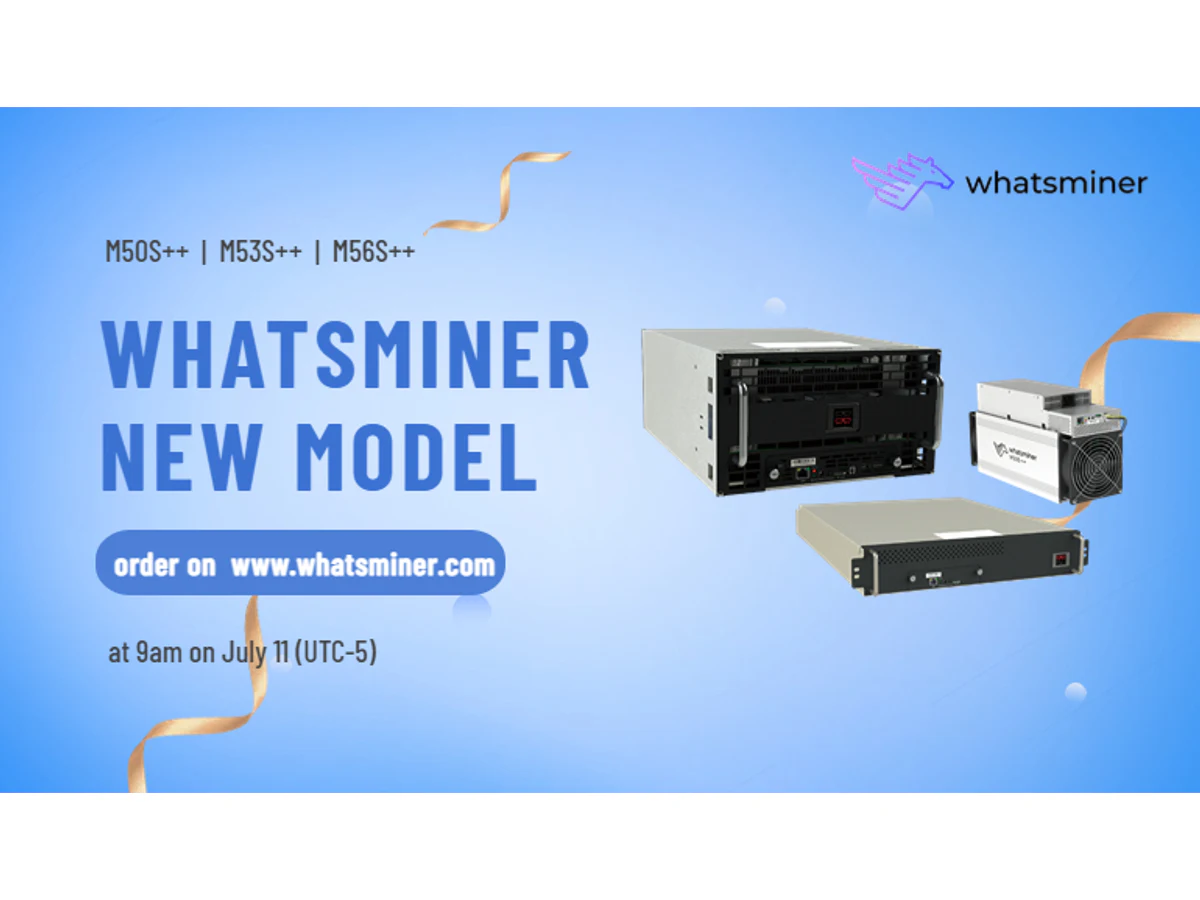 About 312–320 TH/s
WhatsMiner M53S++
Approx. 6864–7040 W / Approx. 22 J/TH
Same-algorithm Alternatives WhatsMiner M56S++
Approx. 5082–5588 W / Approx. 22 J/TH
Same-algorithm Alternatives 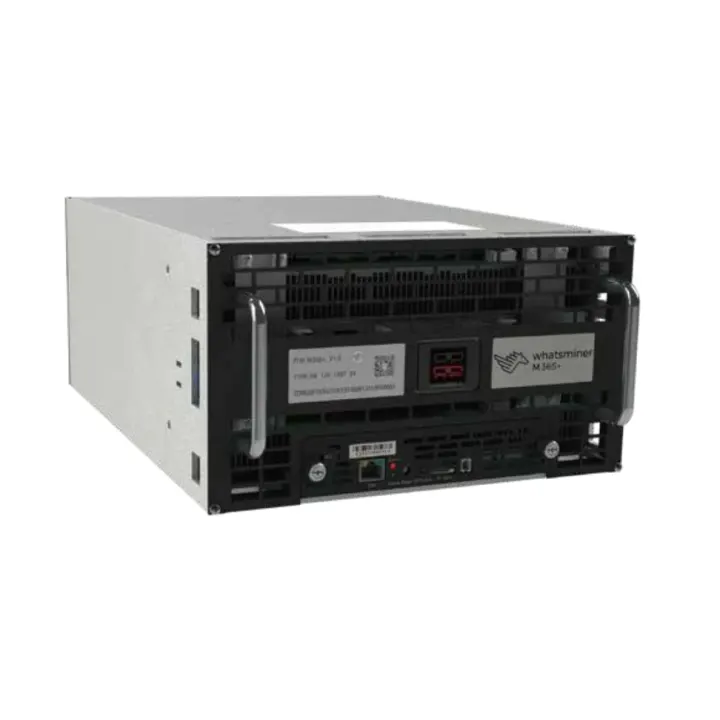 About 164TH/s
Whatsminer M36S+
Approximately 5576 W / Please use the complete hashrate version and the wall power consumption to convert
Same-algorithm Alternatives 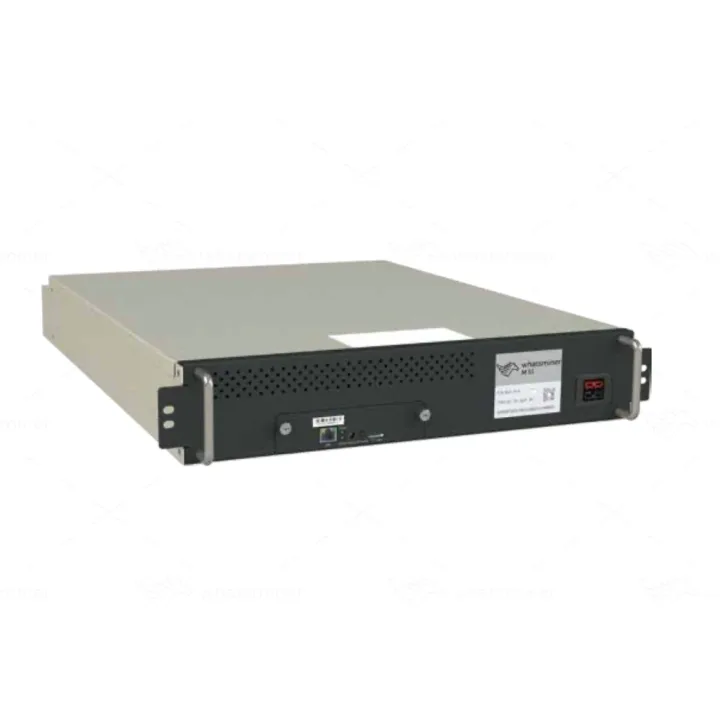 About 230TH/s
Whatsminer M53
Approximately 6670 W / Please use the complete hashrate version and wall power consumption to convert
Same-algorithm Alternatives 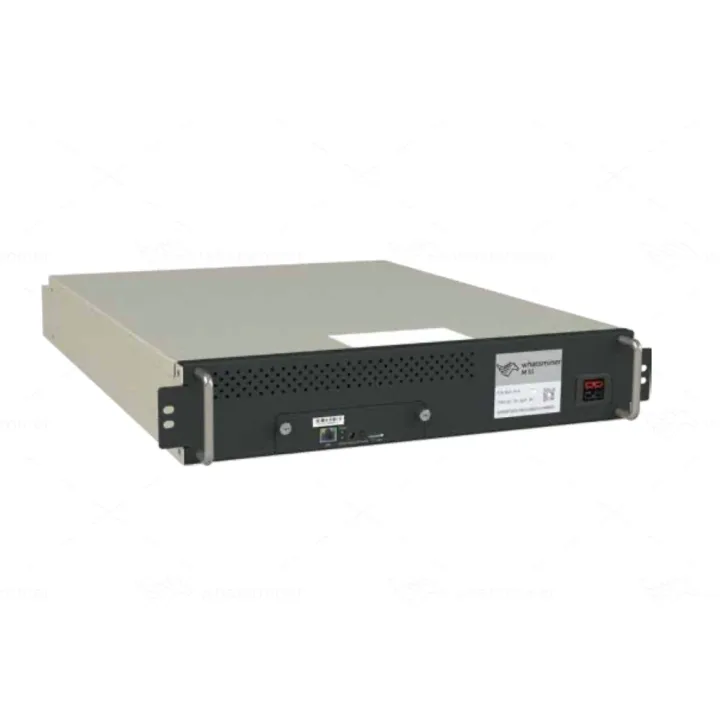 About 260TH/s
Whatsminer M53S
Approximately 6760 W / Please use the complete hashrate version and wall power consumption to convert
Same-algorithm Alternatives 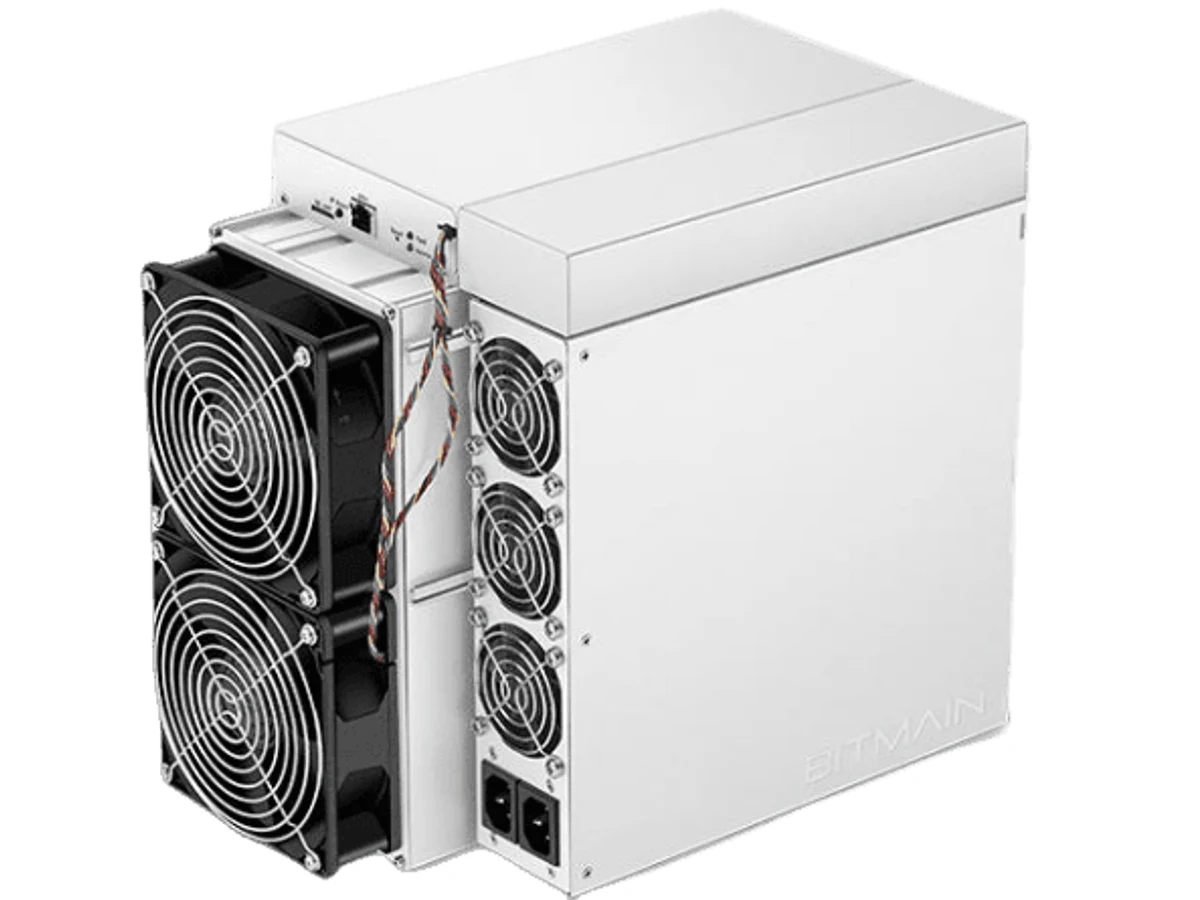 About 120 TH/s
Antminer S19 K Pro
About 2760 W / About 23 J/TH
Same-algorithm Alternatives 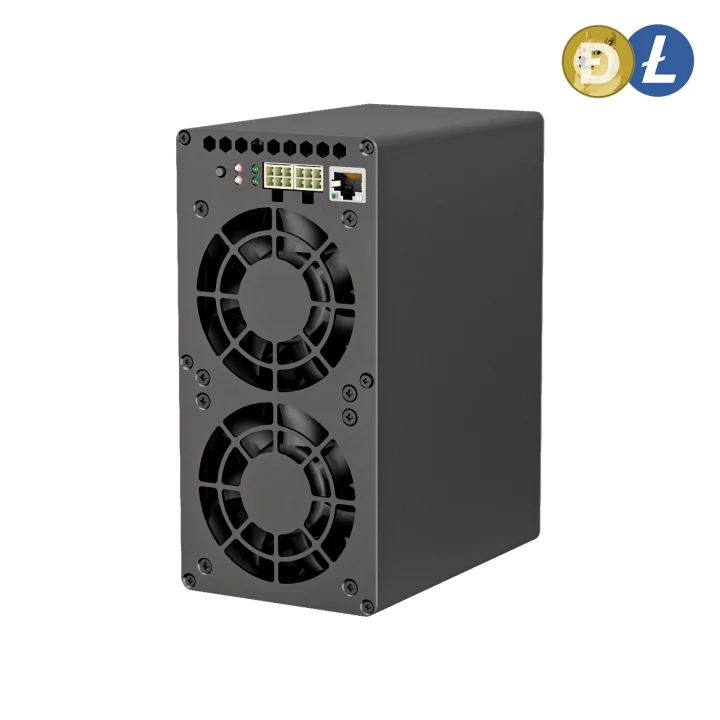 About 420MH/s
Goldshell Mini-DOGE II
About 400 W / Please use the full hashrate version and the wall power consumption to convert
Same-algorithm Alternatives 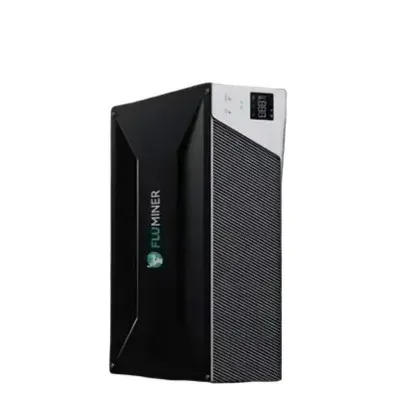 About 6 GH/s
L1 Pro
Approx. 1400 W / Approx. 233 J/GH
Same-algorithm Alternatives 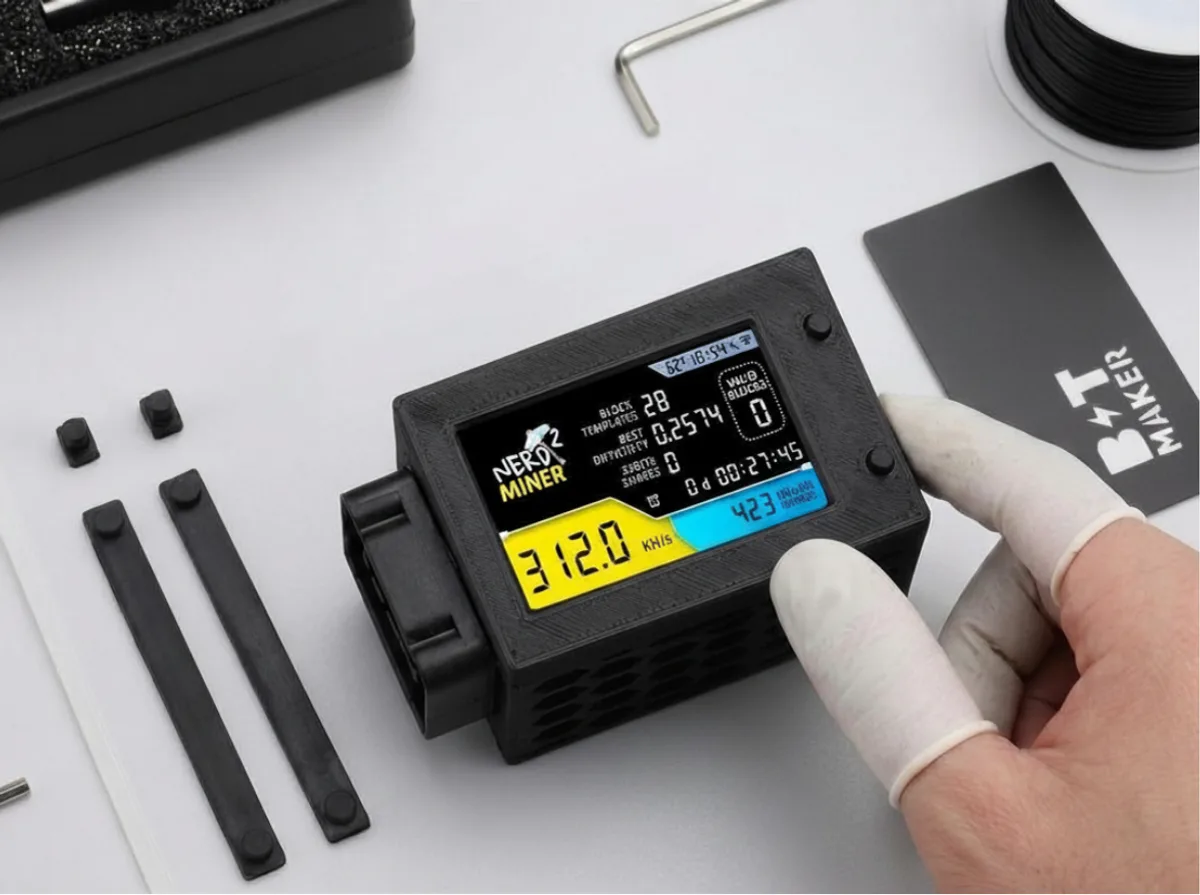 The official ecological page indicates about 250 KH/s; it varies depending on the ESP32 board.
NerdMiner v2
According to the board and screen, the official ecological page indicates about 20 W / not suitable for comparison with ASIC in J/TH
Same-algorithm Alternatives 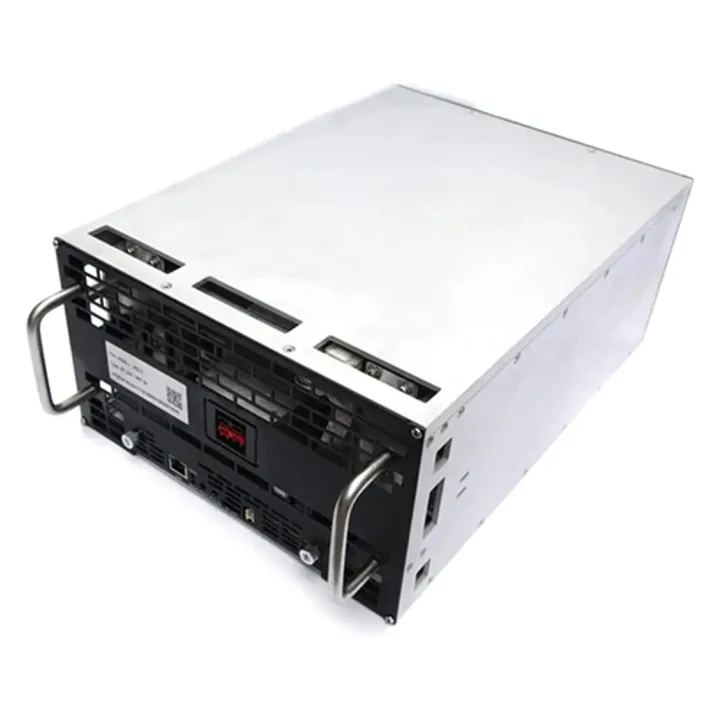 About 194TH/s
WhatsMiner M56
Approximately 5550 W / Please use the complete hashrate version and wall power consumption to convert
Same-algorithm Alternatives  About 212TH/s
WhatsMiner M56S
Approximately 5550 W / Please use the complete hashrate version and wall power consumption to convert
Same-algorithm Alternatives 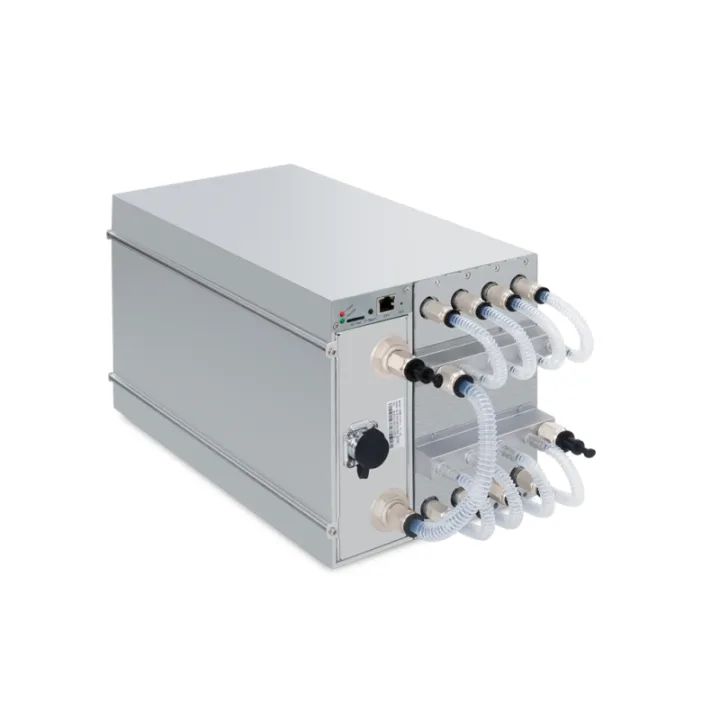 About 177TH/s
Antminer S19 Pro Hyd
Approximately 5221 W / Please use the complete hashrate version and the wall power consumption to convert
Same-algorithm Alternatives 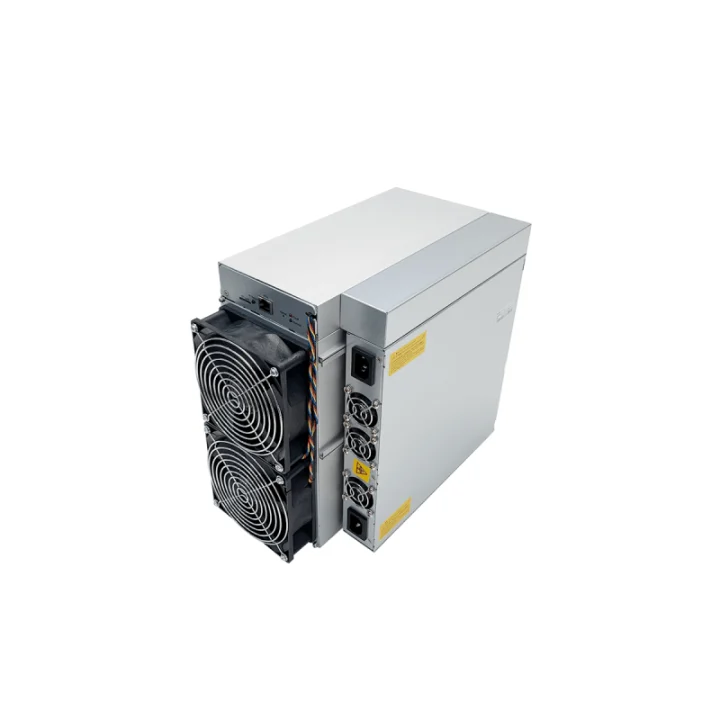 About 122TH/s
Antminer S19j Pro+
Approximately 3355 W / Please use the complete hashrate version and the wall power consumption to convert
Same-algorithm Alternatives 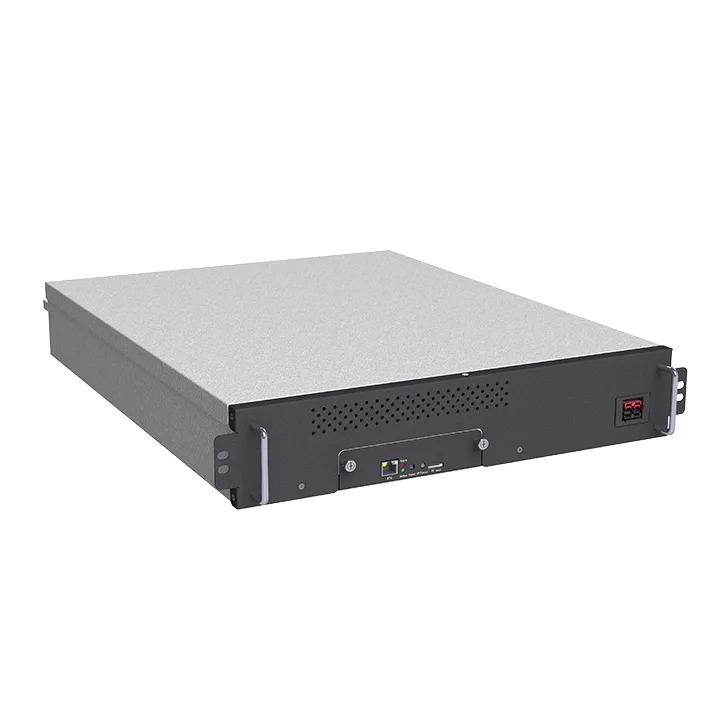 About 242TH/s
Whatsminer M33S++
Approximately 7260 W / Please use the complete hashrate version and wall power consumption to convert
Same-algorithm Alternatives 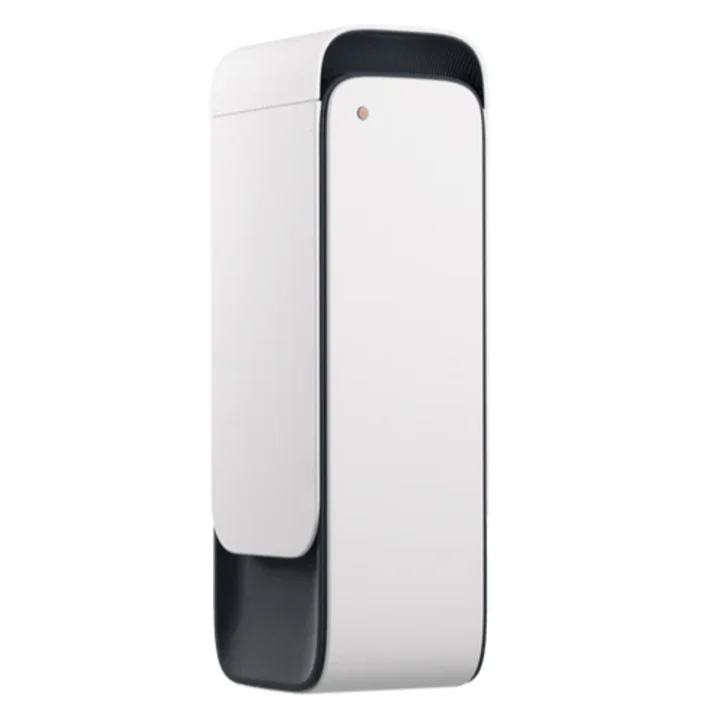 About 14T
Heatbit
Approximately 1400 W / Please use the complete hashrate version and wall power consumption to convert
Same-algorithm Alternatives 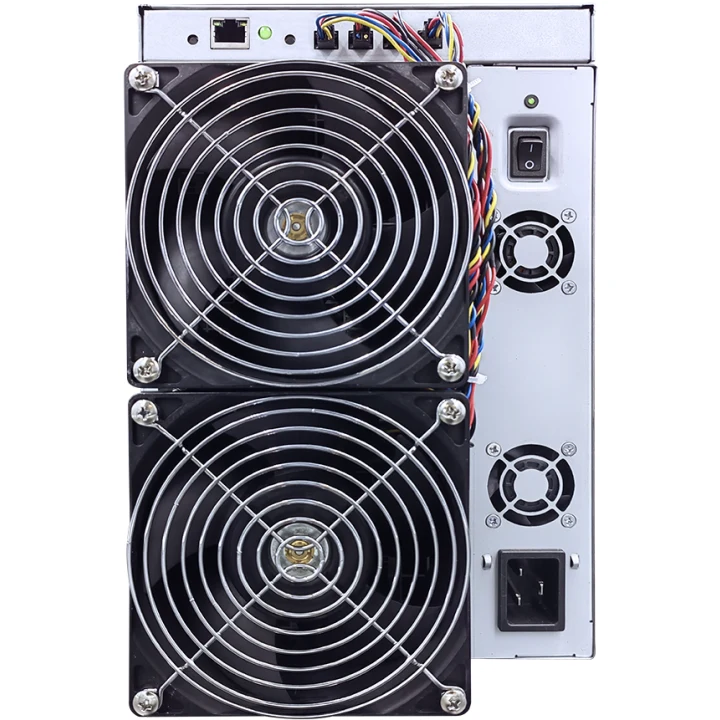 About 130TH/s
Avalon Made A1366
Approximately 3250 W / Please use the complete hashrate version and wall power consumption to convert
Same-algorithm Alternatives 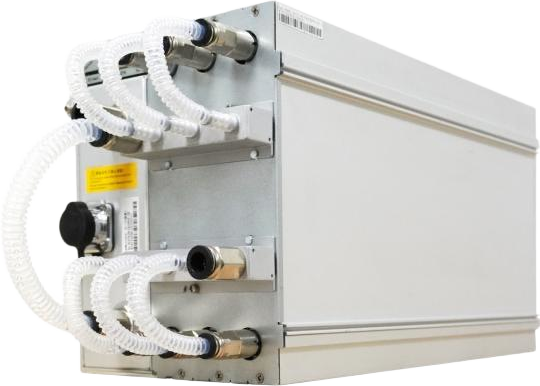 About 257 TH/s
Antminer S19 XP Hydro
About 5346 W / About 20.8 J/TH
Same-algorithm Alternatives 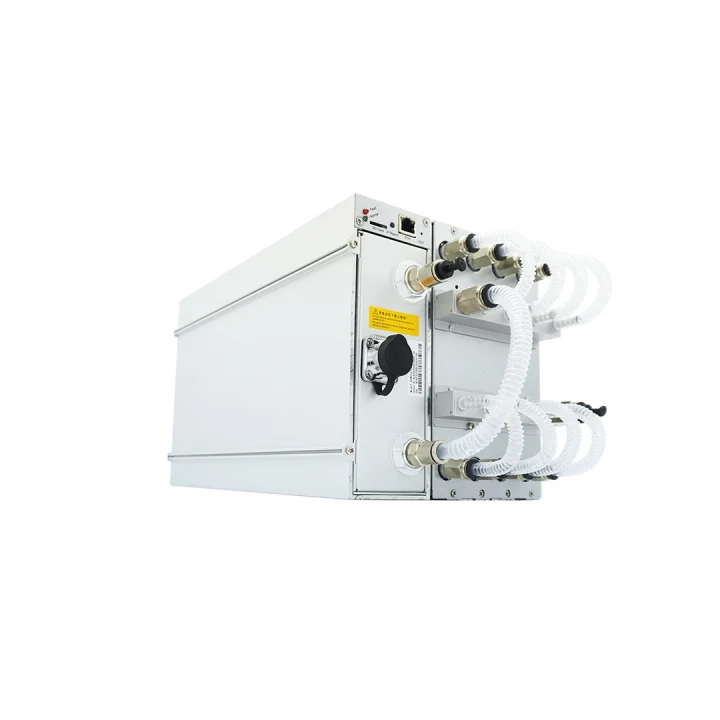 About 145TH/s to 158TH/s
Antminer T19 Hydro
Approximately 5438 to 5451 W / Please use the complete hashrate version and wall power consumption to convert
Same-algorithm Alternatives 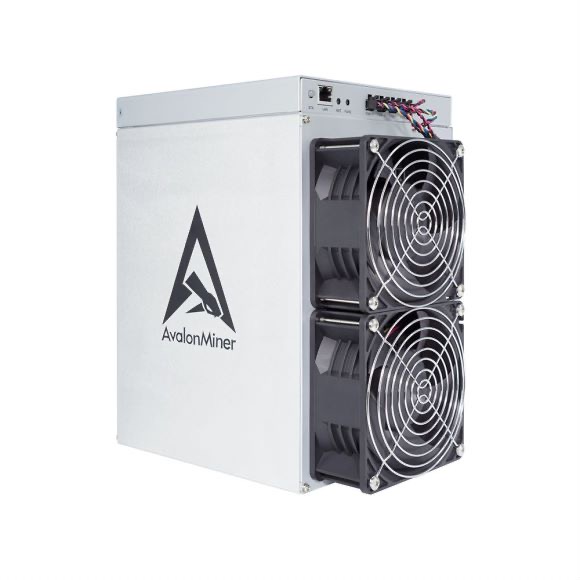 About 110 TH/s
AvalonMiner A1346
About 3300 W / About 30 J/TH
Same-algorithm Alternatives 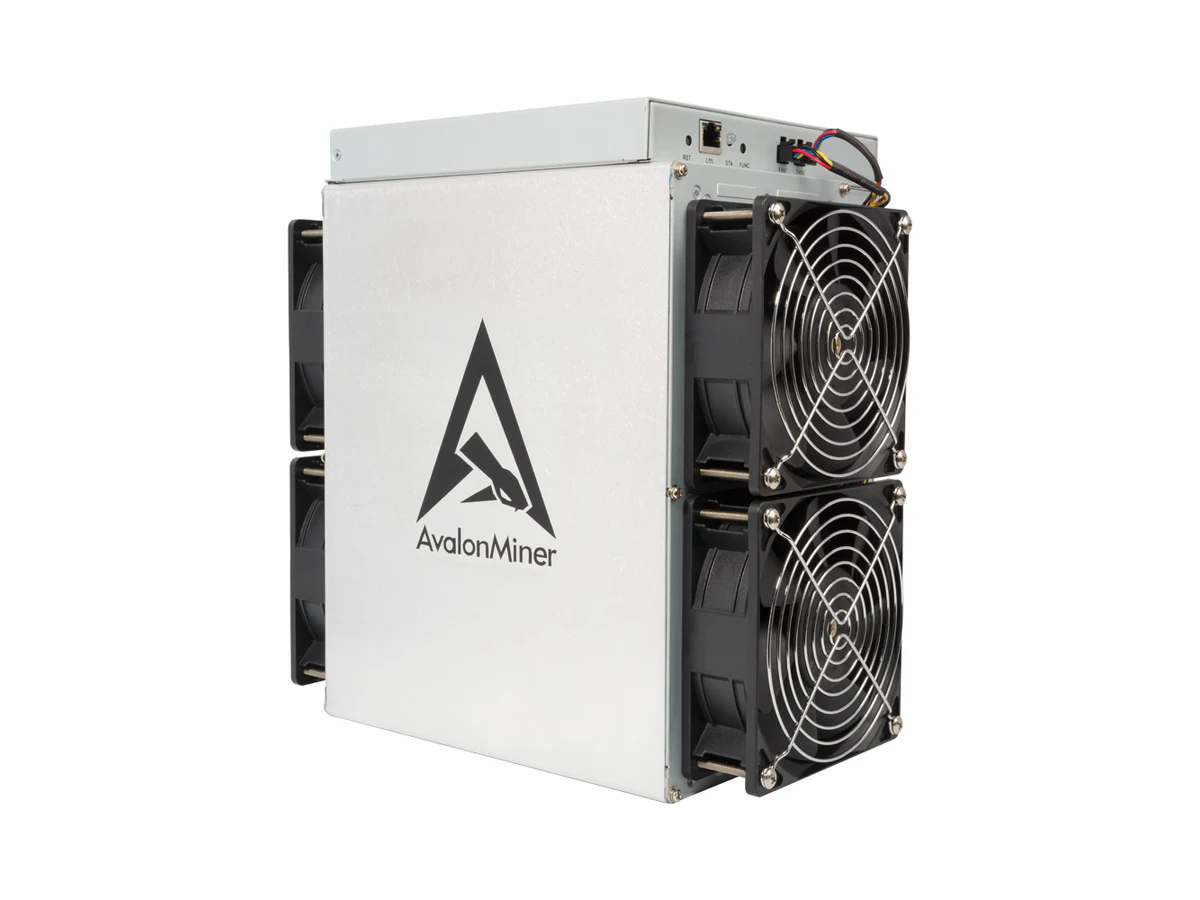 Official: 96 TH/s; some profitability lists show 100 TH/s
AvalonMiner A1266
Official 3420 W; partial income list lists 3500 W / official about 36 J/TH
Same-algorithm Alternatives 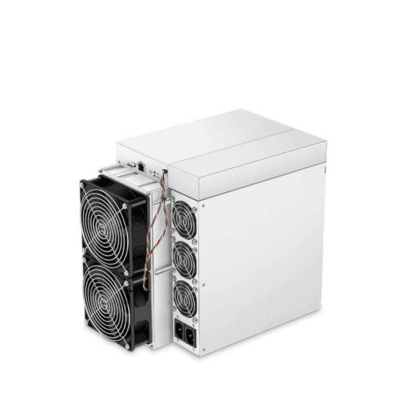 About 140 TH/s
Antminer S19 XP
About 3010 W / About 21.5 J/TH
Same-algorithm Alternatives 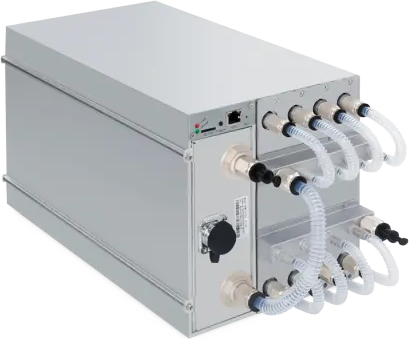 About 158 TH/s
Antminer S19 Hydro
About 5451 W / About 34.5 J/TH
Same-algorithm Alternatives 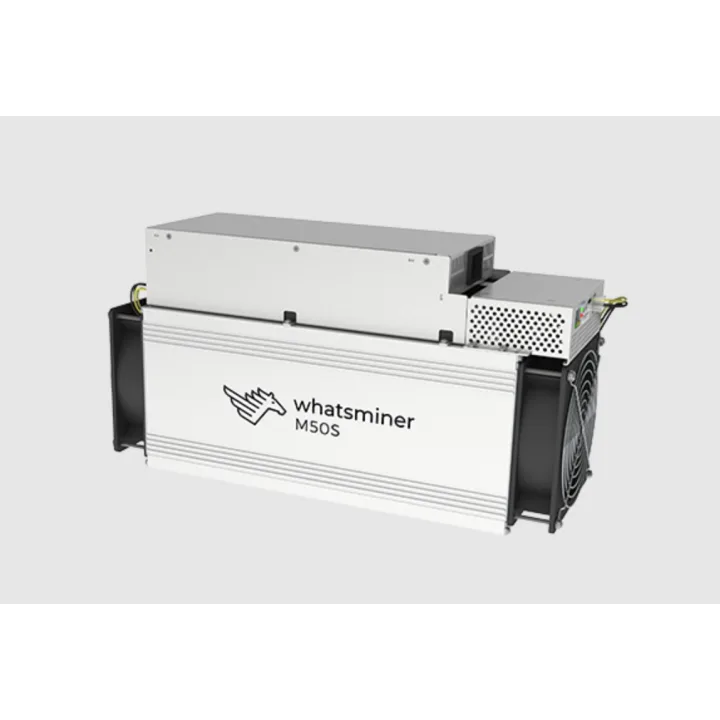 About 128TH/s
Whatsminer M50S
Approximately 3276 W / Please use the complete hashrate version and the wall power consumption to convert
Same-algorithm Alternatives 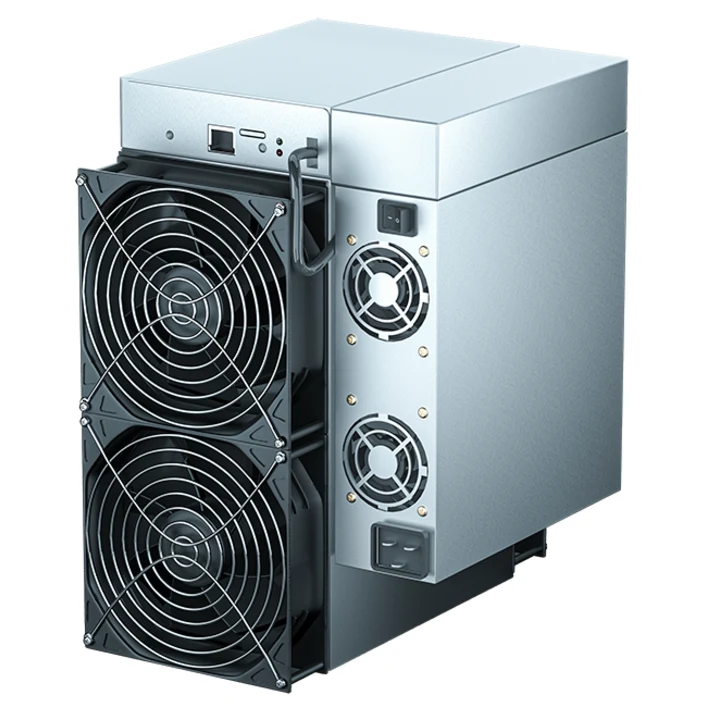 About 1.62GH/s
Goldshell LT Lite
Approximately 1450 W / Please use the complete hashrate version and wall power consumption to convert
Same-algorithm Alternatives 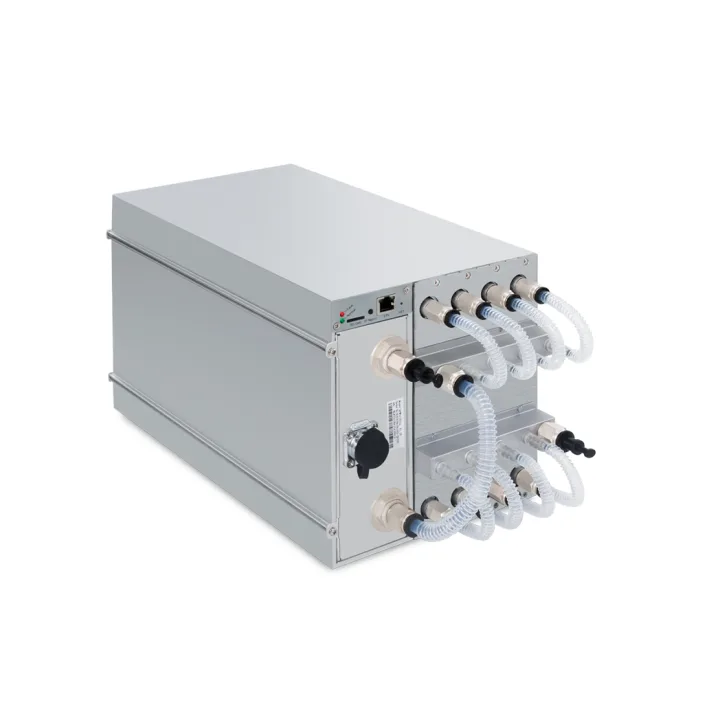 About 198TH/s
Antminer S19 Pro+ Hyd
Approximately 5445 W / Please use the complete hashrate version and the wall power consumption to convert
Same-algorithm Alternatives 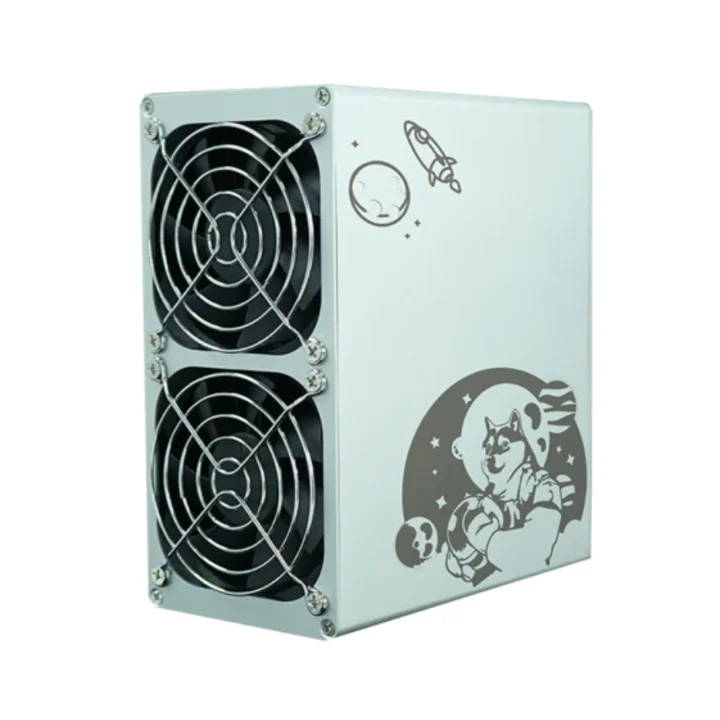 About 205MH/s
Goldshell Mini-DOGE Pro
About 220 W / Please use the full hashrate version and wall power consumption to convert
Same-algorithm Alternatives 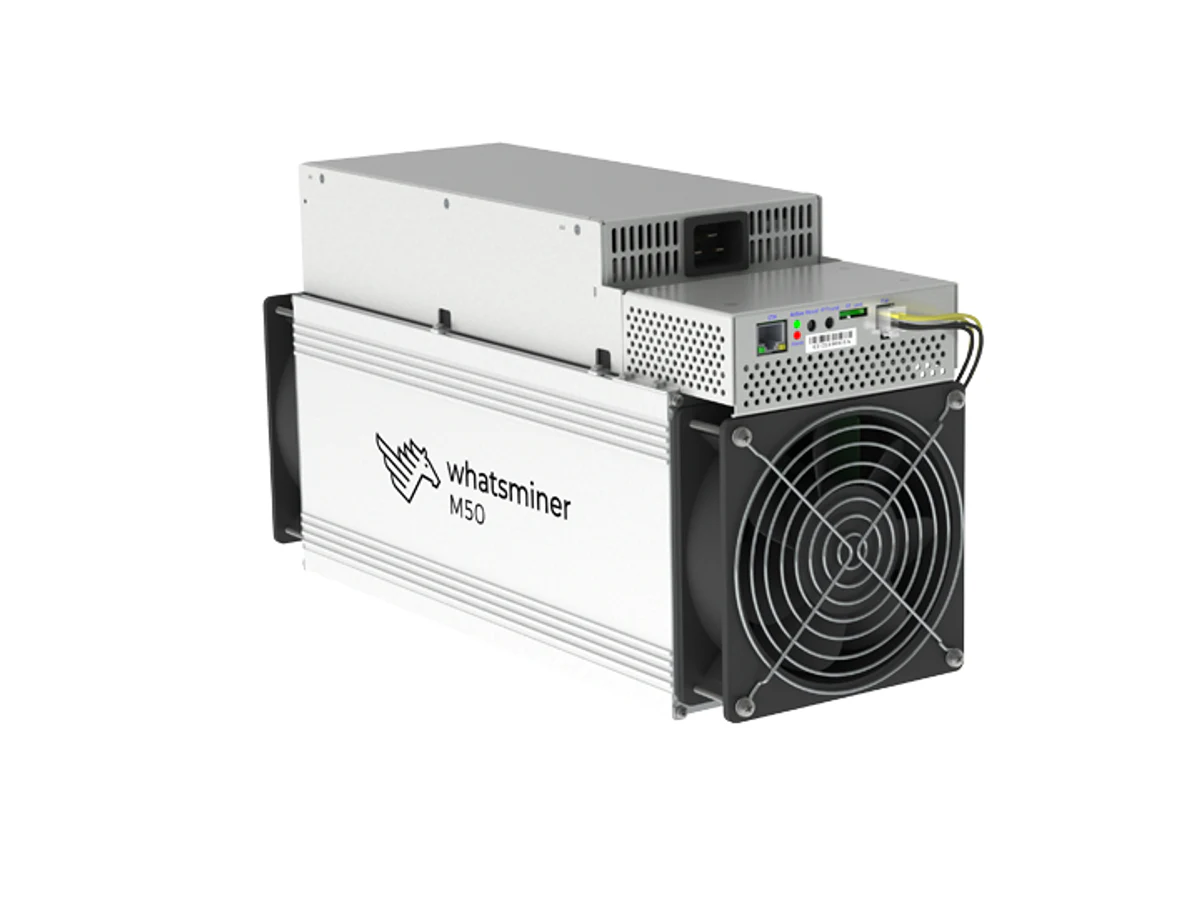 About 110-120 TH/s (common 114 TH/s)
Whatsminer M50
Approx. 3306 W / Approx. 29 J/TH
Same-algorithm Alternatives 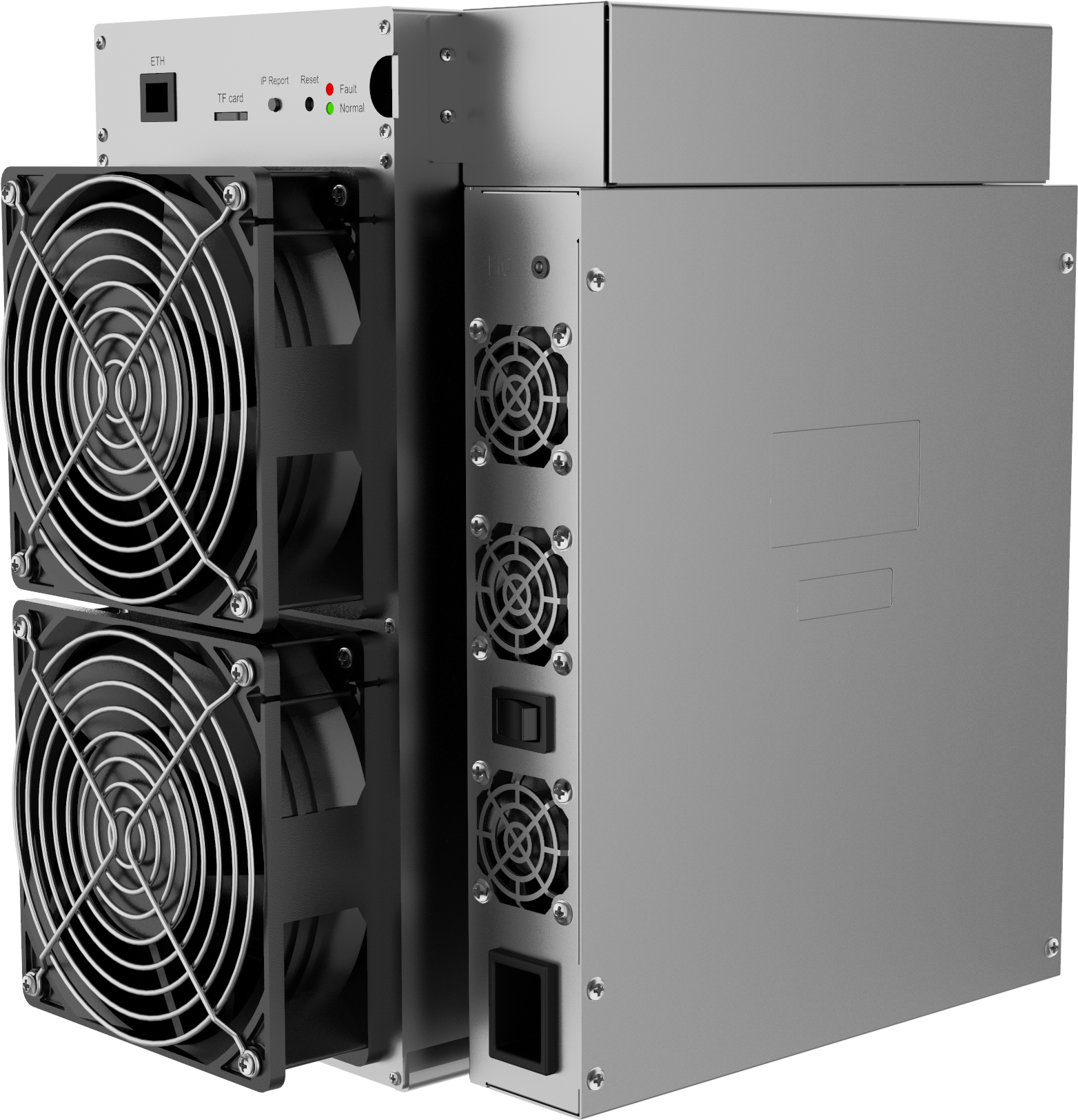 About 58 TH/s

iPollo B1L
About 3000 W / About 52 J/TH
Same-algorithm Alternatives 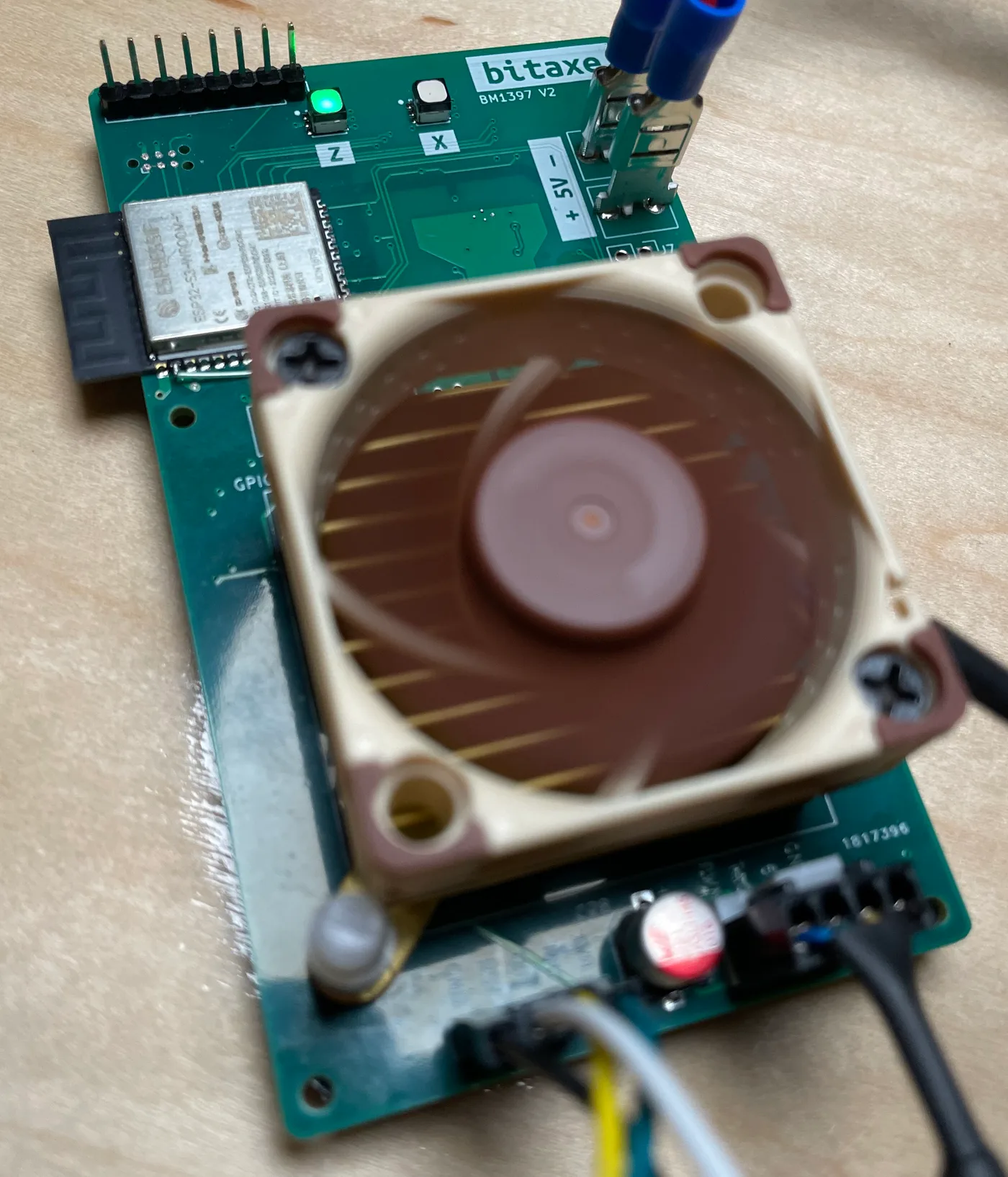 About 400 GH/s
Bitaxe Max 100
Approximately 15 W and above/ Starting from approximately 38 J/TH
Same-algorithm Alternatives 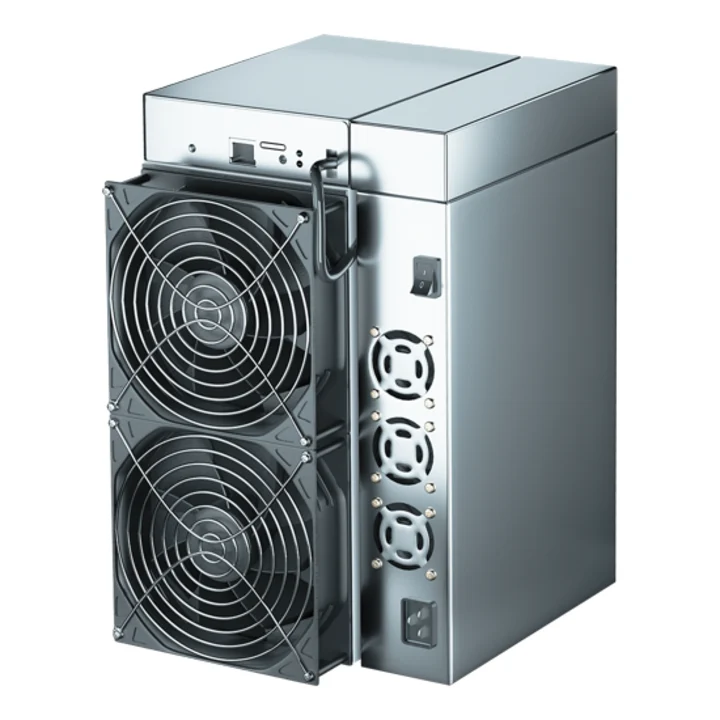 About 3.35GH/s
Goldshell LT6
Approximately 3200 W / Please use the complete hashrate version and wall power consumption to convert
Same-algorithm Alternatives 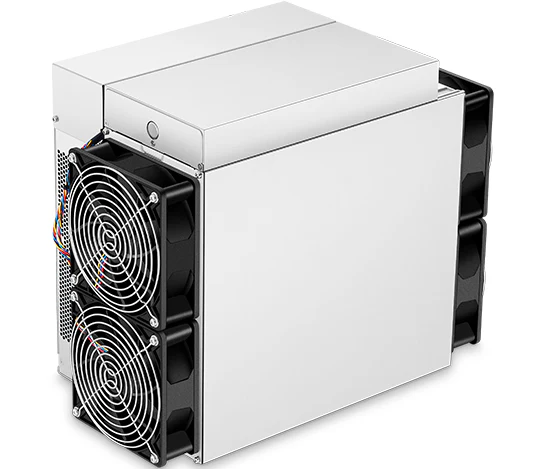 About 9.5 GH/s
Antminer L7
Approx. 3425 W / Approx. 361 J/GH
Same-algorithm Alternatives 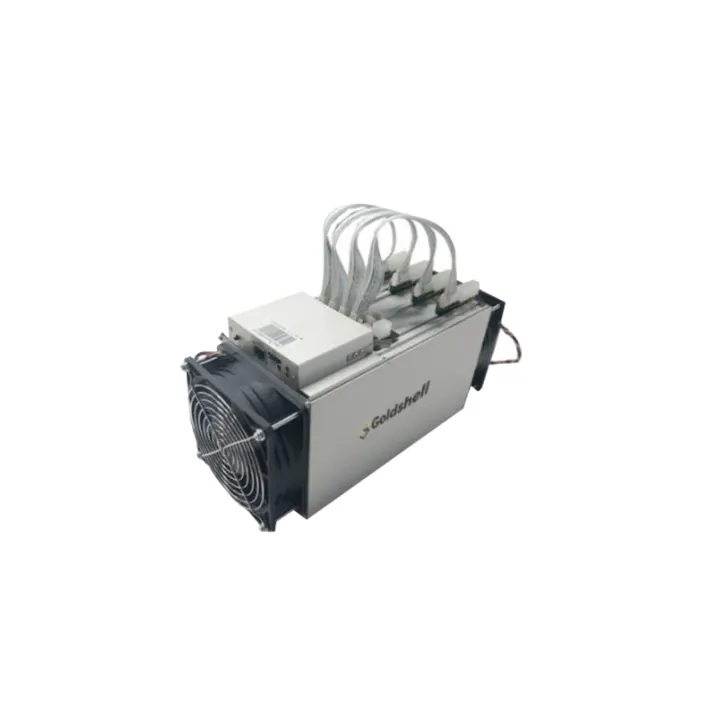 About 1.36GH/s
Goldshell X5S
Approximately 1850 W / Please use the complete hashrate version and wall power consumption to convert
Same-algorithm Alternatives 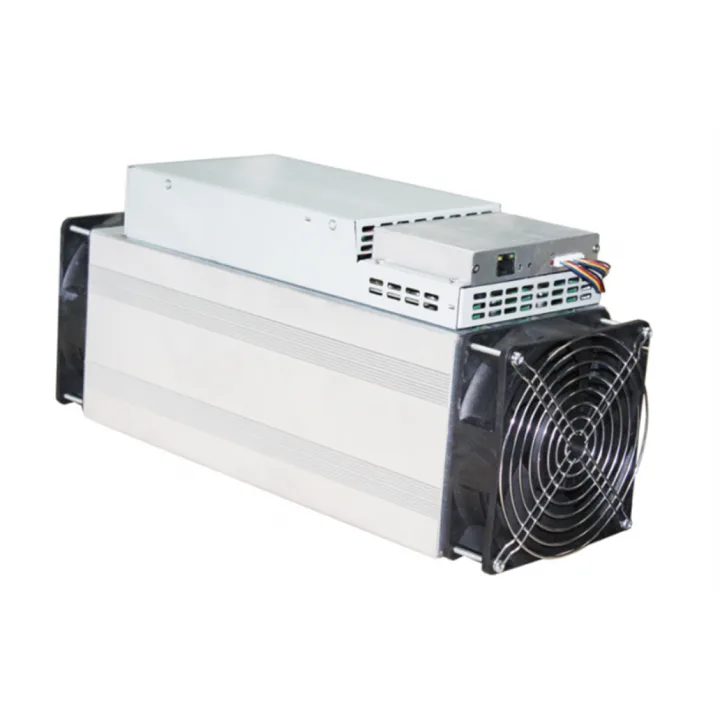 About 25TH/s

Ebang Ebit E10D
About 3500 W / Please use the full hashrate version and the wall power consumption to convert
Same-algorithm Alternatives 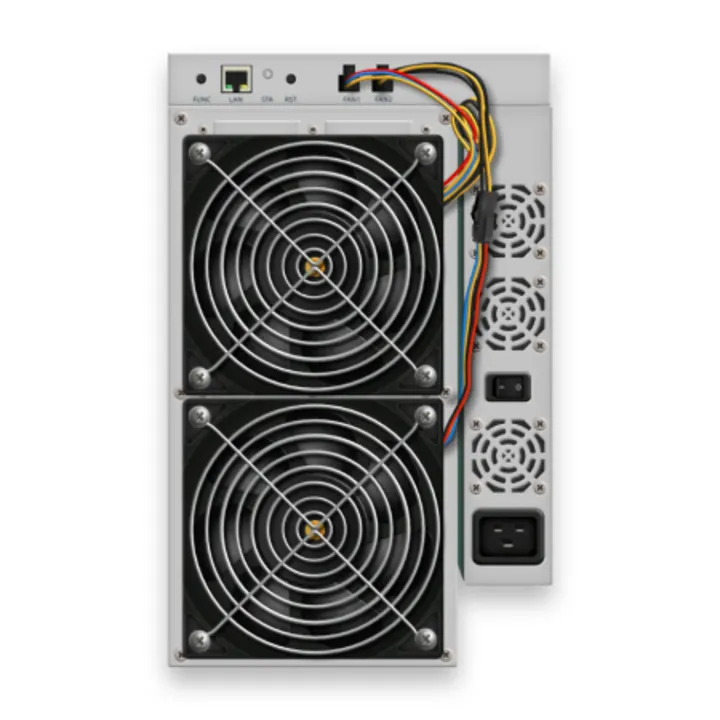 About 68TH/s
AvalonMiner 1126 Pro
Approximately 3420 W / Please use the complete hashrate version and wall power consumption to convert
Same-algorithm Alternatives 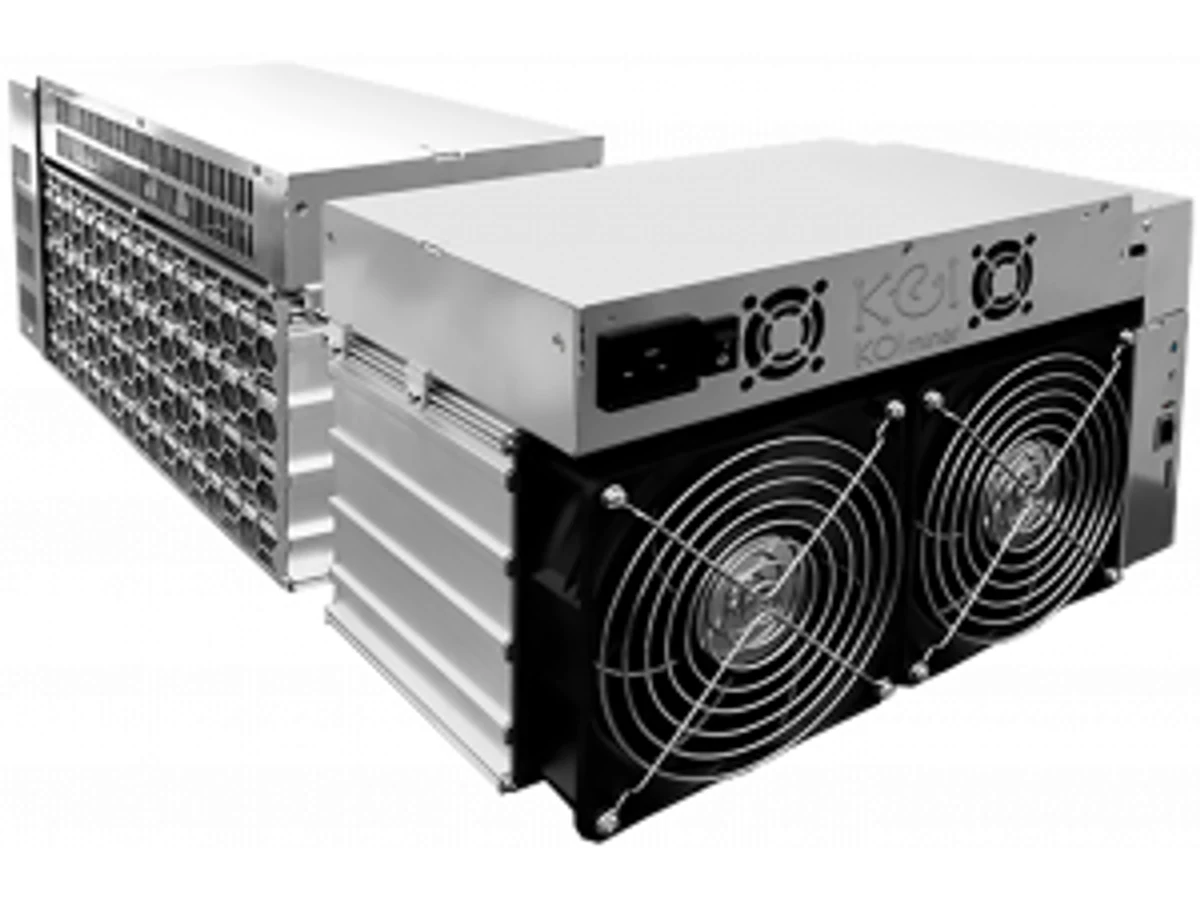 About 113 TH/s
KOI Miner Same-algorithm Alternatives
KOI Miner C16 Max
About 3400 W / About 30 J/TH
Same-algorithm Alternatives KOI Miner Same-algorithm Alternatives
KOI Miner C16 Pro
About 3400 W / About 34 J/TH
Same-algorithm Alternatives KOI Miner Same-algorithm Alternatives
KOI Miner C16 S
The official series list is about 3400 W; the income list is about 3200 W / the official series list is about 37 J/TH
Same-algorithm Alternatives 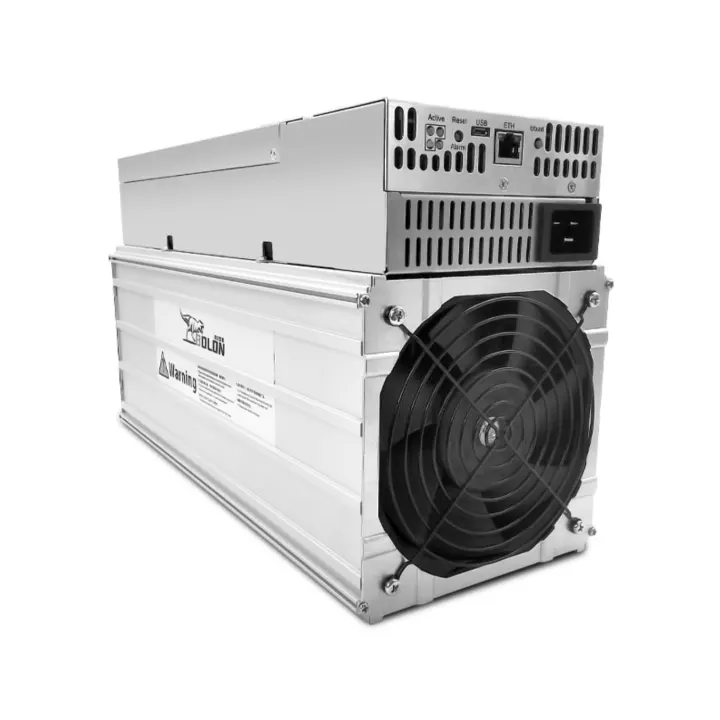 About 70TH/s

Bolon Miner B11
Approximately 3300 W / Please use the complete hashrate version and wall power consumption to convert
Same-algorithm Alternatives 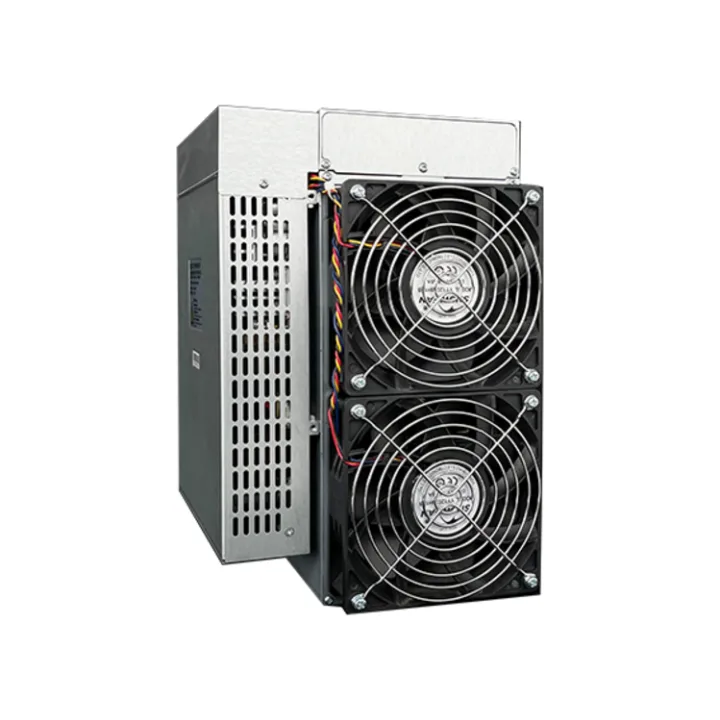 About 2.45GH/s
Goldshell LT5 Pro
Approximately 3100 W / Please use the complete hashrate version and wall power consumption to convert
Same-algorithm Alternatives 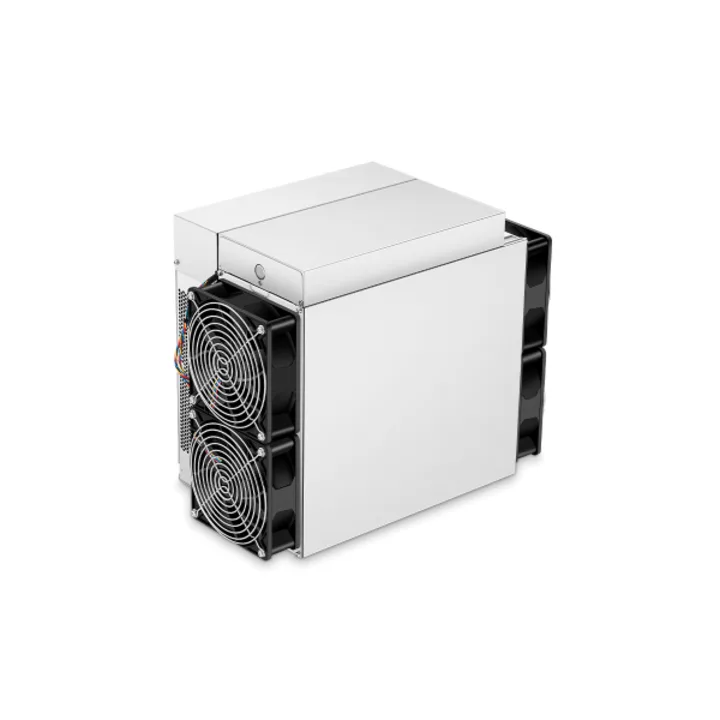 About 84TH/s to 88TH/s
Antminer T19
Approximately 3150 to 3344 W / Please use the full hashrate version and wall power consumption to convert
Same-algorithm Alternatives 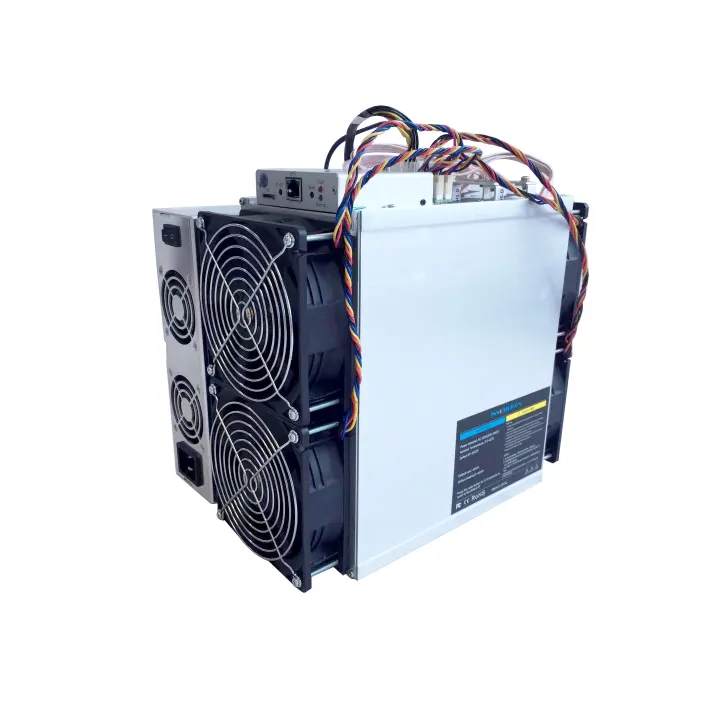 About 33TH/s

Innosilicon T2 Turbo HF+
Approximately 2600 W / Please use the complete hashrate version and wall power consumption to convert
Same-algorithm Alternatives 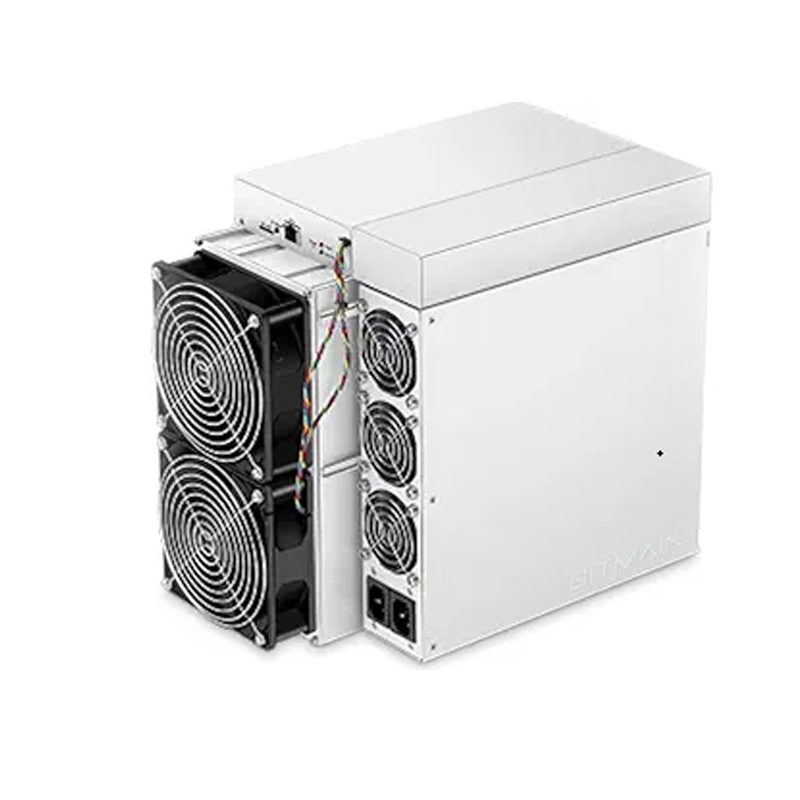 About 100–104 TH/s
Antminer S19j Pro
Approx. 2950–3068 W / Approx. 29.5 J/TH
Same-algorithm Alternatives 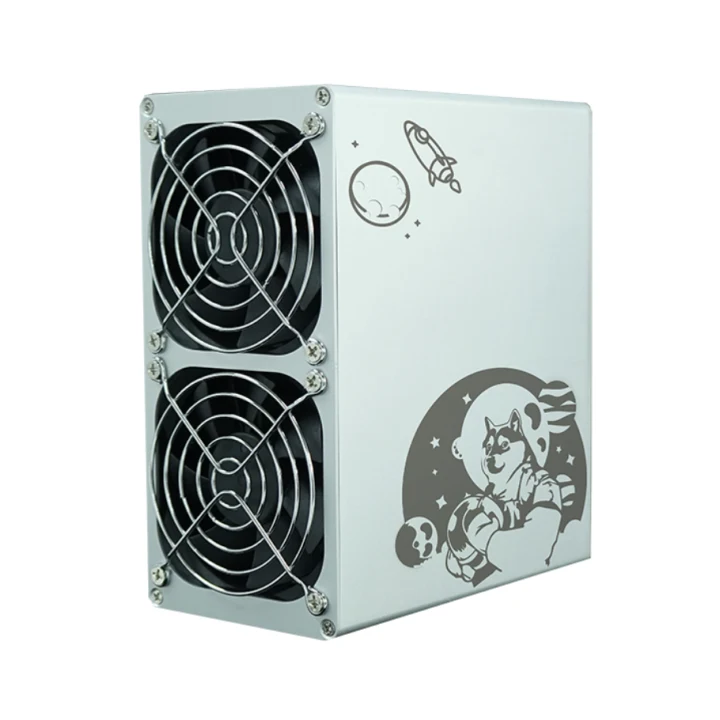 About 185MH/s
Goldshell Mini-DOGE
Approximately 233 W / Please use the complete hashrate version and wall power consumption to convert
Same-algorithm Alternatives 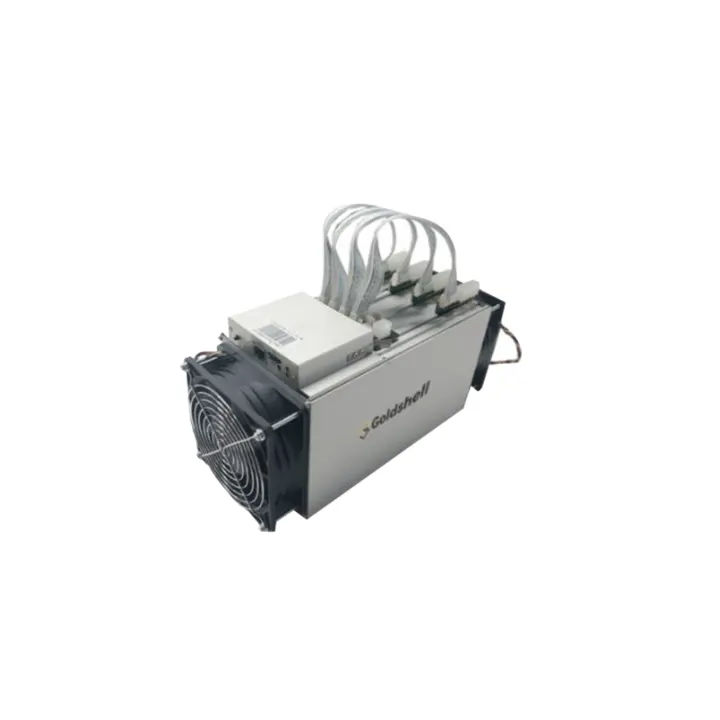 About 850MH/s
Goldshell X5
Approximately 1450 W / Please use the complete hashrate version and wall power consumption to convert
Same-algorithm Alternatives 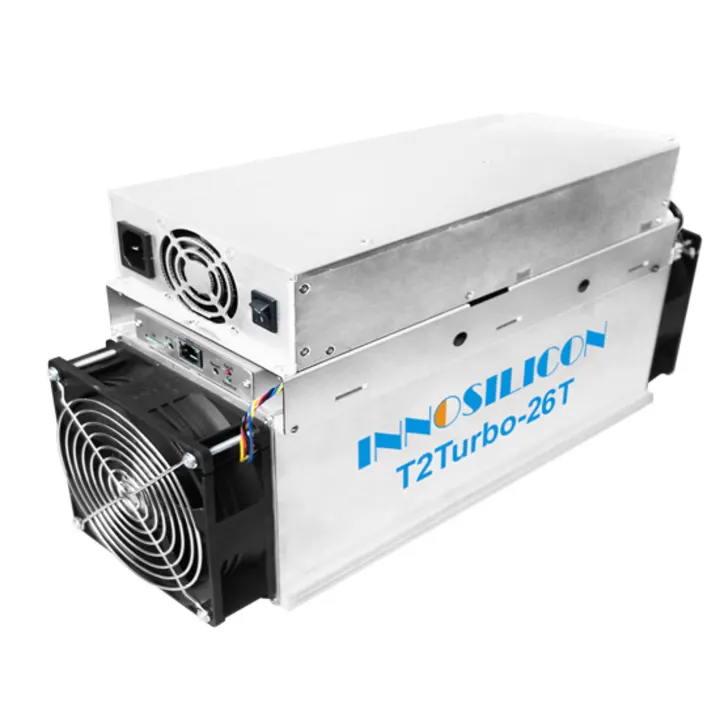 About 26TH/s
Innosilicon T2 Turbo 26T
Approximately 2100 W / Please use the complete hashrate version and wall power consumption to convert
Same-algorithm Alternatives 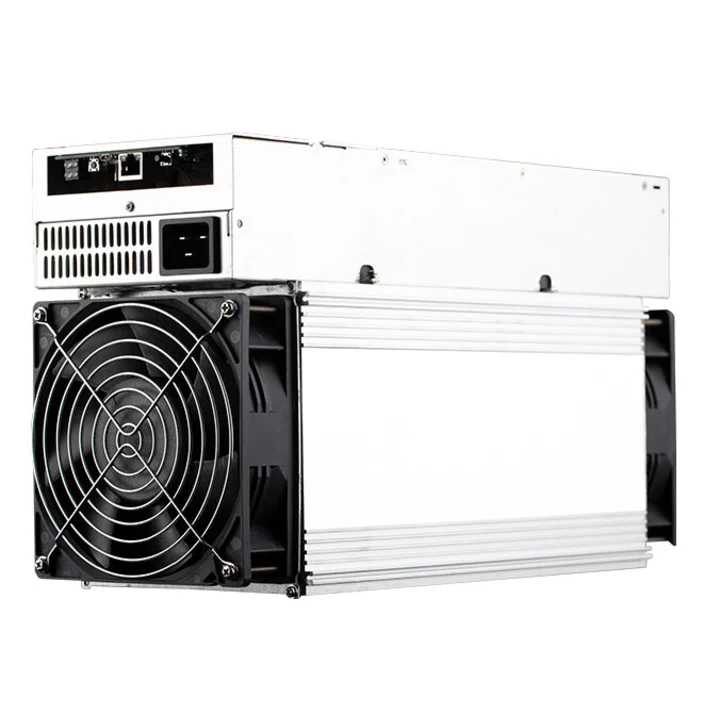 About 84TH/s

StrongU Hornbill H8 Pro
Approximately 3360 W / Please use the complete hashrate version and wall power consumption to convert
Same-algorithm Alternatives 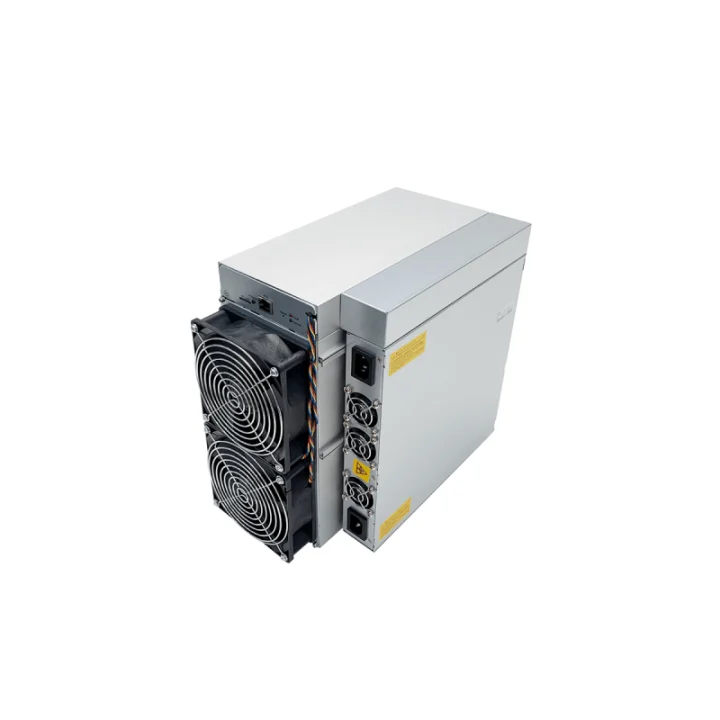 About 90TH/s
Antminer S19j
Approximately 3250 W / Please use the complete hashrate version and wall power consumption to convert
Same-algorithm Alternatives 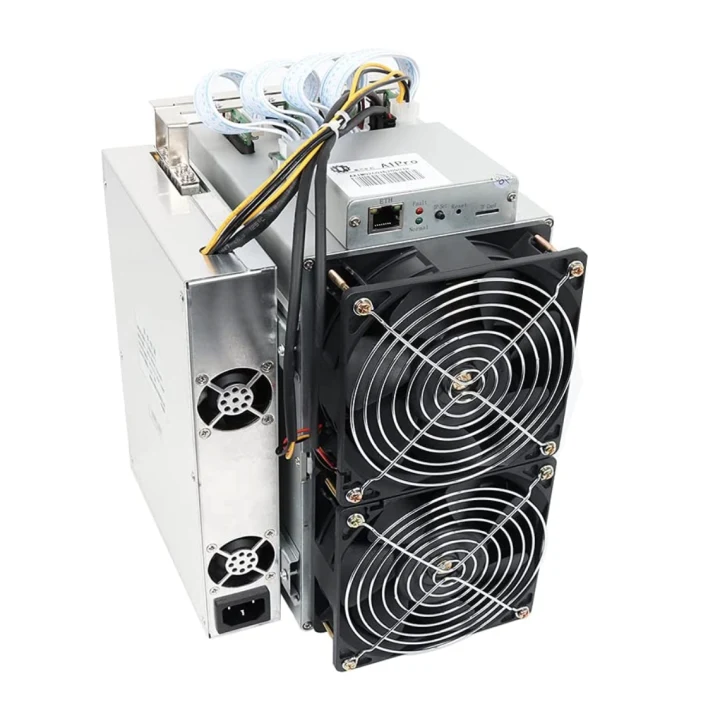 About 23TH/s

Aisen A1 Pro
Approximately 2200 W / Please use the complete hashrate version and wall power consumption to convert
Same-algorithm Alternatives 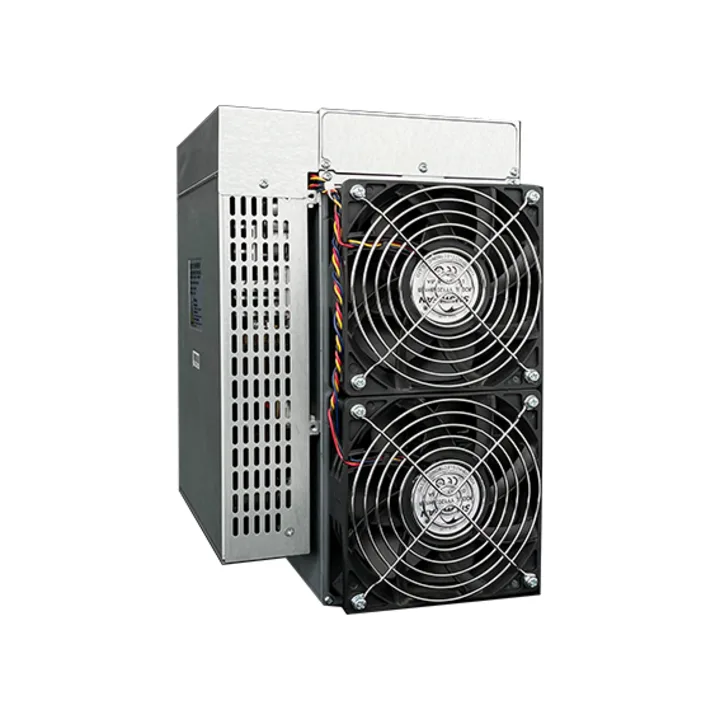 About 2.05GH/s
Goldshell LT5
Approximately 2080 W / Please use the complete hashrate version and the wall power consumption to convert
Same-algorithm Alternatives 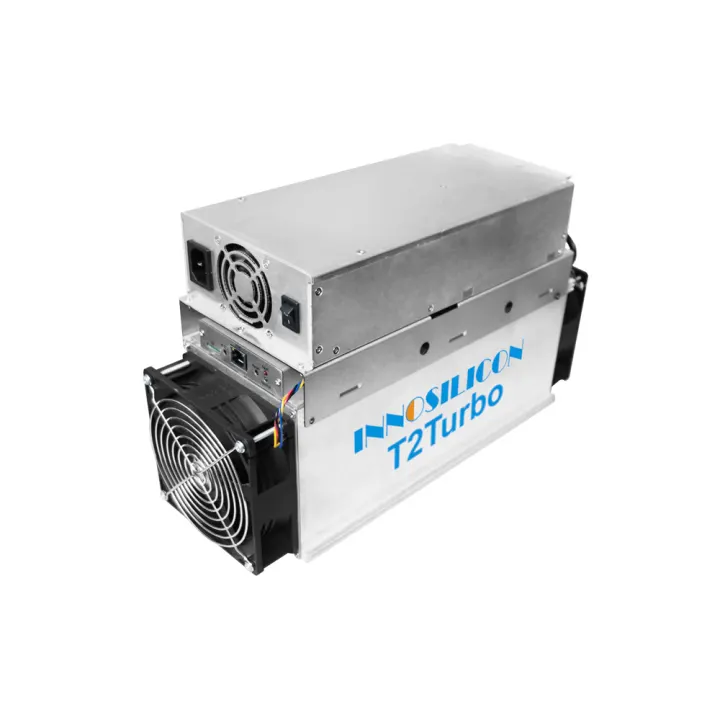 About 30TH/s
Innosilicon T2 Turbo 29T/30T
Approximately 2400 W / Please use the complete hashrate version and wall power consumption to convert
Same-algorithm Alternatives 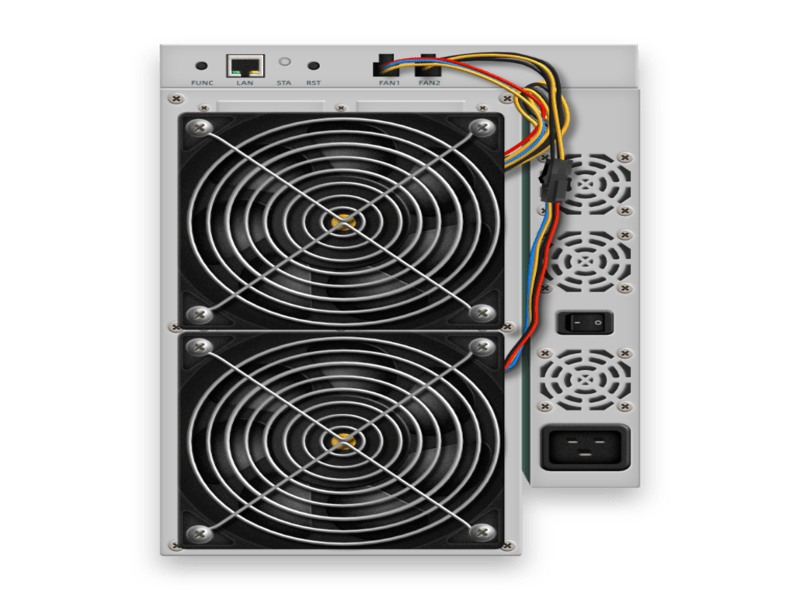 About 90 TH/s
AvalonMiner 1246
About 3420 W / About 38 J/TH
Same-algorithm Alternatives 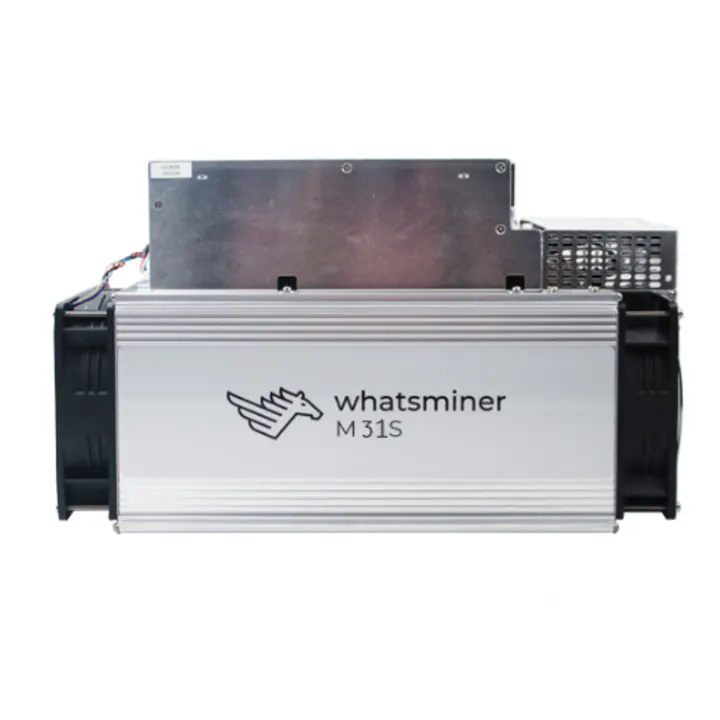 About 80TH/s
Whatsminer M31S+
Approximately 3360 W / Please use the complete hashrate version and wall power consumption to convert
Same-algorithm Alternatives 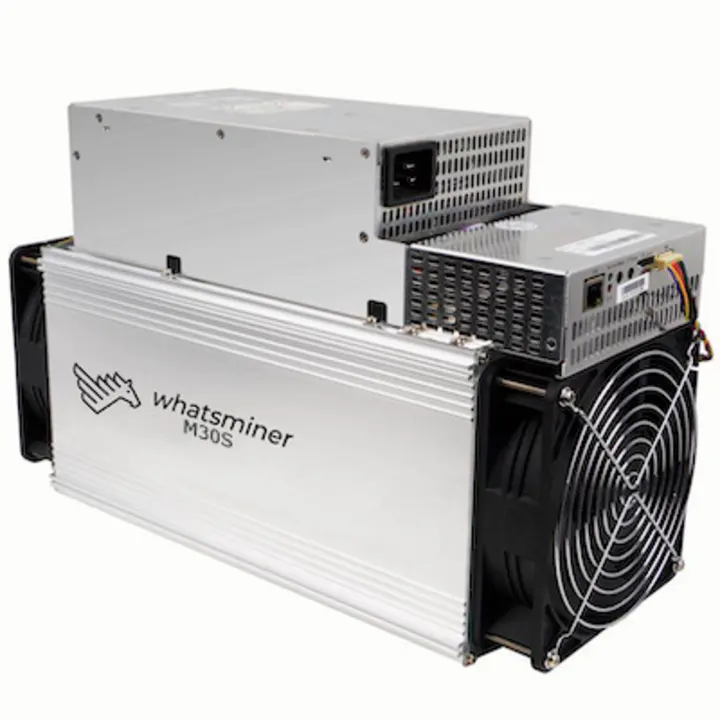 About 66TH/s
Whatsminer M32S
Approximately 3432 W / Please use the complete hashrate version and the wall power consumption to convert
Same-algorithm Alternatives 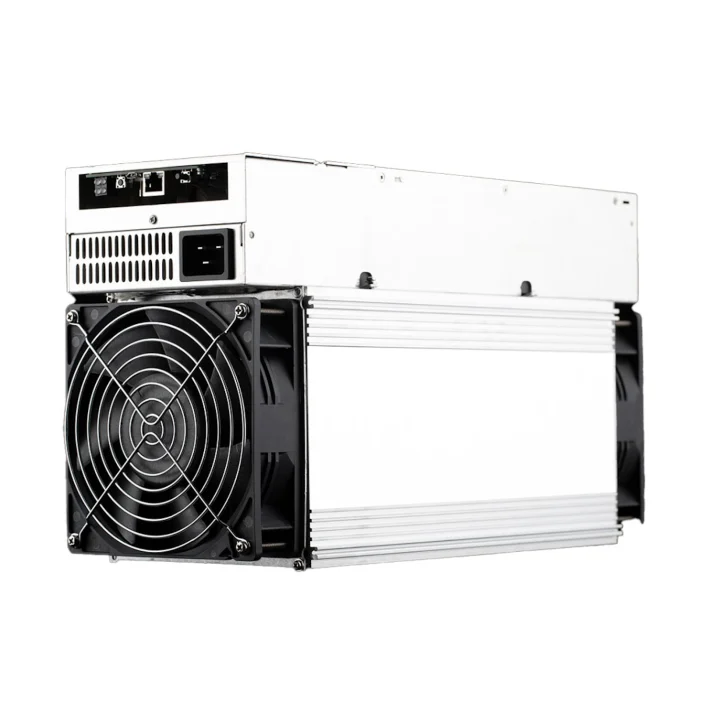 About 74TH/s
StrongU Hornbill H8
Approximately 3330 W / Please use the complete hashrate version and the wall power consumption to convert
Same-algorithm Alternatives 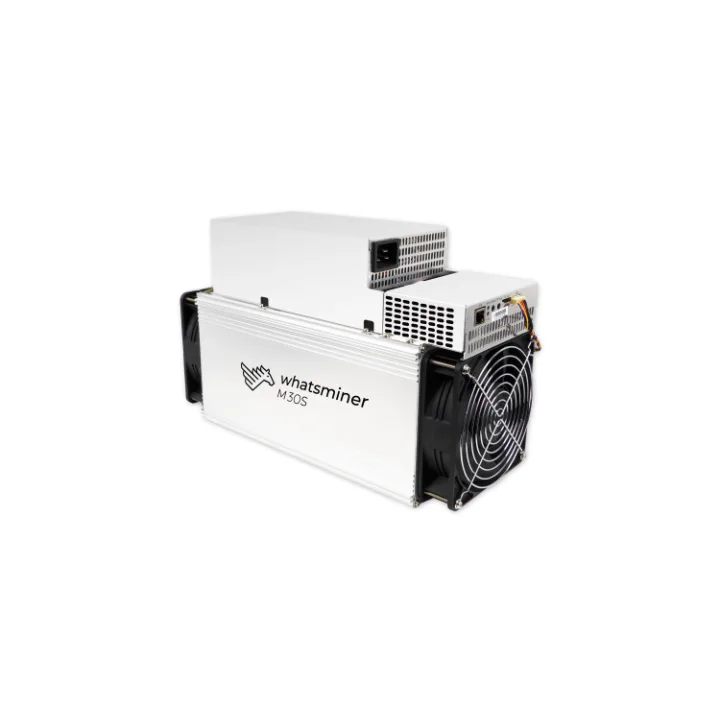 About 100TH/s
Whatsminer M30S+
About 3400 W / Please use the full hashrate version and wall power consumption to convert
Same-algorithm Alternatives 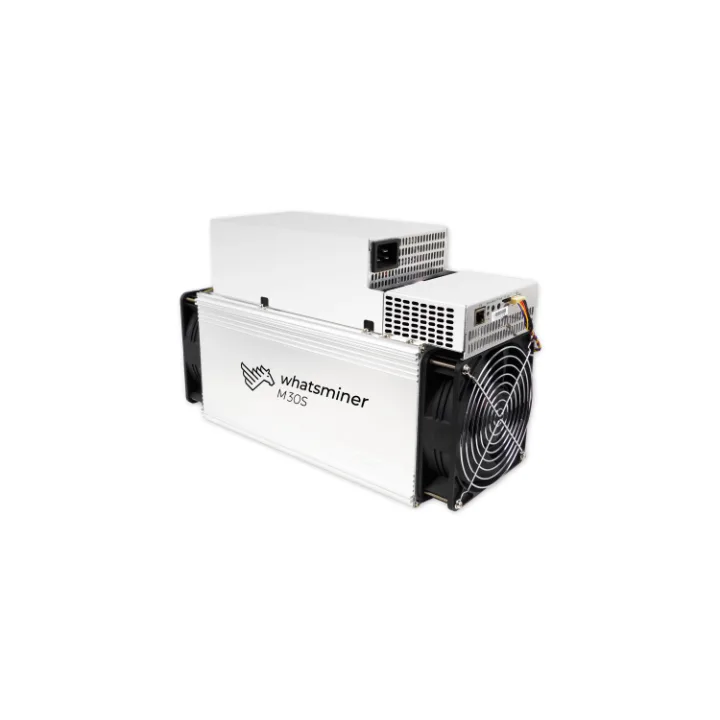 About 112TH/s
Whatsminer M30S++
Approximately 3472 W / Please use the complete hashrate version and wall power consumption to convert
Same-algorithm Alternatives 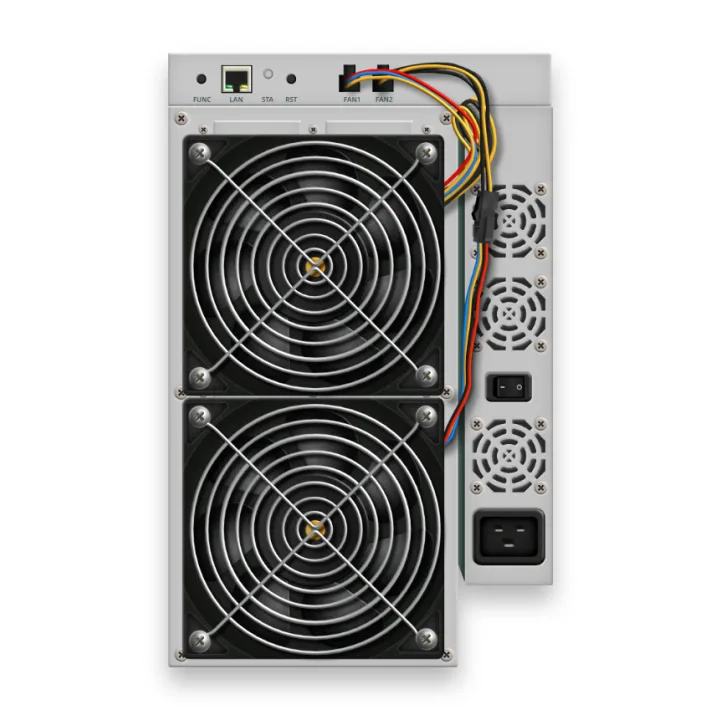 About 63TH/s
AvalonMiner 1146 Pro
Approximately 3276 W / Please use the complete hashrate version and the wall power consumption to convert
Same-algorithm Alternatives 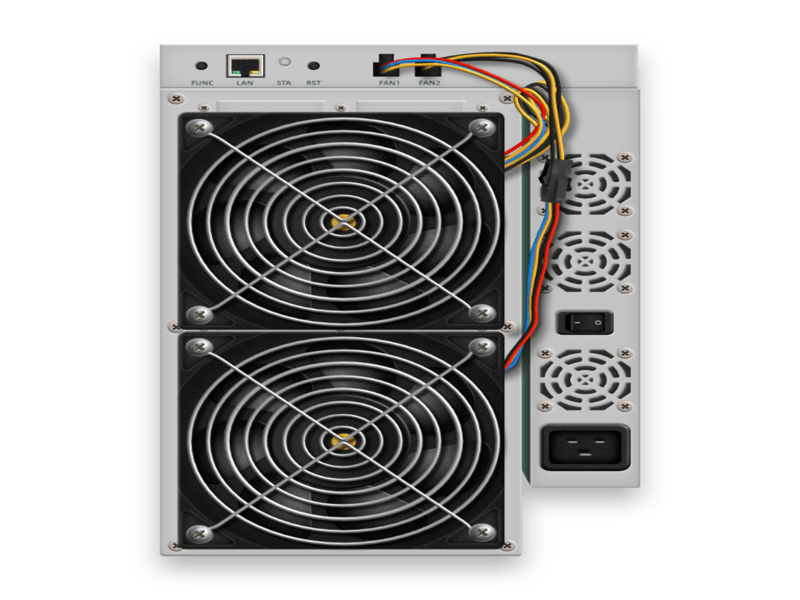 About 81 TH/s
AvalonMiner 1166 Pro
About 3400 W / About 42 J/TH
Same-algorithm Alternatives 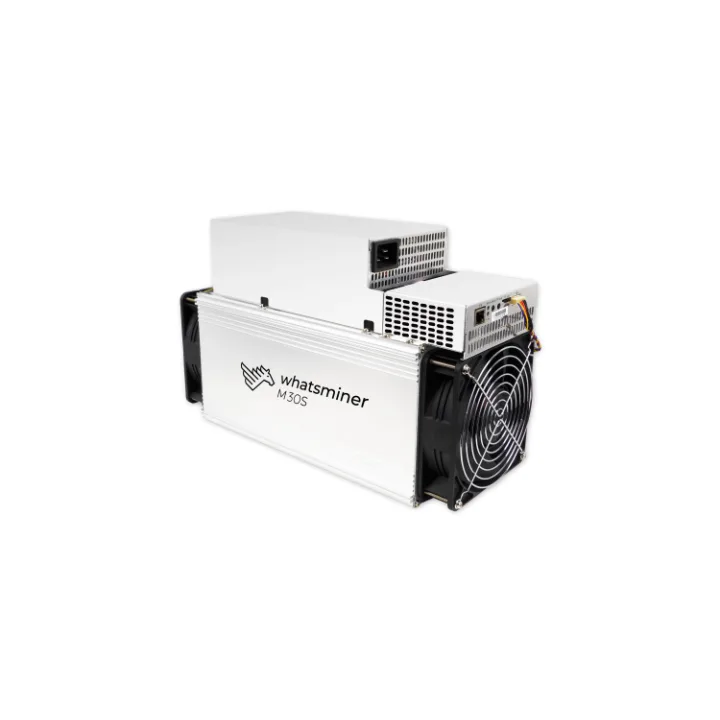 About 62TH/s
Whatsminer M32
Approximately 3348 W / Please use the complete hashrate version and the wall power consumption to convert
Same-algorithm Alternatives 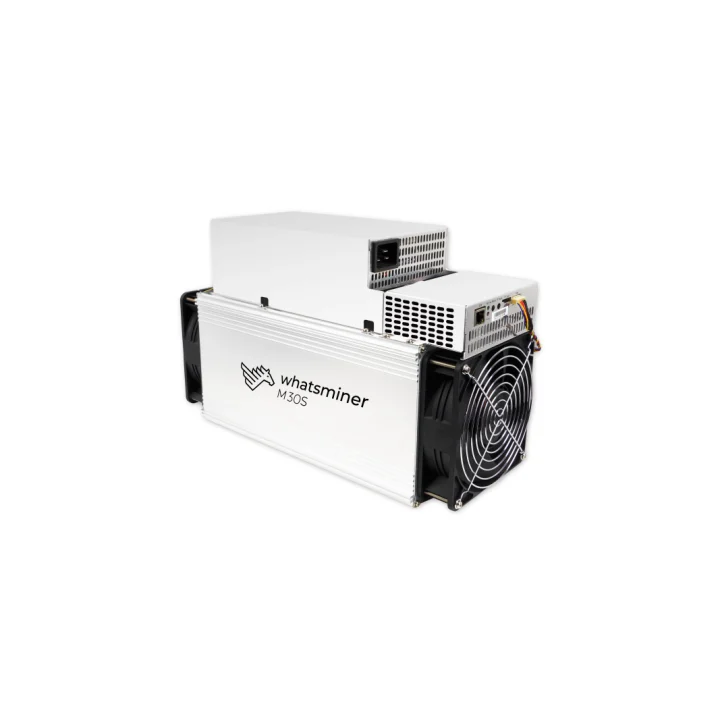 About 76TH/s
Whatsminer M31S
Approximately 3344 W / Please use the complete hashrate version and the wall power consumption to convert
Same-algorithm Alternatives 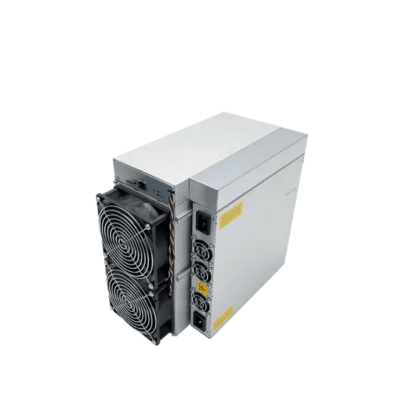 About 110 TH/s
Antminer S19 Pro
About 3250 W / About 29.5 J/TH
Same-algorithm Alternatives 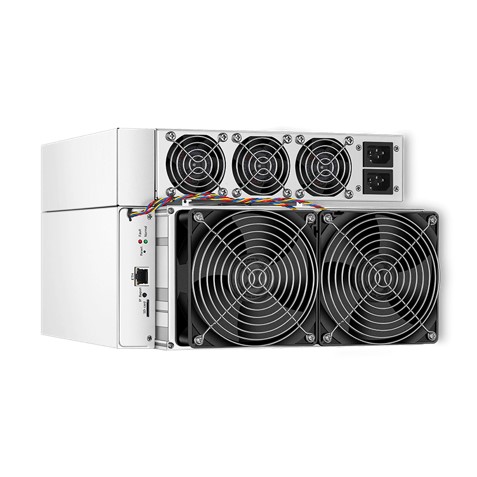 About 95 TH/s
Antminer S19
About 3250 W / About 34.5 J/TH
Same-algorithm Alternatives 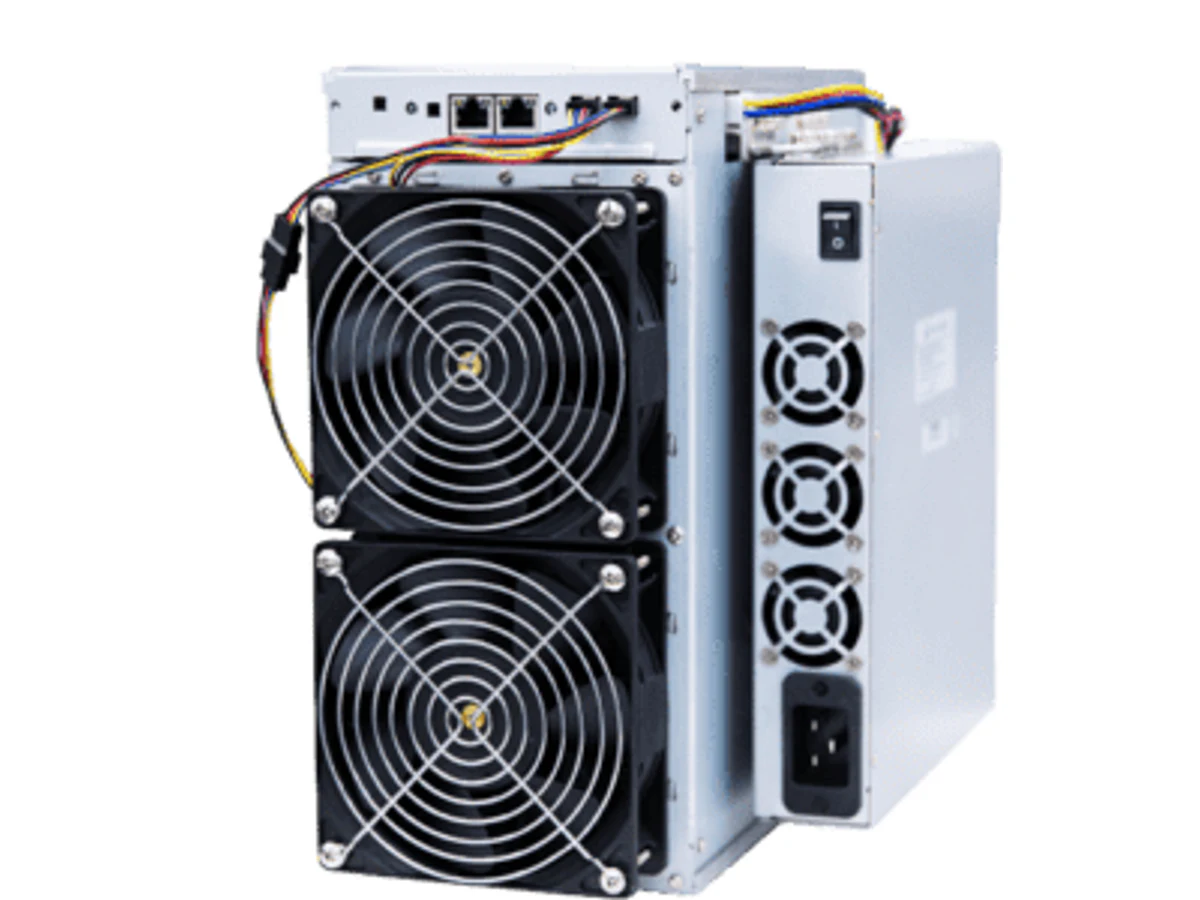 About 56–63 TH/s
AvalonMiner 1146
Approx. 3192–3340 W / Approx. 53–57 J/TH
Same-algorithm Alternatives AvalonMiner 1166
Approx. 3196–3325 W / Approx. 47–49 J/TH
Same-algorithm Alternatives 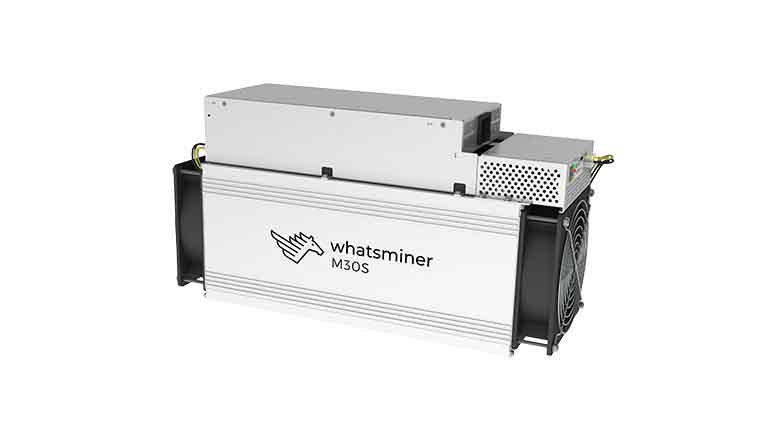 About 88 TH/s
WhatsMiner M30S
Approx. 3344 W / Approx. 38 J/TH
Same-algorithm Alternatives 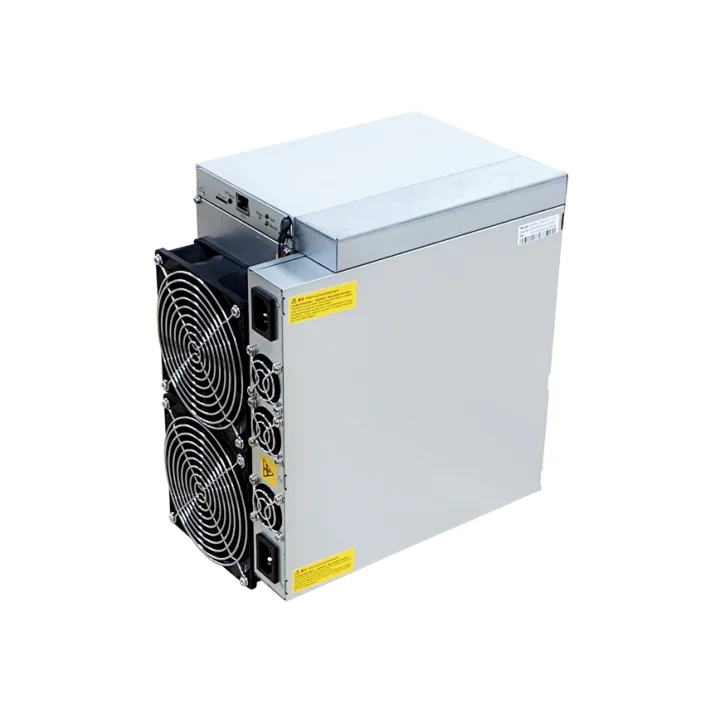 About 73TH/s
Antminer S17+
Approximately 2920 W / Please use the complete hashrate version and wall power consumption to convert
Same-algorithm Alternatives 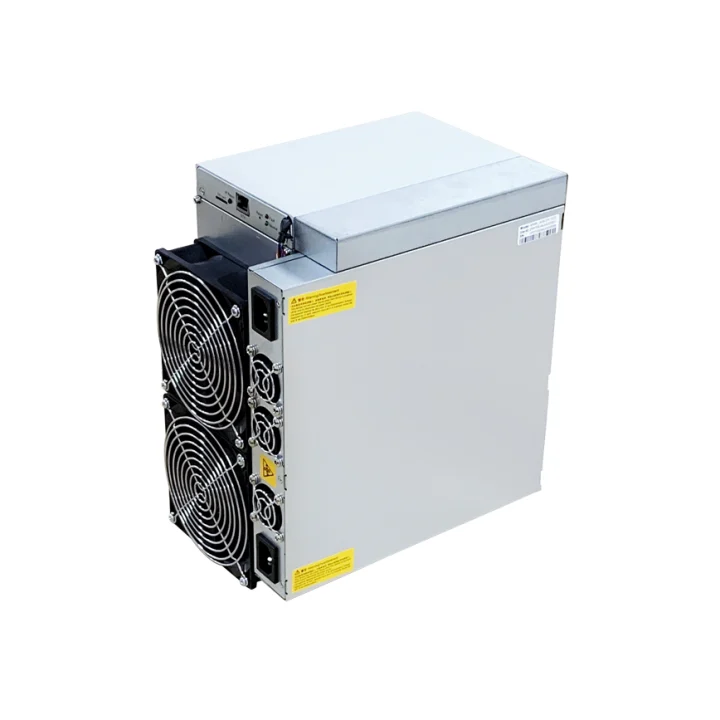 About 64TH/s
Antminer T17+
Approximately 3200 W / Please use the complete hashrate version and wall power consumption to convert
Same-algorithm Alternatives 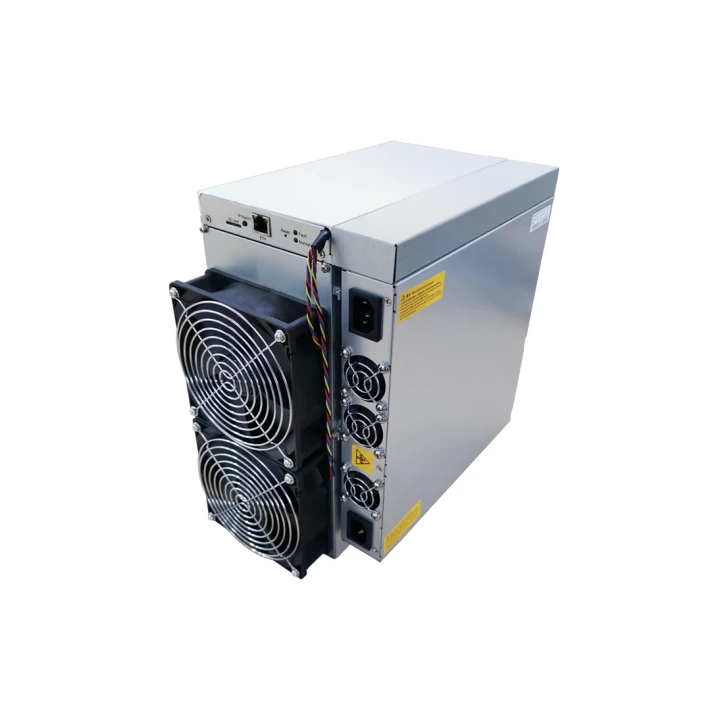 About 64TH/s
Antminer S17e
Approximately 2880 W / Please use the complete hashrate version and wall power consumption to convert
Same-algorithm Alternatives 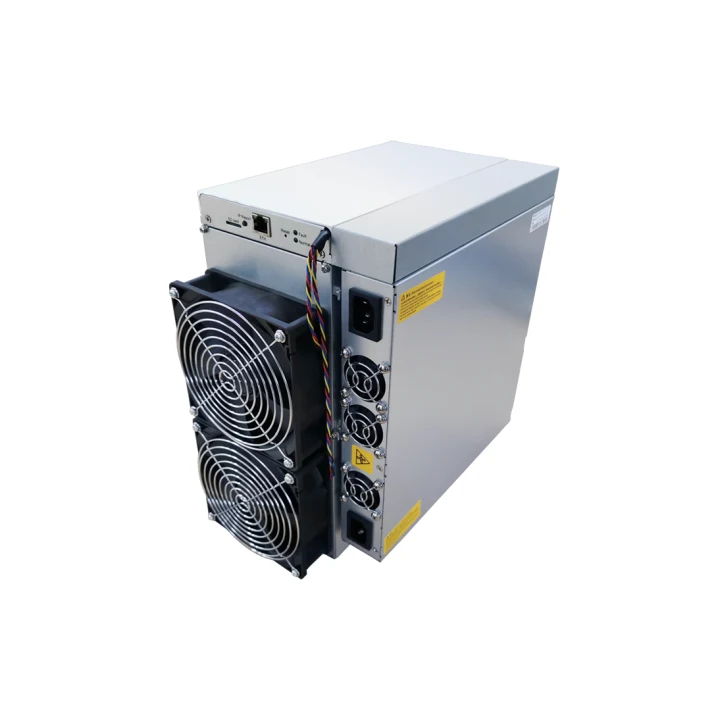 About 53TH/s
Antminer T17e
Approximately 2915 W / Please use the complete hashrate version and wall power consumption to convert
Same-algorithm Alternatives 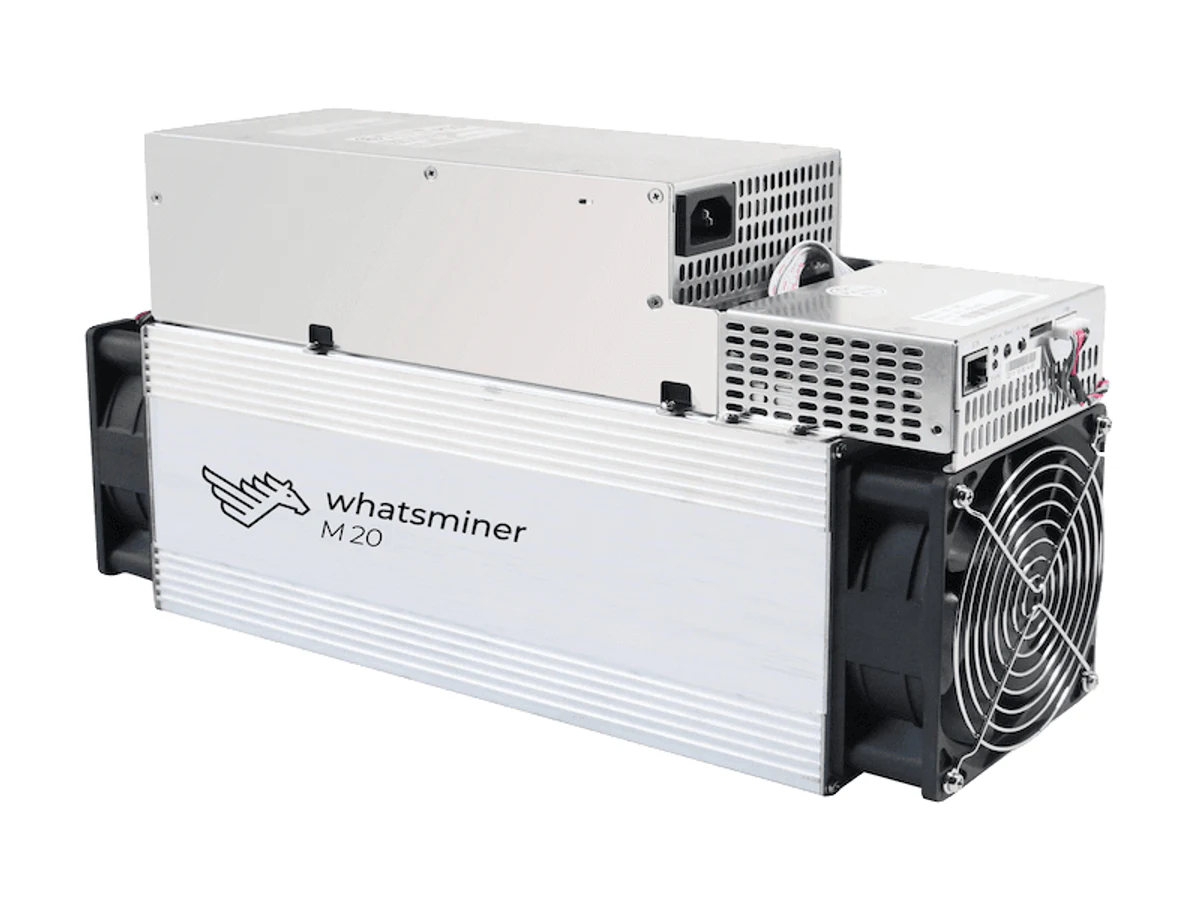 About 45 TH/s
WhatsMiner M20
About 2160 W / About 48 J/TH
Same-algorithm Alternatives 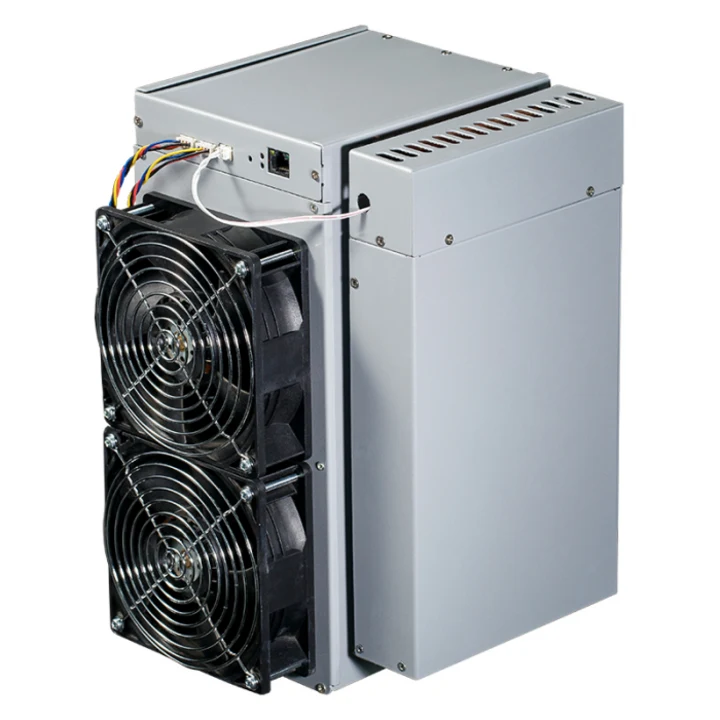 About 44TH/s
Ebang Ebit E12
About 2500 W / Please use the complete hashrate version and wall power consumption to convert
Same-algorithm Alternatives 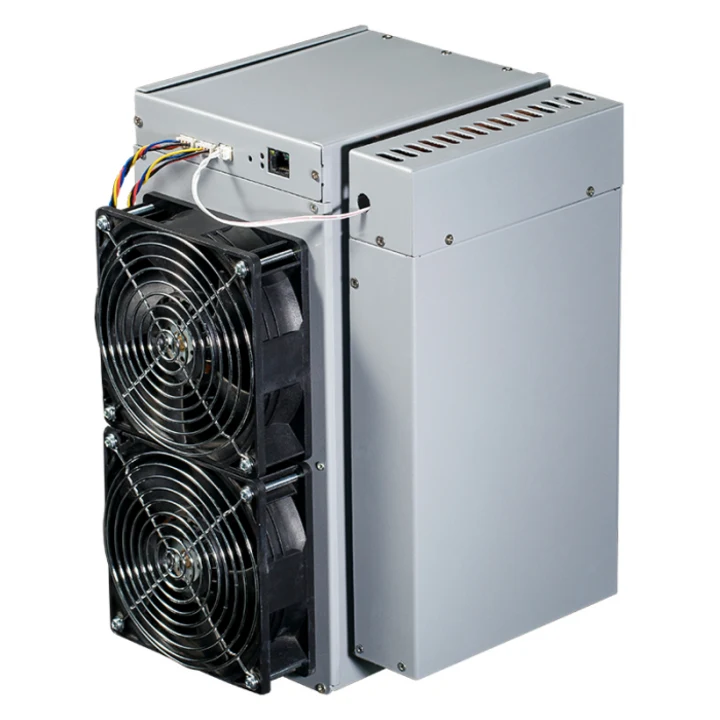 About 50TH/s
Ebang Ebit E12+
About 2500 W / Please use the complete hashrate version and wall power consumption to convert
Same-algorithm Alternatives 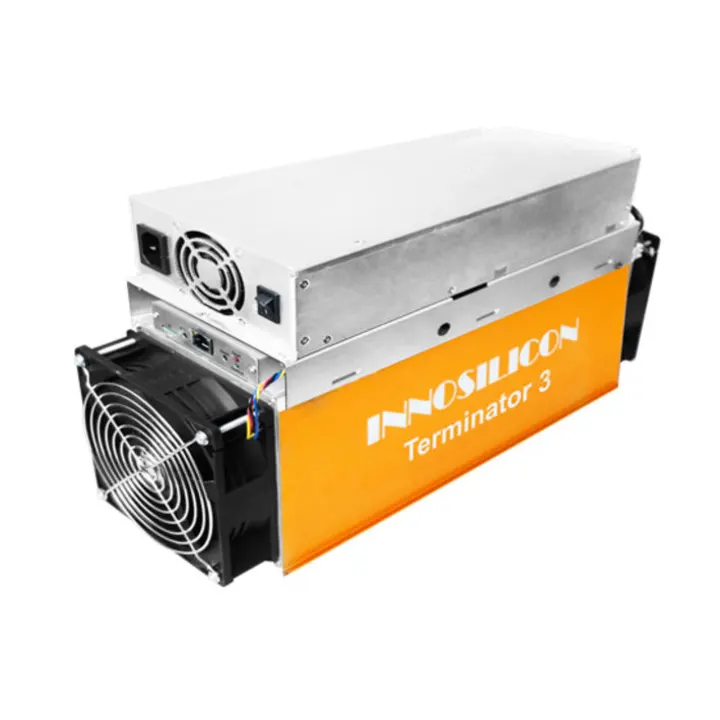 About 57TH/s
Innosilicon T3+ 57T
Approximately 3300 W / Please use the complete hashrate version and wall power consumption to convert
Same-algorithm Alternatives 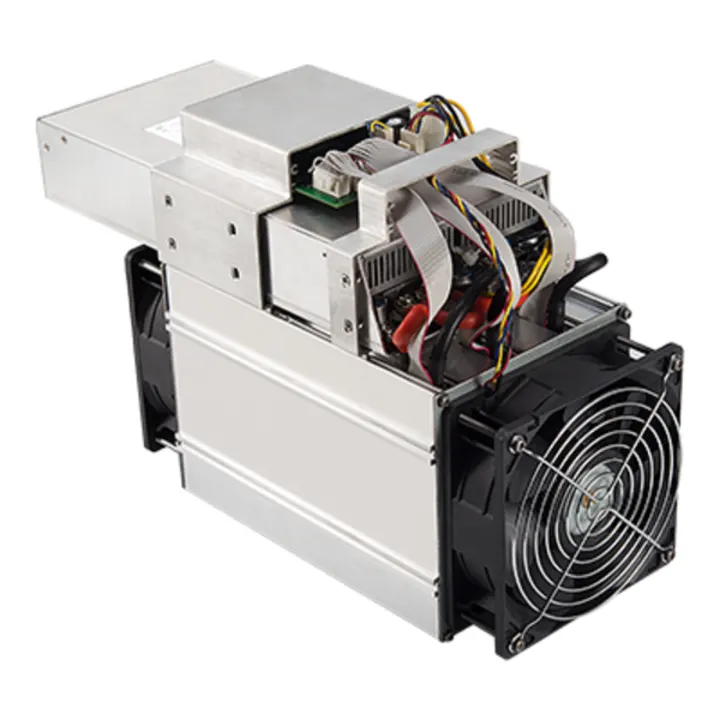 About 60TH/s
StrongU STU-U8 Pro
Approximately 2800 W / Please use the complete hashrate version and wall power consumption to convert
Same-algorithm Alternatives 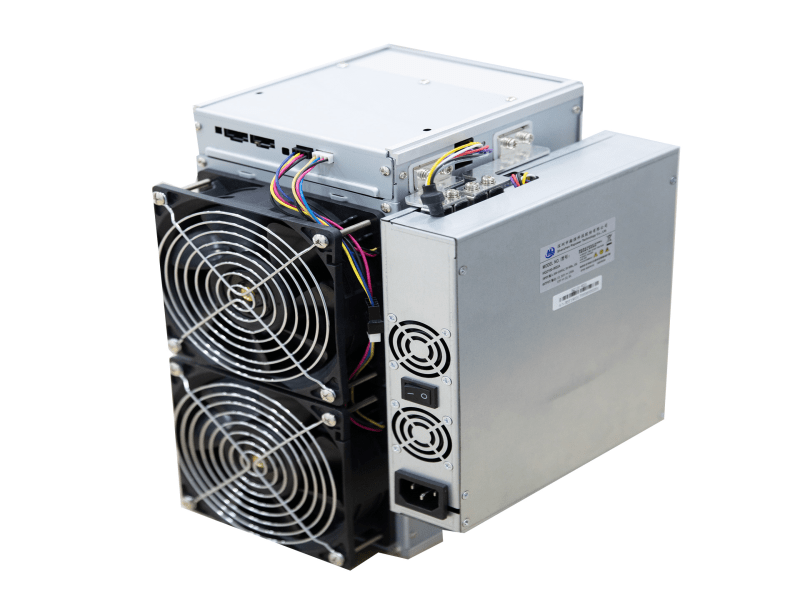 About 50 TH/s
AvalonMiner 1066
About 3250 W / About 65 J/TH
Same-algorithm Alternatives 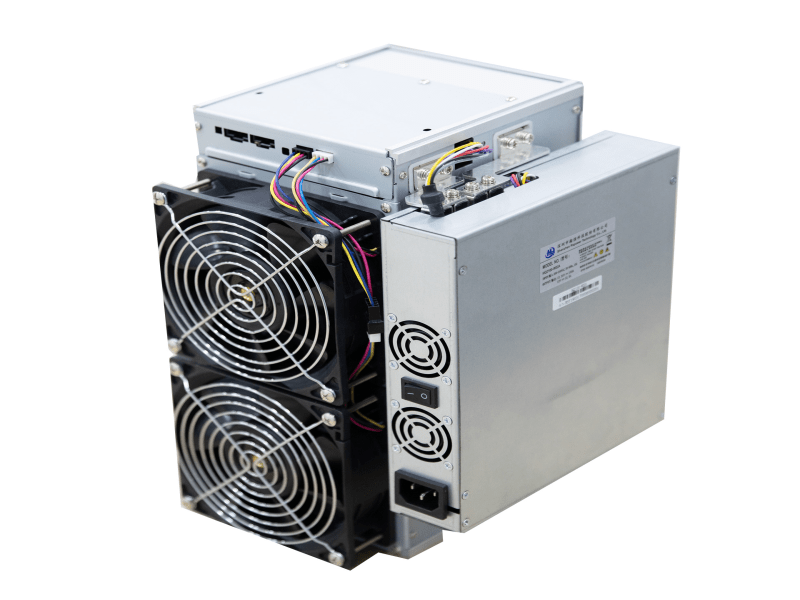 About 37 TH/s
AvalonMiner 1047
Approx. 2380 W / Approx. 64 J/TH
Same-algorithm Alternatives AvalonMiner 1066 Pro
Approx. 3250–3300 W / Approx. 60–65 J/TH
Same-algorithm Alternatives 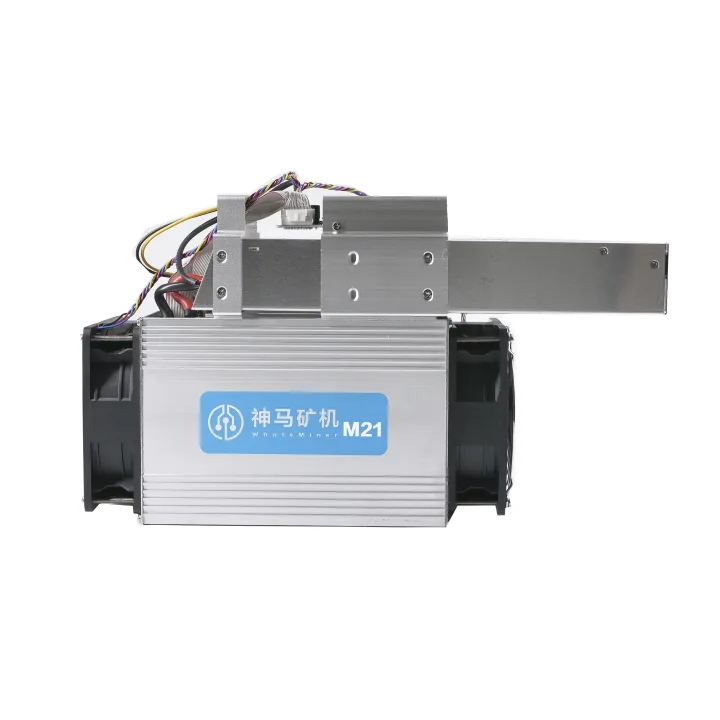 About 31TH/s
Whatsminer M21
Approximately 1860 W / Please use the complete hashrate version and wall power consumption to convert
Same-algorithm Alternatives 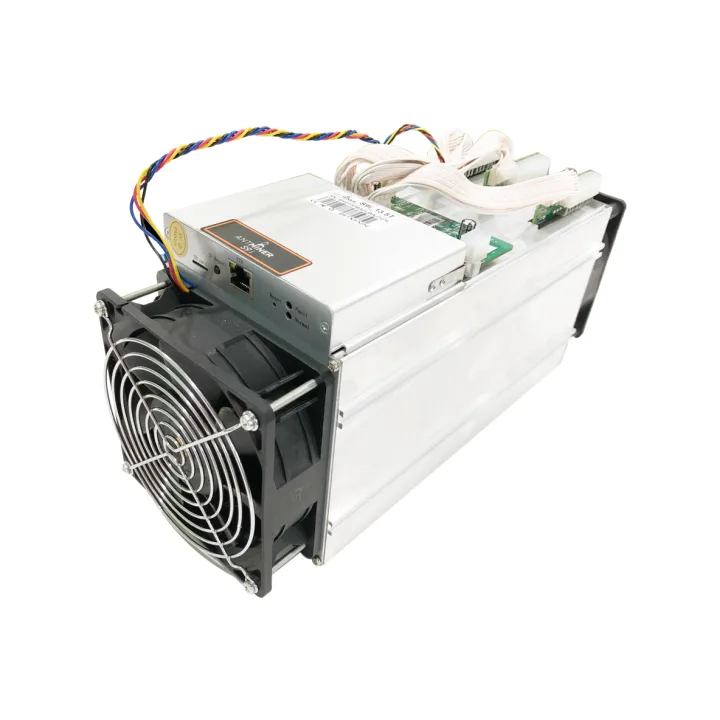 About 13.5TH/s
Antminer S9k
Approximately 1310 W / Please use the complete hashrate version and the wall power consumption to convert
Same-algorithm Alternatives 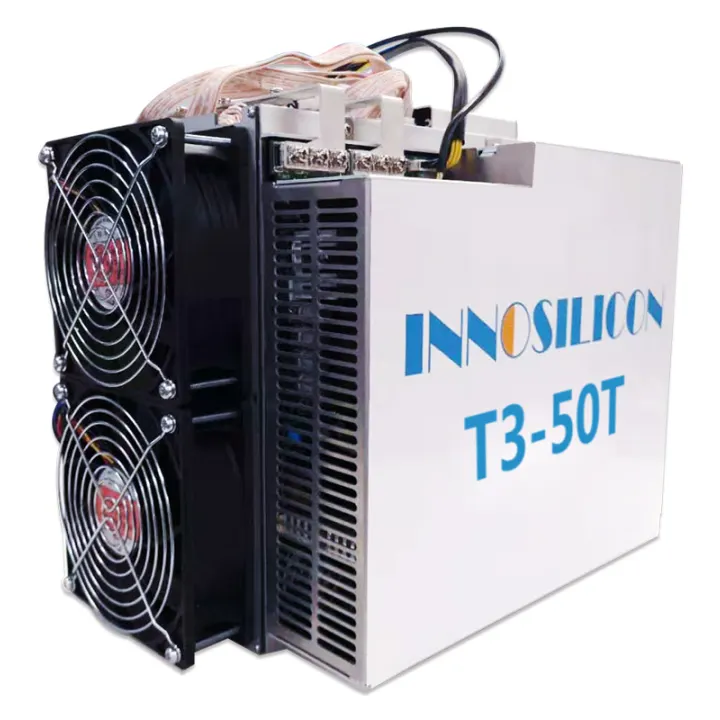 About 50TH/s
Innosilicon T3 50T
Approximately 3100 W / Please use the complete hashrate version and wall power consumption to convert
Same-algorithm Alternatives 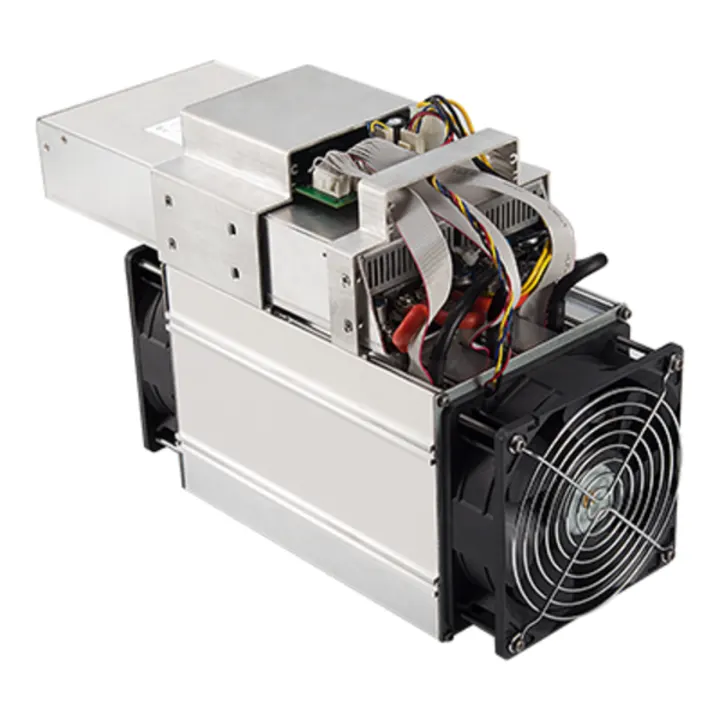 About 46TH/s
StrongU STU-U8
Approximately 2100 W / Please use the complete hashrate version and wall power consumption to convert
Same-algorithm Alternatives 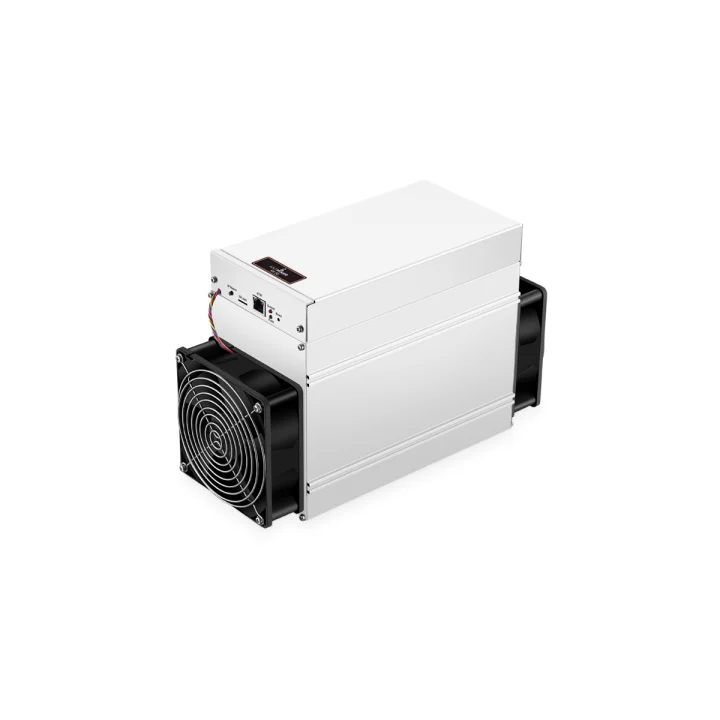 About 16TH/s
Antminer S9 SE
Approximately 1280 W / Please use the complete hashrate version and wall power consumption to convert
Same-algorithm Alternatives 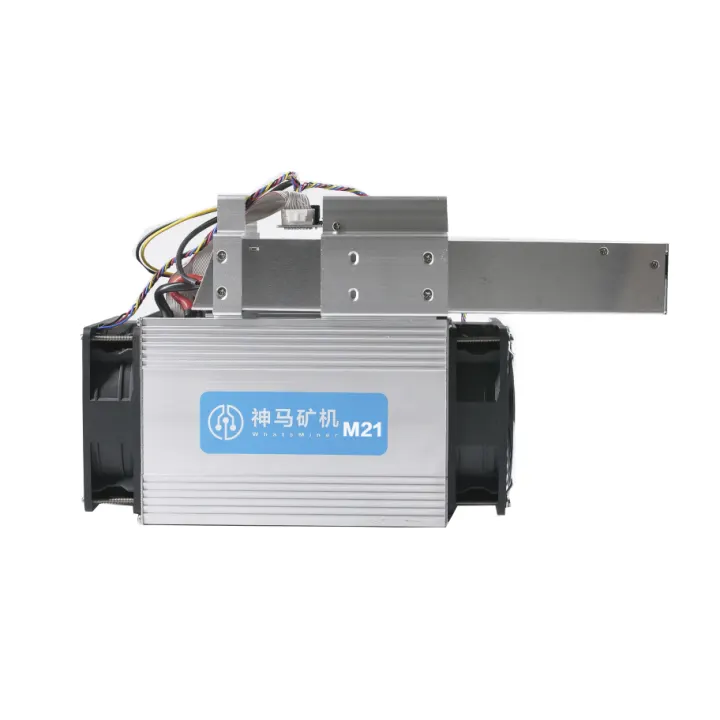 About 56TH/s
Whatsminer M21S
Approximately 3360 W / Please use the complete hashrate version and wall power consumption to convert
Same-algorithm Alternatives 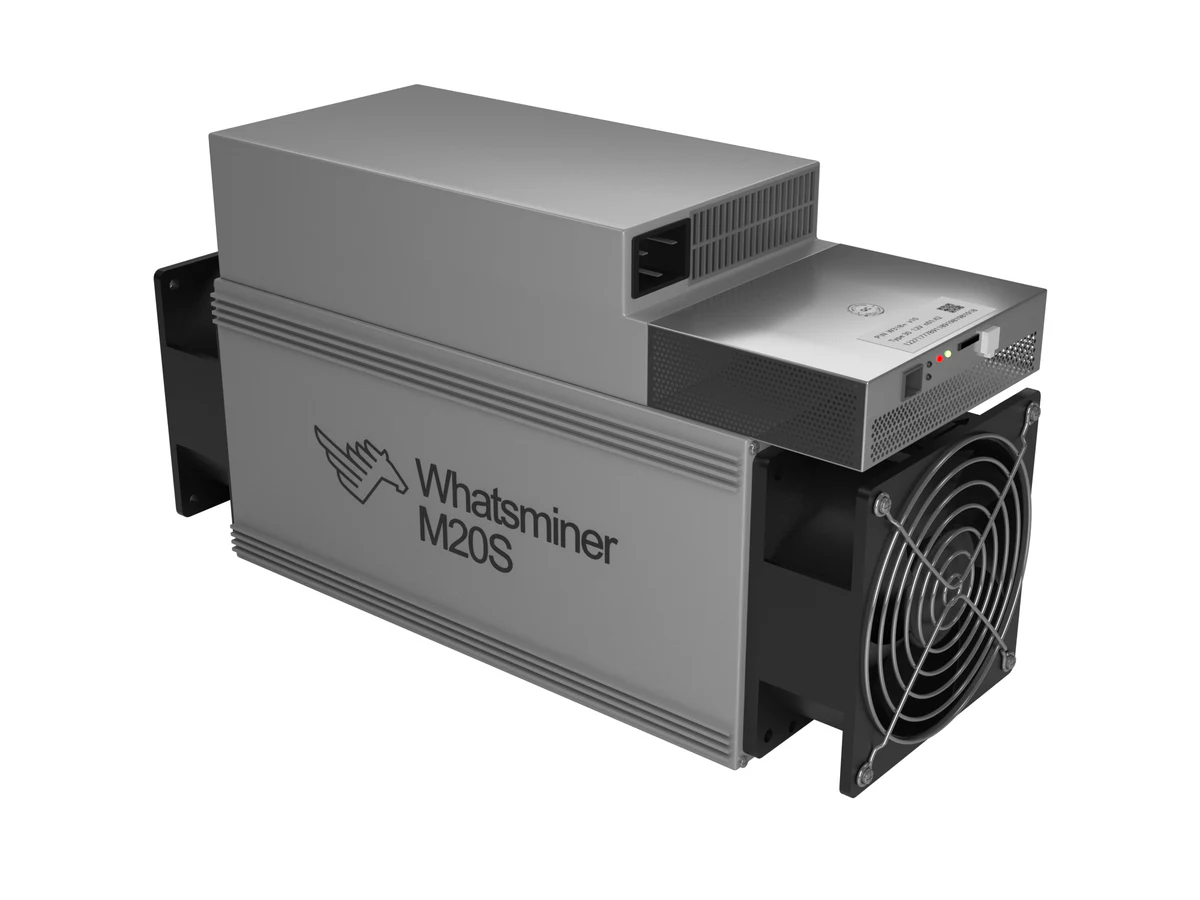 About 68 TH/s
WhatsMiner M20S
About 3360 W / About 49.5 J/TH
Same-algorithm Alternatives 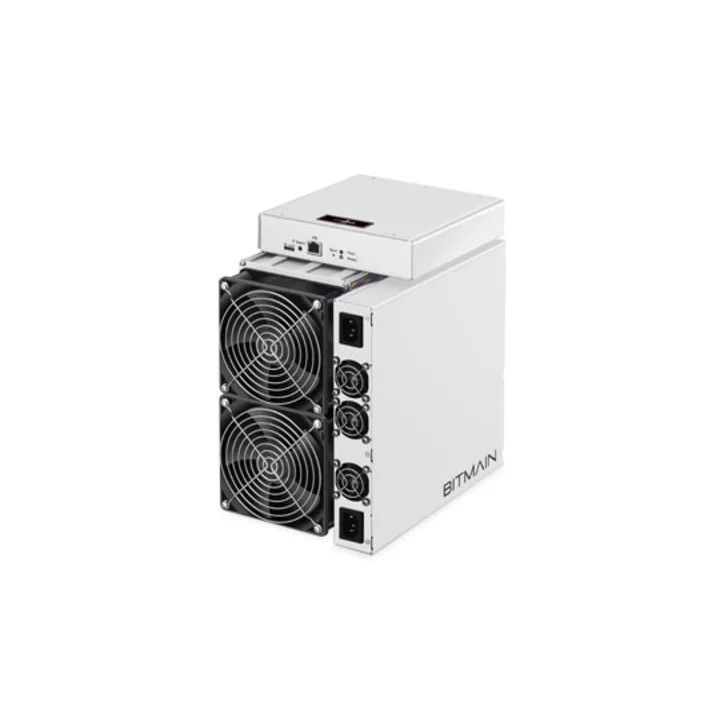 About 40TH/s
Antminer T17
Approximately 2200 W / Please use the complete hashrate version and wall power consumption to convert
Same-algorithm Alternatives 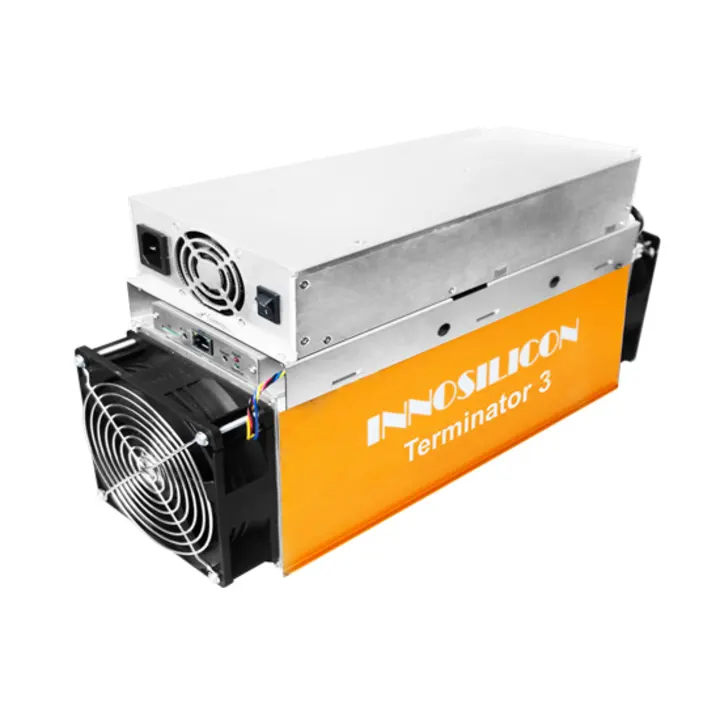 About 52TH/s
Innosilicon T3+ 52T
Approximately 2200 W / Please use the complete hashrate version and wall power consumption to convert
Same-algorithm Alternatives 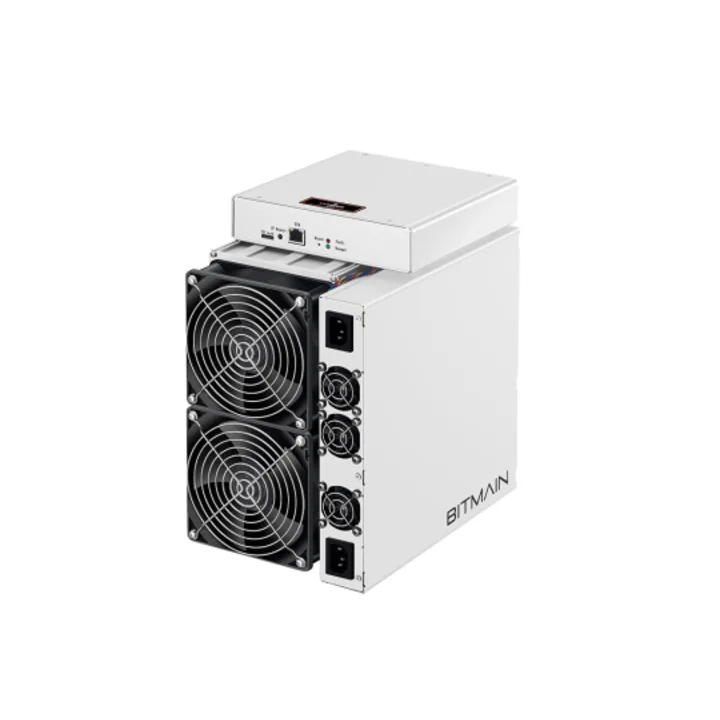 About 50TH/s to 53TH/s
Antminer S17 Pro
Approximately 1975 to 2094 W / Please use the complete hashrate version and wall power consumption to convert
Same-algorithm Alternatives 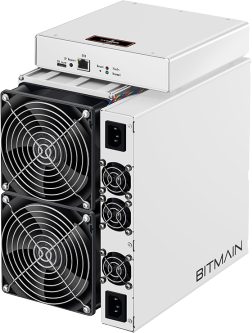 About 56 TH/s
Antminer S17
About 2520 W / About 45 J/TH
Same-algorithm Alternatives 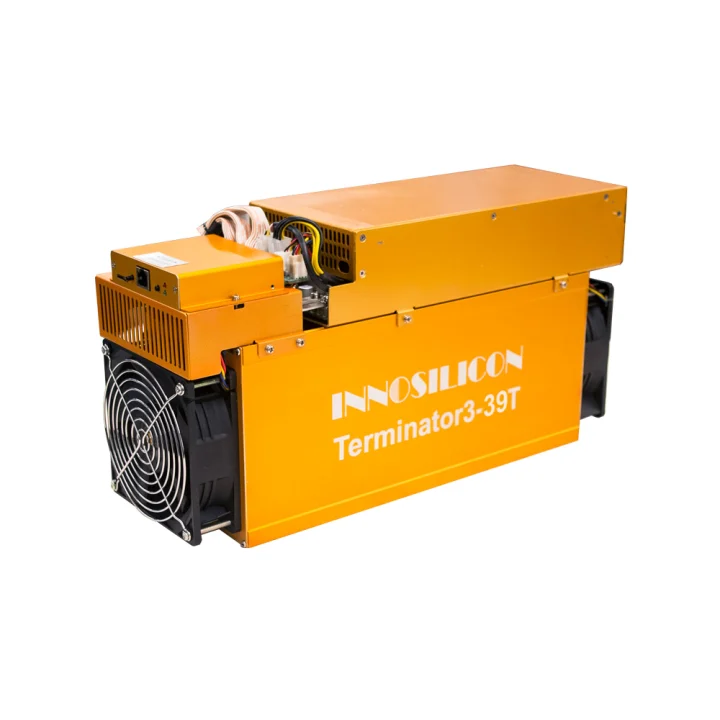 About 39TH/s
Innosilicon T3 39T
Approximately 2150 W / Please use the complete hashrate version and wall power consumption to convert
Same-algorithm Alternatives 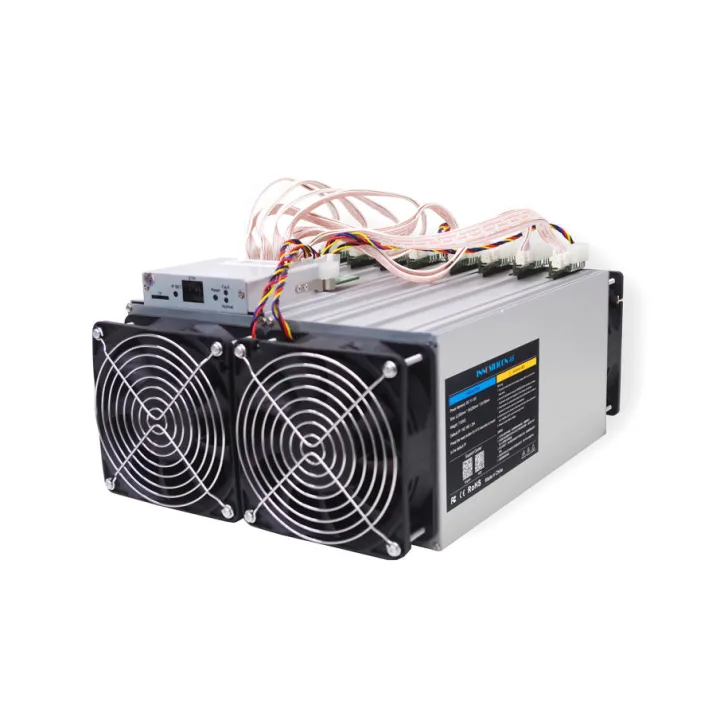 About 2.2GH/s
Innosilicon A6+ LTCMaster
Approximately 2100 W / Please use the complete hashrate version and wall power consumption to convert
Same-algorithm Alternatives 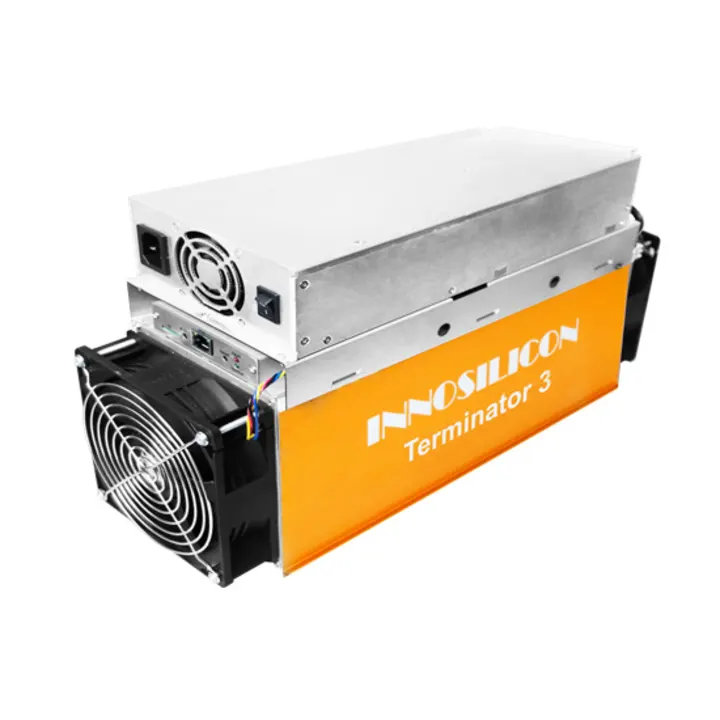 About 43TH/s
Innosilicon T3 43T
Approximately 2100 W / Please use the complete hashrate version and wall power consumption to convert
Same-algorithm Alternatives 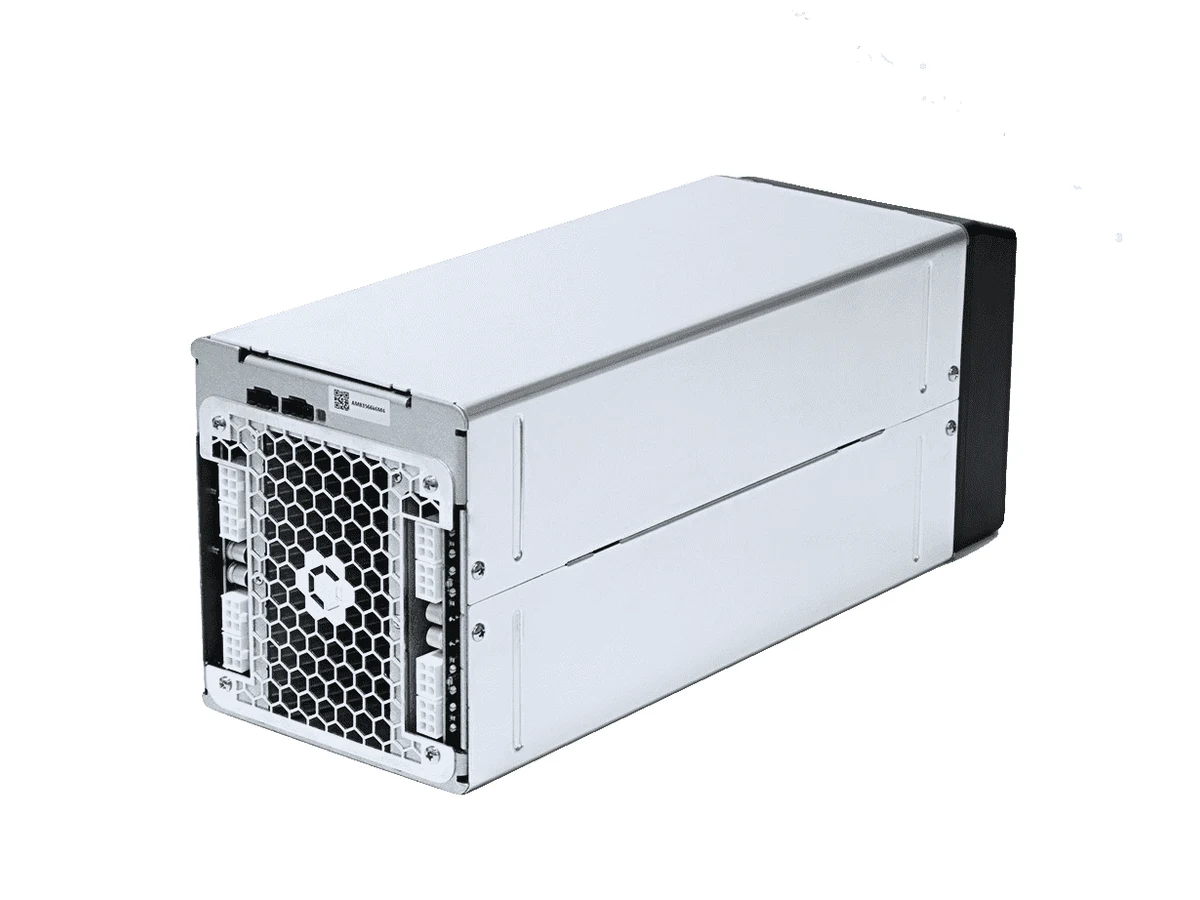 About 18–19.5 TH/s
AvalonMiner 911
Approx. 1440–1800 W / Approx. 80–92 J/TH
Same-algorithm Alternatives 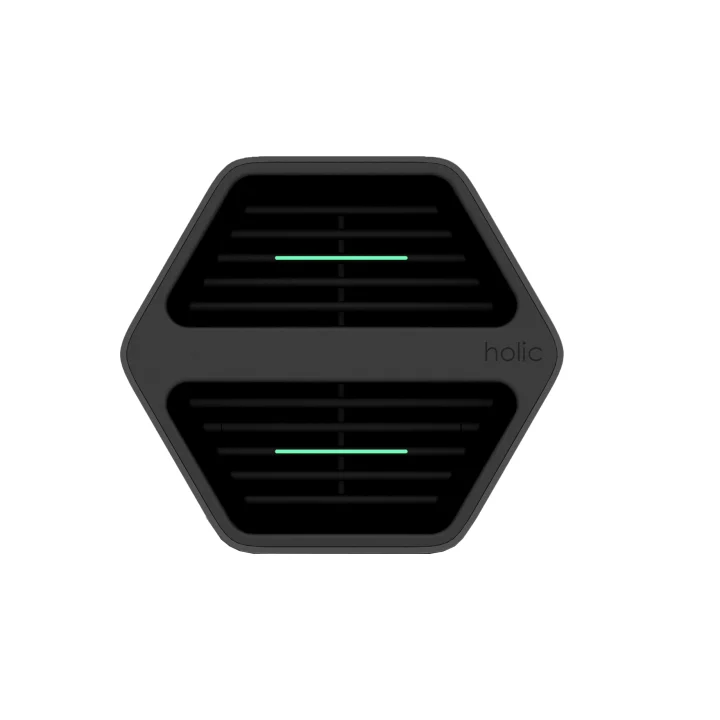 About 22TH/s
Holic H22
Approximately 1600 W / Please use the complete hashrate version and wall power consumption to convert
Same-algorithm Alternatives 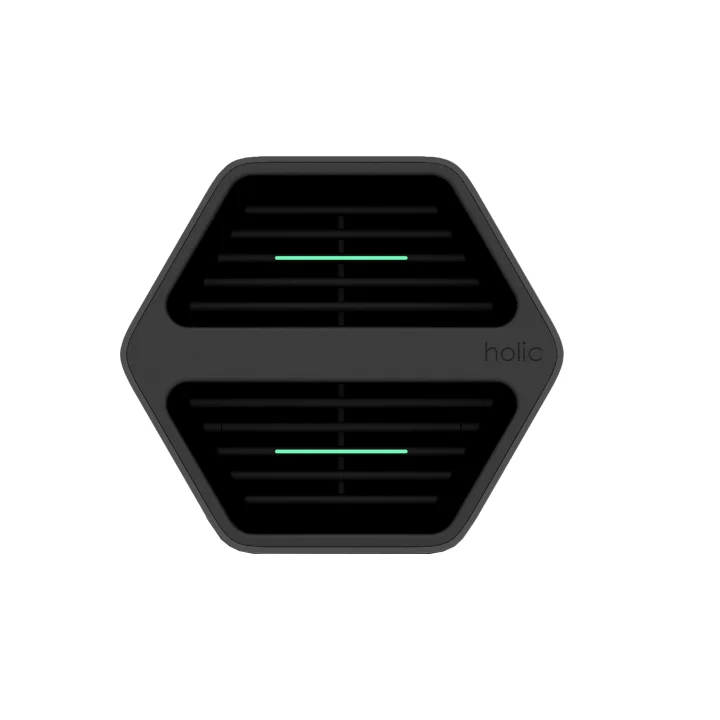 About 28TH/s
Holic H28
Approximately 2100 W / Please use the complete hashrate version and wall power consumption to convert
Same-algorithm Alternatives 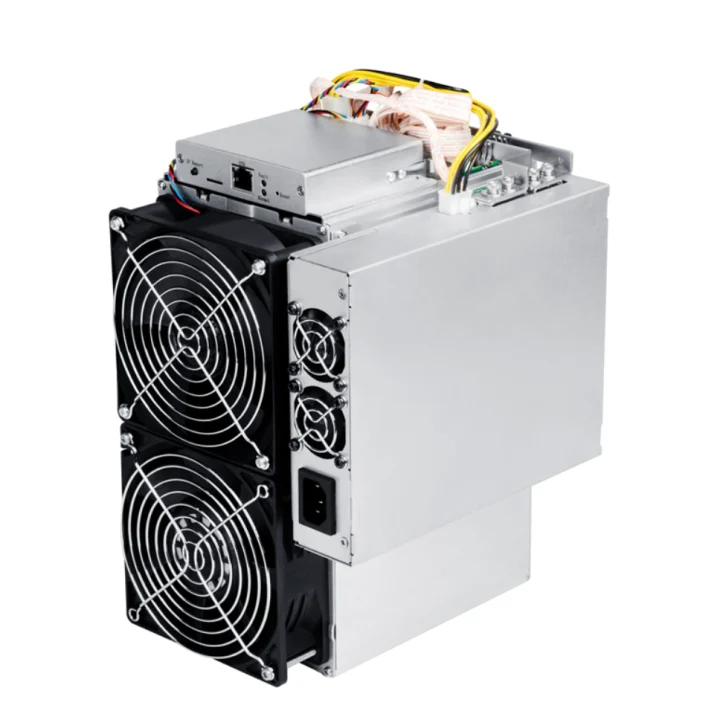 About 28TH/s
Antminer S15
Approximately 1596 W / Please use the complete hashrate version and the wall power consumption to convert
Same-algorithm Alternatives  About 23TH/s
Antminer T15
Approximately 1541 W / Please use the complete hashrate version and wall power consumption to convert
Same-algorithm Alternatives 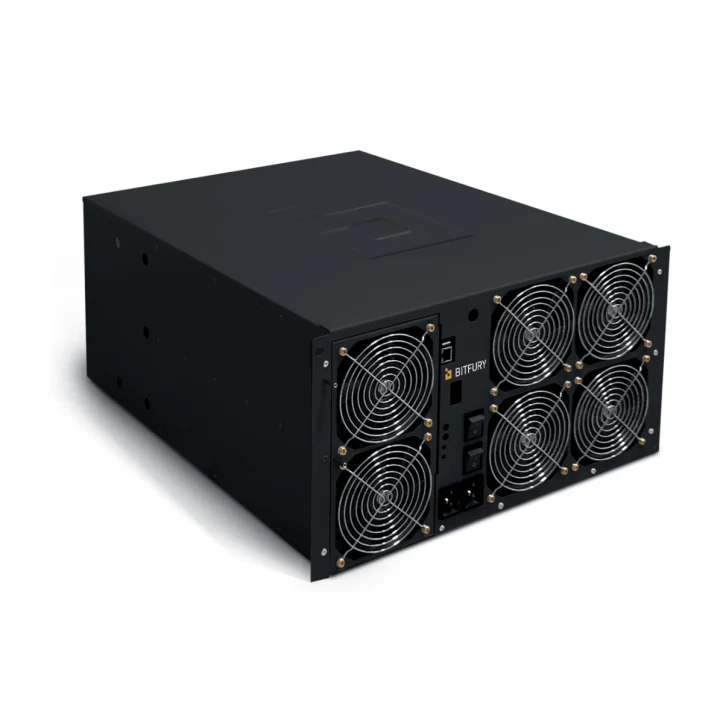 About 80TH/s

Bitfury Tardis
Approximately 6300 W / Please use the complete hashrate version and wall power consumption to convert
Same-algorithm Alternatives 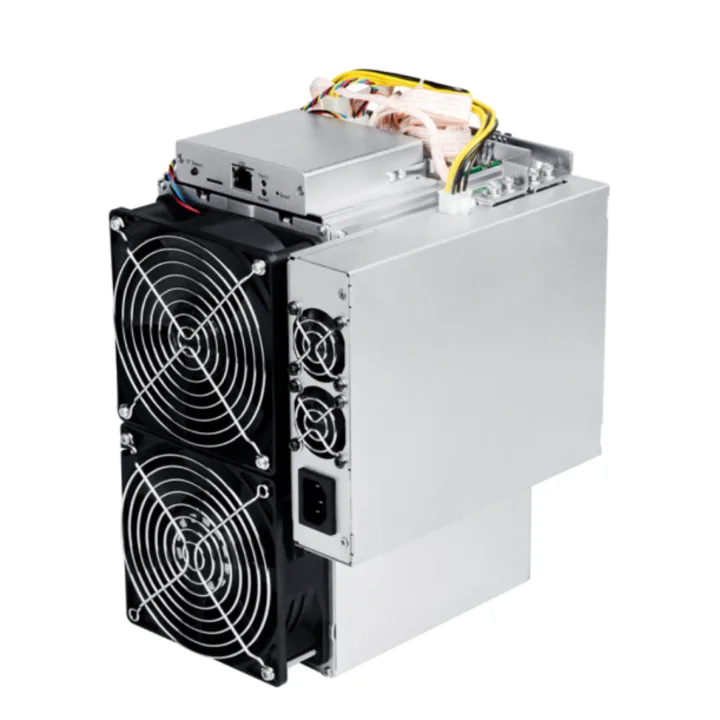 About 20.5TH/s
Antminer S11
Approximately 1530 W / Please use the complete hashrate version and the wall power consumption to convert
Same-algorithm Alternatives 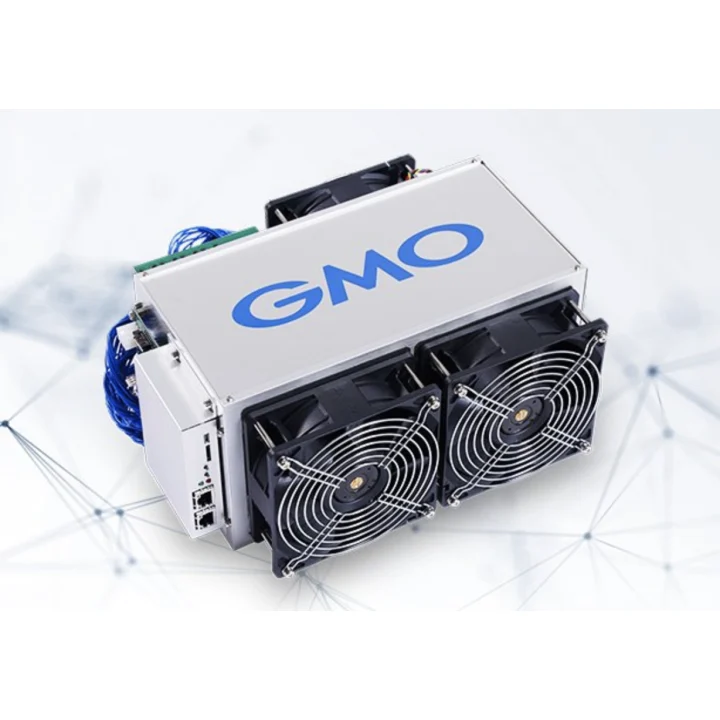 About 33TH/s

GMO Miner B3
Approximately 3417 W / Please use the complete hashrate version and the wall power consumption to convert
Same-algorithm Alternatives 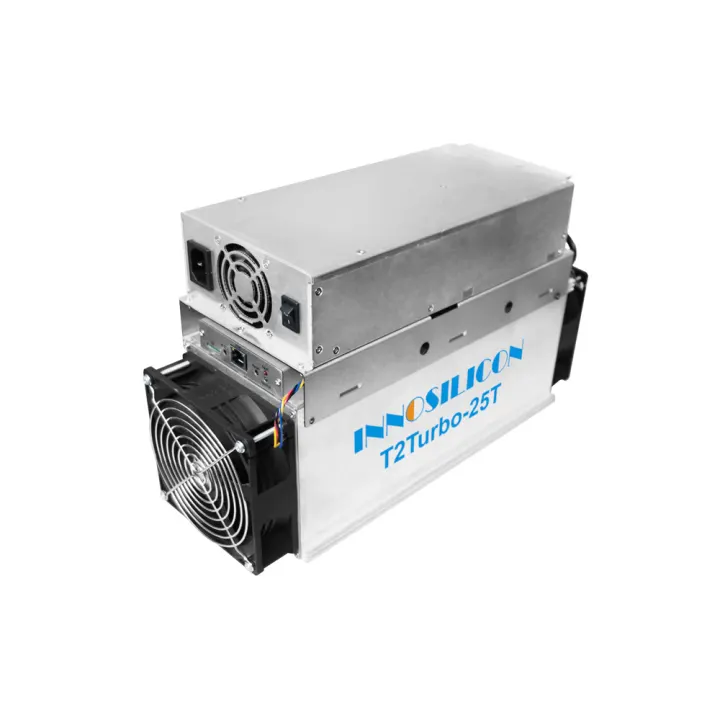 About 25TH/s
Innosilicon T2 Turbo 25T
Approximately 2050 W / Please use the complete hashrate version and wall power consumption to convert
Same-algorithm Alternatives 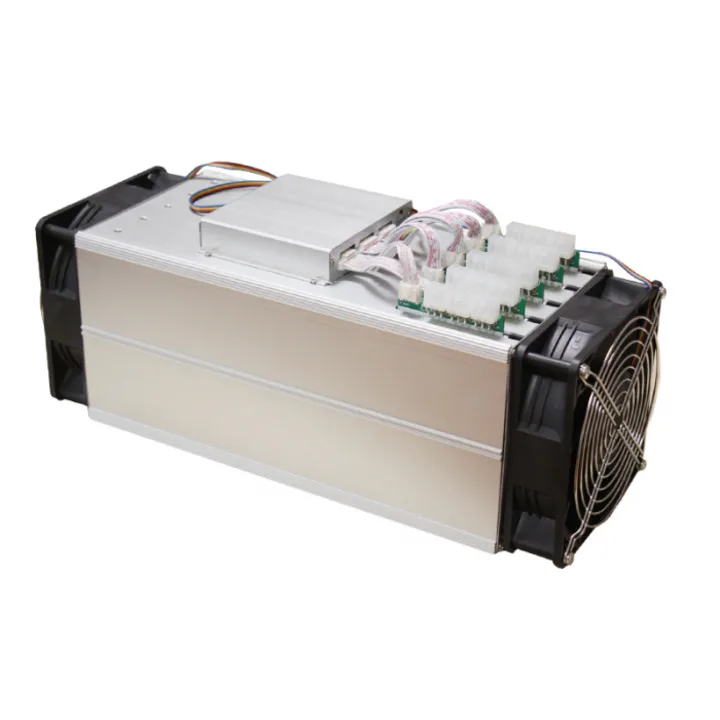 About 30TH/s
Ebang Ebit E11
Approximately 1950 W / Please use the complete hashrate version and wall power consumption to convert
Same-algorithm Alternatives 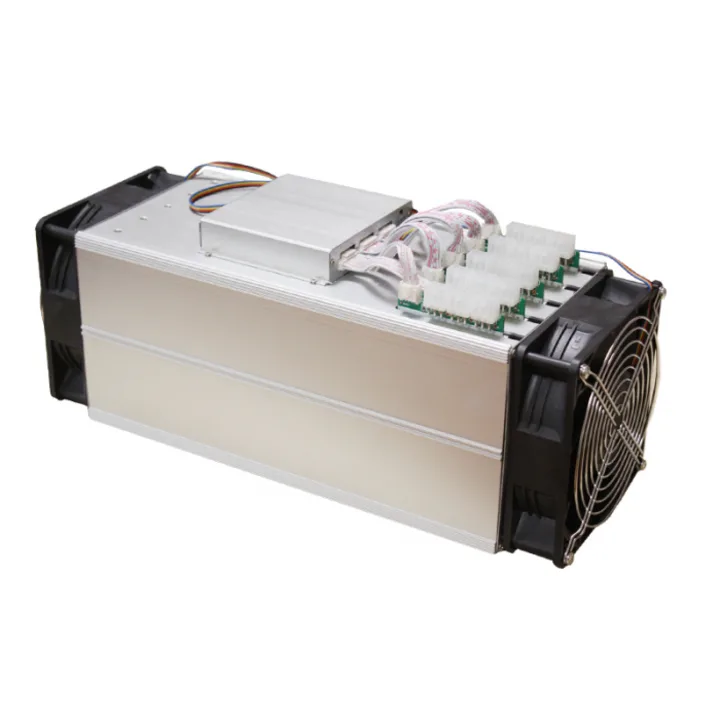 About 37TH/s
Ebang Ebit E11+
Approximately 2035 W / Please use the complete hashrate version and the wall power consumption to convert
Same-algorithm Alternatives 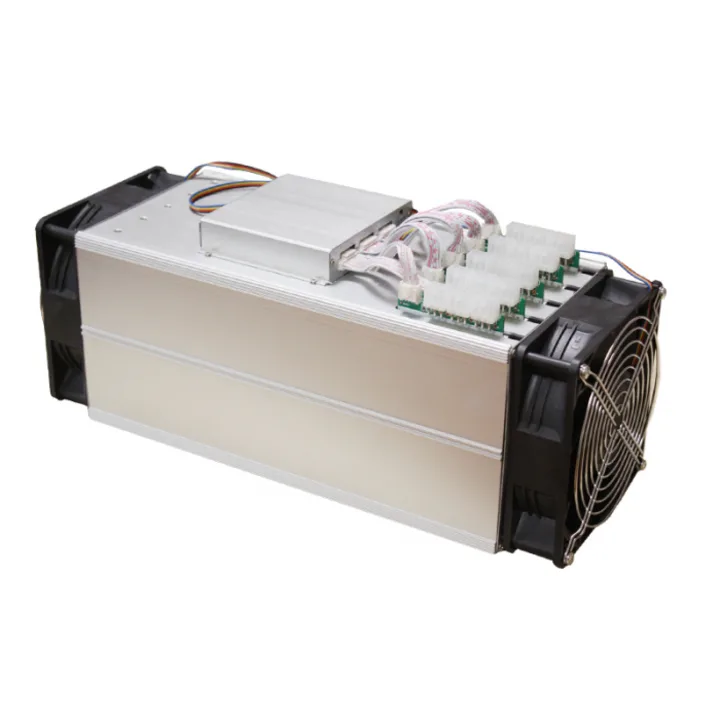 About 44TH/s
Ebang Ebit E11++
Approximately 1980 W / Please use the complete hashrate version and the wall power consumption to convert
Same-algorithm Alternatives 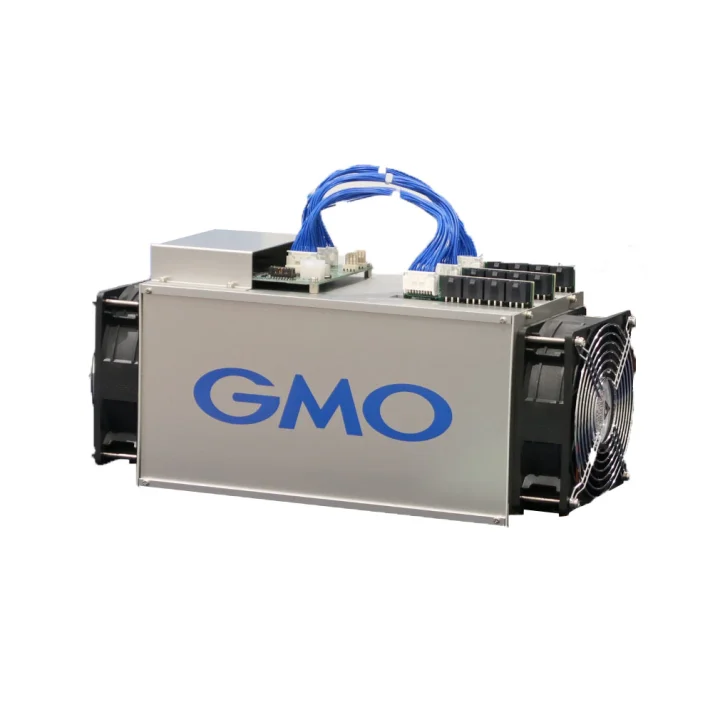 About 24TH/s
GMO Miner B2
Approximately 1950 W / Please use the complete hashrate version and wall power consumption to convert
Same-algorithm Alternatives 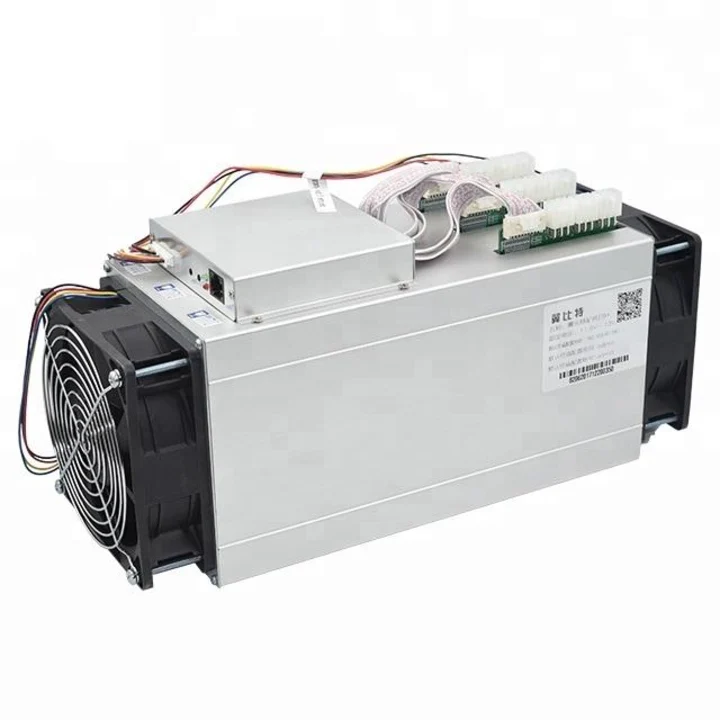 About 6.3TH/s
Ebang Ebit E9
Approximately 1077 W / Please use the complete hashrate version and wall power consumption to convert
Same-algorithm Alternatives 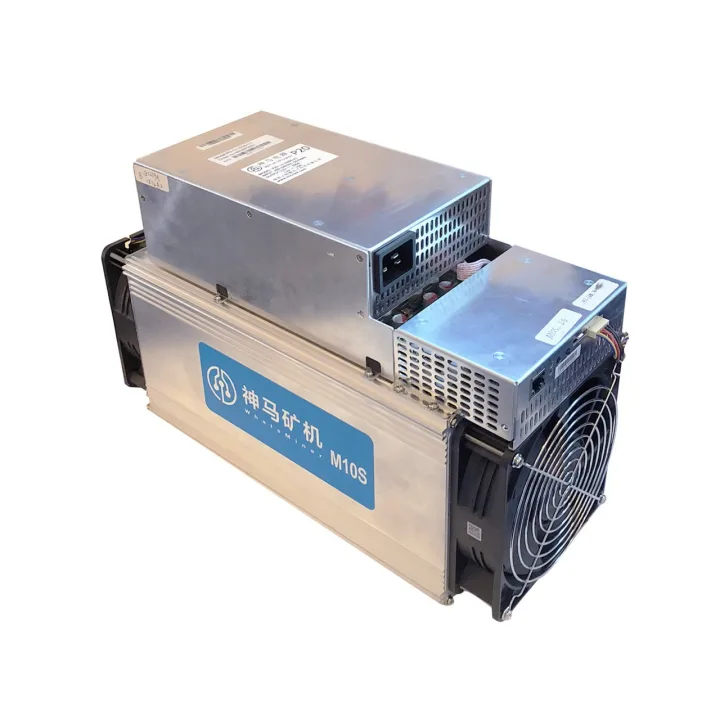 About 55TH/s
Whatsminer M10S
About 3500 W / Please use the full hashrate version and the wall power consumption to convert
Same-algorithm Alternatives 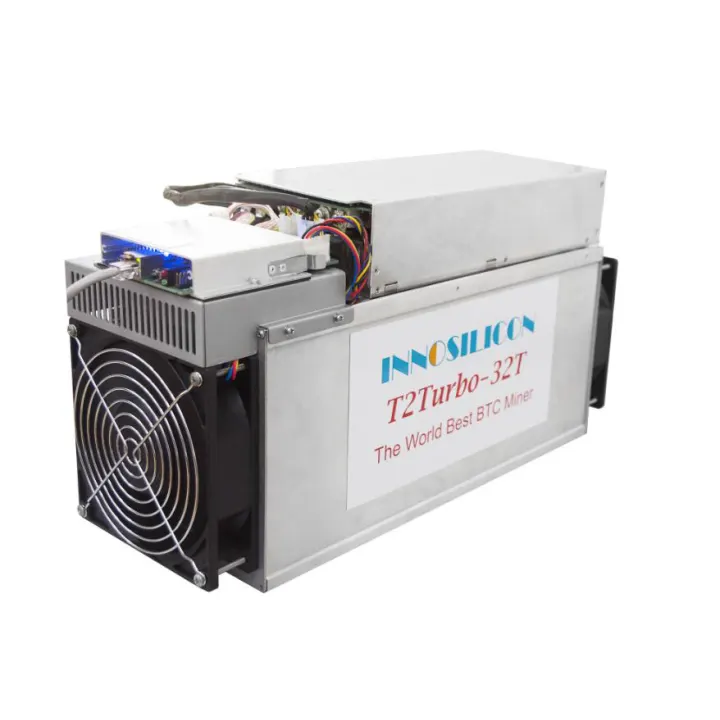 About 32TH/s
Innosilicon T2 Turbo+ 32T
Approximately 2200 W / Please use the complete hashrate version and wall power consumption to convert
Same-algorithm Alternatives 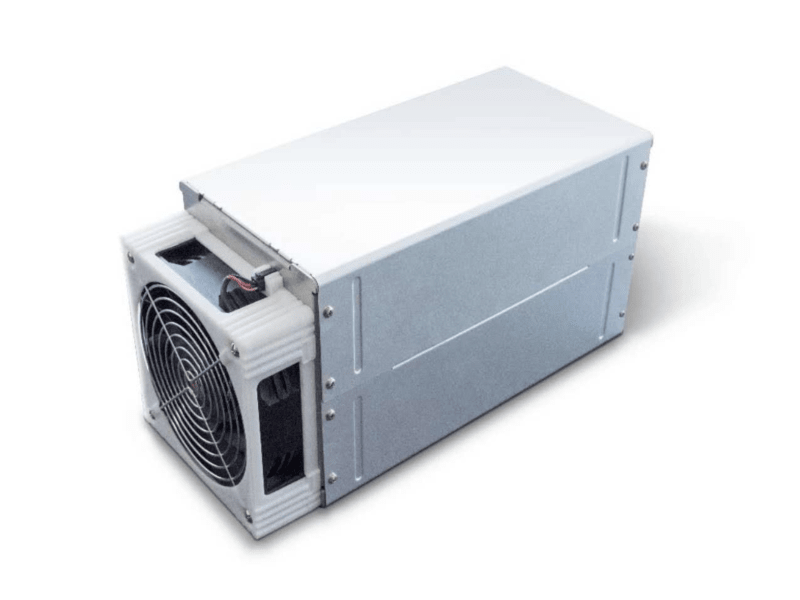 About 20 TH/s
AvalonMiner 921
About 1700 W / About 85 J/TH
Same-algorithm Alternatives 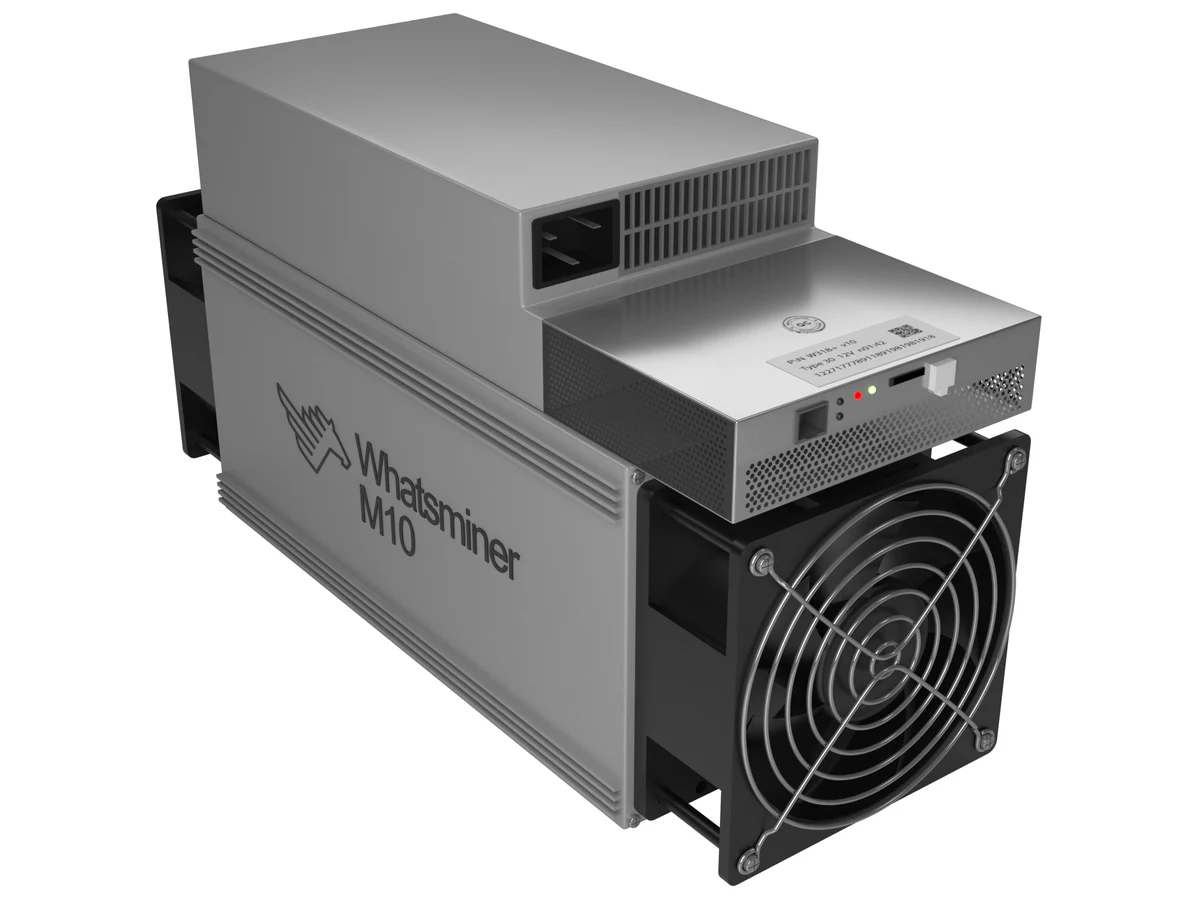 30–33.5 TH/s
WhatsMiner M10
2000–2300 W / approximately 65 J/TH
Same-algorithm Alternatives 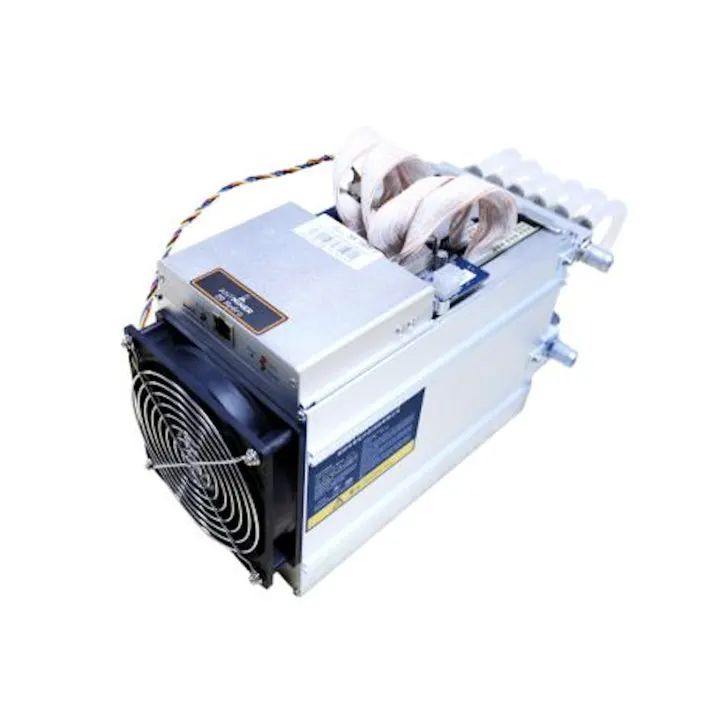 About 18TH/s
Antminer S9 Hydro
Approximately 1728 W / Please use the complete hashrate version and the wall power consumption to convert
Same-algorithm Alternatives 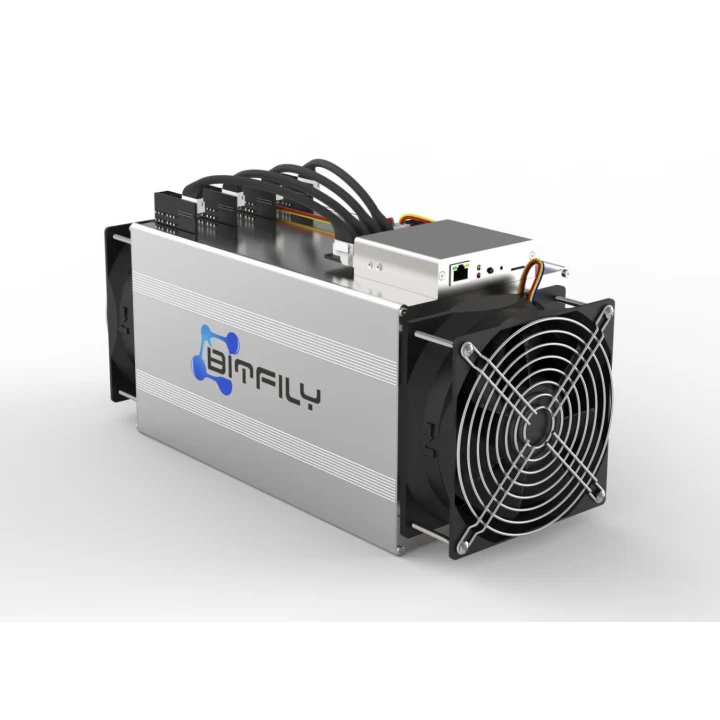 About 24.5TH/s

Bitfily Snow Panther B1+
Approximately 2100 W / Please use the complete hashrate version and wall power consumption to convert
Same-algorithm Alternatives 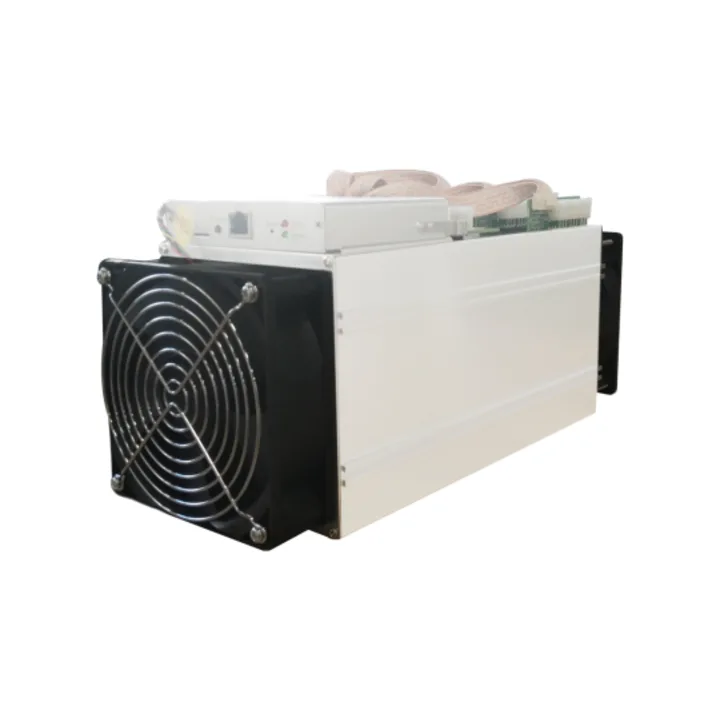 About 14.5TH/s
Antminer S9j
Approximately 1350 W / Please use the complete hashrate version and wall power consumption to convert
Same-algorithm Alternatives 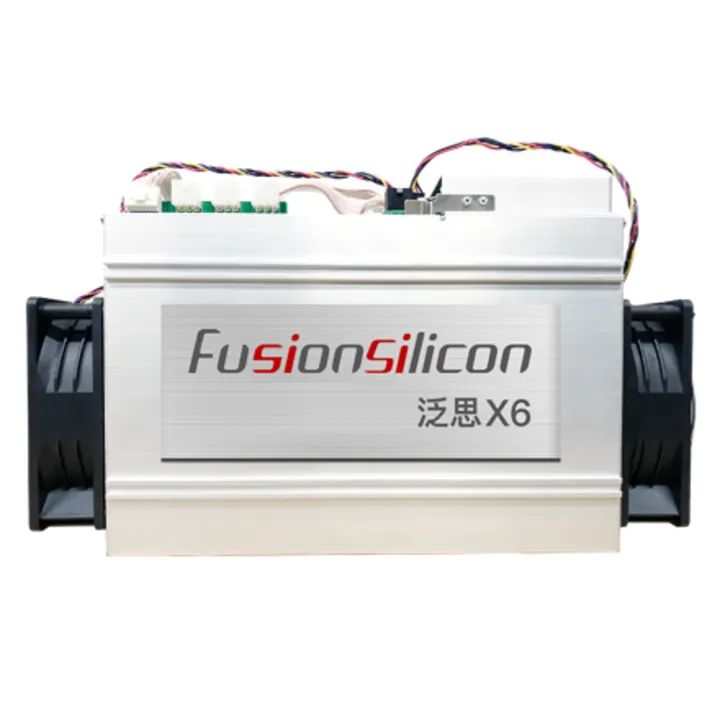 About 860MH/s

FusionSilicon X6 Miner
Approximately 1079 W / Please use the complete hashrate version and the wall power consumption to convert
Same-algorithm Alternatives 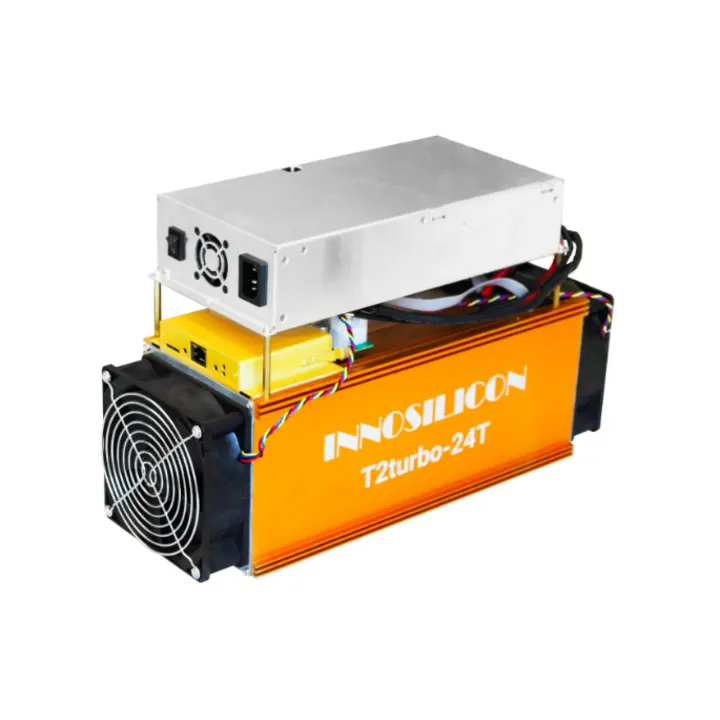 About 24TH/s
Innosilicon T2 Turbo
Approximately 1980 W / Please use the complete hashrate version and the wall power consumption to convert
Same-algorithm Alternatives 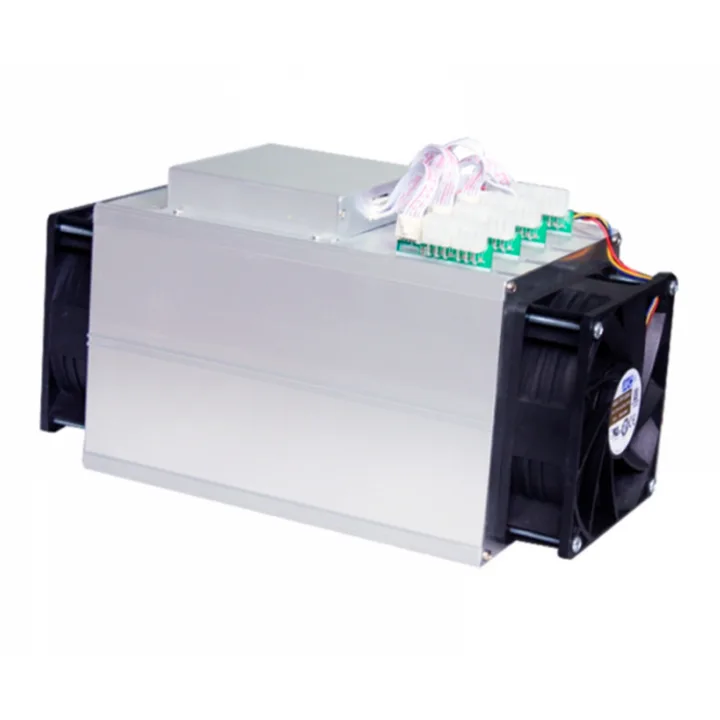 About 13.5TH/s
Ebang Ebit E9i
Approximately 1420 W / Please use the complete hashrate version and wall power consumption to convert
Same-algorithm Alternatives 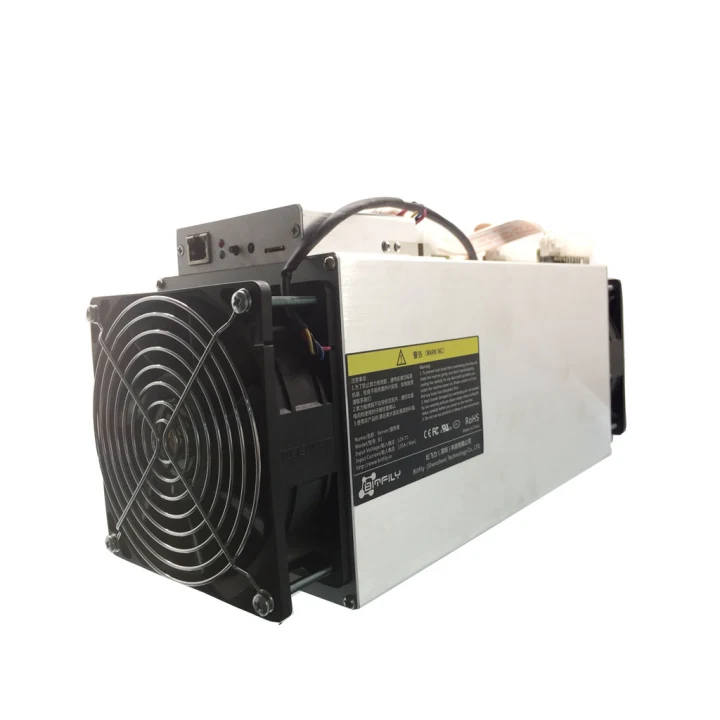 About 16TH/s
Bitfily Snow Panther B1
Approximately 1380 W / Please use the complete hashrate version and the wall power consumption to convert
Same-algorithm Alternatives 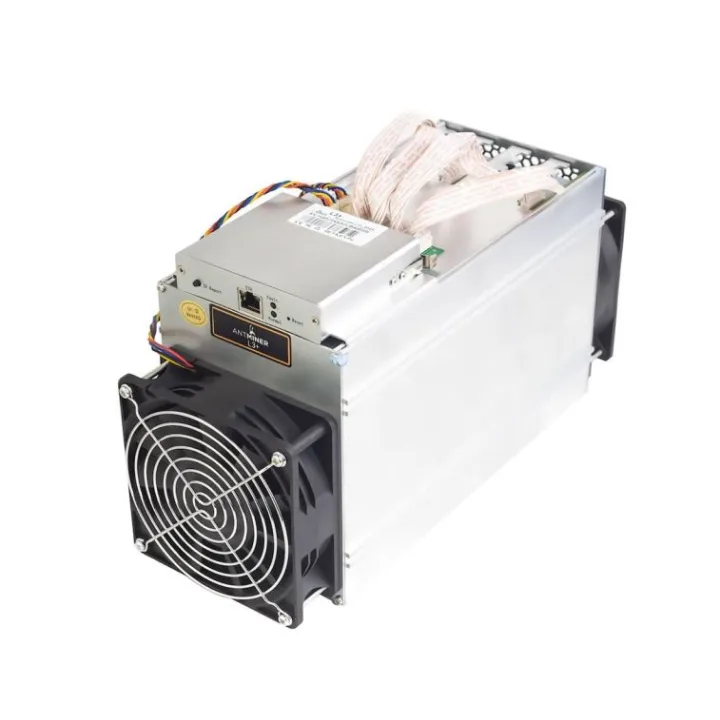 About 580MH/s to 596MH/s
Antminer L3++
Approximately 942 to 1050 W / Please use the complete hashrate version and wall power consumption to convert
Same-algorithm Alternatives 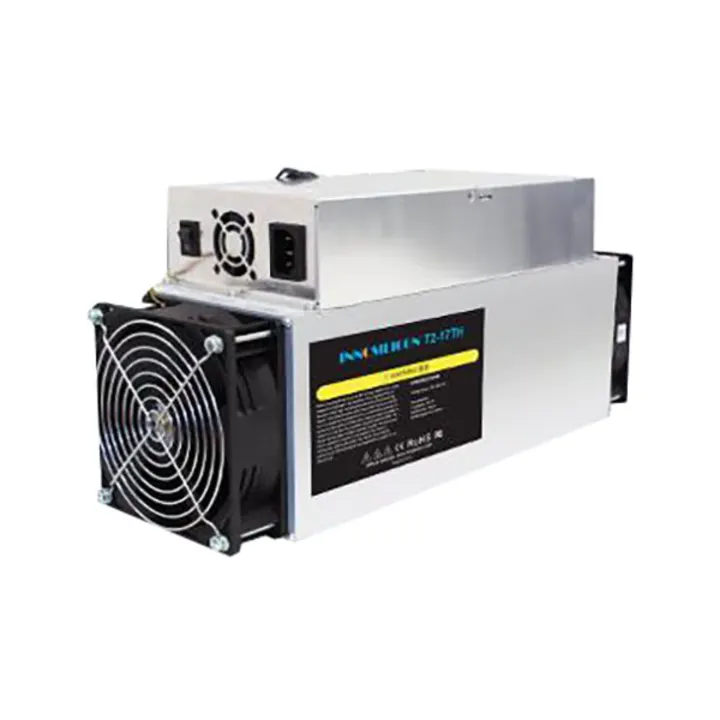 About 17.2TH/s
Innosilicon T2 Terminator
Approximately 1570 W / Please use the complete hashrate version and wall power consumption to convert
Same-algorithm Alternatives 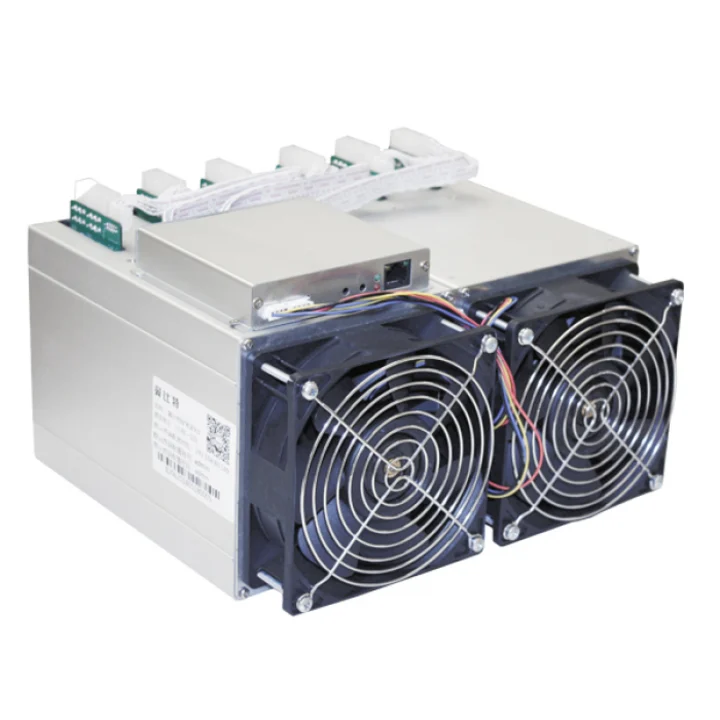 About 16TH/s
Ebang Ebit E9.3
Approximately 1760 W / Please use the complete hashrate version and wall power consumption to convert
Same-algorithm Alternatives 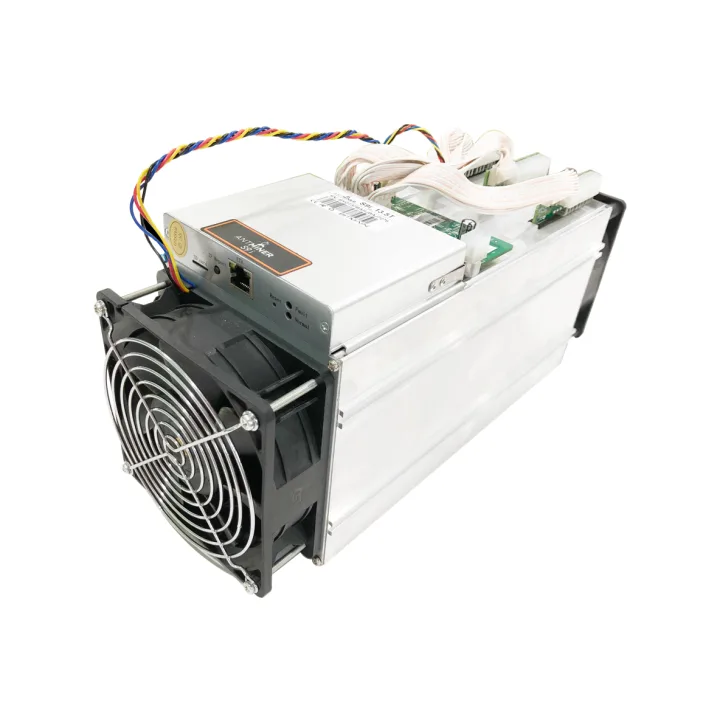 About 13TH/s to 14TH/s
Antminer S9i
Approximately 1290 to 1320 W / Please use the complete hashrate version and wall power consumption to convert
Same-algorithm Alternatives 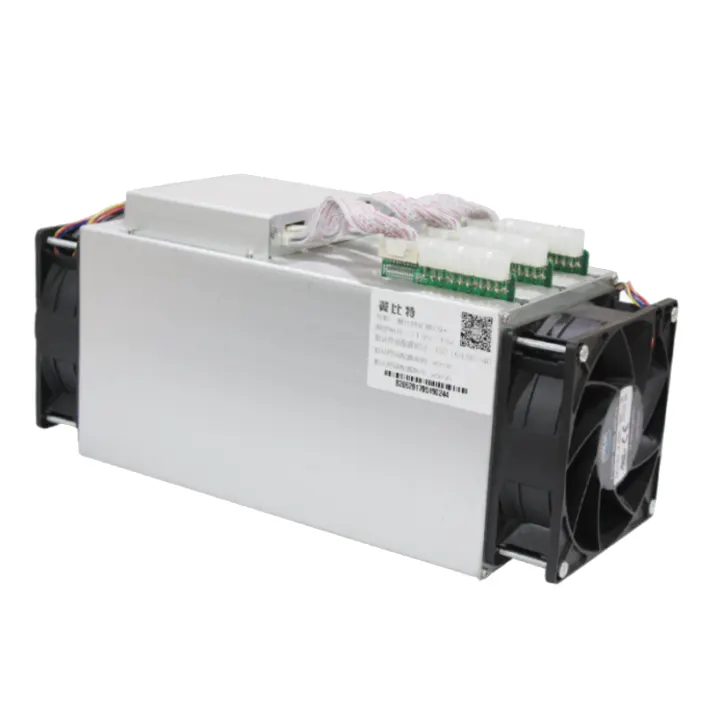 About 12TH/s
Ebang Ebit E9.2
Approximately 1320 W / Please use the complete hashrate version and the wall power consumption to convert
Same-algorithm Alternatives 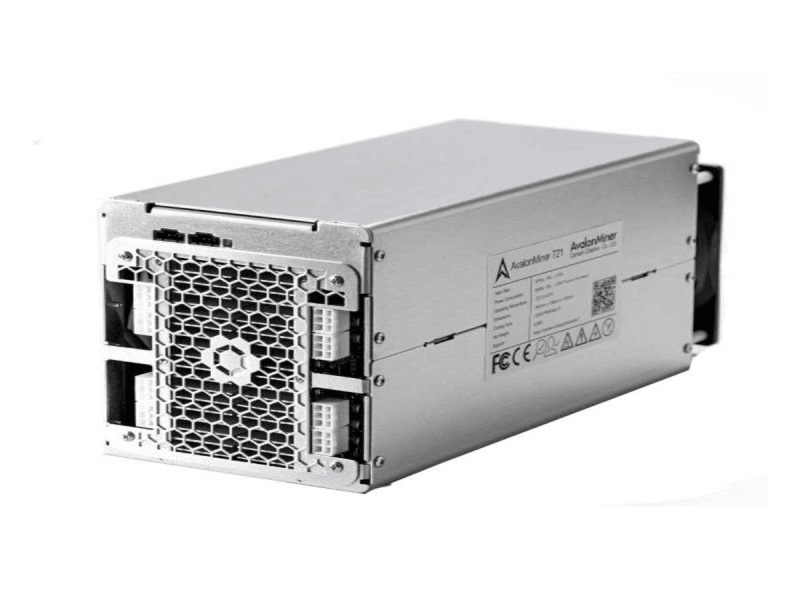 About 13.6 TH/s
AvalonMiner 841
About 1290 W / About 95 J/TH
Same-algorithm Alternatives 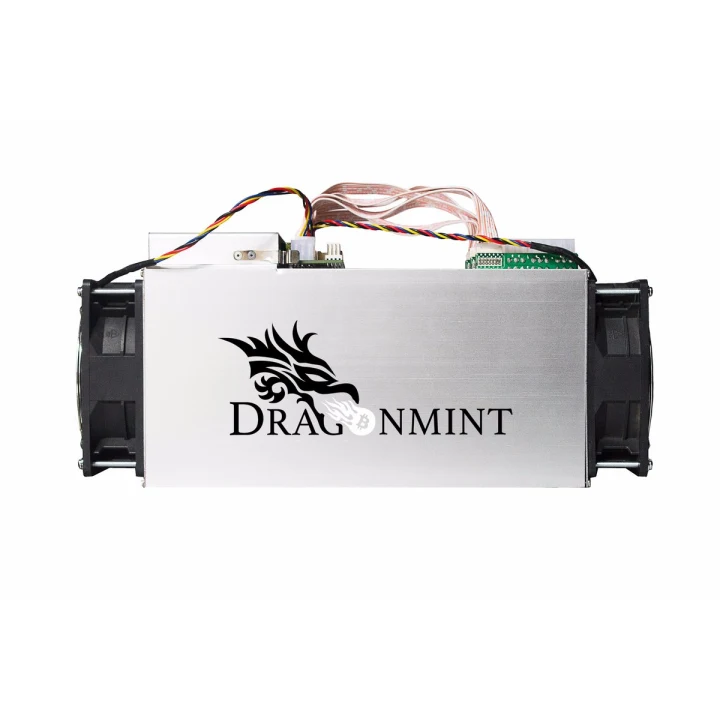 About 16TH/s

Halong Mining DragonMint T1
Approximately 1480 W / Please use the complete hashrate version and wall power consumption to convert
Same-algorithm Alternatives 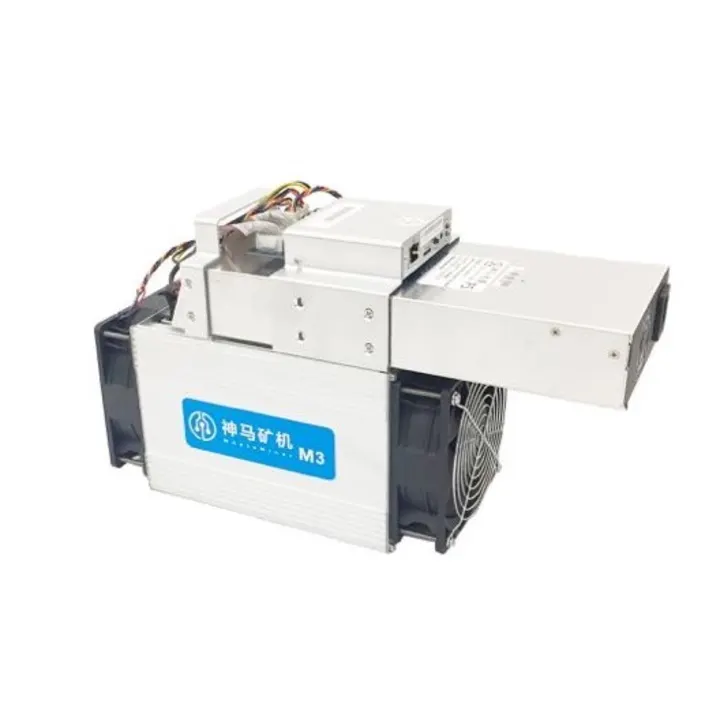 About 12.5TH/s
Whatsminer M3X
Approximately 2050 W / Please use the complete hashrate version and wall power consumption to convert
Same-algorithm Alternatives 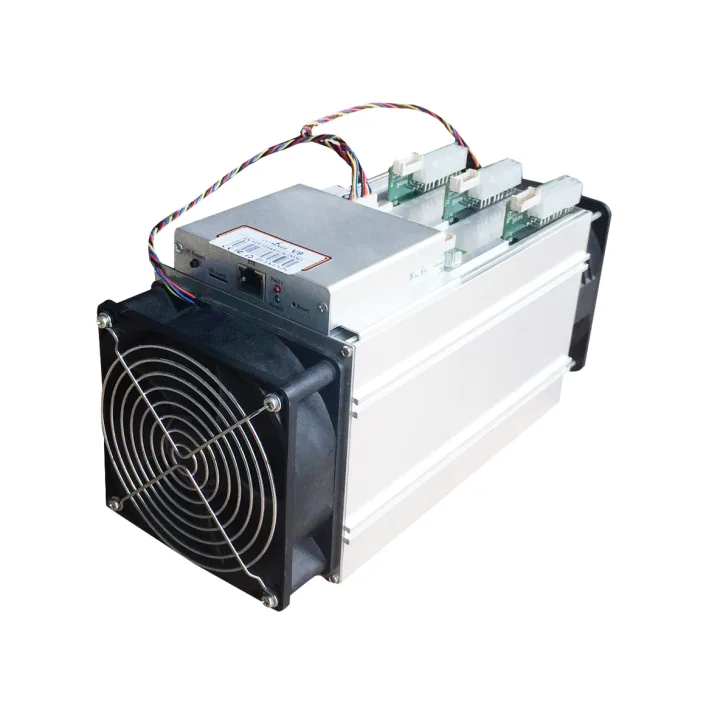 About 4TH/s
Antminer V9
Approximately 1027 W / Please use the complete hashrate version and wall power consumption to convert
Same-algorithm Alternatives 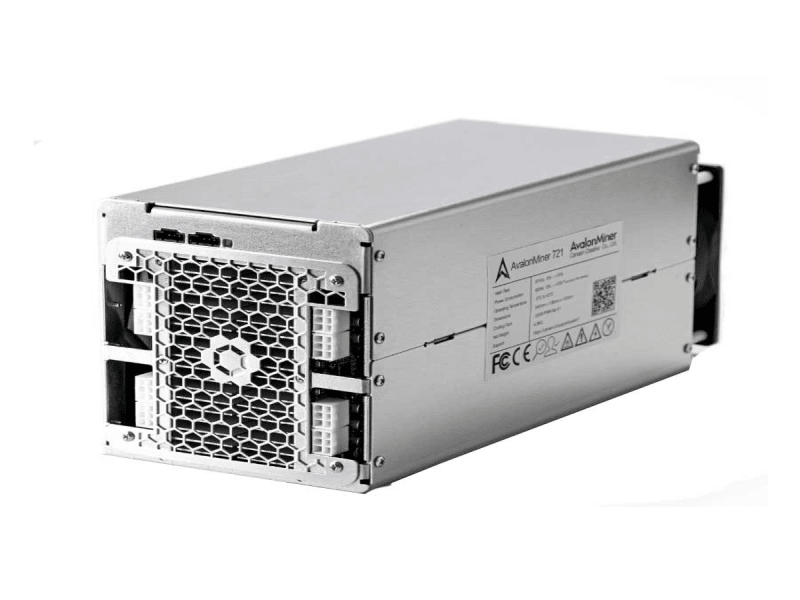 About 11.5 TH/s
AvalonMiner 821
About 1200 W / About 104 J/TH
Same-algorithm Alternatives 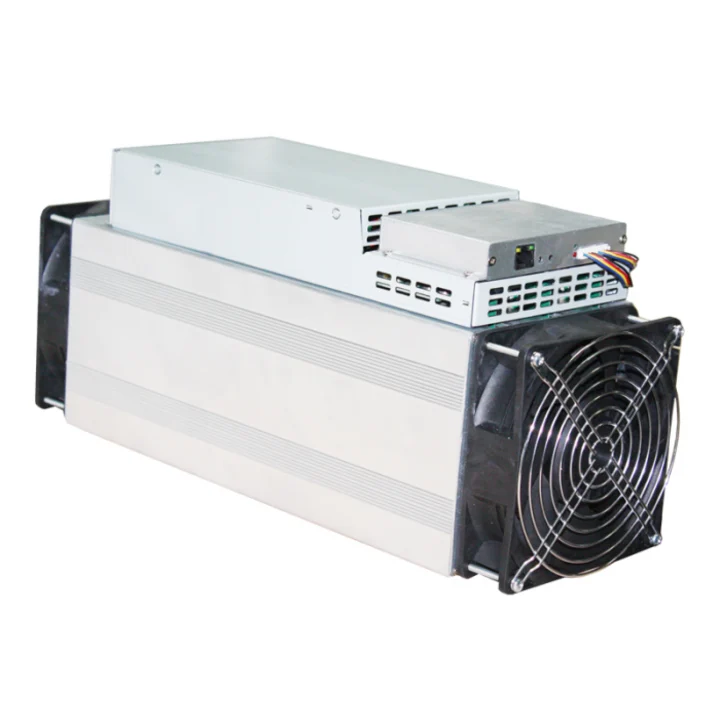 About 18TH/s
Ebang Ebit E10
Approximately 1650 W / Please use the complete hashrate version and wall power consumption to convert
Same-algorithm Alternatives 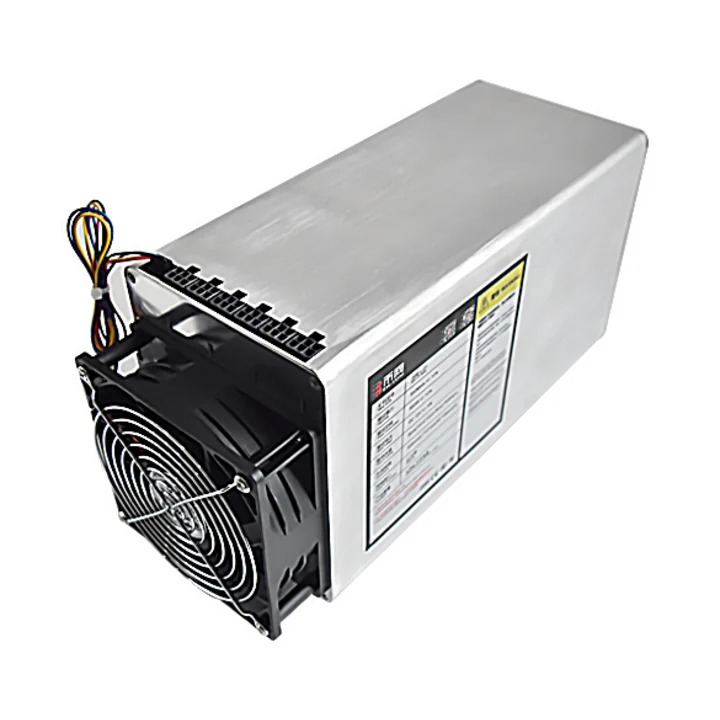 About 550MH/s

BW L21
About 950 W / Please use the complete hashrate version and wall power consumption to convert
Same-algorithm Alternatives 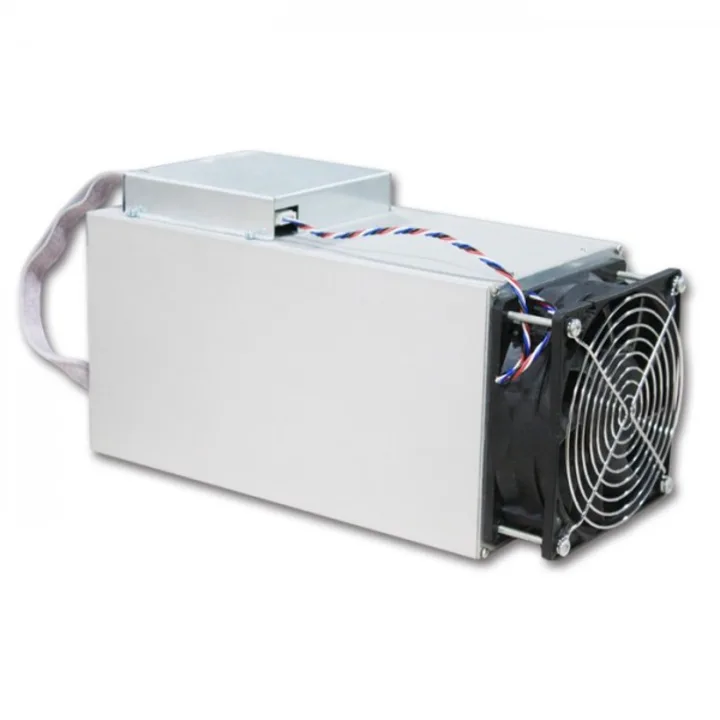 About 9TH/s
Ebang Ebit E9+
About 1300 W / Please use the complete hashrate version and wall power consumption to convert
Same-algorithm Alternatives 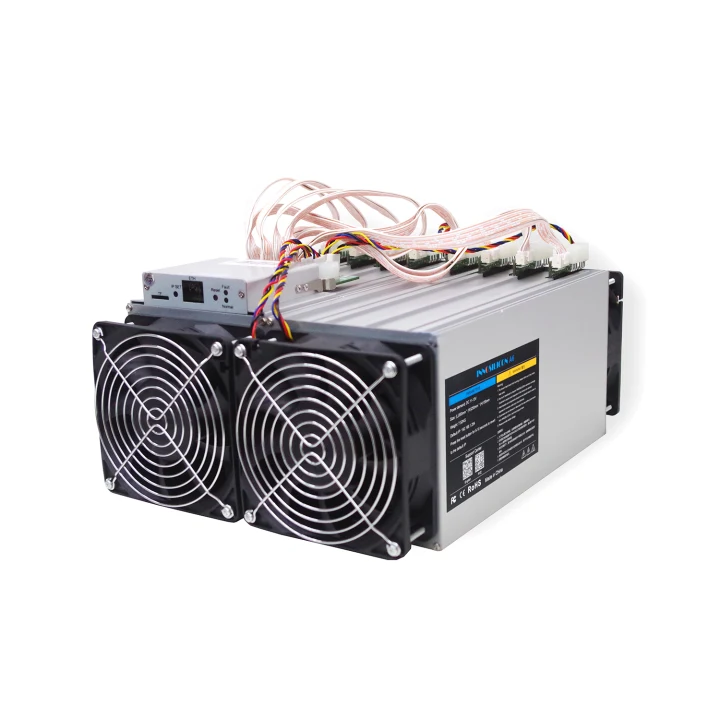 About 1.23GH/s
Innosilicon A6 LTCMaster
About 1500 W / Please use the complete hashrate version and the wall power consumption to convert
Same-algorithm Alternatives 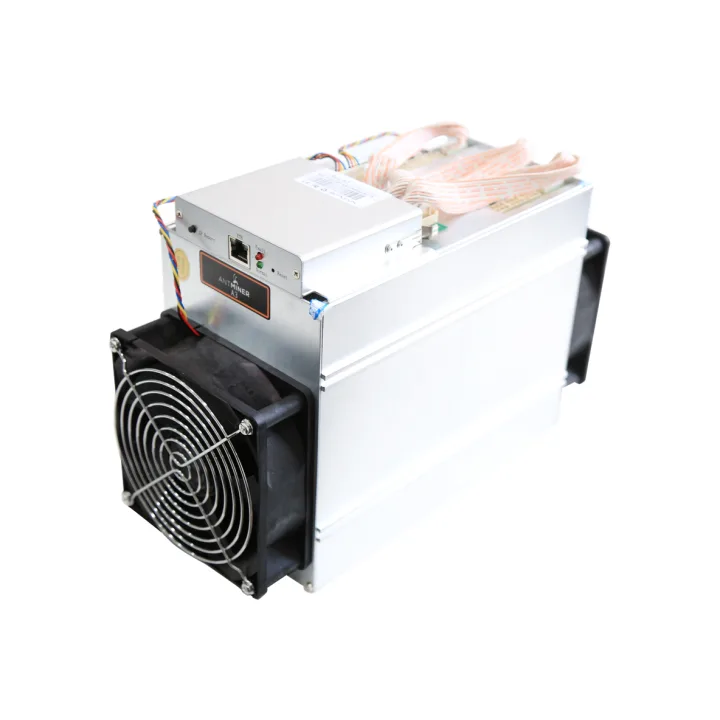 About 10.5TH/s
Antminer T9+
Approximately 1432 W / Please use the complete hashrate version and the wall power consumption to convert
Same-algorithm Alternatives 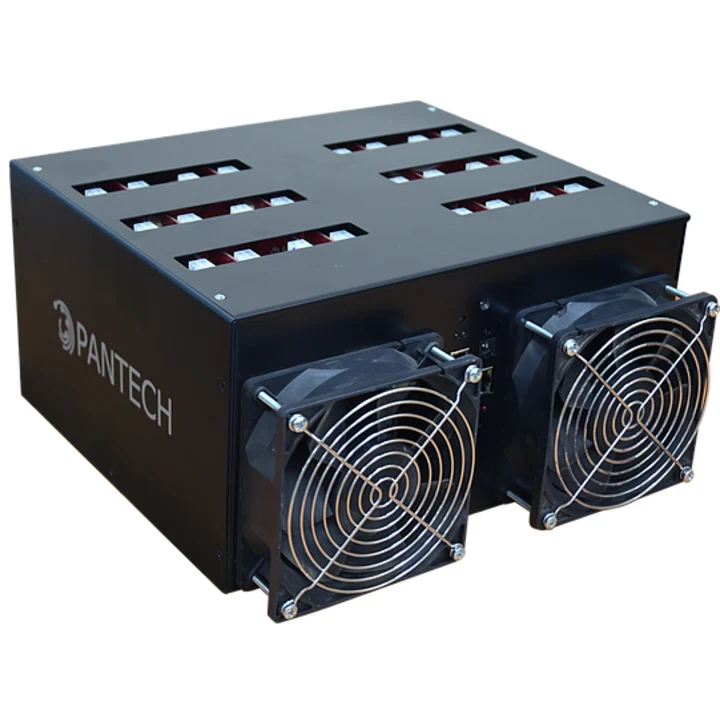 About 34TH/s

Pantech WX6
About 5000 W / Please use the complete hashrate version and wall power consumption to convert
Same-algorithm Alternatives 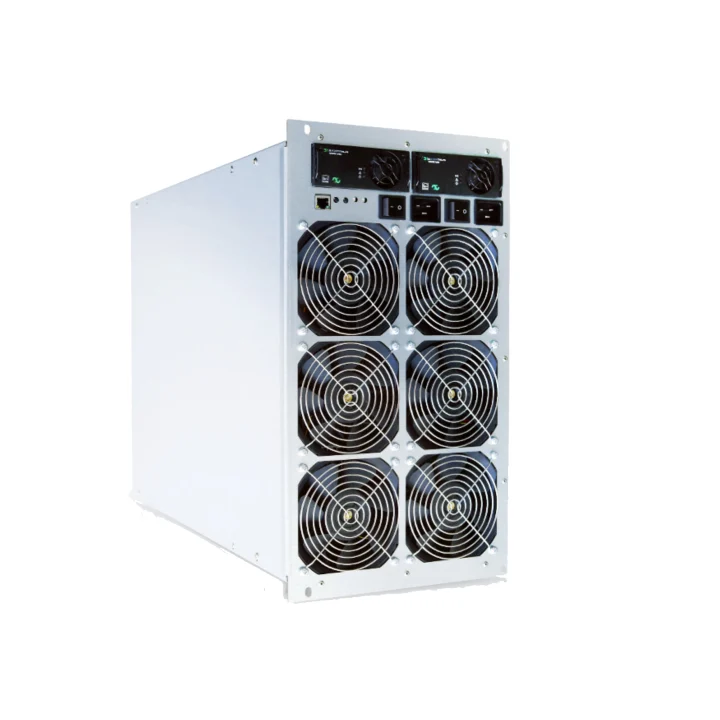 About 49TH/s
Bitfily Snow Panther A1
Approximately 5400 W / Please use the complete hashrate version and wall power consumption to convert
Same-algorithm Alternatives 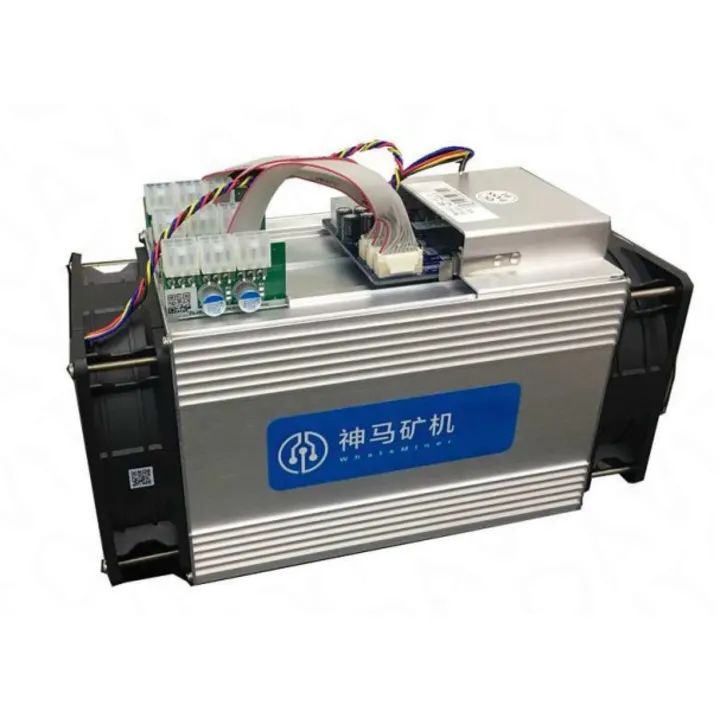 About 12TH/s
Whatsminer M3
About 2000 W / Please use the complete hashrate version and the wall power consumption to convert
Same-algorithm Alternatives 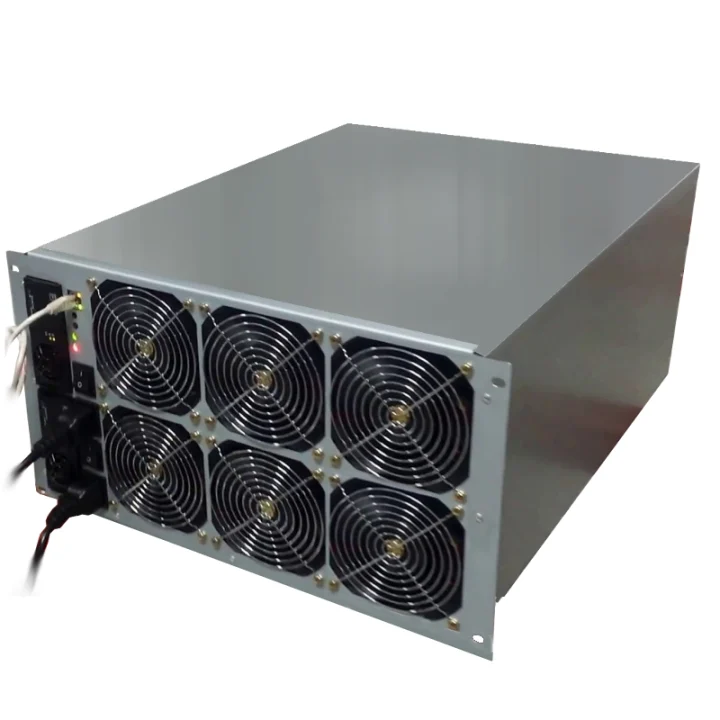 About 49TH/s
Bitfury B8
Approximately 6400 W / Please use the complete hashrate version and wall power consumption to convert
Same-algorithm Alternatives 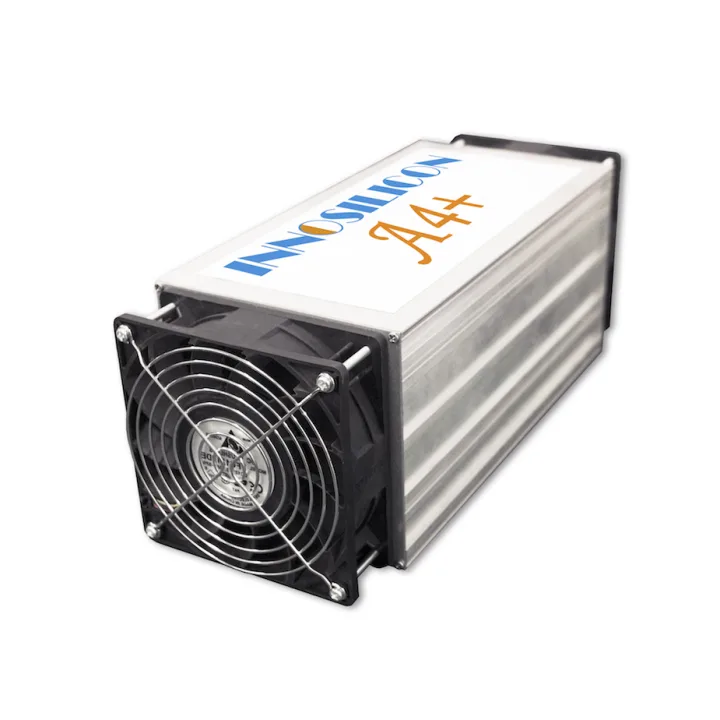 About 620MH/s
Innosilicon A4+ LTCMaster
About 750 W / Please use the full hashrate version and wall power consumption to convert
Same-algorithm Alternatives 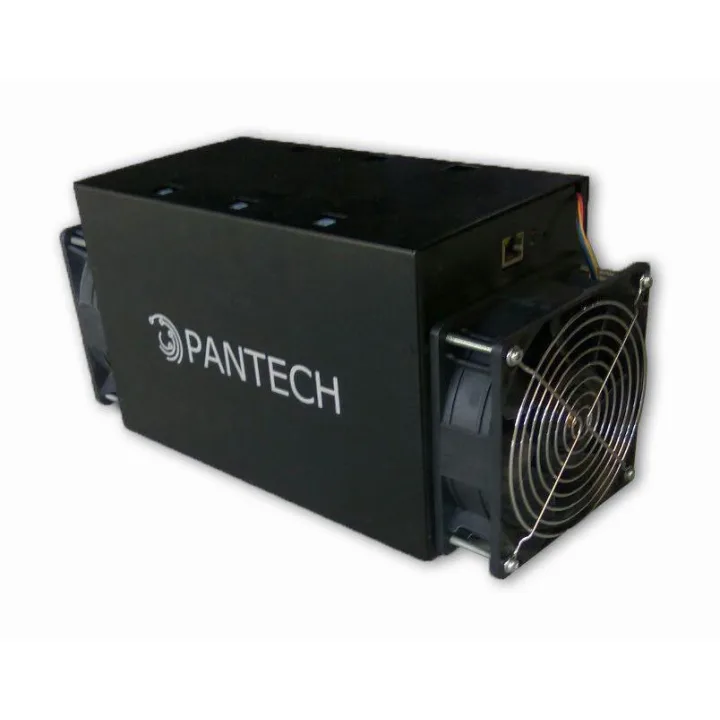 About 8.5TH/s
Pantech SX6
About 1000 W / Please use the complete hashrate version and wall power consumption to convert
Same-algorithm Alternatives 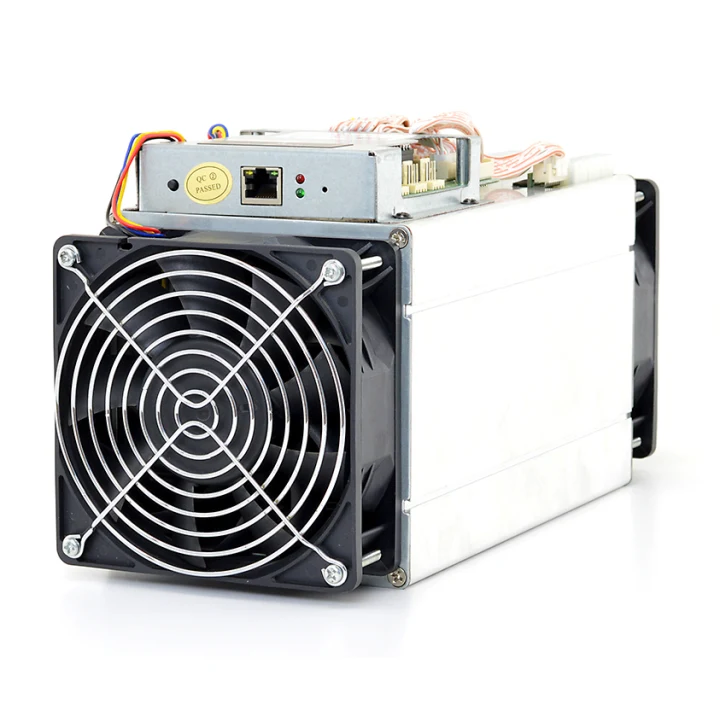 About 11.5TH/s to 12.5TH/s
Antminer T9
Approximately 1450 to 1576 W / Please use the complete hashrate version and the wall power consumption to convert
Same-algorithm Alternatives 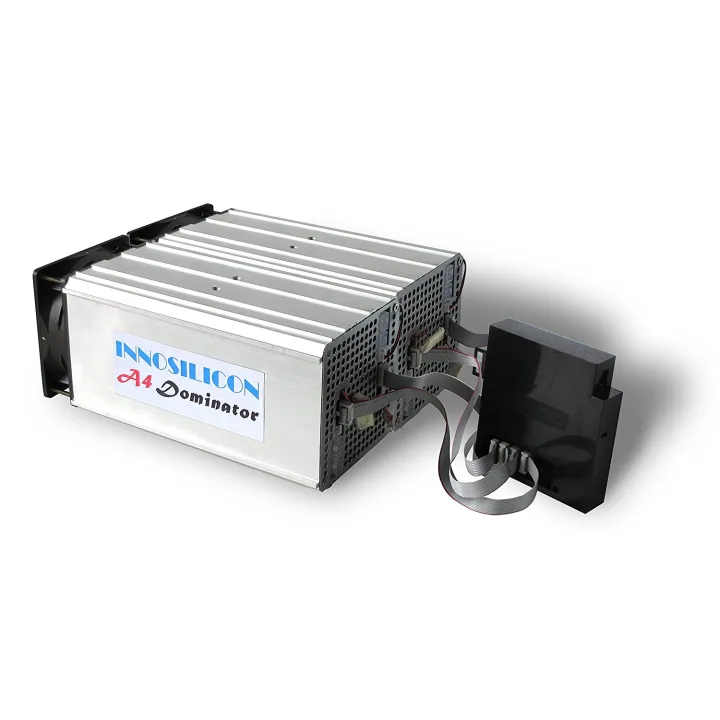 About 280MH/s
Innosilicon A4 Dominator
Approximately 1050 W / Please use the complete hashrate version and wall power consumption to convert
Same-algorithm Alternatives 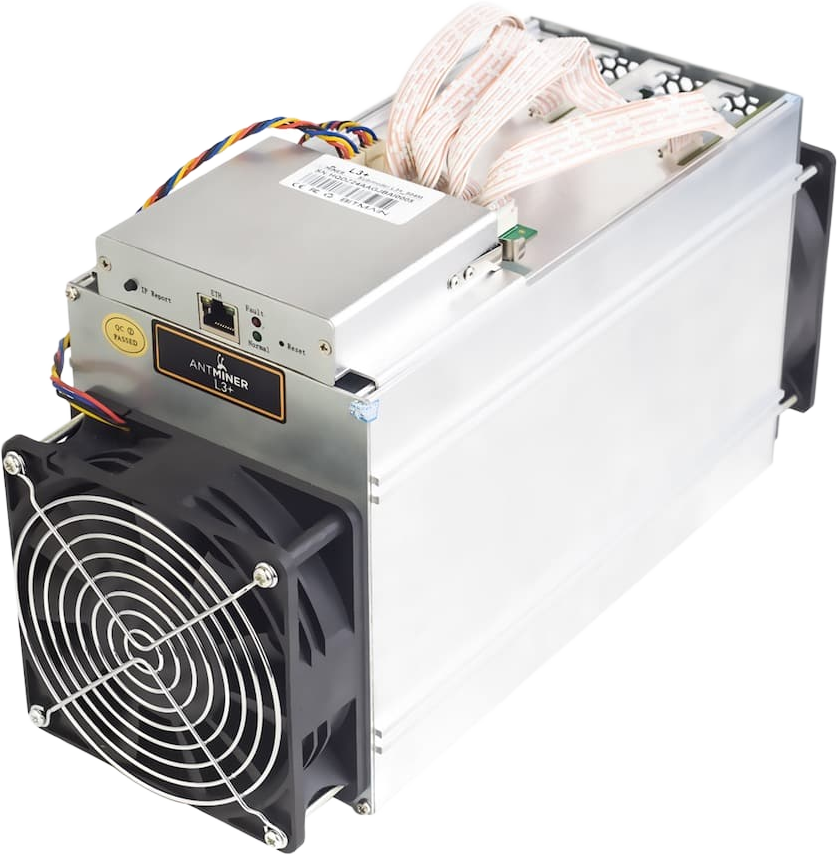 About 504 MH/s
Antminer L3+
About 800 W / About 1.6 J/MH
Same-algorithm Alternatives 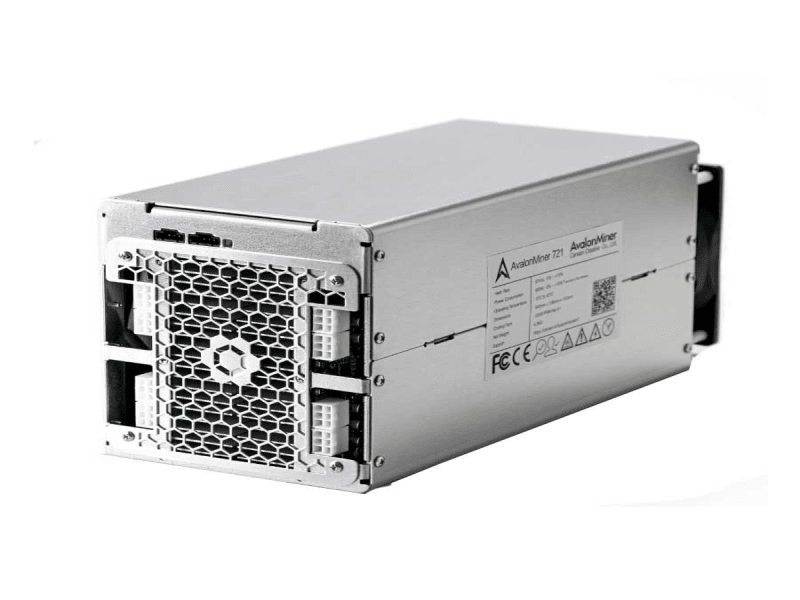 About 7.3 TH/s
AvalonMiner 741
About 1150 W / About 158 J/TH
Same-algorithm Alternatives 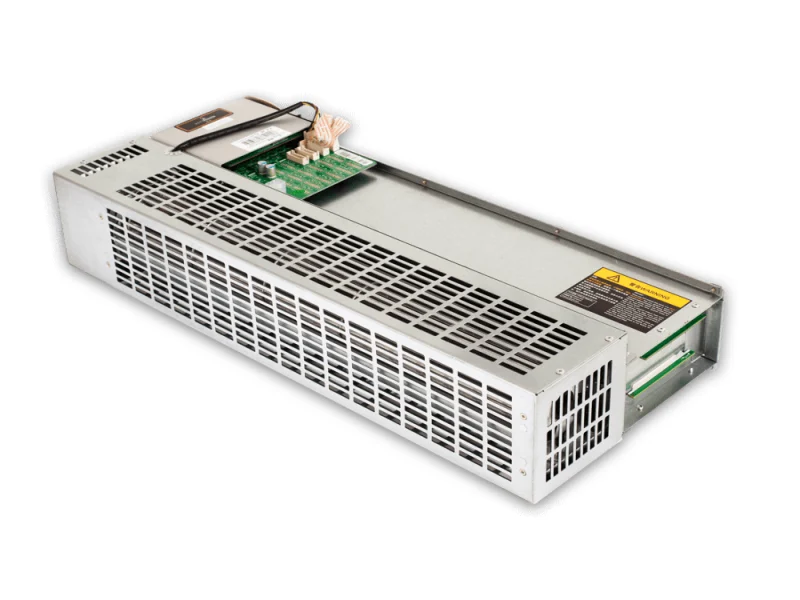 About 8.7 TH/s
Antminer R4
Approx. 845 W / Approx. 97 J/TH
Same-algorithm Alternatives 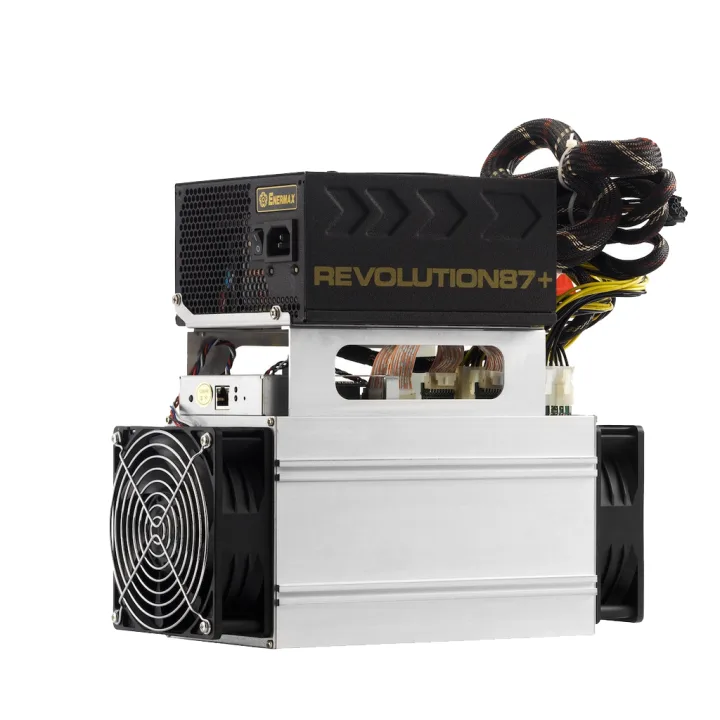 About 2.7TH/s
Antminer S7-LN
Approximately 697 W / Please use the complete hashrate version and wall power consumption to convert
Same-algorithm Alternatives 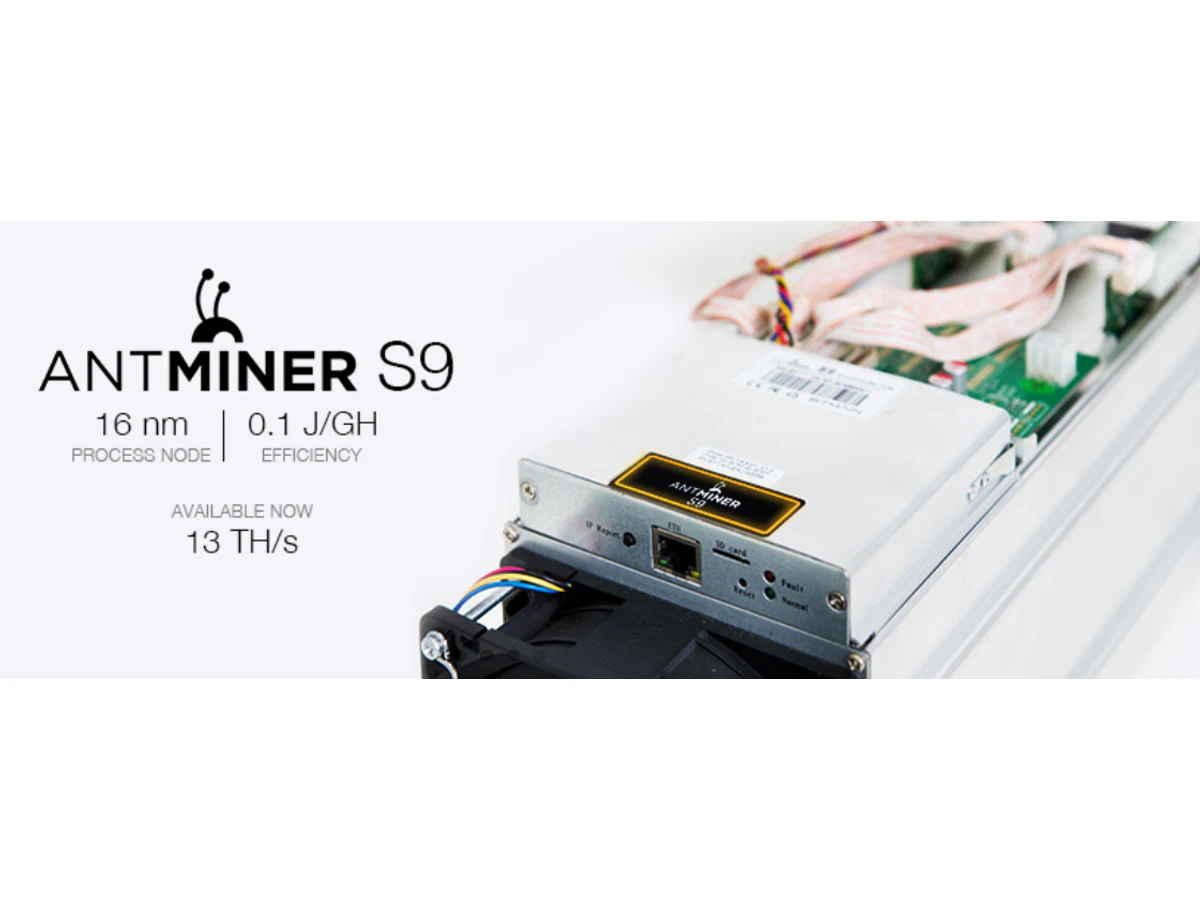 About 13.5 TH/s (10–14T multiple versions)
Antminer S9
Approx. 1323 W / Approx. 98 J/TH
Same-algorithm Alternatives 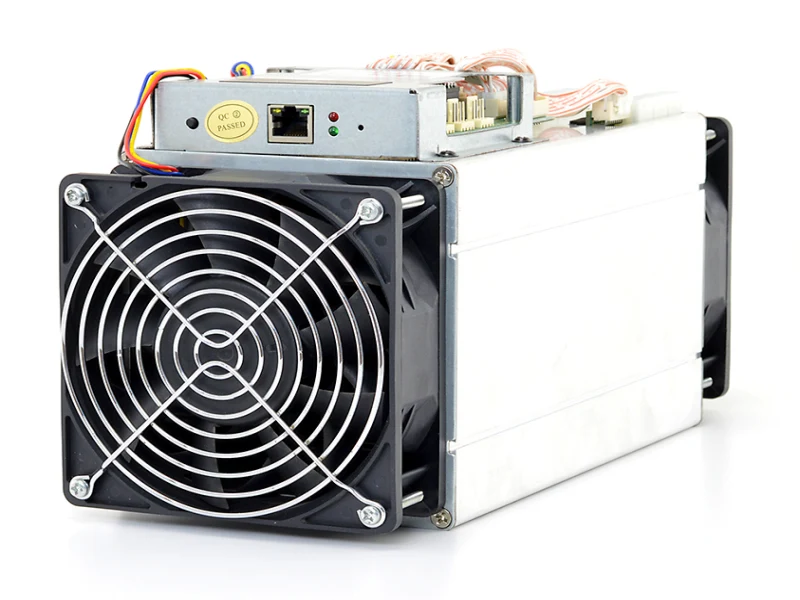 About 4.73 TH/s
Antminer S7
Approx. 1293 W / Approx. 273 J/TH
Same-algorithm Alternatives 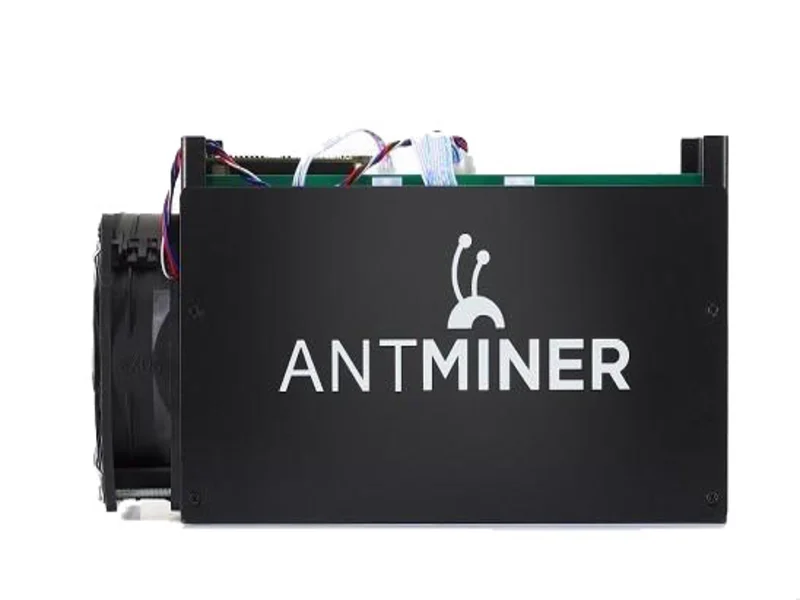 About 1.16 TH/s
Antminer S5
Approx. 590 W / Approx. 510 J/TH
Same-algorithm Alternatives 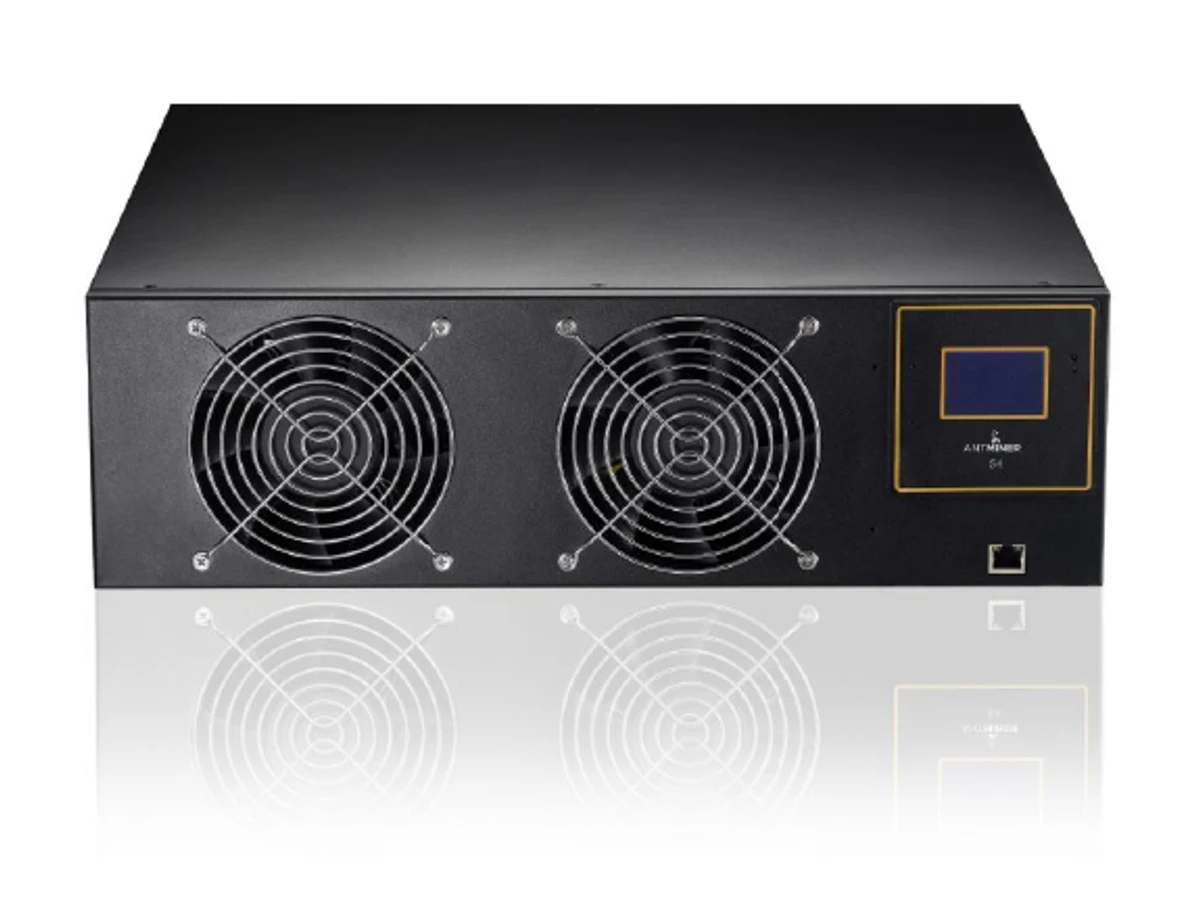 About 2 TH/s
Antminer S4
About 1400 W / About 700 J/TH
Same-algorithm Alternatives 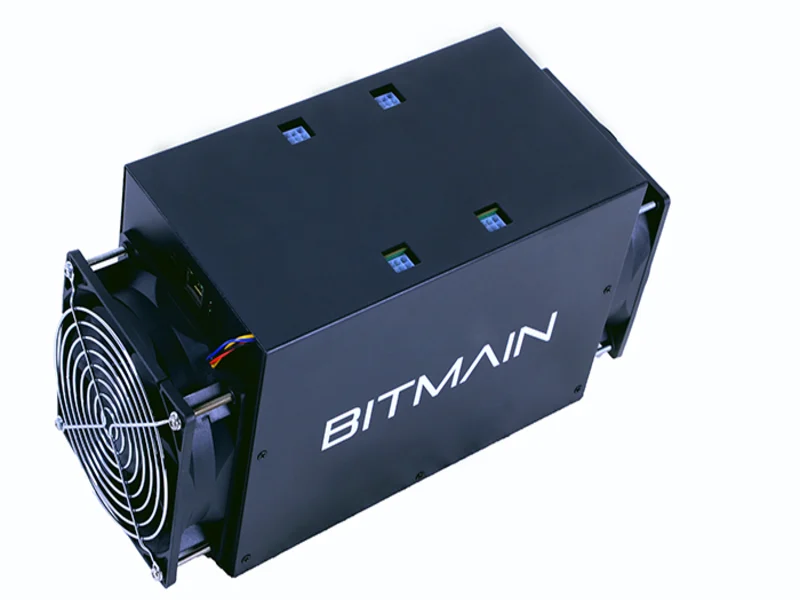 About 441–478 GH/s
Antminer S3
Approx. 366 W / Approx. 766–830 J/TH
Same-algorithm Alternatives 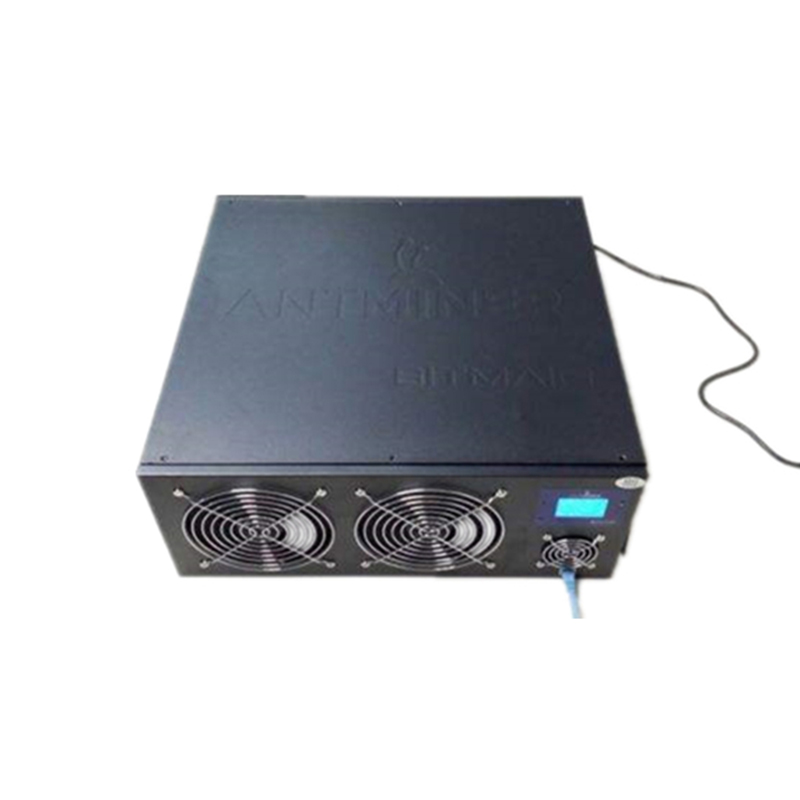 About 1 TH/s
Antminer S2
About 1000 W / About 1000 J/TH
Same-algorithm Alternatives 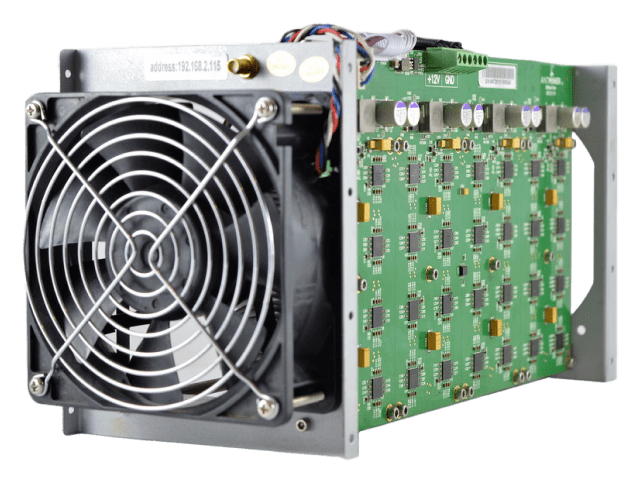 About 180 GH/s
Antminer S1
About 360 W / About 2 J/GH (2000 J/TH)
Same-algorithm Alternatives 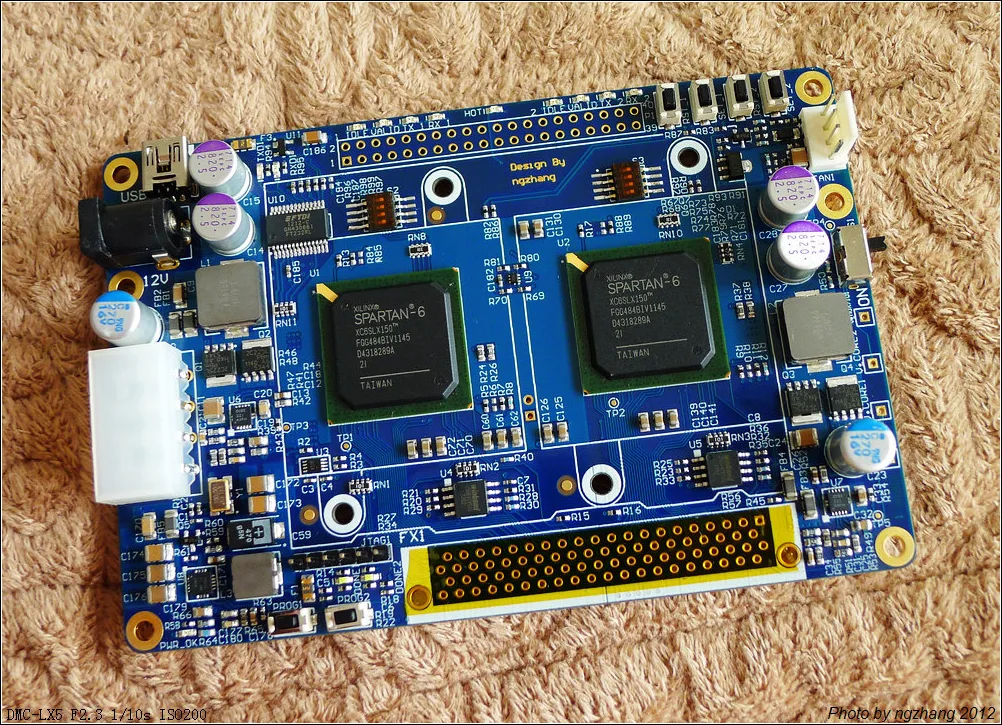 About 400 MH/s

Lancelot FPGA Bitcoin Miner
Approx. 26 W / Approx. 65 J/GH
Same-algorithm Alternatives 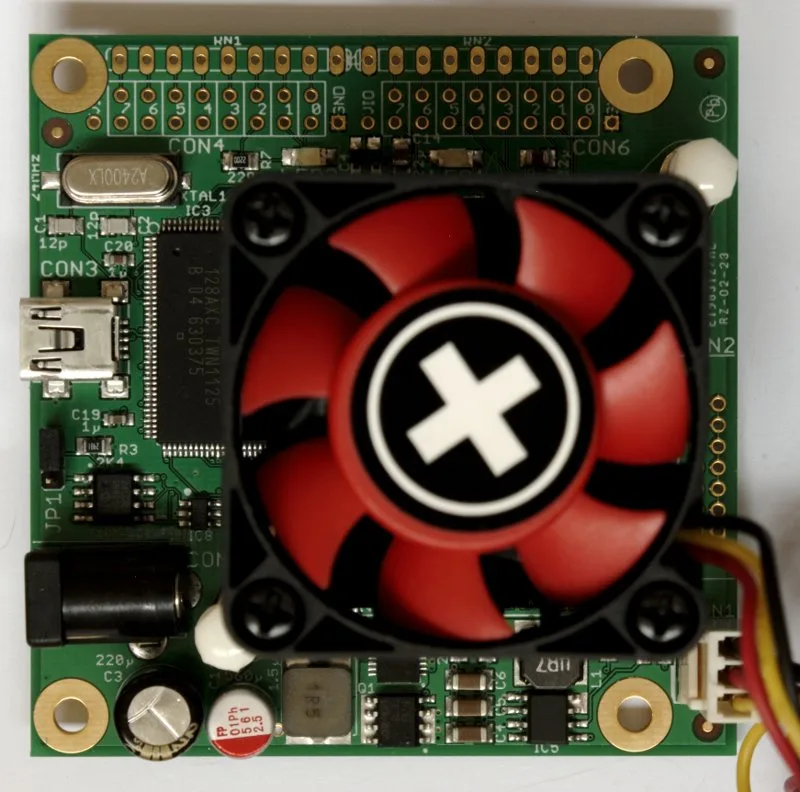 Typical about 200 MH/s

ZTEX USB-FPGA Module 1.15x
Approx. 8.9 W / Approx. 44.5 J/GH
Same-algorithm Alternatives Manufacturer Routes
Which manufacturers have done this hardware route?
Here, candidate equipment manufacturers are recommended based on the same algorithm, which does not mean that each company currently provides firmware, after-sales or revenue guarantees for DGB.
21energy
21energy uses Bitcoin mining heat for heating; coverage includes Ofen 2/2 Pro and four Ofen 3 specifications.
BITMAIN/ANTMINER
BITMAIN was established in 2013. In addition to the SHA-256 main line of S1, S2, S3, S4, S5, S7, S9 to S23, ANTMINER has also entered X11, Blake2B, DCR, CKB, KDA, EtHash, Equihash, Scrypt, KAS and ALPH with D, A, DR, K, KA, E, Z, L, KS, AL and other series.
Hammer Miner
Hammer Miner is an OnestopMining hardware brand. Its current official catalog has three families: THOR and BC for SHA-256 / BTC, and DC for Scrypt / LTC + DOGE. Hashrates from different algorithms are not directly comparable.
Luckyaxe
Luckyaxe is an in-house brand identified by Magicminer's official site, alongside Luckyminer and Magicminer. It focuses on desktop SOLO miners for continuous operation. The current B series comprises B101, B201, B401 and the tunable B131, all using SHA-256.
Canaan/Avalon
The Avalon team delivered early commercial BTC ASIC in 2013. Canaan subsequently continued its large-scale miners with generations 7, 8, 9, 10, 11, 12, 13, 14, 15, and 16, and also established home branch lines of Nano, Mini, and Avalon Q.
Bitdeer/SEALMINER
Bitdeer is a Nasdaq-listed company whose business spans Bitcoin self-operated mining, data centers and miner research and development. Starting from 2024, we will establish our own ASIC product line with SEAL chips and SEALMINER.
Lucky Miner
Lucky Miner's existing public products can be divided into three tiers: LV02/03/04 teaching demonstration, LV06/07/08 and Pro desktop BTC ASIC, and LG07/LG07 Pro home Scrypt.
Heatbit
Heatbit integrates mining into heaters, radiant panels and air purifiers; six models are covered.
Magicminer
Magicminer repackages mining hardware for home use: the BG series adopts a GPU-shaped SHA-256 board, FM combines heating and humidification, and WM combines coaster constant temperature and Scrypt.
MicroBT/WhatsMiner
MicroBT was founded in 2016, and WhatsMiner has long focused on SHA-256. The main line from M10, M20, M30, M50, M60 to M70, with M53, M63, M73 hydro cooling and M56, M66 liquid cooling branches.
FLUMINER
FLUMINER is operated by Fulu Electronic Technology (Hong Kong) Co., Ltd. L1/L1 Pro, L2, and L3 form the main line of Scrypt, while T3 enters the SHA-256 household low-noise market.
Bitaxe/OSMU
Bitaxe is an open source Bitcoin ASIC hardware project, not a single closed mass production manufacturer. The main line consists of Max, Ultra, Supra, and Gamma single-chip ASICs that are updated successively, and there are also multi-chip or research boards such as UltraHex, Gamma Turbo, and Naja.
NerdMiner
The Nerd* ecosystem extends from the ASIC-free NerdMiner v2 to true SHA-256 ASIC boards such as NerdNOS, NerdAxe, NerdQaxe, NerdQX, NerdOctaxe and NerdEKO.
Jingle Miner
Jingle Miner is Jingle Mining's own and co-branded home miner product line, covering Mini Lottery, Solo Pro and BTC Hashcard. The main axis is low power consumption, desktop and Solo Mining.
PlebSource
The Hammer Miner Scrypt currently included in PlebSource is a 105 MH/s, 25 W-class desktop device. The product positioning is biased towards home use and low-power Scrypt learning.
ElphaPex/DG Series
ElphaPex enters the market with DG series Scrypt miners. The product line ranges from DG1, DG Home 1 to DG Hydro 1, DG2/DG2+. The core is the combined mining power of LTC, DOGE and other Scrypt currencies.
Dong Aoxiong/HashBear
Dongguan Dongaoxiong Information Technology Co., Ltd. was established in 2024, with HashBear as the miner brand. The official currently discloses B2, B3, 2U hydro-cooled machines and D3 air-cooled machines, and provides access to dry cooling cabinets, SN inquiries, work orders, and after-sales support.
Proto
Proto currently includes 1 hardware family, and the public product time extends from approximately 2025 to 2025, covering SHA-256.
VolcMiner
VolcMiner is based on Scrypt ASIC, and the D1 product line covers different deployment levels such as large air cooling, hydro cooling, Mini Pre and D3.
Digital Shovel
Digital Shovel's miner products are currently mainly BluAx: 1.2 TH/s level, USB-C, Wi-Fi and low-noise desktop design, with a clear positioning towards home use and Solo Mining.
Braiins
Braiins extends from the Bitcoin mining pool, Braiins OS and Stratum ecology to BMM100 and BMM101 home Mini Miner; the existing hardware spindles are low-power desktop and Solo Mining.
Goldshell
Goldshell official information records that the brand was founded in 2017. Its products extend from professional multi-algorithm ASICs to BOX, LITE, MAX, ECHO and other different sizes and noise levels, with special emphasis on the user experience of home miners.
Auradine
Auradine currently includes 3 hardware families, and the public product time extends from approximately 2024 to 2025, covering SHA-256.
Beagle Miner
Beagle Miner is a desktop SHA-256/Solo Mining device that displays hashrate, optimal share and connection status through the screen, and is positioned towards learning and long-term probability experience.
iBeLink/Fluxmind
iBeLink is one of the early multi-algorithm ASIC manufacturers, gradually expanding from DM series X11 and DSM series DCR to BM-K, BM-N, BM-S, BM-KS and BM-L series.
iPollo
The product history of iPollo extends from G1/G1 Mini and B1L to the V1, V1 Mini, X1 and V2 generations; among them, the V series has long focused on EtHash/Etchash, forming a complete range from low power consumption on the desktop to high hashrate in the computer room.
Ebang
Ebang currently includes 12 hardware families, and the public product time extends from approximately 2018 to 2021, covering SHA-256.
KOI Miner/AGMH
KOI Miner is an ASIC brand launched by AGM Group Holdings (AGMH) in 2021. The public C16 series list includes S, Pro, Max, M, E and other versions. Hashrate and energy efficiency cannot be mixed.
Bolon Miner
Bolon Miner currently includes 1 hardware family, and the public product time extends from approximately 2021 to 2021, covering SHA-256.
Innosilicon
Innosilicon is a chip company with high-speed interface IP and custom ASIC design as its core. Its mining products have spanned multiple PoW routes such as BTC, LTC, DASH, ZEC, DCR, SC, XMR and ETH/ETC. This site contains 31 hardware families.
StrongU
StrongU currently includes 9 hardware families, and the public product time extends from approximately 2018 to 2021, covering SHA-256, Blake256R14-dcr, Blake2B, and X11.
Aisen
Aisen currently includes 1 hardware family, and the public product time extends from approximately 2021 to 2021, covering SHA-256.
Holic
Holic currently includes 2 hardware families, and the public product time extends from approximately 2018 to 2018, covering SHA-256.
Bitfury
Bitfury currently includes 2 hardware families, and the public product time extends from approximately 2017 to 2018, covering SHA-256.
GMO Miner
GMO Miner currently includes 2 hardware families, and the public product time extends from approximately 2018 to 2018, covering SHA-256.
Bitfily
Bitfily currently includes 4 hardware families, and the public product time extends from approximately 2018 to 2018, covering SHA-256 and Blake256R14-dcr.
FusionSilicon
FusionSilicon currently includes 3 hardware families, and the public product time extends from approximately 2018 to 2019, covering X11, Lyra2REv2, and Scrypt.
Halong Mining
Halong Mining currently includes 3 hardware families, and the public product time extends from approximately 2018 to 2018, covering SHA-256, Blake256R14-dcr, and Blake2B.
BW
BW currently includes 1 hardware family, and the public product time extends from approximately 2018 to 2018, covering Scrypt.
Pantech
Pantech currently includes 2 hardware families, and the public product time extends from approximately 2017 to 2018, covering SHA-256.
Icarus/Lancelot Project
Icarus and its follow-up Lancelot were important FPGA Bitcoin mining boards before the advent of ASIC, using dual Xilinx Spartan-6, and some of the hardware and miner software data were made public.
ZTEX
ZTEX's USB-FPGA Module 1.15x uses Xilinx Spartan-6 LX150, which can be used for Bitcoin mining. It was a module route often cited for FPGA BTC mining in 2011-2012.
Network & Mining History
How did DigiByte’s mining route get to where it is today?
DigiByte entered PoW history in 2014. This route requires understanding the algorithm name, hardware parameters, firmware and mining pool support in the same picture.
01dotcom
Mainnet and MultiAlgo
DigiByte gradually builds a five-algorithm security model.
02Hard route
General hardware testing → Algorithm-specific equipment
This route requires understanding the algorithm name, hardware parameters, firmware and mining pool support in the same picture.
03What do you think of today?
Back to the actual judgment of miners
First identify whether the mining pool port is SHA-256, Scrypt, Skein, Qubit or Odocrypt, and then set up the miner.
Primary Sources
Continue to check official information
Next Steps
First confirm that the currency and equipment are compatible, then calculate power and deployment
miner performance is only the first step; mining pools, difficulty, liquidity, electricity prices and on-site conditions will all determine whether it can operate in the long term.
- 01Research
- 02Run the Numbers
- 03Review Deployment