

How to Choose a Bitcoin Miner in 2026: ASIC Specs, Power Costs and Deployment
Choosing a miner is not a contest for the highest hashrate. Hashrate affects potential output, while power and electricity rates determine the daily electricity bill. If site power or cooling does not match, the machine cannot be deployed.
Confirm available cooling, power and the all-in electricity rate first. Then compare J/TH, whole-machine power and purchase cost. This guide uses consistent specifications and rate examples to rule out models the site cannot run or whose electricity share is too high.
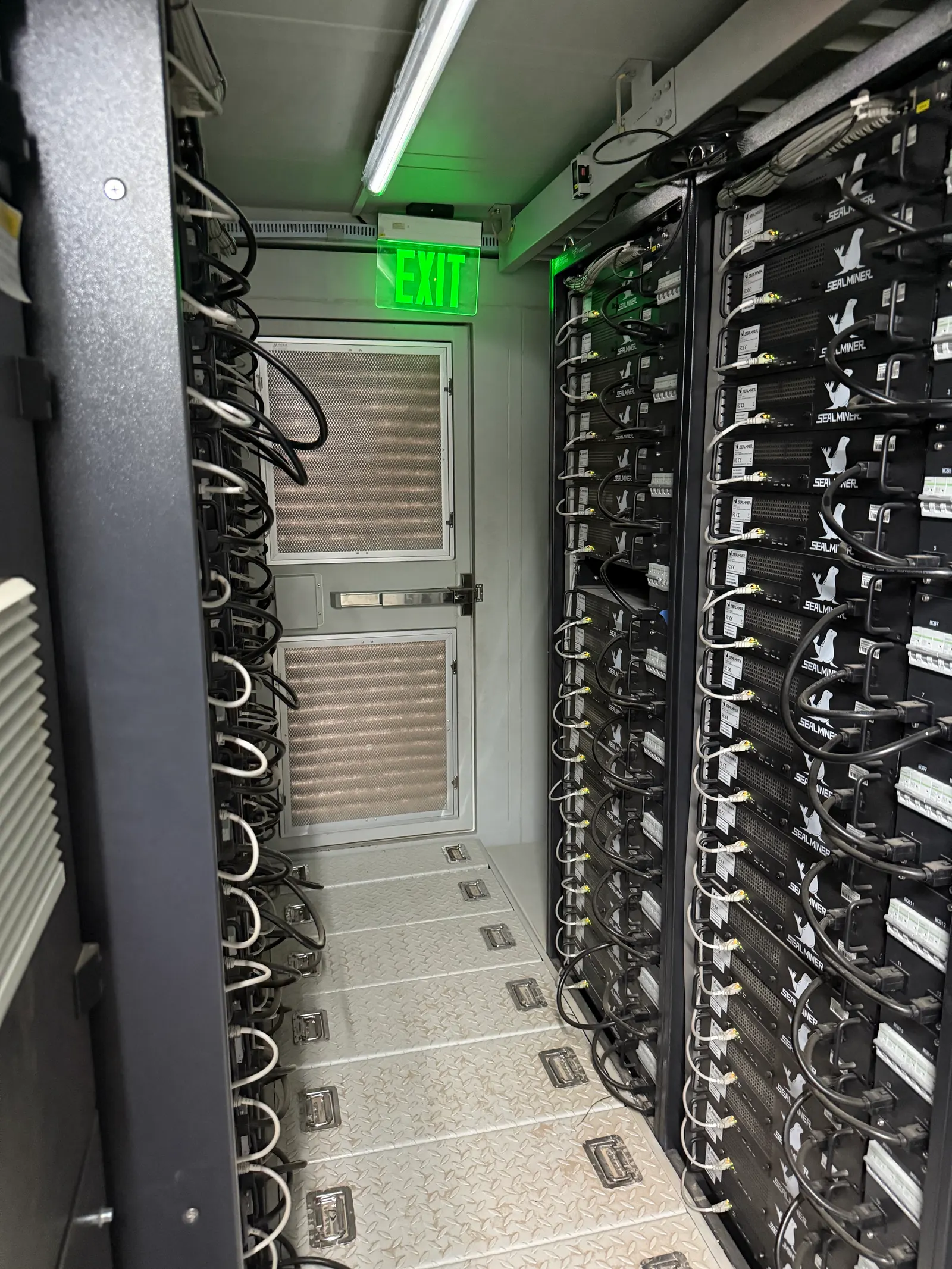
30-second miner selection summary
- Hydro cooling and next-generation efficiency: start with the S23 Hydro
- Air cooling and next-generation efficiency: start with the S23
- Established mainstream hydro models: compare the S21j XP Hydro and S21 XP Hydro
- With lower electricity rates or a lower equipment-cost target, previous-generation models can be assessed after recalculating electricity share and payback period
No single miner is best for everyone. The final choice still depends on equipment price, the all-in electricity rate, site conditions, uptime, repair capability and exit options.
Confirm five conditions before comparing models
Confirm these five items with yourself, the seller or the hosting provider. Put unanswered items on your question list before comparing models.
How the bill is calculated
Confirm the all-in price per kWh and whether line loss, management, deposits, repairs or downtime are billed separately.
Electricity used for the same hashrate
Use J/TH to compare efficiency across generations, while separately checking whole-machine power, price and condition.
Total cost before deployment
Add freight, duties, deployment and required infrastructure to the machine quote.
Cooling and power compatibility
Being able to buy a machine does not mean the site can run it; verify voltage, phase, airflow or water loop before payment.
Who handles downtime and equipment exit
Confirm monitoring, repair response, downtime billing and the process for relocation or sale.
Mainstream BTC miners compared for 2026
These 10 common BTC miners use specifications from the Learn ASIC Database; this is not a sales ranking. Suffixes, batches and power can differ within a family, so verify the exact model on its machine page.
Core specifications for 10 mainstream BTC miners
Check cooling first and rule out models the site cannot run. Then compare hashrate, whole-machine power and J/TH.
Swipe horizontally on mobile to see every column.
| Mining machine | Cooling | Hashrate | Power Consumption | J/TH | View full specifications |
|---|---|---|---|---|---|
| Antminer S23 Hyd. | Hydro cooling | About 580 TH/s | About 5510 W | About 9.5 J/TH | → |
| Antminer S23 | Air cooling | About 305 TH/s | About 3355W | About 11 J/TH | → |
| AvalonMiner A16XP-300T | Air cooling | About 300 TH/s | About 3850W | About 12.8 J/TH | → |
| WhatsMiner M70S | Air cooling | About 248 TH/s | About 3348W | About 13.5 J/TH | → |
| Antminer S21j XP Hyd | Hydro cooling | About 495 TH/s | About 5940W | About 12 J/TH | → |
| Antminer S21 XP Hydro | Hydro cooling | About 473 TH/s | About 5676 W | About 12 J/TH | → |
| Antminer S21e Hydro | Hydro cooling | 288–332 TH/s | 4,896–5,644W @35°C | 17 J/TH @35°C | → |
| Antminer S21 XP | Air cooling | About 270 TH/s | About 3645W | About 13.5 J/TH | → |
| Antminer S21 Pro | Air cooling | About 234 TH/s | About 3510W | About 15 J/TH | → |
| Antminer S19 K Pro | Air cooling | About 120 TH/s | About 2760W | About 23J/TH | → |
Then review photos and site fit
Cards show machine photos and site fit. Open a machine page for full specifications and estimates using your own electricity rate.
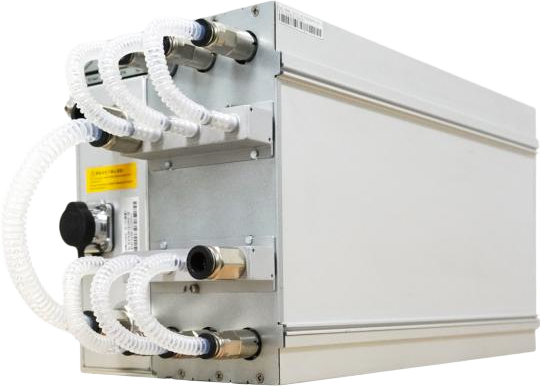 About 580 TH/s

Antminer S23 Hyd.
About 5510 W / About 9.5 J/TH

- Cooling
- Hydro cooling
- Deployment fit
- Sites with hydro and three-phase power comparing new-generation deployments below 10 J/TH.
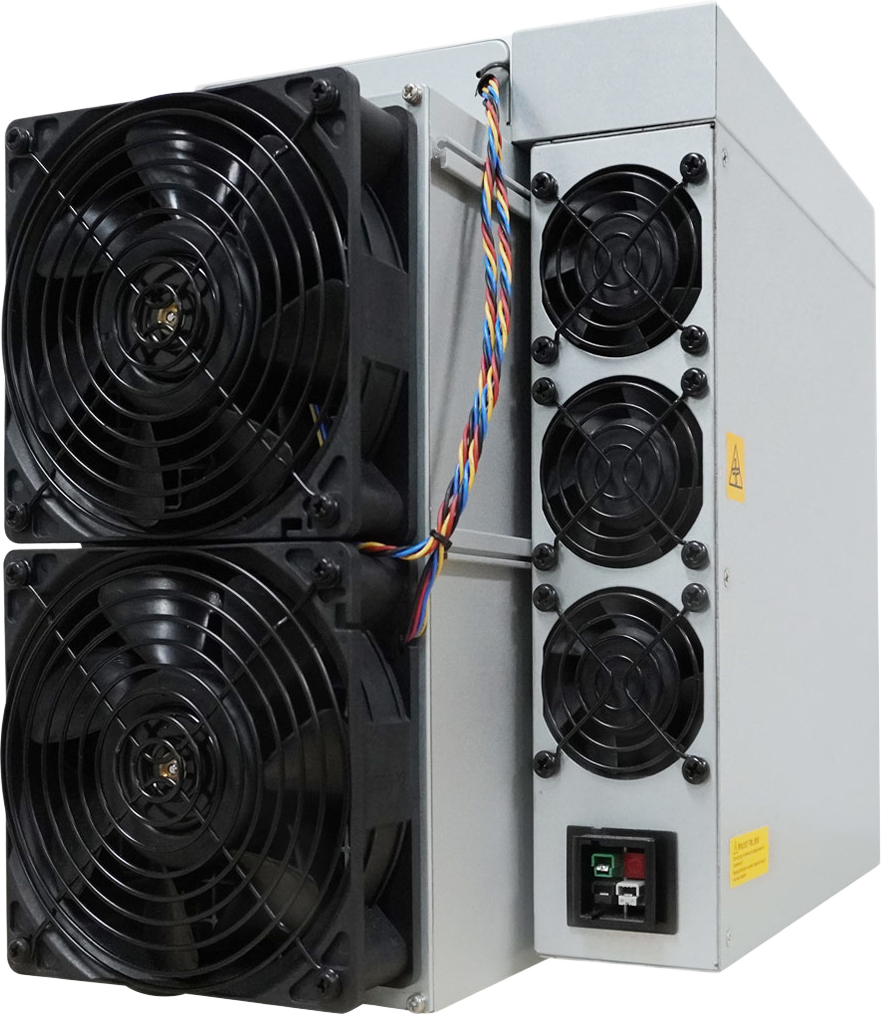 About 305 TH/s
Antminer S23
Approx. 3355 W / Approx. 11 J/TH
- Cooling
- Air cooling
- Deployment fit
- Operators staying with air cooling while comparing new-generation efficiency.
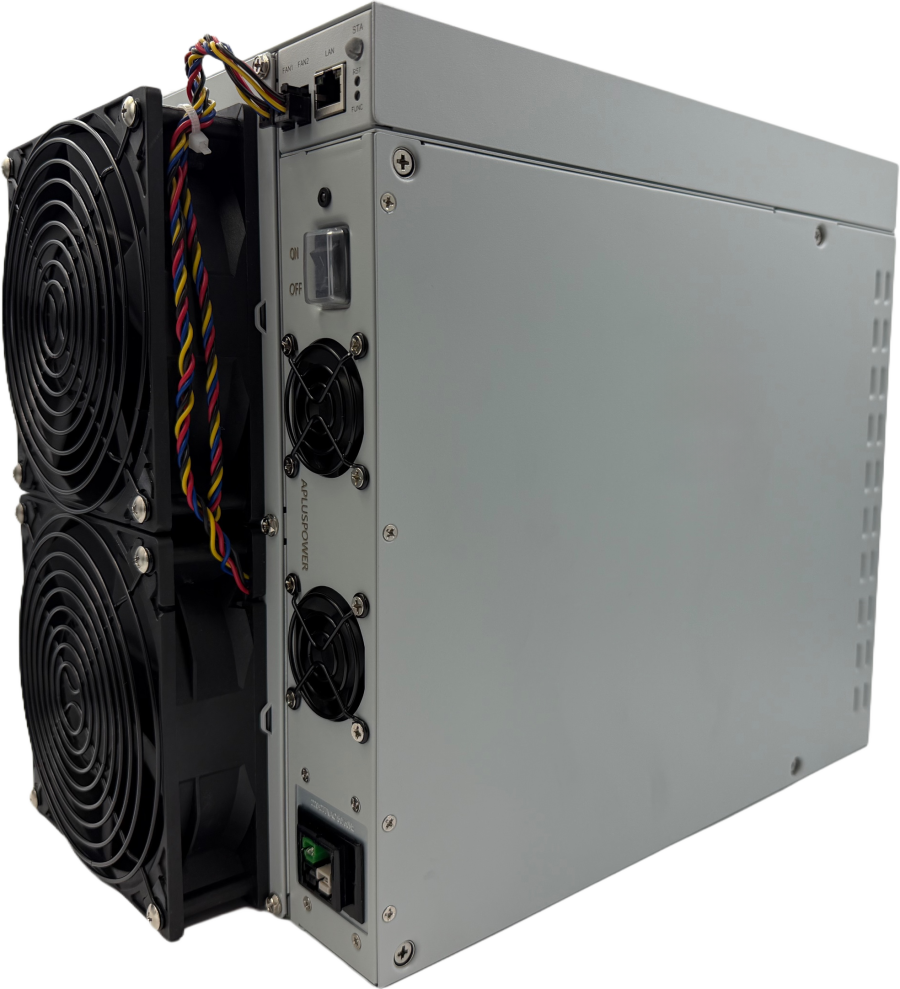 About 300 TH/s

AvalonMiner A16XP-300T
About 3850 W / About 12.8 J/TH
- Cooling
- Air cooling
- Deployment fit
- Buyers comparing new-generation air-cooled supply and repair paths beyond Bitmain.
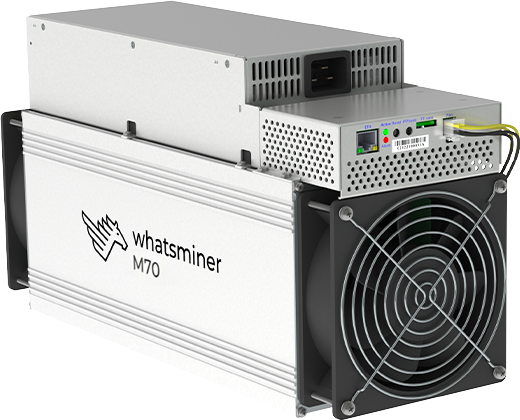 About 248 TH/s

WhatsMiner M70S
About 3348 W / About 13.5 J/TH
- Cooling
- Air cooling
- Deployment fit
- Operators who prefer MicroBT air-cooled hardware and will verify hashrate and power by batch.
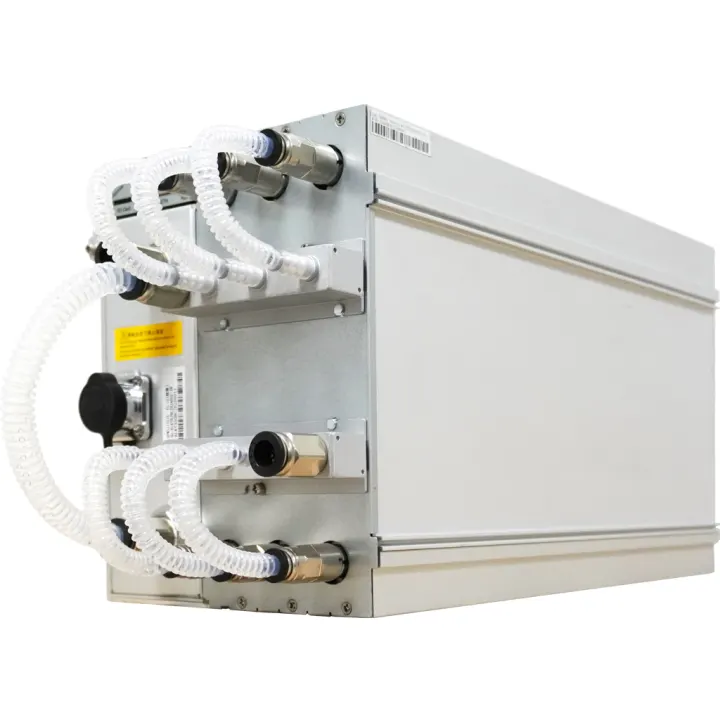 About 495 TH/s
Antminer S21j XP Hyd
About 5940 W / About 12 J/TH
- Cooling
- Hydro cooling
- Deployment fit
- Mature hydro sites balancing purchase cost with roughly 12 J/TH efficiency.
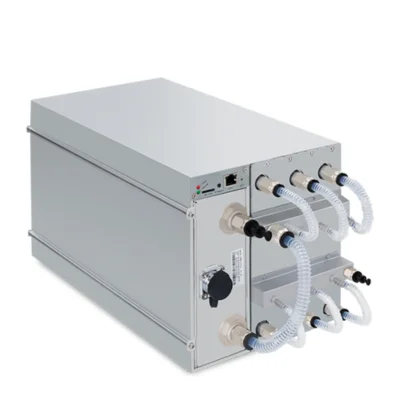 About 473 TH/s
Antminer S21 XP Hydro
About 5676 W / About 12 J/TH
- Cooling
- Hydro cooling
- Deployment fit
- Operators seeking a mainstream hydro model with clear specifications and a mature deployment path.
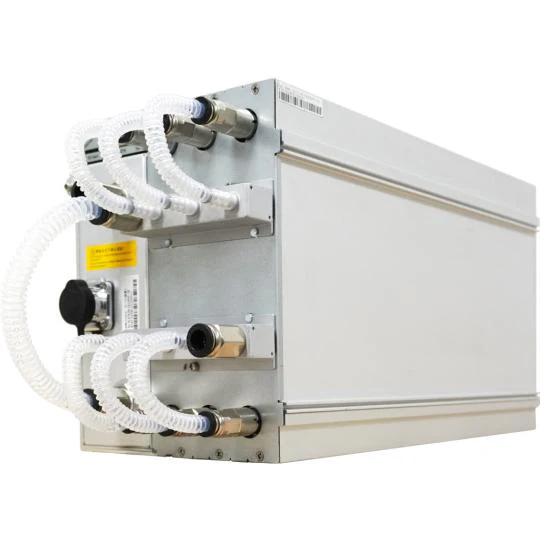 288–332 TH/s
Antminer S21e Hydro
- Hashrate
- 288–332 TH/s
- Power Consumption
- 4,896–5,644W @35°C
- Efficiency
- 17 J/TH
- Official variants
- 3 official variants

- Cooling
- Hydro cooling
- Deployment fit
- Hydro sites that can match the 288T, 310T or 332T official versions.
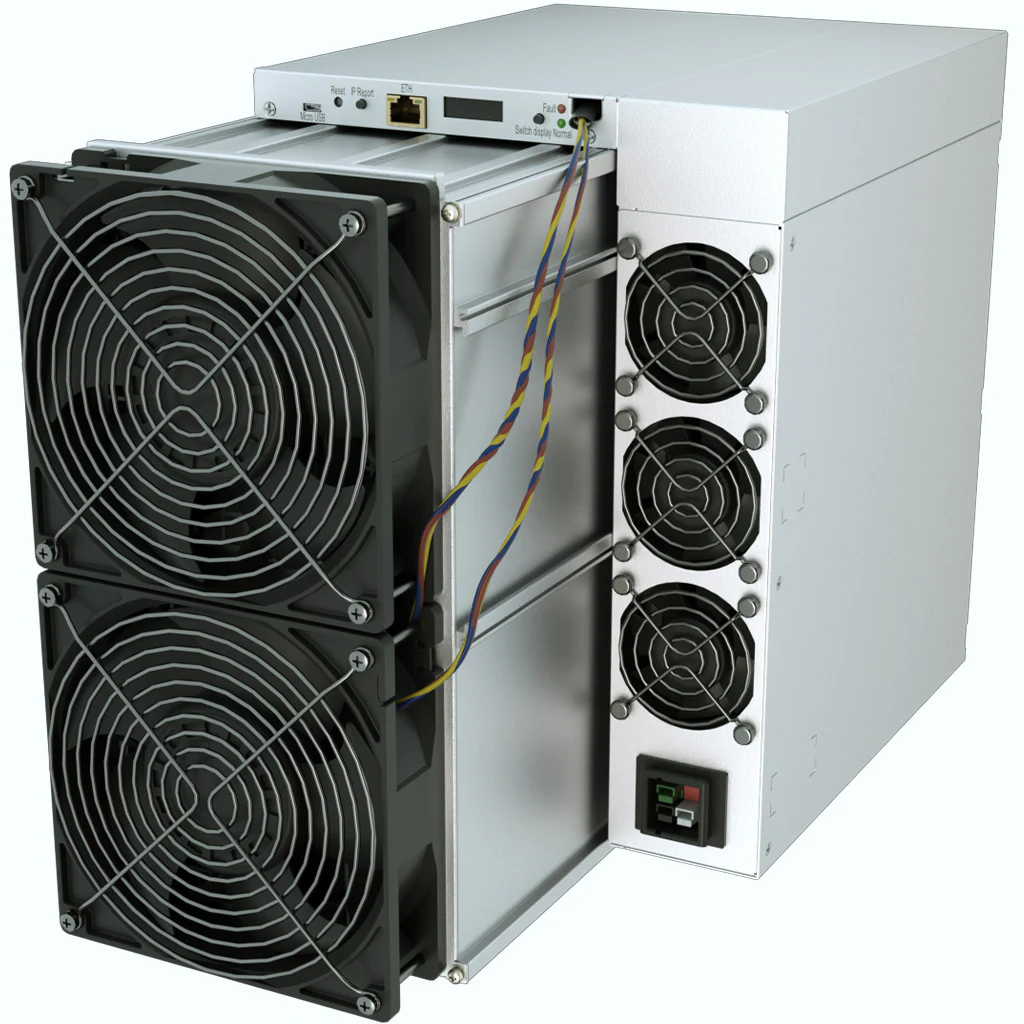 About 270 TH/s
Antminer S21 XP
About 3645 W / About 13.5 J/TH
- Cooling
- Air cooling
- Deployment fit
- Operators avoiding a water loop while seeking lower air-cooled energy use.
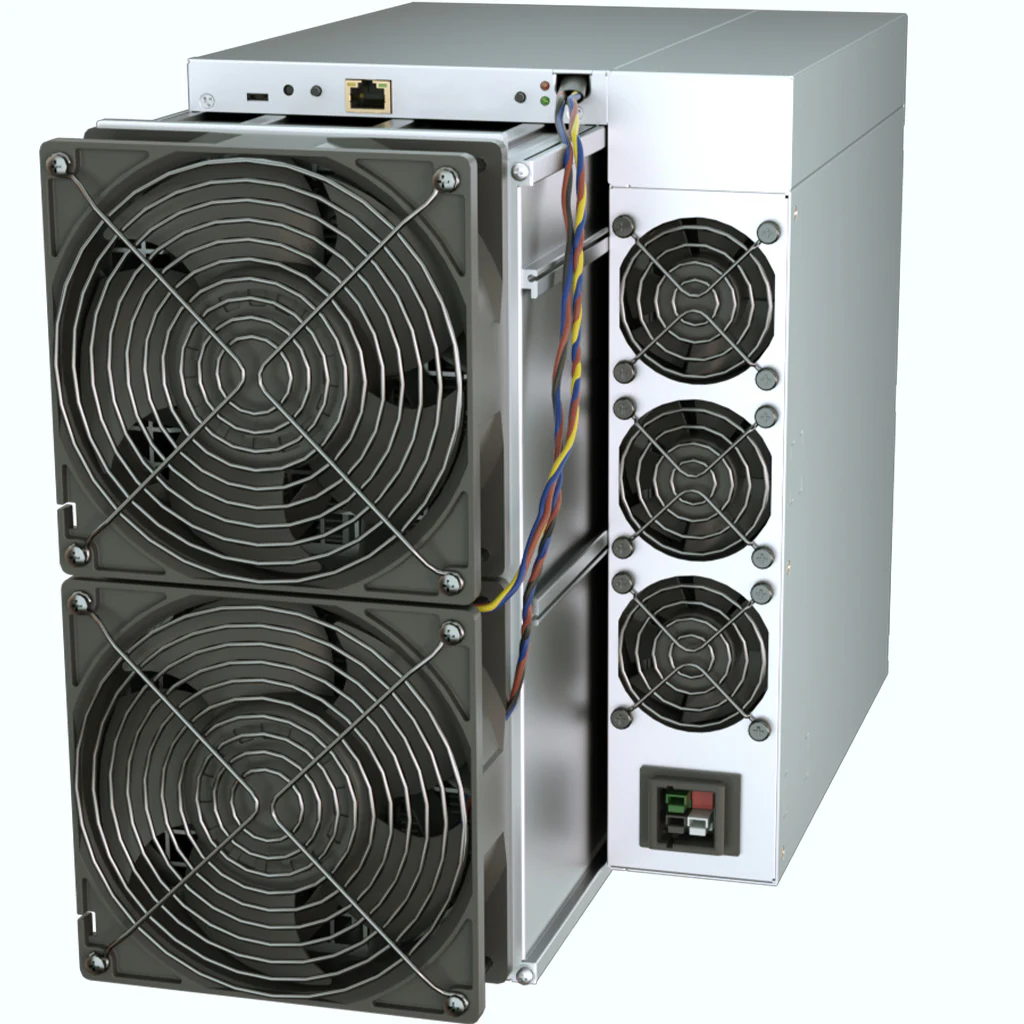 About 234 TH/s
Antminer S21 Pro
About 3510 W / About 15 J/TH
- Cooling
- Air cooling
- Deployment fit
- Air-cooled deployments balancing efficiency, purchase price and repair access.
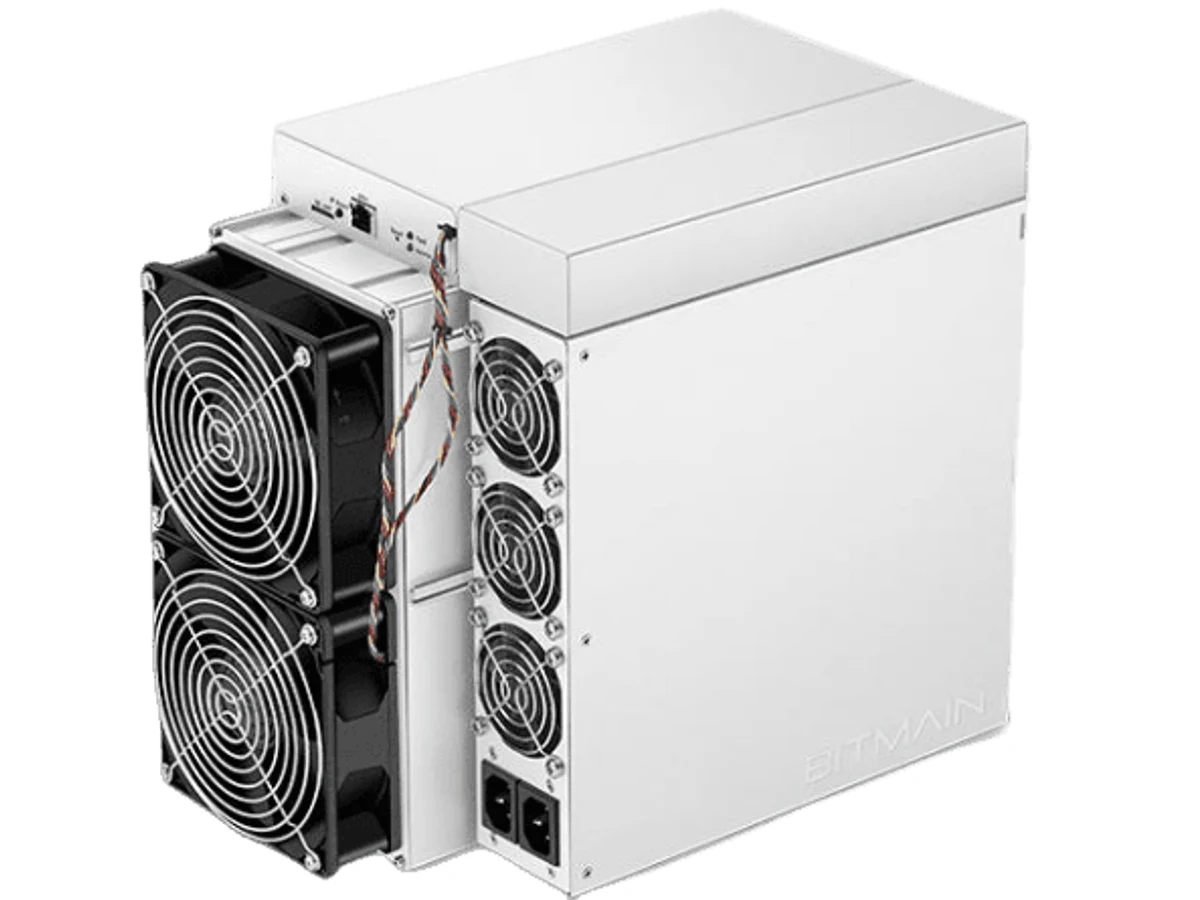 About 120 TH/s
Antminer S19 K Pro
About 2760 W / About 23 J/TH
- Cooling
- Air cooling
- Deployment fit
- Low-rate cases where the price is sufficiently low and higher power use and used-machine risk are acceptable.
The table uses listed machine specifications. Measured power, line loss and billing terms from partner offers remain separate.
Why can’t you compare miners by hashrate alone?
Using the S23 and S19 K Pro as an example: the S23 is listed at about 305 TH/s and 3,355 W; the S19 K Pro at about 120 TH/s and 2,760 W. The S23 has roughly 2.5 times the hashrate and 1.2 times the listed power, resulting in about 11 J/TH versus 23 J/TH.
Hashrate
On the same algorithm, more hashrate means a larger theoretical share of block rewards.
Whole-machine power
Use it to calculate theoretical electricity cost; actual wall power also changes with mode, temperature and site conditions.
Energy per TH
A lower number means less electricity for the same hashrate; compare price and condition separately.
Different electricity rates make different miners suitable
For an S21 Pro listed at 3,510 W, theoretical daily energy use is 84.24 kWh. Every USD 0.02/kWh increase adds about USD 1.68 per miner per day, or USD 50.54 over 30 days.
S21 Pro: how much does electricity cost change when only the rate changes?
3.51 kW × 24 = 84.24 kWh
| Electricity Price | Theoretical Daily Electricity Cost | Theoretical electricity for 30 days |
|---|---|---|
| USD 0.04/kWh | USD 3.37 | USD 101.09 |
| USD 0.06/kWh | USD 5.05 | USD 151.63 |
| USD 0.08/kWh | USD 6.74 | USD 202.18 |
| USD 0.10/kWh | USD 8.42 | USD 252.72 |
Calculated from listed miner power only. It excludes site overhead, line loss, management fees, uptime and effective pool fees.
Air cooling or hydro cooling?
Within the same family, the air-cooled S23 is listed at about 305 TH/s, 3,355 W and 11 J/TH; the S23 Hyd. at about 580 TH/s, 5,510 W and 9.5 J/TH. Hydro uses less electricity per TH, but more power per machine.
S23 air cooling and S23 Hyd. side by side
| Item | S23 air | S23 Hyd. hydro |
|---|---|---|
| Hashrate | About 305 TH/s | About 580 TH/s |
| Power Consumption | About 3355W | About 5510 W |
| J/TH | About 11 J/TH | About 9.5 J/TH |
| Theoretical daily energy | 80.52 kWh | 132.24 kWh |
| Confirm at the site | Industrial airflow, dust and hot exhaust | Piping, flow, pressure, CDU and heat rejection |
The hydro-cooled version saves more power per TH, but the nominal power consumption of a single unit is about 2.16 kW more. 9.5 J/TH is not a practical advantage that can be used without a full hydro cooling infrastructure.
Air cooling: confirm airflow, dust and heat exhaust
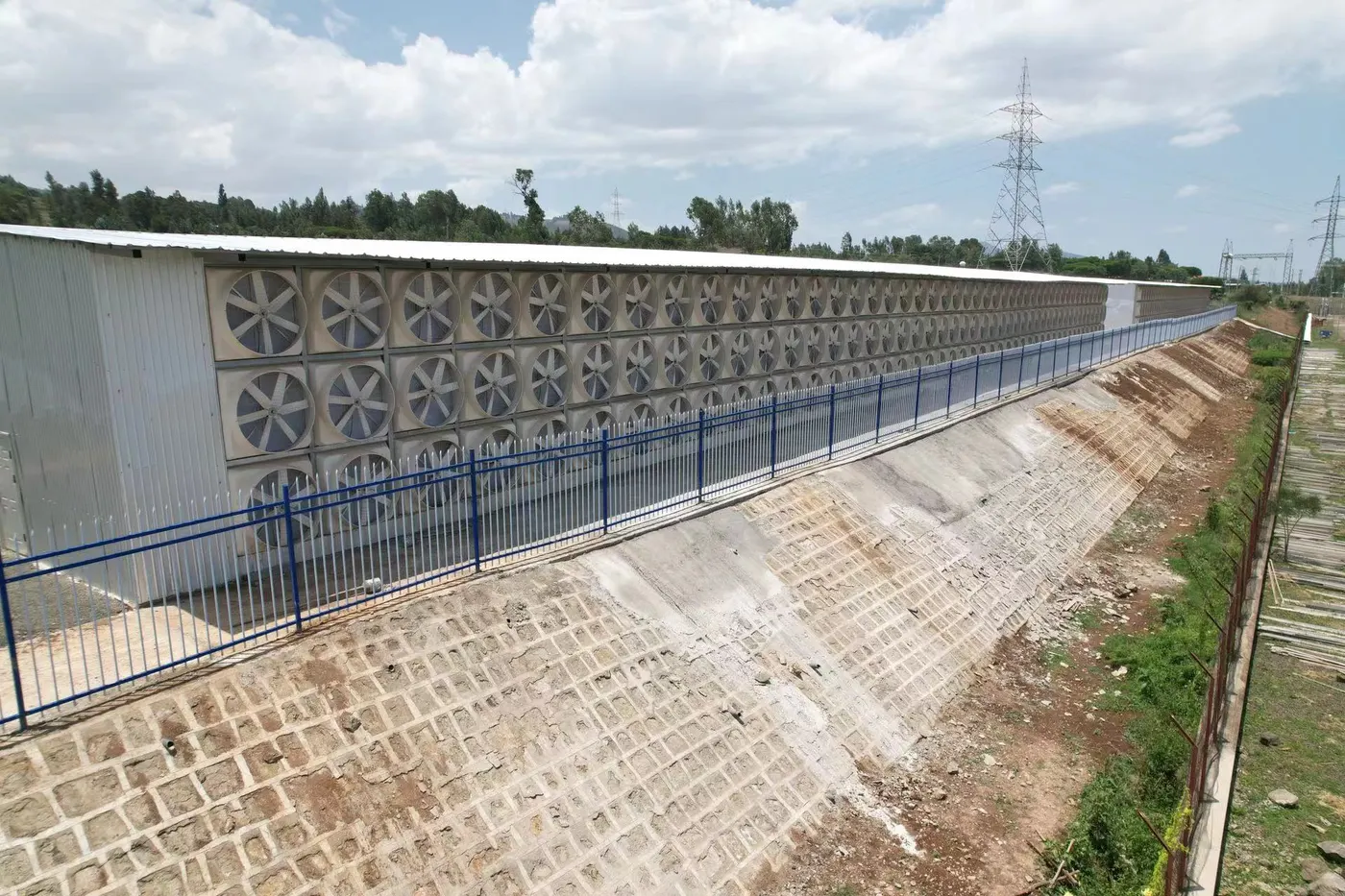
- Works in a wider range of sites, with mature racks and repair workflows.
- Noise, hot exhaust, dust and high temperatures still directly affect operation.
- Fits operators who want to avoid water-loop engineering but already have professional airflow and power.
Hydro: confirm power, piping and heat rejection
- Many new high-hashrate, high-efficiency models are hydro-cooled.
- Confirm three-phase power, piping, flow, pressure, coolant and heat-rejection capacity first.
- Without a complete site system, even an excellent hydro miner cannot simply be deployed.
Should you buy a new or previous-generation miner?
The air-cooled S23, S21 Pro and S19 K Pro below use the same BTC yield environment and electricity rate. The table shows daily gross, theoretical electricity and the difference; machine price, uptime and hosting costs are not yet included.
S23, S21 Pro and S19 K Pro: daily results at the same rate
Change the rate and check electricity as a share of gross revenue, then add machine price, uptime, repairs and hosting costs for your own case.
| Miner | Generation | Estimated daily gross revenue | Theoretical Daily Electricity Cost | Theoretical electricity ÷ gross revenue | Gross minus theoretical electricity |
|---|---|---|---|---|---|
| Antminer S23 305 TH/s · 3,355 W | New generation | Loading current BTC yield data… | Loading current BTC yield data… | Loading current BTC yield data… | Loading current BTC yield data… |
| Antminer S21 Pro 234 TH/s · 3,510 W | Middle generation | Loading current BTC yield data… | Loading current BTC yield data… | Loading current BTC yield data… | Loading current BTC yield data… |
| Antminer S19 K Pro 120 TH/s · 2,760 W | Previous generation | Loading current BTC yield data… | Loading current BTC yield data… | Loading current BTC yield data… | Loading current BTC yield data… |
Gross minus theoretical electricity is not net profit. It excludes machine price, effective pool fees, line loss, site overhead, repairs and hosting surcharges, and is not adjusted for uptime; do not treat it as a payback forecast.
Start with theoretical electricity divided by gross revenue. Near 100%, little remains after theoretical electricity; above 100%, gross revenue does not cover theoretical electricity. Then compare price, condition, repairs and downtime risk.
Current offers: verify electricity, machine price and hosting terms
The cards show currently published JGM Hub partner offers. Check the model, location, listed electricity rate, machine price, minimum order and estimated deployment time. Then confirm line loss and other fees, downtime billing, repair responsibility, equipment ownership, and retrieval or relocation terms. Offers use different assumptions and are not combined into a profitability ranking; confirm availability and terms on the offer page.
The following are JGM partner offers. JGM may receive service or advertising fees.
Loading current offers…
There are currently no published BTC deployment offers. Please check again later.
Open JGM HubOffers are currently unavailable. Check JGM Hub for the latest status.
Open JGM Hub- Partner
- Deployment area
- Listed electricity rate
- Listed machine price
- Listed quantity
- Confirmed ·
- Minimum order
- Estimated deployment time
Cards use published JGM Hub data; confirm availability, price and terms on the offer page before ordering.
Related manufacturer releases and events
These records come from the mining manufacturer updates database. Dates, facts, and primary sources are maintained once; open a data card for the full verification record.
BITMAIN | WDMS Global 2026 Hong Kong
The WDMS recap confirms the S23 XP Hyd. launch and presents hydro-deployment and computing-cooperation themes. Product specifications and expected delivery have linked data cards; event dates and the official recap remain here.
- Event dates
- 2026/08/27–28
Canaan | Announced Participation at Bitcoin Asia 2026
Canaan announced before Bitcoin Asia 2026 that it would showcase Bitcoin computing equipment spanning enterprise and home use; no official post-event recap has been found.
- Announcement date
- 2026/08/25
Specification and methodology sources
Comparison cards display the same specifications as the Learn database; the manufacturer sources and clearly labelled manual mirror below cross-check representative models and versions.
- Bitmain S23 Hydro product manual
- Bitmain S23 official product page
- Canaan AvalonMiner A16XP-300T official page
- WhatsMiner M70S official product page
- Bitmain current BTC product list, including S21j XP Hyd
- Bitmain S21e Hydro product-manual mirror (non-manufacturer URL)
- Bitmain S21 XP Hydro official specifications
- Bitmain S21 XP official specifications
- Bitmain S21 Pro official specifications
- Bitmain S19K Pro official specifications
Pre-purchase mining-machine checklist
Before paying, confirm these eight items with the seller and hosting provider. Treat any item without a written answer as unconfirmed.
-
Exact model and hashrate
Verify brand, suffix, batch and listed hashrate; do not replace them with a series average.
View the complete ASIC Database → -
Power and J/TH
Use hashrate and power from the same version, avoiding a false efficiency made from different SKUs.
Understand ASIC specifications → -
Actual purchase price
Include freight, duties, deployment and required infrastructure in cost.
Understand the miner cost structure→ -
Actual all-in electricity rate
Confirm line loss, management fees, deposits, repairs and billing during downtime.
Use your own conditions to calculate → -
Cooling and power fit
For air cooling, check airflow and dust; for hydro, check three-phase power, piping, CDU and heat rejection.
Learn how to check hosting conditions → -
Uptime and repairs
Clarify who monitors, who repairs, reporting frequency, parts and downtime responsibility.
Compare hosting operating conditions→ -
Country and equipment exit
Check policy, imports, asset control and relocation capability; do not replace project terms with a national average.
Compare mining conditions country by country → -
Counterparty and scam risk
Verify the company, contract, payee, equipment ownership and verifiable site evidence.
Do a mining fraud prevention check first →
Frequently asked questions
What is the best Bitcoin miner in 2026?
No machine is best for everyone. Hydro sites may start with 10–13 J/TH models, while air-cooled operators balance efficiency, price and repair access. Your electricity rate, purchase cost and site conditions still decide the result.
Should I check hashrate or J/TH first?
You need both, but J/TH is more useful across generations because it shows electricity per unit of hashrate. Hashrate shows theoretical output capacity; power and J/TH reveal electricity pressure.
Are hydro miners always better than air-cooled miners?
No. Hydro often offers higher hashrate and lower J/TH, but requires three-phase power, piping, CDU, heat rejection and specialist maintenance. Without a matching site, air cooling may be the option that can actually run.
What electricity rate is suitable for Bitcoin mining?
There is no permanent universal threshold. A sustainable rate changes with BTC output, network difficulty, pool fees, machine efficiency, uptime and other costs. Use current data to calculate electricity share of revenue and theoretical shutdown price.
Are older Bitcoin miners still worth buying?
Possibly, but the conditions are stricter. You need low electricity, a sufficiently low purchase price, verifiable condition, parts and repair capability. A cheap sticker price alone cannot offset high power use and downtime risk.
How should I estimate payback before buying?
Start with listed hashrate, power and your electricity rate, then add actual uptime, effective pool fee, extra power and total purchase cost. Static payback assumes conditions stay unchanged; it is a comparison tool, not a promise of future returns.
Why can Learn machine specifications differ from a hosting offer?
Learn machine pages preserve manufacturer or database specifications. A site offer may use a specific batch, operating mode, measured power, line loss or billing convention. Read them separately; offer numbers should not rewrite the machine’s listed specifications.